Enhancing Construction Materials with Redispersible Polymer Powder (RDP)
In the realm of modern construction and building materials, redispersible polymer powder (RDP) has emerged as a key additive for enhancing the performance of dry-mix mortar products. Known for its versatility and strength-enhancing properties, RDP improves adhesion, flexibility, and water resistance. This article explores various redispersible polymer powder types, applications, and market trends, including sourcing and pricing.
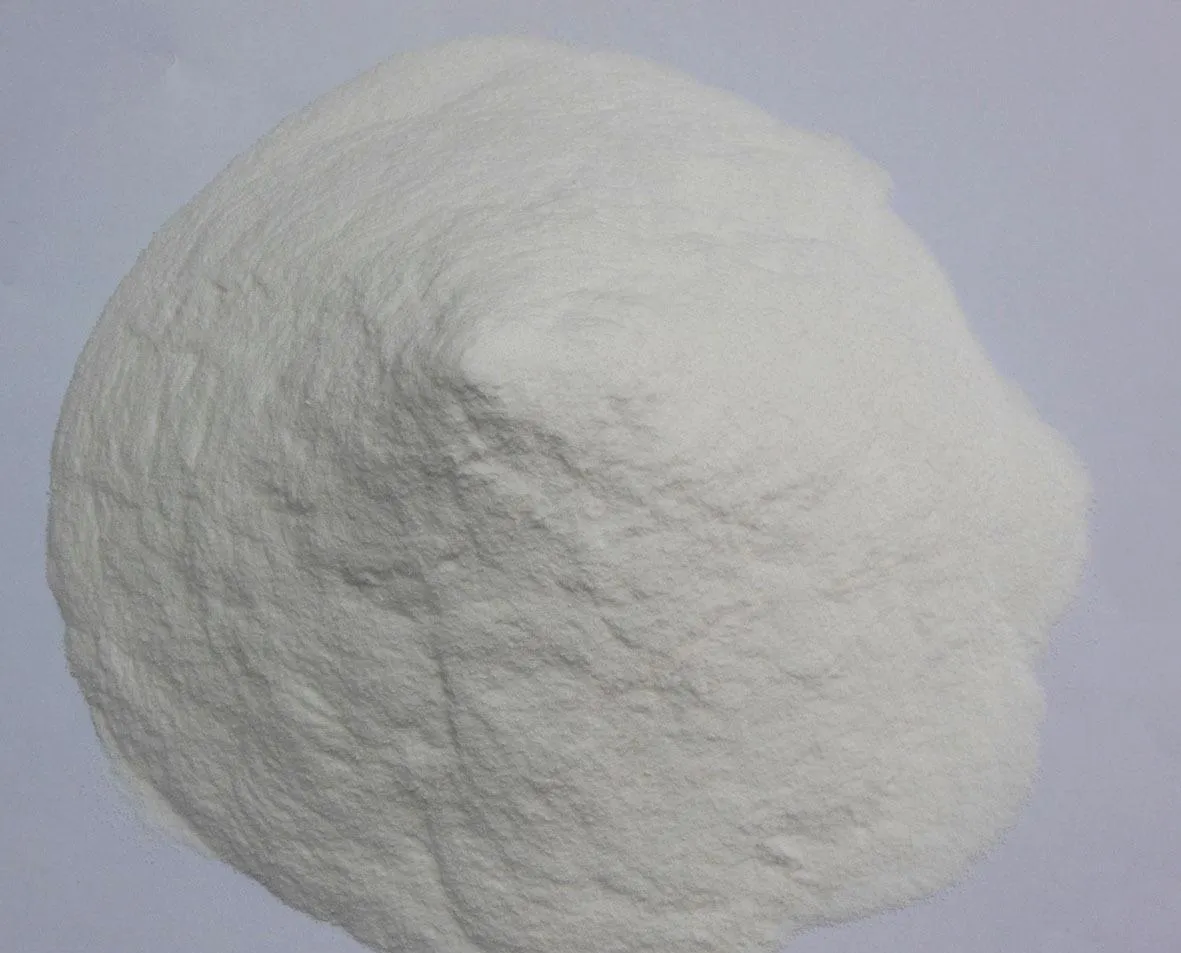
What is Redispersible Polymer Powder and Why It Matters
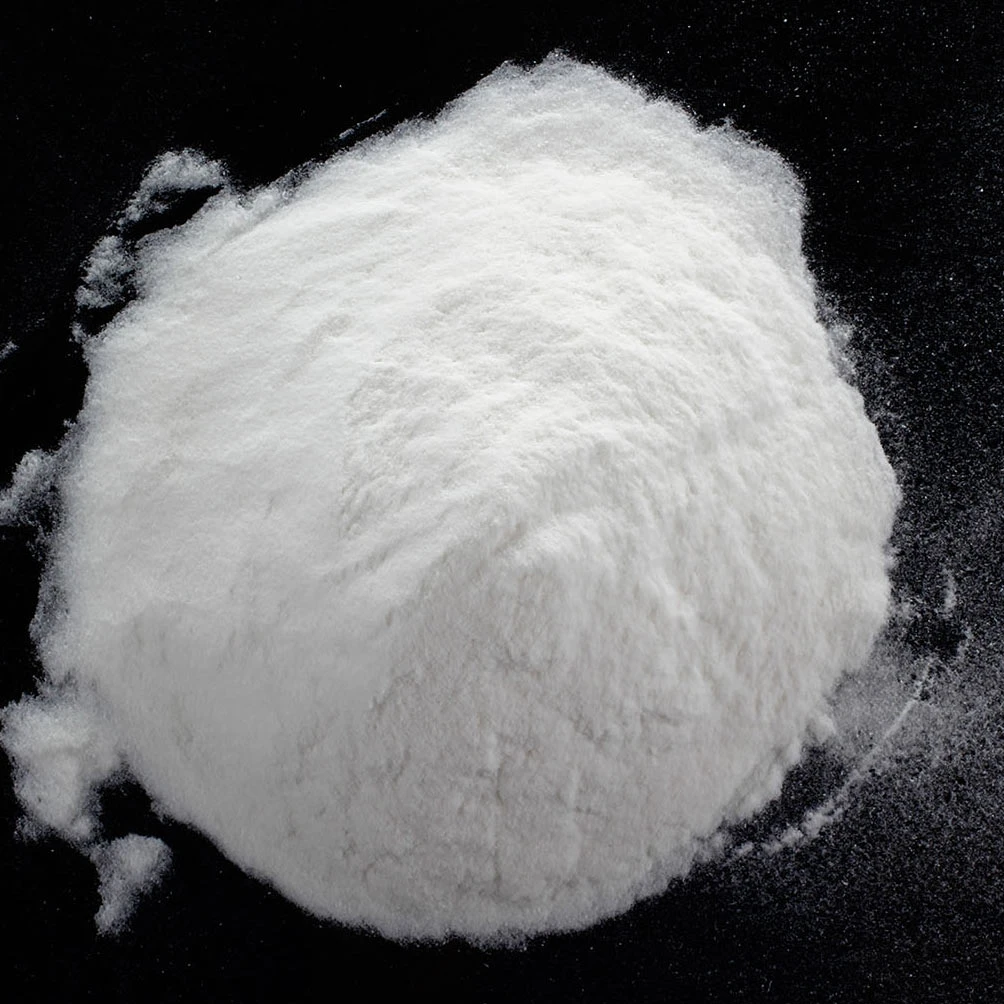
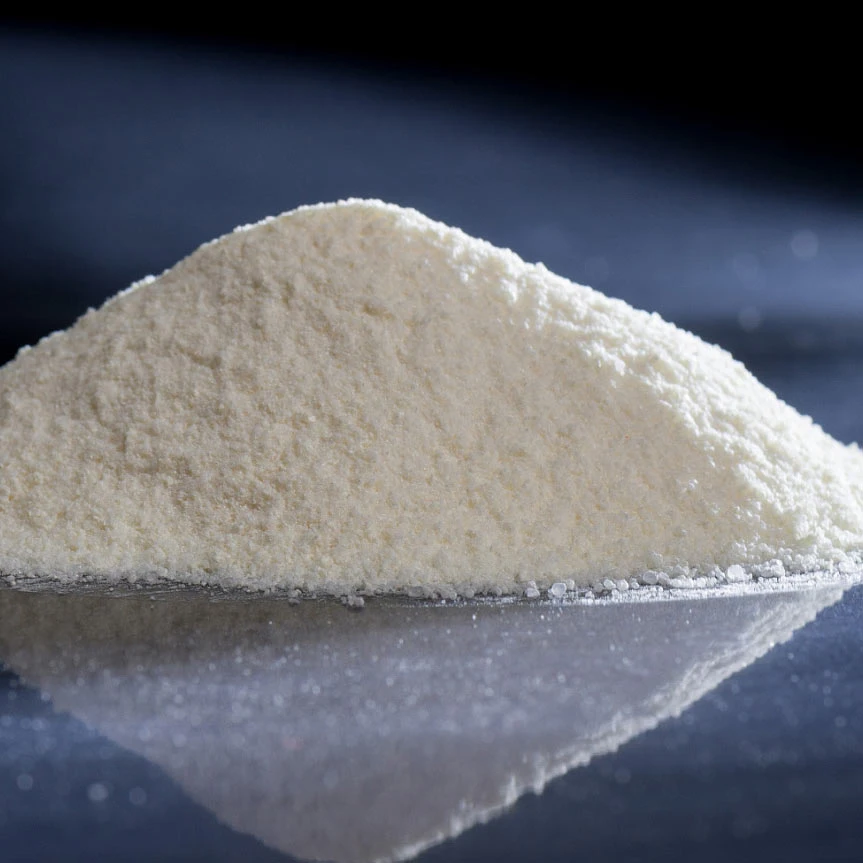
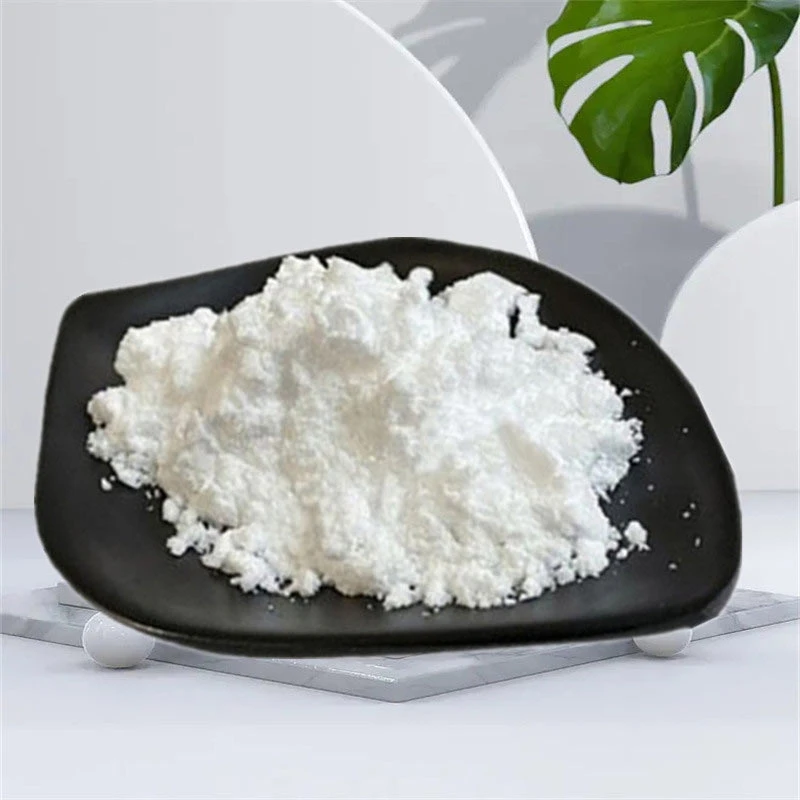
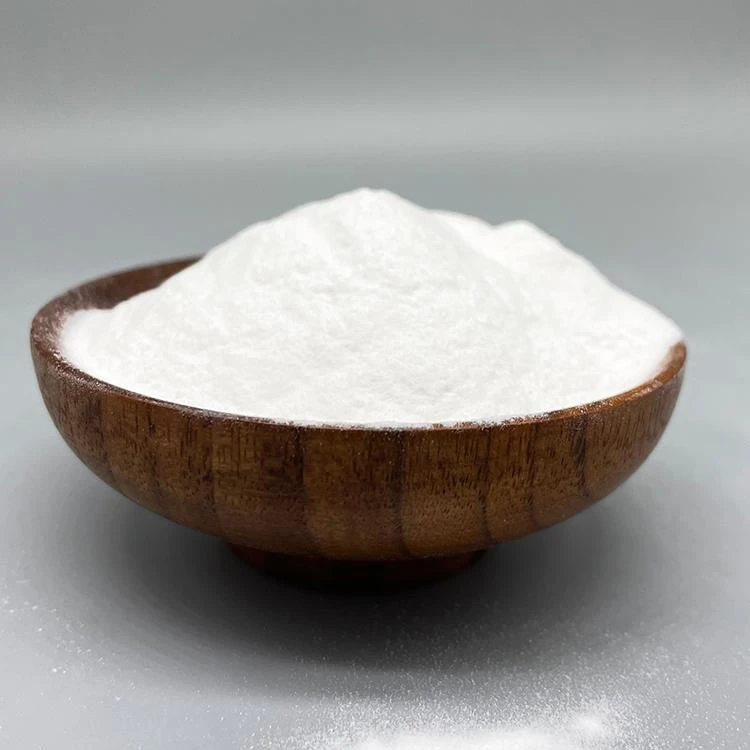
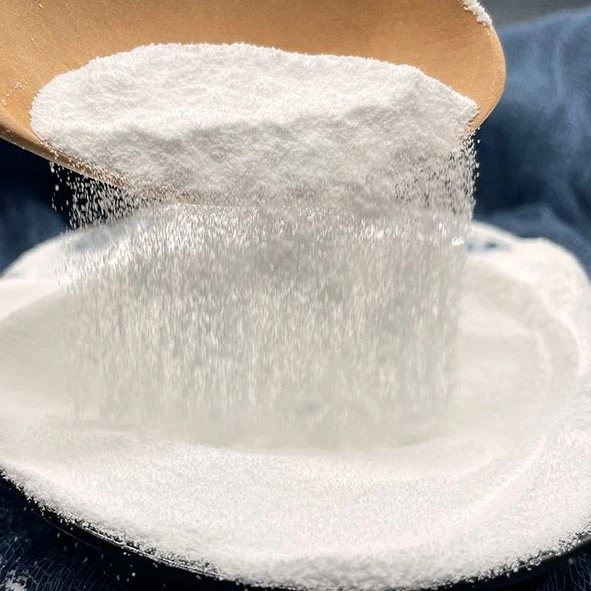
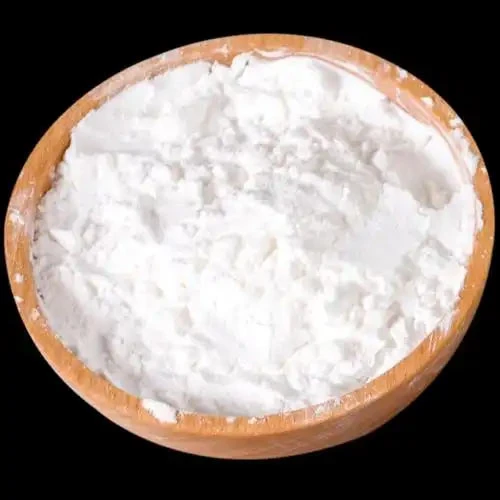
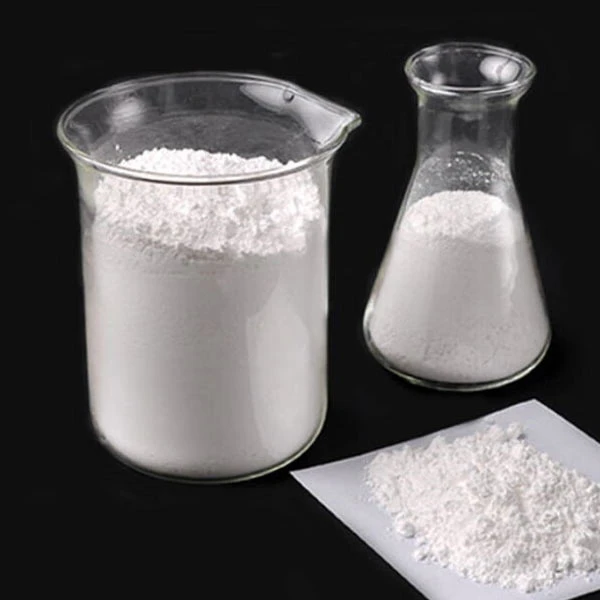
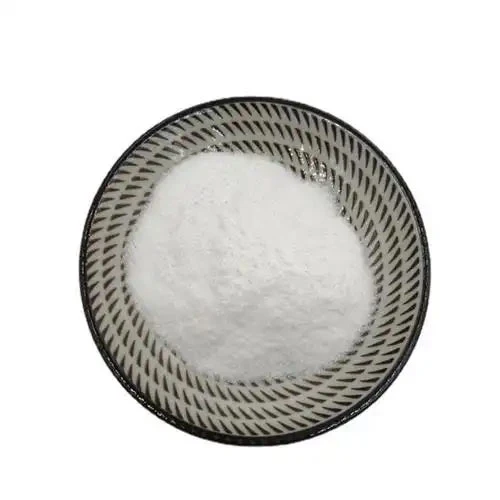
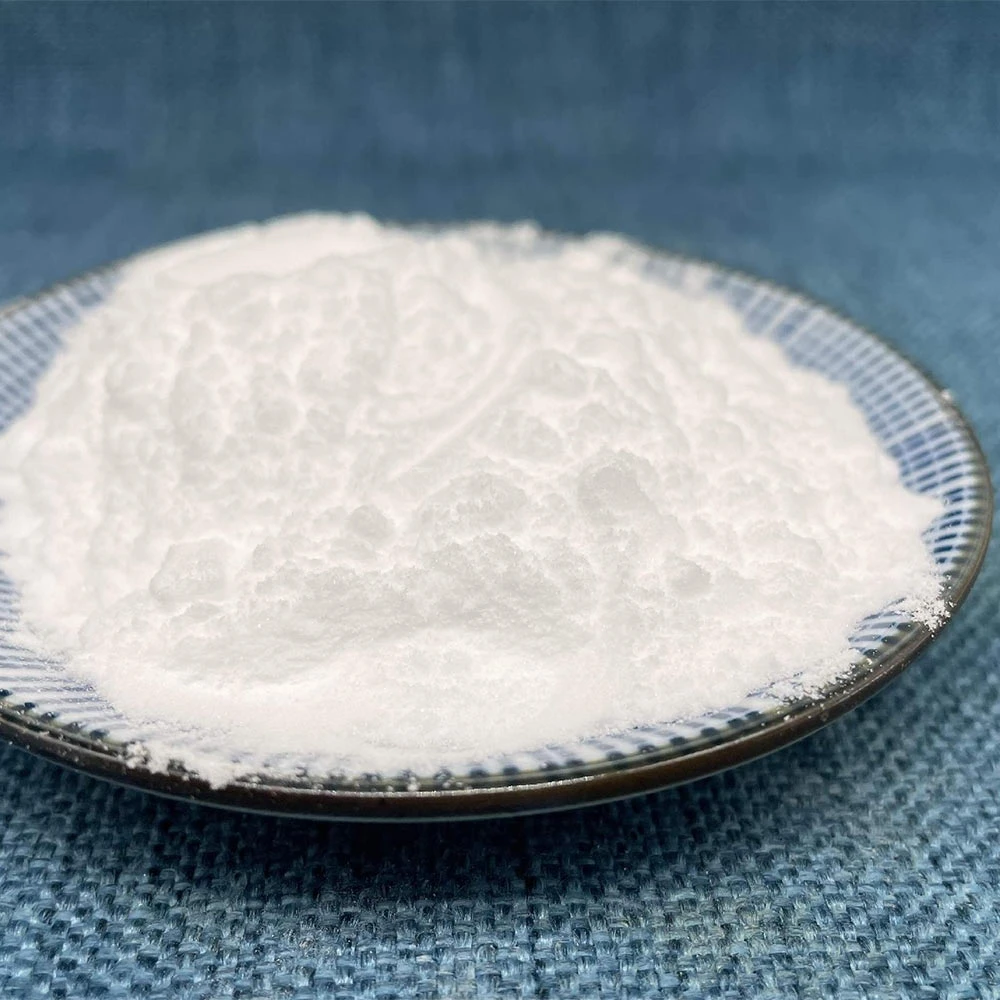
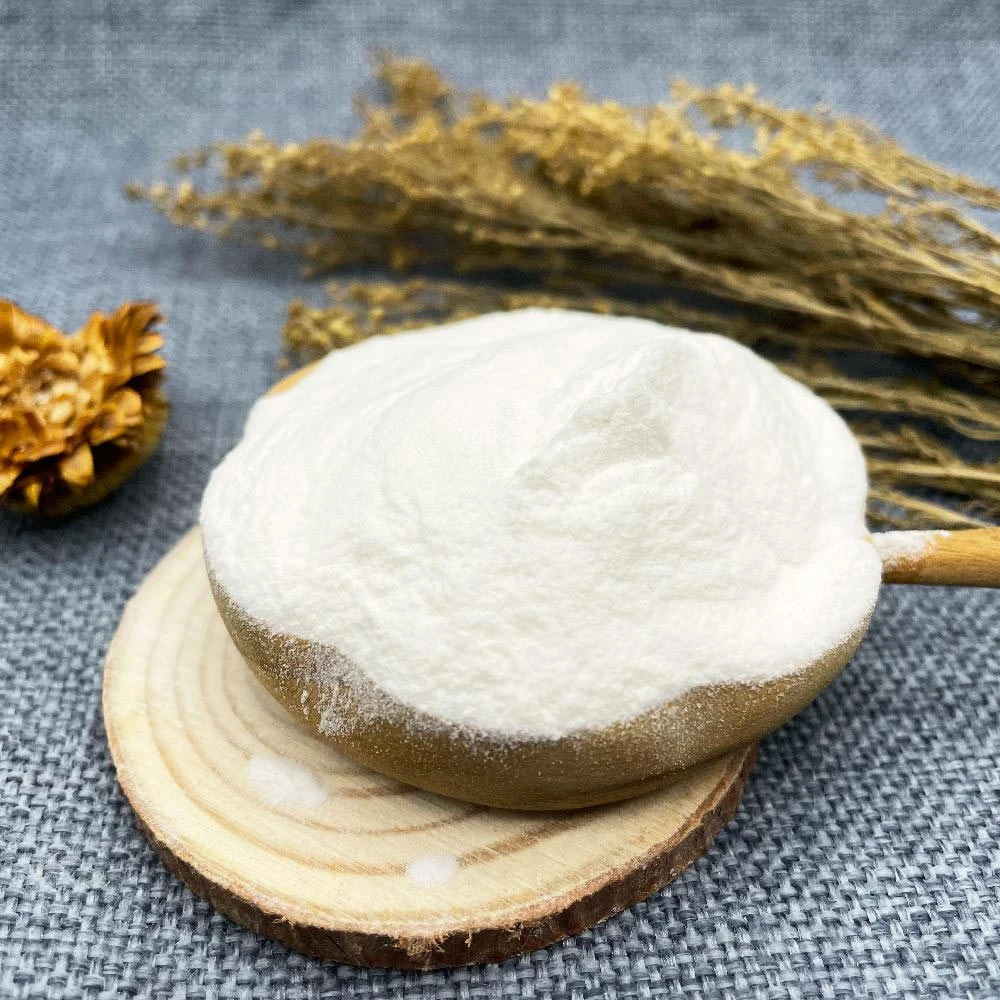
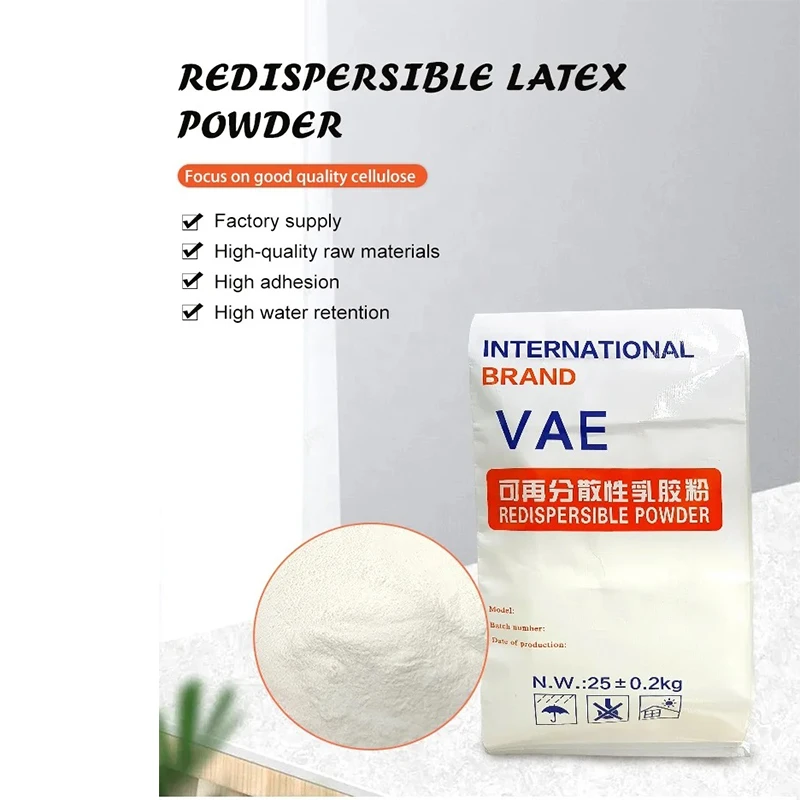
Redispersible polymer powder, often abbreviated as RDP polymer, is a free-flowing white powder obtained through spray drying of polymer emulsions. When mixed with water, it redistributes into a stable emulsion, enhancing the mechanical properties of cementitious mixes.
There are several redispersible polymer powder types, such as those based on vinyl acetate ethylene (VAE), vinyl acetate-acrylic, or styrene-butadiene. The selection depends on the specific application requirements—whether it’s tile adhesives, repair mortars, or external thermal insulation systems.
Also known as re dispersible polymer powder, this material provides excellent bonding strength, flexibility, impact resistance, and workability. Due to its fine dispersion properties and strong film-forming ability, redispersible emulsion powder is widely used in formulations requiring improved adhesion and durability.
Suppliers often classify RDP products by performance characteristics and polymer base. Leading redispersible latex powder suppliers cater to global markets with tailor-made solutions for construction, offering various grades for different applications.
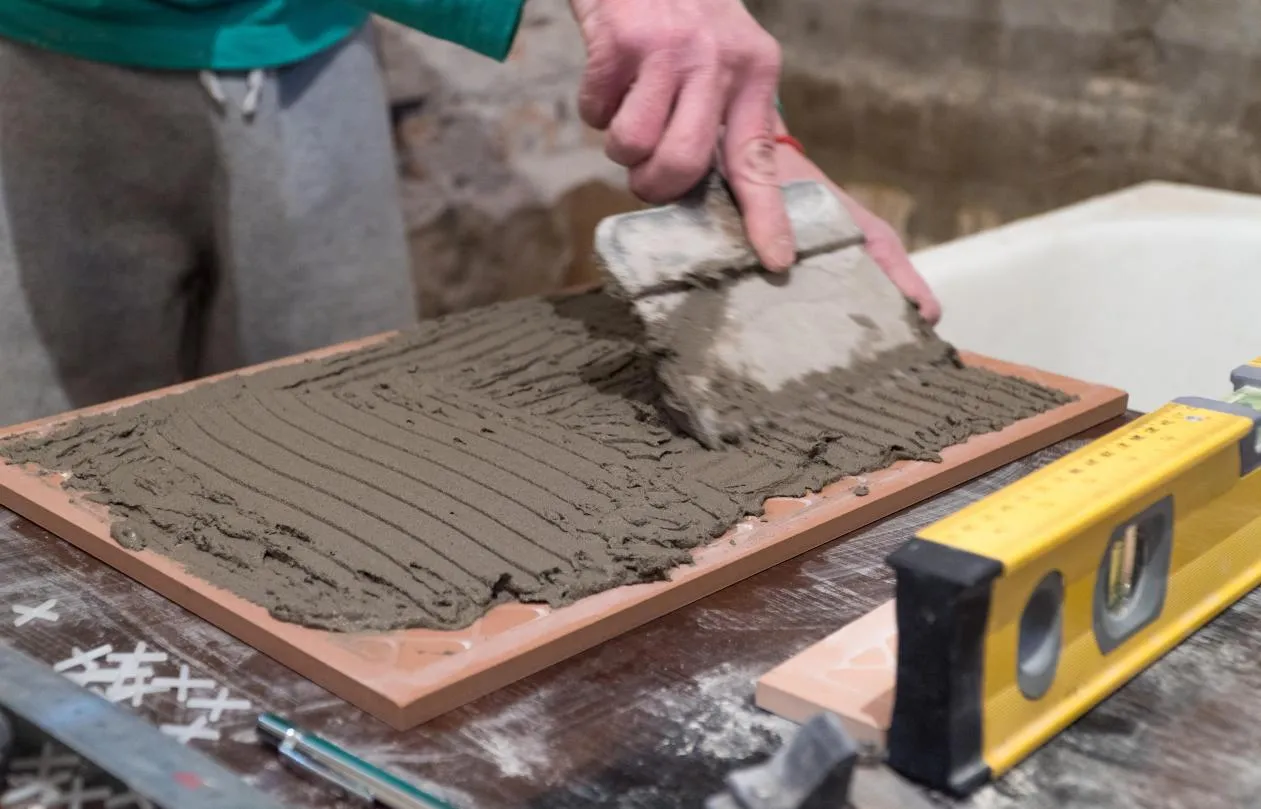
Applications, Market Pricing, and Supplier Considerations
The redispersible powder uses are extensive. It’s primarily added to dry-mix mortar products, including tile adhesives, skim coats, self-leveling compounds, and wall putties. In these formulations, RDP helps reduce cracking, enhances weather resistance, and provides flexibility under stress.
When considering purchasing, the redispersible polymer powder price is influenced by polymer type, production process, and supplier location. While high-performance types may cost more, they offer longer-lasting and higher-quality results in construction applications. Evaluating cost against performance is essential for contractors and manufacturers aiming to maintain quality standards while optimizing budgets.
Reliable redispersible latex powder suppliers offer technical support and quality control, ensuring consistency in large-scale applications. Bulk purchasing from reputable suppliers can help manage the redispersible polymer powder price effectively while maintaining product integrity.
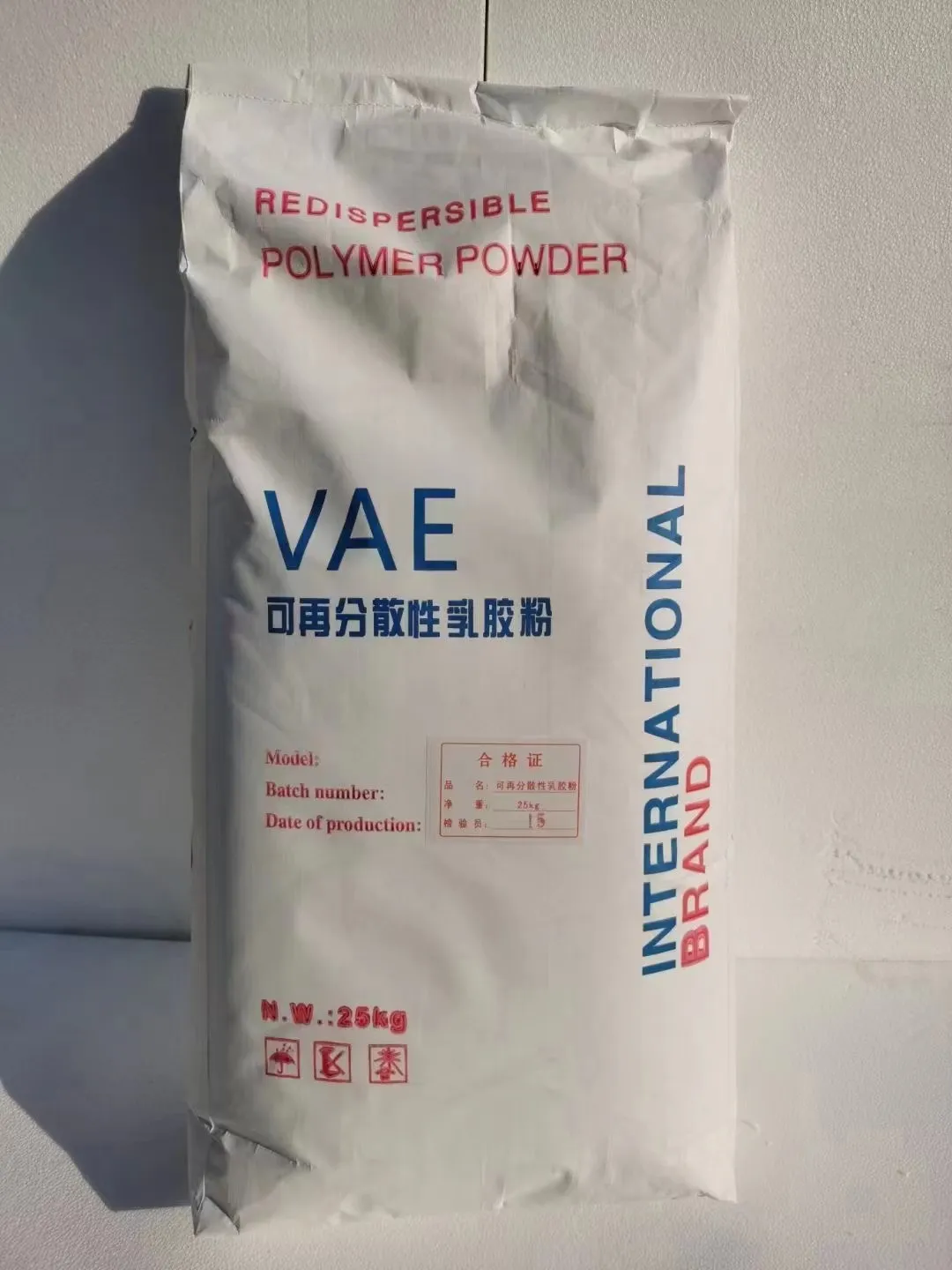
Whether using a VAE-based redispersible polymer powder RDP for flexibility or a styrene-acrylate-based powder for stronger bonding, selecting the right type of polymer plays a key role in the performance of the final product.
Product FAQs
1. What are the main redispersible polymer powder types?
Answer: The main redispersible polymer powder types include vinyl acetate-ethylene (VAE), vinyl acetate-acrylic, and styrene-butadiene-based powders, each suitable for specific construction applications.
2. What is the function of redispersible emulsion powder in mortar?
Answer: Redispersible emulsion powder enhances flexibility, adhesion, and water resistance in dry-mix mortars, improving durability and workability in construction projects.
3. Where can I find reliable redispersible latex powder suppliers?
Answer: Trusted redispersible latex powder suppliers can be found globally, especially in China, Europe, and India. It’s best to look for suppliers with quality certifications and technical support.
4. How much does redispersible polymer powder cost?
Answer: The redispersible polymer powder price varies based on the type of polymer used, quality grade, and purchase volume. Bulk orders often result in lower per-unit costs.
5. What are common redispersible powder uses in construction?
Answer: Redispersible powder uses include tile adhesives, plastering mortars, wall putties, external insulation systems, and self-leveling flooring compounds.
-
HPMC High-Performance Thickener | Hebei TangzhiNewsMar.06,2026
-
Wholesale Water Reducing Admixture for Special Cement: Performance and Market InsightsNewsFeb.28,2026
-
The Complete Guide to HPMC: Types, Applications, Grades, and Manufacturing InsightsNewsFeb.28,2026
-
Redispersible Polymer Powder: Types, Applications, and Performance AdvantagesNewsFeb.28,2026
-
Hydroxymethyl Ethyl Cellulose (MHEC): Properties, Applications, and Market InsightsNewsFeb.28,2026
-
Hydroxyethyl Cellulose: Applications, Performance, and Buying GuideNewsFeb.28,2026