MHEC in Nuclear Chemical Waste Solidification
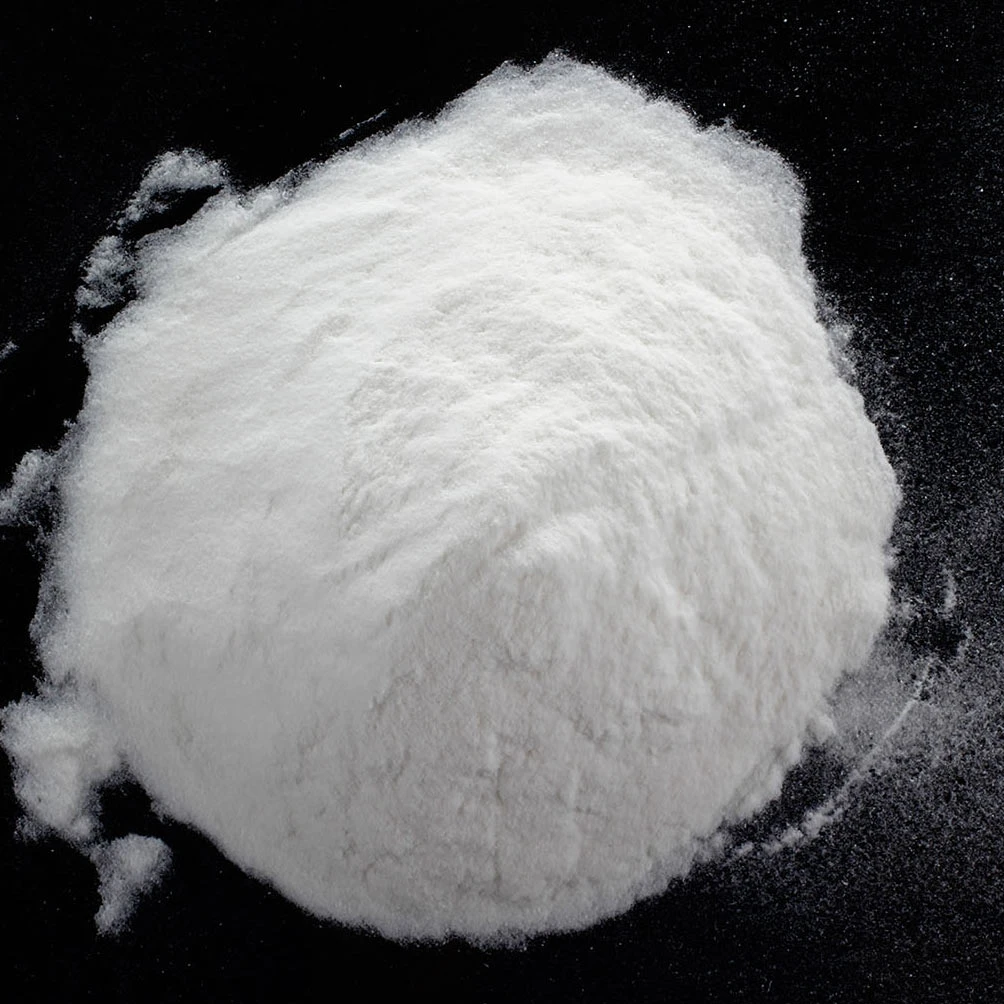
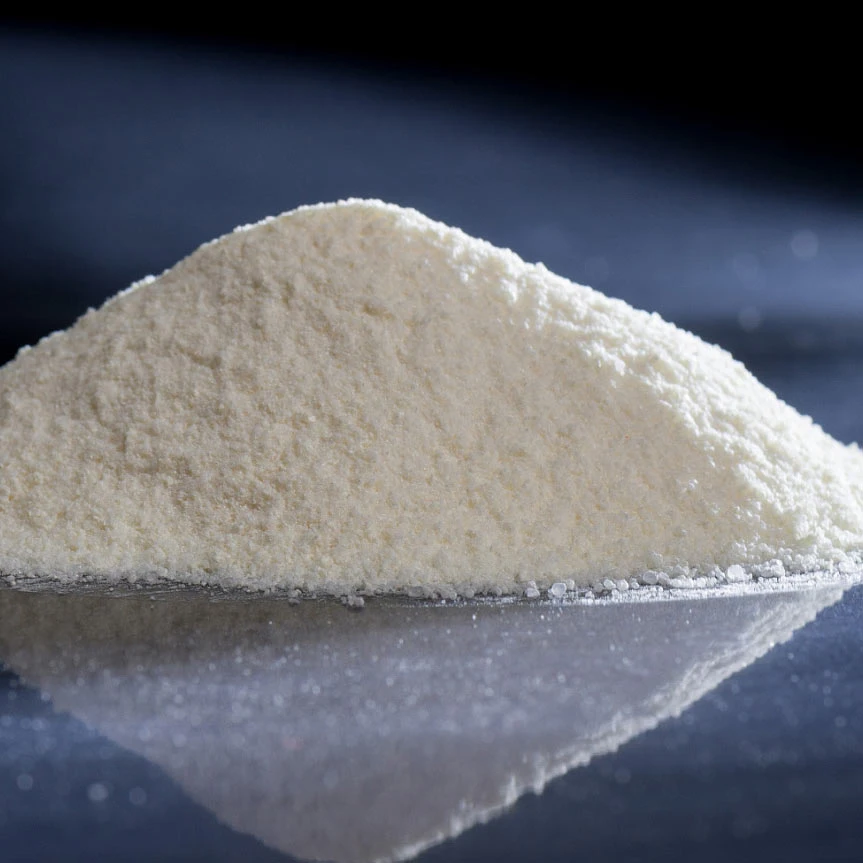
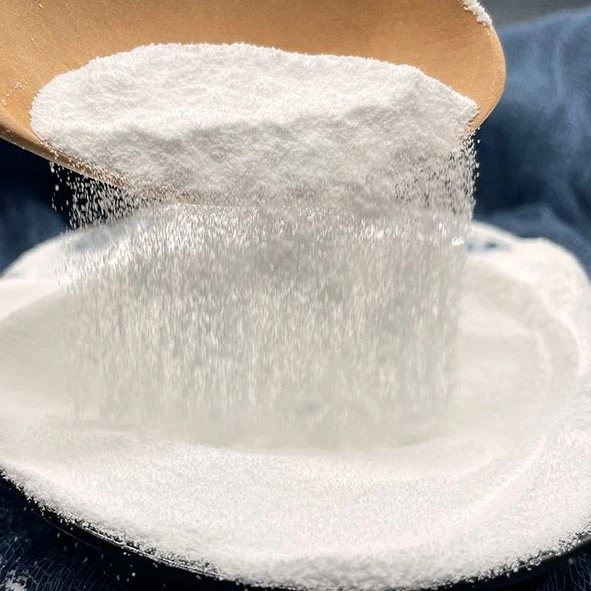
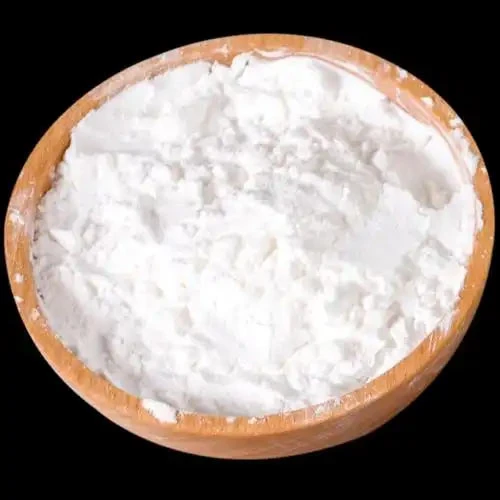
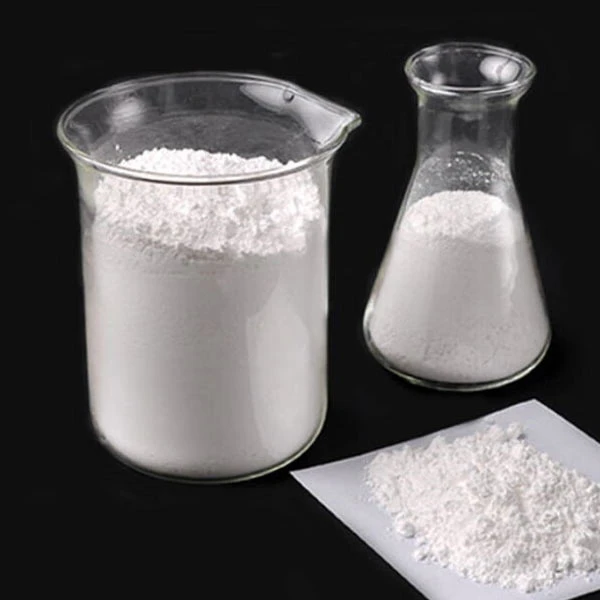
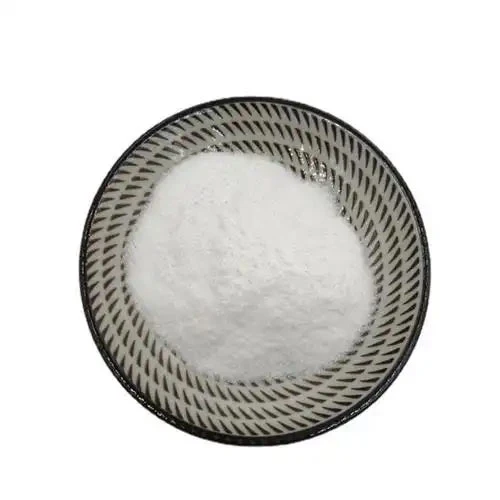
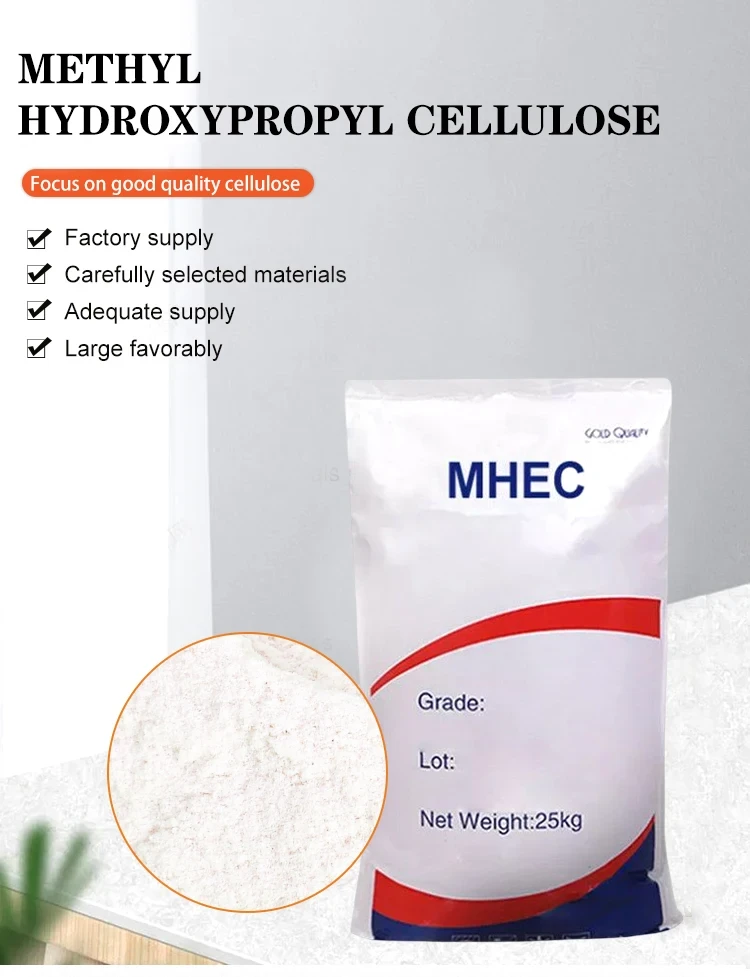
The safe and effective solidification of nuclear chemical waste represents one of the most critical challenges facing the nuclear industry today, requiring advanced materials that ensure long-term stability and environmental protection. Methyl Hydroxyethyl Cellulose (MHEC) has emerged as a crucial additive in waste solidification formulations, with mhec demonstrating exceptional performance in encapsulating hazardous radioactive materials. The unique properties of mhec powder make it particularly suitable for nuclear applications, while specialized chemical mhec formulations have been developed to meet the rigorous demands of radioactive waste treatment, providing superior control over hydration kinetics and final waste form integrity.
Fundamental Properties of MHEC
- The polymer structure enables excellent water retention and controlled hydration in cement-based waste forms
- mhec powdercharacteristics including particle size distribution significantly affect performance
- The chemical composition determines compatibility with various waste stream components
- Viscosity development and gel strength ensure homogeneous distribution of radioactive particles
MHEC Powder in Solidification Formulations
- Proper dissolution is essential for achieving optimal rheological properties in waste slurries
- The fine particle size of mhec powderensures rapid incorporation and uniform distribution
- Quality control measures include testing for heavy metal content and radiation stability
- Storage and handling protocols must prevent contamination and moisture absorption
Advanced Chemical MHEC Formulations
- Modified variants exhibit enhanced radiation resistance for long-term applications
- The molecular structure of chemical mheccan be tailored for specific waste chemistry
- Purity specifications for nuclear-grade products exceed standard industrial requirements
- Compatibility testing with cementitious materials ensures formulation stability
Performance Characteristics in Nuclear Applications
- The water retention capability prevents premature drying and cracking in waste monoliths
- Controlled hydration allows adequate processing time for large-scale operations
- Chemical resistance maintains performance in aggressive waste environments
- Radiation stability testing confirms integrity under prolonged exposure conditions
MHEC FAQs
Q: What Are the Typical Applications of MHEC in the Nuclear Chemical Industry?
A: MHEC (Hydroxyethyl Methyl Cellulose) plays multiple critical roles in nuclear chemical applications. It is widely used as a viscosity regulator and stabilizer in nuclear fuel processing slurries, ensuring uniform dispersion of fuel particles to maintain consistent product quality. Additionally, it acts as a binder in the production of nuclear-grade ceramic composites, which are used for reactor components due to their high-temperature resistance. MHEC also enhances the performance of nuclear chemical coatings by improving adhesion and corrosion resistance, protecting reactor vessels and pipelines from radioactive contaminants and harsh chemical environments. It is further utilized in nuclear wastewater treatment as a flocculation aid to remove radioactive particles efficiently.
Q: How Does MHEC Powder Perform in High-Radiation Nuclear Environments?
A: MHEC Powder exhibits excellent stability in high-radiation nuclear environments, a key advantage for its industrial use. Its molecular structure is resistant to radiation-induced degradation, meaning it retains core properties like viscosity control, binding ability, and solubility even when exposed to gamma or neutron radiation common in nuclear facilities. This stability prevents performance loss—such as slurry separation or coating peeling—that could disrupt nuclear processes. Additionally, MHEC Powder has low moisture absorption, which reduces the risk of clumping or chemical reactions with radioactive byproducts, ensuring reliable operation in long-term nuclear chemical applications like waste solidification or fuel pellet manufacturing.
Q: What Purity Standards Should Chemical MHEC Meet for Nuclear Applications?
A: Chemical MHEC for nuclear chemical use must adhere to strict purity standards to avoid compromising safety or process efficiency. First, it requires a minimum purity level of 99.5% to minimize impurities (such as heavy metals, residual solvents, or inorganic salts) that could react with radioactive materials or contaminate nuclear fuel. It must also meet low ash content requirements (typically <0.1%) to prevent ash accumulation in reactor systems, which could interfere with heat transfer or cause equipment damage. Additionally, Chemical MHEC must comply with international nuclear safety standards (e.g., ISO 10993 for biocompatibility, where applicable) and pass radiation resistance testing. Reputable suppliers often provide certification of purity and compliance to ensure suitability for nuclear environments.
Q: Can MHEC Be Compatible with Other Chemical Additives Used in Nuclear Processes?
A: Yes, MHEC demonstrates strong compatibility with most common chemical additives in nuclear processes, making it a versatile choice. It works well with nuclear-grade corrosion inhibitors (e.g., chromate-free inhibitors) used to protect reactor metals, as it does not react to reduce inhibitor effectiveness. It is also compatible with flocculants and coagulants in nuclear wastewater treatment, enhancing their ability to clump radioactive particles. When paired with nuclear fuel binders or ceramic composite additives, MHEC improves mixture homogeneity without causing chemical conflicts. However, compatibility with strong oxidizing agents or concentrated acids should be tested on a case-by-case basis, as extreme conditions may slightly alter its viscosity or stability—though such scenarios are rare in standard nuclear chemical operations.
Q: What Storage Conditions Are Recommended for MHEC Powder to Maintain Quality for Nuclear Use?
A: To preserve the quality of MHEC Powder for nuclear chemical applications, specific storage conditions are essential. It should be stored in a cool, dry environment with a temperature range of 15–25°C (59–77°F) and relative humidity below 60% to prevent moisture absorption, which can lead to clumping and reduced viscosity control. MHEC Powder must be kept in airtight, opaque containers (preferably the original sealed packaging) to shield it from direct sunlight—UV exposure can degrade its molecular structure over time. Additionally, it should be stored separately from strong chemicals (e.g., acids, alkalis, or radioactive materials) to avoid cross-contamination or chemical reactions. When stored correctly, MHEC Powder retains its performance properties for 2–3 years, ensuring it meets the strict requirements of nuclear chemical processes when used.
-
HPMC High-Performance Thickener | Hebei TangzhiNewsMar.06,2026
-
Wholesale Water Reducing Admixture for Special Cement: Performance and Market InsightsNewsFeb.28,2026
-
The Complete Guide to HPMC: Types, Applications, Grades, and Manufacturing InsightsNewsFeb.28,2026
-
Redispersible Polymer Powder: Types, Applications, and Performance AdvantagesNewsFeb.28,2026
-
Hydroxymethyl Ethyl Cellulose (MHEC): Properties, Applications, and Market InsightsNewsFeb.28,2026
-
Hydroxyethyl Cellulose: Applications, Performance, and Buying GuideNewsFeb.28,2026