



Redispersible Polymer Powder Types Applications and Market Insights
The construction industry relies heavily on advanced chemical additives to improve the performance and durability of building materials. Among these, redispersible polymer powder (RDP) has emerged as one of the most important innovations. Whether referred to as redispersible powder, redispersible emulsion powder, or dispersible polymer powder, this material plays a central role in modern dry-mix mortars, adhesives, and plasters.
In this article, we will explore the different redispersible polymer powder types, applications, and global market outlook. We will also touch on topics like redispersible polymer powder HS code, supplier networks, and insights from sources such as redispersible polymer powder wiki.

What is Redispersible Polymer Powder?
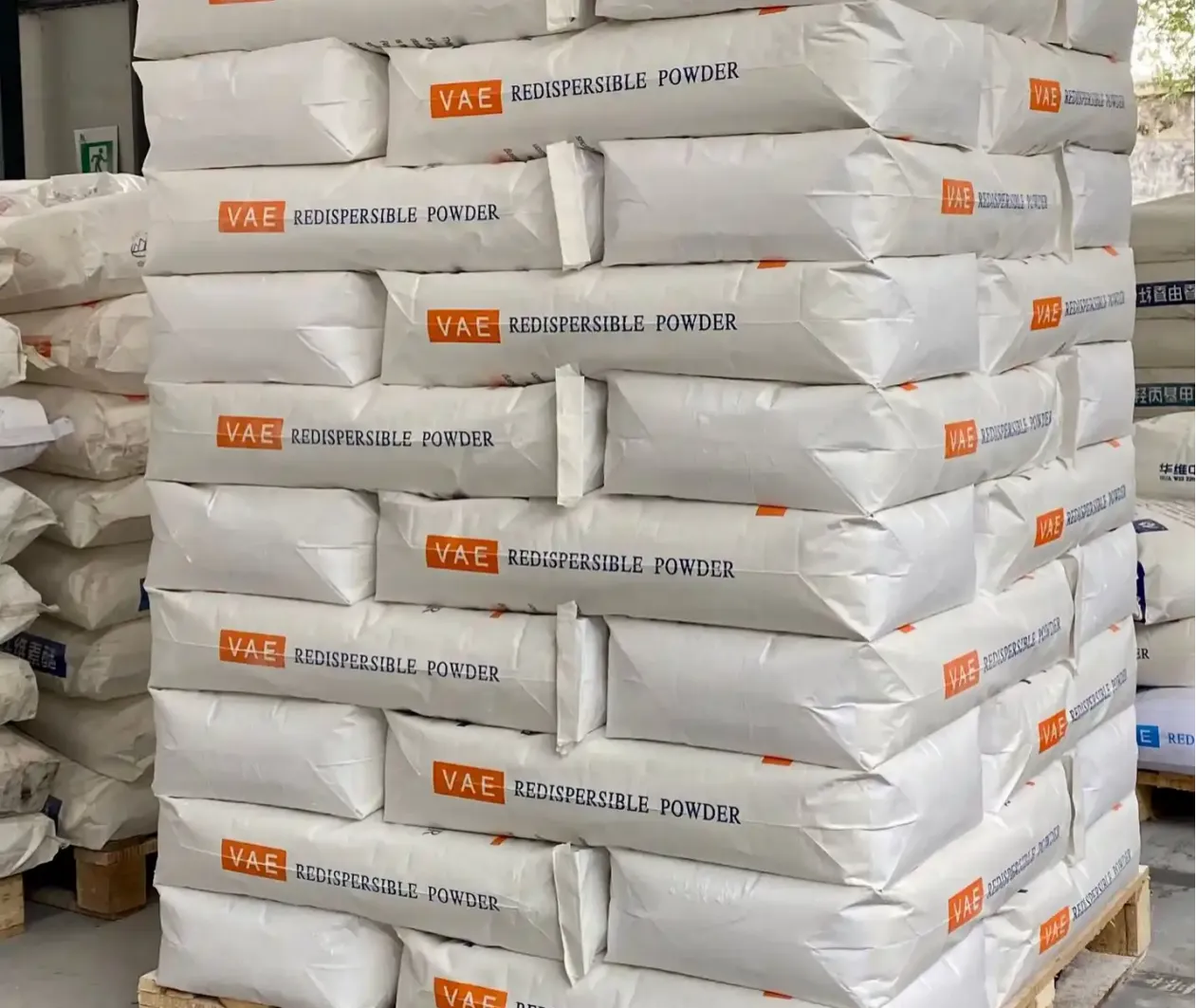
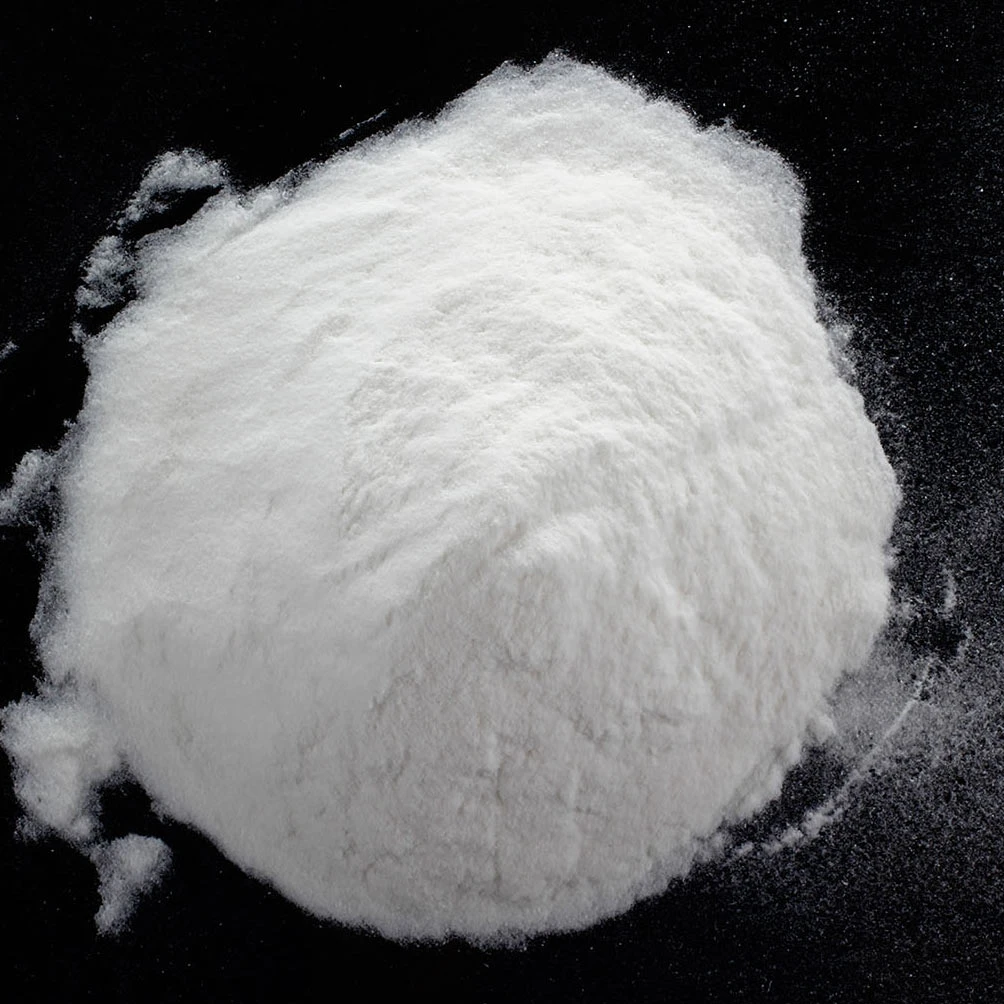
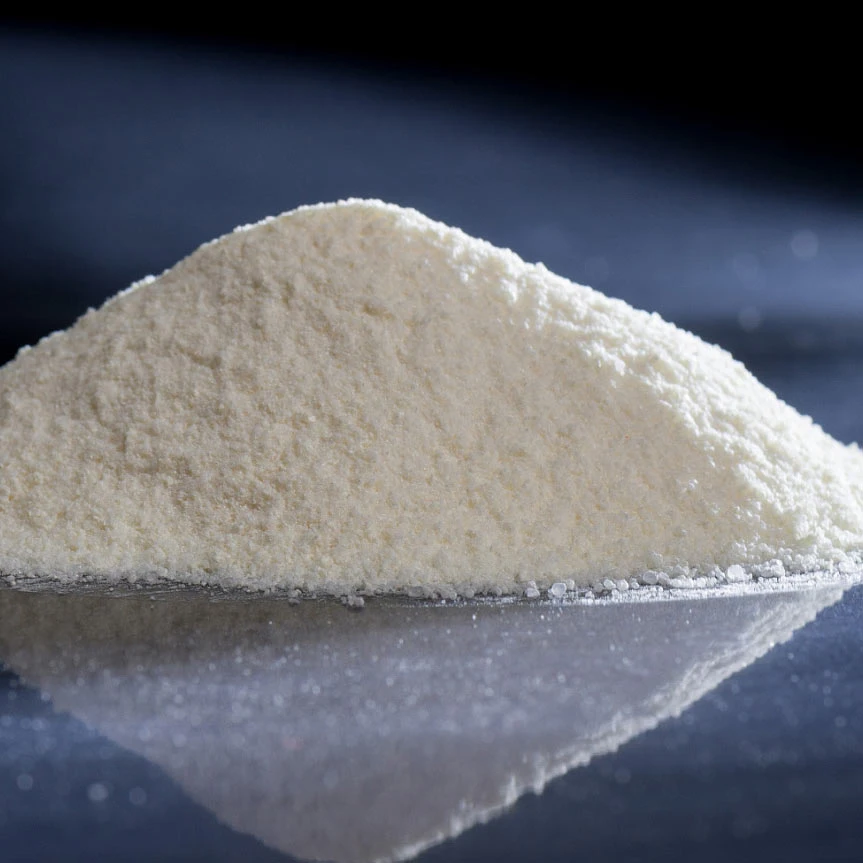
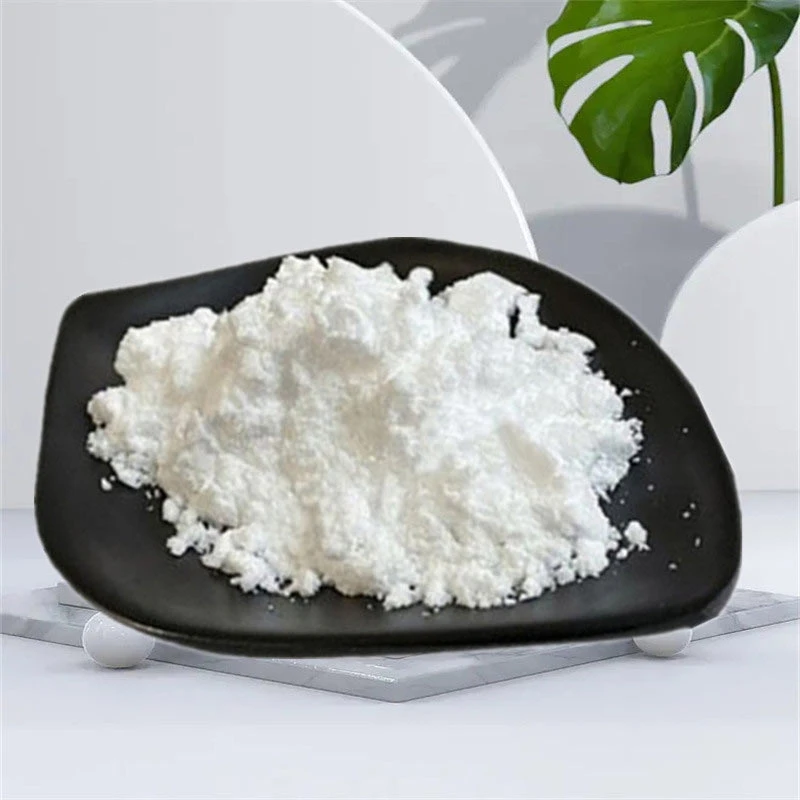
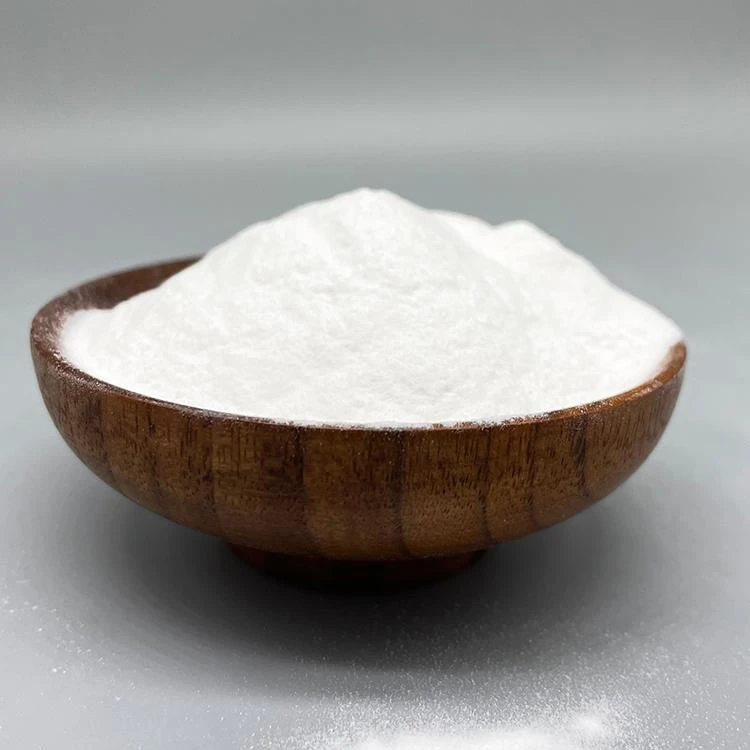
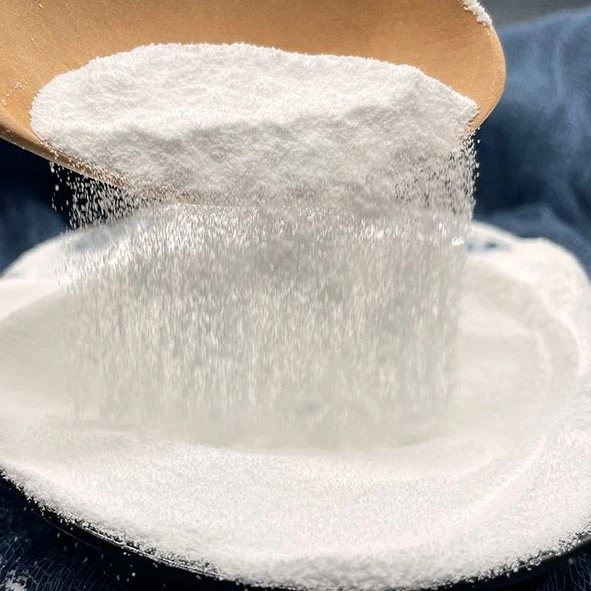
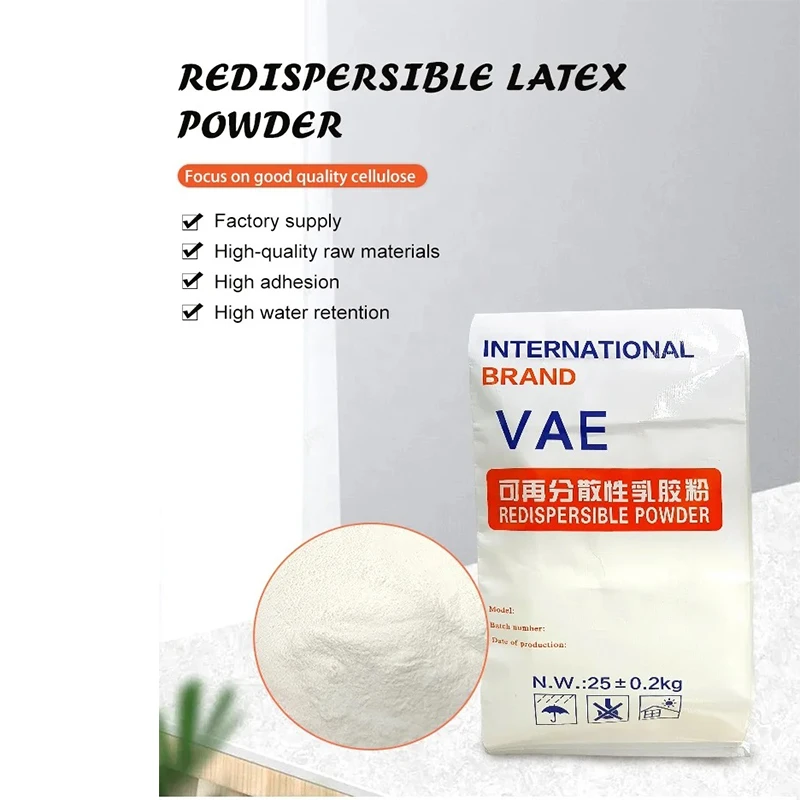
Redispersible polymer powder is created by spray-drying polymer emulsions into a free-flowing powder. When mixed with water, it redistributes into a stable emulsion, offering performance nearly identical to its liquid form. This unique feature gives rise to the term re dispersible polymer powder.
Key Properties of RDP Polymer
Adhesion enhancement – Stronger bonding between mortars and substrates.
Flexibility – Improved crack resistance due to shrinkage or structural movement.
Water resistance – Better durability against moisture and weathering.
Workability – Easier application and smoother finish.
Compatibility – Works with both cement-based and gypsum-based systems.
The most common type is vinyl acetate ethylene redispersible powder (VAE powder or VAE RDP), known for its balance of performance and cost-effectiveness.

Redispersible Polymer Powder Types and Applications
Types of Redispersible Powder Polymer
VAE Redispersible Powder (VAE RDP)
Derived from vinyl acetate ethylene, this is the most widely used form. It provides excellent adhesion, flexibility, and water resistance, making it a standard in tile adhesives, EIFS (External Insulation Finishing Systems), and plasters.
VeoVa-Based RDP Polymer
This type of redispersible polymer has superior hydrophobicity and alkali resistance, suitable for external renders and coatings exposed to harsh conditions.
Acrylic-Based Redispersible Emulsion Powder
Known for its UV resistance and color stability, it is commonly used in decorative mortars and exterior plasters.
Styrene-Butadiene RDP Powder
Adds elasticity and impact resistance, ideal for repair mortars and flexible coatings.
Main Uses of Redispersible Polymer Powder
The wide range of redispersible polymer powder uses makes it indispensable in construction:
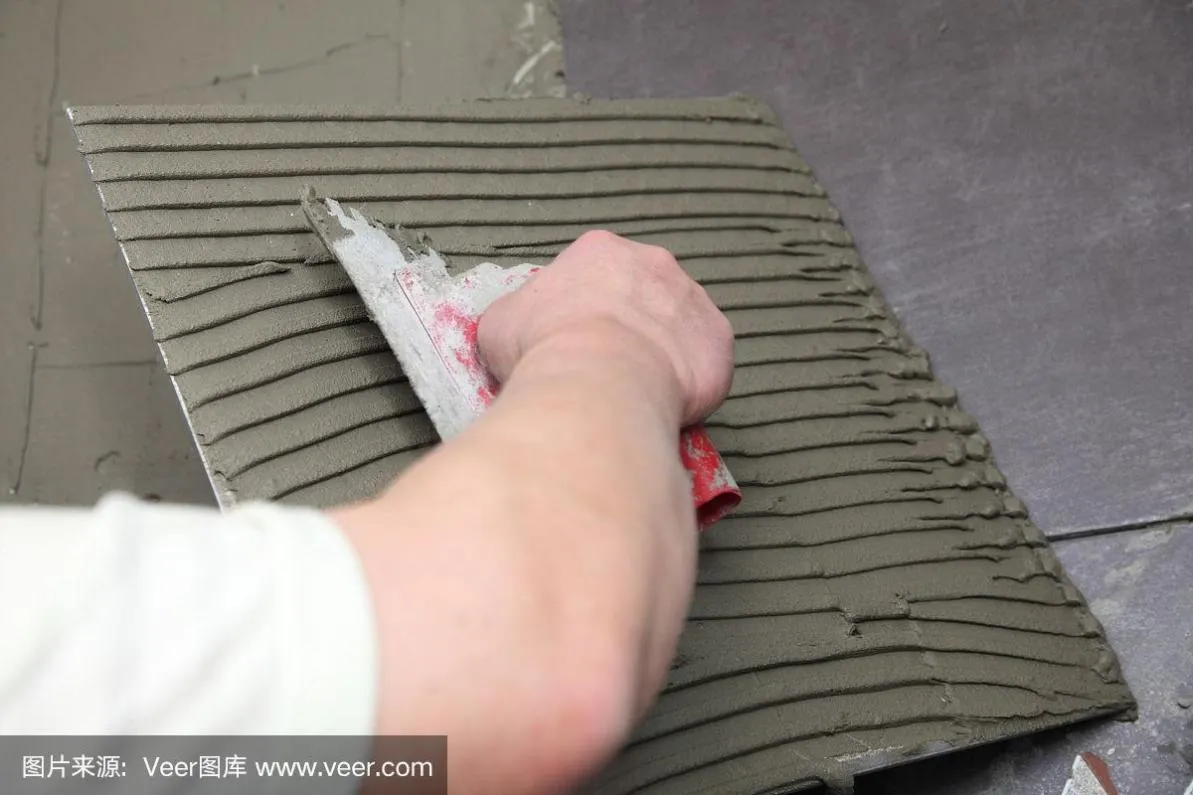
Tile adhesives and grouts – Strong bonding to ceramic and stone surfaces.
EIFS/ETICS – Enhanced insulation performance and weather resistance.
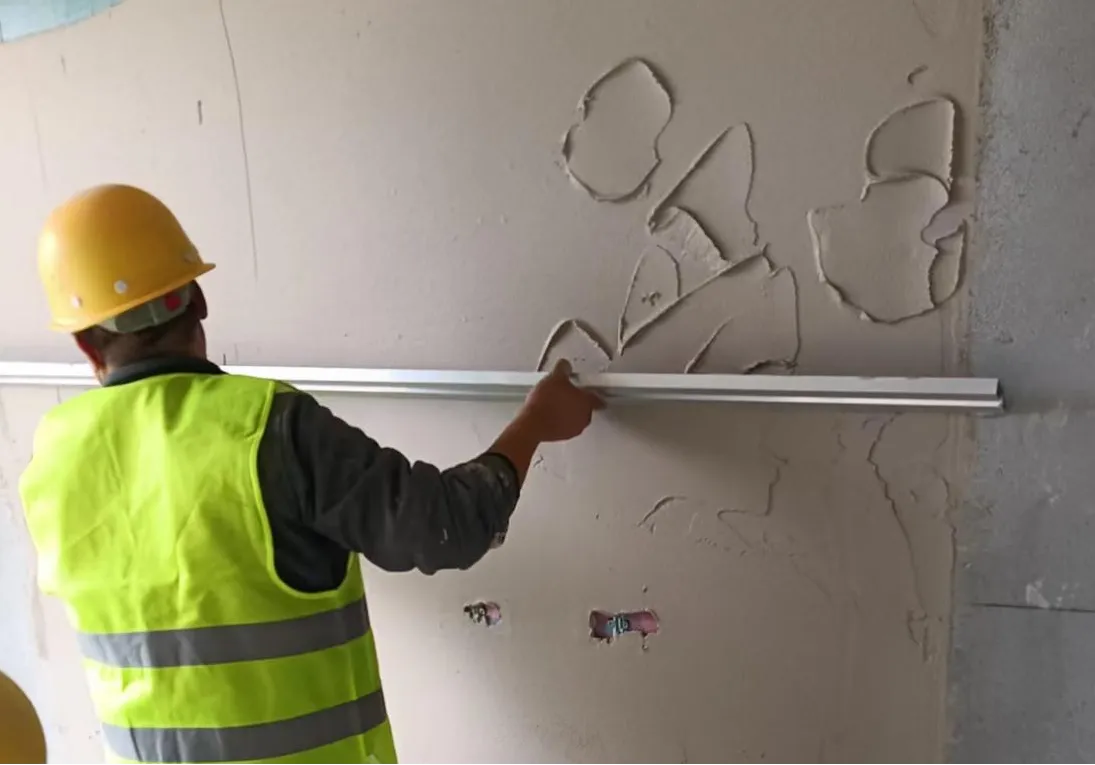
Gypsum plasters and skim coats – Improved smoothness and application.
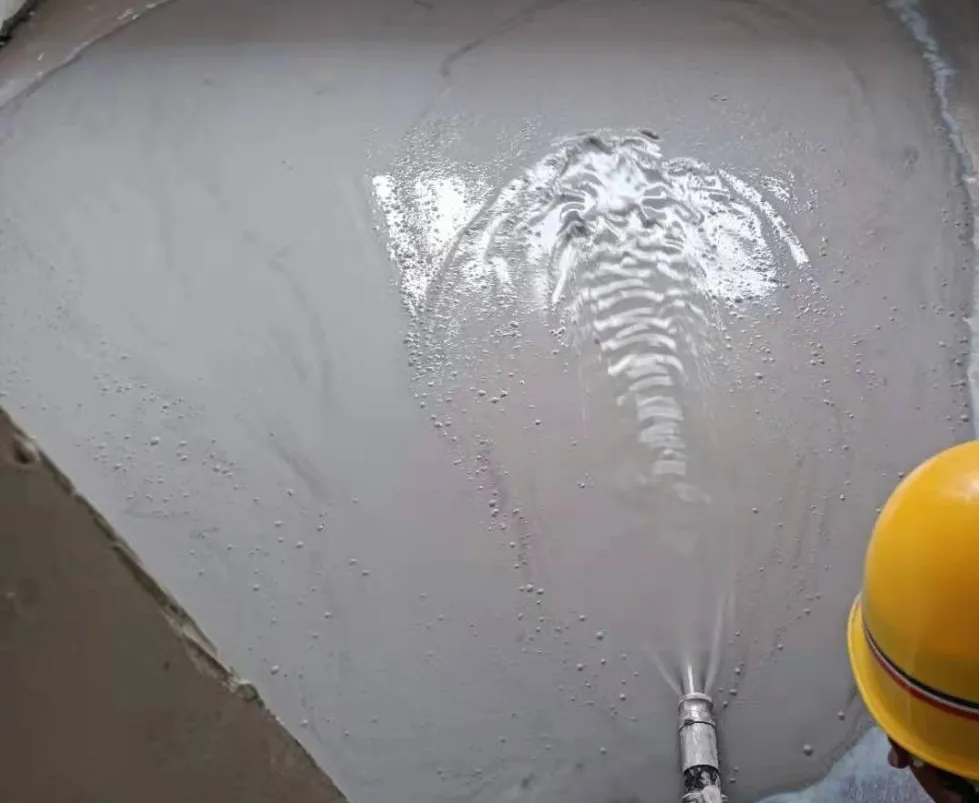
Self-leveling floor compounds – Reduced cracking and uniform spreading.
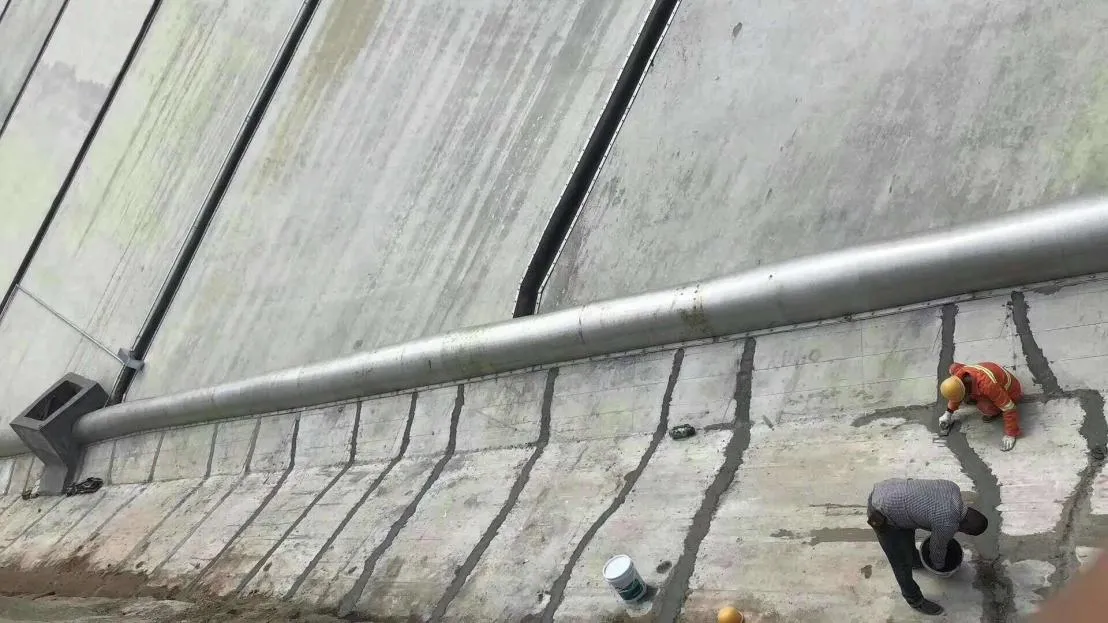
Repair mortars – Long-lasting repairs with better adhesion.
Whether provided by local distributors or large-scale redispersible latex powder suppliers, these powders have become essential in infrastructure development worldwide.
Industry Outlook: Market Share, Pricing, and Trade
The global demand for RDP continues to rise, driven by urbanization and sustainable construction trends. Reports show that redispersible polymer powder market share is dominated by VAE redispersible powder, given its cost-to-performance ratio. Specialty polymers such as acrylic and VeoVa are gaining share in premium applications.
Pricing Considerations
The RDP powder price depends on:
Polymer composition (VAE, acrylic, or VeoVa)
Raw material costs
Order volume and supplier contracts
Global supply chain dynamics
Bulk purchasing from established redispersible latex powder suppliers can help reduce costs while ensuring consistent quality.
Trade and HS Code Classification
International trade of RDP requires proper customs classification under the redispersible polymer powder HS code. This facilitates smooth cross-border transactions and ensures compliance with import/export regulations.
Sources of Information
For general reference, redispersible polymer powder wiki provides a broad overview. Industry professionals, however, rely on technical datasheets and market research to understand new developments in redispersible powder polymer technologies.
Conclusion
From redispersible polymer powder types such as VAE, VeoVa, acrylic, and styrene-butadiene to its versatile applications in adhesives, plasters, and repair mortars, RDP has become a cornerstone in the construction industry. VAE RDP (vinyl acetate ethylene redispersible powder) holds the largest redispersible polymer powder market share, supported by its performance and affordability.
With increasing infrastructure projects worldwide, demand will continue to grow. Understanding trade aspects like the redispersible polymer powder HS code, supplier networks, and RDP powder price helps businesses stay competitive. Whether studied through redispersible polymer powder wiki or sourced from trusted redispersible latex powder suppliers, RDP remains essential for performance-driven construction.
FAQs About Redispersible Polymer Powder
1. What are the main redispersible polymer powder types?
The main redispersible polymer powder types are VAE-based, VeoVa-based, acrylic-based, and styrene-butadiene. Each offers specific performance benefits in construction.
2. What are the benefits of using VAE redispersible powder?
VAE redispersible powder (VAE RDP) improves adhesion, water resistance, and flexibility. It dominates the global redispersible polymer powder market share due to its cost-efficiency and wide applications.
3. What is the redispersible polymer powder HS code?
The redispersible polymer powder HS code classifies RDP as a polymer additive for international trade, ensuring smooth customs clearance and compliance with global regulations.
4. How much does RDP powder cost?
The RDP powder price depends on polymer type, supplier, and market demand. Bulk purchases from trusted redispersible latex powder suppliers often result in better pricing.
5. Where can I find information about redispersible powder polymer?
General details are available on redispersible polymer powder wiki, while technical information can be obtained from manufacturers, suppliers, and industry market reports.
-
HPMC High-Performance Thickener | Hebei TangzhiNewsMar.06,2026
-
Wholesale Water Reducing Admixture for Special Cement: Performance and Market InsightsNewsFeb.28,2026
-
The Complete Guide to HPMC: Types, Applications, Grades, and Manufacturing InsightsNewsFeb.28,2026
-
Redispersible Polymer Powder: Types, Applications, and Performance AdvantagesNewsFeb.28,2026
-
Hydroxymethyl Ethyl Cellulose (MHEC): Properties, Applications, and Market InsightsNewsFeb.28,2026
-
Hydroxyethyl Cellulose: Applications, Performance, and Buying GuideNewsFeb.28,2026
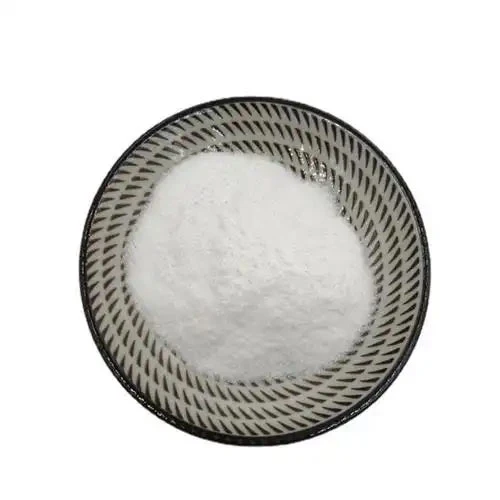
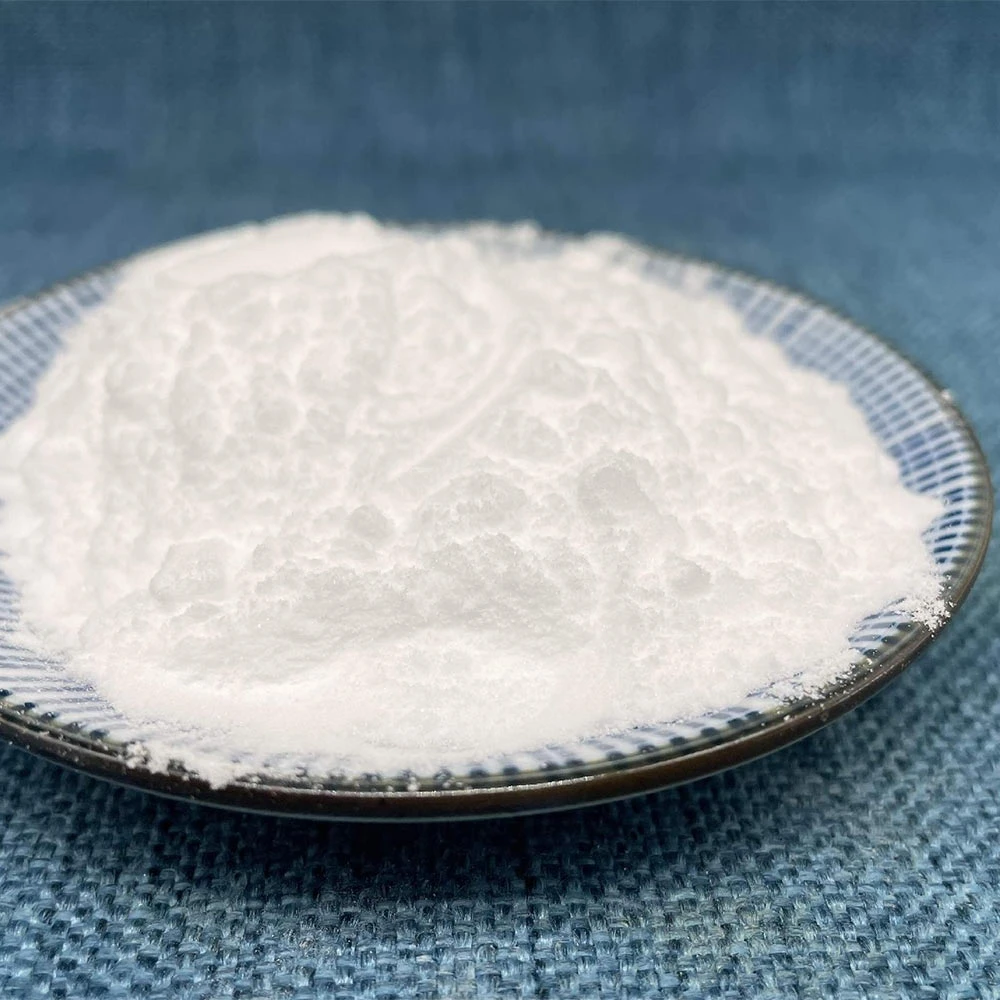

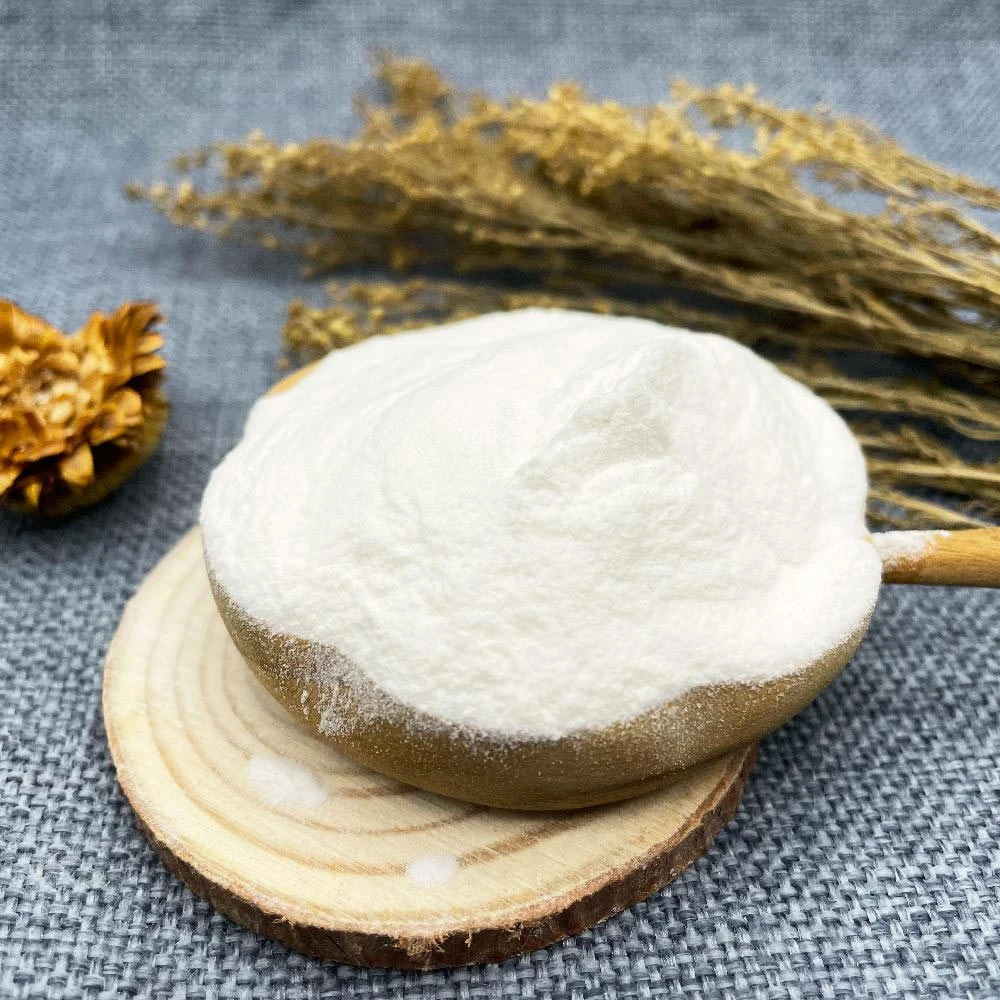
Redispersible Polymer Powder: Types, Applications, and Market Insights
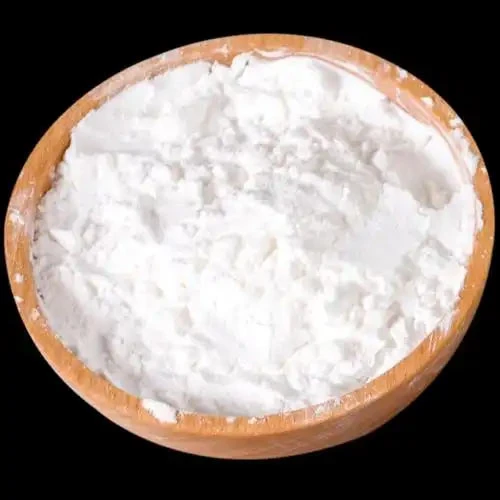
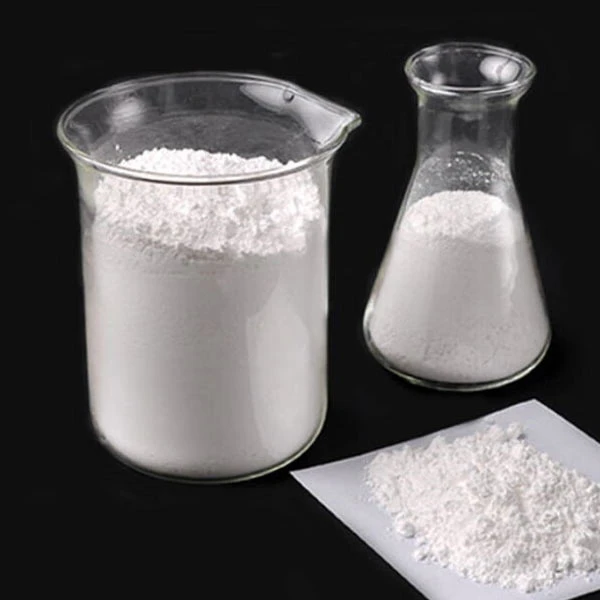
In the ever-evolving construction and chemical industries, redispersible polymer powder (RDP) has emerged as a transformative material. This fine, free-flowing powder is a key ingredient in dry-mix mortars, plasters, and adhesives, offering enhanced flexibility, adhesion, and durability. With increasing demand for advanced building solutions, the redispersible polymer powder market share is witnessing remarkable growth worldwide. This article explores the redispersible polymer powder types, their applications, and how global suppliers are shaping the industry.
Types of Redispersible Polymer Powder and Market Trends
There are several redispersible polymer powder types available, each designed to cater to specific construction requirements. Among them, VAE RDP (vinyl acetate ethylene redispersible powder) is one of the most widely used variants due to its excellent flexibility, water resistance, and compatibility with cementitious and gypsum-based systems. Other types include styrene-butadiene-based powders and acrylic-based powders, which are selected based on desired properties like adhesion strength and environmental resistance.
Another popular category is redispersible emulsion powder, which provides superior workability and contributes to the performance of tile adhesives and self-leveling compounds. These powders can be easily mixed with water to form a stable emulsion, making them highly versatile for various applications.
As urbanization accelerates, particularly in Asia-Pacific, redispersible polymer powder suppliers from China and Europe are expanding production capacities. Leading redispersible latex powder suppliers are investing in research and development to create eco-friendly formulations with reduced volatile organic compounds (VOCs). The global redispersible polymer powder price continues to fluctuate depending on raw material availability, but technological advancements are helping stabilize costs and meet growing demands.

Applications and Uses of Redispersible Polymer Powder
The applications of redispersible polymer powder are extensive and critical to modern construction practices. Some of the most notable redispersible polymer powder uses include:
Tile Adhesives and Grouts: Improves bonding strength and water retention, ensuring long-lasting tile installations.
External Insulation and Finishing Systems (EIFS): Enhances crack resistance and provides superior thermal insulation for energy-efficient buildings.
Self-Leveling Compounds: Offers better flow characteristics and prevents surface cracking in flooring applications.
Plasters and Renders: Contributes to flexibility and prevents shrinkage during the drying process.
Waterproof Mortars: Improves water repellency and extends the life span of concrete structures.
Leading redispersible polymer powder suppliers emphasize innovation to cater to emerging applications like 3D-printed concrete and lightweight construction materials. These innovations align with global sustainability goals and meet customer expectations for high-performance products.
Call-to-Action: Source High-Quality Redispersible Polymer Powder for Your Projects
As the demand for advanced construction materials grows, partnering with trusted redispersible polymer powder suppliers is crucial. Whether you’re looking for VAE RDP for tile adhesives or exploring reliable redispersible latex powder suppliers for eco-friendly formulations, choosing the right supplier ensures consistent quality and competitive pricing. Stay ahead in your industry by exploring the latest redispersible polymer powder types and securing cost-effective solutions for your projects. Connect with reputable suppliers today to elevate your construction materials to the next level.
5 Frequently Asked Questions (FAQs)
Q1: What are the main types of redispersible polymer powder?
A1: The primary types include VAE RDP, styrene-butadiene-based powders, and acrylic-based powders, each tailored for specific applications.
Q2: What factors influence redispersible polymer powder price?
A2: Prices depend on raw material costs, energy prices, production technologies, and regional demand-supply dynamics.
Q3: Who are the top redispersible polymer powder suppliers globally?
A3: Leading suppliers are located in China, Europe, and the United States, providing high-quality powders for diverse industries.
Q4: What are the key applications of redispersible polymer powder?
A4: It is widely used in tile adhesives, EIFS, self-leveling compounds, waterproofing mortars, and plasters.
Q5: How can I find reliable redispersible latex powder suppliers?
A5: Research reputable manufacturers with certifications, competitive pricing, and strong global distribution networks.
5 Suggested SEO-Friendly Titles
Redispersible Polymer Powder: Types, Applications, and Supplier Insights
A Complete Guide to VAE RDP and Redispersible Emulsion Powder Uses
Redispersible Polymer Powder Market Share and Global Supplier Trends
Why Redispersible Polymer Powder Is Essential in Modern Construction
Top Redispersible Polymer Powder Suppliers and Applications You Should Know
-
HPMC High-Performance Thickener | Hebei TangzhiNewsMar.06,2026
-
Wholesale Water Reducing Admixture for Special Cement: Performance and Market InsightsNewsFeb.28,2026
-
The Complete Guide to HPMC: Types, Applications, Grades, and Manufacturing InsightsNewsFeb.28,2026
-
Redispersible Polymer Powder: Types, Applications, and Performance AdvantagesNewsFeb.28,2026
-
Hydroxymethyl Ethyl Cellulose (MHEC): Properties, Applications, and Market InsightsNewsFeb.28,2026
-
Hydroxyethyl Cellulose: Applications, Performance, and Buying GuideNewsFeb.28,2026