Types Properties and Modern Applications Across Industries
Cellulose is a type of naturally occurring polysaccharide that forms the structural framework of plant cell walls. As the most abundant organic polymer on Earth, cellulose plays a critical role not only in nature but also in industrial and commercial applications. From food and pharmaceuticals to packaging, textiles, and insulation, cellulose derivatives are tailored to meet specific performance needs.
This article explores various cellulose forms—such as carboxymethyl cellulose sodium, hydroxy propyl methyl cellulose, powdered cellulose, және regenerated cellulose—along with their diverse applications.
1. Understanding Cellulose Types and Functional Derivatives
Cellulose and starch are both plant-derived carbohydrates, but while starch is primarily an energy source, cellulose serves a structural role. In industrial use, cellulose can be modified chemically to produce materials with unique properties.
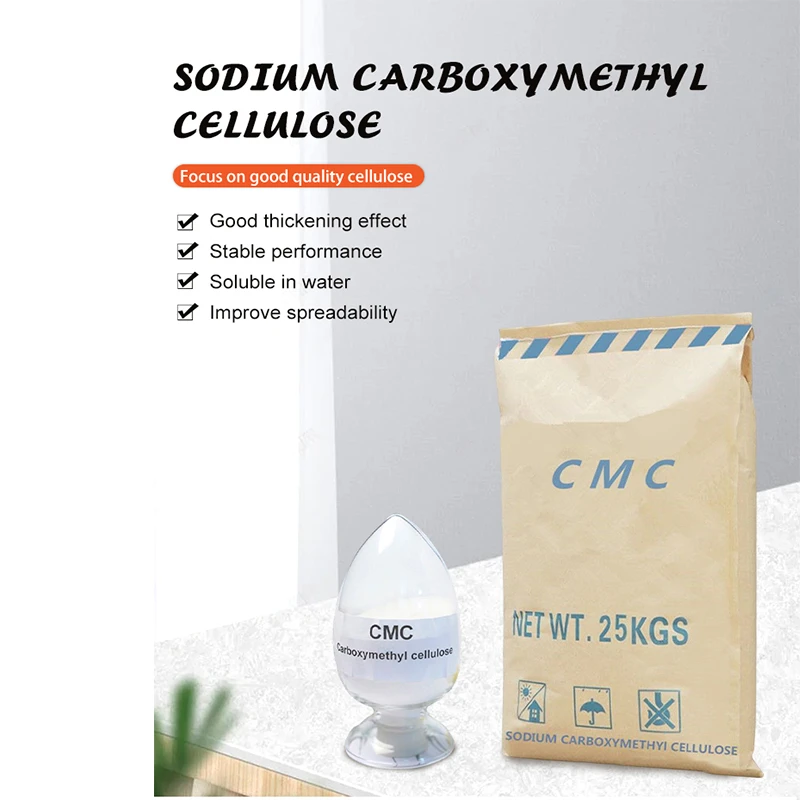
Carboxymethyl Cellulose Sodium
This water-soluble cellulose derivative is widely used as a thickener, stabilizer, and binder in food, pharmaceuticals, and cosmetics. Sodium carboxy methyl cellulose is particularly valued in products where moisture retention and texture are important.
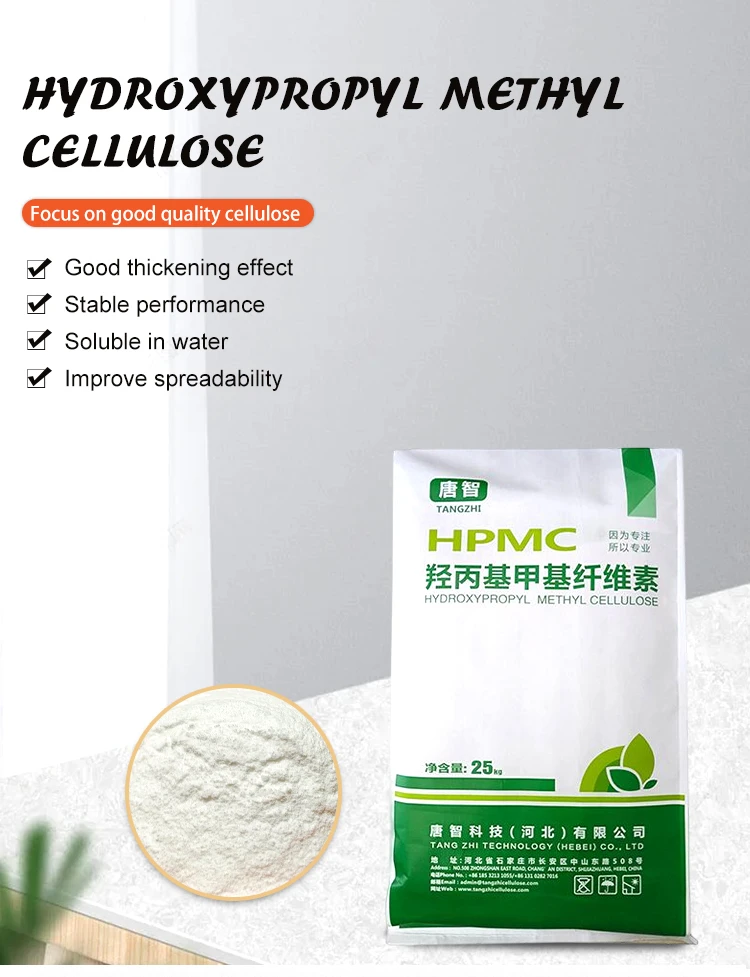
Hydroxy Propyl Methyl Cellulose (HPMC)
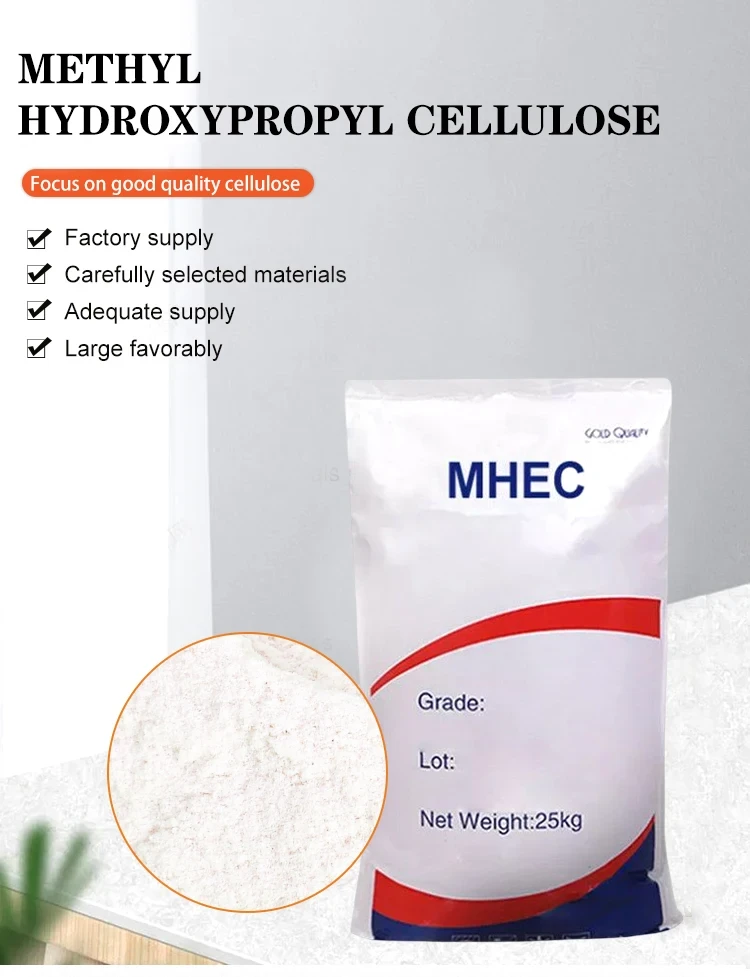
A versatile cellulose ether, hydroxy propyl methyl cellulose is used in construction, food, and pharmaceuticals. Manufacturers often address the question: what is hydroxypropyl methylcellulose used for? The answer—thickening, film-forming, emulsifying, and stabilizing across multiple industries.
Powdered Cellulose
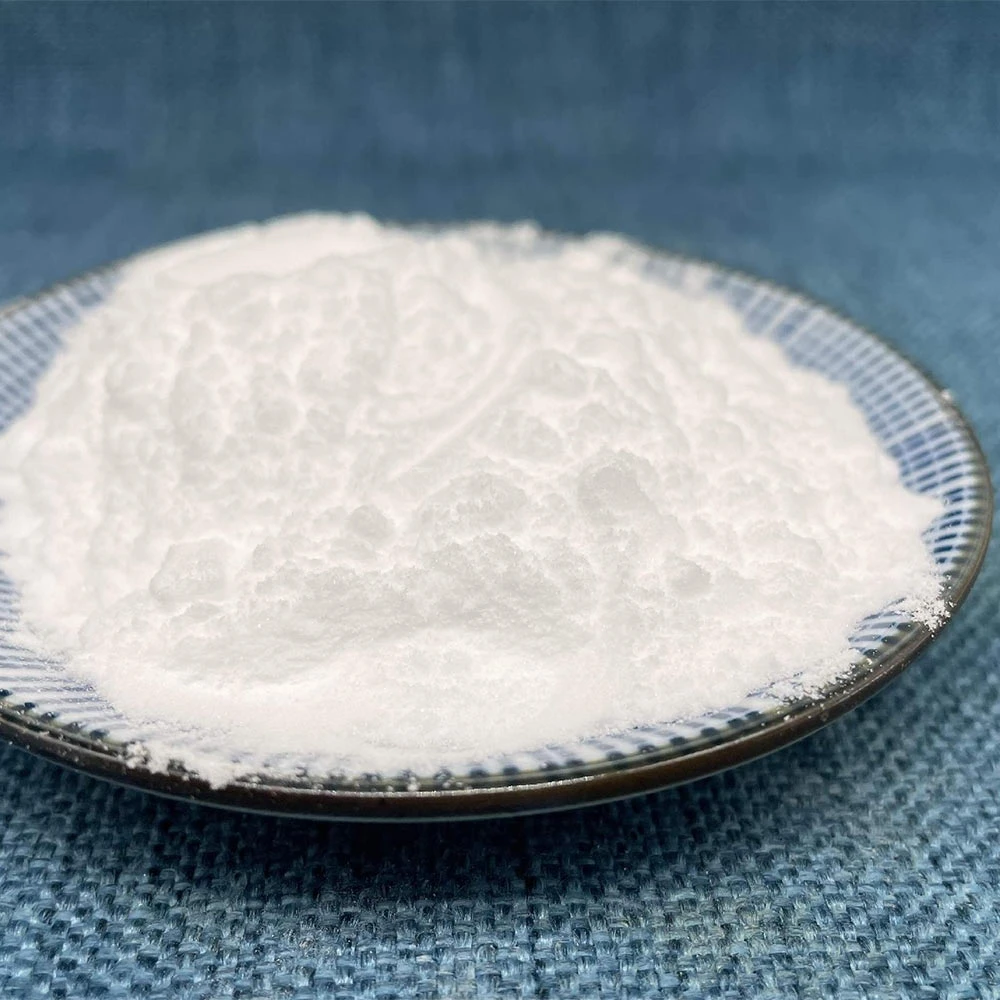
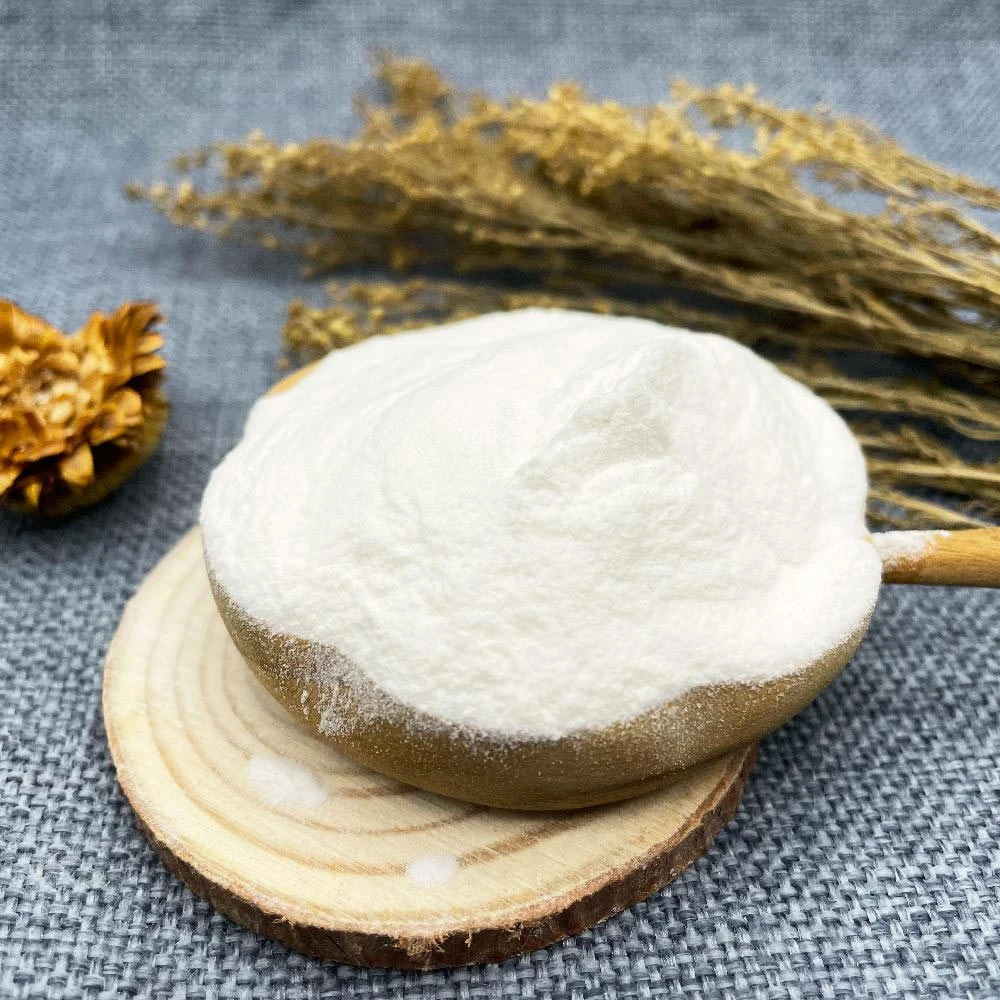
Derived from wood pulp or cotton, powdered cellulose is used as a dietary fiber additive in food products, as well as an anti-caking agent in seasonings.
HEC Cellulose and HEC Chemical
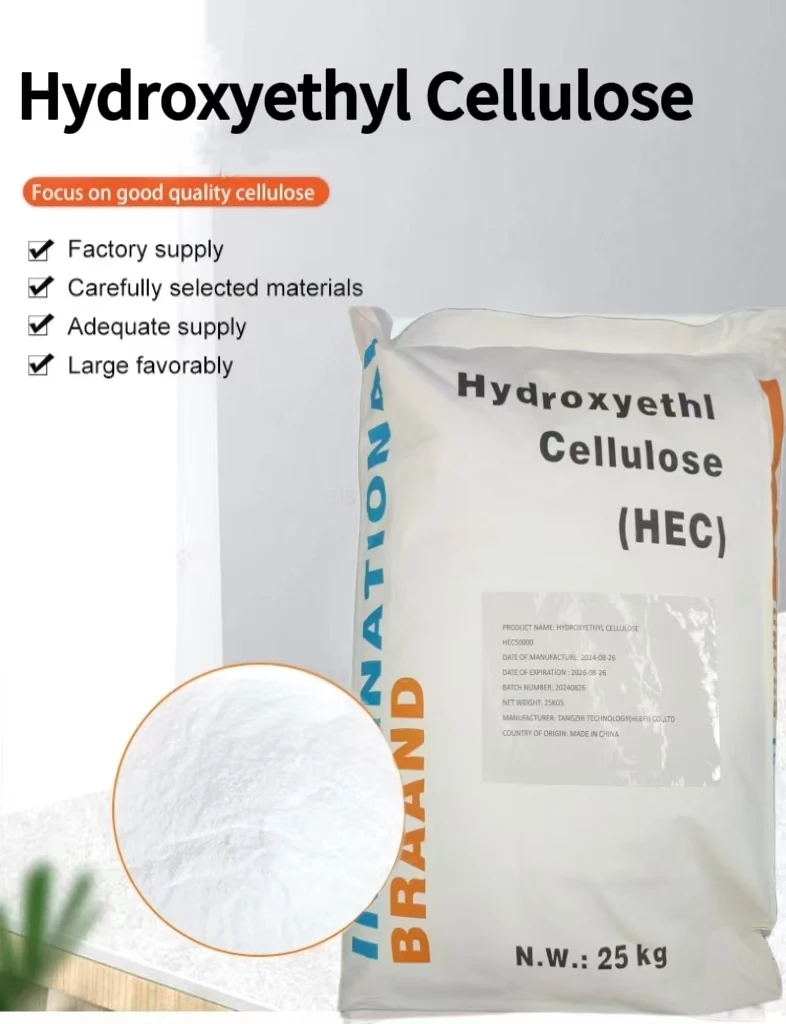
HEC cellulose (hydroxyethyl cellulose) is a non-ionic, water-soluble polymer used as a thickener in paints, cosmetics, and cleaning products. The HEC chemical form enhances viscosity and improves suspension in various formulations.

2 Hydroxyethyl Cellulose
Another name for hydroxyethyl cellulose, 2 hydroxyethyl cellulose is commonly used in latex paints, cosmetics, and adhesives for its thickening and stabilizing effects.
Cellulose Acetate Propionate
This thermoplastic cellulose ester is valued for toughness, clarity, and resistance to weathering, often used in coatings and molded products.
Hydroxymethyl Propyl Cellulose
A specialized derivative with water solubility and film-forming capability, suitable for pharmaceuticals and personal care products.
Cationic Cellulose
Positively charged cellulose molecules that improve hair conditioning, paper strength, and textile dye retention.
2. Applications of Cellulose in Industry and Consumer Goods
Cellulose Foam
Lightweight and biodegradable, cellulose foam is gaining traction as a sustainable alternative to polystyrene foam in packaging and cushioning.
Cellulase and Cellulose
In biotechnology, cellulase and cellulose are closely linked—cellulase breaks down cellulose into glucose, enabling applications in biofuels, paper recycling, and animal feed.
Cellulose-Based Materials
Cellulose based composites, films, and fibers are replacing synthetic materials in textiles, automotive components, and electronics due to their renewable nature.
Microcrystalline Cellulose in Skin Care
Microcrystalline cellulose in skin care acts as a texturizer, absorbent, and exfoliating agent in creams, powders, and cleansers.
Microcrystalline Cellulose in Supplements
In nutritional supplements, microcrystalline cellulose in supplements is used as a filler, binder, and flow aid, ensuring consistent tablet shape and stability.
Cellulose Insulation Manufacturer
Eco-friendly building materials from a cellulose insulation manufacturer offer excellent thermal performance and fire resistance, often using recycled paper fibers.
3. Cellulose in Sustainable Innovation
The push for biodegradable, renewable materials has increased demand for cellulose and its derivatives:
In food and pharmaceuticals – Derivatives like carboxymethyl cellulose sodium, powdered cellulose, және hydroxy propyl methyl cellulose ensure texture stability, controlled release, and product consistency.
In packaging – Cellulose acetate propionate and cellophane cellulose offer plastic-free alternatives with excellent performance.
In construction – HEC cellulose and 2 hydroxyethyl cellulose improve workability and adhesion in coatings and adhesives.
In biotechnology – Cellulase breaks down cellulose for renewable energy and recycling applications.
In insulation – Cellulose insulation manufacturer products help reduce energy consumption and environmental impact.
With ongoing research into cationic cellulose, гидроксиметилпропил целлюлоза, және regenerated cellulose, industries are finding innovative ways to replace petrochemical materials with bio-based alternatives.
From basic plant fiber to high-tech industrial material, cellulose demonstrates unmatched versatility. Cellulose is a type of sustainable, renewable resource that can be modified into countless functional derivatives—whether as carboxymethyl cellulose sodium in food, HEC cellulose in coatings, microcrystalline cellulose in skin care, or cellulose acetate propionate in packaging. As demand for environmentally responsible solutions grows, cellulose-based innovations will continue to replace synthetic materials in both everyday products and advanced technologies.
FAQ About Cellulose Types and Applications
What is hydroxypropyl methylcellulose used for?
Hydroxy propyl methyl celluloseis used as a thickener, film-former, and stabilizer in food, construction materials, pharmaceuticals, and cosmetics.
What is the difference between HEC cellulose and 2 hydroxyethyl cellulose?
Both refer to hydroxyethyl cellulose, but 2 hydroxyethyl celluloseemphasizes the chemical structure. They share similar thickening and stabilizing functions.
How does cellulase break down cellulose?
Cellulase breaks downcellulose into glucose molecules through enzymatic hydrolysis, enabling its use in biofuel production, food processing, and recycling.
What are cellulose-based materials?
Cellulose basedmaterials are products derived from natural cellulose, such as films, fibers, and composites, used in packaging, textiles, and automotive parts.
Why is microcrystalline cellulose used in supplements and skin care?
Microcrystalline cellulose in supplementsacts as a binder and filler, while microcrystalline cellulose in skin care adds texture, absorbency, and gentle exfoliation.
-
HPMC High-Performance Thickener | Hebei TangzhiNewsMar.06,2026
-
Wholesale Water Reducing Admixture for Special Cement: Performance and Market InsightsNewsFeb.28,2026
-
The Complete Guide to HPMC: Types, Applications, Grades, and Manufacturing InsightsNewsFeb.28,2026
-
Redispersible Polymer Powder: Types, Applications, and Performance AdvantagesNewsFeb.28,2026
-
Hydroxymethyl Ethyl Cellulose (MHEC): Properties, Applications, and Market InsightsNewsFeb.28,2026
-
Hydroxyethyl Cellulose: Applications, Performance, and Buying GuideNewsFeb.28,2026