

Hebei Tangzhi Technology Co., Ltd.


Wholesale Water Reducing Admixture for Special Cement: Performance and Market Insights
In modern concrete engineering, the demand for durable and high-strength materials has driven innovation in chemical admixtures.
View More
The Complete Guide to HPMC: Types, Applications, Grades, and Manufacturing Insights
Hydroxypropyl methyl cellulose, commonly known as hpmc, is a versatile and high-performance cellulose derivative widely used across construction, pharmaceuticals, coatings, food, and personal care industries.
View More
Redispersible Polymer Powder: Types, Applications, and Performance Advantages
In modern dry-mix construction materials, performance-enhancing additives are essential for durability, flexibility, and adhesion.
View More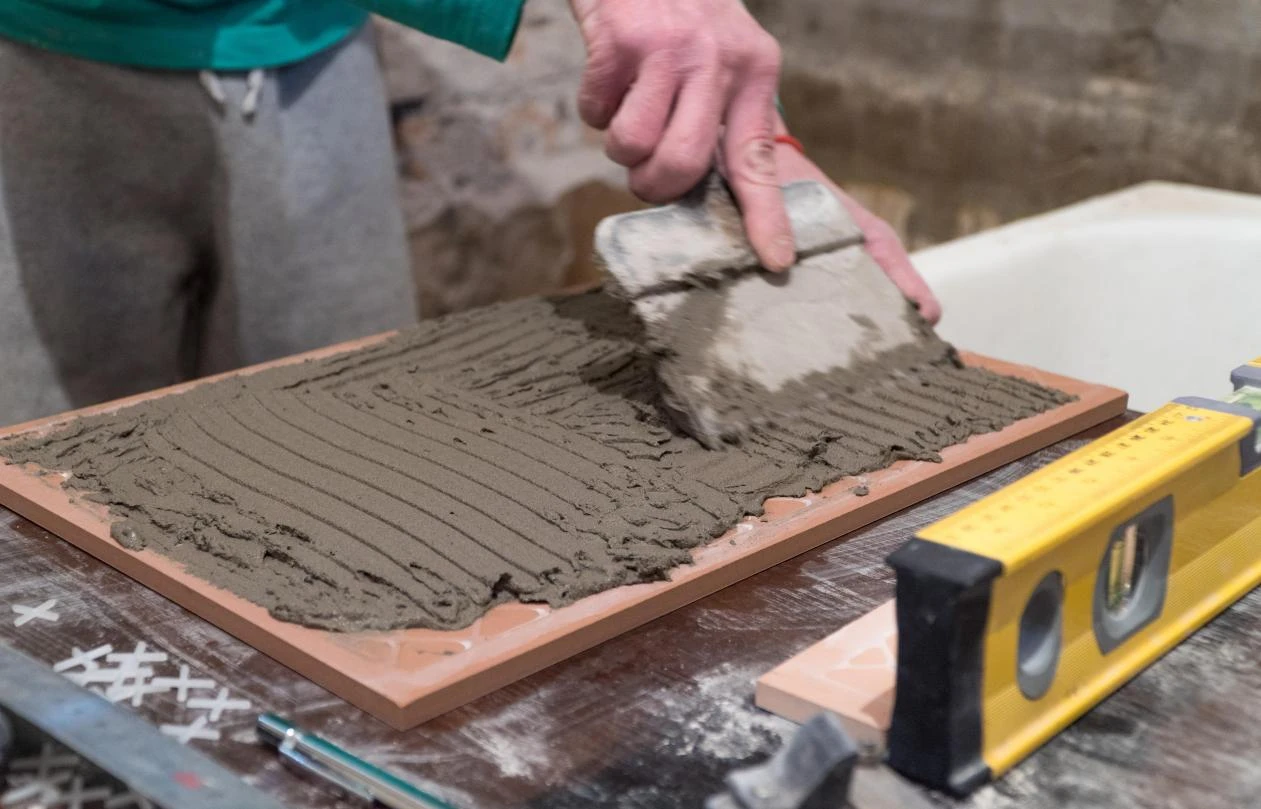
Hydroxymethyl Ethyl Cellulose (MHEC): Properties, Applications, and Market Insights
In the modern construction chemicals and building materials industry, cellulose ethers play a vital role in enhancing performance and workability.
View More
Hydroxyethyl Cellulose: Applications, Performance, and Buying Guide
Hydroxyethyl cellulose (HEC) is a non-ionic, water-soluble polymer derived from natural cellulose.
View More
Exploring PVA Plastic Properties Applications and Sustainable Sourcing
Polyvinyl Alcohol (PVA) plastic is a fascinating and versatile synthetic polymer with a unique set of properties that make it valuable across a surprisingly wide array of industries. From textiles and adhesives to packaging and even biomedical applications, PVA plastic offers performance characteristics unlike many other materials. This article will delve into the key features of PVA, explore its diverse applications, and provide guidance on sourcing high-quality PVA for your specific needs. We’ll uncover why PVA is a popular choice for businesses worldwide seeking a reliable and adaptable plastic solution. PVA is a water-soluble synthetic polymer. This means it can dissolve in water, a characteristic that sets it apart from most other plastics. It’s created through the polymerization of vinyl acetate, followed by hydrolysis. The degree of hydrolysis significantly influences the properties of the final PVA product, impacting its solubility, viscosity, and film-forming capabilities. Its high tensile strength, flexibility, and resistance to oil, grease, and solvents further contribute to its versatility. The biodegradability of PVA in certain conditions is also becoming an increasingly important factor for environmentally conscious businesses.
View More
Exploring PVOH Plastic Properties Applications and Sustainable Sourcing
Polyvinyl alcohol (PVOH) plastic is a fascinating synthetic polymer with a unique combination of properties. Its water solubility, biodegradability, and film-forming abilities make it incredibly versatile across numerous industries. This article provides an in-depth look at PVOH plastic, exploring its characteristics, diverse applications, and where to source high-quality PVOH, like the products offered by Tangzhi HPMC. Understanding these aspects is crucial for businesses seeking sustainable and effective materials. PVOH is created through the hydrolysis of polyvinyl acetate. The degree of hydrolysis determines the water solubility and other key characteristics of the final product. Higher hydrolysis levels generally mean greater water solubility. It appears as a colorless, odorless, crystalline powder or granules. It’s not technically a plastic in the traditional sense of being a non-melting thermoplastic; rather, it's a synthetic polymer that forms films upon drying. Because of its film-forming capabilities and biodegradability, PVOH is gaining prominence as an eco-friendly alternative to conventional plastics in a wide array of applications.
View More
Exploring Polyvinyl Alcohol Plastic Properties Applications and Sustainable Benefits
Polyvinyl alcohol (PVA) plastic is a fascinating and versatile synthetic polymer with a wide range of applications, from packaging and textiles to adhesives and biomedical engineering. Its unique properties – including high tensile strength, biodegradability, and water solubility – make it an increasingly popular alternative to traditional plastics. This article will delve into the characteristics of PVA, explore its diverse applications, and highlight the benefits it offers. Choosing the right polymer for your needs is crucial, and understanding PVA's capabilities is a great starting point. PVA is created through the hydrolysis of polyvinyl acetate. This process breaks down the acetate groups, leaving behind a water-soluble polymer. The degree of hydrolysis significantly affects PVA's properties; higher hydrolysis levels result in increased water solubility and tensile strength. PVA is often supplied as granules or powders which can be dissolved in water to form solutions or films. It is a thermoplastic polymer, meaning it can be repeatedly softened by heating and hardened by cooling. This characteristic allows for versatility in manufacturing processes.
View More
Exploring Polyvinyl Alcohol Applications Benefits and Manufacturing Processes
Polyvinyl alcohol (PVA) is a synthetic polymer with remarkable properties making it a versatile material across numerous industries. From textiles and adhesives to packaging and medical applications, PVA’s water solubility, biodegradability, and film-forming capabilities are highly valued. This article provides a detailed overview of PVA, exploring its characteristics, manufacturing process, key applications, and benefits. PVA is a colorless, odorless, and non-toxic polymer. Its key properties include excellent film-forming ability, high tensile strength, resistance to oil and grease, and compatibility with a wide range of other materials. PVA is primarily produced through the polymerization of vinyl acetate, followed by hydrolysis. Vinyl acetate is first polymerized to polyvinyl acetate (PVAc). The versatility of PVA leads to its widespread use in diverse applications. Some prominent examples include: Textile Industry, Adhesives, Packaging, Medical Applications, Construction, and Cosmetics.
View More
Exploring Polyvinyl Alcohol Powder Properties Applications and Sourcing Options
Polyvinyl alcohol (PVA) powder is a versatile synthetic polymer with a wide range of industrial and consumer applications. Known for its excellent film-forming, emulsifying, and adhesive properties, PVA powder plays a crucial role in industries like textiles, paper, adhesives, construction, and more. This article provides a comprehensive overview of PVA powder, exploring its key characteristics, diverse applications, and factors to consider when sourcing high-quality PVA powder. Understanding its nuances is key for optimizing product performance and achieving desired results. PVA powder exhibits several unique properties that contribute to its widespread use. These include high tensile strength, flexibility, excellent film-forming capabilities, water solubility, and resistance to oil and solvents. The degree of hydrolysis and molecular weight significantly influence these characteristics. Higher hydrolysis levels result in increased water solubility and film strength, while molecular weight impacts viscosity and adhesive properties.
View More
Comprehensive Guide to Polyvinyl Alcohol for Sale and Industrial Applications
Polyvinyl Alcohol (PVA) is a versatile synthetic polymer with a wide range of industrial applications. Its water solubility, film-forming properties, and emulsifying capabilities make it a crucial component in textiles, adhesives, paper coatings, and more. Finding a reliable PVA supplier is essential for businesses seeking consistent quality and competitive pricing. This guide provides an overview of PVA, its uses, key considerations when purchasing, and why Tangzhi HPMC is a trusted source. PVA is produced through the polymerization of vinyl acetate followed by hydrolysis. The degree of hydrolysis significantly affects its properties, influencing its solubility and viscosity. Fully hydrolyzed PVA is highly water-soluble, while partially hydrolyzed PVA retains some of its hydrophobic characteristics. Different grades of PVA are available, categorized by their molecular weight and degree of hydrolysis, catering to specific application needs. It is often found as white or cream-colored granules or powders, and is known for its non-toxic nature, making it safe for various consumer applications.
View More