Enhancing Modern Building Materials
In today’s construction industry, performance, durability, and efficiency are critical. Redispersible polymer powder (RDP) plays a pivotal role in meeting these expectations. By improving the adhesion, flexibility, and strength of dry-mix mortars, RDP has become an essential ingredient in modern construction. This article explores the main redispersible polymer powder types, its applications, and manufacturing insights.
What Is Redispersible Polymer Powder?
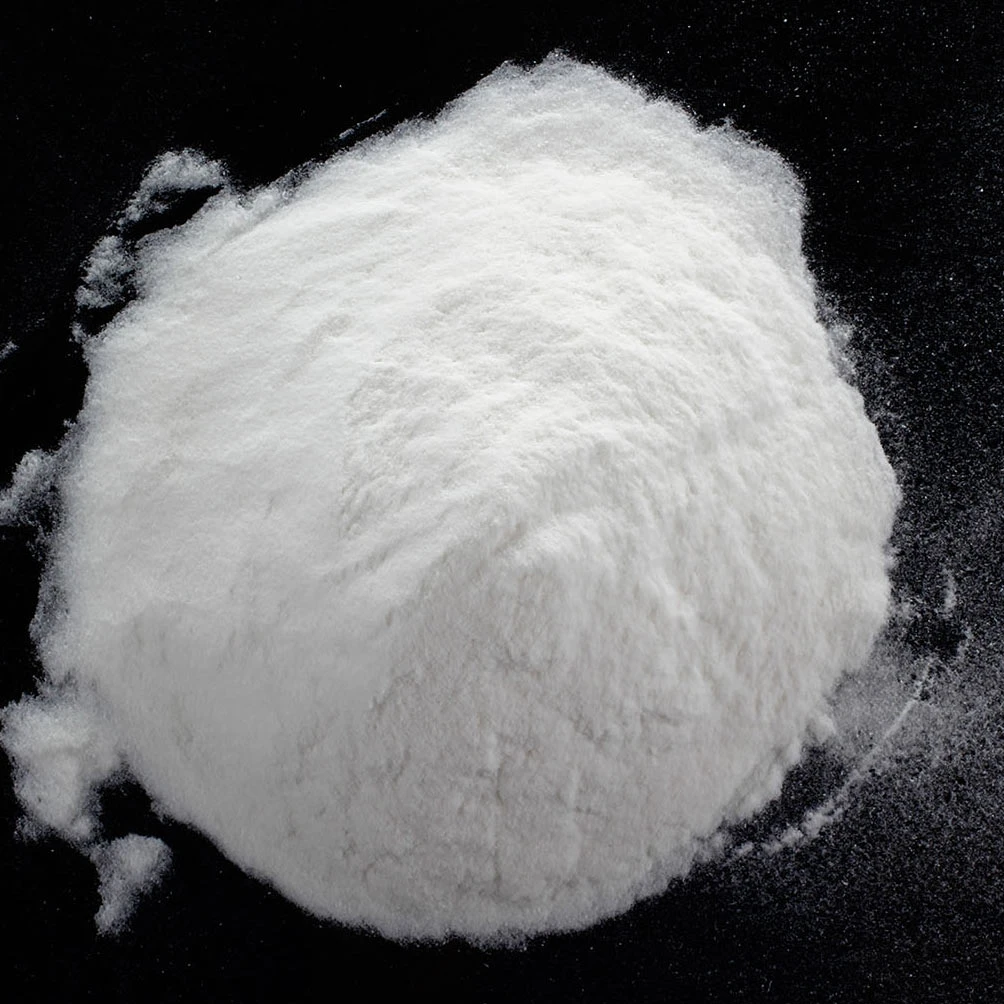
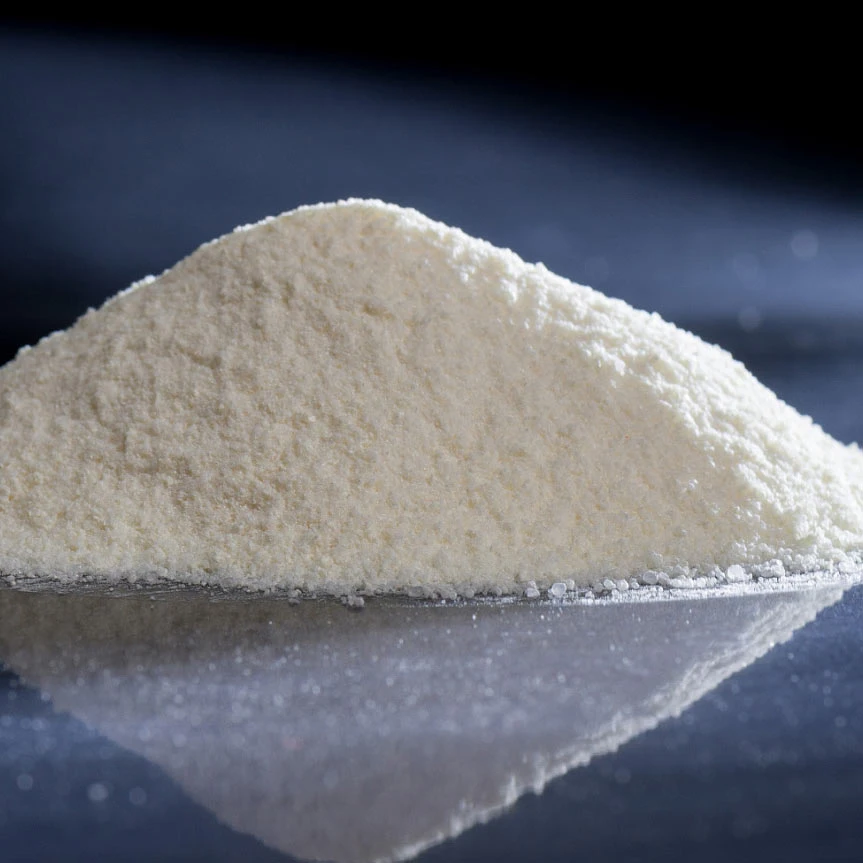
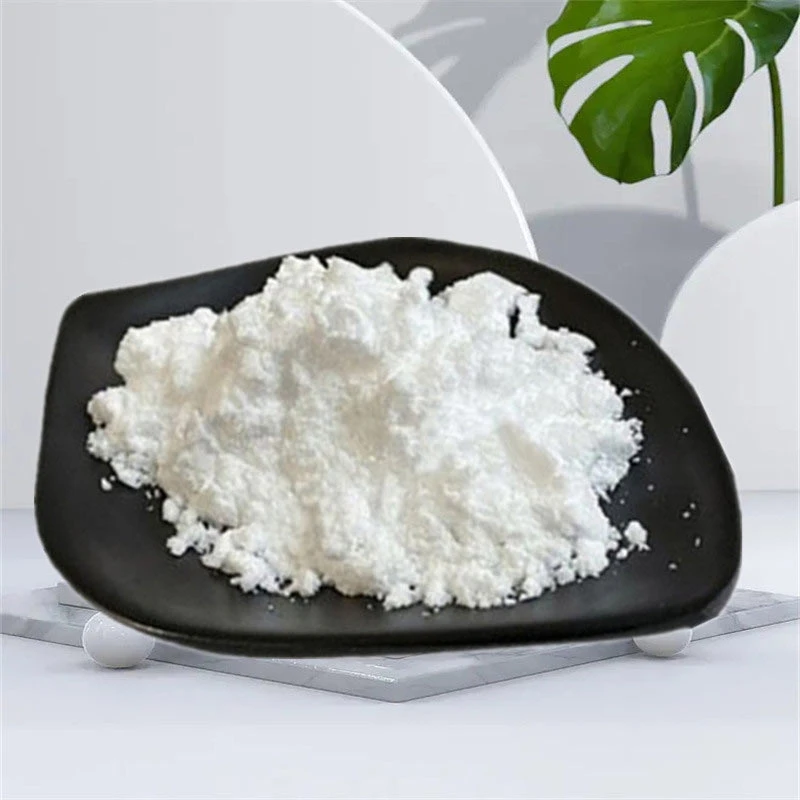
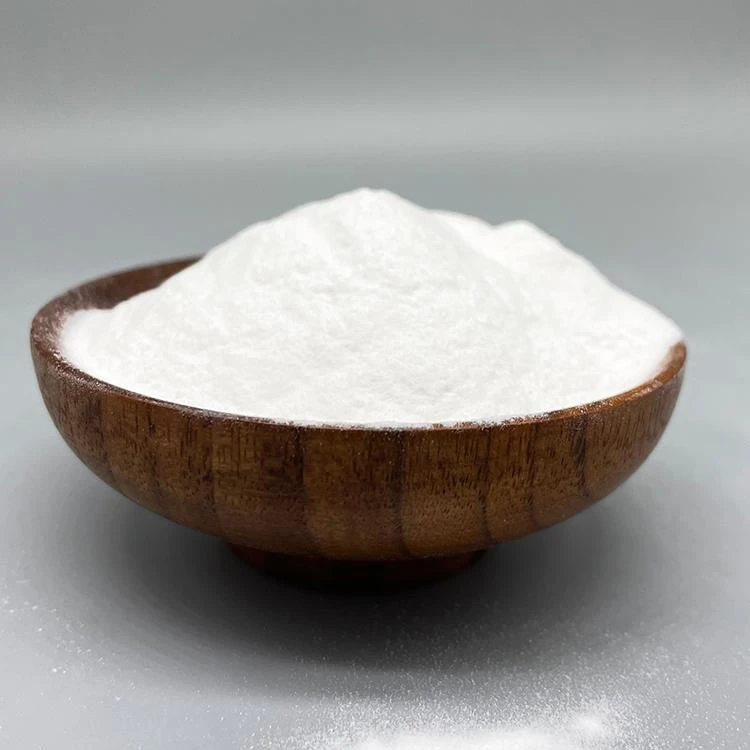
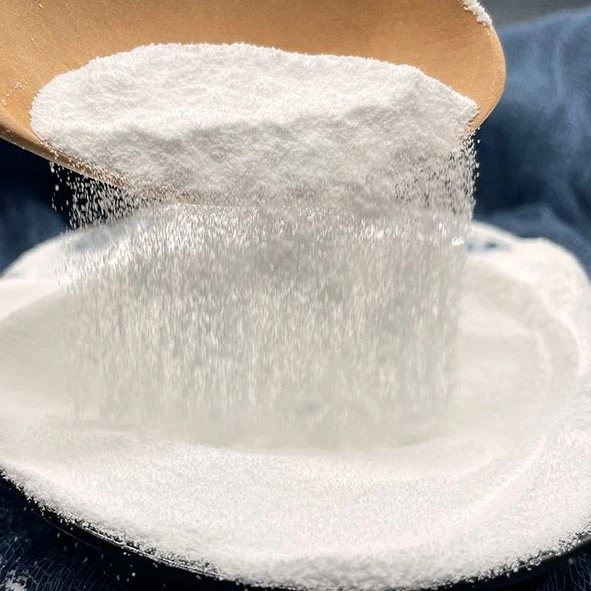
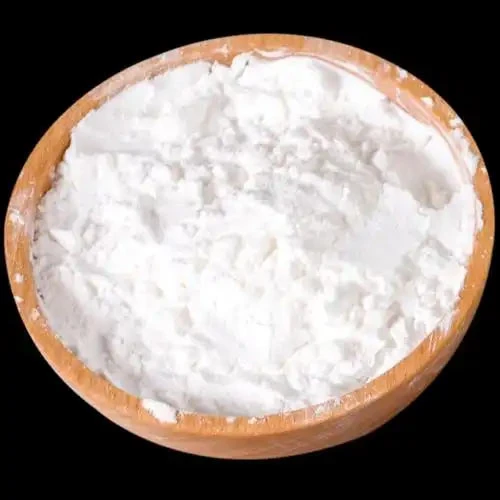
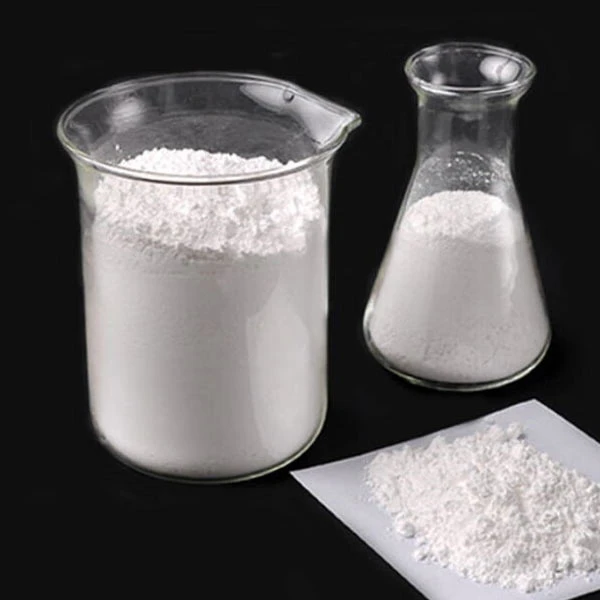
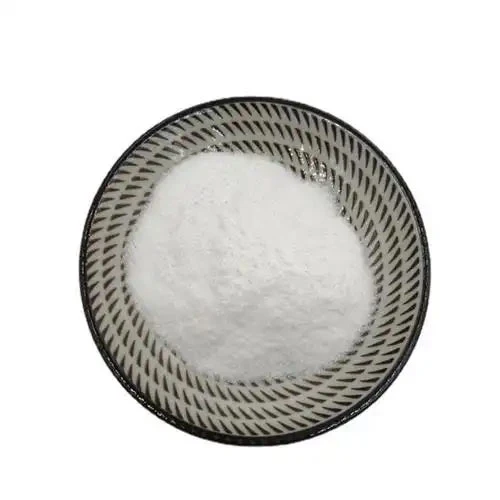
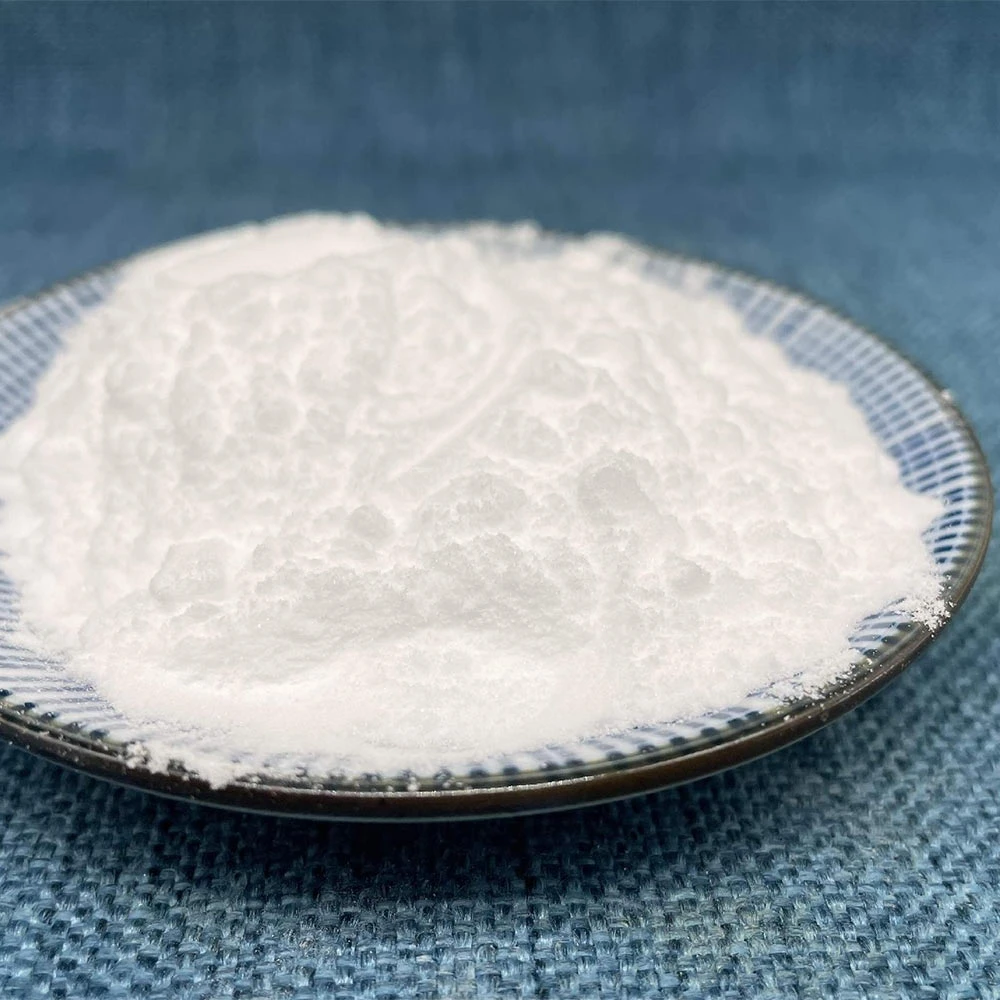
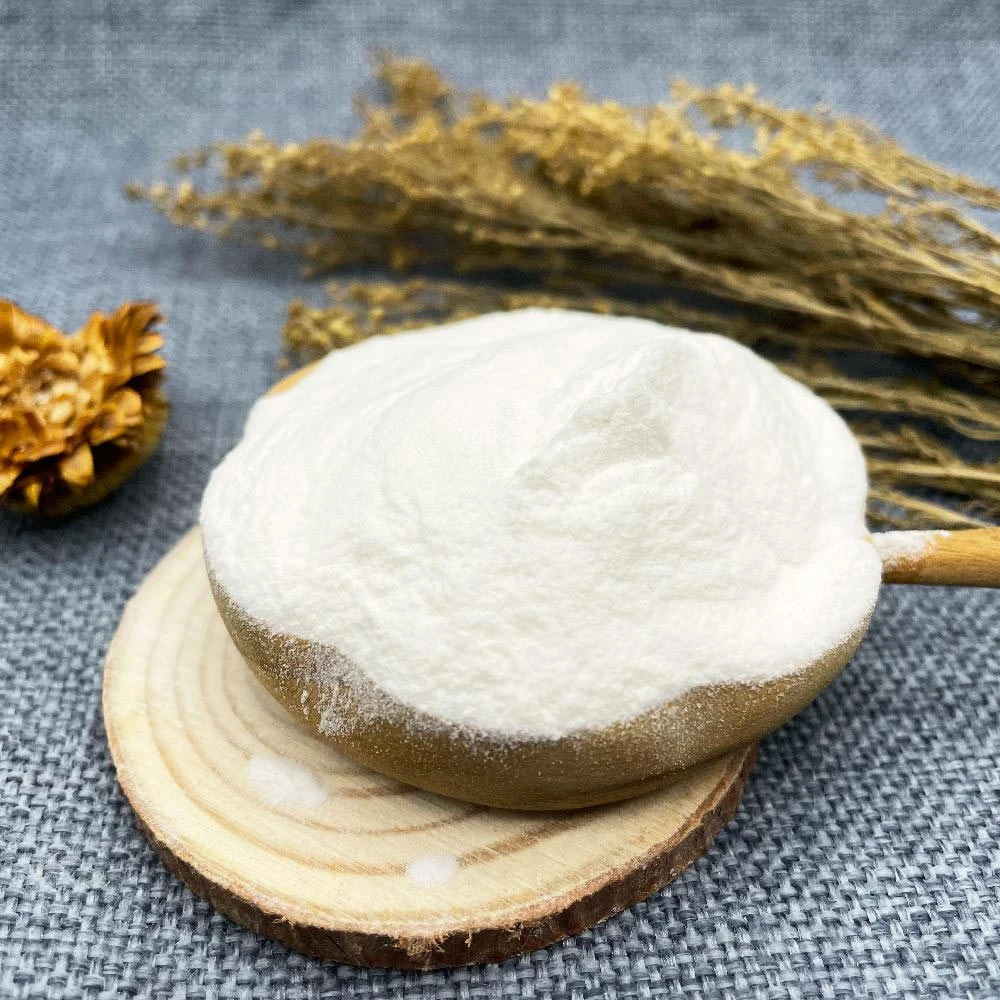
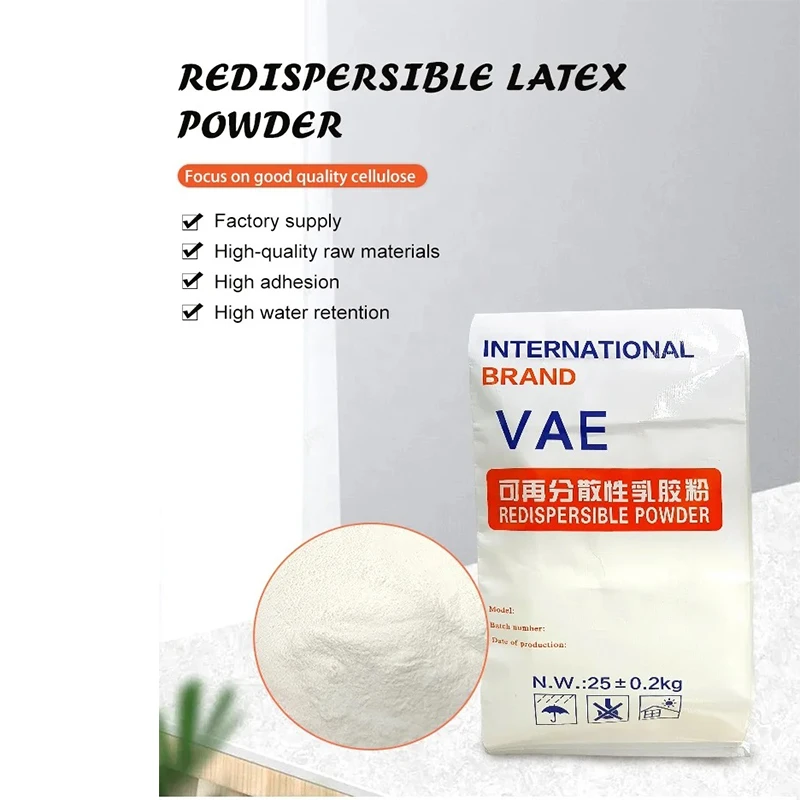
Redispersible polymer powder is a free-flowing powder obtained by spray-drying polymer emulsions. When mixed with water, it redistributes into an emulsion with similar properties to the original. This powder is widely used in tile adhesives, repair mortars, self-leveling flooring compounds, and external insulation finishing systems.
Among the popular categories is VAE redispersible powder, made from vinyl acetate and ethylene copolymers. It offers excellent flexibility, adhesion, and weather resistance—ideal for cement-based and gypsum-based dry mix products. According to sources like the redispersible polymer powder wiki, VAE-based RDPs are among the most commonly used due to their performance-to-cost balance.
Another commonly used variant is redispersible latex powder, which enhances the elasticity and workability of mortars and plasters. Its latex-like film-forming ability makes it suitable for applications needing crack resistance and impact durability.
When discussing redispersible polymer powder types, the main ones include:
- VAE (Vinyl Acetate-Ethylene)
- VA (Vinyl Acetate)
- SBR (Styrene-Butadiene Rubber
- Acrylic-based RDPs
Each type has specific advantages, and the selection depends on the desired performance, environmental resistance, and budget.
Applications and Manufacturing Landscape
The practical redispersible powder uses are extensive across many construction sectors. It is primarily incorporated in:
- Tile adhesives and grouts
- Exterior insulation and finish systems (EIFS)
- Cement renders and plasters
- Repair mortars and wall putties
- Self-leveling compounds
These applications benefit from improved tensile strength, adhesion, and resistance to freeze-thaw cycles. In high-demand climates or locations where water infiltration is a concern, using the right redispersible polymer powder RDP can significantly enhance durability and service life.
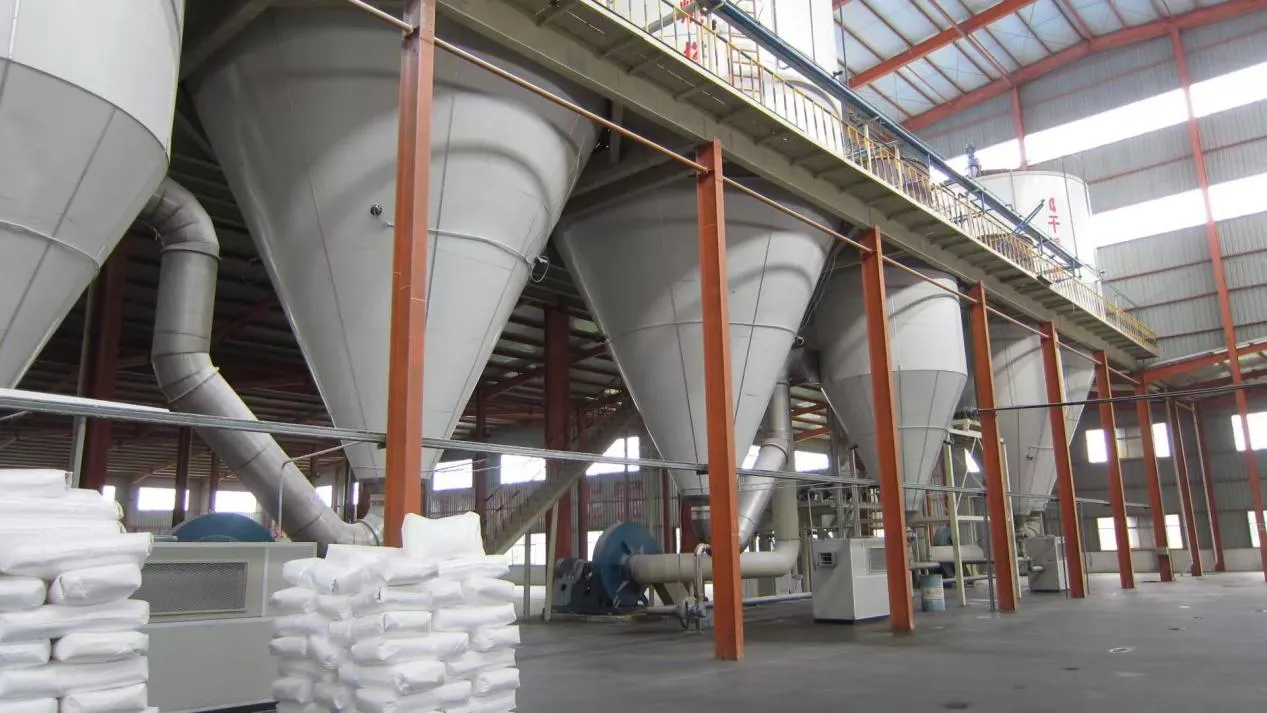
Global redispersible latex powder manufacturers continue to innovate to meet market demand. Major producers are based in China, Germany, and South Korea. These manufacturers offer custom formulations to suit regional building standards and performance needs.
The growing demand for dry-mix mortar products worldwide is driving the expansion of the RDP market. Sourcing from reliable redispersible latex powder manufacturers ensures consistent quality, technical support, and compliance with international standards.
Product FAQs
1. What are the main redispersible polymer powder types?
Answer: The key redispersible polymer powder types include vinyl acetate-ethylene (VAE), vinyl acetate (VA), styrene-butadiene rubber (SBR), and acrylic-based RDPs. Each has specific properties for different construction applications.
2. What is VAE redispersible powder used for?
Answer: VAE redispersible powder is widely used in tile adhesives, EIFS, and plasters. It offers excellent flexibility, adhesion, and weather resistance in cementitious formulations.
3. What are the benefits of redispersible latex powder?
Answer: Redispersible latex powder enhances elasticity, crack resistance, and workability in mortars. It’s especially useful for wall putties and skim coats in flexible or impact-prone areas.
4. Where can I find redispersible latex powder manufacturers?
Answer: Reliable redispersible latex powder manufacturers are primarily located in China, Europe, and South Korea. Choose suppliers that offer quality certification and technical support for better results.
5. What are the common redispersible powder uses?
Answer: Redispersible powder uses include applications in tile adhesives, exterior insulation systems, self-leveling floors, plastering mortars, and repair grouts.
-
HPMC High-Performance Thickener | Hebei TangzhiNewsMar.06,2026
-
Wholesale Water Reducing Admixture for Special Cement: Performance and Market InsightsNewsFeb.28,2026
-
The Complete Guide to HPMC: Types, Applications, Grades, and Manufacturing InsightsNewsFeb.28,2026
-
Redispersible Polymer Powder: Types, Applications, and Performance AdvantagesNewsFeb.28,2026
-
Hydroxymethyl Ethyl Cellulose (MHEC): Properties, Applications, and Market InsightsNewsFeb.28,2026
-
Hydroxyethyl Cellulose: Applications, Performance, and Buying GuideNewsFeb.28,2026