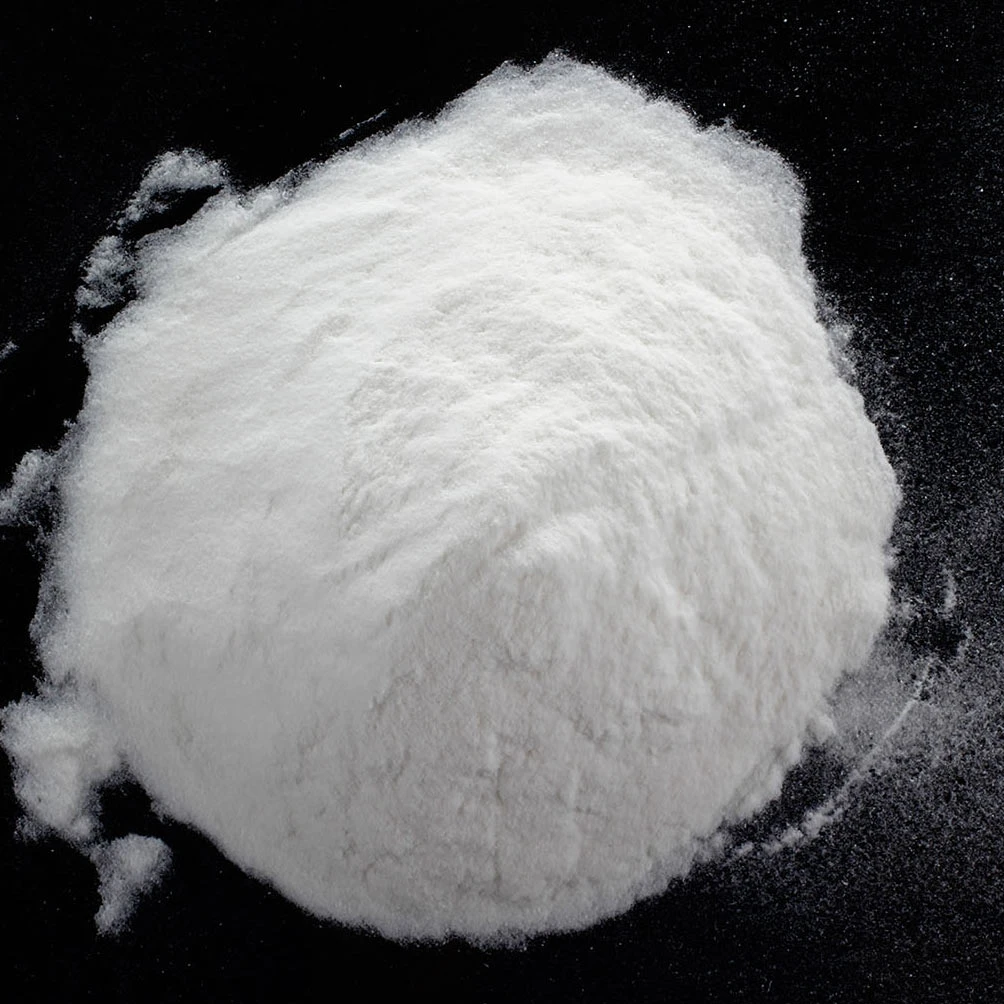
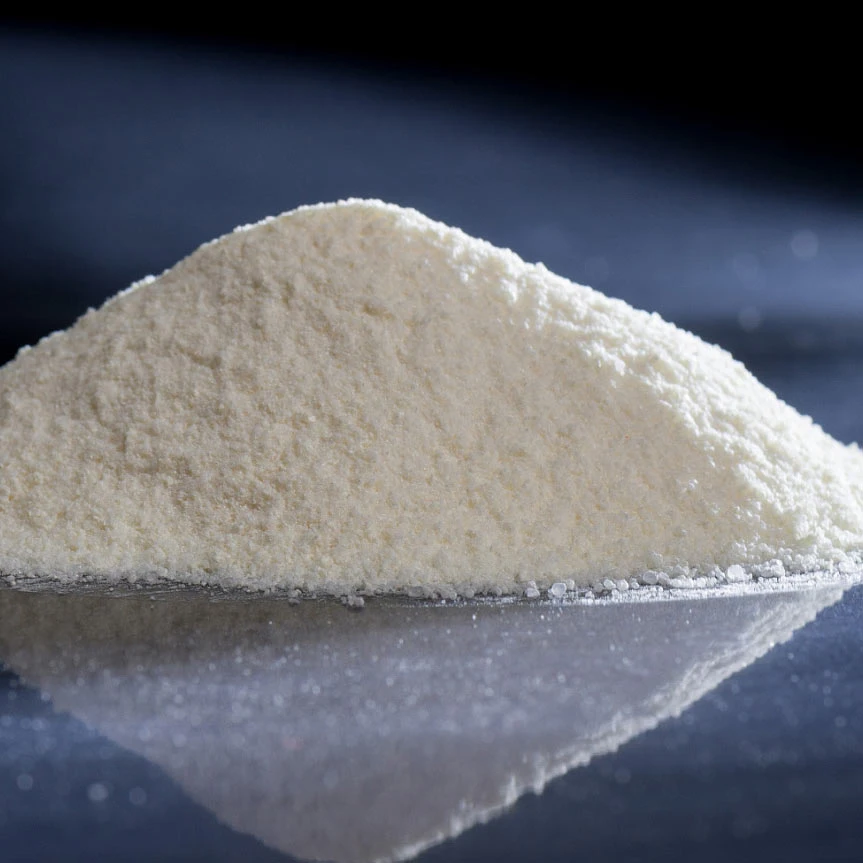
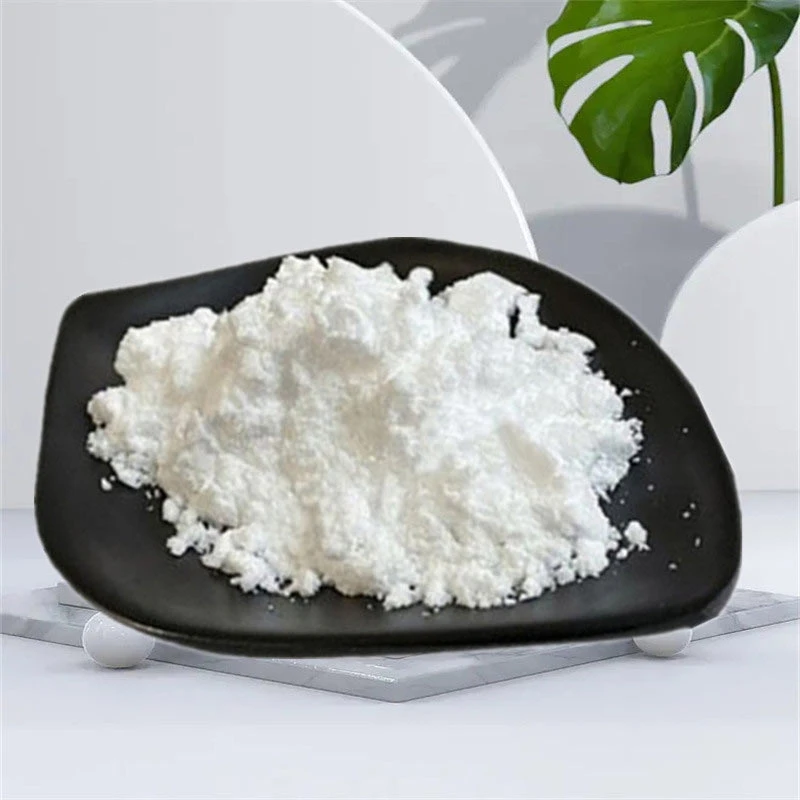
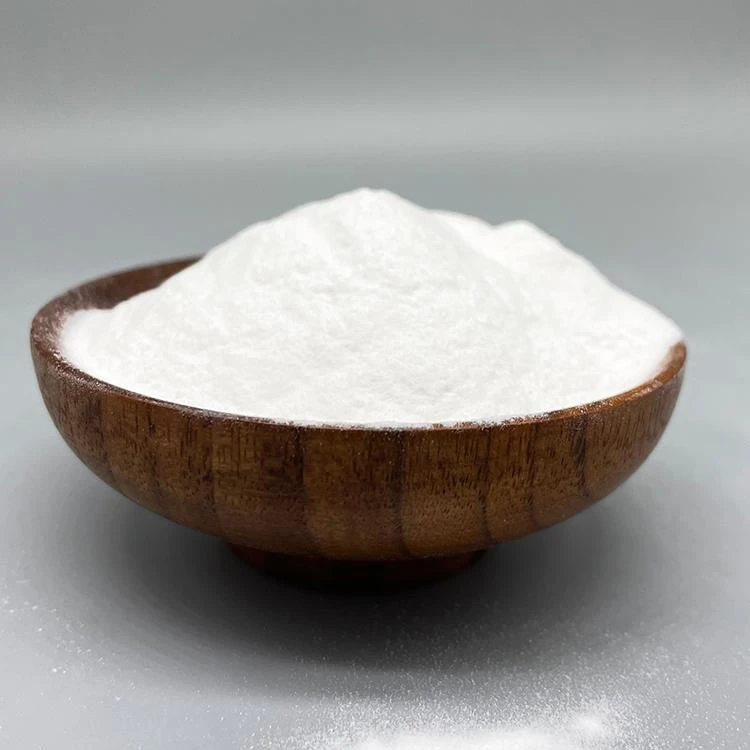
The Expanding Role of Cellulose in Modern Materials
Understanding the Versatility of Cellulose and Its Derivatives
As industries move toward sustainable and multifunctional ingredients, natural polymers like cellulose and starch have become increasingly valuable. While starch is commonly used in food and packaging, cellulose offers a broader range of industrial applications. One key advantage is that certain forms of cellulose are soluble in water, enhancing their performance in coatings, pharmaceuticals, and personal care. For instance, cellulose is soluble in water when chemically modified, allowing it to act as a stabilizer or thickening agent.
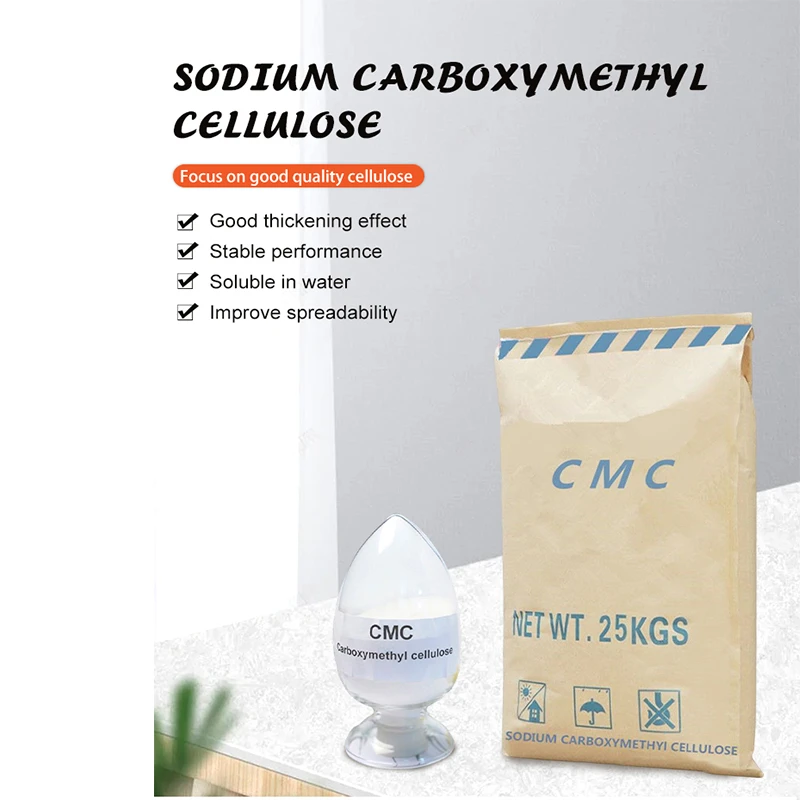
Among the most widely used derivatives is carboxy methyl cellulose sodium, known for its excellent water solubility and thickening ability. It’s a staple in products ranging from toothpaste to processed foods. Another example, ethyl methyl cellulose, combines water resistance with film-forming properties, making it ideal for use in construction materials, pharmaceuticals, and specialty coatings.
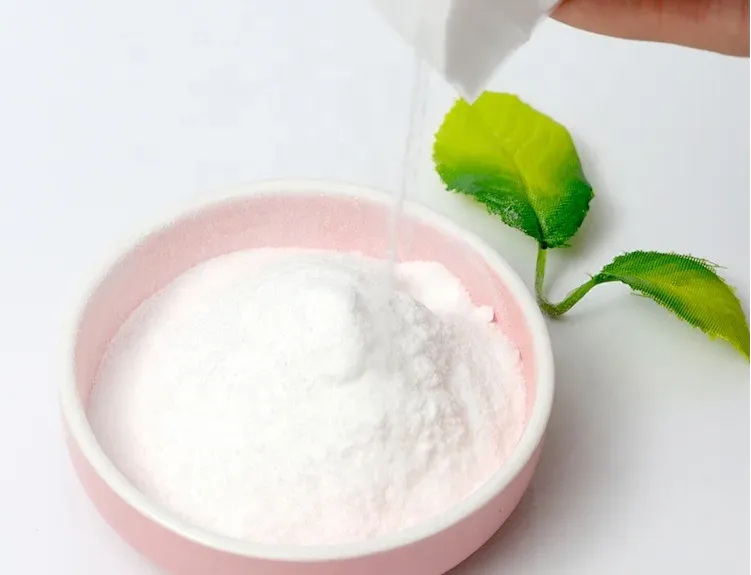
Specialized Forms for High-Performance Applications
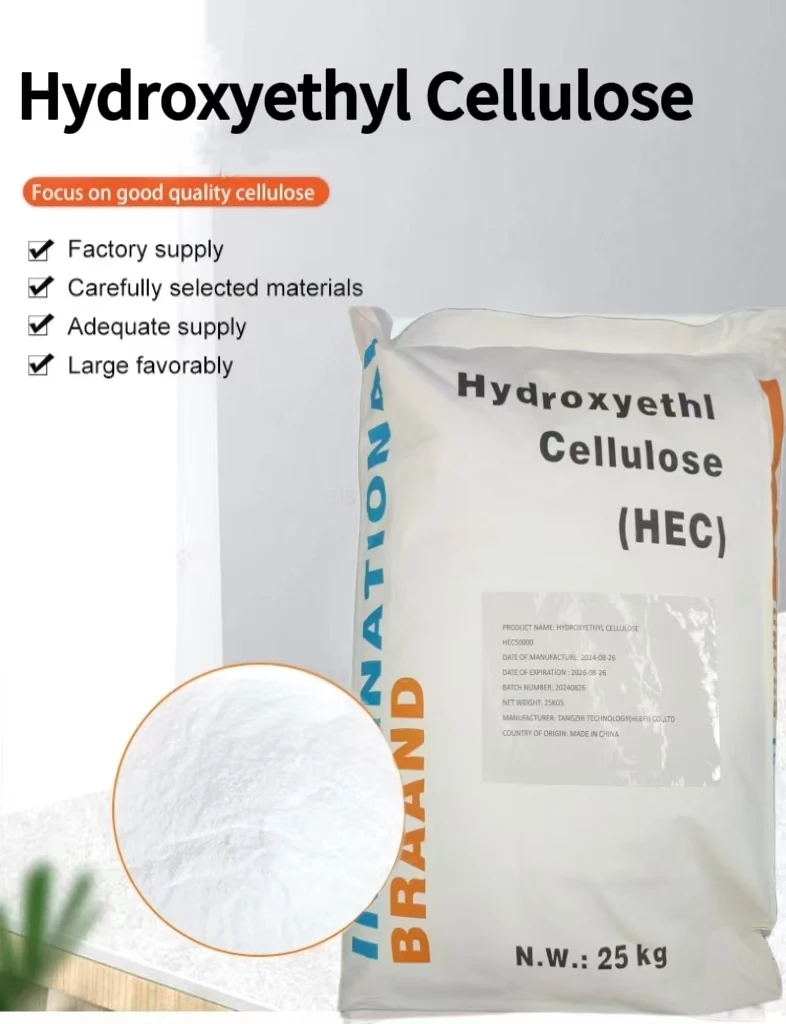
One standout product in the cellulose family is Cellosize hydroxyethyl cellulose, a non-ionic, water-soluble polymer used as a thickener, binder, and stabilizer in everything from paints to cosmetics. Its versatility makes it a popular choice for enhancing texture and maintaining product stability under varying conditions.
In the pharmaceutical and food industries, hydrolyzed cellulose is gaining attention. This form of cellulose is partially broken down to improve digestibility and absorption, making it a functional ingredient in dietary supplements and health products. The fact that cellulose soluble in water can be engineered for different levels of viscosity and stability opens the door to tailored solutions across multiple sectors.
In conclusion, the many forms of cellulose—from carboxy methyl cellulose sodium to Cellosize hydroxyethyl cellulose and hydrolyzed cellulose—highlight the material’s adaptability and value. Whether paired with starch, used in its water-soluble forms, or modified as ethyl methyl cellulose, cellulose continues to support innovation across industries committed to both performance and sustainability.
-
HPMC High-Performance Thickener | Hebei TangzhiNewsMar.06,2026
-
Wholesale Water Reducing Admixture for Special Cement: Performance and Market InsightsNewsFeb.28,2026
-
The Complete Guide to HPMC: Types, Applications, Grades, and Manufacturing InsightsNewsFeb.28,2026
-
Redispersible Polymer Powder: Types, Applications, and Performance AdvantagesNewsFeb.28,2026
-
Hydroxymethyl Ethyl Cellulose (MHEC): Properties, Applications, and Market InsightsNewsFeb.28,2026
-
Hydroxyethyl Cellulose: Applications, Performance, and Buying GuideNewsFeb.28,2026