The Versatility of Hydroxyethylcellulose in Industrial and Cosmetic Applications
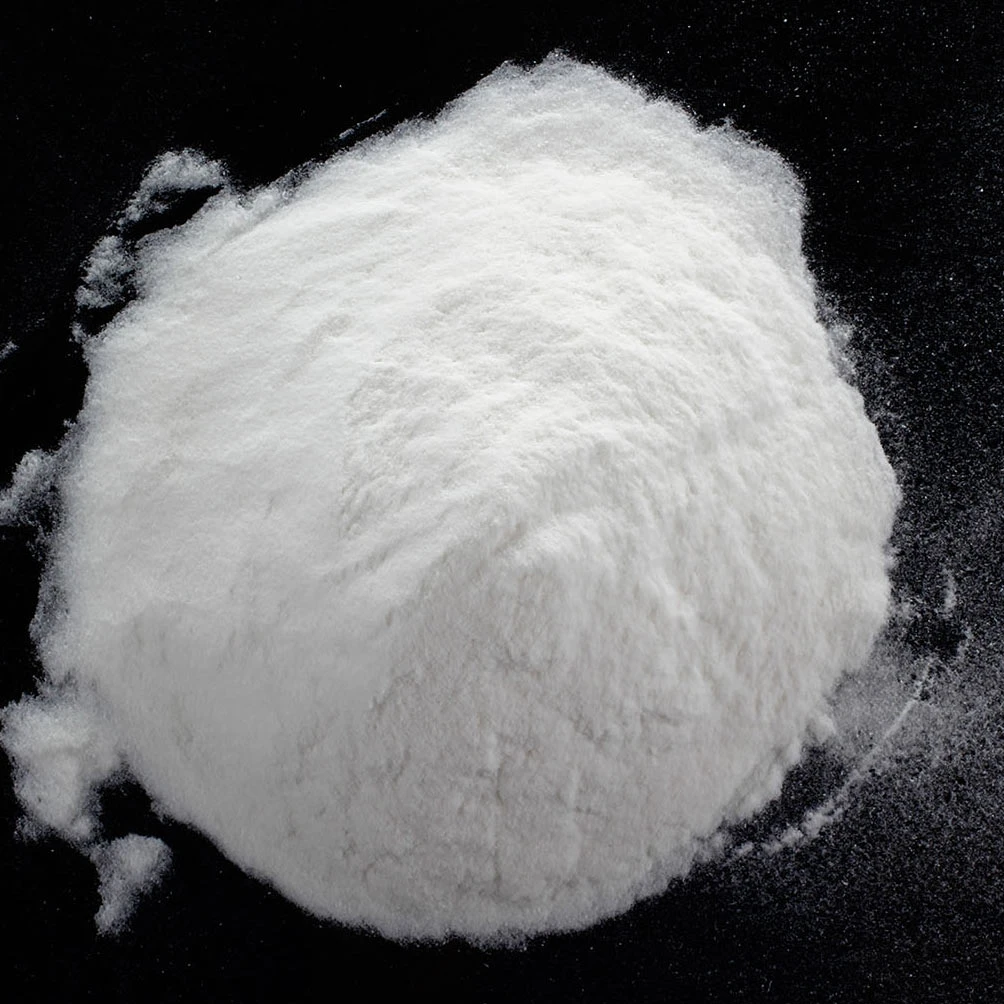
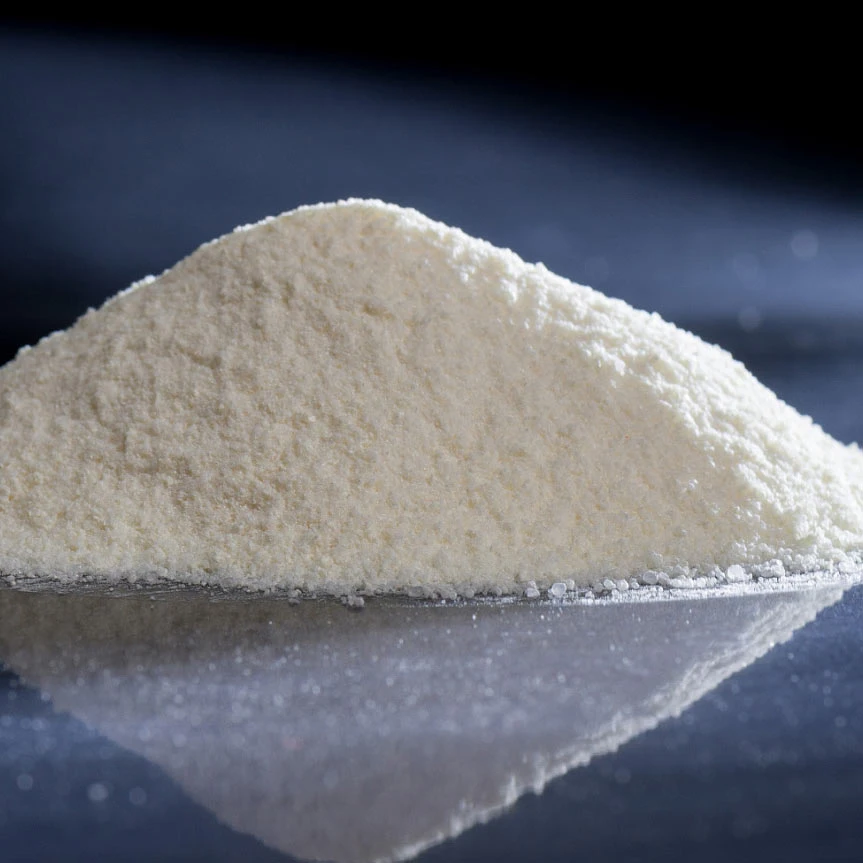
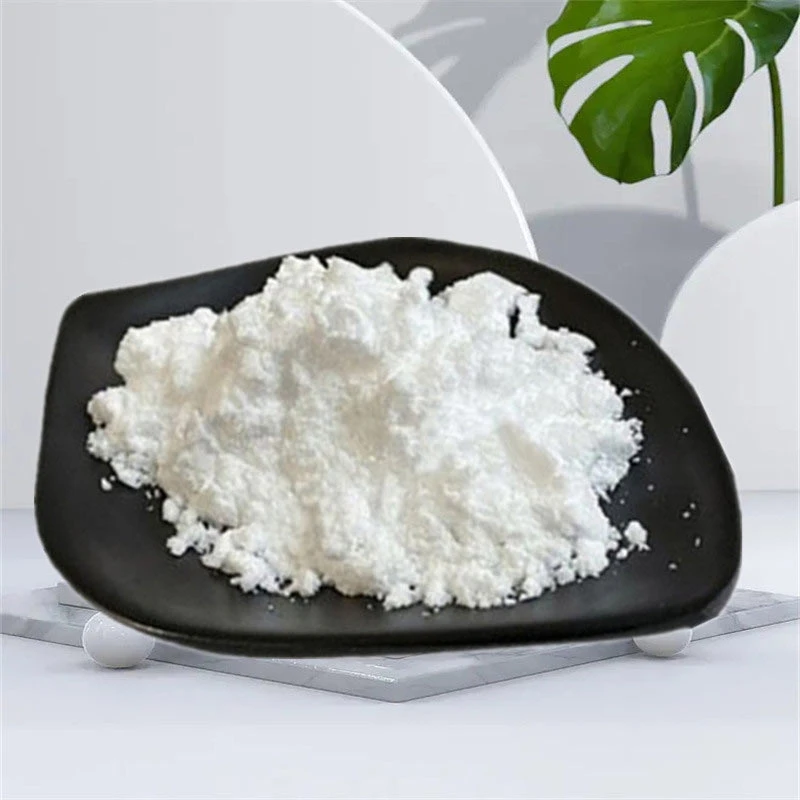
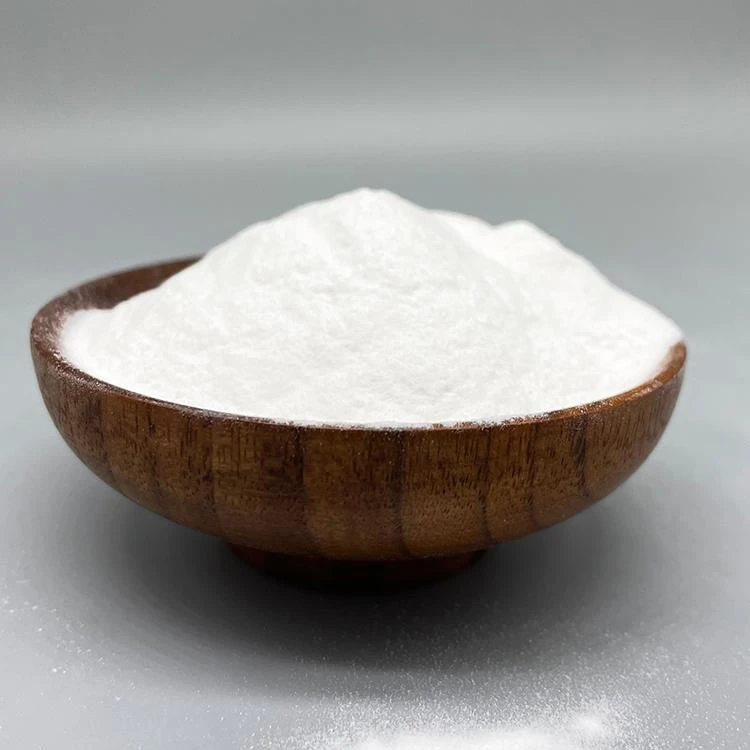
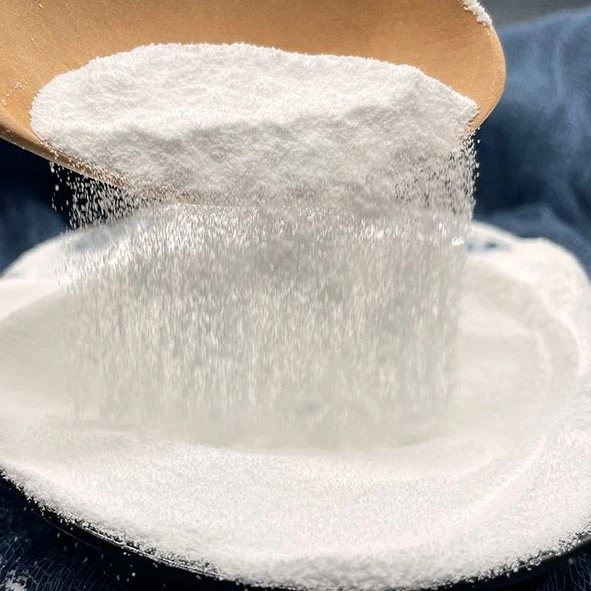
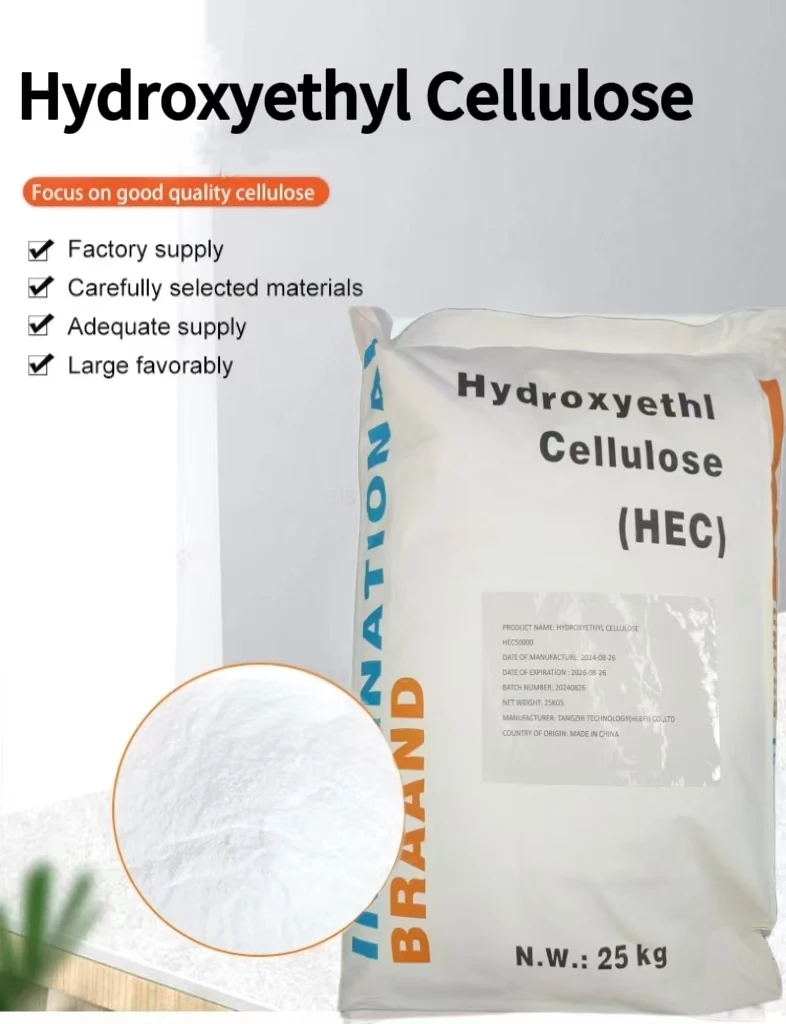
Hydroxyethylcellulose (HEC) is a water-soluble polymer that is widely used in various industries due to its versatile properties. As a cellulose derivative, hydroxyethyl cellulose is prized for its ability to act as a thickener, stabilizer, and binder. It is used extensively in cosmetics, pharmaceuticals, construction, and even food processing. The demand for hydroxyethylcellulose for sale continues to grow as industries seek more effective and reliable materials.
Applications of Hydroxyethylcellulose in Cosmetics and Other Industries
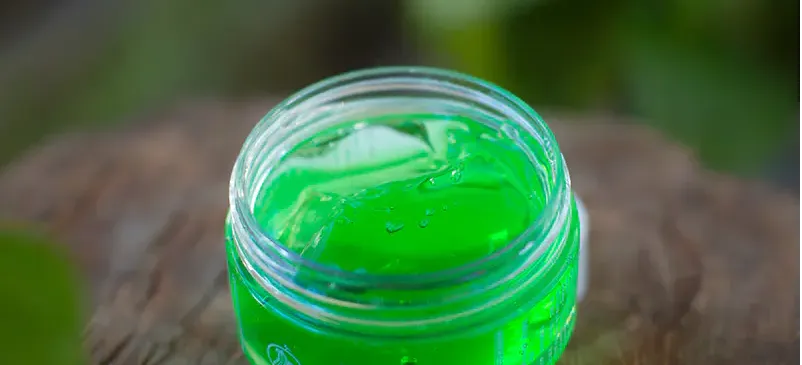
One of the most popular uses of hydroxyethylcellulose is in the cosmetic industry. Hydroxyethylcellulose cosmetics are widely used for their excellent ability to thicken and stabilize emulsions. It helps create smooth textures in skin creams, shampoos, conditioners, and lotions. The compound's gentle and non-toxic nature makes it suitable for use in personal care products. Additionally, hydroxyethyl cellulose gel formulations are common in cosmetics as they provide a smooth, clear texture and improve the spreadability of products. This makes it an indispensable ingredient for modern beauty products.
Beyond cosmetics, hydroxyethyl cellulose-based formulations are also found in the construction industry, particularly in tile adhesives, plaster, and cement-based products. Its water retention properties allow for improved workability, bonding strength, and reduced cracking in these materials. This makes hydroxyethylcellulose an essential ingredient in modern construction and building applications.
Safety and Regulations of Hydroxyethylcellulose
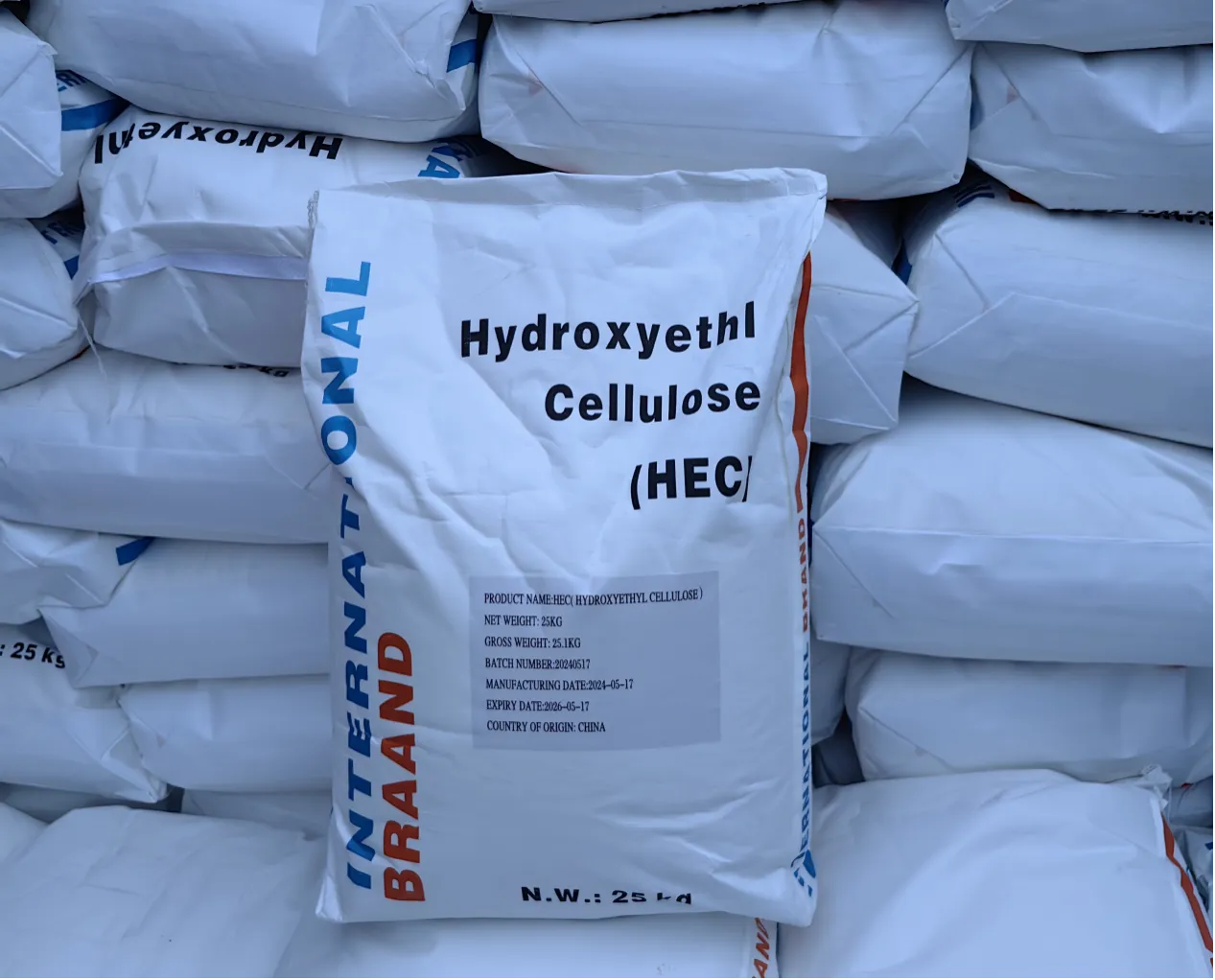
As with all chemicals, safety is a top priority when handling hydroxyethylcellulose. For this reason, manufacturers provide detailed information about the safety and handling of hydroxyethyl cellulose MSDS (Material Safety Data Sheets). These documents outline any potential hazards, safe handling procedures, and emergency measures in case of exposure. Understanding the hydroxyethyl cellulose MSDS ensures that users are informed about the chemical's safety and can take appropriate precautions when using the product in various applications.
Additionally, cellulose 2 hydroxyethyl ether, another name for hydroxyethylcellulose, is included in various industrial standards due to its wide range of uses. The compound’s safety profile and versatility make it a preferred choice for many industries.
In conclusion, hydroxyethylcellulose is a vital compound used across multiple industries, including cosmetics, construction, and pharmaceuticals. Its thickening, stabilizing, and gelling properties make it an ideal ingredient in many formulations. With hydroxyethylcellulose for sale from reputable suppliers and clear safety guidelines in the form of hydroxyethyl cellulose MSDS, businesses and consumers can trust its performance in a variety of products. Whether for hydroxyethylcellulose cosmetics yoki hydroxyethyl cellulose-based industrial solutions, this cellulose derivative continues to play a key role in improving product quality and functionality.
-
HPMC High-Performance Thickener | Hebei TangzhiNewsMar.06,2026
-
Wholesale Water Reducing Admixture for Special Cement: Performance and Market InsightsNewsFeb.28,2026
-
The Complete Guide to HPMC: Types, Applications, Grades, and Manufacturing InsightsNewsFeb.28,2026
-
Redispersible Polymer Powder: Types, Applications, and Performance AdvantagesNewsFeb.28,2026
-
Hydroxymethyl Ethyl Cellulose (MHEC): Properties, Applications, and Market InsightsNewsFeb.28,2026
-
Hydroxyethyl Cellulose: Applications, Performance, and Buying GuideNewsFeb.28,2026