Comprehensive Guide to 2Hydroxyethyl Cellulose Properties and Industrial Applications

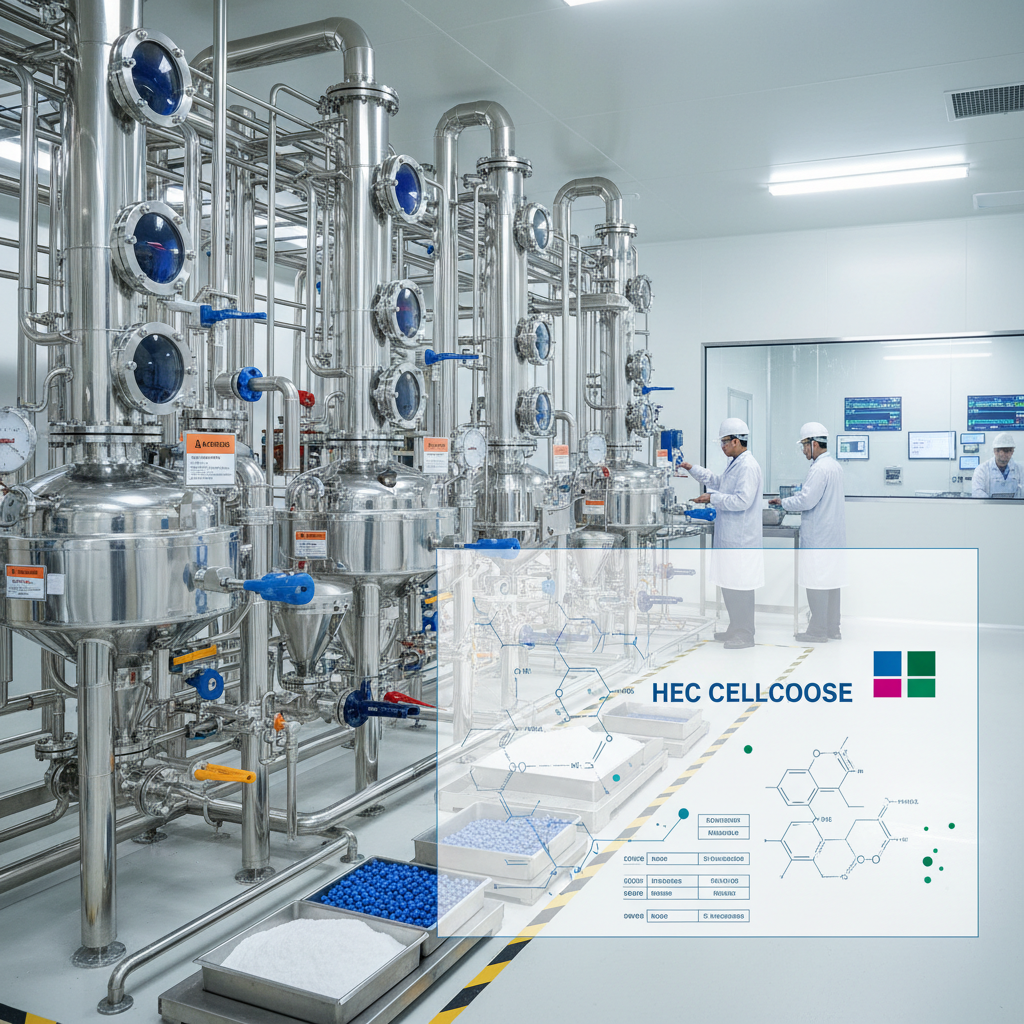
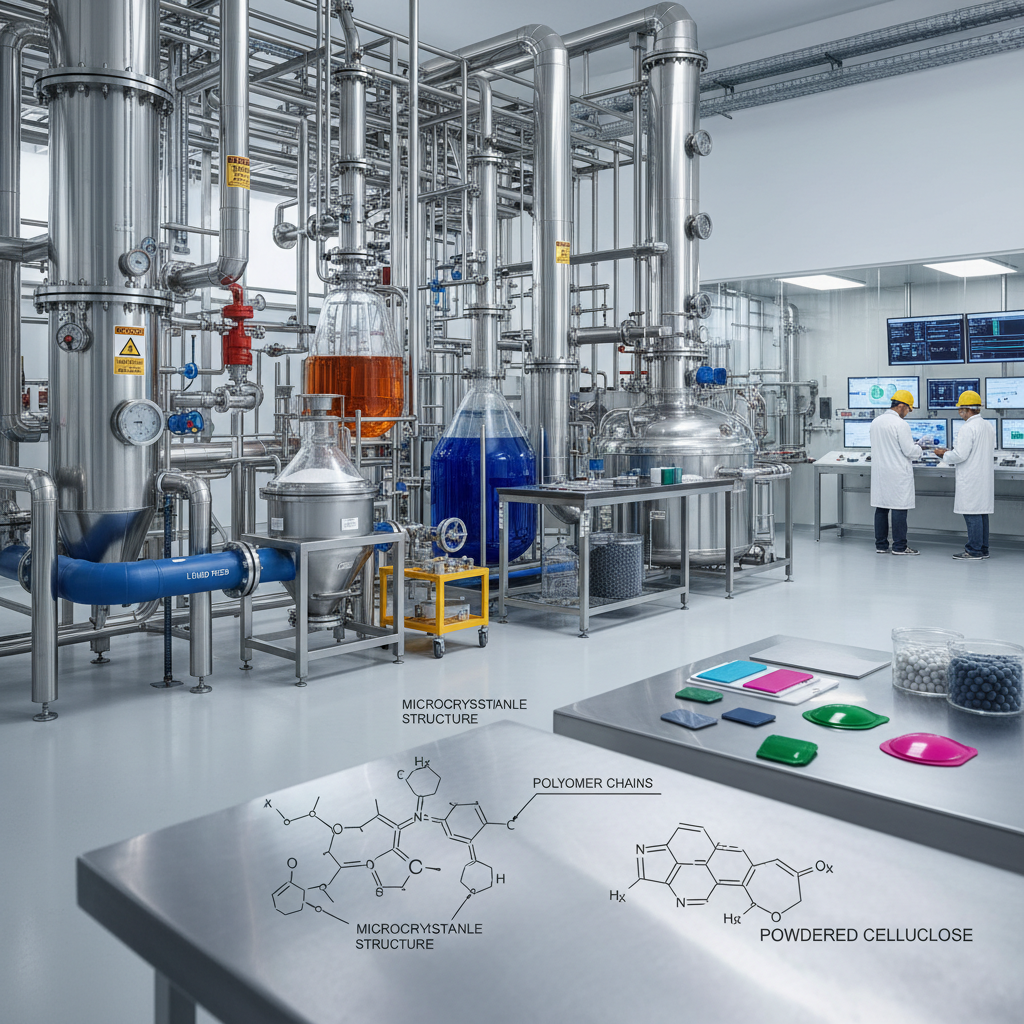
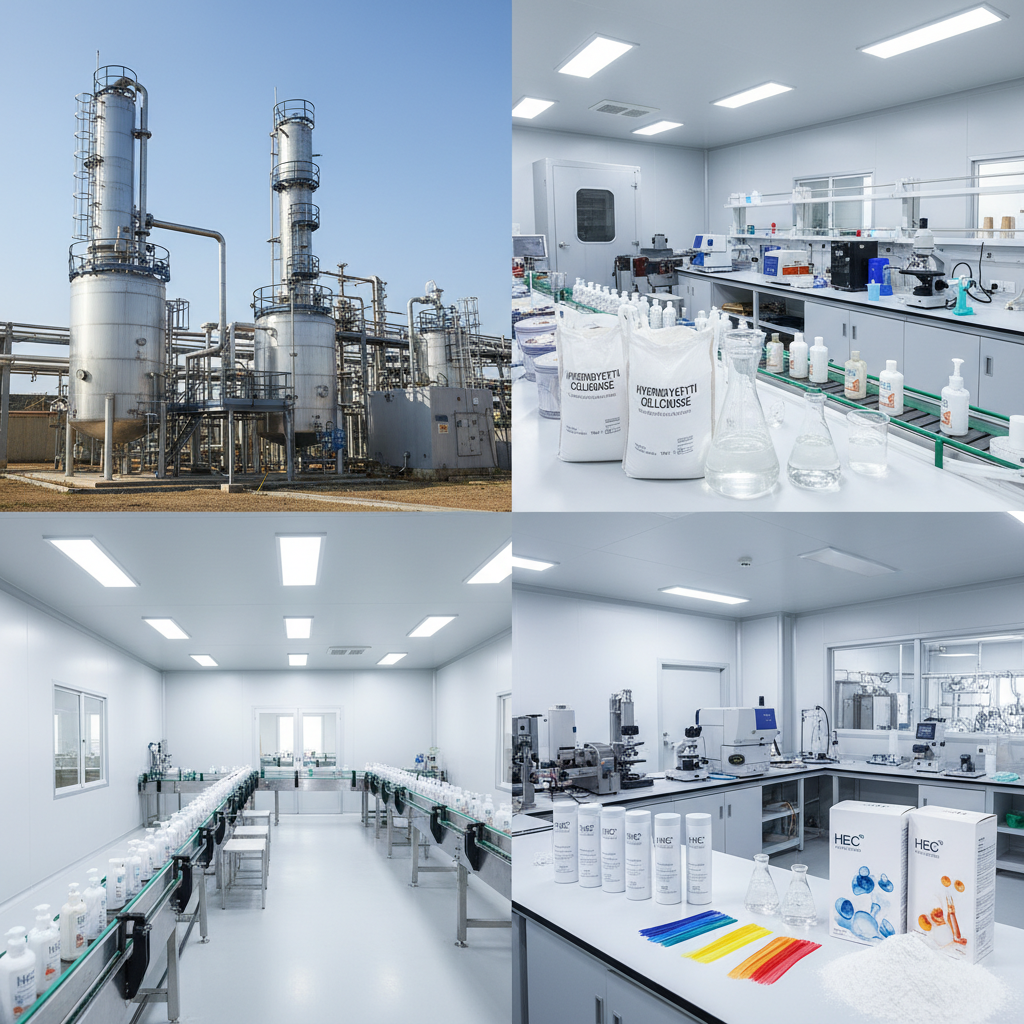
2-Hydroxyethyl cellulose (HEC) is a versatile water-soluble polymer derived from cellulose. Its unique properties make it a crucial ingredient in numerous industries, from construction and pharmaceuticals to personal care and oil drilling. This article provides a comprehensive overview of HEC, including its characteristics, diverse applications, and considerations when sourcing high-quality HEC. Understanding the intricacies of this polymer is essential for professionals seeking optimal performance and reliability in their products. Essentially, 2-Hydroxyethyl Cellulose (HEC) is a modified cellulose that has been treated with ethylene oxide. This process introduces hydroxyethyl groups onto the cellulose backbone, dramatically enhancing its water solubility and giving it a range of desirable properties. Unlike standard cellulose, HEC readily dissolves in cold water, forming clear, viscous solutions. This makes it ideal for applications where a thickening, binding, or stabilizing agent is required.

View More

Exploring Cellulose Foam Properties Applications and Sustainable Benefits

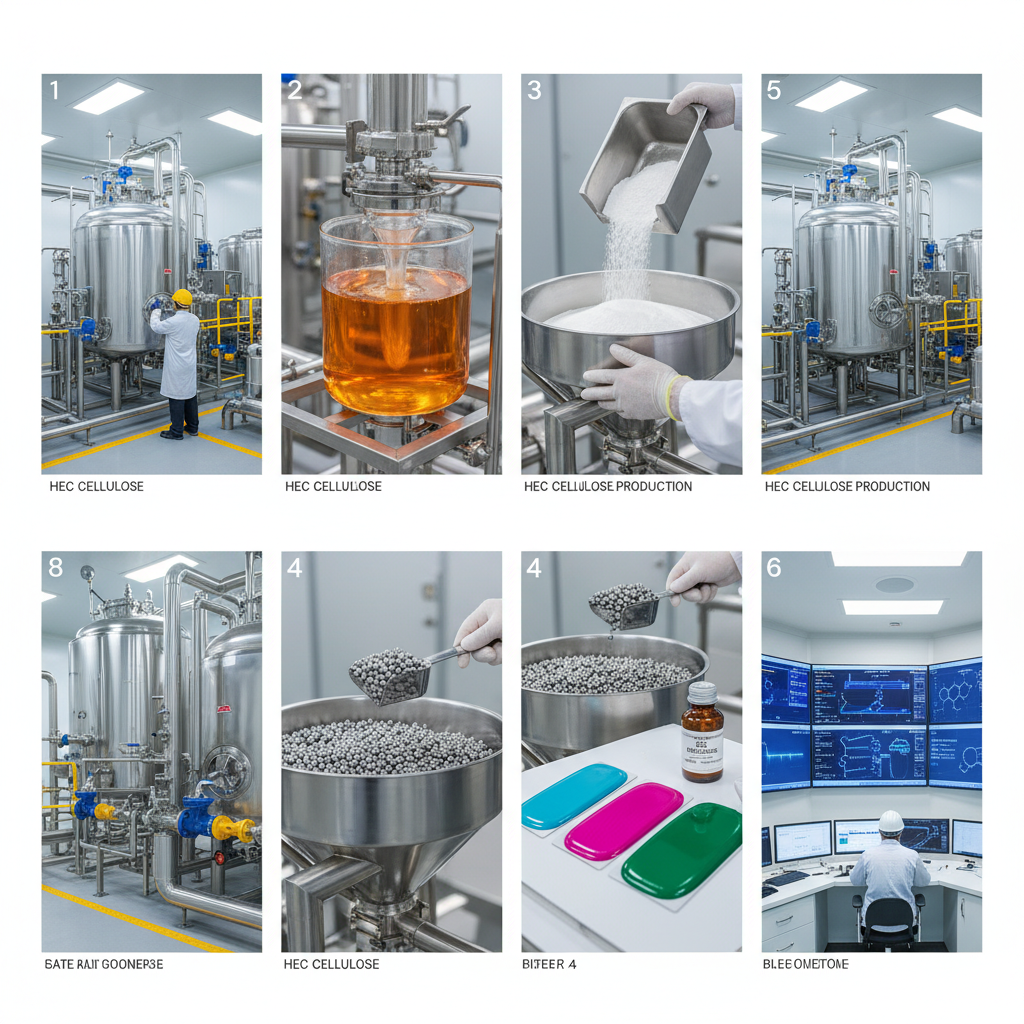
Cellulose foam is a versatile material gaining prominence in diverse industries due to its unique properties and sustainable sourcing. Derived from plant-based cellulose, it offers an eco-friendly alternative to traditional foam materials. This article provides an in-depth look at cellulose foam, exploring its characteristics, manufacturing processes, applications, and benefits. Whether you're seeking sustainable packaging solutions or innovative materials for construction, understanding cellulose foam is crucial. Cellulose foam is a lightweight, porous material produced from cellulose fibers. These fibers can be sourced from wood pulp, cotton, or other plant-based materials, making it a renewable and biodegradable option. Unlike petroleum-based foams, cellulose foam boasts a lower carbon footprint, aligning with growing demands for eco-conscious materials. Its inherent properties, such as good thermal and acoustic insulation, make it suitable for a wide array of applications.

View More
Hec Chemical A Comprehensive Guide to Properties Applications and Global Trade

Hydroxyethyl cellulose (HEC) is a versatile, water-soluble polymer widely used across diverse industries like construction, pharmaceuticals, personal care, and oil drilling. Its thickening, binding, film-forming, and stabilizing properties make it an invaluable ingredient. This article provides an in-depth look at HEC chemical, its applications, benefits, and sourcing options, particularly focusing on international trade considerations. Understanding HEC's properties and reliable suppliers is crucial for businesses involved in global sourcing and product development. Hec chemical, also known as hydroxyethyl cellulose, is a non-ionic ether cellulose. It’s derived from cellulose, a natural polymer found in plant cell walls. Through a chemical modification process, cellulose reacts with ethylene oxide to create HEC.

View More
Comprehensive Guide to HPMC Cellulose Properties Applications and Benefits

Hydroxypropyl methylcellulose (HPMC) is a versatile cellulose ether widely utilized across numerous industries, including construction, pharmaceuticals, food, and personal care. Known for its thickening, binding, film-forming, and water-retention properties, HPMC cellulose offers a sustainable and effective solution for diverse applications. This article will delve into the properties, applications, grades, and benefits of HPMC, offering a comprehensive overview for professionals and researchers alike. Understanding HPMC's capabilities allows for optimized formulations and improved product performance. HPMC is derived from cellulose, a naturally occurring polymer found in plant cell walls. The modification process involves reacting cellulose with methyl chloride and propylene oxide, resulting in a non-ionic, water-soluble polymer. Key properties include its ability to thicken aqueous solutions, provide excellent film-forming capabilities, enhance water retention, and exhibit thermal gelation properties.

View More
Exploring Regenerated Cellulose A Sustainable Material for Diverse Applications

Regenerated cellulose is a versatile material gaining prominence across various industries, from pharmaceuticals and food to textiles and cosmetics. Derived from natural cellulose sources, it offers a sustainable and biocompatible alternative to synthetic polymers. This article provides an in-depth exploration of regenerated cellulose, its production methods, applications, benefits, and future potential. Understanding the properties and uses of this material is crucial for businesses seeking eco-friendly and high-performance solutions. The most common methods involve dissolving cellulose in various solvents and then extruding or casting it into desired forms like films, fibers, or microparticles. This process allows for tailoring the material's properties for specific applications. The source of cellulose is typically wood pulp or cotton linters, both renewable resources. Several methods are employed for producing regenerated cellulose, each yielding materials with varying properties. The Viscose process, Lyocell process, and Cuprammonium process are the most prevalent. The versatility of regenerated cellulose has led to its adoption in diverse sectors. In the pharmaceutical industry, it's used as a binder, disintegrant, and film coating agent for tablets. In the food industry, it acts as a thickener, stabilizer, and fat substitute. The textile industry utilizes it for making rayon fabrics. Cosmetics incorporate it for its thickening and film-forming properties.

View More
Exploring Sodium Carboxy Methyl Cellulose Applications and Industrial Significance

Sodium Carboxy Methyl Cellulose (CMC), a versatile and widely used cellulose derivative, plays a crucial role in numerous industries, from food production to pharmaceuticals and oil drilling. Its unique properties – thickening, binding, stabilizing, and film-forming – make it an indispensable ingredient in countless applications. This article delves into the characteristics, production, applications, and benefits of CMC, providing a comprehensive overview for professionals and those interested in understanding this important compound. Understanding CMC's functionalities is key to optimizing product performance and innovation across diverse sectors. Sodium Carboxy Methyl Cellulose (CMC) is a water-soluble polymer derived from cellulose, a natural component of plant cell walls. It’s produced by chemically modifying cellulose through carboxymethylation, introducing carboxymethyl groups (-CH2-COOH) along the cellulose chain. This modification imparts several important properties, including enhanced water solubility and the ability to form viscous solutions. CMC is available in various grades, differing in viscosity, degree of substitution, and purity, allowing for tailored performance in different applications.

View More
Polyvinyl Alcohol Applications and PVA Bond Uses in Construction and Industry

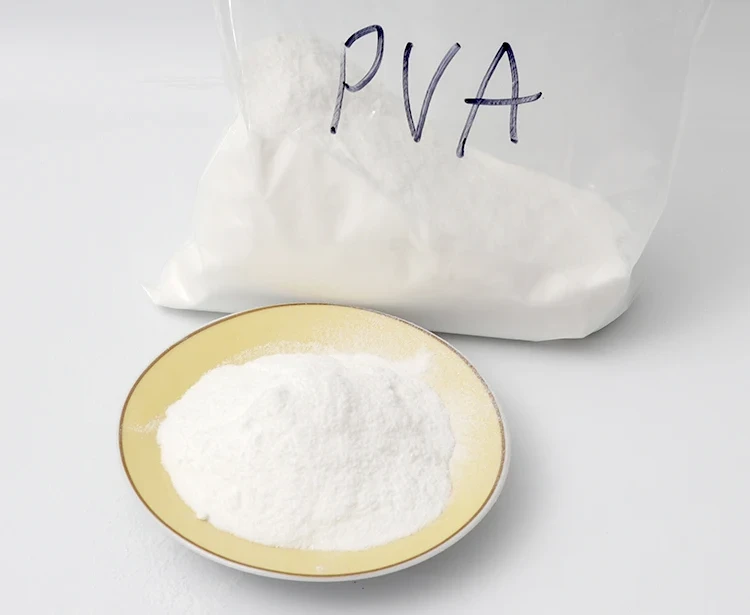
Polyvinyl alcohol (PVA) is a highly versatile synthetic polymer widely used in construction, packaging, textiles, and industrial applications.

View More
Polyvinyl Alcohol Applications and Market Guide: From PVA Plastic Bags to Polypropylene Fiber

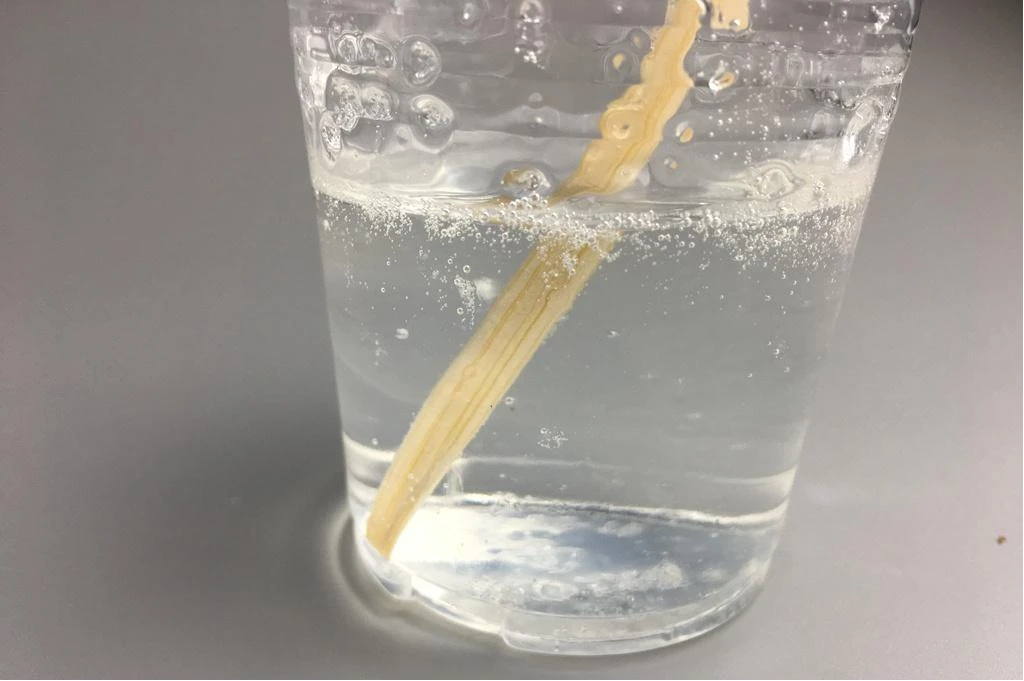
Polyvinyl alcohol is an important synthetic polymer widely used in multiple industries, including textiles, packaging, construction, and chemical manufacturing.

View More
Hydroxypropyl Starch Phosphate for Hair and Skin: A Modern Functional Ingredient

Hydroxypropyl starch phosphate has gained attention in personal care formulations due to its multifunctional properties and compatibility with cosmetic systems.

View More
Hydroxypropyl Starch and Hydroxyethyl Starch: Applications in Food, Cosmetics, and Medical Industries

Modified starch derivatives have become essential ingredients across many industries, including construction, pharmaceuticals, cosmetics, and food processing.

View More
Gypsum Retarder Chemical and Additives: Balancing Setting Time in Plaster Systems

Gypsum-based materials are widely used in construction and interior finishing due to their excellent workability and fire-resistant properties.

View More
Exploring the Versatile Applications and Benefits of Powdered Cellulose

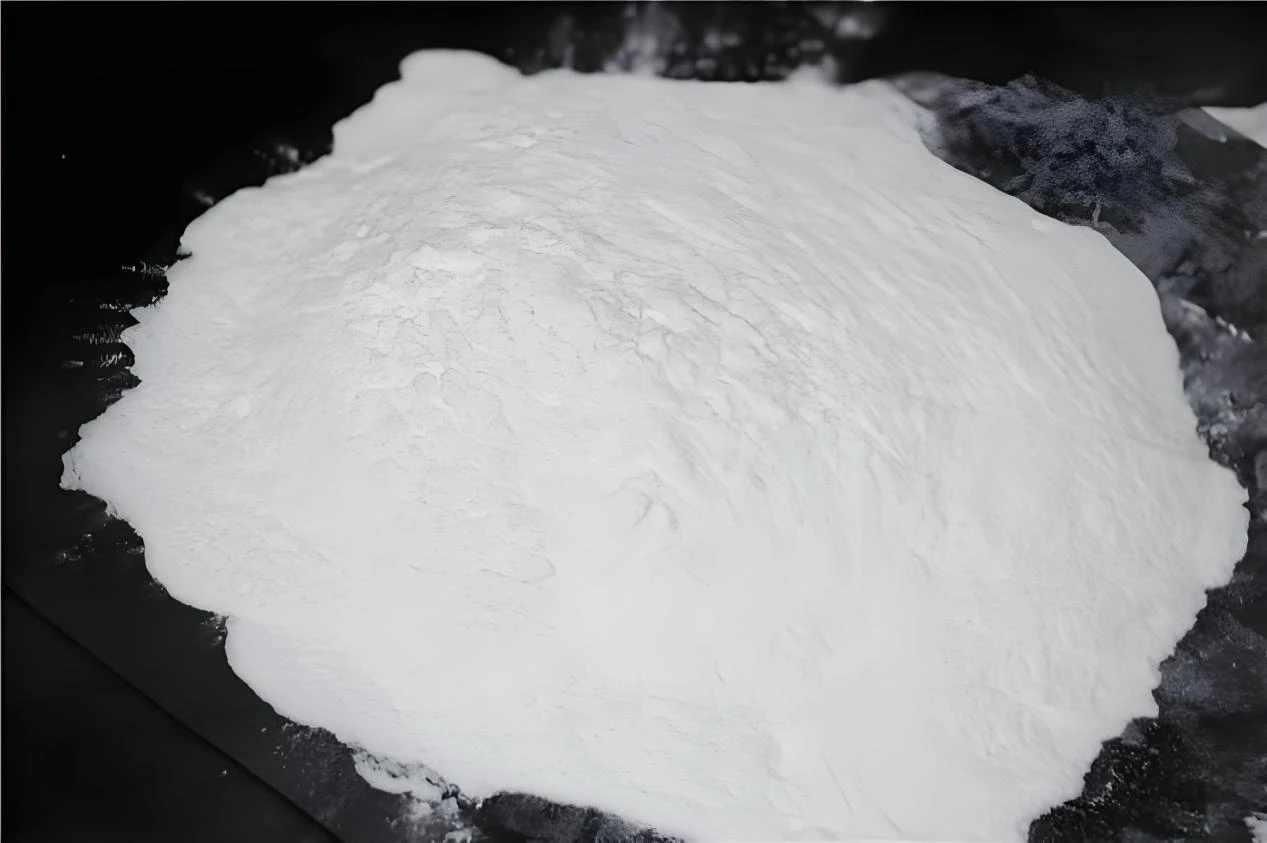
Powdered cellulose, a versatile and widely utilized ingredient, plays a crucial role across numerous industries, from food and pharmaceuticals to construction and cosmetics. Derived from plant fibers, this natural polymer offers a range of functional properties, making it a sought-after component in many formulations. At HPMC Powder, we specialize in high-quality cellulose derivatives, providing tailored solutions to meet diverse client needs. This article explores the characteristics, applications, and advantages of powdered cellulose, providing a comprehensive overview for potential users and industry professionals. Powdered cellulose is a refined form of cellulose, the main structural component of plant cell walls. It is produced through various methods, including mechanical pulping and chemical treatments, to achieve a fine, free-flowing powder. This powder is primarily composed of glucose units linked together in a long chain. The key characteristics of powdered cellulose include its inertness, insolubility in water (unless chemically modified), and ability to provide texture and bulk.

View More

If you are interested in our products, you can choose to leave your information here, and we will be in touch with you shortly.