


Unlocking Advanced Concrete Performance: Wholesale Water Reducing Admixtures for Special Cement
Concrete technology has come a long way from basic cement-water mixtures.
View More

Concrete technology has come a long way from basic cement-water mixtures.
View More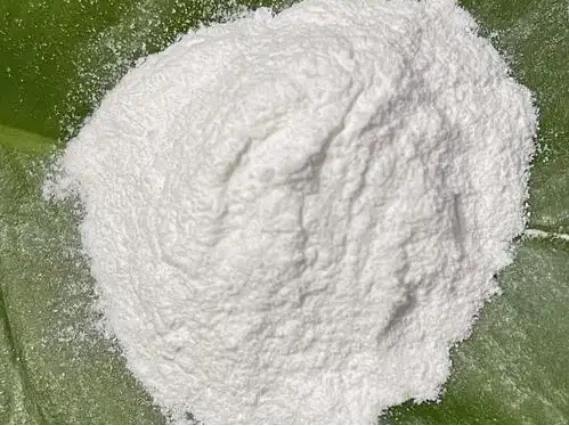
Redispersible polymer powder (RDP) plays a critical role in modern construction materials, offering improved flexibility, adhesion, and durability in products such as tile adhesives, self-leveling compounds, external insulation systems, and mortars.
View More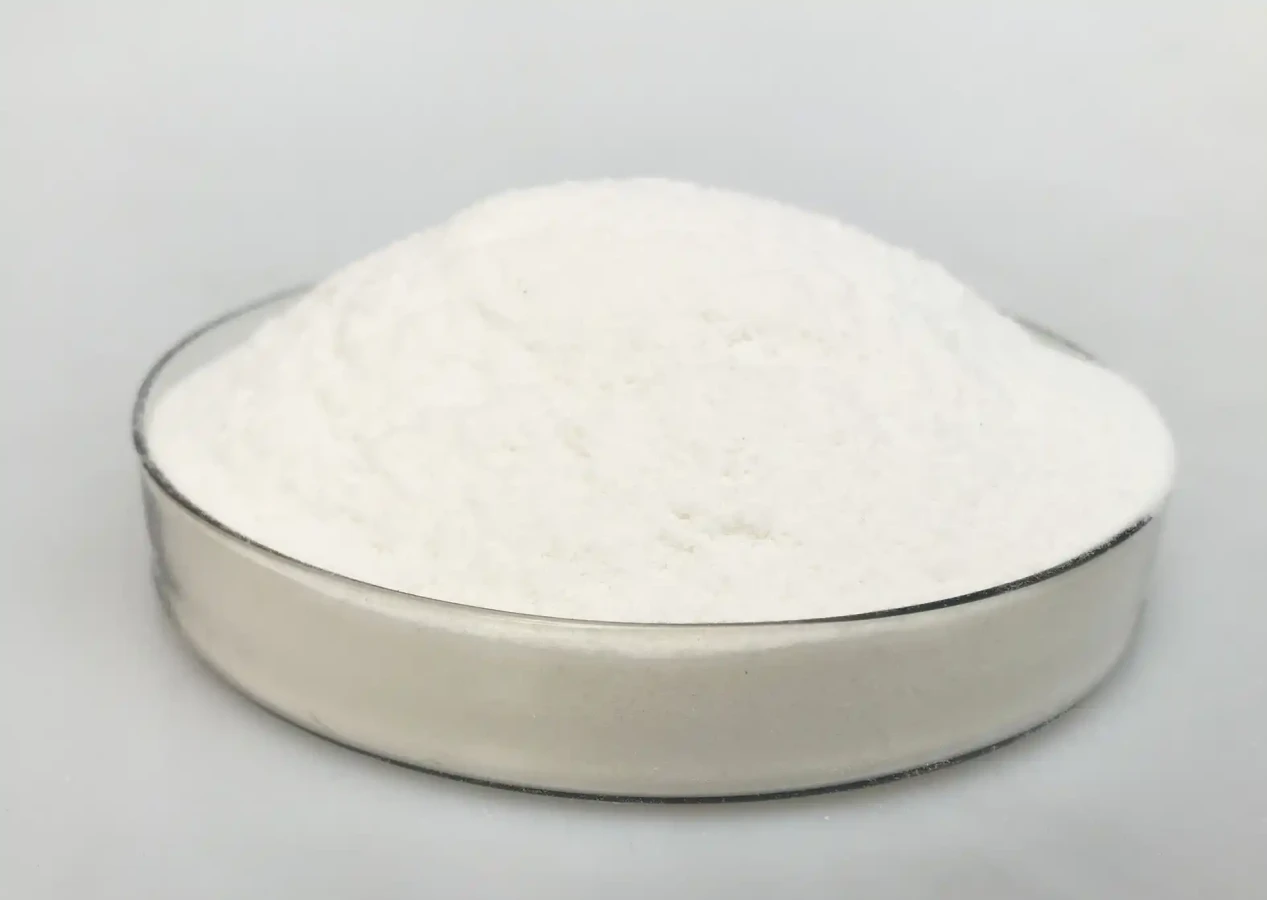
Starches modified with hydroxypropyl and hydroxyethyl groups have become essential components across various industries, including pharmaceuticals, food, cosmetics, and personal care.
View More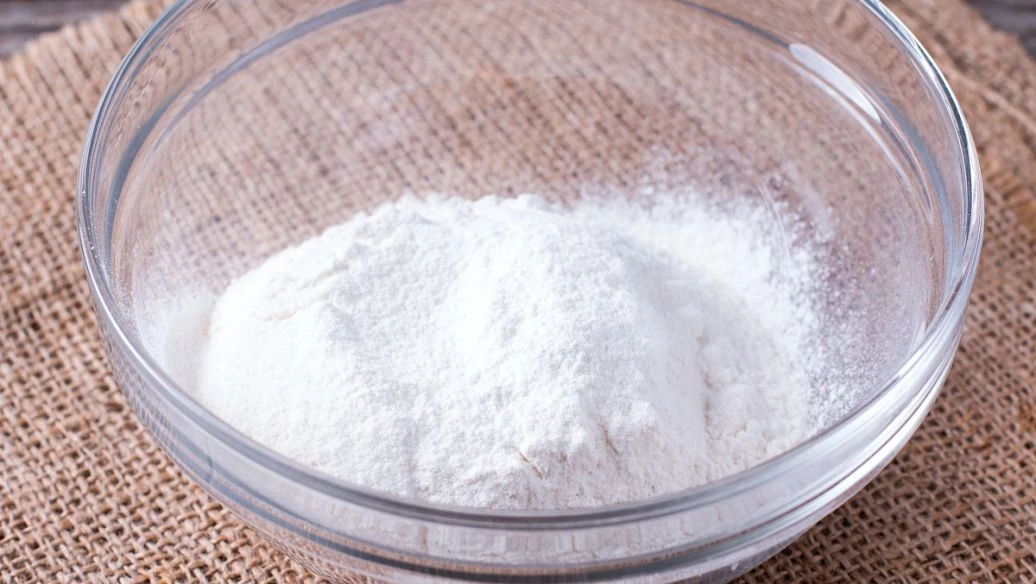
Hydroxyethyl starch (HES) and hydroxypropyl starch phosphate derivatives have gained widespread attention in industries ranging from pharmaceuticals to cosmetics and food technology.
View More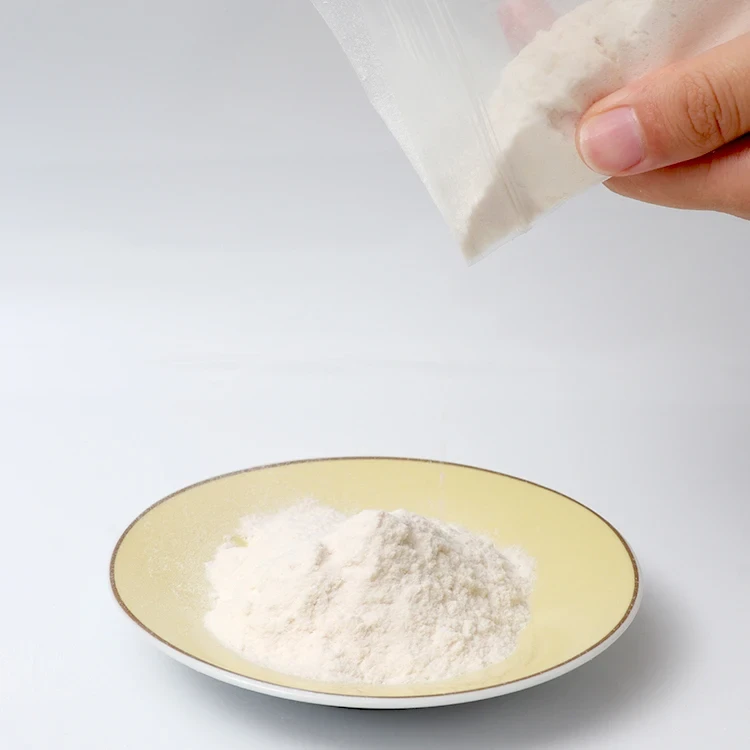
Polyvinyl Alcohol (PVA) is an increasingly popular material in construction and industrial applications due to its excellent film-forming, emulsifying, and adhesive properties.
View More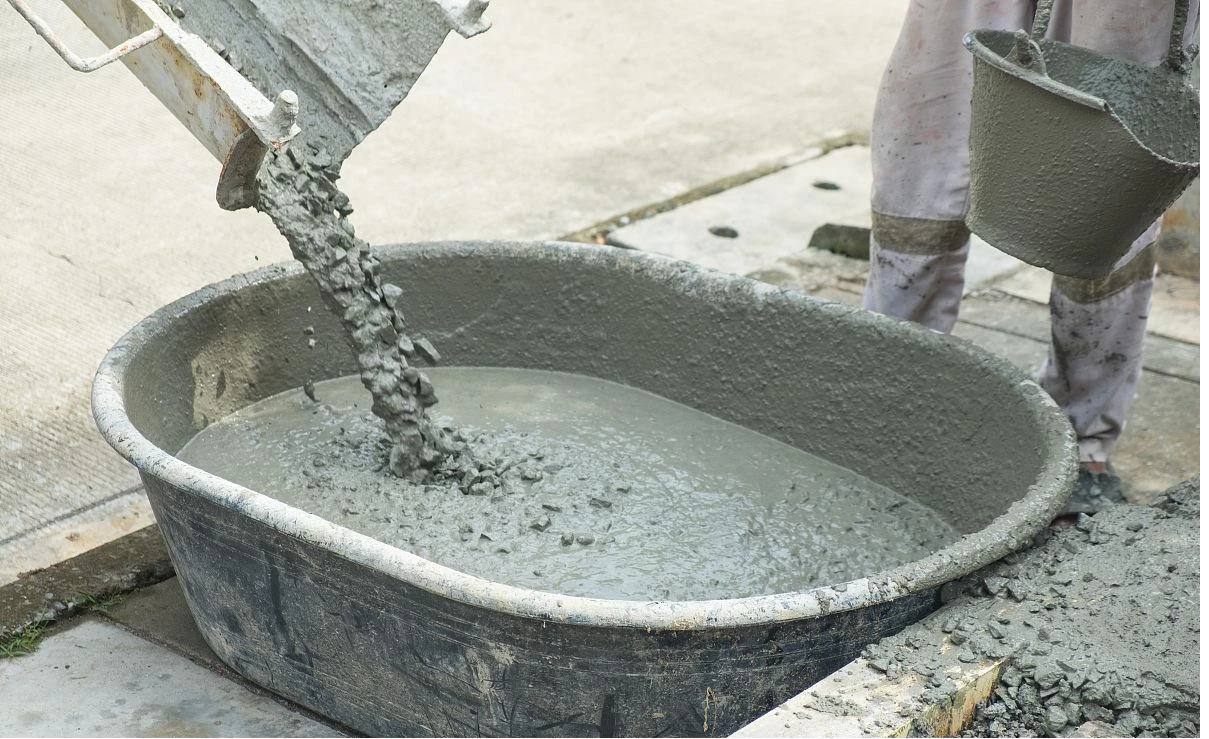
In the construction industry, concrete performance is critical. One of the most effective ways to enhance the strength, durability, and workability of concrete is through water-reducing admixtures.
View More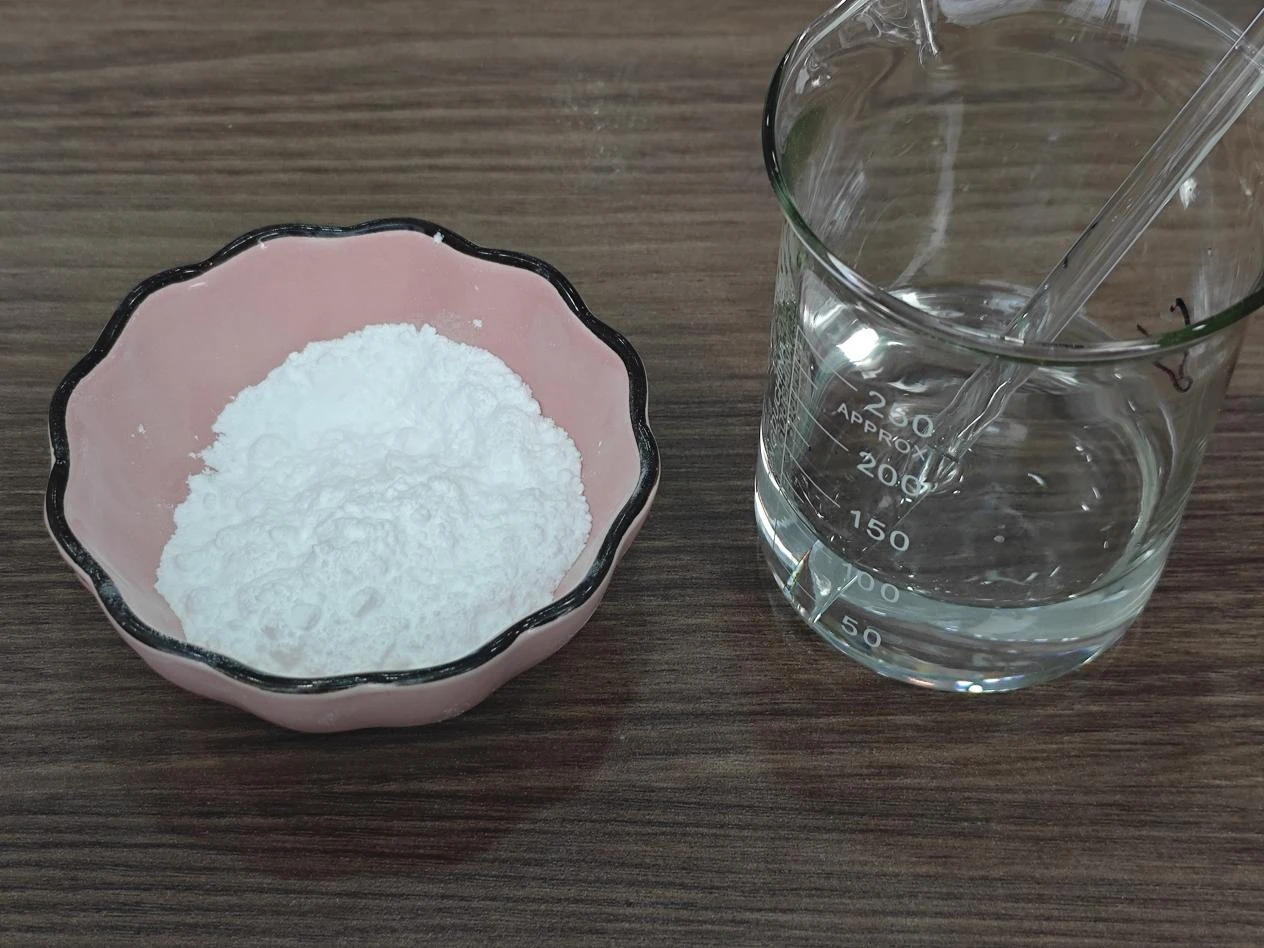
In many industrial processes, foam can be an unwanted byproduct that hinders efficiency, product quality, and the safety of operations.
View More
In the world of modern building materials, time management is crucial—especially when working with fast-setting products like plaster.
View More
Gypsum plaster is a staple in modern construction, known for its ease of use and smooth finish.
View More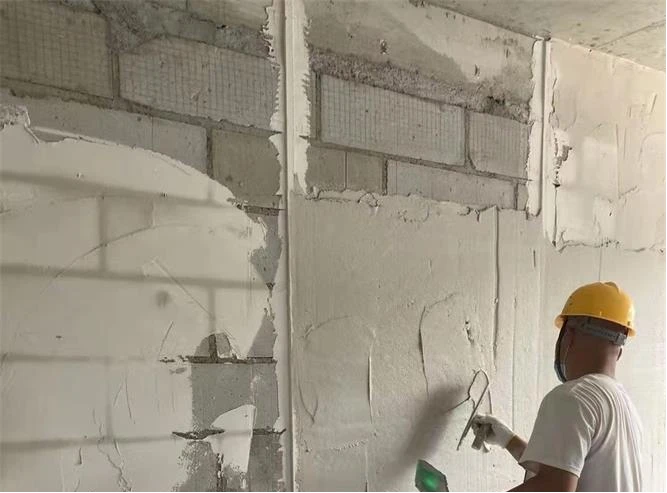
Plastering is an essential aspect of both residential and commercial construction, but it comes with its challenges.
View More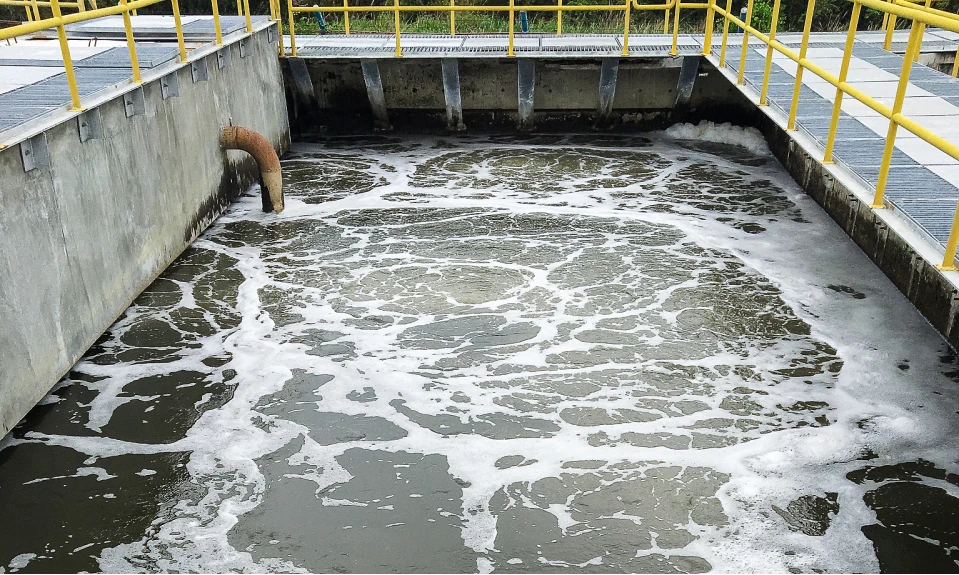
Foam may seem harmless, but in industrial settings, it can lead to serious production issues such as equipment damage, reduced efficiency, and product contamination.
View More
In various industrial applications, foam can be a significant challenge. Whether in manufacturing, pharmaceuticals, or chemical processing, foam formation can hinder efficiency, cause equipment malfunctions, and lead to product contamination.
View More