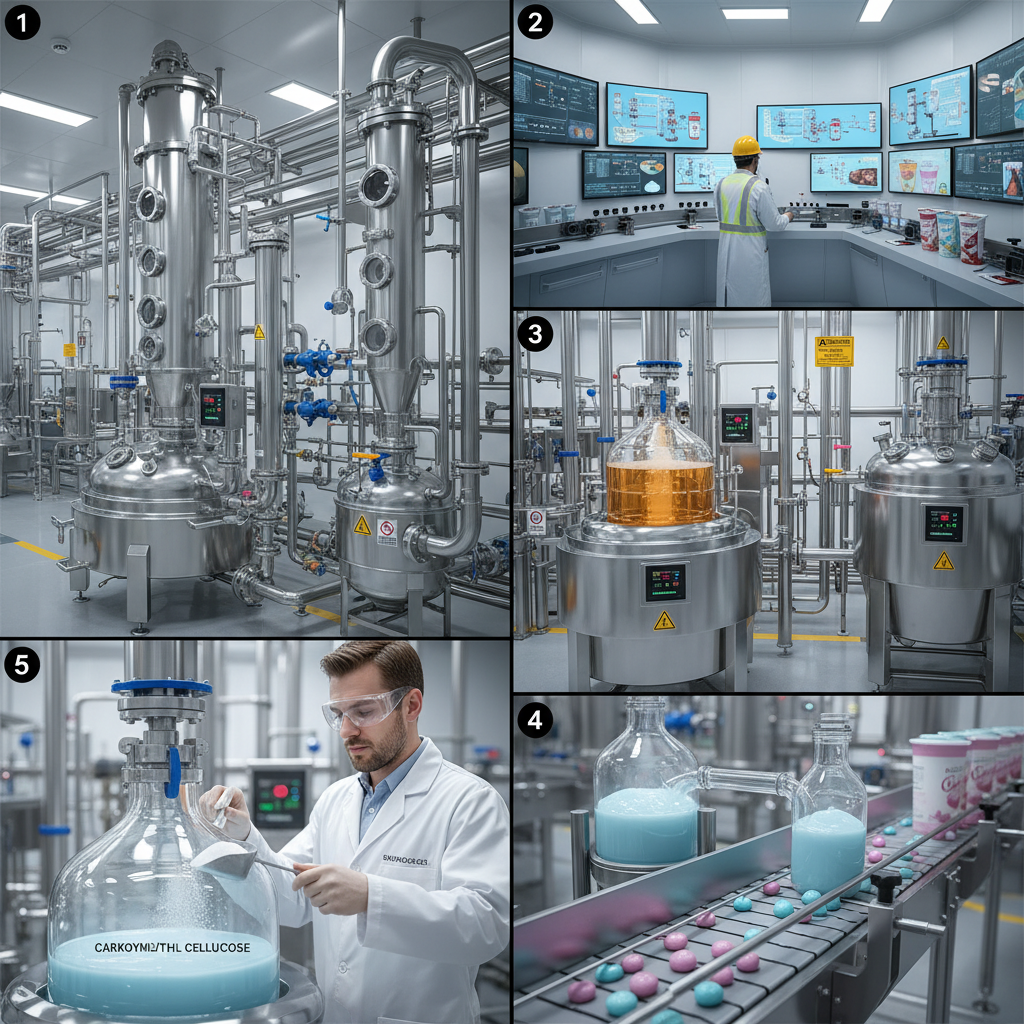
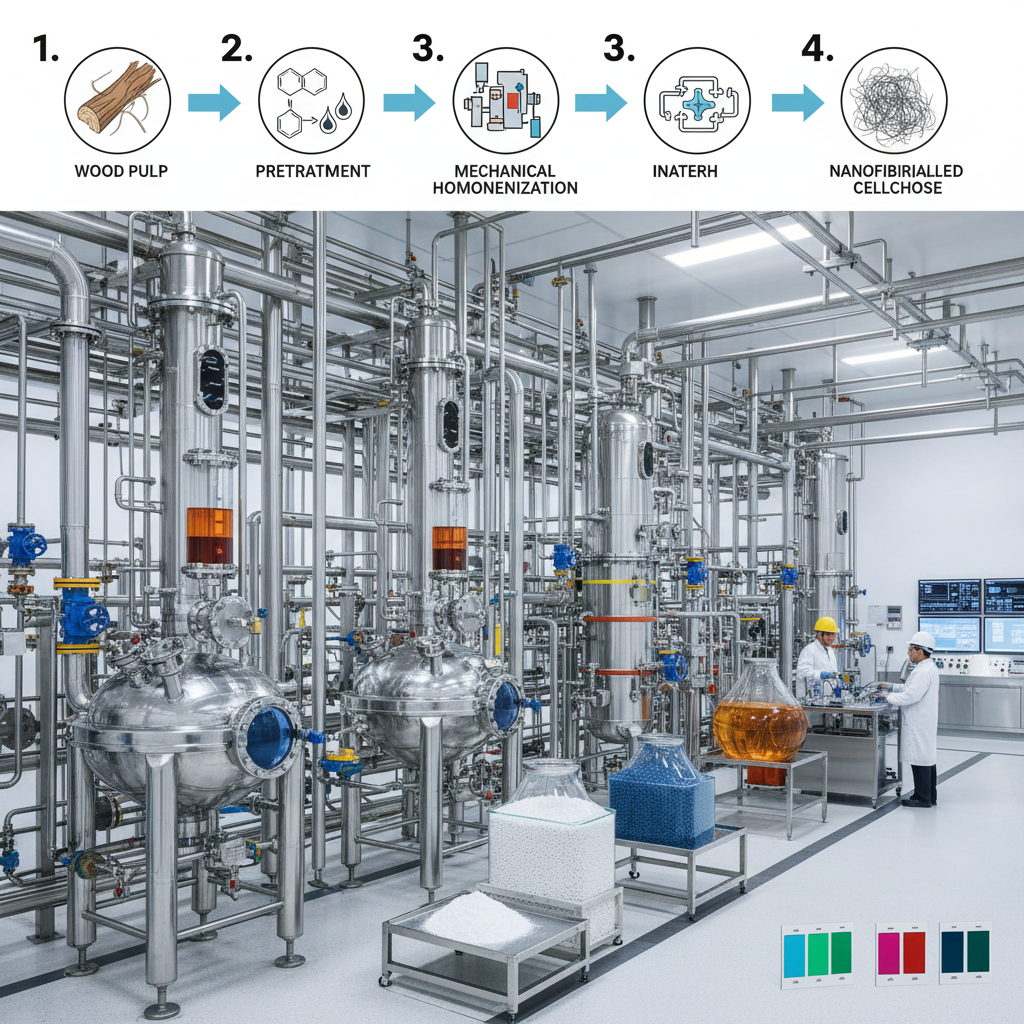
The modern food industry relies heavily on functional additives to ensure consistency, texture, and shelf-life in an increasingly globalized supply chain. Among these, carboxymethyl cellulose in food stands out as a versatile hydrocolloid, derived from natural cellulose, which allows manufacturers to maintain the structural integrity of products while meeting consumer demands for quality.
Understanding the role of this additive is crucial for food scientists and industrial producers who seek to optimize mouthfeel and stability without compromising the nutritional profile. From stabilizing emulsions in creamy dressings to controlling the viscosity of gluten-free baked goods, the application of this polymer is a cornerstone of contemporary food engineering.
As global regulatory bodies like the FDA and EFSA continue to refine safety standards, the adoption of high-purity cellulose ethers has grown. This guide explores the technical nuances, global applications, and the long-term value of incorporating carboxymethyl cellulose in food to achieve professional-grade commercial results.
Global Relevance of Carboxymethyl Cellulose in Food
On a global scale, the demand for processed foods that maintain their sensory properties during long-distance transport has surged. The use of carboxymethyl cellulose in food has become an essential strategy for manufacturers to combat syneresis (water separation) and ensure a uniform texture across different climate zones, from the humid tropics to arid regions.
Industry data suggests that the stabilizers market is expanding rapidly, driven by the rise of plant-based diets and allergen-free alternatives. CMC provides a clean-label-adjacent solution that allows for the replacement of animal-derived thickeners, aligning with ISO standards for food safety and the growing global shift toward sustainable, plant-derived ingredients.
Defining the Role of CMC in Food Production
At its core, carboxymethyl cellulose in food is a chemically modified polysaccharide derived from cellulose, the primary structural component of plant cell walls. By introducing carboxymethyl groups, the cellulose becomes water-soluble, transforming it into a powerful thickening agent and stabilizer that can be precisely calibrated for different food matrices.
In the context of modern humanitarian and industrial needs, this material addresses the critical challenge of food waste. By extending the shelf-life of perishable items and preventing the degradation of texture in emergency food rations, it plays a quiet but vital role in global food security and resource distribution.
Unlike traditional starches, CMC operates effectively across a wide range of pH levels and temperatures. This versatility makes it an indispensable tool for engineers designing complex food systems, where the interaction between fats, proteins, and water must be meticulously controlled to ensure a consistent consumer experience.
Key Functional Components of Cellulose Ethers
Viscosity control is perhaps the most critical aspect of carboxymethyl cellulose in food. By adjusting the degree of substitution (DS), manufacturers can determine how the polymer interacts with water, allowing for the creation of everything from thin syrups to thick, creamy gels that resist dripping.
The stabilization capability of CMC is what prevents the separation of oil and water in emulsions. This "interfacial tension" management is crucial for products like salad dressings and sauces, where a smooth, homogeneous appearance is a direct indicator of quality to the end consumer.
Water retention and moisture management are further enhanced by the use of these cellulose ethers. In bakery products, especially those targeting the gluten-free market, carboxymethyl cellulose in food mimics the structural properties of gluten, trapping moisture and preventing the product from becoming stale or crumbly too quickly.
Industrial Performance and Efficiency Metrics
Evaluating the efficiency of carboxymethyl cellulose in food requires a look at how it performs under industrial stress. High-shear mixing and extreme temperature fluctuations in pasteurization cycles can break down lesser additives, but CMC maintains its structural integrity, ensuring that the final product remains stable from the factory to the table.
From a cost-efficiency perspective, the low dosage required to achieve significant viscosity changes makes it an economically viable option for large-scale production. This allows brands to maintain high quality while keeping retail prices competitive in a crowded global market.
Comparative Performance of Carboxymethyl Cellulose in Food Applications
Global Applications and Use Cases
In North America and Europe, carboxymethyl cellulose in food is extensively used in the production of low-fat dairy alternatives. By replicating the creaminess of whole milk or cream, CMC allows manufacturers to reduce caloric content without sacrificing the luxurious mouthfeel that consumers expect from premium brands.
In Asia and Latin America, CMC is frequently applied in the beverage industry to stabilize fruit particles in juices and prevent sedimentation in suspended drinks. For example, in remote industrial zones where cold-chain logistics are inconsistent, the stabilizing power of CMC ensures that drinks remain visually appealing even after exposure to fluctuating temperatures.
Long-Term Value and Sustainability Benefits
The adoption of carboxymethyl cellulose in food offers more than just technical stability; it provides significant long-term economic value. By reducing the rate of product spoilage and improving the consistency of batches, companies can significantly lower their waste overhead, contributing to a more sustainable production cycle.
From a social impact perspective, the move toward plant-based cellulose ethers enhances food accessibility for those with dietary restrictions. This promotes inclusivity and dignity in nutrition, ensuring that individuals with allergies or ethical preferences have access to food that tastes and feels "normal."
Furthermore, the reliability of CMC as a stabilizer fosters trust between the manufacturer and the consumer. When a product maintains its quality from the first bite to the last, it builds brand loyalty and reinforces the image of innovation and safety associated with the brand.
Future Trends and Innovative Solutions
The future of carboxymethyl cellulose in food is closely tied to the "Green Chemistry" movement. Researchers are currently exploring bio-catalytic methods to produce CMC using enzymes rather than harsh chemicals, further reducing the environmental footprint of the manufacturing process and appealing to the eco-conscious consumer.
Digital transformation in food science is also playing a role. Using AI-driven formulation software, chemists can now predict the exact amount of CMC needed for a specific ingredient profile, eliminating trial-and-error and optimizing the ratio for maximum efficiency and minimum cost.
As the industry moves toward automation, the development of "easy-disperse" CMC grades is becoming a priority. These new iterations allow for faster integration into automated mixing lines, reducing production time and preventing the formation of lumps, which is a common challenge in high-speed industrial environments.
Comparison of CMC Grades Across Different Food Application Dimensions
| CMC Grade Type |
Primary Function |
Stability Rating |
Typical Use Case |
| Low Viscosity |
Stabilization |
8/10 |
Beverages & Juices |
| Medium Viscosity |
Texture Enhancement |
9/10 |
Sauces & Dressings |
| High Viscosity |
Thickening |
7/10 |
Ice Cream & Gels |
| Rapid Dispersing |
Process Efficiency |
9/10 |
Instant Powders |
| High Purity Grade |
Clean Label Support |
10/10 |
Medical Grade Foods |
| Cross-linked CMC |
Extreme Stability |
8/10 |
High-Heat Processing |
FAQS
Yes, CMC is widely recognized as safe (GRAS) by the FDA and other international food safety authorities. It is a non-toxic, indigestible fiber that passes through the digestive system without being absorbed into the bloodstream, making it a safe choice for stabilization across various food categories when used within recommended dosage limits.
While both are hydrocolloids, carboxymethyl cellulose in food typically provides a cleaner taste profile and a different viscosity curve. CMC is often preferred for its superior water-binding capacity in bakery products and its ability to create a smoother, less "slimy" mouthfeel compared to some concentrations of xanthan gum.
Absolutely. Since CMC is derived from plant-based cellulose, it is naturally vegan. In gluten-free baking, it is an essential additive that replaces the elasticity and structure normally provided by gluten, ensuring that cakes and breads maintain their height and moisture.
To prevent clumping, it is recommended to pre-blend CMC with other dry ingredients (like sugar or salt) before adding it to a liquid. Alternatively, using a high-shear mixer or choosing a "rapid-dispersing" grade of carboxymethyl cellulose in food can ensure a smooth, homogeneous blend without manual effort.
CMC does not significantly alter the nutritional profile of food. Because it is used in very small quantities and is not digested by the body, it does not add calories or interfere with the absorption of essential nutrients, maintaining the integrity of the food's original nutritional value.
The choice depends on the desired end texture. Low viscosity grades are best for drinks where you want stability without thickness. Medium grades work well for sauces, and high viscosity grades are ideal for creams and gels. We recommend consulting technical data sheets or performing a pilot test to find the perfect balance.
Conclusion
In summary, the integration of carboxymethyl cellulose in food is a sophisticated solution to the complex challenges of modern food production. By providing unparalleled control over viscosity, emulsion stability, and moisture retention, it allows manufacturers to deliver consistent, high-quality products that meet the diverse needs of a global population. From reducing food waste to enabling plant-based innovations, its value extends far beyond simple thickening.
As we look toward a future defined by sustainable chemistry and precision nutrition, the role of cellulose ethers will only grow. We encourage food producers and engineers to explore higher-purity grades and innovative dispersing technologies to stay ahead of market trends and regulatory shifts. For premium solutions and technical support, visit our website: www.tangzhihpmc.com.