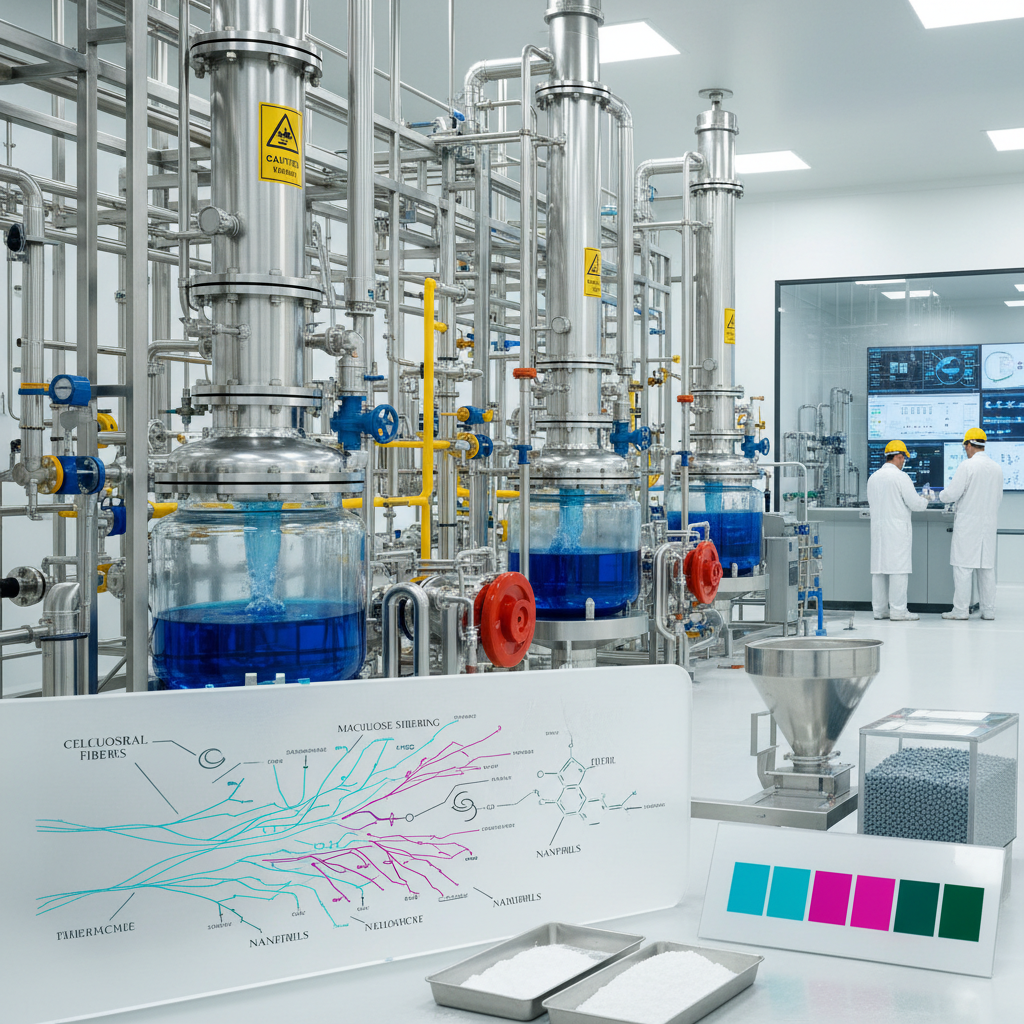
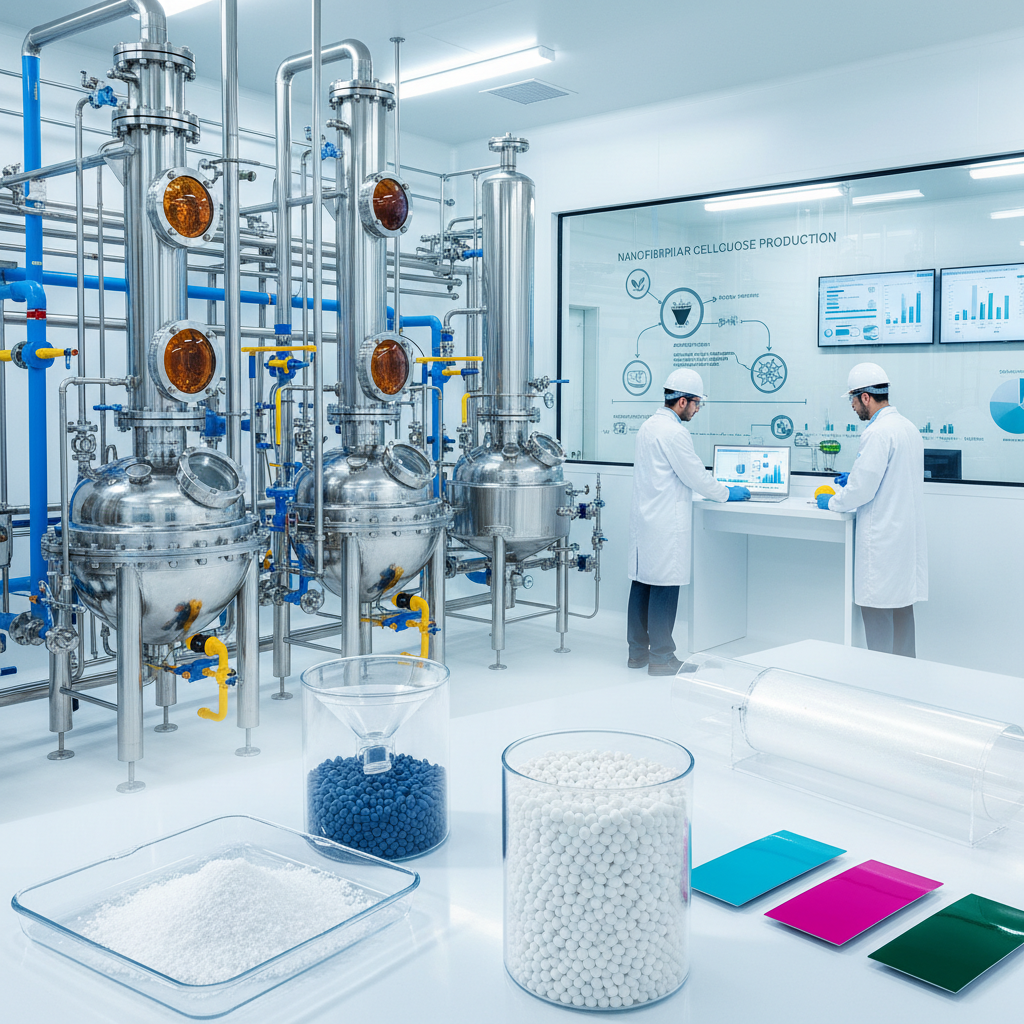
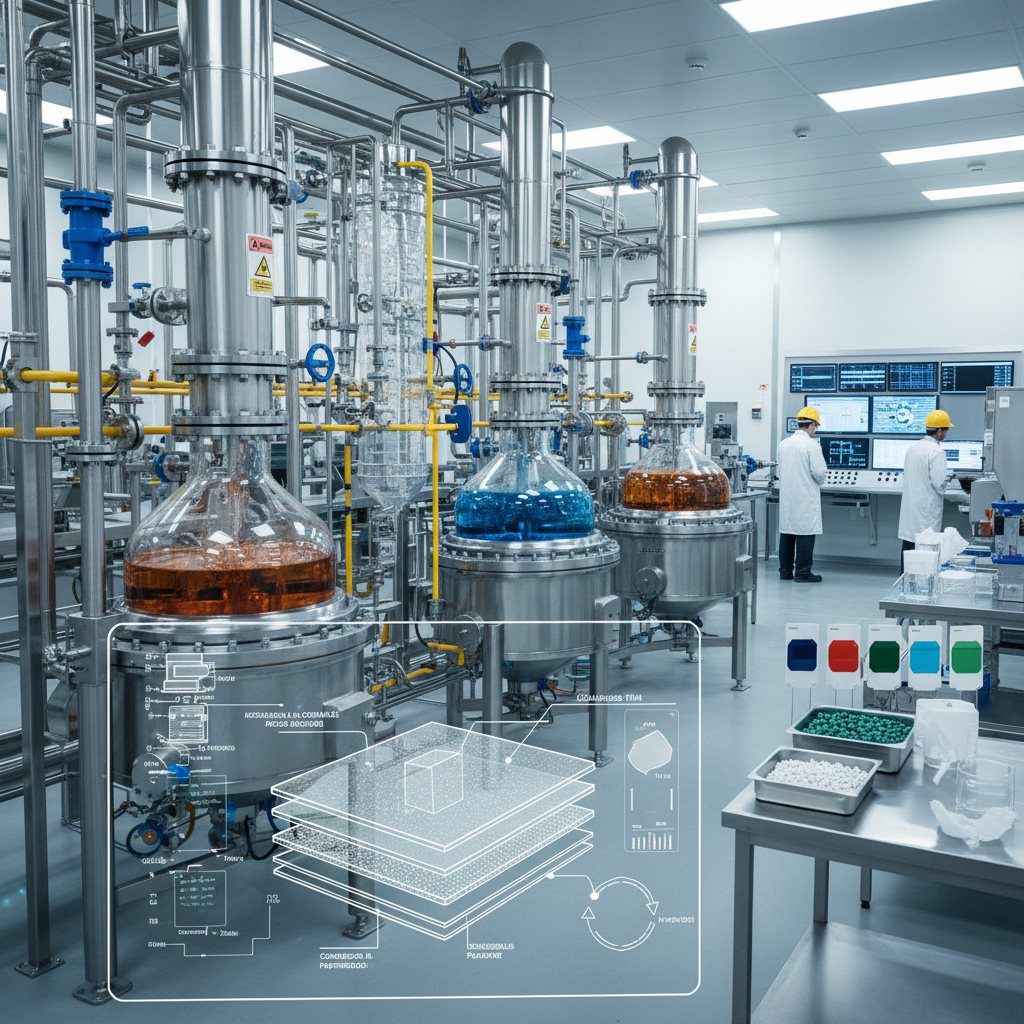
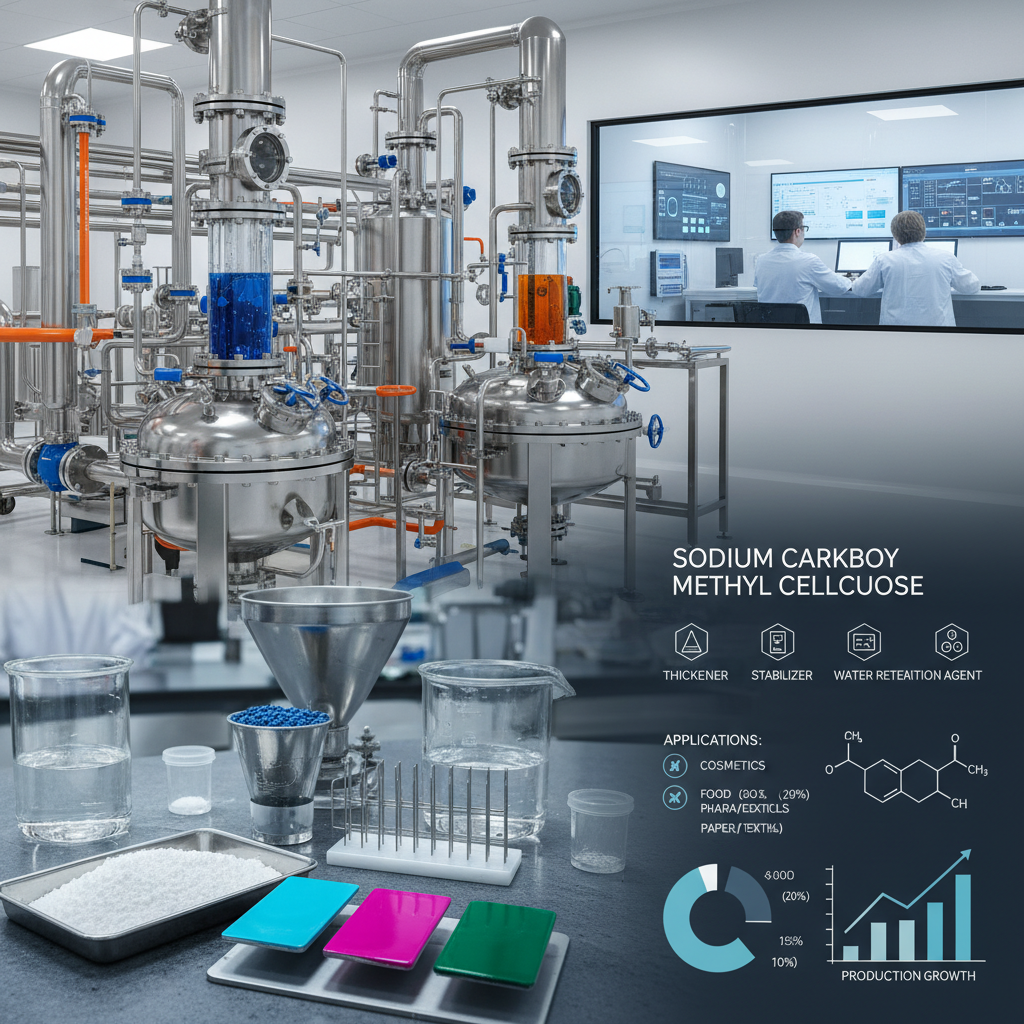
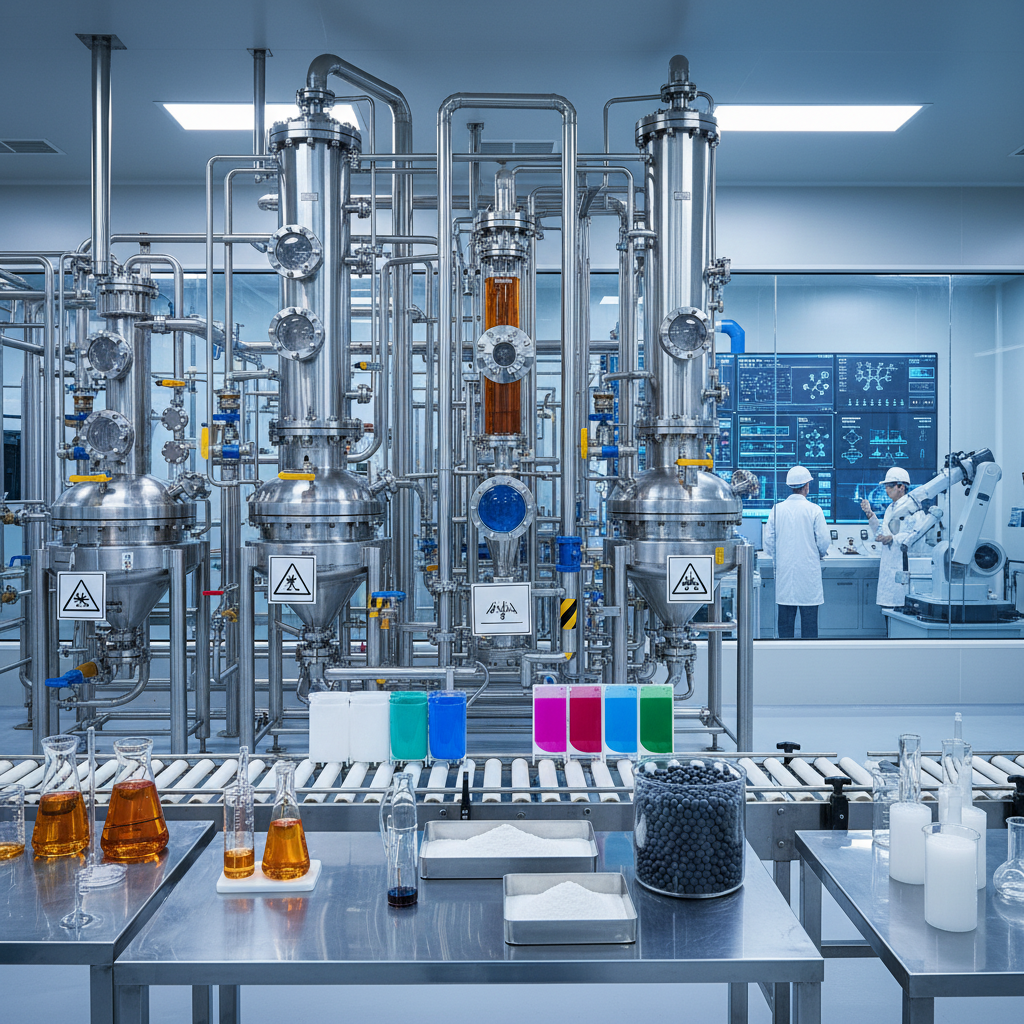
The evolution of sustainable materials has brought nanofibrillar cellulose to the forefront of material science, offering a bio-based alternative to synthetic polymers. By leveraging the inherent strength of cellulose fibers at the nanoscale, industries are now able to create composites that balance extreme durability with environmental responsibility. This shift is not merely a trend but a necessary transition toward a circular economy where construction and chemical products leave a minimal ecological footprint.
Globally, the demand for high-performance additives is skyrocketing, particularly in the building chemistry sector. The unique rheological properties and reinforcing capabilities of nanofibrillar cellulose allow for the optimization of everything from high-strength mortars to specialized medical coatings. Understanding how these nanofibers interact with other cellulose derivatives, such as HPMC or RDP, is key to unlocking next-generation material efficiency.
Integrating these nanostructures into industrial workflows provides a competitive edge by reducing raw material consumption while enhancing the end-product's lifecycle. Whether it is improving the water retention of gypsum-based products or increasing the mechanical stability of biodegradable packaging, the versatility of these cellulose nanofibers is redefining the boundaries of specialized chemical manufacturing.
Global Industry Context of Nanofibrillar Cellulose
The global landscape of specialty chemicals is undergoing a paradigm shift toward "Green Chemistry," with nanofibrillar cellulose acting as a primary catalyst. According to recent ISO standards on nanotechnologies and reports from the World Bank regarding sustainable infrastructure, there is an urgent need to replace carbon-intensive fillers with bio-polymers. The challenge lies in the traditional reliance on synthetic polymers that contribute to microplastic pollution and high CO2 emissions during production.
By implementing nanocellulose solutions, manufacturers can address the tension between high-performance mechanical requirements and stringent environmental regulations. This transition is particularly evident in the EU and North American markets, where legislative pressures are forcing a move away from petroleum-based thickeners toward renewable, plant-derived alternatives that offer superior stability and biocompatibility.
Defining Nanofibrillar Cellulose in Modern Manufacturing
In simple terms, nanofibrillar cellulose (NFC) is a material produced by the mechanical or chemical disintegration of cellulose fibers into nanoscale fibrils. Unlike traditional cellulose powders, these nanofibers possess an incredibly high aspect ratio and a vast surface area, which allows them to form a dense, entangled network when dispersed in a liquid medium.
From an industrial perspective, this material serves as a bridge between nature and high-tech engineering. It transforms simple wood pulp or agricultural waste into a high-value additive that can modify the viscosity of a fluid, reinforce the matrix of a composite, or act as a barrier in specialized packaging, making it indispensable for modern humanitarian and industrial needs.
The connection to modern industry is rooted in its versatility. Whether it is being used as a stabilizer in food science or a strengthening agent in aerospace composites, NFC provides a sustainable path to achieve properties previously only possible through synthetic chemistry, ensuring that "bio-based" no longer means "lower performance."
Core Components and Material Properties
The primary strength of nanofibrillar cellulose lies in its exceptional mechanical durability. Due to the high crystallinity of the cellulose chains, the individual fibrils exhibit a stiffness comparable to Kevlar, providing unparalleled reinforcement to polymers and cements without adding significant weight.
Scalability is another critical factor. Modern production methods, including high-pressure homogenization and enzymatic pretreatment, have allowed nanofibrillar cellulose to move from laboratory-scale curiosity to industrial-scale production, enabling its integration into mass-market building chemicals like PCE and RDP.
Furthermore, its cost-efficiency is derived from the abundance of raw materials. By utilizing waste biomass, the production of nanofibrillar cellulose supports a circular economy, reducing the overall cost of sustainable raw materials while maintaining a high purity level essential for medical and food-grade applications.
Performance Metrics and Scalability Analysis
When evaluating the integration of nanofibrillar cellulose, engineers typically focus on three key metrics: viscosity modification, tensile strength enhancement, and thermal stability. The ability of the nanofibers to create a 3D network allows for precise control over the flow of building materials, preventing segregation in heavy-duty concrete mixes.
Moreover, the scalability of different production methods determines the commercial viability of the end product. While chemical hydrolysis produces highly crystalline whiskers, mechanical fibrillation is preferred for large-scale construction additives due to its lower environmental impact and better preservation of the fiber length.
Comparative Efficiency of Nanofibrillar Cellulose Production Methods
Global Applications and Industrial Use Cases
In the realm of construction chemicals, nanofibrillar cellulose is being utilized to create "smart" mortars. In regions prone to seismic activity, such as Japan and Chile, the addition of NFC to cementitious matrices significantly improves crack resistance and ductility, ensuring that buildings can withstand greater stress without catastrophic failure.
Beyond construction, the medical sector leverages its biocompatibility for advanced drug delivery systems. In remote industrial zones or post-disaster relief operations, NFC-based biodegradable scaffolds are used for wound healing, providing a structure that supports cell growth and then safely dissolves into the body, reducing the need for secondary surgical removals.
Long-Term Value and Sustainability Advantages
The long-term value of adopting nanofibrillar cellulose extends far beyond immediate cost savings. By replacing synthetic thickeners with a biodegradable alternative, companies reduce their long-term liability regarding environmental remediation and waste management. This fosters a deeper sense of trust with stakeholders and consumers who increasingly demand "clean label" industrial products.
From a logical standpoint, the reliability of NFC-reinforced materials leads to lower maintenance costs. For example, a road surface reinforced with nanocellulose exhibits higher resistance to rutting and thermal expansion, extending the intervals between costly repairs and reducing the overall carbon footprint associated with road maintenance.
Emotionally, the shift toward these materials represents a commitment to future generations. It is an innovation driven by the desire to maintain the dignity of human habitation—providing safe, durable, and non-toxic shelter—while respecting the biological limits of our planet.
Future Trends and Technical Innovations
The future of nanofibrillar cellulose is inextricably linked to the digital transformation of the chemical industry. We are seeing the rise of "AI-driven formulation," where machine learning algorithms predict the exact concentration of nanofibers needed to achieve a specific rheological profile, eliminating the trial-and-error phase of product development.
Additionally, the integration of NFC with green energy technologies is a burgeoning field. Researchers are developing nanocellulose-based electrolytes for solid-state batteries and biodegradable membranes for hydrogen fuel cells, positioning this material as a cornerstone of the transition away from fossil fuels.
Automation in production is also reducing the energy intensity of fibrillation. New continuous-flow reactors and plasma-assisted disintegration techniques are making the production of nanofibrillar cellulose faster and more energy-efficient, further lowering the barrier to entry for small-to-medium enterprises.
Comparative Analysis of Nanofibrillar Cellulose Integration across Industrial Sectors
|
Industrial Sector
|
Primary Function of NFC
|
Performance Gain
|
Sustainability Impact
|
|
Construction (Mortar)
|
Rheology Modifier
|
High (9/10)
|
Reduction in Synthetic Polymers
|
|
Medical/Pharma
|
Drug Carrier/Scaffold
|
Extreme (10/10)
|
100% Biodegradability
|
|
Packaging
|
Oxygen Barrier
|
Medium (7/10)
|
Replacement of Plastic Films
|
|
Automotive
|
Lightweight Reinforcement
|
High (8/10)
|
Lower Vehicle Emission (Weight)
|
|
Food Industry
|
Fat Replacer/Stabilizer
|
Medium (6/10)
|
Natural Ingredient Status
|
|
Paint & Coatings
|
Anti-Settling Agent
|
High (8/10)
|
VOC Reduction
|
FAQS
The primary difference lies in the surface area and aspect ratio. While traditional powders act as fillers, nanofibrillar cellulose forms a complex 3D entangled network. This allows it to modify the viscosity of liquids at much lower concentrations and provide structural reinforcement that powders simply cannot achieve, making it ideal for high-performance construction additives.
Yes, it is highly compatible. In fact, using nanofibrillar cellulose in conjunction with Polycarboxylate Ether (PCE) or Hydroxypropyl Methylcellulose (HPMC) often creates a synergistic effect. While PCE handles workability and flow, the nanofibers provide a physical skeleton that prevents segregation and enhances the final mechanical strength of the material.
Because it is derived from renewable plant biomass and often utilizes agricultural waste, the carbon footprint is significantly lower than synthetic polymer production. When integrated into concrete, it can even help sequester carbon by allowing for a reduction in the total amount of cement required to achieve the same structural strength.
The primary challenges are the high energy requirement for mechanical fibrillation and the difficulty in dispersing the fibers without agglomeration. However, new enzymatic pretreatments and advanced homogenization technologies are rapidly solving these issues, making industrial-scale implementation more cost-effective and efficient.
Absolutely. Due to its origin from natural cellulose, it is inherently biocompatible and non-toxic. When produced under GMP (Good Manufacturing Practice) conditions, it is used as a stabilizer in foods and as a scaffold for tissue engineering in the medical field, proving its versatility across very different regulatory environments.
Integration usually begins with the selection of the correct form (gel vs. powder). For liquid systems, the gel form is easily blended using high-shear mixers. For dry mixes, spray-dried NFC powder is used. We recommend a phased pilot test to determine the optimal dosage, as the high efficiency of the material means small changes in concentration can significantly impact viscosity.
Conclusion
In summary, nanofibrillar cellulose represents a pivotal advancement in the specialty chemicals industry, merging the raw power of nanotechnology with the sustainability of bio-based materials. From enhancing the structural integrity of seismic-resistant buildings to pioneering biodegradable medical scaffolds, its ability to provide high-performance reinforcement and precise rheological control is unmatched. By bridging the gap between economic viability and environmental stewardship, NFC is not just an additive—it is a foundation for a more sustainable industrial future.
As we look ahead, the continued integration of AI and automation will likely drive the cost of nanocellulose production down, making it accessible for even the most price-sensitive markets. For manufacturers and engineers, the transition to these nanofibers is a strategic move toward resilience, innovation, and global compliance with green standards. We invite you to explore how these materials can transform your product line. Visit our website: www.tangzhihpmc.com