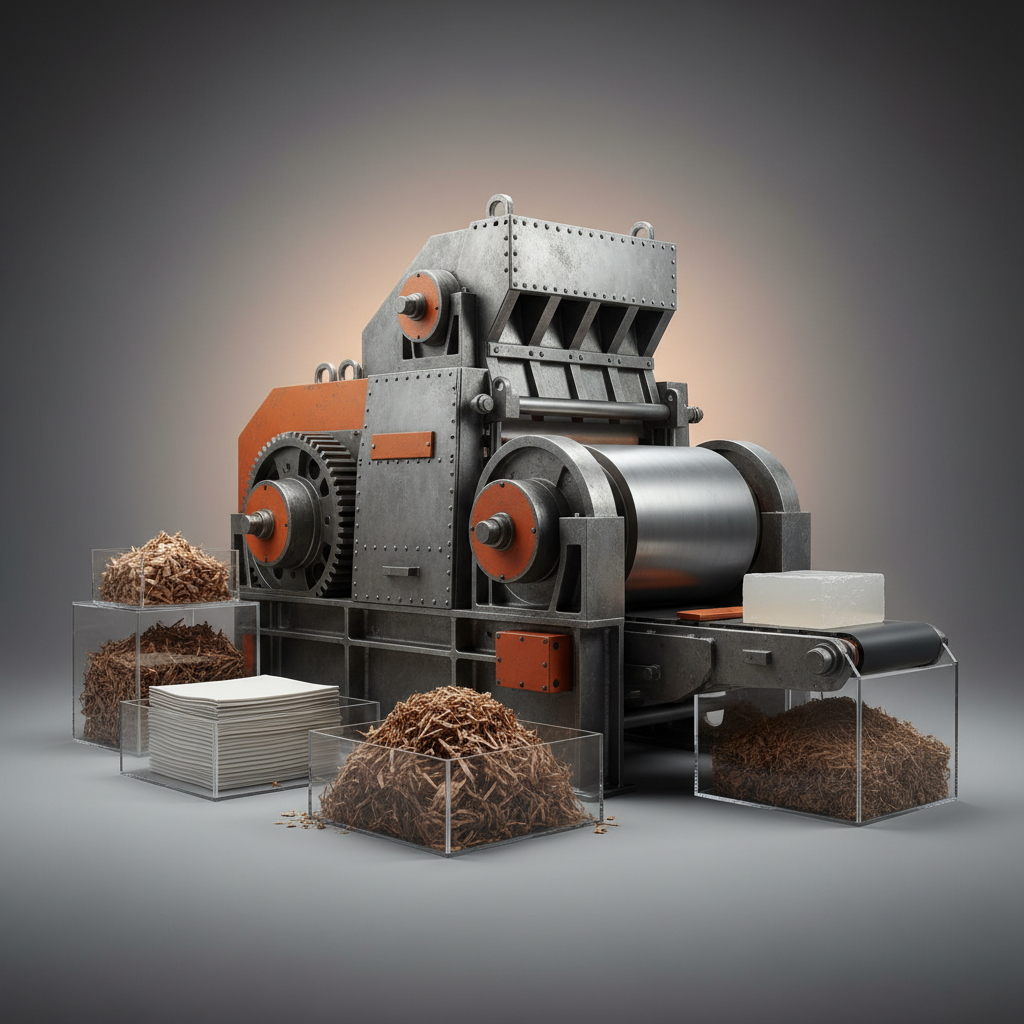
In the modern landscape of specialty chemicals, hydroxypropyl methyl cellulose stands as a cornerstone for enhancing the structural integrity and workability of construction materials. As a non-ionic cellulose ether, it serves as a multifunctional additive that solves critical issues related to water retention and thickening in a wide array of industrial applications.
The global demand for high-performance building materials has propelled the adoption of hydroxypropyl methyl, especially in regions undergoing rapid urbanization. By optimizing the rheology of cement-based mortars and gypsum plasters, this compound ensures that builders can achieve smoother finishes and longer open times, reducing waste and labor costs significantly.
Understanding the chemical nuances and practical deployment of hydroxypropyl methyl is essential for manufacturers and engineers alike. Whether it is improving the adhesion of tile adhesives or the stability of self-leveling compounds, this additive provides the technical edge necessary to meet ISO standards and modern architectural requirements.
Global Industry Context of hydroxypropyl methyl
The global market for hydroxypropyl methyl has seen a steady increase, mirroring the growth of the worldwide construction and pharmaceutical sectors. According to industry trends aligned with ISO quality benchmarks, the shift toward sustainable and "green" building materials has made cellulose-based ethers a preferred choice over synthetic polymers due to their biodegradable nature and low toxicity.
Despite this growth, the industry faces the challenge of volatility in raw material sourcing and the need for higher purity levels to meet strict Medical Excipient Products standards. The integration of hydroxypropyl methyl into modern formulations allows for a more resilient infrastructure, addressing the problem of premature drying in arid climates and ensuring the longevity of urban developments.
Technical Definition and Chemical Meaning
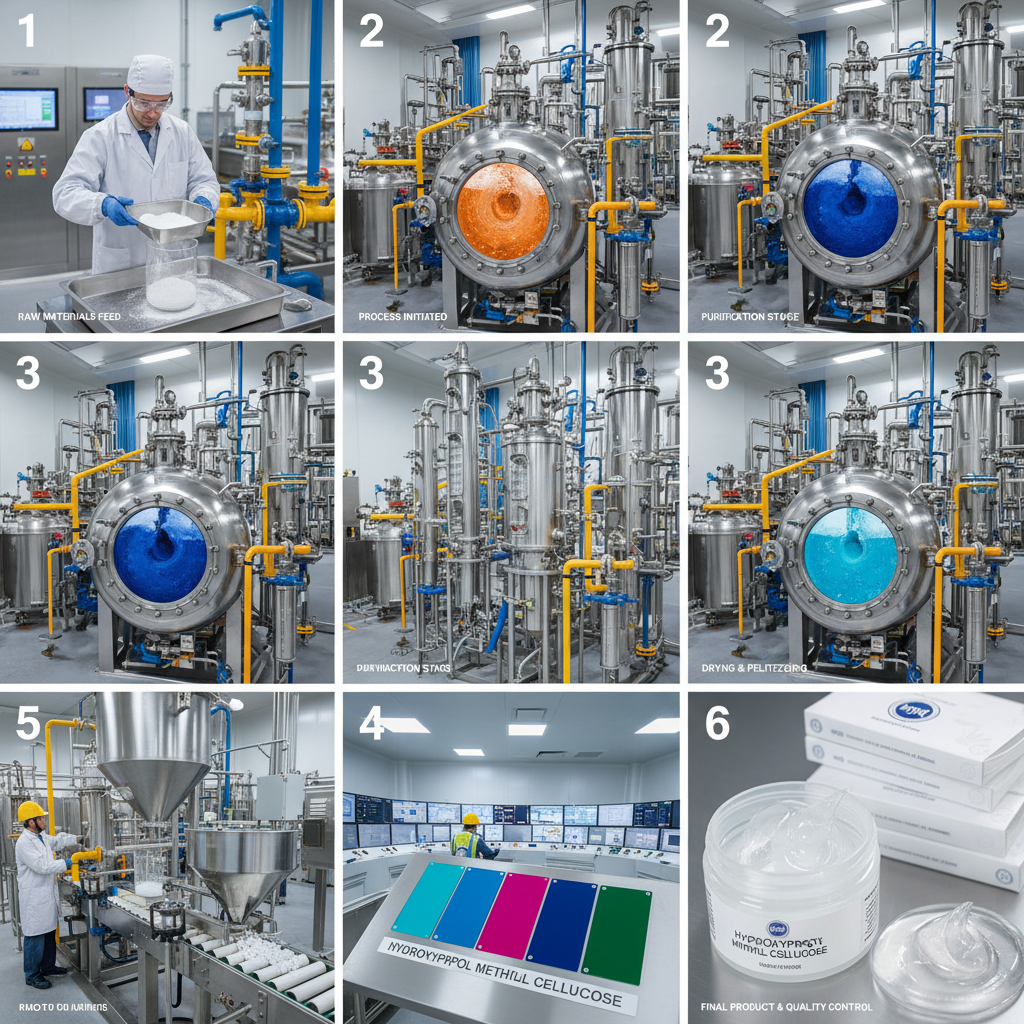
In simple technical terms, hydroxypropyl methyl cellulose is a chemically modified polymer derived from natural cellulose. Through the processes of etherification, hydroxyl groups on the cellulose chain are replaced with methyl and hydroxypropyl groups, creating a versatile compound that is soluble in cold water and possesses exceptional thickening properties.
This chemical structure is what allows the product to act as a "water-holding agent." In the context of construction chemicals, it prevents the water from being absorbed too quickly by the substrate, which is vital for the proper hydration of cement and the prevention of shrinkage cracks in plaster.
Beyond construction, the meaning of hydroxypropyl methyl extends to humanitarian needs, such as in the production of stable medical coatings and high-quality food additives, proving its versatility as a bridge between heavy industry and life sciences.
Core Performance Factors of hydroxypropyl methyl
One of the most critical factors of hydroxypropyl methyl is its water retention capacity. By forming a protective gel layer, it ensures that moisture remains within the mixture, which is non-negotiable for achieving high early strength in cementitious materials.
Another key aspect is rheology control. The addition of hydroxypropyl methyl prevents the segregation of aggregates in heavy mortars, ensuring a homogenous distribution of materials and improving the "slip resistance" during vertical application.
Finally, compatibility and solubility play a major role. Unlike some additives, hydroxypropyl methyl blends seamlessly with other components like PCE (Polycarboxylate Ether) or RDP VAE, allowing for complex chemical synergies that enhance the overall durability of the end product.
Industrial Applications and Scalability
The practical application of hydroxypropyl methyl spans across diverse environments, from luxury high-rises in metropolitan hubs to remote industrial zones where environmental conditions are extreme. In tile adhesives and wall putties, it ensures that the material stays workable for longer periods, facilitating precision installation.
In post-disaster relief operations, where modular housing and fast-setting cements are deployed, the use of hydroxypropyl methyl allows for rapid construction without sacrificing the structural integrity of the temporary shelters, proving its value in urgent humanitarian contexts.
Performance Efficiency of hydroxypropyl methyl Variants
Tangible Advantages and Long-Term Value
The primary advantage of integrating hydroxypropyl methyl lies in its cost-efficiency. While it is an additive, the reduction in material waste and the decrease in corrective maintenance for cracked walls result in a lower total cost of ownership for construction projects.
From an emotional and social perspective, the reliability of hydroxypropyl methyl fosters trust between contractors and clients. The ability to guarantee a flawless finish and a safe, durable structure provides a sense of dignity and security for the end-users of the built environment.
Future Innovations in Cellulose Chemistry
Looking ahead, the evolution of hydroxypropyl methyl is closely tied to the digital transformation of the chemical industry. Smart manufacturing and automation are allowing for the production of "customized viscosity" grades, tailored specifically to the atmospheric humidity of a particular geographic region.
Sustainability remains the driving force for innovation. Researchers are exploring bio-based precursors to replace traditional chemicals in the etherification process, ensuring that hydroxypropyl methyl remains a cornerstone of green energy-efficient building practices.
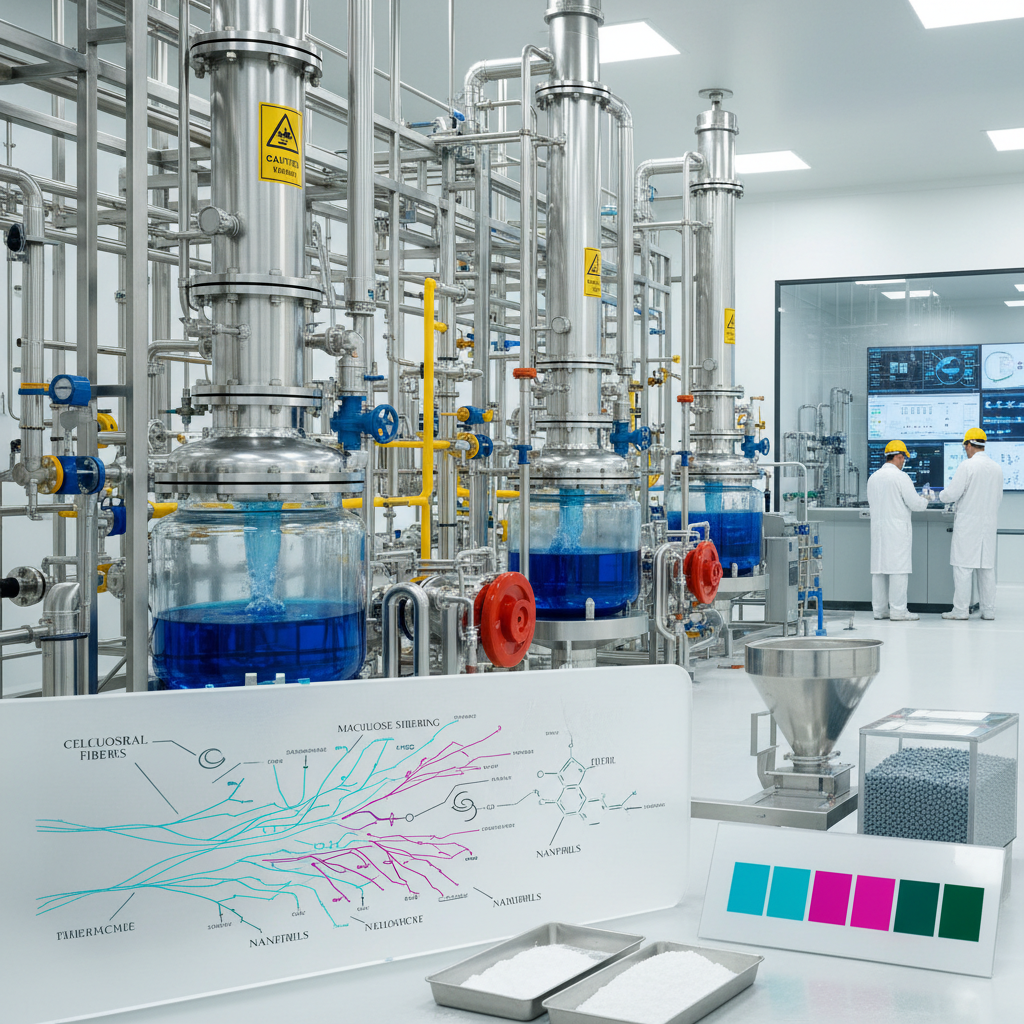
Furthermore, the convergence of hydroxypropyl methyl with nano-materials is expected to create "intelligent" mortars that can self-heal or change properties based on external temperature triggers, revolutionizing how we view structural maintenance.
Challenges and Strategic Solutions
One of the persistent challenges in the use of hydroxypropyl methyl is the phenomenon of "lumping" during the mixing process. This occurs when the powder is added too quickly to water, creating a gel skin that prevents the core from dissolving, which can lead to inconsistencies in the final mortar.
To overcome this, experts recommend the use of high-shear mixers or the pre-dispersion of the powder in a small amount of non-solvent. Implementing these innovative mixing protocols ensures that the hydroxypropyl methyl is fully activated, maximizing its thickening and water-retention potential.
Another limitation is the sensitivity to extreme pH levels in certain specialized industrial coatings. The solution lies in the development of hybrid cellulose ethers that blend hydroxypropyl methyl with other polymers, creating a more stable chemical network that can withstand aggressive environments.
Comparison Analysis of hydroxypropyl methyl Performance Metrics
|
Grade Type
|
Water Retention (1-10)
|
Viscosity Stability
|
Industrial Suitability
|
| Standard Construction |
7.5 |
Medium |
General Plastering |
| High-Viscosity Grade |
9.2 |
High |
Tile Adhesives |
| Low-Ash Special |
8.0 |
Medium-High |
Self-Leveling Floors |
| Pharma-Grade |
9.8 |
Very High |
Medical Excipients |
| Quick-Dissolve |
6.8 |
Low-Medium |
Fast-Track Mortars |
| Weather-Resistant |
8.5 |
High |
External Facades |
FAQS
It works by forming a high-viscosity gel layer around the cement particles. This layer slows down the migration of water into the substrate or the air, ensuring that the cement has enough water to undergo complete hydration, which ultimately prevents shrinkage cracks and enhances the final strength of the wall.
Yes, it is highly compatible. In fact, using hydroxypropyl methyl alongside Polycarboxylate Ether (PCE) is a common industry practice. While PCE reduces the water requirement (superplasticizer), HPMC manages the water that remains, creating a synergy that optimizes both flowability and stability.
Lumping happens because the outer layer of the powder hydrates instantly, creating a waterproof seal around the dry core. To avoid this, you should use a high-speed disperser, add the powder slowly while stirring, or use a "pre-mix" method where the powder is blended with other dry ingredients before adding water.
Absolutely. When produced to pharmaceutical standards (Medical Excipient Products), it is used as a binder, film-former, or thickener in tablets and capsules. Its biocompatibility and non-toxic nature make it an ideal choice for controlled-release drug delivery systems.
Higher viscosity grades generally provide better water retention and sag resistance, which is essential for vertical applications like tile adhesives. Lower viscosity grades are better for products that require high flow, such as self-leveling compounds or certain pharmaceutical liquids, where a thinner consistency is needed.
Yes, because it is derived from natural cellulose (plant-based), it is biodegradable and significantly more eco-friendly than synthetic acrylic-based thickeners. It contributes to the overall sustainability of construction projects by reducing waste and extending the lifespan of the structures.
Conclusion
In summary, hydroxypropyl methyl cellulose is an indispensable additive that bridges the gap between raw material performance and high-end engineering requirements. From its critical role in water retention and rheology control to its versatility across construction and medical sectors, it ensures that modern materials are durable, sustainable, and efficient.
As the industry moves toward a greener future, the ongoing innovation in cellulose chemistry will likely lead to even more specialized grades of hydroxypropyl methyl, further enhancing the resilience of our global infrastructure. For those seeking to optimize their chemical formulations, investing in high-purity, consistent cellulose ethers is the most strategic path to quality assurance. Visit our website: www.tangzhihpmc.com