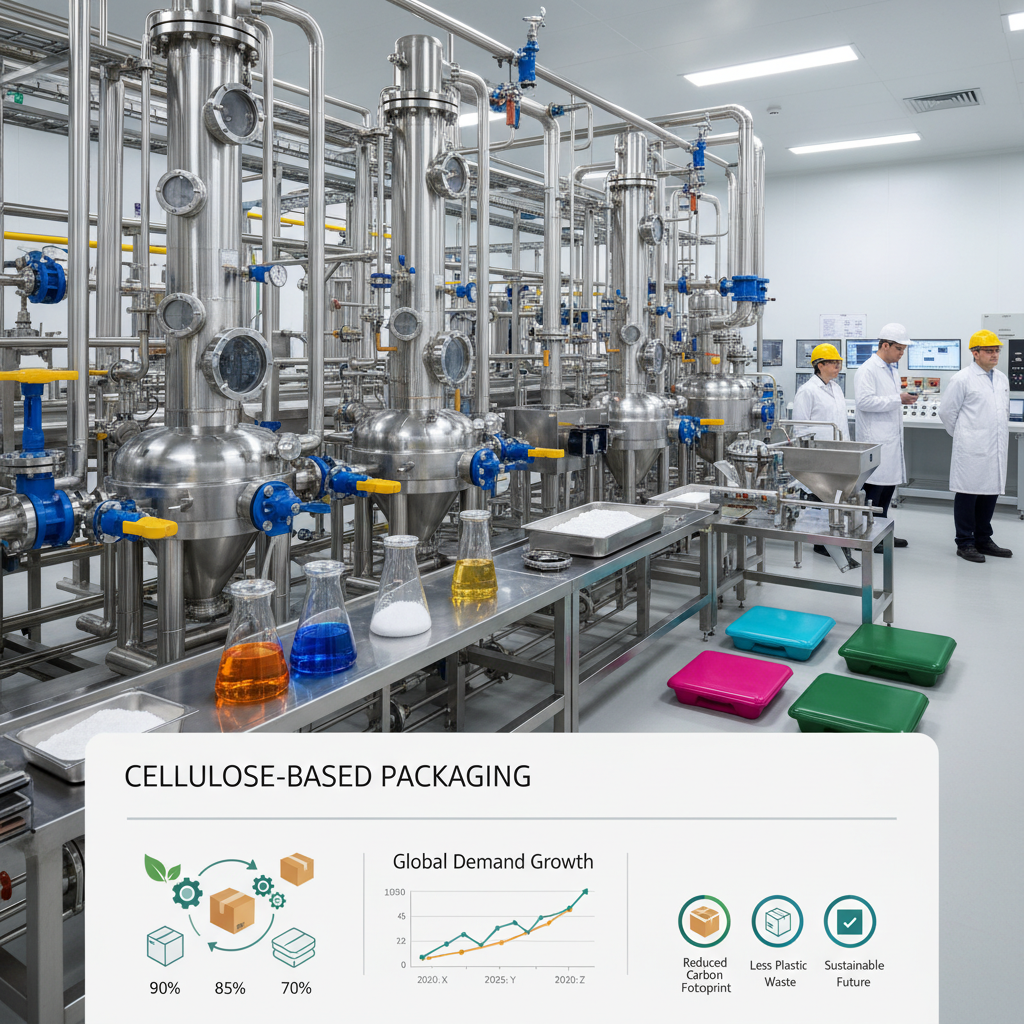
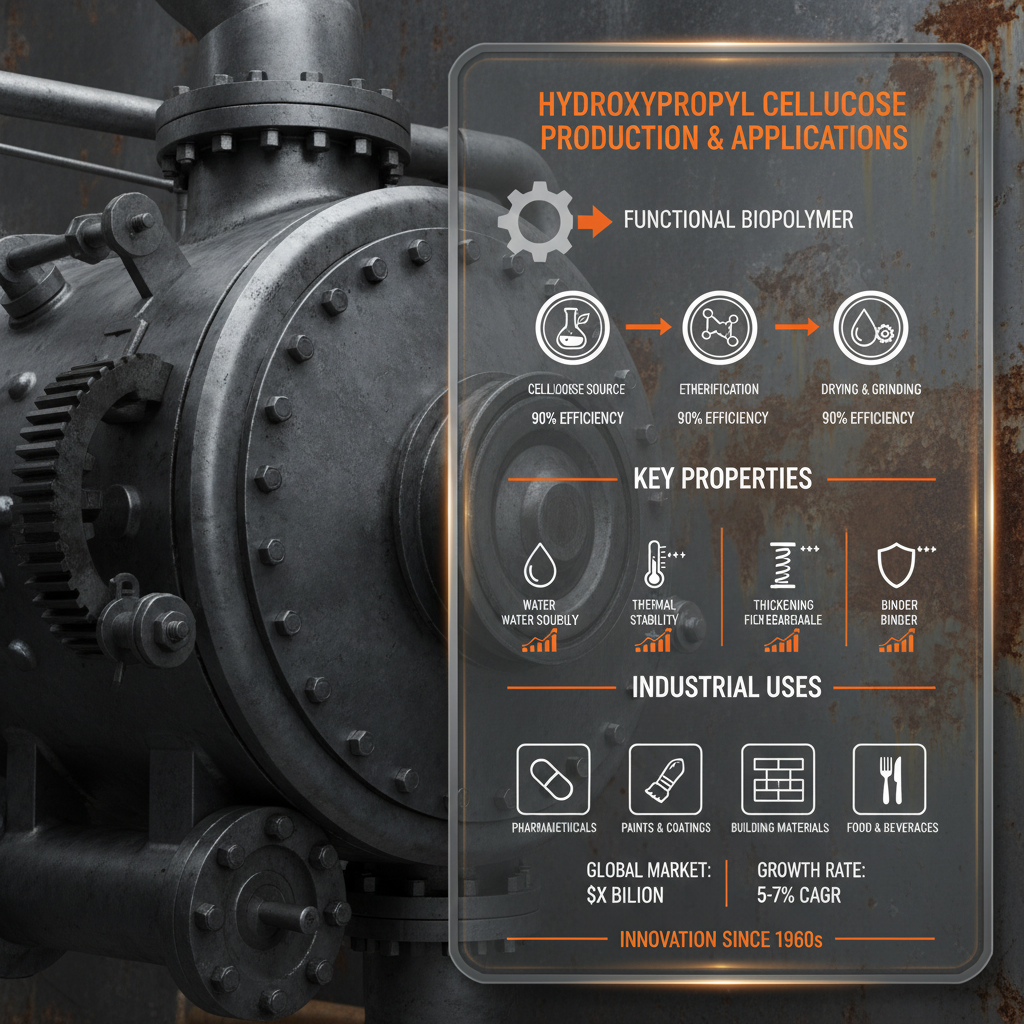
The global shift toward sustainable materials has placed cellulose based packaging at the forefront of industrial innovation. As traditional plastics face unprecedented regulatory pressure and environmental scrutiny, the chemical manufacturing sector is pivoting toward bio-polymers derived from plant cell walls to create viable, compostable alternatives. Understanding the chemistry and application of these materials is no longer optional for brands seeking to reduce their carbon footprint.
From a technical perspective, the versatility of cellulose allows for a wide range of modifications—such as acetylation or etherification—which transform raw pulp into high-performance barriers. This evolution in material science ensures that cellulose based packaging can compete with synthetic polymers in terms of tensile strength, oxygen permeability, and moisture resistance, making it suitable for everything from pharmaceuticals to food services.
By integrating these bio-based solutions, industries are not only meeting ISO sustainability standards but are also responding to a growing consumer demand for "plastic-free" living. The transition to these materials represents a critical intersection of chemical engineering and ecological responsibility, promising a future where packaging returns to the earth rather than polluting it for centuries.
Global Context of Cellulose Based Packaging
The global landscape of packaging is undergoing a seismic shift, driven by the urgent need to mitigate the "plastic plague" affecting our oceans and landfills. According to recent environmental data, millions of tons of single-use plastics enter the biosphere annually, prompting the UN and various ISO committees to push for biodegradable alternatives. In this context, cellulose based packaging emerges as a primary solution due to the abundance of cellulose in nature and its inherent biodegradability.
Industries in Europe and North America are leading the transition, implementing strict bans on expanded polystyrene (EPS) and non-recyclable films. This has created a massive market gap that only advanced bio-chemical derivatives can fill. By leveraging specialized chemical additives and processing techniques, manufacturers are now able to produce packaging that maintains the structural integrity required for global logistics while ensuring a zero-waste end-of-life cycle.
Defining the Mechanics of Cellulose Packaging
At its most basic level, cellulose based packaging refers to any containment system derived from the polysaccharides of plant cell walls. Unlike traditional plastics made from petroleum-based polymers, these materials utilize the natural glucose chains found in wood pulp, cotton, or agricultural waste. The goal is to rearrange these chains to create films, molded fibers, or rigid structures that protect goods from external contaminants.
The chemical magic happens during the modification phase. By introducing functional groups—such as those found in cellulose ethers (HPMC, CMC)—the material's hydrophobicity and flexibility are adjusted. This allows a once-brittle plant fiber to become a flexible wrap or a sturdy box, bridging the gap between the raw natural state and the rigorous demands of modern industrial shipping and storage.
Ultimately, these solutions address the humanitarian need for safer food systems and cleaner environments. By eliminating the leaching of phthalates and bisphenols common in plastics, cellulose based packaging protects not just the product inside, but the health of the end-consumer and the ecosystem at large.
Core Components for Material Performance
The effectiveness of cellulose based packaging depends heavily on its structural durability. To prevent tearing during transit, engineers focus on the crystallinity of the cellulose fibers, ensuring that the molecular bonds are tightly packed to provide a high strength-to-weight ratio.
Barrier efficiency is another critical component. Since raw cellulose is naturally hydrophilic, chemical modifiers are used to create moisture-resistant coatings. This ensures that cellulose based packaging can protect sensitive electronics or perishable foods from humidity and oxygen ingress.
Scalability and cost-efficiency are the final pillars. By utilizing agricultural side-streams—such as wheat straw or sugarcane bagasse—manufacturers can lower raw material costs, making the transition to cellulose based packaging economically viable for small and medium enterprises.
Industrial Applications and Scalability
The real-world application of cellulose based packaging spans across diverse sectors. In the pharmaceutical industry, medical-grade cellulose films are used for blister packs and sachets, offering sterile environments and precise degradation rates. Meanwhile, in the food and beverage sector, molded cellulose is replacing plastic trays for produce and fast-food containers, significantly reducing the volume of landfill waste.
Beyond consumer goods, these materials are vital in specialized industrial zones. For instance, in moisture-controlled chemical transport, cellulose-based liners provide the necessary breathability while maintaining a protective shield against external pollutants. This adaptability makes the technology a global asset, from the high-tech hubs of Asia to the agricultural exporters of South America.
Performance Analysis of Cellulose Based Packaging Variants
Long-Term Value and Sustainability Gains
The shift toward cellulose based packaging offers profound long-term value that extends beyond simple waste reduction. Logically, the reduction in petroleum dependency hedges companies against the volatility of oil prices. Emotionally, it builds immense brand trust; consumers feel a sense of dignity and safety knowing that their purchase does not contribute to the destruction of marine life.
Moreover, the social impact is significant. By creating a demand for agricultural residues to fuel cellulose production, this industry supports rural economies and promotes a circular bio-economy. The reliability of these materials, once reinforced with modern additives, ensures that product safety is never compromised, proving that sustainability and high performance can coexist.
Emerging Trends in Bio-Polymer Innovation
Looking forward, the integration of nanotechnology is set to revolutionize cellulose based packaging. Nanocellulose, with its incredibly high surface area and strength, allows for the creation of "active packaging." This means the material can actually interact with the contents—for example, by releasing antimicrobial agents to extend the shelf life of food naturally.
Digital transformation is also playing a role. Smart sensors are being embedded into cellulose fibers to track temperature and humidity in real-time during transport. This automation reduces food waste and ensures that pharmaceutical cold chains remain intact, all while utilizing a biodegradable carrier.
Finally, policies like the European Green Deal are accelerating the adoption of these materials. As carbon taxes become more prevalent, the low-carbon footprint of cellulose based packaging becomes a competitive financial advantage, driving a global race toward fully compostable logistics systems.
Overcoming Technical Challenges in Production
Despite the promise, cellulose based packaging faces challenges, primarily regarding moisture sensitivity. Pure cellulose absorbs water, which can lead to structural collapse in humid environments. To solve this, chemical engineers are developing bio-based hydrophobic coatings that provide a water barrier without compromising the material's compostability.
Another hurdle is the energy intensity of some pulp extraction processes. However, the industry is moving toward "green chemistry," using enzyme-based catalysts instead of harsh caustic soda to break down lignin. This reduces the chemical waste generated during production and lowers the overall environmental impact of the manufacturing phase.
Finally, achieving the same transparency as PET plastics remains a goal. By refining the regeneration process of cellulose, researchers are producing ultra-clear films. These innovations ensure that cellulose based packaging can eventually replace almost every form of single-use plastic currently in existence.
Comparative Analysis of Cellulose Packaging Technical Specifications
| Material Variant |
Water Resistance (1-10) |
Tensile Strength (1-10) |
Biodegradation Rate |
| Standard Molded Pulp |
4 |
7 |
Fast (
|
| Cellophane Film |
6 |
8 |
Moderate (60-90 days) |
| Acetylated Cellulose |
9 |
9 |
Slow (180 days) |
| Nanocellulose Coating |
8 |
10 |
Moderate (90 days) |
| CMC Treated Fiber |
7 |
6 |
Fast (30-60 days) |
| Regenerated Fiber |
5 |
8 |
Moderate (60 days) |
FAQS
It depends on the chemical modification. Standard molded pulp and some regenerated cellulose are home-compostable. However, high-barrier films with advanced coatings may require industrial composting facilities where higher temperatures are maintained to break down the polymer chains efficiently. Always check for "Home Compostable" certification.
Currently, cellulose based packaging can be 15-30% more expensive than bulk petroleum plastics. However, as production scales and carbon taxes on plastics increase, the price gap is closing. Many companies find that the brand loyalty gained from sustainable packaging offsets the slightly higher material cost.
Yes, provided it is treated with bio-based hydrophobic agents or coatings. Modified cellulose can be engineered to be water-resistant, making it suitable for beverage cups, wet-food trays, and cosmetic containers without leaking or losing structural integrity.
No, high-quality cellulose is chemically inert and odorless. In fact, it is often preferred over plastics because it doesn't leach chemical odors (like BPA) into the food, ensuring that the original flavor profile of the product is preserved.
With modern barrier technologies (like nanocellulose or acetylation), the shelf life is comparable to traditional plastics. For oxygen-sensitive products, these materials provide an excellent barrier that prevents oxidation and spoilage, maintaining freshness for extended periods.
Most cellulose based packaging is compatible with existing paper recycling streams. However, those with heavy plastic linings (which we aim to replace) are not. Pure cellulose solutions are designed to be either recycled as paper or composted as organic waste.
Conclusion
The transition to cellulose based packaging represents a pivotal moment in the marriage of chemical engineering and environmental stewardship. By leveraging the natural properties of cellulose and enhancing them through sophisticated modifications, we have unlocked a material that offers the protection of plastic with the conscience of a leaf. From improved barrier properties to the integration of nanotechnologies, these solutions are proving that sustainable industry is not just a goal, but a tangible reality.
As we move toward a circular economy, the adoption of bio-based materials will be the defining factor in how global brands maintain their relevance and responsibility. We encourage manufacturers and designers to explore the versatility of cellulose derivatives to future-proof their supply chains against environmental regulations and consumer shifts. For high-performance cellulose solutions and technical support, visit our website: www.tangzhihpmc.com