Hebei Tangzhi Technology Co., Ltd.


You know, these days everyone’s talking about prefabrication, modular construction… it’s the buzz, right? Seems like every other engineer I talk to is obsessed with shaving off time and cost. To be honest, it's a good direction, but people often forget about the details. They get caught up in the big picture and miss what actually matters on the ground. It’s not just about slapping together boxes, it's about making sure those boxes stay together, especially when the weather turns nasty.
I’ve seen so many designs that look fantastic on paper, all clean lines and optimized layouts, but then you get to the construction site and realize they haven’t considered things like how a worker is actually going to maneuver in that space, or how the material will react to humidity. Have you noticed how many projects end up with water damage because the sealant wasn’t quite right? It's frustrating, really.
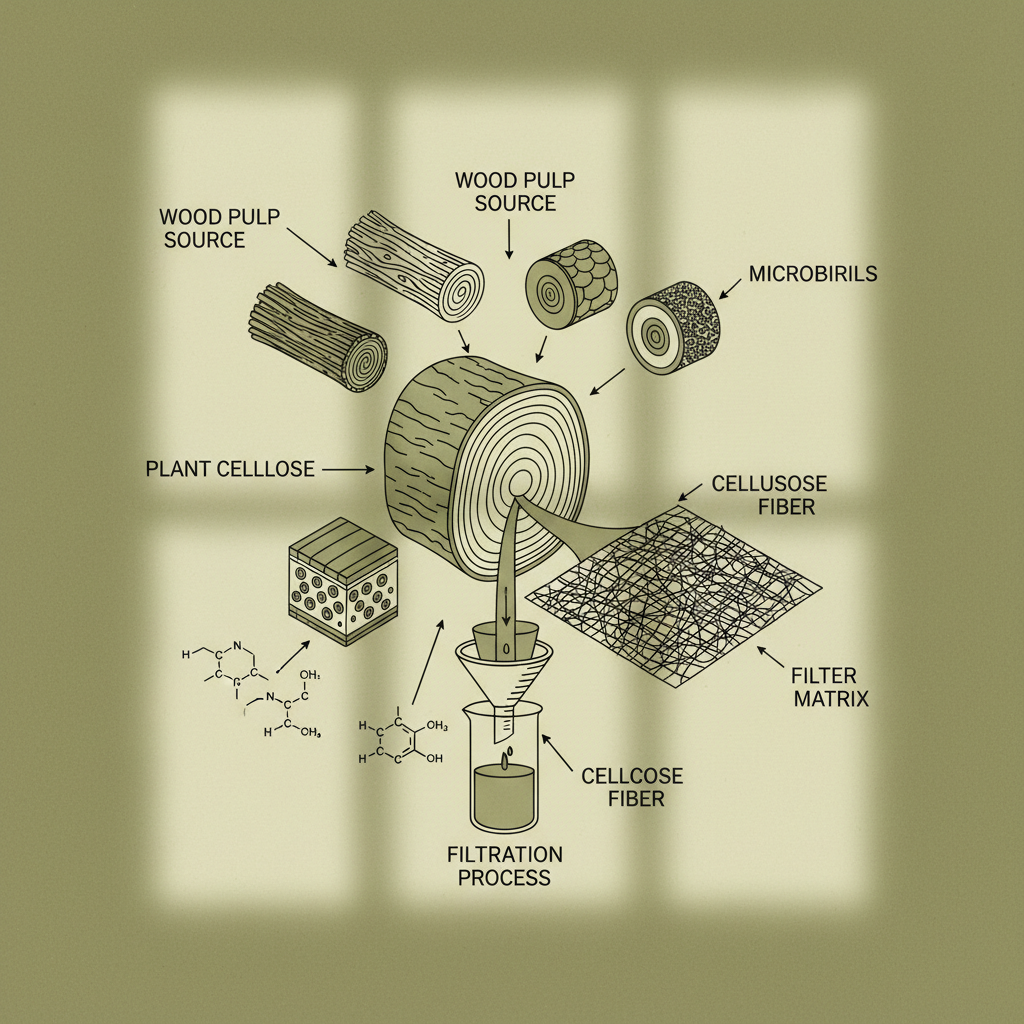
We’ve been focusing heavily on high-performance materials, specifically focusing on enhanced cellulose composites for paneling and insulation. It’s not your grandma's cardboard, let me tell you. This stuff smells… earthy, actually. Kind of like fresh sawdust, but denser. It's surprisingly heavy for what it is, and you really need gloves when cutting it, it gets fibrous. We've moved away from traditional gypsum because frankly, it just doesn't hold up in the long run, not with the moisture levels we see here.
It’s funny, you talk to architects and they envision these seamless, perfectly assembled structures. But I encountered this at a factory in Shanghai last time, where they were rushing a large order for these prefabricated bathrooms. The wall panels were arriving warped because the shipping containers weren’t properly ventilated. Simple stuff, but it caused a massive delay. It really highlighted that material choice and transport are just as important as the design itself.
Anyway, I think a big part of this push towards prefabrication is driven by the labor shortage. Finding skilled tradespeople is getting harder and harder, so anything that reduces on-site work is a win. But it’s a trade-off, you know? You're shifting the complexity from the site to the factory.
That’s a good question. Wood is naturally variable – knots, grain patterns, moisture content… it's a headache. Cellulose composite is much more consistent in density and strength. Plus, it’s less susceptible to rot and insect damage, which means a longer lifespan and lower maintenance costs. Also, we're using waste materials to make it, so it's a win for the environment.
Temperature swings are a big concern. Extreme heat can cause the panels to expand, while extreme cold can make them brittle. We’ve added additives to mitigate these effects, but it's still something you need to consider, especially in regions with harsh climates. We’ve seen warping in areas with very dramatic daily temperature changes, so proper installation and ventilation are crucial.
The fire rating depends on the specific formulation. We offer different versions with varying levels of fire resistance. The standard version meets most building codes, but for high-risk applications, we can add specialized fire retardants to achieve a Class A rating. It’s always best to check with local regulations to ensure compliance. Frankly, fire safety is always the first thing I worry about on a job site.
They can be, but you need to take precautions. Moisture is the enemy. We recommend sealing the panels properly to prevent water absorption. We also offer versions with a waterproof coating for areas that are constantly exposed to moisture. We’ve had good results using these panels in bathrooms and kitchens, but proper ventilation is essential to prevent mold growth.
Absolutely. The panels accept paint and other finishes well, but you need to use the right type of coating. We recommend using a breathable paint that allows moisture to escape. Avoid using solvent-based paints, as they can damage the cellulose fibers. Also, prime it properly first! Don't skimp on the prep work.
That's a tough one, it depends on a lot of factors - climate, maintenance, quality of installation… but we’re aiming for at least 50 years. With proper care, these structures should last for generations. We've run accelerated aging tests that suggest a lifespan of over 75 years, but real-world performance is always the ultimate test. I've seen old wood structures fall apart after 20 years, so anything over 50 is a win in my book.
Ultimately, we’ve moved past the hype and are now seeing the real potential of cellulose composites in prefabricated construction. It's not about replacing traditional materials entirely, it’s about finding the right balance between cost, performance, and sustainability. It's about giving workers materials they can rely on, and designs that make their jobs easier.
And look, don’t overthink it. We can model and test all day long, but ultimately, whether this thing works or not, the worker will know the moment he tightens the screw. If it feels solid, if it goes up easy, if it holds up to the weather… then we’ve done our job.