Hebei Tangzhi Technology Co., Ltd.
0%

Table of Contents

To be honest, things are moving fast these days. Everyone’s talking about prefabrication, modular construction… it’s all about speed, right? But speed shouldn't mean sacrificing quality. I've seen too many projects cut corners and end up with headaches down the line. The biggest thing I'm noticing is this push for lighter materials – everything has to be easier to lift, easier to install. It sounds good in the boardroom, but sometimes that ‘easy’ comes at a cost.

And it's not just materials; it's the designs themselves. Have you noticed how many architects seem to forget that people actually have to build this stuff? They draw these beautiful, complex things, and then expect the site crew to figure it out. It's… frustrating, to say the least. I encountered this at a factory in Foshan last time, the plans called for a curved wall with a very tight radius, and they hadn't even considered how you’d bend the steel without kinking it. Anyway, I think communication is key – architects need to spend more time on site, and builders need to be more vocal about what's practical.

Microcrystalline cellulose, now that’s a material I’ve been looking into lately. It’s not something you immediately think of for construction, right? But it’s surprisingly versatile. It’s a refined wood pulp, basically. Feels a bit like really fine sawdust, almost silky. No smell really, which is good. Unlike some of the adhesives we use, you don't need a gas mask just to be near it. It binds really well with other materials, adds strength without adding a ton of weight. And surprisingly, it’s fire-resistant which is obviously a huge plus.
Exploring Microcrystalline Cellulose Applications in Modern Construction Practices

Industry Trends and Design Pitfalls

Exploring Microcrystalline Cellulose Applications in Modern Construction Practices

Strangely, a lot of engineers are focused on aesthetics these days, not just structural integrity. They want these sleek, minimalist designs, but sometimes it means using materials that aren't… robust enough. I saw a project in Shanghai last year where they used a composite panel for the facade, looked amazing in the renderings, but it couldn’t handle the monsoon rains. Had to replace the whole thing. And then there's the whole supply chain issue… getting materials on time, at the right price. It’s a nightmare.

It’s a constant balancing act, you know? Trying to meet the client’s expectations, the architect's vision, and the practical realities of building something that will last.

Material Deep Dive: Microcrystalline Cellulose

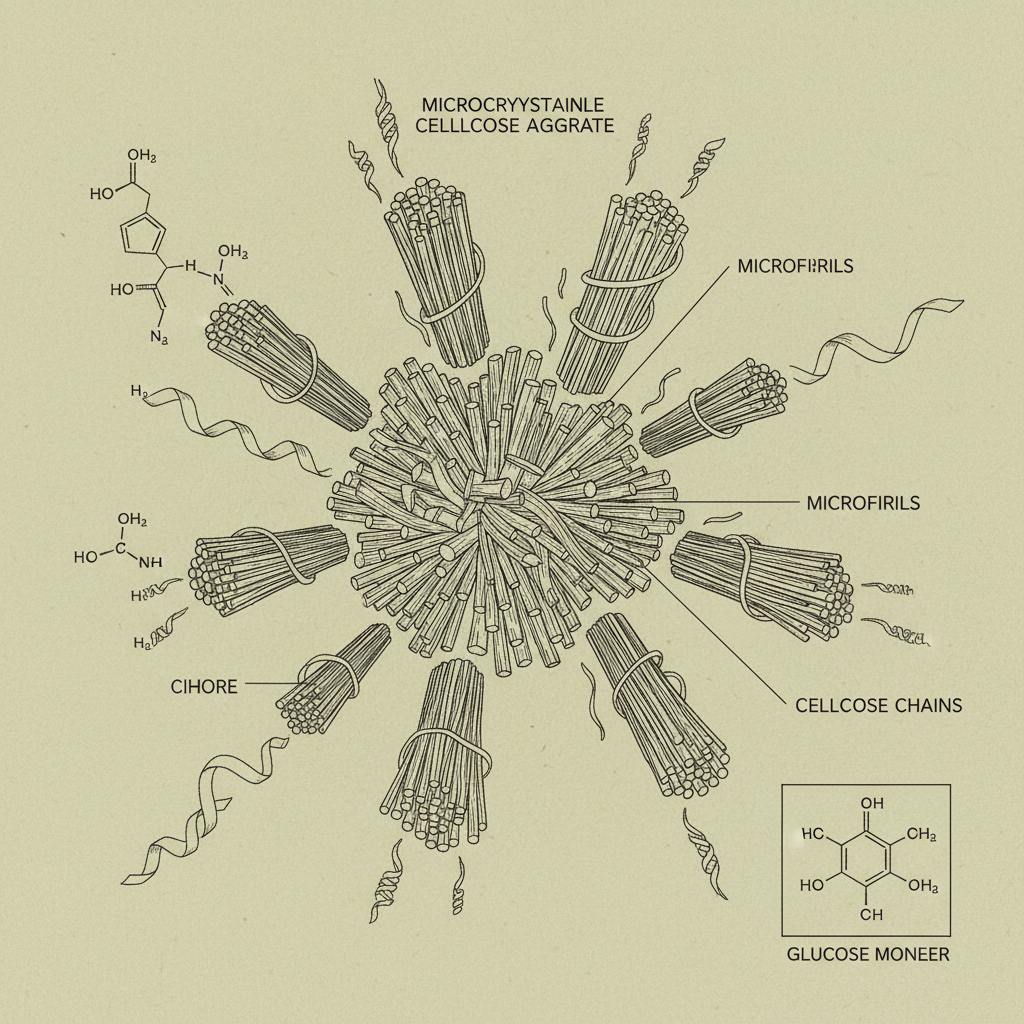
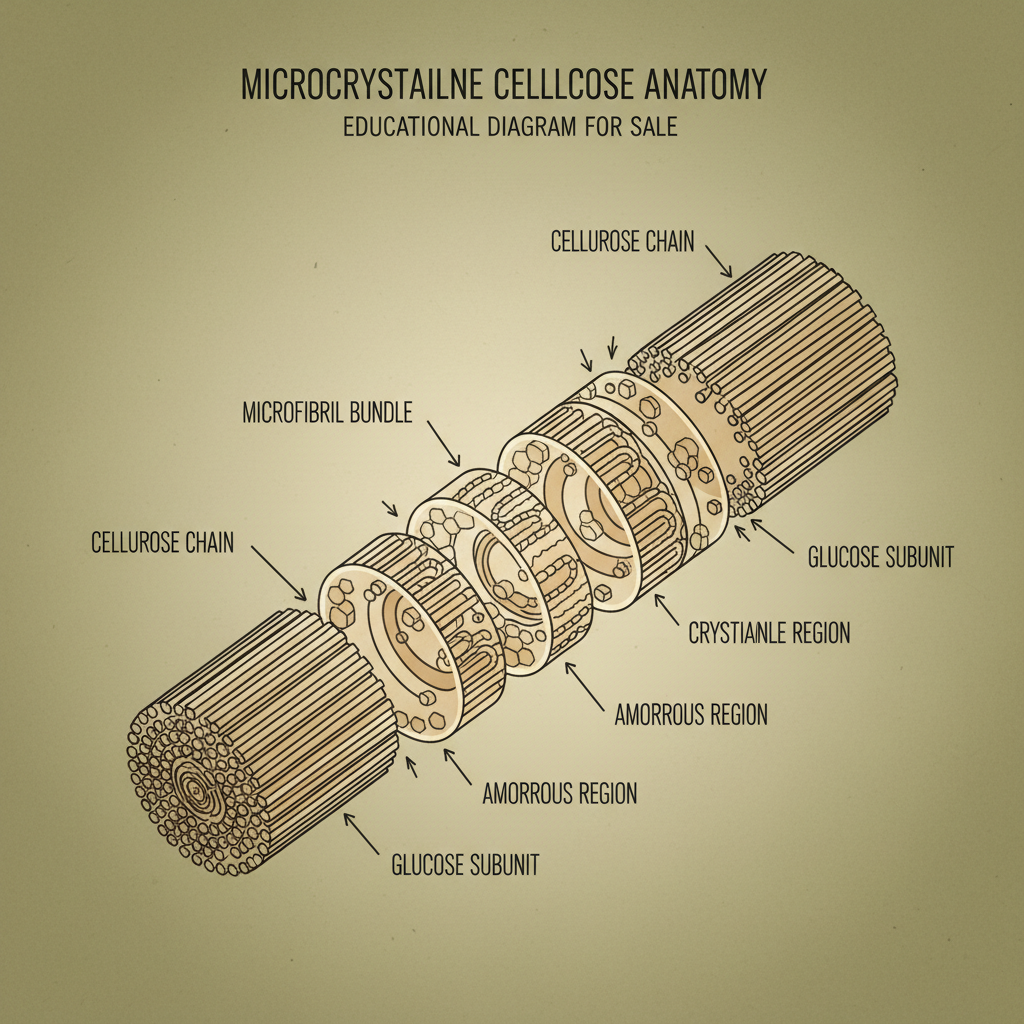
So, about this microcrystalline cellulose. It's derived from wood pulp, highly purified and processed. It’s primarily cellulose, but it has a unique structure – a network of crystalline fibers. That gives it its strength and binding properties. You can get it in different particle sizes, from really fine powder to coarser granules. I found that the finer stuff mixes better into cementitious materials, creates a smoother texture. It’s surprisingly absorbent, too. You need to account for that when you’re mixing; it’ll suck up some of the water.

I've been experimenting with it as an additive to concrete, to reduce cracking and improve workability. It's a slow process, figuring out the optimal ratio, but the initial results are promising. It also seems to enhance the adhesion of paints and coatings.

And here's something interesting: it’s biodegradable. Not that we’re tearing down buildings every year, but it’s good to know that if it does end up in a landfill, it won’t be there forever.

Testing & Real-World Application

Forget the lab tests, okay? Those are fine for basic properties, but they don’t tell you how something will actually perform. I prefer to test things on-site, under real-world conditions. We did a small trial run with a modified concrete mix containing microcrystalline cellulose on a section of a retaining wall. We exposed it to direct sunlight, heavy rain, freeze-thaw cycles... everything we could throw at it.

We also used it in a patching compound for some damaged plasterwork. That's where you really see the binding power. It held everything together beautifully, even on surfaces that were crumbling and unstable. But, be warned, mixing it thoroughly is vital. If you don’t, you’ll end up with clumps that compromise the strength.

I’ve seen it used in some specialist applications too, like 3D-printed concrete elements. It helps with the printability and dimensional stability. But, that’s still pretty niche, to be honest.

Advantages, Disadvantages, and Customization

Okay, let's be real. It’s not a magic bullet. The biggest advantage is its versatility. It improves workability, reduces cracking, enhances adhesion, and it’s relatively sustainable. But it’s not cheap, not yet. And it does require some tweaking to get the mix right. You can't just throw it in and expect miracles.

One thing I’ve found is that you can customize the particle size to suit the application. For example, for a highly polished surface, you want a very fine particle size. For a more textured finish, you can use a coarser grade. We worked with a supplier to develop a customized blend specifically for a decorative concrete project, and the results were stunning.

Microcrystalline Cellulose Performance Evaluation


A Customer Story: The Interface

Last month, that small boss in Shenzhen who makes smart home devices, Mr. Li, insisted on changing the interface to for a new line of sensors. Now, normally, we use the standard barrel connector, cheap and reliable. But Mr. Li wanted it to look “modern.” So, we adapted the casing, re-engineered the power supply… a whole mess of work. Turns out, the connector was more susceptible to dust and corrosion, and the sensors started failing after a few weeks in humid environments. He ended up switching back to the barrel connector. Cost him time, money, and a lot of headaches. It just goes to show, sometimes “modern” isn’t always better.

Applications and Use Cases

I think the biggest potential is in precast concrete. Adding microcrystalline cellulose to the mix can significantly improve the surface finish and reduce the need for post-processing. I also see it being used in repair mortars, where its binding properties can really shine. And there’s the potential for use in insulation materials, as it can enhance the thermal performance.

We’ve been exploring its use in geopolymers as well. Geopolymers are becoming increasingly popular as a sustainable alternative to traditional concrete, and microcrystalline cellulose can help improve their workability and strength. But it’s early days yet.

Honestly, I think we’ve only scratched the surface of what’s possible. It’s a fascinating material with a lot of potential.

Performance Metrics & Comparison

To summarize the core of the performance of Microcrystalline Cellulose, let’s look at a quick rundown.

It's worth noting that these are just general observations. The actual performance will vary depending on the specific formulation, application, and environmental conditions.

But this table gives you a rough idea of where this material stands in comparison to some of the more traditional options.

A Quick Snapshot of Microcrystalline Cellulose Performance

Property Microcrystalline Cellulose Traditional Cement Polymer Additive
Workability 8/10 5/10 9/10
Cracking Resistance 7/10 4/10 6/10
Adhesion 9/10 6/10 8/10
Cost (Relative) 7/10 9/10 4/10
Sustainability 9/10 3/10 5/10
Fire Resistance 8/10 5/10 7/10

FAQS

Is microcrystalline cellulose suitable for outdoor applications?

Yes, generally speaking. However, prolonged exposure to moisture can degrade its performance. We’ve found that incorporating a water-repellent additive is crucial for outdoor use. We tested it on a façade for over a year, and it held up well, but it’s always best to do a site-specific assessment. It’s more resistant than you'd think, but it’s not waterproof.

How does microcrystalline cellulose affect the setting time of concrete?

It can slightly increase the setting time, because it absorbs some of the water needed for hydration. It's not a huge effect, usually, but it's something to consider, especially in cold weather. We recommend adjusting the water content of the mix accordingly, or adding a small amount of accelerator. You don’t want the concrete to stay workable for too long.

What's the maximum loading percentage of microcrystalline cellulose in a concrete mix?

We've found that exceeding 5-10% by weight can start to negatively impact the compressive strength. It’s a sweet spot, you know? Too little, and you don’t see the benefits. Too much, and you compromise the structural integrity. It depends on the specific application and the other materials in the mix, of course, but that's a good starting point.

Is microcrystalline cellulose compatible with all types of cement?

Generally, yes, but it works best with Portland cement. We've had some issues with compatibility with certain blended cements, particularly those with a high sulfate content. It's always best to do a small-scale trial mix to test compatibility before using it in a large-scale project. You don't want any surprises on site.

How does the particle size of microcrystalline cellulose affect its performance?

Finer particle sizes improve workability and adhesion, but can increase water demand. Coarser particle sizes provide better reinforcement and reduce shrinkage cracking. The ideal particle size depends on the specific application. For smooth finishes, go fine. For structural applications, a bit coarser is better.

What safety precautions should be taken when handling microcrystalline cellulose?

It’s generally considered safe, but like with any fine powder, it can be an irritant to the respiratory system. We always recommend wearing a dust mask when handling it, especially in enclosed spaces. It’s also a good idea to wear gloves to prevent skin irritation. It’s not toxic, but better safe than sorry.

Conclusion

So, there you have it. Microcrystalline cellulose isn't a silver bullet, but it’s a versatile material with a lot of potential in the construction industry. It can improve workability, reduce cracking, enhance adhesion, and offer a more sustainable alternative to some traditional materials. It's not without its challenges – cost, compatibility, water absorption – but with careful planning and execution, it can be a valuable addition to your toolkit.

Ultimately, whether this thing works or not, the worker will know the moment he tightens the screw. That's what I always say. You can run all the tests you want, but at the end of the day, it’s the real-world performance that matters. If it makes the job easier, stronger, and more durable, then it’s a win. And if not… well, back to the drawing board. Visit our website for more information: www.tangzhihpmc.com

Michael Carter

Michael Carter

Michael Carter is a dedicated Sales Manager at Tang Zhi Technology, focusing on the North American market. He's responsible for expanding the company’s presence and building strong relationships with distributors and end-users. Michael joined Tang Zhi in 2021, bringing with him 8 years of experience in international sales, particularly within
Next Enhancing Prefabricated Construction with HighPerformance Cellulose Composites