To be honest, things are changing fast these days. Everyone’s talking about prefabrication, modular builds, you name it. It’s all about speed, reducing waste, and frankly, finding enough hands to actually do the work. I've seen a lot of fancy designs come and go, but the stuff that actually sticks around is always the stuff that makes life easier for the guys on the ground.
Have you noticed how many architects these days design something that looks great on paper, but is a nightmare to assemble? They’ll specify some crazy angle or tight tolerance, and you're left wondering if they’ve ever actually held a wrench. That’s where experience comes in. You quickly learn what’s feasible, and what’s just…optimistic.
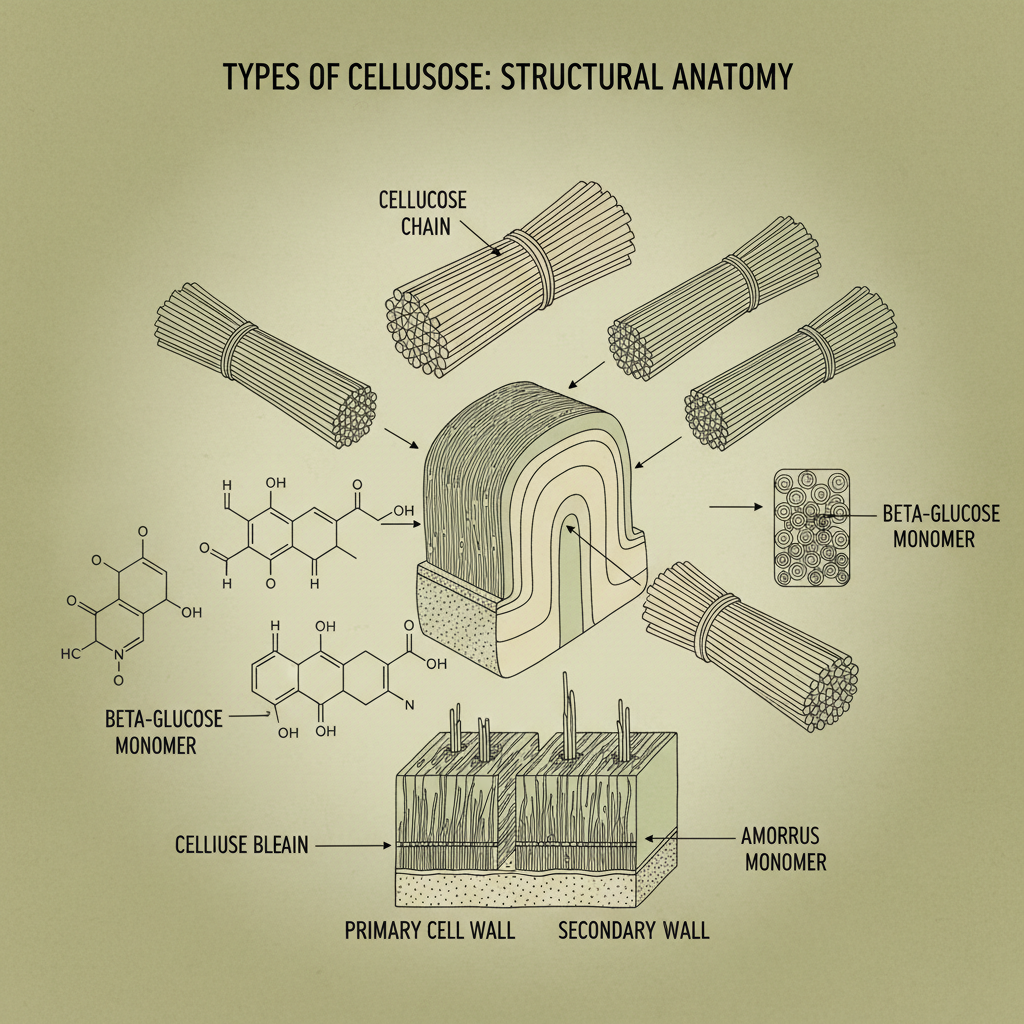
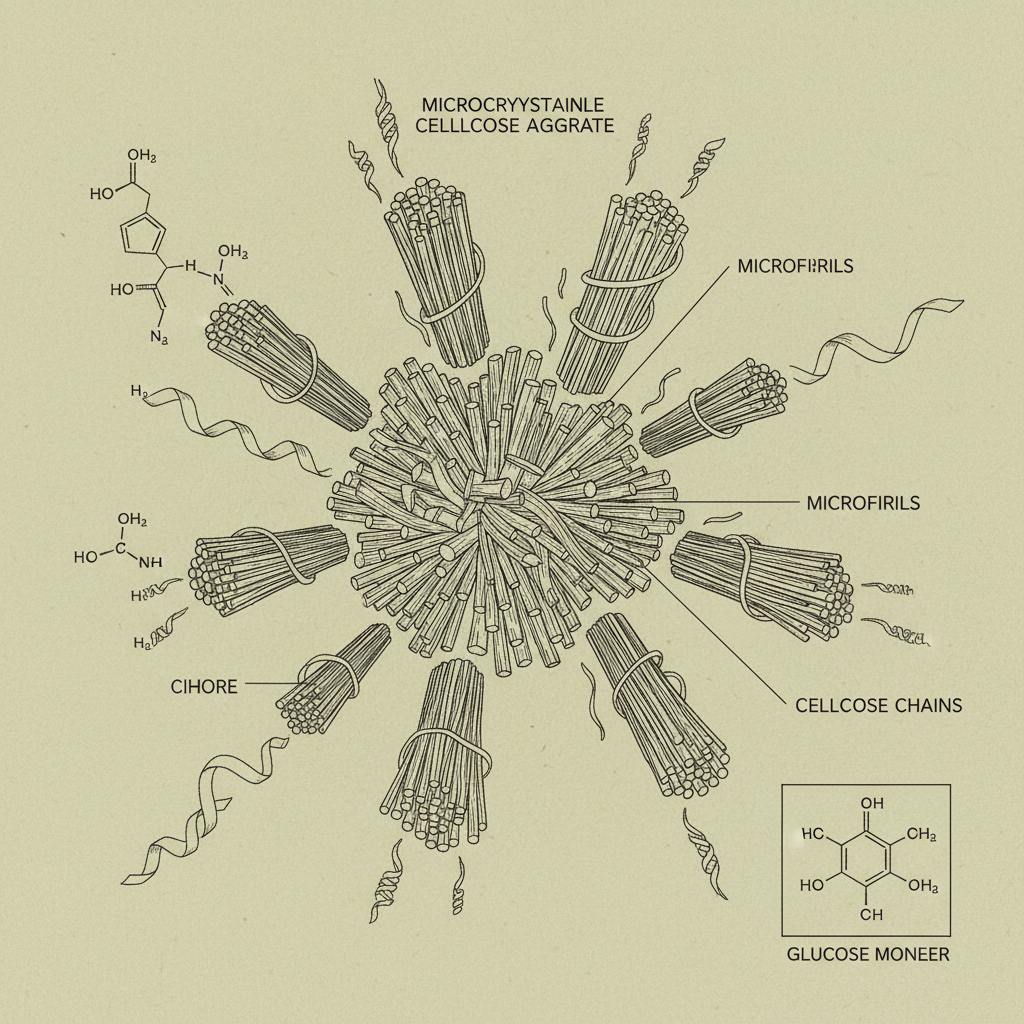
We've been doing a lot with HPMC lately – hydroxypropyl methylcellulose, for those keeping score at home. It’s a cellulose type, basically a powder that mixes with water to make a really consistent slurry. Smells faintly of… well, nothing much, really. Just a clean, slightly chemical smell. Feels like flour, but smoother. I remember getting covered in the stuff at a factory in Nanjing last time, it gets everywhere. Anyway, it's what binds everything in these newer tile adhesives and cement mixes.
The Current Landscape of Cellulose Type Applications
Honestly, cellulose type isn't new. It’s been around for decades. But the way we're using it is evolving. It’s moving beyond just a thickener in paints and detergents. Now it’s integral in construction materials – tile adhesives, cement-based renders, self-leveling compounds… Even some of the newer rapid-setting mortars. Globally, demand is rising, especially in rapidly developing regions where infrastructure is being built at a phenomenal rate. The UN has reports showing a consistent increase in demand for construction materials and, subsequently, components like HPMC.
Strangely enough, the biggest shift I’ve seen is its application in pre-fab construction. The consistent mixing properties are crucial when you're trying to pump materials through complex systems to build walls or floors off-site. You need predictability. That’s where a good cellulose type really shines.
Design Pitfalls and Practical Considerations in Cellulose Type Implementation
I encountered this at a factory in Guangzhou last time. Architects will design a fancy textured wall, then specify a tile adhesive that just can't hold the tile weight when applied at the specified thickness. It's a classic. You’ve got to think about sag resistance. The cellulose type controls the viscosity, but the overall formulation needs to be balanced. Too much, and it's gloppy and hard to work with. Too little, and it slumps before you can get the tile in place.
Another thing? Water retention. Especially in hot climates, the adhesive can dry out too quickly, preventing proper bonding. The right cellulose type helps hold the water in, giving the adhesive time to cure. But again, it’s a balancing act. Too much water retention, and you risk mold growth or weakening the bond.
And don't even get me started on compatibility. Mixing different cellulose types or other additives without proper testing can lead to all sorts of problems – separation, reduced adhesion, even complete failure. You need to know what you're doing.
Material Properties and On-Site Handling of Cellulose Type
The quality of the cellulose type matters. Cheap stuff often has inconsistent particle size and poor purity. You’ll notice it clumping when you try to mix it, and the resulting adhesive will be grainy. It feels different too – not as smooth.
Handling it on-site isn't too bad, but you need to keep it dry. Once it absorbs moisture, it’s useless. We had a crew in Shenzhen a few years back where a pallet of HPMC got rained on. Total loss. The guy in charge nearly had a heart attack. You need proper storage, sealed containers, and maybe a little dehumidifier if you're working in a humid environment.
Mixing is important. You add the powder slowly to the water, not the other way around. Otherwise, you'll end up with a lumpy mess. A good mechanical mixer is essential. Trying to do it by hand is a recipe for disaster. And wear a mask! The dust isn't good for your lungs.
Real-World Testing and Performance Evaluation of Cellulose Type
Lab tests are fine, but they don’t tell the whole story. I’ve seen adhesives pass all the lab tests and still fail miserably in the field. We test stuff the old-fashioned way: we use it. We build mock walls, apply the adhesive, and let it sit for a week, then a month, then six months. We check for tile slippage, cracking, and water penetration.
We also do stress tests. We'll intentionally overload the wall with weight, or subject it to vibrations to simulate traffic. It's not pretty, but it gives us a good idea of how the adhesive will hold up under real-world conditions. Forget the standardized pull tests, I want to see if the thing falls apart when someone leans on it.
Cellulose Type Performance Evaluation
Actual User Applications and Unexpected Use Cases of Cellulose Type
Most folks use it in tile adhesive, cement mortars, stuff like that. But I've seen it used in some surprising applications. One guy was using it to stabilize a sandy soil for a temporary road access. Said it helped bind the particles together and reduced dust.
Another contractor was using a modified cellulose type formulation to create a sprayable coating for erosion control on a hillside. It creates a temporary barrier that prevents soil from washing away during heavy rain. I wouldn't have thought of that myself, but it seemed to work pretty well.
Advantages, Disadvantages, and the Long-Term Value of Cellulose Type
The big advantage is consistency. You get a predictable result every time, which is crucial in construction. It also improves workability, making it easier to apply the adhesive or mortar. And it’s relatively inexpensive, compared to some of the other additives out there.
The disadvantages? Well, it’s organic, so it’s susceptible to microbial attack. You need to use a preservative to prevent mold growth, especially in humid environments. And if you use too much, it can reduce the strength of the final product. It’s always a trade-off.
Long-term, though, it’s about reliability. If your tile stays on the wall, your structure stands, and you don't get callbacks, that’s a win. And that’s what matters.
Customization and Adaptability of Cellulose Type Formulations
You can tweak the cellulose type formulation to suit different needs. Adjusting the molecular weight, the degree of substitution, even the particle size can change the properties of the adhesive. For example, last month, that small boss in Shenzhen who makes smart home devices insisted on changing the interface to , and the result was that they needed a thinner, faster-setting adhesive to accommodate the smaller components. We had to adjust the HPMC grade and add a fast-setting additive to get it right. Took a lot of trial and error, but we got there.
You can also blend different cellulose types to get the best of both worlds. Combining a high-viscosity grade with a low-viscosity grade can give you good workability and sag resistance.
But, anyway, I think the key is understanding the fundamentals. Knowing how the cellulose type interacts with the other ingredients in the formulation, and how it behaves under different conditions.
A Quick Reference Guide to Cellulose Type Performance Parameters
| Parameter |
Description |
Typical Range |
Impact on Performance |
| Viscosity |
Resistance to flow. |
5,000 – 100,000 cP |
Affects sag resistance and workability. |
| Water Retention |
Ability to hold water over time. |
50 – 80% |
Influences hydration and bond strength. |
| Particle Size |
The diameter of the cellulose particles. |
20 – 100 μm |
Impacts dispersion and texture. |
| Gel Strength |
Strength of the gel formed when hydrated. |
5 – 20 g |
Affects stability and application properties. |
| Substitution Degree |
The amount of modification on the cellulose molecule. |
0.5 – 2.0 |
Influences solubility and compatibility. |
| pH |
Acidity or alkalinity of the material. |
5 – 8 |
Affects compatibility and stability. |
FAQS
Honestly? Not mixing it properly. They dump the powder in dry and just start stirring. You gotta add it slowly to the water, with constant agitation. Otherwise, you’ll end up with clumps that never dissolve. It’s a pain to work with then, and the performance suffers. I've seen entire batches of mortar wasted because of this. It's like making gravy – gotta be gentle.
Not really. The water quality matters. Hard water with a lot of minerals can interfere with the hydration process. It’s best to use softened or distilled water. And the temperature matters too – warm water helps it dissolve faster, but too hot can degrade the cellulose. I usually tell guys to use tap water that’s been sitting for a few hours to let some of the chlorine evaporate. It's not perfect, but it works.
If it’s stored properly – dry, cool, in a sealed container – it can last for years. But once you open the bag, it starts to absorb moisture. The faster it absorbs moisture, the faster it degrades. We usually recommend using it within six months of opening, but if it's been sitting around for a year, it’s probably best to test it before using it in a critical application.
Different grades have different molecular weights and substitution degrees. That affects the viscosity, water retention, and other properties. Higher molecular weight generally means higher viscosity. The substitution degree affects solubility and compatibility with other materials. You gotta pick the right grade for the job. There's no one-size-fits-all.
It's better than a lot of other additives out there. It's derived from cellulose, which is a renewable resource. But it's still a chemical, so it’s not completely harmless. You have to dispose of it properly. And the manufacturing process does have an environmental impact. It’s a trade-off, like everything else.
Absolutely, but you need to make sure the pigment is compatible with the HPMC and the other ingredients in the formulation. Some pigments can affect the viscosity or stability. It’s always a good idea to do a small-scale test batch before scaling up to a full production run. Don't just assume it'll work!
Conclusion
So, there you have it. Cellulose type – HPMC – it’s not glamorous, but it’s essential. It’s about making things consistent, reliable, and easier to work with. It's a seemingly small detail that can make a huge difference in the quality of a project. From pre-fab construction to simple tile adhesive, it’s holding things together – literally.
Ultimately, whether this thing works or not, the worker will know the moment he tightens the screw. It doesn't matter what the lab tests say, or what the architect designed. If it feels right, if it goes on smooth, if it holds, then it’s good. That's the bottom line. And that’s why I still get my boots dirty every day.