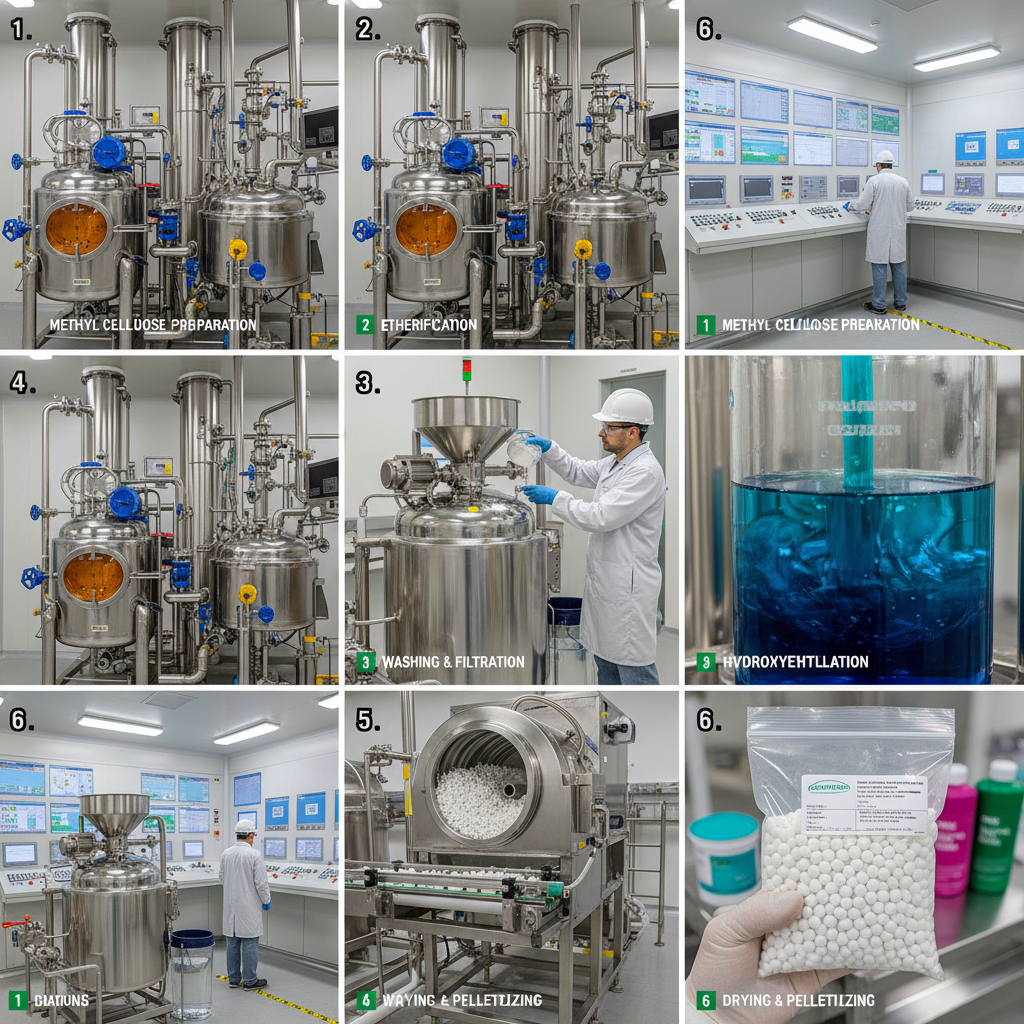
In the modern construction landscape, the integration of a cellulose derivative has become indispensable for achieving high-performance building materials. These polymers act as the invisible architects of mortar and adhesive stability, ensuring that materials maintain their integrity under diverse environmental stresses. Understanding the chemical nuances of these additives is key to improving workability and long-term durability in residential and industrial infrastructure.
Globally, the demand for a cellulose is driven by the urgent need for sustainable urban development and the renovation of aging city cores. As building codes become stricter regarding energy efficiency and carbon footprints, the role of these rheology modifiers in creating air-tight, crack-resistant seals has moved from a luxury to a regulatory necessity.
By mastering the application of a cellulose, engineers and contractors can significantly reduce material waste and labor costs. This guide explores the technical dimensions, global applications, and future trajectories of cellulose-based additives, providing a comprehensive roadmap for optimizing chemical formulations in the construction sector.
Global Industrial Relevance of a Cellulose
The global construction chemicals market has seen a pivotal shift toward bio-based polymers, where a cellulose ether plays a starring role. According to industry trends aligned with ISO standards for building materials, the precision of water retention in cementitious mortars is directly proportional to the quality of the cellulose used. In rapidly urbanizing regions of Asia and Africa, these additives prevent premature drying, which is the leading cause of structural micro-cracking in high-temperature climates.
Beyond mere utility, the industrial relevance of these chemicals lies in their ability to standardize quality across different batches of raw materials. By introducing a controlled amount of a cellulose, manufacturers can ensure that the viscosity and open time of their products remain consistent, regardless of the regional variations in sand or cement quality. This stabilization is critical for large-scale infrastructure projects where uniformity is non-negotiable.
Defining a Cellulose in Modern Chemistry
In simple terms, a cellulose in the context of building chemicals refers to a modified natural polymer derived from cellulose, typically processed into ethers like HPMC or HEMC. These substances are chemically engineered to be water-soluble, creating a gel-like network that holds moisture within a mixture. This process, known as water retention, is what allows a mortar to stay "wet" long enough for the chemical reaction of hydration to occur fully.
From an industrial perspective, this is not just about chemistry but about humanitarian and economic needs. In developing nations, the use of a cellulose allows for the construction of more durable, low-cost housing that can withstand extreme weather. By improving the bond strength between the mortar and the substrate, it prevents the premature failure of walls and ceilings, directly impacting the safety and dignity of the inhabitants.
Moreover, the transition toward "green chemistry" has repositioned these cellulose derivatives as sustainable alternatives to synthetic petroleum-based polymers. Because they are derived from renewable plant sources, they align with global ESG (Environmental, Social, and Governance) goals, reducing the toxicity of construction sites and ensuring that the end-product is more compatible with eco-friendly building certifications.
Core Components and Performance Factors
The efficacy of a cellulose is primarily determined by its degree of substitution and molar mass. These technical parameters dictate how the polymer interacts with water and other additives like RDP (Redispersible Polymer Powder). For instance, a higher viscosity grade is often required for tile adhesives to prevent "sagging," whereas a lower viscosity might be preferred for self-leveling compounds to ensure a smooth finish.
One of the most critical factors is the "Thermal Gelation Temperature." This is the specific point at which a cellulose ceases to be soluble and begins to form a gel. In industrial applications, controlling this temperature is vital to ensure that the material doesn't lose its workability prematurely when exposed to the heat of a summer construction site or during a specific chemical exothermic reaction.
Beyond rheology, the synergy between cellulose and other chemical agents is paramount. When paired with defoamers or gypsum retarders, a cellulose ensures that the air void distribution is optimized and the setting time is perfectly timed. This holistic chemical balance is what separates a professional-grade building product from a generic mixture, impacting everything from the ease of application to the final structural load-bearing capacity.
Practical Applications Across Global Regions
In real-world contexts, the application of a cellulose varies significantly by geography. In the humid tropics of Southeast Asia, the focus is on moisture regulation and mold resistance, where cellulose ethers prevent the mortar from absorbing too much ambient humidity or drying too quickly. Conversely, in the arid regions of the Middle East, these additives are used at higher concentrations to combat extreme evaporation rates, ensuring that the concrete doesn't "burn" or crack under the scorching sun.
In specialized scenarios, such as post-disaster relief operations in remote industrial zones, the use of pre-mixed dry mortars containing a cellulose is a game-changer. These materials allow for rapid deployment of temporary shelters and infrastructure because they require only the addition of water and offer predictable, high-strength performance without the need for complex on-site mixing equipment.
Performance Impact of Different a cellulose Grades
Long-term Economic and Sustainable Value
The tangible benefits of implementing high-quality a cellulose extend far beyond the immediate application phase. Logically, the reduction in shrinkage cracks means fewer repairs over the building's lifecycle, drastically lowering maintenance costs for property owners. This reliability fosters a sense of trust and safety, as the structural integrity of the walls is guaranteed by the chemical stability of the mortar.
From a sustainability angle, the use of these bio-polymers reduces the overall carbon footprint of the construction process. By optimizing water use and reducing material waste, a cellulose contributes to a more circular economy. The emotional value here is the peace of mind that comes from using materials that do not compromise the health of the environment or the residents, aligning industrial progress with ecological stewardship.
Future Innovations in Cellulose Technology
The future of a cellulose is being shaped by the digital transformation of material science. We are seeing the emergence of "smart cellulose" additives that can react to environmental triggers, such as changing pH levels or temperature shifts, to release moisture or tighten the molecular bond automatically. This automation of material behavior will lead to "self-healing" mortars that can seal their own micro-cracks without human intervention.
Furthermore, the integration of nanotechnology is allowing for the creation of nano-cellulose composites. These materials offer an unprecedented strength-to-weight ratio, potentially allowing for thinner yet stronger walls, which increases the usable square footage of urban apartments. This innovation is particularly relevant for the "tiny house" movement and modular construction, where every millimeter of space is valuable.
Finally, the push toward green energy is driving the development of cellulose-based insulators. By combining the water-retention properties of a cellulose with new aerogel technologies, the industry is moving toward building envelopes that are almost entirely carbon-neutral and incredibly energy-efficient, reducing the global reliance on HVAC systems.
Overcoming Implementation Challenges
Despite its advantages, the adoption of a cellulose often faces challenges, primarily regarding compatibility. Not all cellulose ethers work with all types of cement or sand; an incorrect match can lead to "clumping" or an overly sticky mixture that is difficult to spread. Expert insight suggests that conducting a "compatibility matrix" test before large-scale application is the only way to ensure a seamless workflow.
Another common limitation is the sensitivity to water quality. In some regions, high mineral content in the mixing water can interfere with the hydration of a cellulose, leading to inconsistent viscosity. The solution lies in the use of specialized chelating agents or the adoption of standardized water-treatment protocols on-site to ensure the polymer can perform its function without interference.
To overcome these hurdles, manufacturers are now providing tailored formulations rather than "one-size-fits-all" products. By analyzing the specific raw materials of a project, they can adjust the substitution level of a cellulose to match the local environment. This move toward precision chemistry is transforming the industry from a trial-and-error approach to a predictive, science-driven methodology.
Comparative Analysis of a cellulose Implementation across Different Mortar Types
| Mortar Category |
Required Viscosity |
Primary Benefit |
Performance Score |
| Tile Adhesive |
High (100k-200k mPa.s) |
Anti-sagging & Open Time |
9.5 |
| Wall Putty |
Medium (40k-80k mPa.s) |
Smooth Finish & Workability |
8.8 |
| Self-Leveling |
Low (5k-20k mPa.s) |
Flowability & Stability |
8.2 |
| External Render |
High (120k-250k mPa.s) |
Water Retention in Heat |
9.1 |
| Repair Mortar |
Medium (60k-100k mPa.s) |
Strong Adhesion to Base |
8.5 |
| Grout Fillers |
Low (10k-30k mPa.s) |
Void Filling Capacity |
7.9 |
FAQS
It works by forming a hydrophilic layer around the cement particles, which retains water within the mix. This prevents the water from being absorbed too quickly by the substrate or evaporating, allowing the contractor more time to spread and smooth the material (increased open time) and ensuring the cement hydrates fully for maximum strength.
Yes, over-dosage can lead to excessive water retention, which may slow down the setting time too much or result in higher shrinkage after the material finally dries. This can create internal stresses and potentially lead to surface cracking. Precise dosing based on the specific grade of the cellulose is essential.
Absolutely. In fact, they are often used together to create a synergistic effect. While cellulose manages the water and rheology (flow), RDP provides the flexibility and adhesive strength. Together, they create a high-performance mortar that is both easy to apply and incredibly durable.
The choice depends on the application: use high viscosity for vertical applications (like tile adhesive) to prevent sagging, and low viscosity for horizontal applications (like self-leveling floors) to ensure the material flows easily into every corner of the substrate.
Yes, they are generally derived from renewable plant sources (wood pulp or cotton linters). They are biodegradable and significantly reduce the environmental impact compared to synthetic acrylics or petroleum-based thickeners, making them a preferred choice for LEED-certified green buildings.
It should be stored in a cool, dry, and well-ventilated area, away from direct sunlight and moisture. Because it is highly hygroscopic (absorbs water from the air), keeping the bags tightly sealed is critical to prevent caking and degradation of the polymer chains.
Conclusion
In summary, the strategic application of a cellulose is a cornerstone of modern construction chemistry. From ensuring critical water retention and enhancing workability to driving sustainability through bio-based polymers, these additives transform basic mortar into high-performance building systems. By balancing viscosity, thermal gelation, and chemical synergy with other agents, the industry can achieve unprecedented levels of structural durability and application efficiency.
Looking forward, the integration of smart-responsive cellulose and nanotechnology promises a future of self-healing and ultra-strong materials. For manufacturers and contractors alike, the key to staying competitive lies in moving away from generic solutions and embracing precision-engineered cellulose formulations. We invite you to explore how our specialized additives can elevate your next project. Visit our website: www.tangzhihpmc.com