Hebei Tangzhi Technology Co., Ltd.


In the complex landscape of modern chemical engineering, sodium carboxymethyl cellulose serves as a cornerstone additive, bridging the gap between raw material instability and high-performance end products. Its unique ability to act as a thickener, stabilizer, and water-retention agent makes it indispensable across various sectors, from construction and pharmaceuticals to food processing and personal care. Understanding the nuances of this versatile polymer is essential for manufacturers seeking to optimize the rheology and durability of their formulations.
The strategic implementation of sodium carboxymethyl not only enhances the functional performance of materials but also contributes to significant cost efficiencies. Whether it is reducing the cracking in gypsum-based plasters or improving the texture of a medical gel, the precise application of this additive transforms dry industry parameters into tangible commercial value, ensuring safety, reliability, and longevity in the final application.
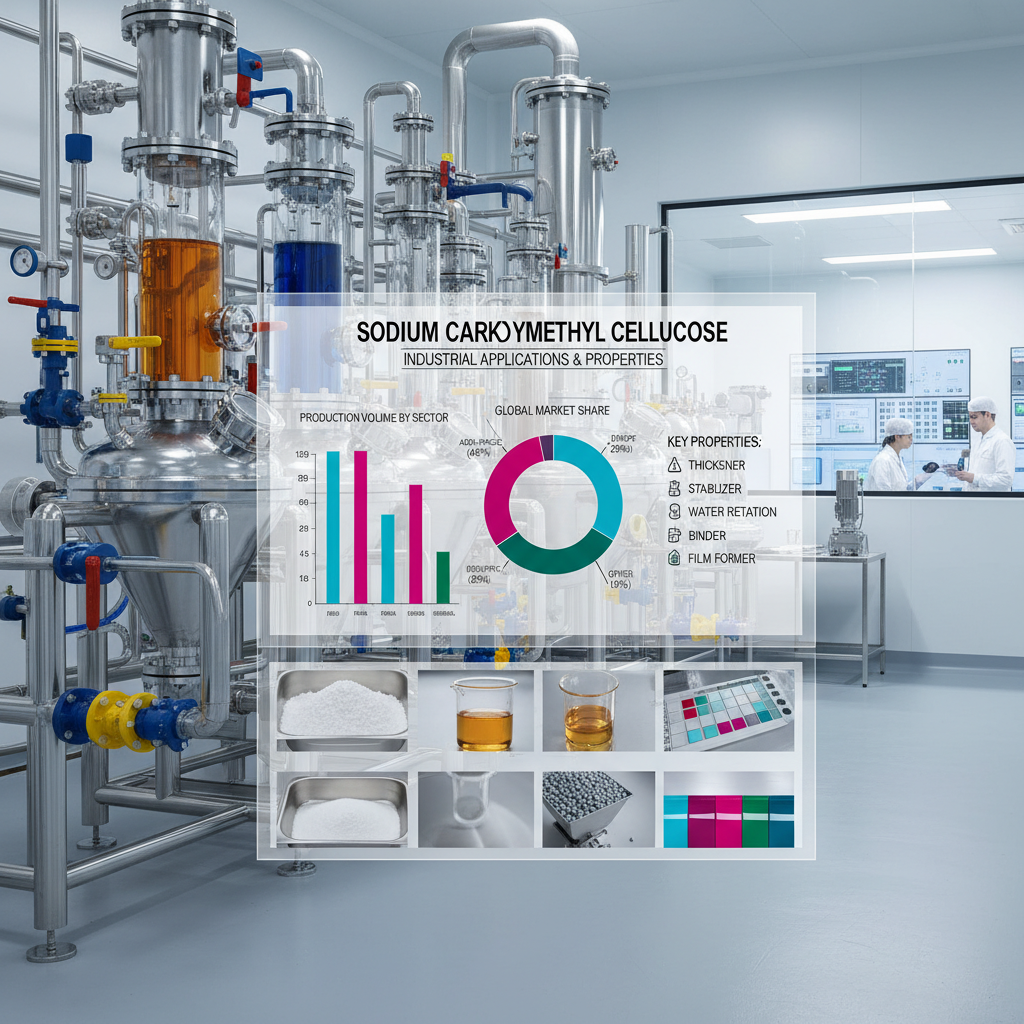
As emerging economies in Asia and Africa accelerate their urbanization, the challenge of material shrinkage and water loss in construction has become a critical bottleneck. The introduction of advanced sodium carboxymethyl formulations addresses these challenges by providing superior viscosity control and water retention, which are essential for the structural integrity of modern high-rise developments and public infrastructure.
It primarily improves quality through superior water retention. By binding water within the mixture, it prevents premature evaporation, which ensures a slower, more complete hydration of the cement. This results in higher compressive strength and a significant reduction in shrinkage cracks.
Yes, when produced to food or pharmaceutical grade standards, it is non-toxic and biocompatible. It is widely used as a thickener and stabilizer in these industries because it does not react with other active ingredients and is easily processed by the human body.
The Degree of Substitution (DS) refers to the average number of hydroxyl groups replaced by carboxymethyl groups. High DS grades generally offer better water solubility and higher viscosity, making them ideal for construction, while low DS grades are often preferred for specific pharmaceutical release profiles.
Standard grades may experience "salting out," where the polymer precipitates and loses viscosity. However, specialty cross-linked or salt-tolerant variants of sodium carboxymethyl are specifically designed to maintain stability in brine or marine conditions.
Unlike synthetic polyacrylates derived from petroleum, sodium carboxymethyl is based on cellulose, a renewable plant resource. It is biodegradable and has a significantly lower carbon footprint throughout its lifecycle, aligning with global ESG goals.
To maintain stability, it should be stored in a cool, dry place, away from direct sunlight and moisture. Since it is highly hygroscopic, using airtight containers is essential to prevent clumping and ensure consistent dissolution during application.
Looking forward, the continued evolution of this polymer through AI-driven synthesis and green manufacturing will further solidify its role in a sustainable industrial future. For companies aiming to enhance their product durability and efficiency, integrating high-purity carboxymethyl derivatives is a strategic necessity. We invite you to explore our specialized range of cellulose products to find the perfect match for your technical requirements. Visit our website: www.tangzhihpmc.com