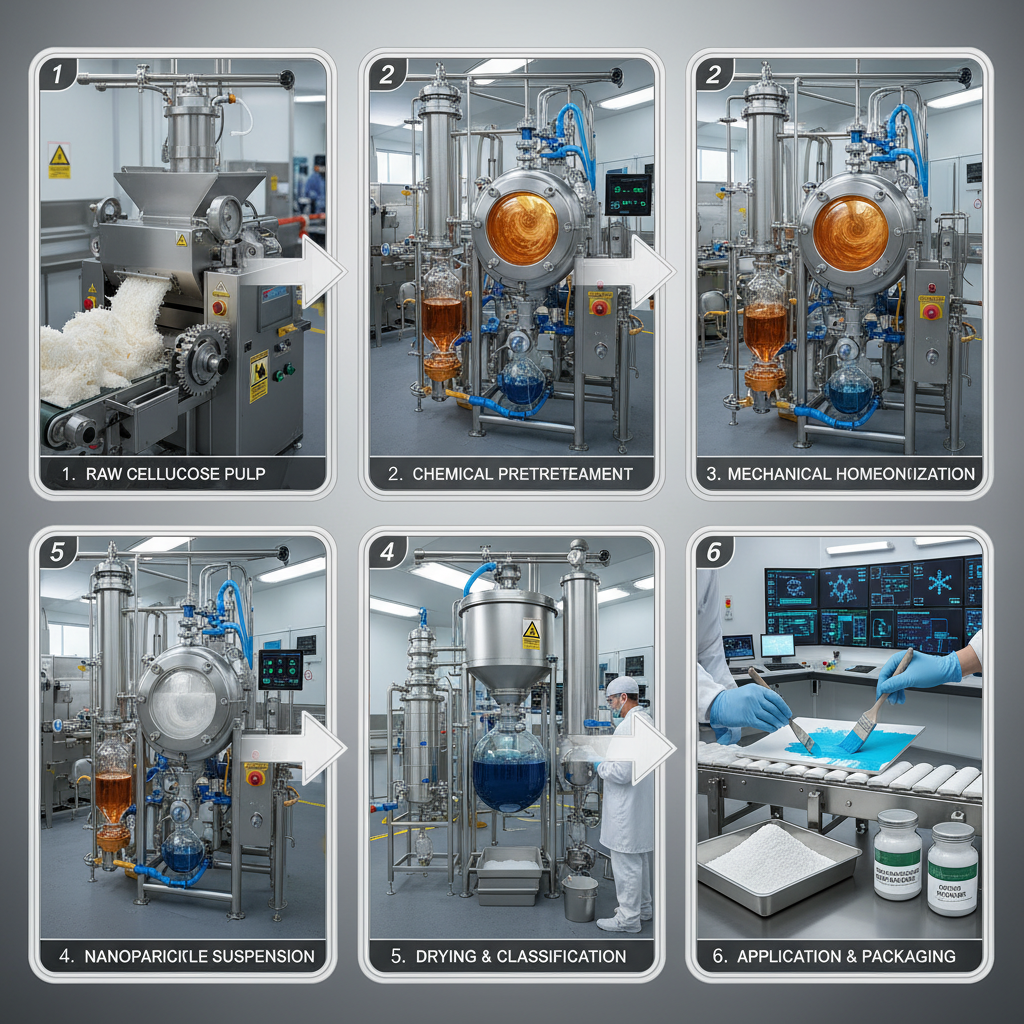
The emergence of cellulose nanoparticles has sparked a revolution in materials science, offering a sustainable alternative to synthetic polymers and inorganic fillers. As the world pivots toward a bio-based economy, these nano-scale particles derived from abundant plant sources are providing unprecedented mechanical strength and chemical versatility to industrial applications.
Understanding the potential of these particles is not merely an academic exercise but a commercial necessity for manufacturers in the chemical and construction sectors. By integrating these nanoparticles into existing product lines, companies can significantly enhance the durability, water resistance, and eco-profile of their offerings, meeting the stringent demands of modern green building certifications.
From reinforcing medical excipients to improving the rheology of high-performance mortars, cellulose nanoparticles serve as a bridge between nature's efficiency and human engineering. This comprehensive guide explores how these particles are redefining the boundaries of the specialty chemical industry.
Global Relevance of Cellulose Nanoparticles
On a global scale, the demand for sustainable building materials has surged as the UN Sustainable Development Goals push for a reduction in the carbon footprint of the construction industry. cellulose nanoparticles have emerged as a critical tool in this transition, allowing engineers to reduce the volume of carbon-intensive cement and synthetic resins without sacrificing structural integrity.
The challenge remains in replacing petroleum-based additives that have dominated the market for decades. By leveraging the high aspect ratio and surface reactivity of nanocellulose, the chemical industry is now solving the long-standing trade-off between environmental friendliness and industrial performance, ensuring that "green" materials are also "strong" materials.
Defining Cellulose Nanoparticles in Modern Industry
In simple terms, cellulose nanoparticles are incredibly small fibers or crystals extracted from the cell walls of plants. Unlike traditional cellulose used in paper or textiles, these nanoparticles are engineered to have a diameter in the nanometer range, which unlocks a massive surface area and exceptional mechanical properties that are virtually invisible to the naked eye but transformative in a chemical mixture.
In the context of modern industry, these particles function as "bio-nano-reinforcements." Whether they are used as Cellulose Nanocrystals (CNC) or Cellulose Nanofibrils (CNF), they integrate into polymer matrices or cementitious pastes to prevent micro-crack propagation and improve the thermal stability of the final product.
This connection to humanitarian needs is evident in the drive for affordable, durable housing. By enhancing the properties of local building materials with small dosages of nanocellulose, it is possible to create structures that are more resilient to extreme weather, providing safety and dignity to populations in developing regions.
Core Components and Performance Factors
The effectiveness of cellulose nanoparticles is primarily governed by their aspect ratio and surface chemistry. A high length-to-width ratio ensures that the particles can create a dense, interwoven network within a medium, which is essential for improving the viscosity and stability of construction chemicals like PCE or RDP VAE.
Another critical factor is the degree of crystallinity. Crystalline nanoparticles provide rigidity and strength, whereas amorphous regions allow for better flexibility and water absorption. By balancing these two states, manufacturers can tailor the cellulose nanoparticles to serve either as a hardening agent in gypsum retarders or a stabilizing agent in medical excipients.
Finally, dispersion quality determines the success of the application. Because these nanoparticles have a natural tendency to aggregate, the use of advanced surfactants or mechanical shearing is required. Proper dispersion ensures that the nanoparticles provide uniform reinforcement across the entire material, preventing weak points in the structural matrix.
Technical Scalability and Cost Efficiency
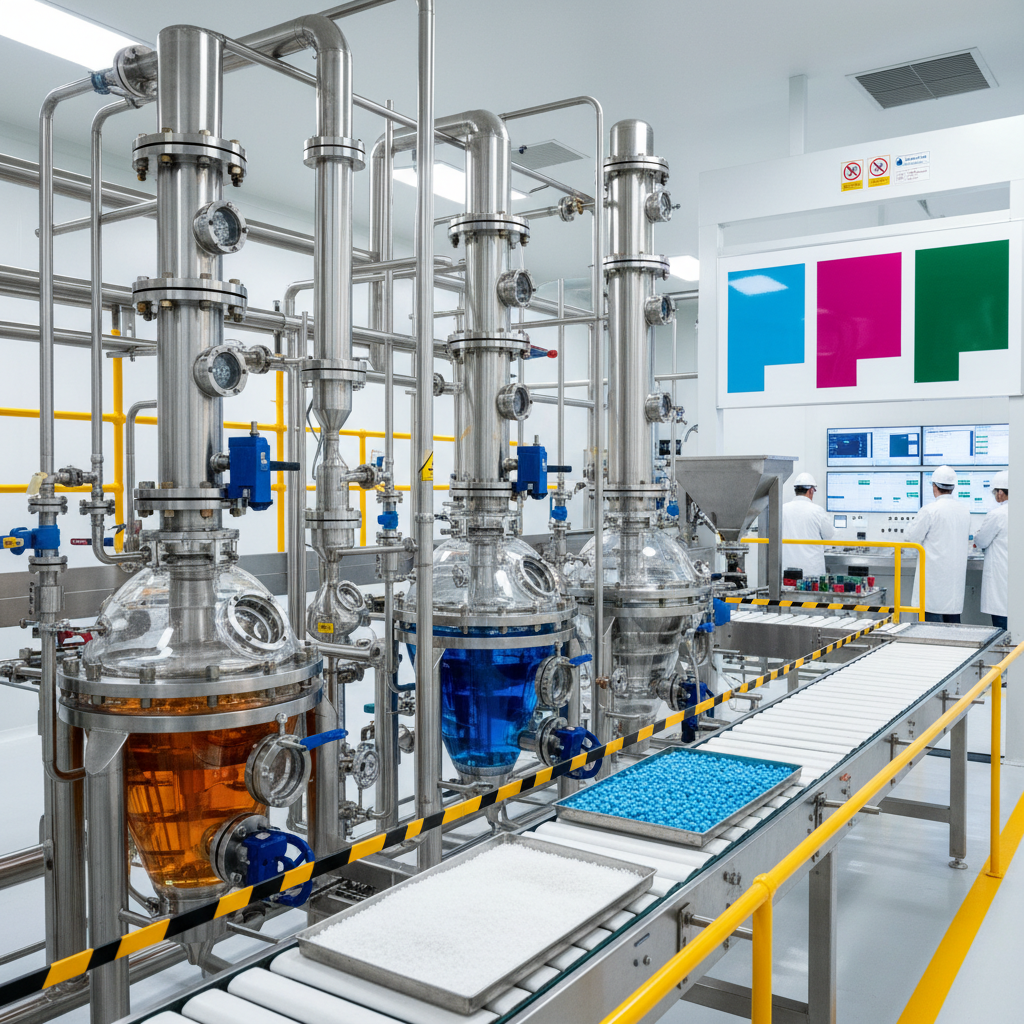
One of the primary hurdles in the widespread adoption of cellulose nanoparticles has been the cost of extraction. Traditional methods involving concentrated sulfuric acid hydrolysis were effective in the lab but difficult to scale. However, new enzymatic and mechanical refining processes are rapidly bringing the cost down, making them competitive with synthetic nano-silica.
When analyzing the long-term value, the cost-efficiency is found in the "dosage effect." Because these particles are so potent, a very small percentage (often less than 1% by weight) can produce a disproportionately large increase in strength and durability, reducing the need for other expensive additives.
Performance Comparison of Cellulose Nanoparticles Production Methods
Global Applications and Real-World Use Cases
In the realm of construction, cellulose nanoparticles are being utilized in high-performance concrete in Europe and North America to create "self-healing" materials. By controlling the hydration of cement, these nanoparticles ensure a denser microstructure, which is critical for infrastructure in coastal regions where salt-water corrosion is a constant threat.
Beyond construction, they are finding critical use in the pharmaceutical industry as medical excipients. Because they are biocompatible and biodegradable, they are used to create controlled-release drug delivery systems. In remote industrial zones or post-disaster relief operations, these advanced coatings can protect sensitive medical supplies from humidity and temperature fluctuations, ensuring the stability of life-saving medicines.
Long-Term Value and Sustainability Impact
The long-term value of transitioning to cellulose nanoparticles extends far beyond immediate technical gains. From a sustainability perspective, we are moving from "extract-use-discard" to a circular economy. Since cellulose is the most abundant organic polymer on Earth, its use reduces the global reliance on fossil-fuel-derived plastics and synthetic binders.
Logically, the reliability of bio-based nano-materials is now matching that of their synthetic counterparts. This shift fosters trust among architects and chemical engineers who previously viewed "bio-materials" as inferior. The result is a new standard of "ecological luxury" where strength and beauty are achieved without environmental degradation.
Emotionally, this innovation offers a sense of security. Knowing that the walls of a building or the packaging of a drug are derived from renewable forests rather than toxic chemical plants provides a psychological comfort that is increasingly valued by the modern consumer and regulated by international ESG (Environmental, Social, and Governance) standards.
Future Trends and Innovation Frontiers
The future of cellulose nanoparticles lies in the intersection of biotechnology and digital manufacturing. We are seeing the rise of "smart" nanocellulose, where particles are chemically modified to respond to external stimuli like pH changes or electrical currents, potentially leading to buildings that can sense structural stress and signal for repairs.
Automation in the production process is also a key trend. 3D printing of cellulose-based composites is becoming a reality, allowing for the creation of complex, lightweight structural components that were previously impossible to manufacture. This digital transformation reduces waste and allows for hyper-localized production of building materials.
As green energy policies tighten, the integration of these nanoparticles into energy-storage devices, such as biodegradable batteries and supercapacitors, is on the horizon. This will complete the circle, where plant-based materials not only build our cities but also power them.
Comparative Analysis of Cellulose Nanoparticles Across Industrial Sectors
| Industrial Sector |
Primary Function |
Key Performance Metric |
Sustainability Score |
| Construction |
Crack Reduction |
Compressive Strength |
9/10 |
| Pharmaceuticals |
Drug Carrier |
Biocompatibility |
10/10 |
| Packaging |
Gas Barrier |
Oxygen Permeability |
8/10 |
| Automotive |
Weight Reduction |
Tensile Modulus |
7/10 |
| Paints & Coatings |
Rheology Control |
Viscosity Stability |
9/10 |
| Textiles |
Flame Retardancy |
Thermal Stability |
8/10 |
FAQS
The primary difference lies in the surface area-to-volume ratio. While traditional powders act as bulk fillers, cellulose nanoparticles interact at the molecular level with other ingredients. This allows them to provide structural reinforcement, improve water retention, and modify the rheology of a product at much lower concentrations, leading to higher performance and better material efficiency.
Yes, they are highly compatible. In fact, they often work synergistically with Polycarboxylate Ether (PCE) and Redispersible Polymer Powder (RDP VAE). The nanoparticles can help stabilize the polymer network and improve the cohesion of the mortar, resulting in better adhesion and a significant reduction in shrinkage cracks in construction applications.
They drastically reduce the environmental footprint by replacing synthetic, petroleum-based reinforcements with renewable plant matter. Furthermore, because they enhance the lifespan of materials (by reducing cracks and corrosion), they decrease the frequency of repairs and demolition, which are major sources of CO2 emissions in the global construction cycle.
Absolutely. Due to their innate biocompatibility, non-toxicity, and biodegradability, they are ideal for medical excipients. They are used to create scaffolds for tissue engineering and advanced drug delivery systems that can safely dissolve in the body after the medication has been released.
While early methods were energy-intensive, the industry has shifted toward enzymatic and mechanical refining. These "green chemistry" approaches operate at lower temperatures and use fewer harsh chemicals, making the overall lifecycle of cellulose nanoparticles significantly more sustainable than that of carbon nanotubes or nano-silica.
Integration typically starts with the dispersion phase. Depending on the application, nanoparticles can be added as a pre-dispersed aqueous suspension or a dry powder. We recommend a pilot trial to optimize the dosage and mixing speed to ensure the particles are fully integrated without aggregation, maximizing the mechanical benefits.
Conclusion
In summary, cellulose nanoparticles represent a pivotal shift in chemical manufacturing, merging the raw power of nature with the precision of nanotechnology. By optimizing mechanical strength, improving sustainability, and offering versatility across construction and medical sectors, these particles solve the critical conflict between industrial efficiency and ecological responsibility.
Looking forward, the adoption of nanocellulose will be a hallmark of the next generation of "intelligent" and "green" materials. For manufacturers and engineers, the transition to these bio-based solutions is no longer just an ethical choice, but a strategic advantage that ensures long-term competitiveness in an increasingly regulated global market. Visit our website: www.tangzhihpmc.com