Hebei Tangzhi Technology Co., Ltd.


The global shift toward plant-based pharmaceutical excipients has placed a renewed spotlight on the technical capabilities of cellulose suppliers. As regulatory bodies tighten constraints on animal-derived gelatin, the industry is witnessing a rapid transition toward chemically modified cellulose derivatives that offer superior stability and biocompatibility.
This transition is not merely a matter of raw material substitution but involves complex engineering challenges. Achieving the precise balance of hydroxypropyl and methyl groups is critical to ensuring that hollow capsules maintain the necessary solubility and film-forming properties required for various drug delivery profiles.
In this technical analysis, we explore the manufacturing benchmarks and material selection criteria essential for sourcing high-grade cellulose. For those evaluating technical specifications, understanding the role of specialized cellulose suppliers is key to optimizing pharmaceutical formulation efficiency.


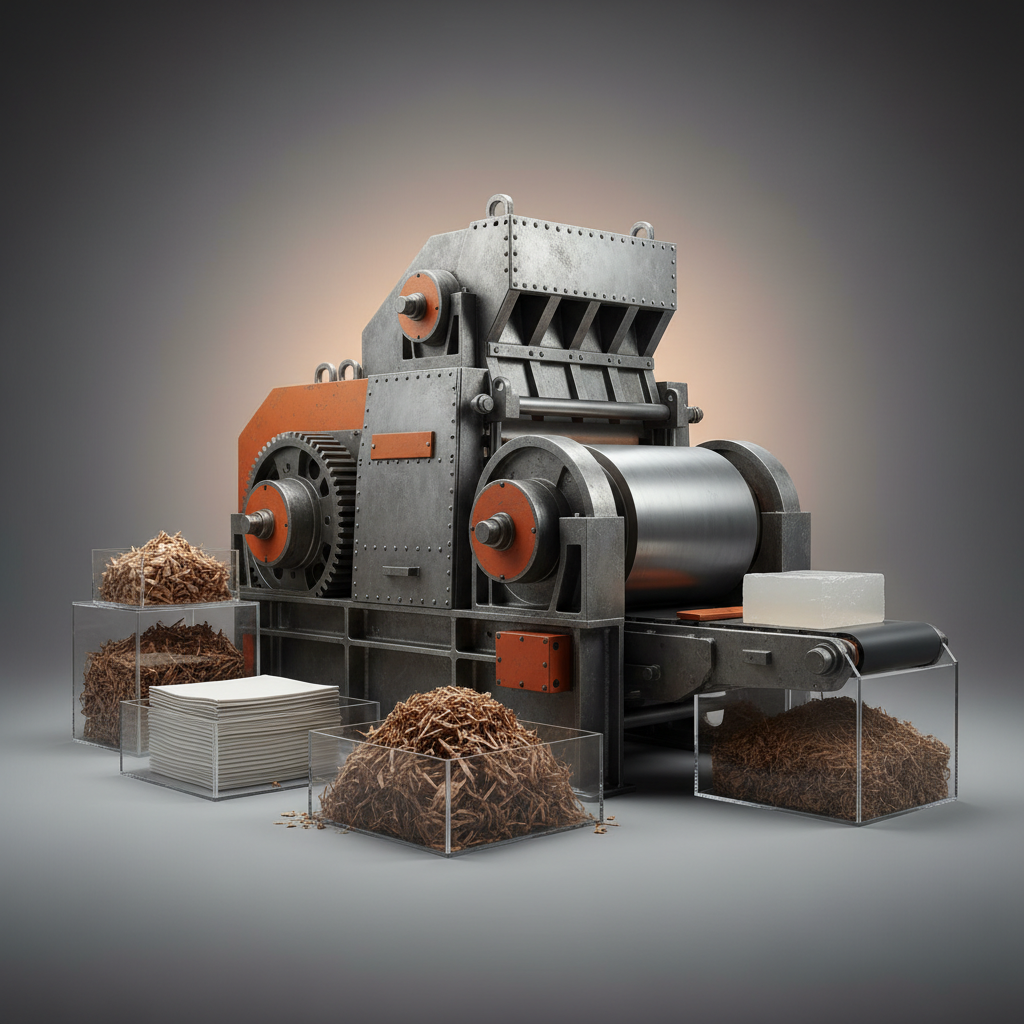
The production of Hydroxypropyl Methylcellulose (HPMC) relies on the chemical modification of natural cellulose extracted from plant sources like wood or cotton. Through an etherification reaction, hydrophilic groups—specifically hydroxypropyl and methyl groups—are grafted onto the cellulose molecules.
This molecular alteration transforms an insoluble natural polymer into a versatile material with controlled solubility and excellent film-forming capabilities. The resulting product is a white or off-white granular powder that serves as a critical pharmaceutical excipient.
From an engineering perspective, the efficacy of HPMC in capsule shells is determined by its substitution levels. A typical pharmaceutical-grade HPMC maintains a Methoxy content between 27-30% and a Hydroxypropoxy content of 6.0-10.0%. These ratios directly influence the polymer's thermal gelation temperature and its interaction with water.
Purity is equally paramount. High-quality production requires strict limits on ignition residue (≤ 1.5%) and heavy metals (≤ 20 ppm). The absence of ethylene oxide and 2-chloroethanol is non-negotiable for materials complying with the 2020 Chinese Pharmacopoeia standards, as these residuals can compromise patient safety.
Physicochemical stability is observed through its solubility profile: while almost insoluble in anhydrous ethanol or acetone, it swells into a clear colloidal solution in cold water. This specific behavior allows for the creation of stable, moisture-resistant capsule walls that protect sensitive active pharmaceutical ingredients (APIs).
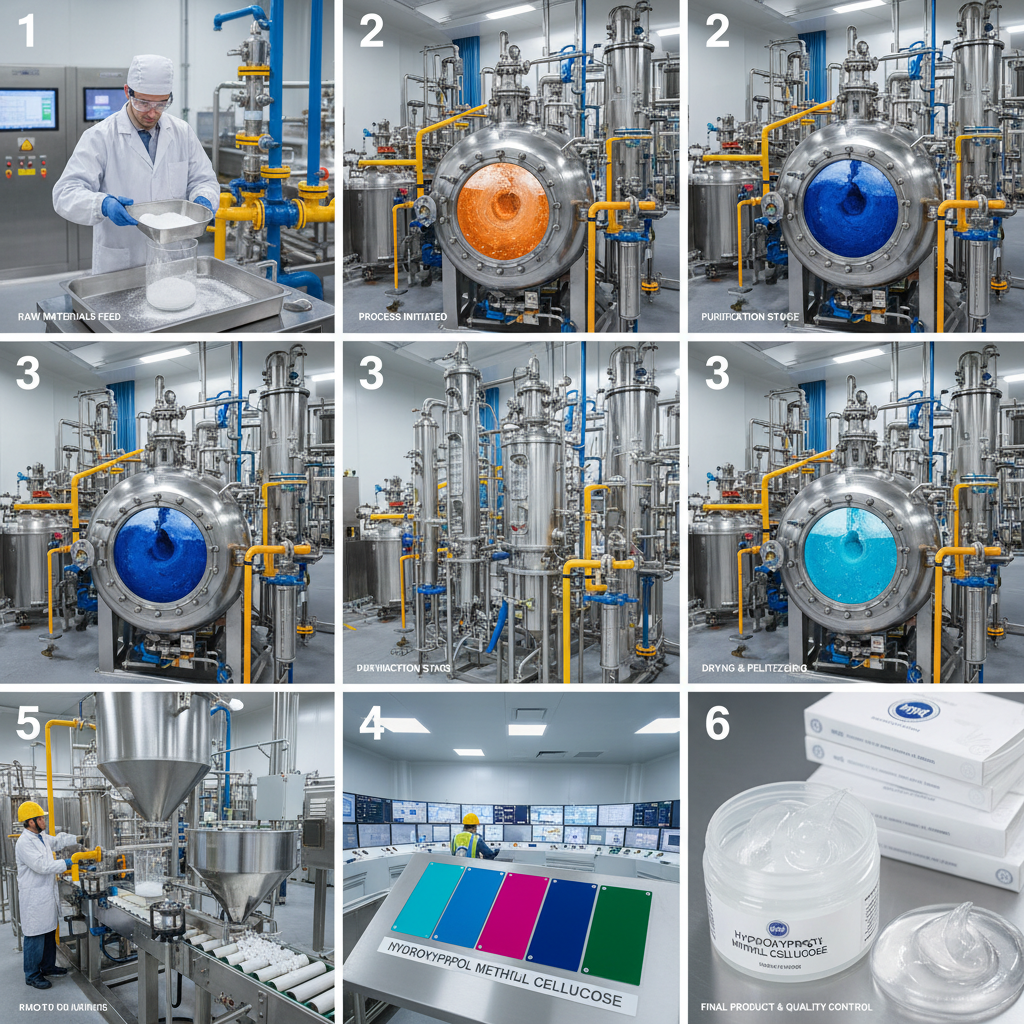
The synthesis of HPMC is a multi-stage process where the "alkalinization treatment" serves as the foundation. By reacting cellulose with sodium hydroxide (NaOH) at low temperatures, hydrogen bonds are broken, opening the cellulose chains for subsequent reactions.
Post-reaction processing involves rigorous neutralization and multiple water washings to remove residual alkali and by-products. The final drying and crushing phase ensures a precise particle size distribution, which is essential for the uniform filling of capsule manufacturing machinery.
The performance of HPMC is often evaluated against traditional gelatin based on its dissolution behavior in gastric acids and its moisture-protective properties. Engineering data indicates that HPMC capsules can offer up to 10% higher solubility in specific conditions, significantly shortening the average dissolution time.
To quantify these advantages, we utilize a normalized engineering assessment scale. This metric considers the balance between chemical stability, the rate of disintegration, and the absence of cross-linking reactions with hygroscopic drug contents.
In typical deployment scenarios, HPMC is utilized for filling moisture-sensitive drugs that would otherwise cause cross-linking in gelatin molecules. Its low water content makes it an ideal candidate for traditional Chinese medicine products and health foods with strong hygroscopicity, ensuring the capsule shell does not absorb moisture from the contents.
From a consumer experience standpoint, the material's ability to cover the bitter taste of drugs enhances swallowability. Furthermore, because it is 100% plant-based, it eliminates risks associated with animal-derived materials, such as infectious diseases or allergens, meeting the demands of vegan and halal markets.
The next phase of development for cellulose derivatives focuses on "intelligent release" profiles. Researchers are exploring ways to further modify the degree of substitution to create pH-responsive shells that can target specific sections of the gastrointestinal tract more accurately.
Sustainability in the supply chain is also becoming a primary engineering requirement. Transitioning toward more energy-efficient etherification processes and reducing the use of organic solvents in the washing phase are key R&D directions for leading manufacturers.
As personalized medicine grows, the demand for customized viscosity grades will increase. This will require suppliers to move toward more agile, small-batch production lines that can maintain pharmaceutical-grade purity while varying the molecular weight of the HPMC.
When selecting a partner among various cellulose suppliers, procurement officers must evaluate more than just price. The correlation between substitution levels, purity, and the intended pharmaceutical application is the primary driver of final product quality.
The following matrix provides an engineering framework for comparing different configuration profiles based on typical pharmaceutical requirements.
It is recommended to verify all parameters against the manufacturer's technical documentation to ensure alignment with specific pharmacopoeia standards.
| Configuration Type | Substitution Profile | Solubility Factor | Recommended Use Case |
|---|---|---|---|
| Standard Grade | Medium Methoxy | Balanced | General Health Supplements |
| High-Purity Pharma | Strict Range (27-30%) | Fast Dissolution | Hollow Pharmaceutical Capsules |
| Moisture-Resistant | Higher Hydroxypropyl | Low Hygroscopicity | Hygroscopic TCM Products |
| Low-Viscosity | Controlled Molecular Wt. | High Clarity | Liquid-filled Capsules |
| Industrial Baseline | Variable Substitution | Standard | Construction/Cosmetic Use |
| Customized Profile | Specified Methoxy/HP | Optimized | Targeted Drug Release |
HPMC is plant-based, removing risks of animal-borne diseases and meeting dietary restrictions. Technically, it exhibits higher chemical stability, does not undergo cross-linking reactions with hygroscopic drugs, and often provides faster dissolution in gastric acid, which can improve the bioavailability of certain active ingredients.
The ratio of methoxy and hydroxypropyl groups determines the polymer's hydrophilicity and thermal properties. A higher methoxy content generally increases the gelation temperature, while the hydroxypropyl groups influence the film-forming capability and water retention, directly impacting the shell's brittleness and permeability.
Agglomeration typically occurs if the dispersion water temperature is below 80°C during the initial mixing phase or if stirring is insufficient. To prevent this, the material should be dispersed in hot water first, then cooled to room temperature, or high-shear mixing equipment should be used to ensure uniform wetting.
HPMC is sensitive to moisture and sunlight. It must be stored in a sealed, dry environment, protected from rain and direct UV exposure. Failure to control humidity can lead to clumping and potential degradation of the chemical substitution levels, which would compromise the consistency of the capsule shells.
HPMC is generally chemically inert and does not react with most drug contents. Unlike gelatin, it is particularly suitable for APIs that cause cross-linking. However, users should still verify compatibility with highly acidic or basic contents that might affect the degradation rate of the cellulose backbone over long-term storage.
Buyers should request a detailed Certificate of Analysis (CoA) focusing on substitution percentages (Methoxy/Hydroxypropoxy), loss on drying, and residue levels. Testing for the absence of 2-chloroethanol is critical. Furthermore, requesting samples for viscosity testing under standardized conditions ensures the material matches the intended production speed.
The shift toward HPMC represents a broader industry trend of prioritizing biocompatibility and chemical precision. By optimizing the etherification process and strictly controlling substitution ratios, manufacturers can produce capsule shells that outperform traditional materials in stability and safety.
For pharmaceutical engineers, the key to success lies in aligning the material's physicochemical properties with the specific needs of the API. Partnering with technically proficient cellulose suppliers ensures that these stringent quality benchmarks are met, ultimately enhancing the efficacy and reliability of the final drug delivery system.