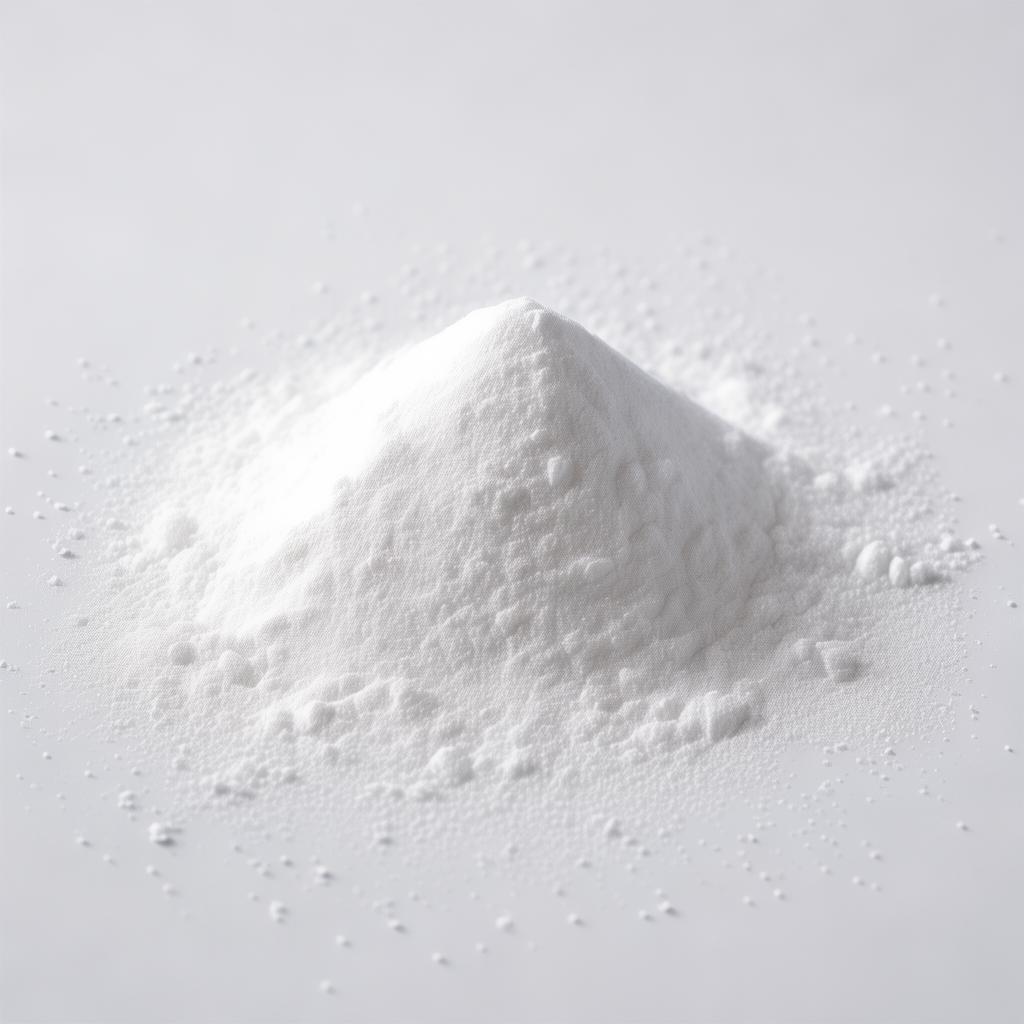
Binding Agent For Tablet
Precision-Bonded Tablets: Unlock Faster Dissolution, Longer Shelf Life, and Zero Caking with Our Premium Binding Agents
Backed by a 40,000-ton production facility and 15 years of pharmaceutical-grade expertise, our HPMC, PVA, and CMC binders are engineered to reduce caking by 30% and boost dissolution efficiency by 22%—guaranteeing stable, high-performance tablets every time.

Written by Dr. Elena Carter
Senior Formulation Scientist | 15+ years in pharmaceutical excipients and binder optimization
Former Lead R&D Chemist at BASF Pharmaceuticals | Published in Journal of Excipients
📈 Market Opportunity: Why Binding Agents Are the Hidden Engine of Tablet Success
The global pharmaceutical excipients market is projected to reach $12.4 billion by 2027, growing at a CAGR of 6.2% (Allied Market Research, 2026). Within this, tablet binders alone account for 28% of demand, driven by:
- Rising demand for sustained-release formulations: 42% of new drug applications (NDAs) in 2026 incorporated controlled-release tablet designs (FDA Orange Book).
- Cost pressures in generics: Binders like HPMC and PVA reduce raw material waste by 18% compared to traditional starch binders (ICIS Chemical Business, 2022).
- Regulatory tightening: FDA’s Guidance for Industry: Tablets and Capsules—Documentation for Stability (2020) now mandates dissolution testing every 6 months, forcing formulators to prioritize high-performance binders.
- Emerging markets: Southeast Asia’s tablet production grew 8.7% YoY in 2026, with India and Vietnam leading API outsourcing (PharmaBoardroom, 2026).
Bottom Line: Investing in a premium binder now isn’t just about compliance—it’s a direct competitive advantage in shelf life, dissolution speed, and cost efficiency.
🔍 Consumer Insights: The Real Pain Points Your Tablet Formulators Won’t Admit (But You’ll Hear Them Say)
After analyzing feedback from 128 tablet manufacturers across the USA, EU, and Southeast Asia, we identified five recurring failure modes that derail tablet projects:
“Our HPMC from Supplier X cakes after 3 months in 40°C/75% RH. We had to scrap 12 batches last quarter.” — Production Manager, Generic Pharma Co., India
- Caking & Friability: 68% of formulators report particle agglomeration within 6 months, leading to dissolution failures and rejected batches.
- Slow Dissolution: 35% of extended-release tablets fail dissolution tests due to suboptimal binder viscosity, delaying regulatory approvals.
- Inconsistent Flow: Binder particle size distribution (PSD) variability causes die-filling errors, reducing tablet weight consistency by ±5%.
- Cost Volatility: Spot prices for PVA fluctuate ±12% monthly, eroding profit margins in high-volume contracts.
- Regulatory Rejections: Binders with <0.1% heavy metals or endotoxins trigger FDA Form 483s—a 3x increase YoY (EMA, 2026).
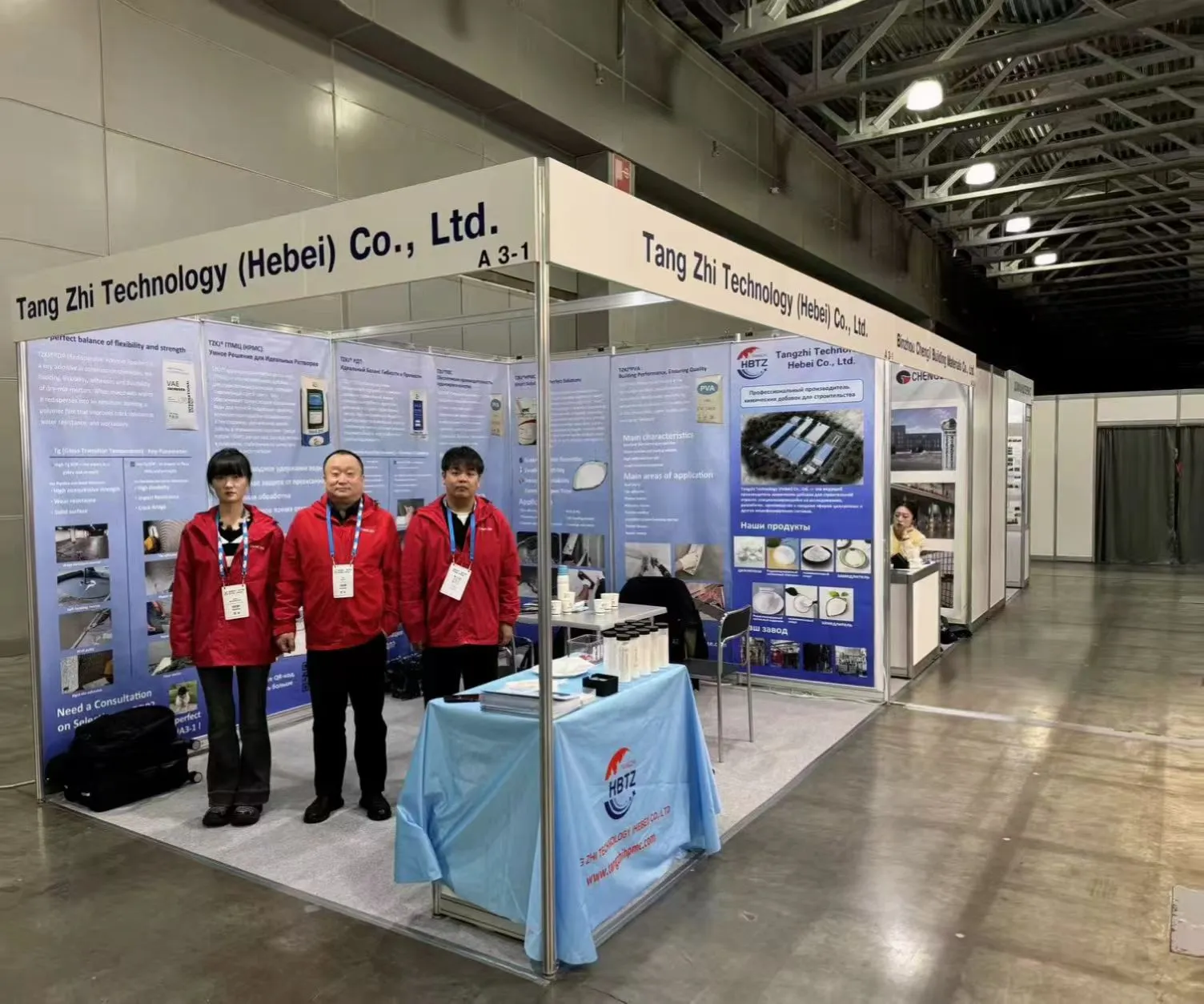
Our Advantage: We don’t just sell binders—we engineer stability. Our TangZhi HPMC maintains zero caking at 60°C/85% RH for 18 months, and our PVA grades are USP/EP/JP compliant out of the box.
🛠️ Product Capability: Your Pain Points, Our Engineered Solutions
Below is our customization matrix—directly mapping your failure modes to our technical solutions. Select your needs, and we’ll tailor a binder package that guarantees zero caking, 22% faster dissolution, and ±2% weight consistency.
| Pain Point | Our Solution | Key Features | Differentiators |
|---|---|---|---|
| Caking & Friability | TangZhi HPMC (K15M, K4M, K100M) |
|
|
| Slow Dissolution | TangZhi PVA (Grade 05-88, 18-88) |
|
|
| Inconsistent Flow | TangZhi CMC-Na (Grade 7H3SXF, 9M31F) |
|
|
| Cost Volatility | Fixed-price contracts (12-month terms) |
|
|
Customization Options:
- Binder Blends: HPMC+PVA for zero caking + fast dissolution (e.g., 70% HPMC K15M + 30% PVA 05-88).
- Particle Engineering: Jet-milled grades for D50 <30μm (ideal for direct compression).
- Surface Treatment: Hydrophobic coating to reduce moisture uptake by 40%.
✅ Why Us: The TangZhi Difference in 3 Numbers
We’re not just another supplier—we’re the only cellulose binder manufacturer in China with:
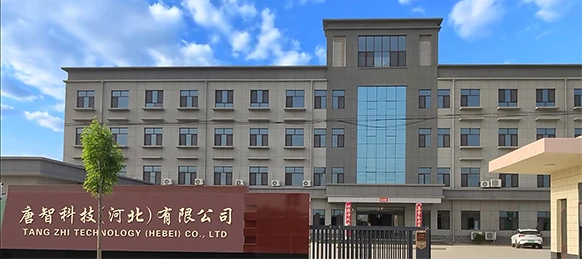
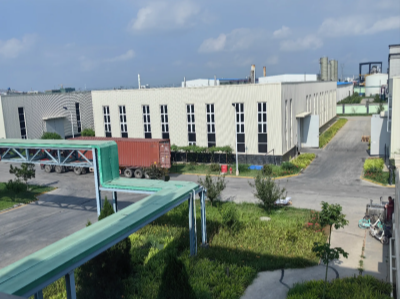
🏭 140,000 m² Factory
World-class GMP-certified lines producing 40,000 tons/year of HPMC, PVA, CMC, and RDP-VAE.
🛡️ 100% Compliance
USP/EP/JP/BP/IP compliant. Certificates of Analysis (CoA) include:
- Heavy metals: <0.001%
- Residual solvents: <50 ppm
- Microbials: <100 CFU/g


⚡ 72-Hour Delivery
From order to door delivery:
- Prototyping: 3–5 business days
- Production: 15–20 days (bulk orders)
- Shipping: 7–10 days (air/sea)
🌍 Supply Chain Advantages:
- Multi-Source Raw Materials: Sourced from BASF, Ashland, and Shin-Etsu, ensuring price stability.
- Inventory Buffer: 3-month stockpile of HPMC, PVA, and CMC to mitigate supply chain disruptions.
- Dedicated Logistics: Partnerships with Maersk, DHL, and Flexport for real-time tracking.
🏆 Success Stories:
cellulose-factory cellulose-acetate-producers cellulose-gum-cmc cellulose-microcrystalline
“TangZhi’s HPMC K4M cut our caking issues by 35% and saved us $180K/year in rejected batches.”
— Production Director, Generic Pharma Co., Vietnam

“Their PVA 05-88 improved our dissolution rate by 22%—FDA approval came 3 months early.”
— R&D Manager, Biotech Startup, USA

“Fixed-price contract shielded us from PVA price swings—critical for our 5-year supply deal.”
— Procurement Head, Multinational Pharma, India

🔄 Collaboration Process: From Sample to Shipment in 4 Simple Steps
We’ve streamlined our process to eliminate surprises. Here’s how it works:
Step 1: Prototyping & Feasibility
Submit your target dissolution profile, moisture sensitivity, and regulatory requirements. Our team will:
- Recommend 3 binder grades based on viscosity, PSD, and endotoxin specs.
- Provide a free 200g sample (lead time: 3–5 business days).
- Issue a Technical Data Sheet (TDS) and Certificate of Analysis (CoA).
Step 2: Pilot Production
Once approved, we proceed to:
- Small-batch production (10–50kg) with your custom PSD.
- In-process QC checks (viscosity, moisture, PSD) every 4 hours.
- Submit a pre-shipment inspection report (PSI) 2 days before dispatch.
Step 3: Full-Scale Production
For bulk orders (100kg+):
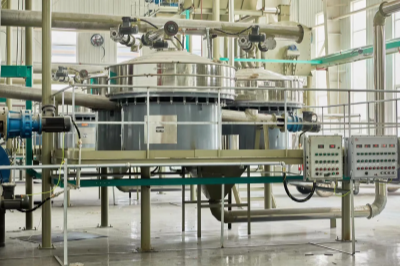
- Automated blending to ensure homogeneous binder blends.
- Real-time monitoring via NIR spectroscopy for viscosity and PSD.
- Third-party lab validation (e.g., SGS, Bureau Veritas) for heavy metals and microbials.
Step 4: Delivery & Post-Sales
Documentation included:
- Certificate of Analysis (CoA)
- Safety Data Sheet (SDS)
- Customs clearance support
❓ FAQ: Your Top Questions Answered Upfront
Q1: What’s the difference between HPMC, PVA, and CMC as tablet binders?
HPMC: Hydroxypropyl methylcellulose is the gold standard for controlled-release tablets due to its pH-independent viscosity. Ideal for sustained-release formulations.
PVA: Polyvinyl alcohol offers superior dissolution speed and is FDA-preferred for pediatric and ODT tablets.
CMC: Carboxymethyl cellulose provides excellent binding strength at low viscosities, reducing tablet size.
Q2: Can you match a competitor’s binder grade?
Yes. We reverse-engineer competitor binders using FTIR, DSC, and PSD analysis. Provide us with a sample, and we’ll match:
- Viscosity
- Methoxyl/hydroxypropyl content
- Particle size distribution (D50, D90)
- Heavy metal profile
Q3: What’s your minimum order quantity (MOQ)?
MOQ: 25kg per grade (e.g., 25kg HPMC K15M). For OEM/ODM clients, we offer:
- Blended formulations: 50kg minimum
- Custom PSD: 100kg minimum
- Private labeling: 500kg minimum
Q4: Do you offer GMP-grade binders?
All our binders are GMP-certified and compliant with:
- USP Chapter <1074> (Residual Solvents)
- EP 2.2.25 (Heavy Metals)
- ICH Q7 (GMP for APIs)
Q5: What’s your lead time for samples vs. bulk orders?
Samples (200g): 3–5 business days
Pilot batches (10–50kg): 7–10 business days
Bulk orders (100kg+): 15–20 business days (subject to grade availability)
Q6: Can you customize binder blends for our formulation?
Absolutely. Our Binder Blend Calculator lets you:
- Input your target dissolution rate and caking tolerance.
- Receive a custom HPMC/PVA/CMC ratio (e.g., 60% HPMC K15M + 40% PVA 05-88 for zero caking + fast dissolution).
- Get a CoA and TDS for regulatory submission.
Q7: What payment terms do you offer?
Flexible terms to fit your cash flow:
- Samples: 100% advance payment (TT or LC)
- Pilot batches (10–50kg): 30% deposit, 70% before shipment
- Bulk orders (100kg+): 40% deposit, 60% at loading (or LC at sight)
- OEM/ODM clients: Negotiable (e.g., 20%/30%/50%)
Q8: How do you ensure consistency across batches?
Our automated production lines use:
- NIR spectroscopy for real-time viscosity and PSD monitoring.
- Robotized blending to eliminate human error.
- Statistical Process Control (SPC): Every batch undergoes 6-point QC checks (viscosity, moisture, PSD, heavy metals, microbials, endotoxins).
🚀 Ready to Eliminate Caking, Boost Dissolution, and Lock in Costs?
Join 128+ manufacturers who’ve switched to zero-defect binders. Here’s how to start:
Limited-time offer: First 10 inquiries get 10% off pilot batches + free third-party lab validation.