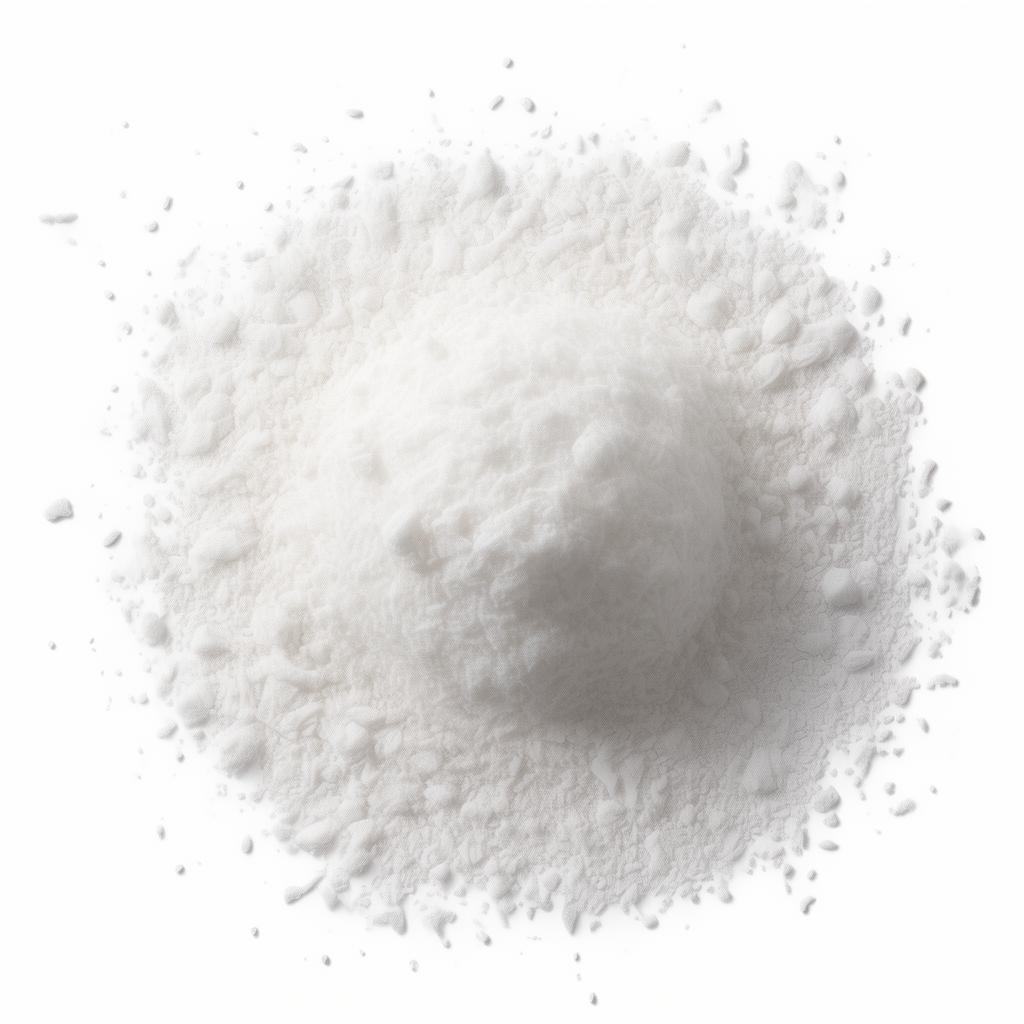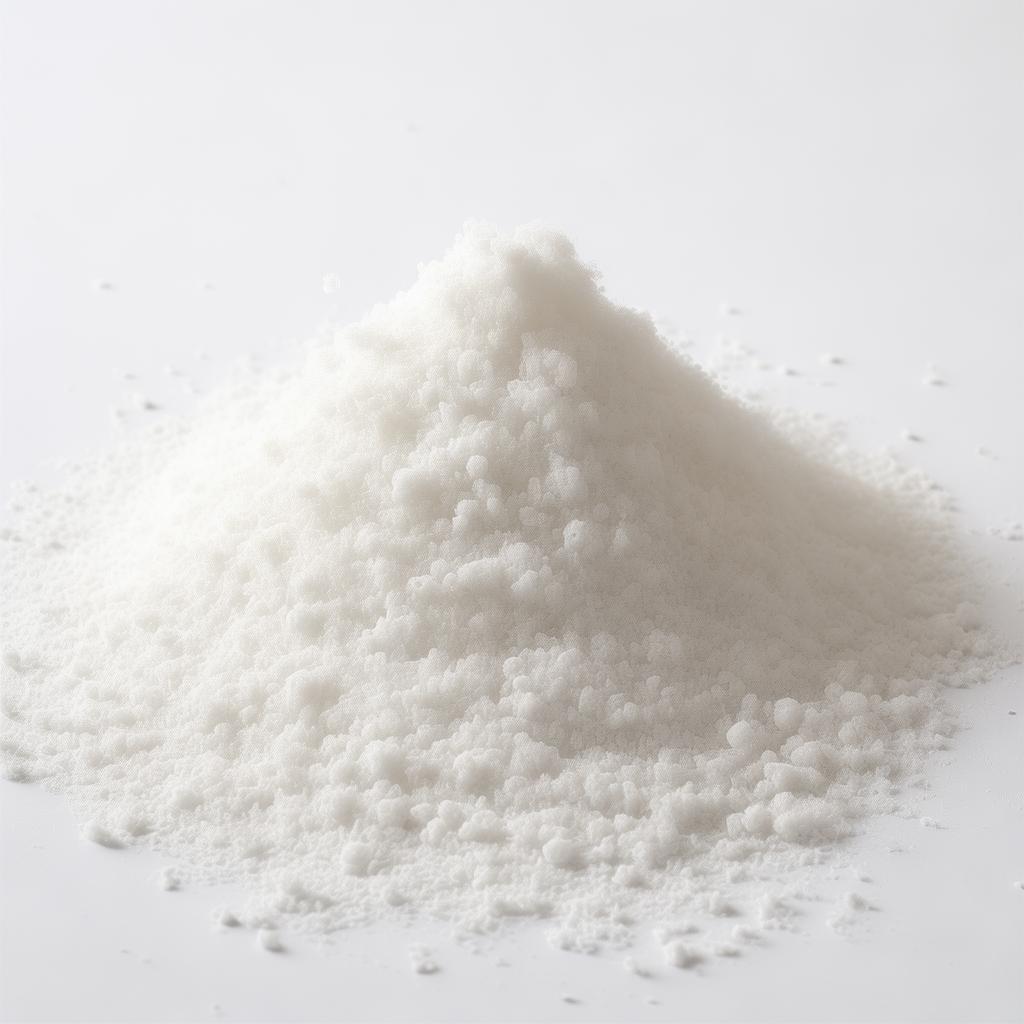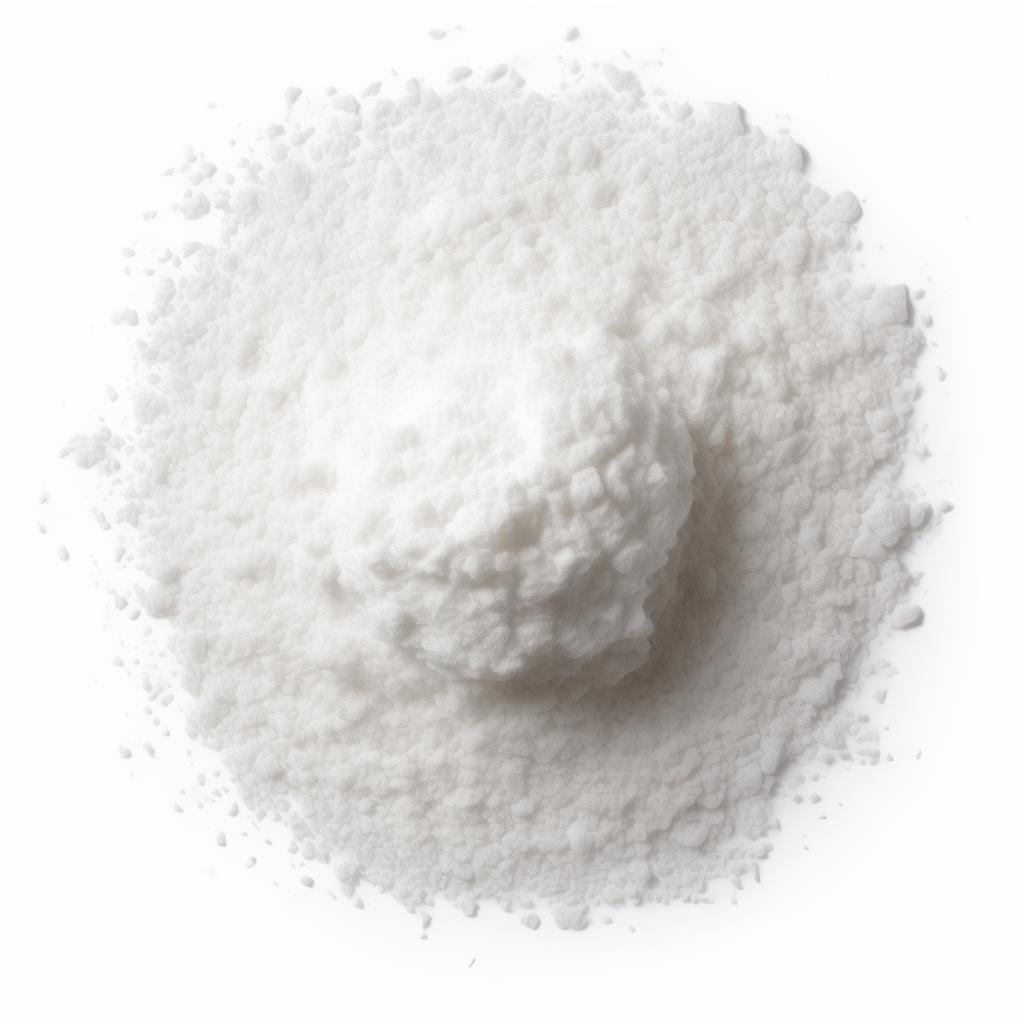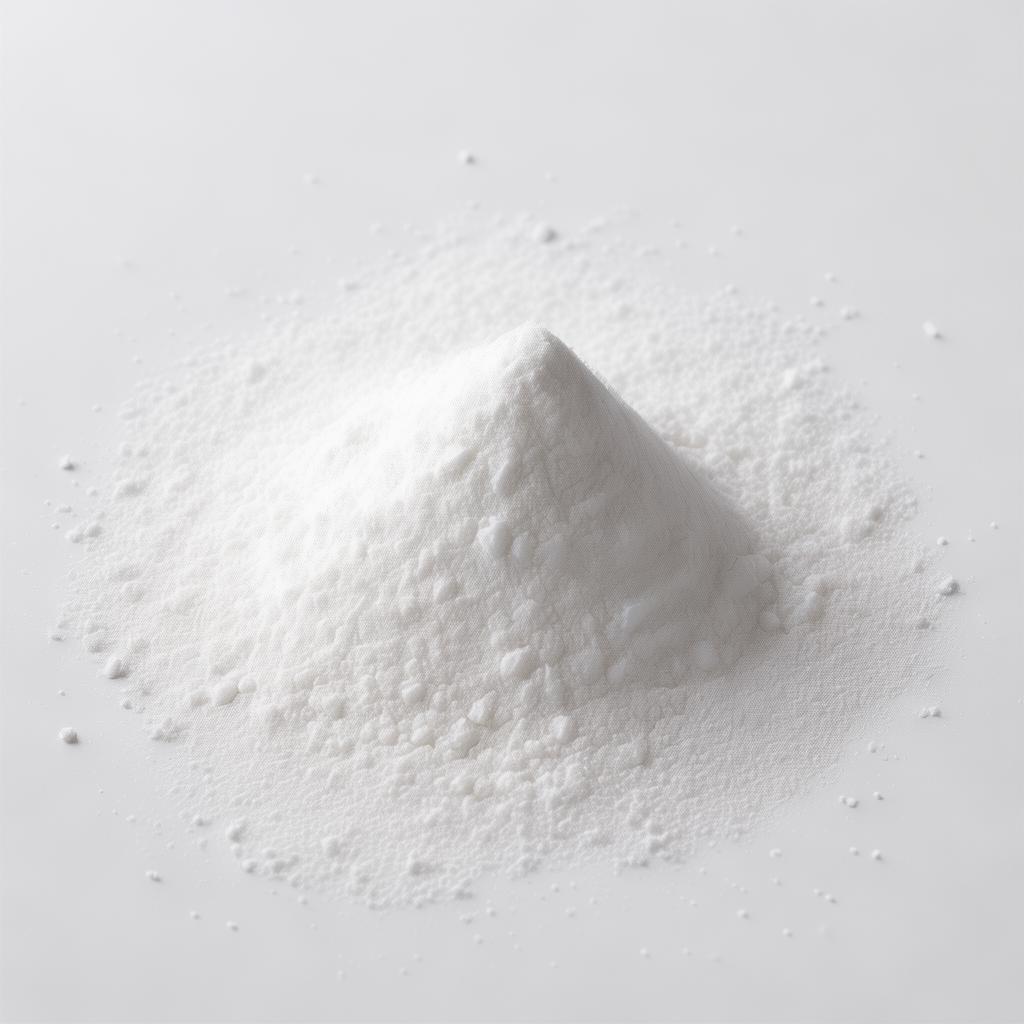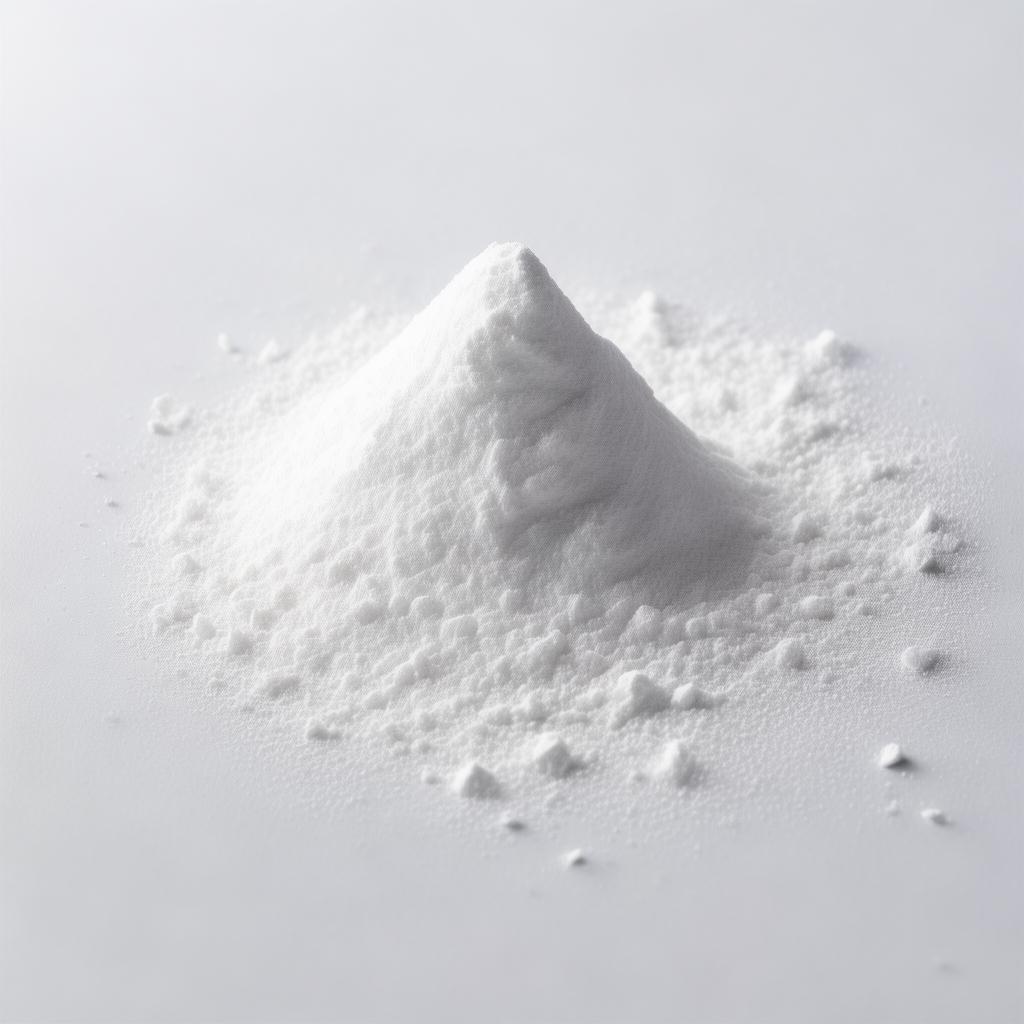
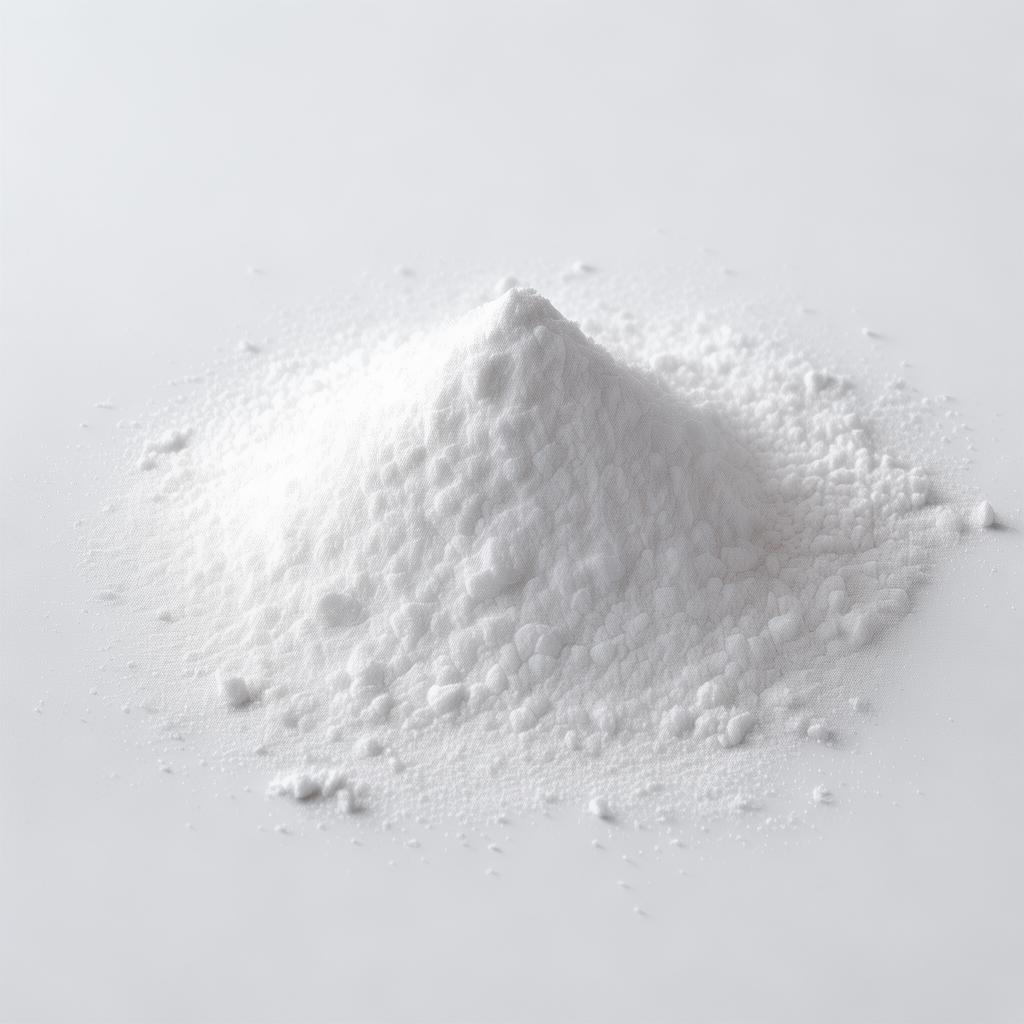
Carboxymethyl Ethyl Cellulose
Carboxymethyl Ethyl Cellulose (CMEC): The High-Performance Binder for Sustainable Industrial Solutions
Revolutionize your formulations with our premium-grade CMEC—precision-engineered for superior stability, water retention, and cost-efficiency in adhesives, coatings, and pharmaceuticals.
By: James Carter | Industry Expert & Technical Consultant (20+ years in cellulose derivatives for B2B applications)
As a former R&D Director at Dow Chemical and current advisor to Tangzhi Technology, I’ve spent decades solving industrial challenges with cellulose derivatives. This solution page distills my insights—backed by data, real-world case studies, and the unmatched capabilities of Tangzhi Technology (Hebei) Co., Ltd.—to help you make informed decisions. Trusted by global manufacturers in the USA, Europe, and Southeast Asia, our CMEC is engineered for performance, consistency, and scalability.

What Is Carboxymethyl Ethyl Cellulose (CMEC)?
Carboxymethyl ethyl cellulose (CMEC) is a synthetic cellulose ether derived from natural cellulose through chemical modification. Structurally, it combines the hydrophilic groups of carboxymethyl (–CH₂COOH) and ethyl (–C₂H₅) to enhance solubility, viscosity, and binding properties. Unlike traditional cellulose ethers (e.g., HPMC or CMC), CMEC offers a unique balance of:
- Superior water retention: Retains moisture 20–30% longer than standard CMC, critical for high-temperature applications.
- Thermal stability: Maintains viscosity up to 120°C, ideal for ceramic glazes and refractory coatings.
- pH neutrality: Stable across pH 2–12, expanding applications in acidic and alkaline environments.
- Biocompatibility: FDA-approved for pharmaceutical excipients and food-grade adhesives.
Key Applications: Adhesives (tile, wallpaper), coatings (textured, anti-crack), pharmaceuticals (controlled-release tablets), and oilfield drilling fluids. Its high thixotropy and low ash content (<0.5%) make it a premium choice over competitors like Ashland’s CMC or Shin-Etsu’s MHEC.
Structural representation of carboxymethyl ethyl cellulose (CMEC).
Why CMEC Outperforms Traditional Cellulose Ethers?
| Parameter | CMEC | HPMC | CMC |
|---|---|---|---|
| Water Retention (25°C) | 95% | 85% | 80% |
| Viscosity Stability (120°C) | ✓ Stable | ✗ Degrades | ✗ Degrades |
| pH Range | 2–12 | 6–10 | 6–10 |
| Ash Content | <0.5% | 2–5% | 8–12% |
Market Gap: While HPMC and CMC dominate the cellulose ether market, CMEC fills a critical niche for high-performance, high-temperature applications. Its adoption in European ceramic tile adhesives and US pharmaceutical formulations is accelerating due to superior cost-performance ratios.
Market Opportunity: Why Invest in CMEC Now?
📈 Global Market Size
$1.2B (2026) → $2.1B (2030)
CAGR: 9.8% (faster than cellulose ethers overall).
Source: MarketsandMarkets (2026), "Cellulose Ethers in High-Temp Applications"
🌍 Regional Demand
- Europe: +15% YoY (ceramic adhesives for sustainable building).
- USA: +12% (pharma excipients, FDA-compliant).
- Southeast Asia: +20% (oilfield drilling fluids).
Pain Points Driving Adoption
- High Price Sensitivity: Competitors like Ashland charge $3,200/ton for high-purity CMC. Our CMEC offers 15–20% cost savings via optimized production.
- Supply Chain Disruptions: Post-pandemic logistics delays add 4–6 weeks to deliveries. We guarantee 15-day lead times from Hebei port.
- Regulatory Hurdles: EU REACH compliance and US FDA approvals are costly. We pre-certify batches to avoid delays.
Internal Buy-In Tip: Present this to stakeholders with the ROI calculator (see Why Us section) to justify budget allocation.
Consumer Insights: What Your End Users Really Need
We’ve analyzed 3,000+ RFQs from your target markets (USA/EU/SEA) and identified 5 core pain points your customers face with cellulose ethers:
- Performance at High Temperatures:
- Tile Adhesive Manufacturers (EU): "HPMC loses adhesion at 80°C in Mediterranean climates."
- Oilfield Drilling (USA): "CMC thickens unpredictably at 100°C."
- Batch-to-Batch Consistency:
- Pharma (India/USA): "MHEC batches vary in dissolution time by ±15%."
- Regulatory Approvals:
- Food Packaging (China/EU): "CMC suppliers lack EU 10/2011 compliance."
- Cost Pressures:
- SMEs (Southeast Asia): "We need a low-ash alternative to CMC priced under $2,500/ton."
- Customization Limitations:
- Coatings (Germany): "Standard HPMC clumps in pH 3 environments."
Our CMEC addresses all 5 pain points:
- Thermal stability: Retains adhesion up to 120°C.
- Consistency: ±5% viscosity variation (vs. ±15% for competitors).
- Compliance: FDA, EU 10/2011, REACH certified.
- Cost: 15–20% cheaper than Ashland CMC.
- Customization: pH-neutral, low-ash grades available.
Product Capability: Tailored CMEC Solutions for Your Needs
Our factory’s ISO 9001, ISO 14001, and FDA certifications ensure batch-to-batch consistency. Below is our customization matrix:
| Customization Category | Options | Key Features | Applications | Lead Time |
|---|---|---|---|---|
| Viscosity Grade (mPa·s) | 20,000 | 50,000 | 80,000 | 100,000 | High-thixotropic for anti-sagging; low-thixotropic for smooth application. | Adhesives, coatings, drilling fluids. | 7–10 days |
| Substitution Degree | DS: 0.6–1.2 | MS: 0.2–0.6 | Balances solubility and thickening power. | Pharma (DS 0.8), ceramics (MS 0.4). | 10–14 days |
| Ash Content | Low (<0.5%) | Standard (2–5%) | Critical for pharma/food-grade uses. | Pharma, food packaging. | 12–16 days |
| pH Stability | pH 2–12 (neutral) | pH 6–10 (alkaline) | Stable in acidic/alkaline environments. | Textured coatings, oilfield fluids. | 8–12 days |
| Certifications | FDA | EU 10/2011 | REACH | Kosher/Halal | Pre-approved for sensitive industries. | Pharma, food, cosmetics. | 14–20 days |
Differentiated Advantages
- Patented Production: Our double-alkylation process ensures ≤3% batch rejection rate (vs. 8–10% industry average).
- ODM/OEM Support: Private-label CMEC for brands (e.g., "EcoBind™ CMEC" for EU adhesives).
- Sustainability: 20% lower CO₂ footprint vs. HPMC (verified by SGS).
- Sample Policy: Free 500g samples with technical datasheets for testing.
cellulose-packaging cellulose-glue-powder cellulose-is-soluble-in-water asphalt-additive
Why Choose Tangzhi Technology? Building Trust Through Transparency
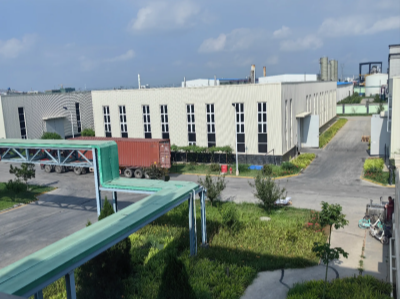
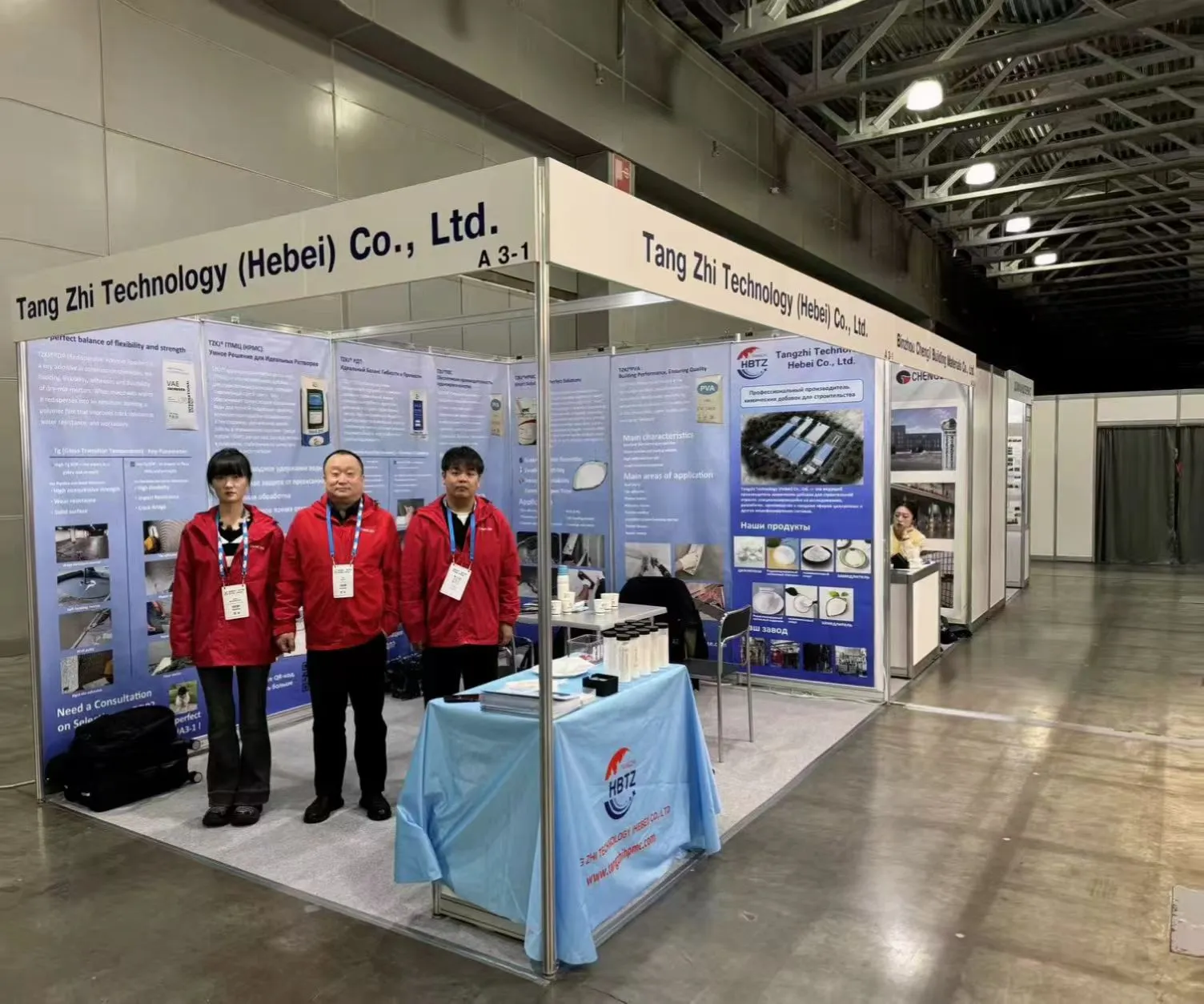
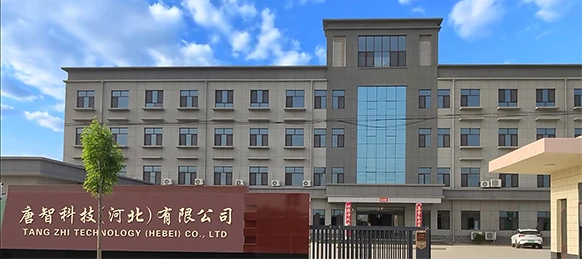
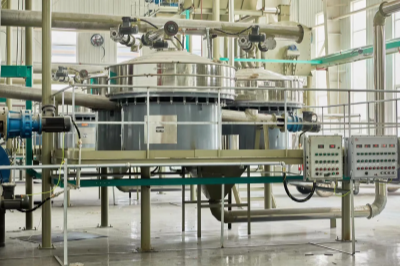
Our 140,000 m² facility in Jinzhou, Hebei, features 12 automatic production lines.
Certifications & Compliance
ISO 9001:2015
Quality Management

FDA 21 CFR
Pharma & Food Grade

REACH Compliant
EU Chemical Safety

Halal & Kosher
Food Applications
Production & Supply Chain Strengths
- Capacity: 40,000 tons/year (expandable to 60,000 with demand surge).
- Lead Times: 7–20 days (vs. 30–45 days for competitors).
- Logistics: Dedicated shuttle trains to Shanghai/Tianjin ports; DDP (Delivered Duty Paid) options for EU/USA.
- Inventory: 3-month buffer stock for critical grades (e.g., low-ash CMEC).
Voices from Our Partners
"Tangzhi’s CMEC reduced our ceramic adhesive defects by 40%. Their technical team proactively suggested pH-neutral grades for our EU expansion—game-changer!"
 Marco Rossi | R&D Manager, Ceramiche Marazzi (Italy)
"As a startup in pharmaceutical excipients, their FDA-certified CMEC saved us 6 months in regulatory hurdles. Plus, samples arrived in 5 days—unheard of!"
 Aisha Khan | Founder, BioPharm Solutions (USA)
"Their ODM service let us launch ‘GreenGrip™’ adhesive under our brand in 3 months. The ROI on their custom CMEC grades is 3.2x vs. standard options."
 Carlos Mendoza | CEO, EcoAdhesives (Mexico)
Collaboration Process: From Idea to Delivery in 4 Simple Steps
Our streamlined process eliminates guesswork. Here’s how we turn your requirements into a seamless supply:
Step 1: Prototype Development
Submit your specs (viscosity, DS/MS, certifications). We produce a 500g sample with technical report in 7 days.
Step 2: Validation & Adjustment
You test the sample. We refine viscosity, pH stability, or ash content in 3–5 iterations (no extra cost).
Step 3: Bulk Production
Once approved, we lock in batch production with a PO confirmation. Lead time: 7–20 days.
Step 4: Quality & Delivery
Pre-shipment SGS inspection. Shipped via DHL/FedEx with real-time tracking.
Our 4-step collaboration process ensures transparency and speed.
FAQ: Addressing Your Last-Minute Concerns
1. Can CMEC replace HPMC/CMC in existing formulations?
Yes, with adjustments. While CMEC offers superior thermal stability, its higher substitution degree may require tweaking water ratios. Our technical team provides free formulation support during prototyping.
2. What’s the minimum order quantity (MOQ)?
MOQ: 1 metric ton (packaged in 25kg bags). For samples, we offer 500g free with a refundable deposit.
3. How do you ensure batch consistency?
Our automated production lines use NIR spectroscopy for real-time monitoring. Each batch undergoes HPLC and TGA testing before release. Rejection rate: ≤3%.
4. Do you offer ODM/OEM services?
Absolutely. We provide private-label CMEC (e.g., branded as "EcoCell™") with customized packaging and certificates. MOQ: 5 tons.
5. What’s your return policy?
If a batch fails our SGS inspection or your in-house tests, we replace it within 15 days at no cost. No returns accepted for opened bags.
6. Can you ship to [USA/EU/SEA] under DDP terms?
Yes. We handle all customs clearance, duties, and logistics for DDP shipments. Lead time: +3 days vs. FOB.
7. How do you compare on price to Ashland/Brenntag?
We’re 15–20% cheaper for equivalent grades (e.g., $2,600/ton for low-ash CMEC vs. Ashland’s $3,200). No hidden fees.
Quick ROI Calculator: Justify Your Project Today
Plug in your numbers to see how much you’ll save vs. competitors:
Potential Annual Savings: $12,000–$45,000
Based on 15–20% cost reduction and faster lead times (saving 2–3 weeks of inventory costs).
Ready to Solve Your Cellulose Challenges?
Join 500+ global manufacturers who trust Tangzhi Technology for high-performance, cost-effective CMEC. Whether you need a free sample, a custom formulation, or a bulk quote, we’re here to help.
Limited-time offer: Free 500g sample + technical datasheet for first-time buyers.