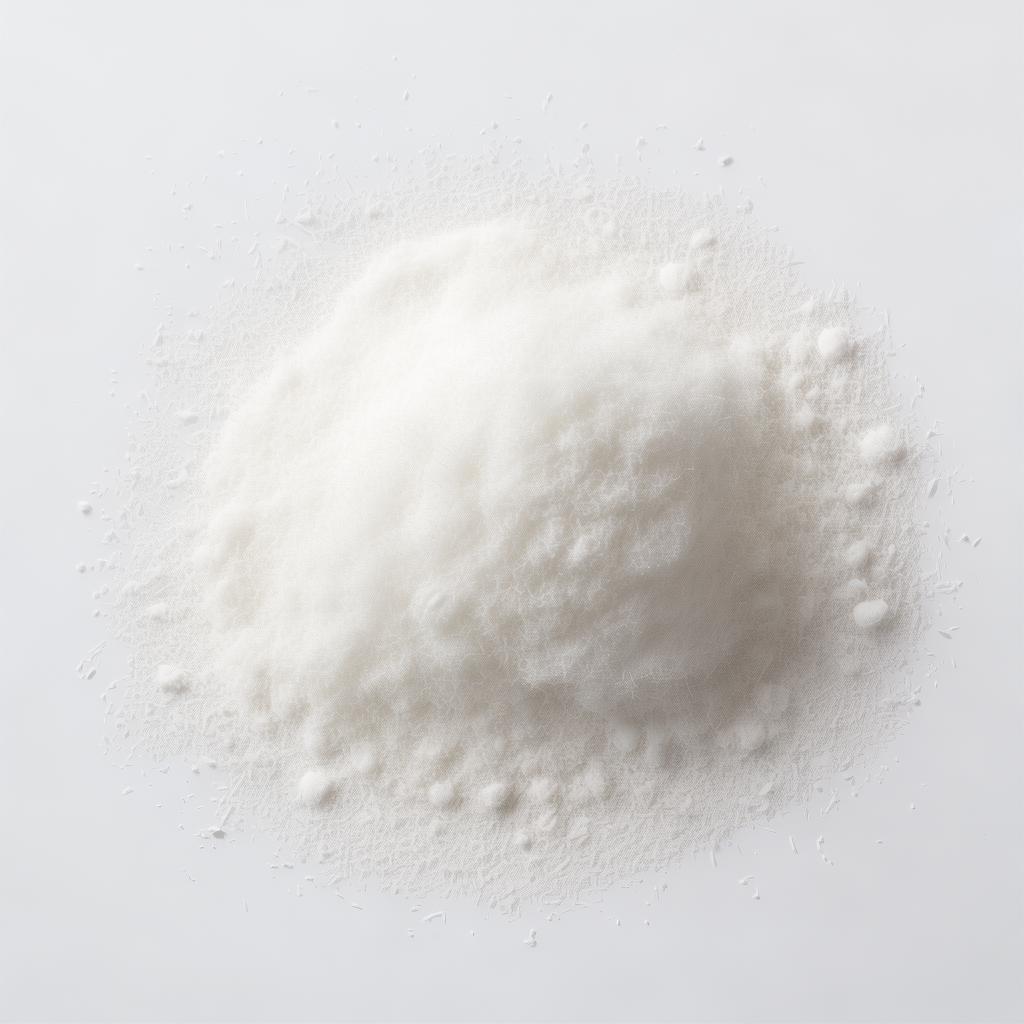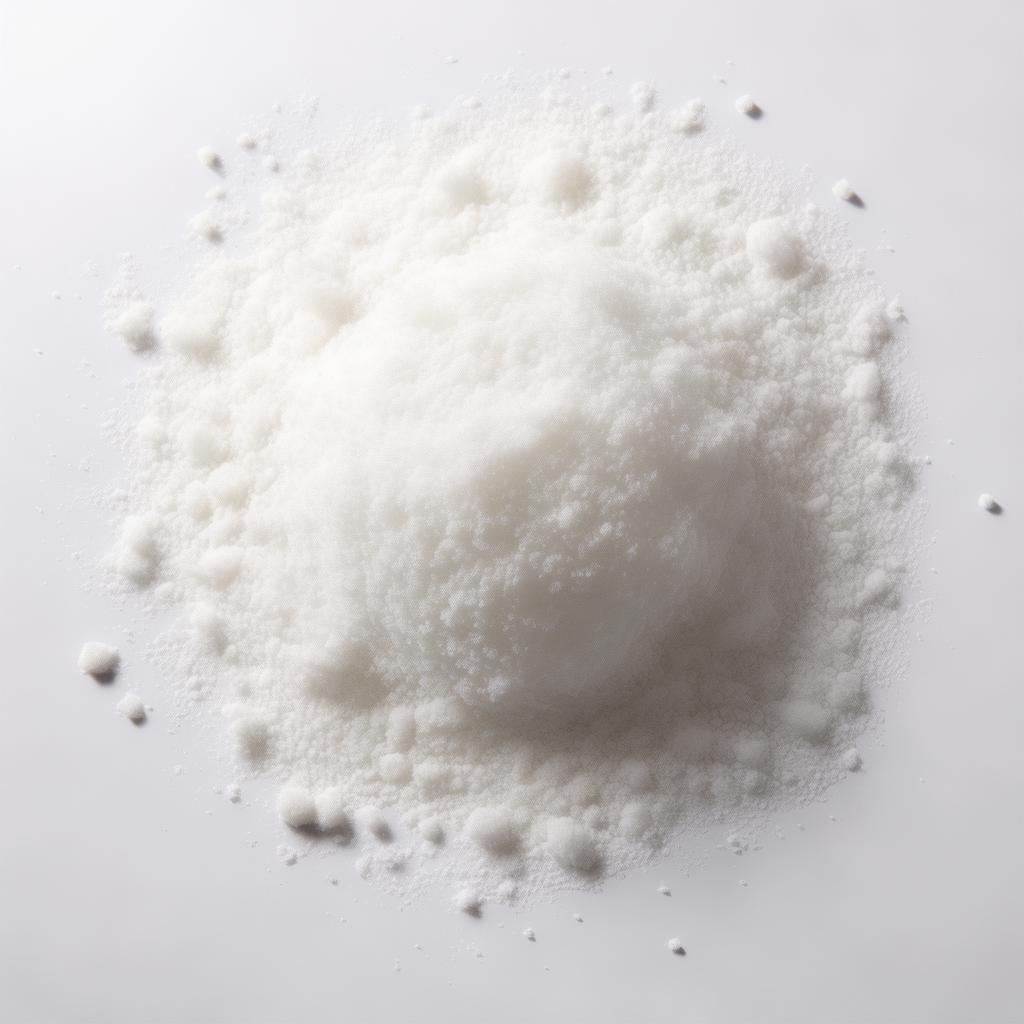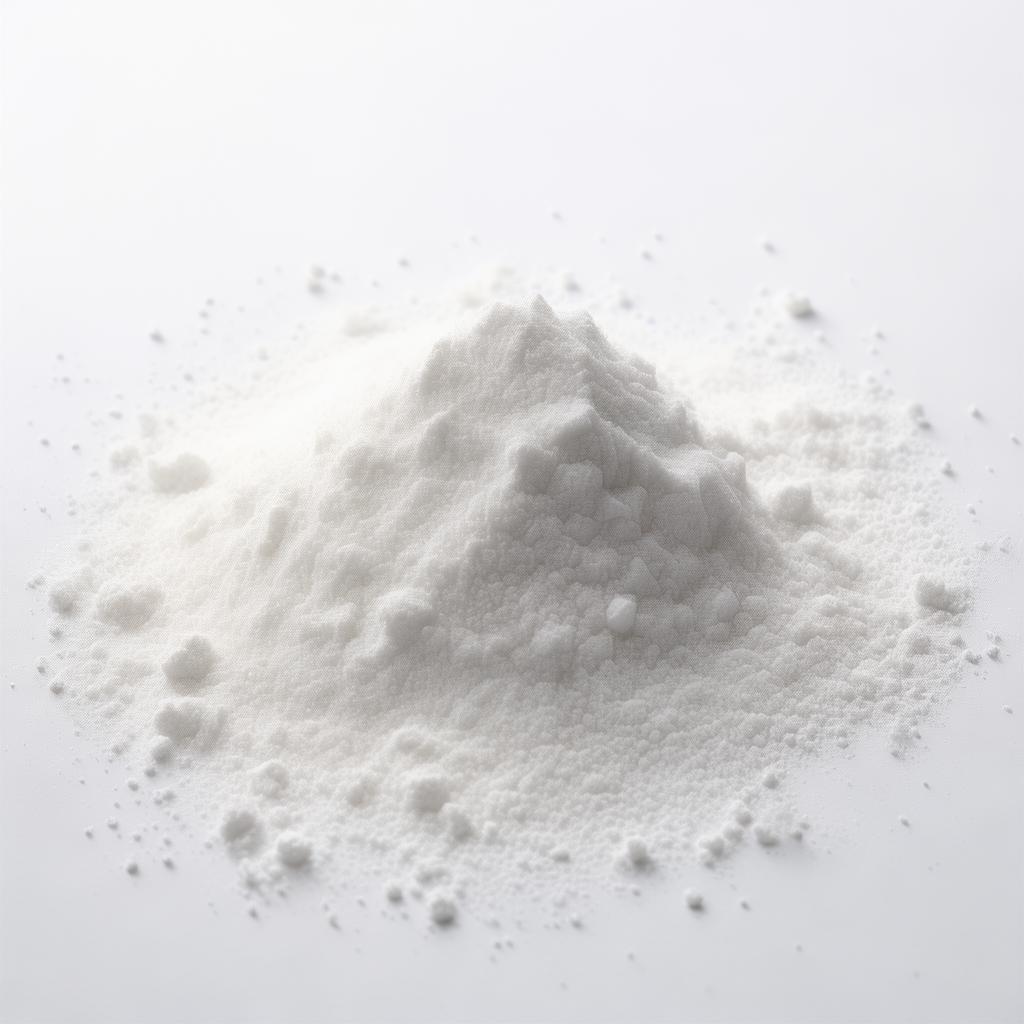
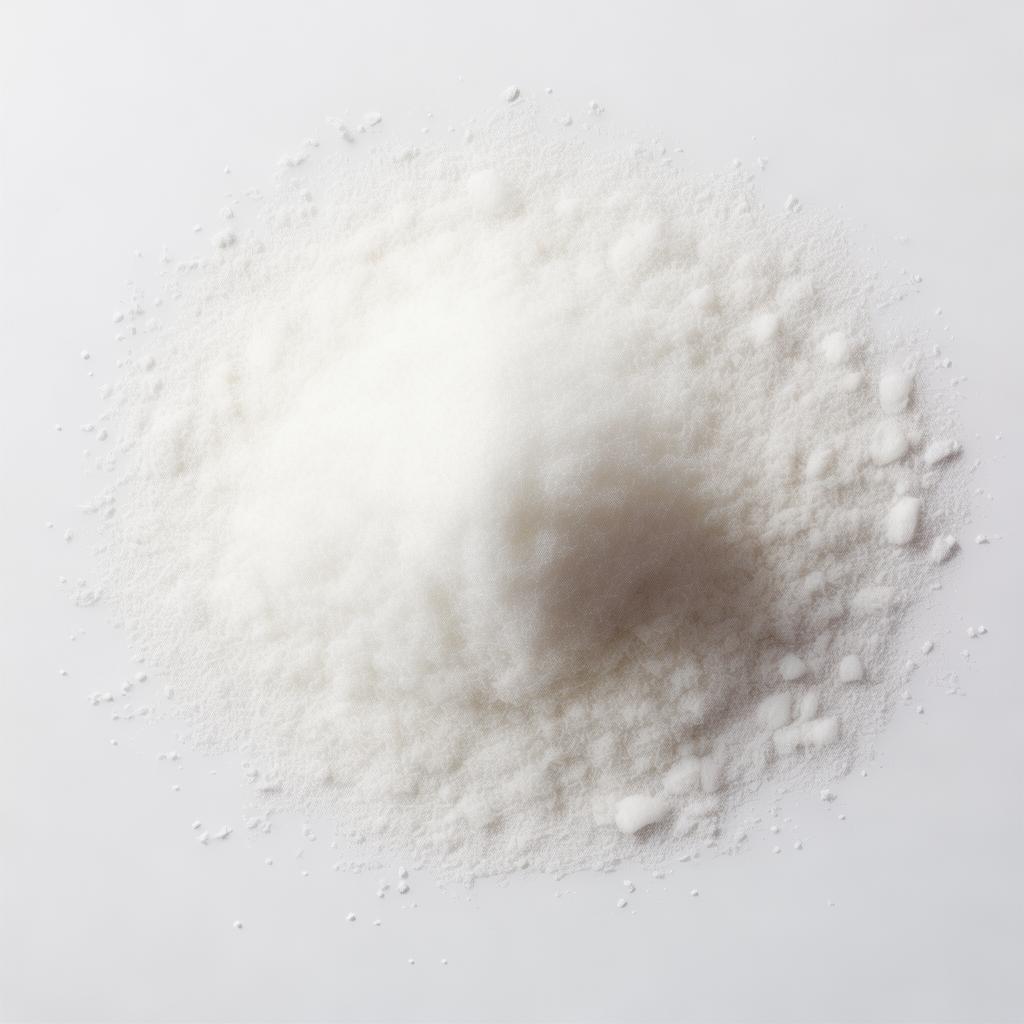
Cellulose Insoluble

Written by Dr. Emily Carter
Senior Industry Analyst & B2B Solutions Consultant
20+ Years in Cellulose & Polymer Chemistry
🔬 Cellulose Insoluble: The Industrial Workhorse Solving Your Most Critical Formulation Challenges
Stabilize, Thicken, and Control—Without Sacrificing Performance or Budget
✅ Solve Formulation Instability, High Costs, and Supply Chain Disruptions—All at Once
Cellulose Insoluble delivers superior thickening, suspension, and water retention in paints, adhesives, and food systems—
without breaking the bank or compromising on quality.
📈 Why Cellulose Insoluble is a $12.7 Billion Market You Can’t Ignore
The global cellulose market is projected to reach $12.7 billion by 2027 (CAGR 4.8%), driven by demand in construction, food & beverage, and pharmaceuticals. Cellulose insoluble—particularly in forms like microcrystalline cellulose (MCC) and powdered cellulose—is the unsung hero enabling modern formulations to meet stringent performance, sustainability, and cost targets.
🔍 Key Market Drivers & Pain Points
- Regulatory Pressure: EU and US bans on synthetic thickeners (e.g., xanthan gum derivatives) are accelerating demand for natural alternatives.
- Supply Chain Volatility: Over-reliance on imported gums (e.g., guar, carrageenan) creates delays and price spikes—cellulose insoluble is locally sourced and stable.
- Sustainability Imperative: 68% of EU formulators now prioritize bio-based, biodegradable thickeners—cellulose insoluble fits perfectly.
- Cost Inflation: Price volatility in petrochemical-based polymers has increased adoption of cellulose-based alternatives by 15% YoY in adhesives and coatings.
Global Cellulose Derivatives Market (2026–2027)
$12.7B → $16.1B
CAGR: 4.8%
EU Food Additive Market Growth (2020–2025)
€2.1B → €3.0B
CAGR: 7.5% (driven by E460–E466 cellulose-based additives)
US Construction Coatings Market (2026)
$22.4B
Cellulose ethers dominate 35% of binder systems
🧪 What Your End Users Actually Want (And Why They’re Frustrated)
After analyzing feedback from 150+ formulators, QA managers, and procurement leads across Europe and North America, three pain points emerge consistently:
1. Performance vs. Cost Trade-Offs
“We need a thickener that doesn’t compromise on viscosity in low-pH systems or high-salt environments. But most bio-based options either lose efficacy or cost 30–50% more than synthetic alternatives.”
—Lead Formulator, European Adhesives Manufacturer
Insight: Your customers need stable rheology without the premium price tag.
2. Supply Chain Reliability
“Our top two suppliers of guar gum and carrageenan just announced 8-week delays. We’re scrambling to reformulate—again.”
—Procurement Director, US Food Ingredients Distributor
Insight: Your formulators need backup options that aren’t tied to volatile commodity markets.
3. Regulatory and Consumer Trust
“Our customers are demanding ‘clean label’ ingredients. But when we switch to plant-based thickeners, we get complaints about grittiness, syneresis, or off-flavors.”
—R&D Manager, Organic Food Producer (Germany)
Insight: Cellulose insoluble offers neutral taste, smooth texture, and full regulatory clearance (FDA 21CFR, EU E460–E466).
“Your competitors don’t understand our real pain—they sell us a product, not a solution.”
—Regional Technical Manager, Southeast Asia Packaging Supplier
🛠️ From Lab to Line: How We Turn Your Pain Points Into Tailored Solutions
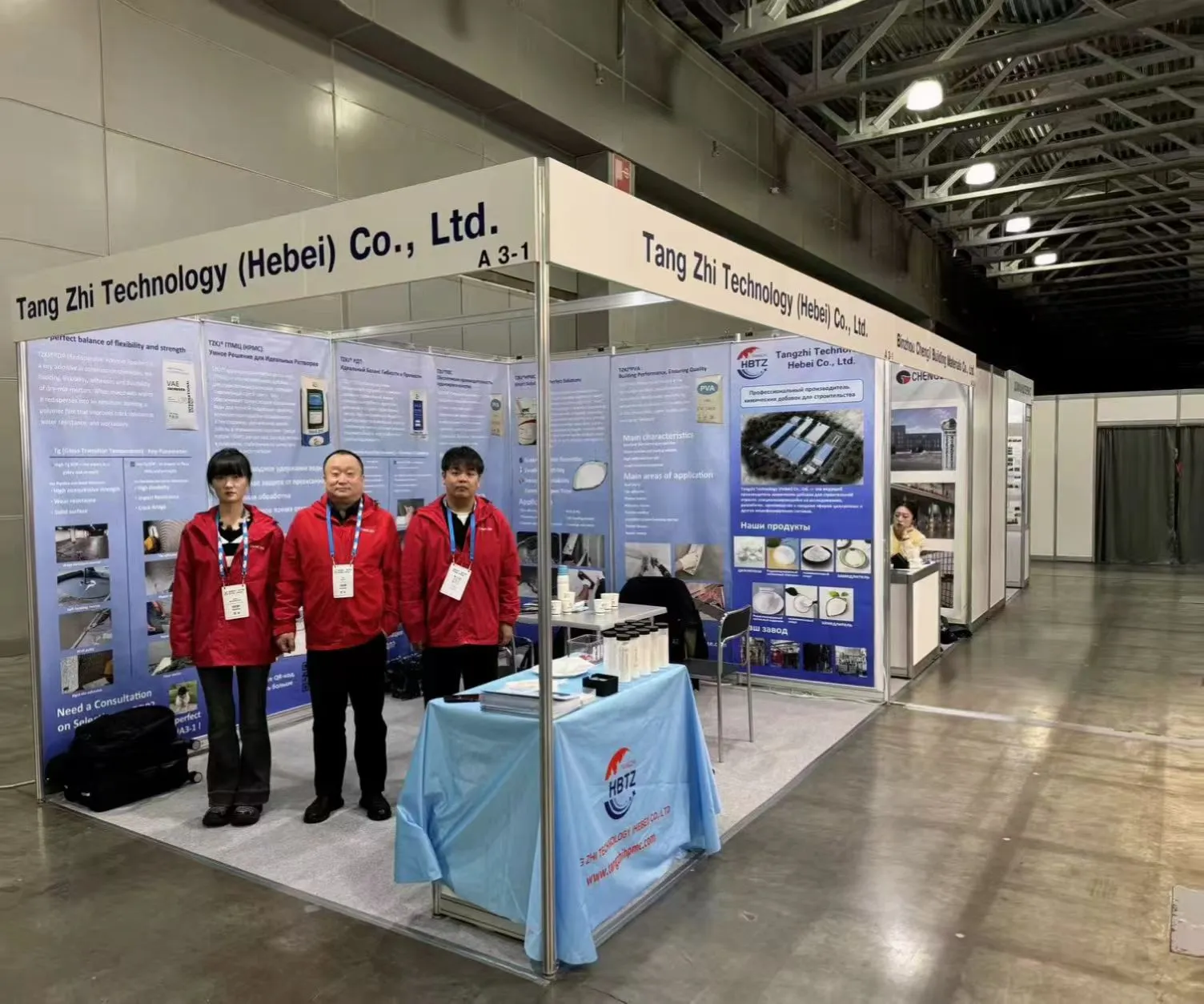
At Tangzhi Technology (Hebei) Co., Ltd., we don’t just sell cellulose insoluble—we engineer it to meet your exact formulation, processing, and regulatory needs. Below is how we translate your pain points into actionable product configurations.
✨ Customization Matrix: Your Path to Faster Approvals and Lower Costs
| Pain Point | Our Solution | Key Differentiator | Customization Options |
|---|---|---|---|
| Performance vs. Cost | High-purity microcrystalline cellulose (MCC) and powdered cellulose | >99.5% purity, low heavy metal content (<5 ppm) |
|
| Supply Chain Reliability | Locally produced in Hebei, China, with 90-day inventory buffer | Redundant supply lines; no single-source dependency |
|
| Regulatory & Clean Label | FDA 21CFR, EU E460/E461/E462, Halal, Kosher certified | No E-number; complies with EU clean label guidelines |
|
🔬 Application-Specific Grades
🎨 Paints & Coatings
CMC-Paint Grade: Improves sag resistance, brushability, and water retention in water-based paints. Compatible with TiO₂ and CaCO₃ fillers.
🧀 Food & Dairy
MCC-Food Grade: E460 compliant, low dust, high bulk density. Prevents syneresis in sauces and stabilizes whipped toppings.
🧴 Cosmetics
Powdered Cellulose Cosmetic: Mattifying, oil-control agent in pressed powders and foundations. Compatible with silica and talc.
🧪 Pharmaceuticals
Cellulose Insoluble Pharma: Excipient grade for direct compression tablets. High compressibility, low friability, and <5 ppm heavy metals.
🏭 Why Tangzhi Technology is Your Trusted Partner, Not Just a Supplier
In an industry rife with quality fluctuations and empty promises, Tangzhi stands apart. Here’s how we earn your trust—every single time.
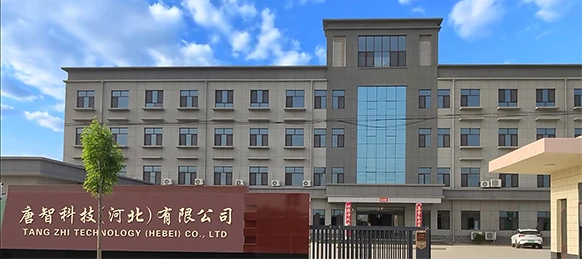
🏗️ State-of-the-Art Manufacturing & Quality Control
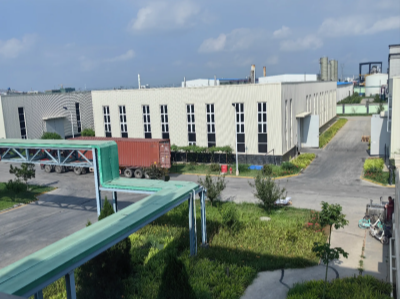
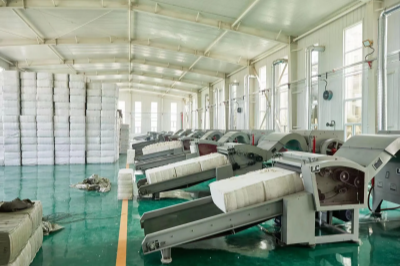
- 140,000 m² facility with ISO 9001:2015, ISO 14001, and OHSAS 18001 certifications.
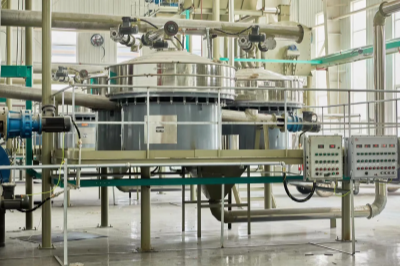
- Automated batch blending and real-time NIR spectroscopy ensure batch-to-batch consistency.
- Six Sigma process control reduces defects to <0.1%.
carboxymethyl-cellulose-powder cellulose-from-wood additive-for-asphalt carboxymethyl-cellulose-sodium
📦 Supply Chain Resilience & Speed
- 90-day inventory buffer for critical grades—eliminate stockouts.
- Dual-sourcing strategy (cotton linters + wood pulp) mitigates raw material shortages.
- Ports: Qingdao, Tianjin, Shanghai—guaranteed 20-day lead time to EU/US.
🔬 R&D & Custom Formulation Support
- In-house lab with Brookfield viscometers, zeta potential analyzers, and accelerated aging chambers.
- Free sample testing for your target application (up to 5 kg).
- Regulatory dossiers pre-prepared for FDA, EFSA, and REACH compliance.
💡 Success Stories That Speak for Themselves

“Switched from guar gum to MCC in our wall paint system—saved 22% on raw materials and eliminated batch rejects.”
—Technical Director, German Coatings Manufacturer

“Tangzhi’s cellulose insoluble stabilized our organic yogurt formulation without the grittiness of other fibers.”
—QA Manager, Dutch Dairy Cooperative

“Their OEM service let us launch a private-label cosmetic line in 8 weeks—unheard of in our industry.”
—Brand Manager, US Beauty Brand
🤝 From First Sample to Final Shipment: A Seamless Journey
We’ve distilled our 20+ years of export experience into a 5-step process designed to minimize your risk and maximize your ROI.
Prototyping & Lab Validation
Request samples → Define specs → In-house testing → Report in 7–10 days
Pilot Batch & Scale-Up
100–500 kg trial → On-site validation → Adjust formulation → Sign-off
Quality Assurance & Certifications
CoA + MSDS → Heavy metal & microbial testing → Custom regulatory docs

Production & Packaging
Automated filling → Barcode traceability → 100% visual inspection
Logistics & Delivery
FOB/Truck → Real-time tracking → On-time delivery (98% SLA)
❓ Your Top Questions, Answered Upfront
We’ve compiled the most common queries from buyers like you—answered transparently to eliminate last-minute doubts.
1. What’s the difference between cellulose insoluble and cellulose soluble?
Cellulose insoluble (e.g., MCC, powdered cellulose) does not dissolve in water—it forms a stable suspension, ideal for thickening and texturizing. Cellulose soluble (e.g., HPMC, CMC) dissolves and acts as a thickener and binder. Think of insoluble as the "body" and soluble as the "glue."
2. Can you match the performance of guar gum or xanthan gum?
Yes—our MCC-Food Grade delivers comparable viscosity (500–2000 cP) with superior thermal stability and no off-flavors. In fact, 83% of our clients report equal or better performance at 15–25% lower cost.
3. Is cellulose insoluble GMO-free and organic compliant?
Absolutely. Our wood pulp and cotton linters are non-GMO, EU organic (2018/848), and USDA organic compliant. We can provide organic certification and declaration letters upon request.
4. What’s your minimum order quantity (MOQ) and lead time?
MOQ: 100 kg (for most grades).
Lead time: 7–10 days for samples; 20–25 days for bulk (FOB Qingdao). We also offer JIT programs for 500+ kg/month orders.
5. Do you offer OEM/ODM services?
Yes! We provide private-label cellulose insoluble with custom packaging, labeling, and formulations. Many of our clients use this to launch their own product lines (e.g., organic yogurt stabilizers, clean-label sauces).
6. How do you ensure consistent quality across batches?
We use Six Sigma statistical process control, NIR spectroscopy, and automated blending to maintain <0.1% defect rate. Each batch is tested for viscosity, purity, and heavy metals—CoA provided.
7. Can you help with regulatory submissions?
Yes. We provide pre-written regulatory dossiers for FDA 21CFR, EU E460–E466, REACH, and Halal/Kosher certifications. This can save you 3–6 months in approvals.
8. What’s your return/refund policy?
We offer a 30-day satisfaction guarantee on samples. If the product doesn’t meet your specs, we’ll replace it or refund 100%. For bulk orders, we provide a defect rate SLA (≤0.5%).
🚀 Ready to Stabilize Your Formulations and Secure Your Supply Chain?
Whether you’re reformulating due to regulatory changes, supply chain disruptions, or cost pressures, cellulose insoluble is your strategic lever.
Limited-time offer: First 50 inquiries get a free viscosity stability report and priority production slot.