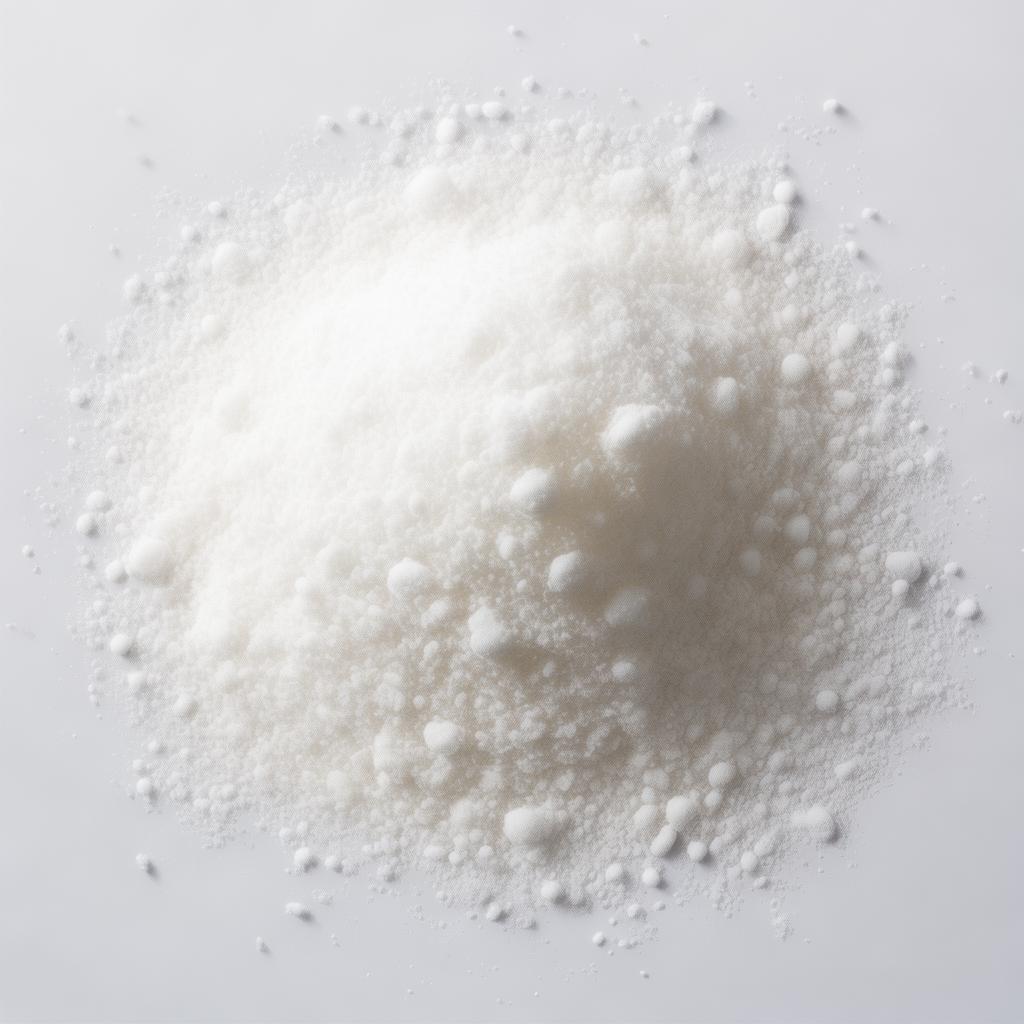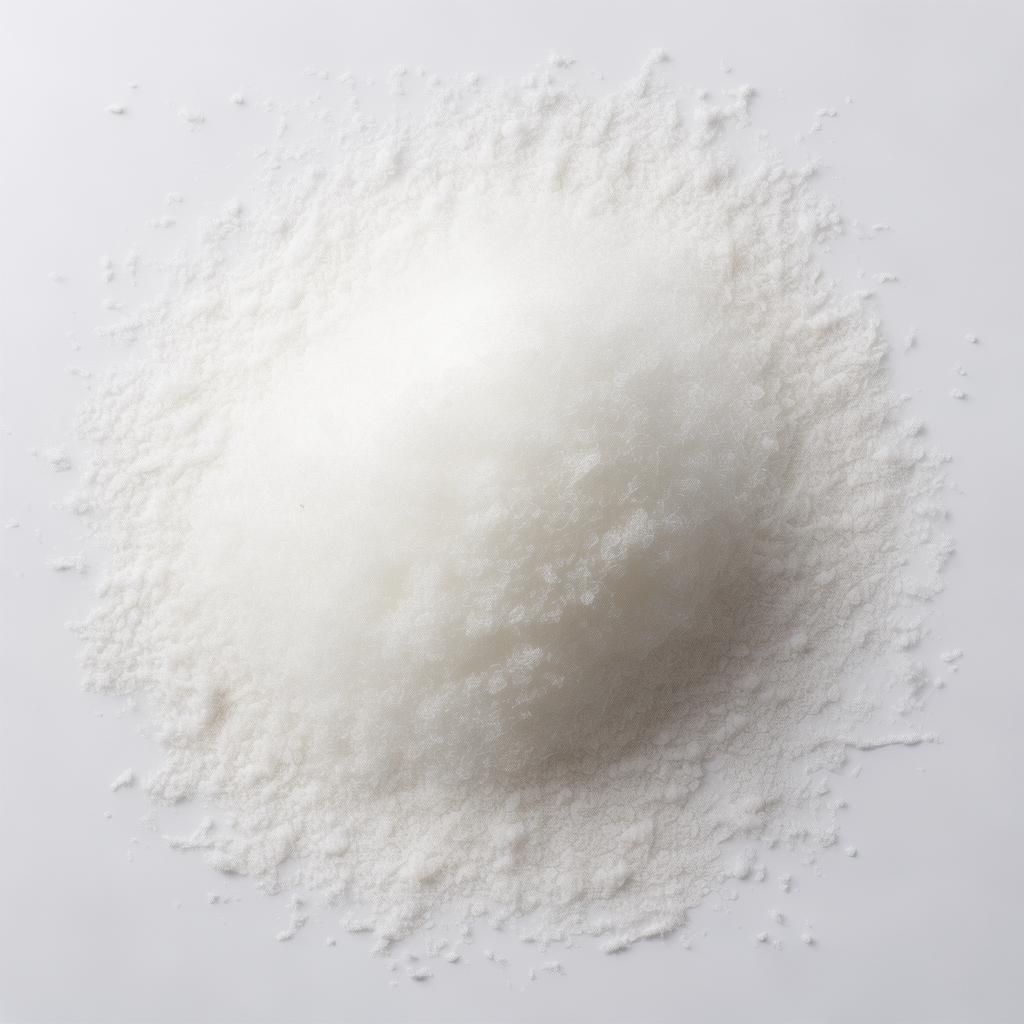
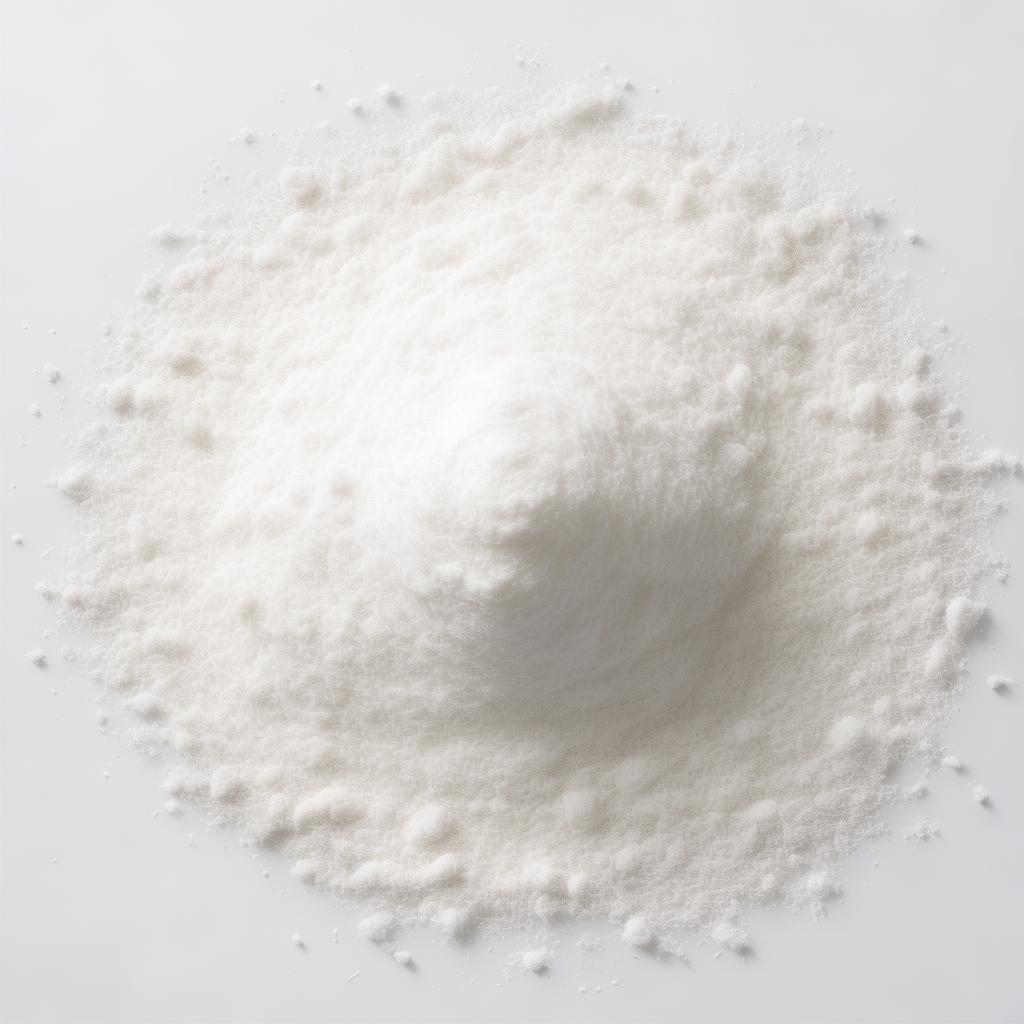
Chemical Antifoam Agent
Reliable Chemical Antifoam Agents for Tough Industrial Processes
From wastewater treatment to paper production, control foam without compromising your operations. Bulk supply from our Hebei factory.
 Request Free Sample & Factory Quote
Table of Contents
I've spent over 15 years in chemical manufacturing, mostly dealing with surfactants and additives like defoamers. Foam isn't just a nuisance—it's a real drag on production lines. It clogs pumps, slows mixing, and messes with quality control. As export manager at Tang Zhi Technology (Hebei) Co., Ltd., I've helped procurement teams from the US, Europe, and Southeast Asia source chemical antifoam agents that actually deliver without the headaches.
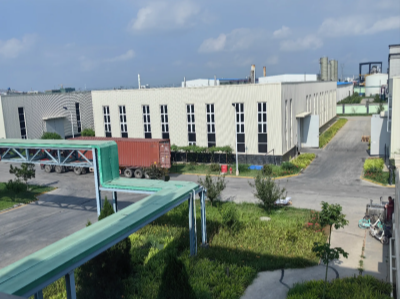
Our antifoam agents aren't some off-the-shelf mix. We formulate them in-house at our 140,000 sqm facility in Jinzhou, Hebei, using silicone emulsions, mineral oil bases, and non-silicone options tailored for sensitive processes. Think wastewater plants where foam overflows tanks, or paper mills fighting froth in pulping. Buyers come to us because we understand the procurement cycle: specs, trials, bulk orders, and reliable shipping.
Foam control starts with understanding your process. Excessive foam builds up from agitation, air entrainment, or gas evolution—common in fermentation, detergents, and coatings. A good chemical antifoam agent destabilizes bubbles fast, often in seconds, without leaving residues that foul downstream equipment. But not all defoamers are equal. Cheap imports might knock down foam temporarily but separate under storage or cause silicone buildup in heat exchangers.
Take a typical scenario: a US wastewater treatment operator dealing with high-organic effluent. Standard antifoams fail under alkaline conditions, leading to carryover and permit violations. Our powder-based and liquid defoamers, stable up to pH 13, cut foam by bridging into bubble walls. We've shipped 20-foot containers to Texas facilities where clients report no re-foaming for 48 hours post-dosing.
Procurement managers often overlook compatibility. Does the antifoam play nice with your biocides or flocculants? We test against common chemistries—polyacrylamides, quats, even cellulose thickeners like our own HPMC line. No surprises in the field.
Logistics matter too. From Shijiazhuang, we load FCLs efficiently: 20 MT per 20' container for liquids, 16 MT for powders. Lead times? 7-14 days to US West Coast ports. We've got REACH compliance for EU, and our formulas meet FDA indirect guidelines for food-contact apps.
In this guide, I'll walk you through real-world challenges, our solutions, specs, and how to evaluate suppliers. Skip the hype—focus on what keeps your line running.
Years back, a Midwest paint manufacturer called us frantic. Their existing defoamer was gelling in storage, halting shipments. Switched to our non-ionic emulsion, and they dosed at 0.1%—foam gone, no separation after six months. That's the kind of reliability importers demand.
Antifoam selection ties directly to ROI. Overdose wastes money; underdose risks downtime. Our tech support helps dial in rates via simple jar tests. Many buyers start with 200kg trials before committing to tons.
Market shifts too. With stricter effluent regs in the US Clean Water Act, demand for eco-friendly defoamers is up. Our biodegradable options degrade 80% in 28 days per OECD 301B, without sacrificing performance.
Enough background. Let's dive into the problems you're likely facing.
Foam Headaches Procurement Teams Face Daily
Foam isn't predictable. In agitated tanks, it surges unpredictably, forcing shutdowns. I've seen paper mills lose hours scraping froth from broke chests.
Wastewater pros know the drill: aeration basins foam over weirs, triggering odor complaints and fines. Detergent makers battle it in spray towers. Each industry has its villain—proteins in food processing, surfactants in textiles.
Risks compound in procurement:
- Inconsistent suppliers lead to batch variations, ruining trials.
- Silicone antifoams build up in boilers—non-siliconics solve that but cost more.
- Long lead times kill project timelines.
- Hidden fees on "low MOQ" quotes eat margins.
One importer told me they switched after a competitor's product flashed off in hot fills, contaminating product. Real risks demand vetted partners.
Short tip: Always request stability data at your operating temps. Saves headaches later.
Tang Zhi Chemical Antifoam Agents: Proven Performers
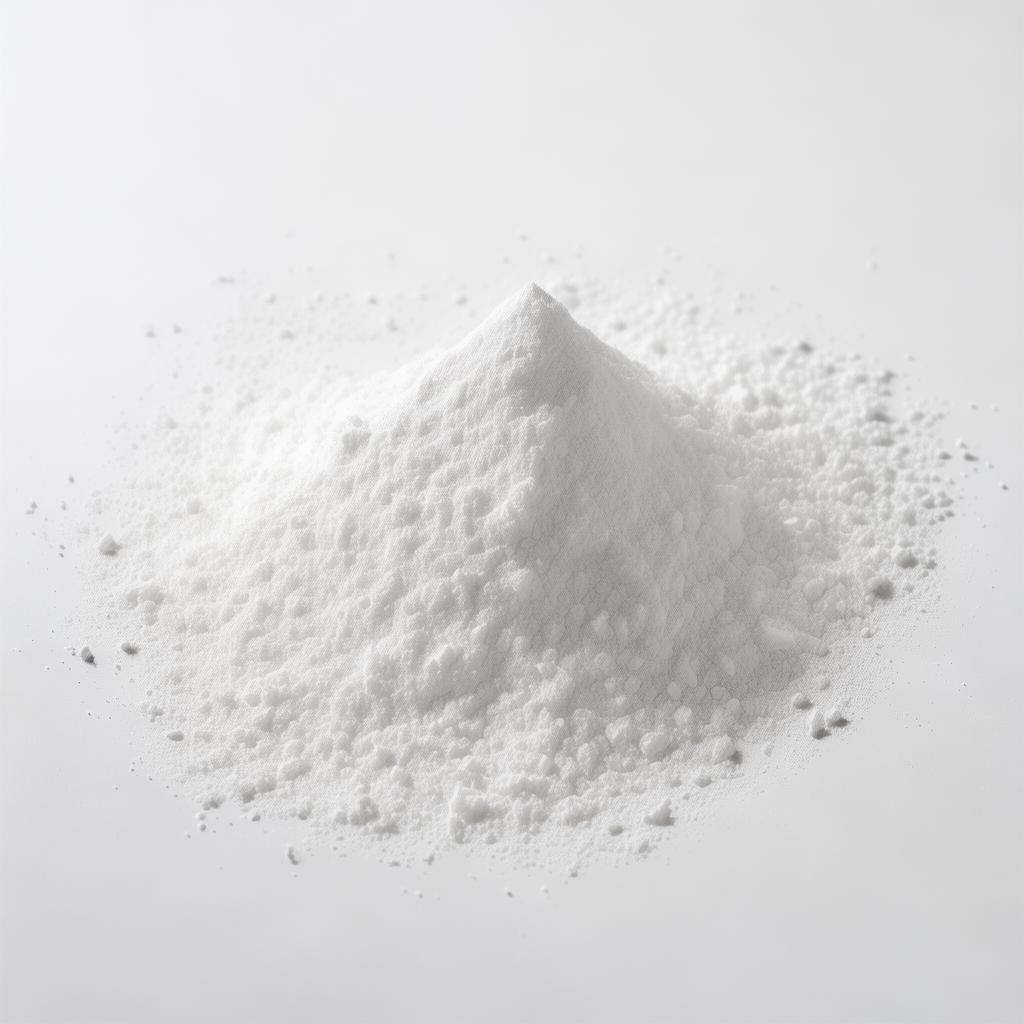
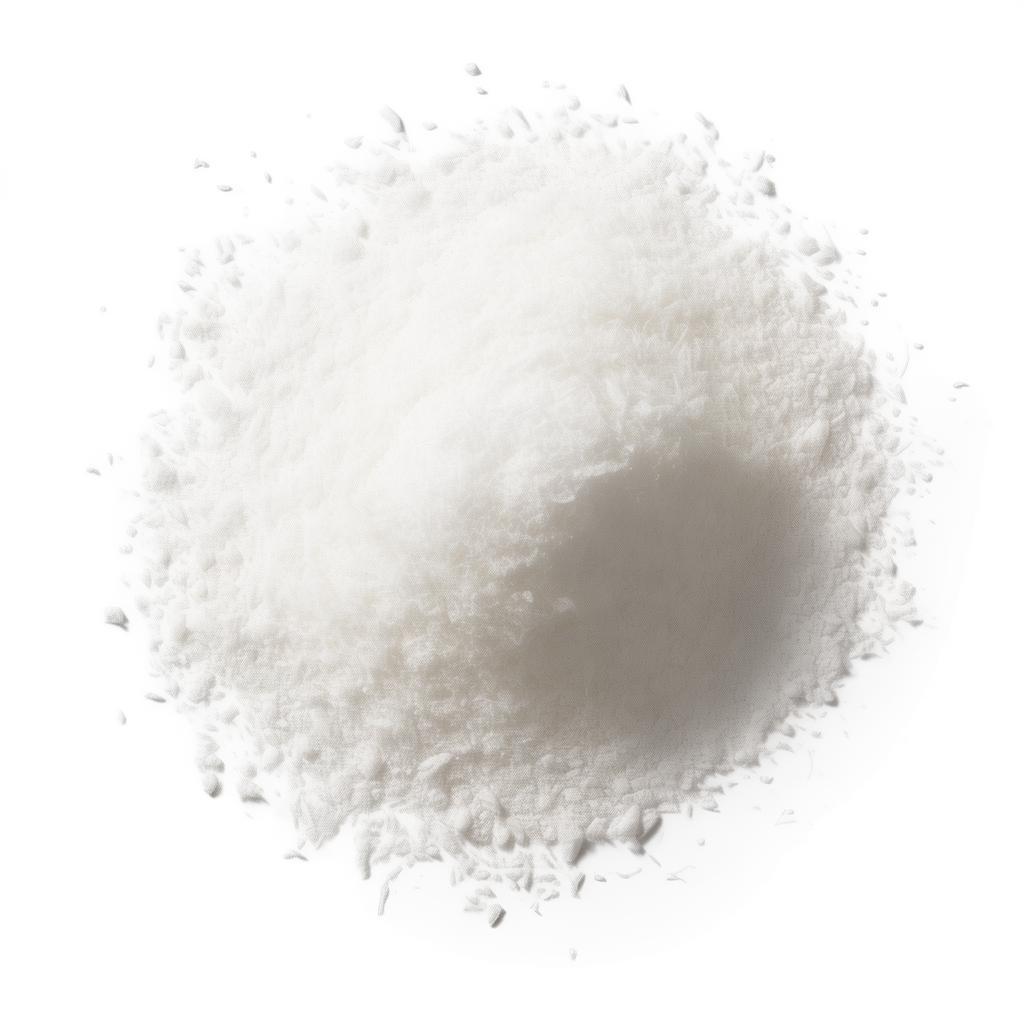
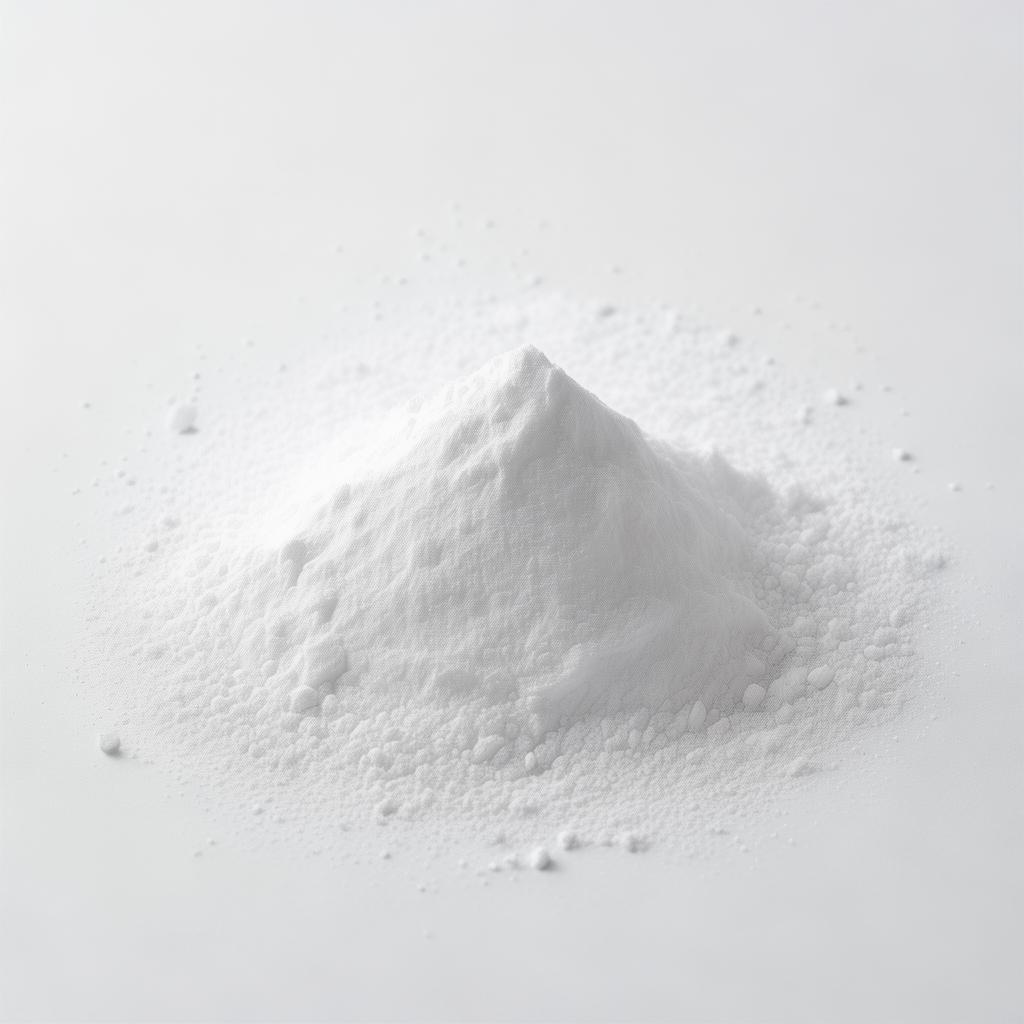
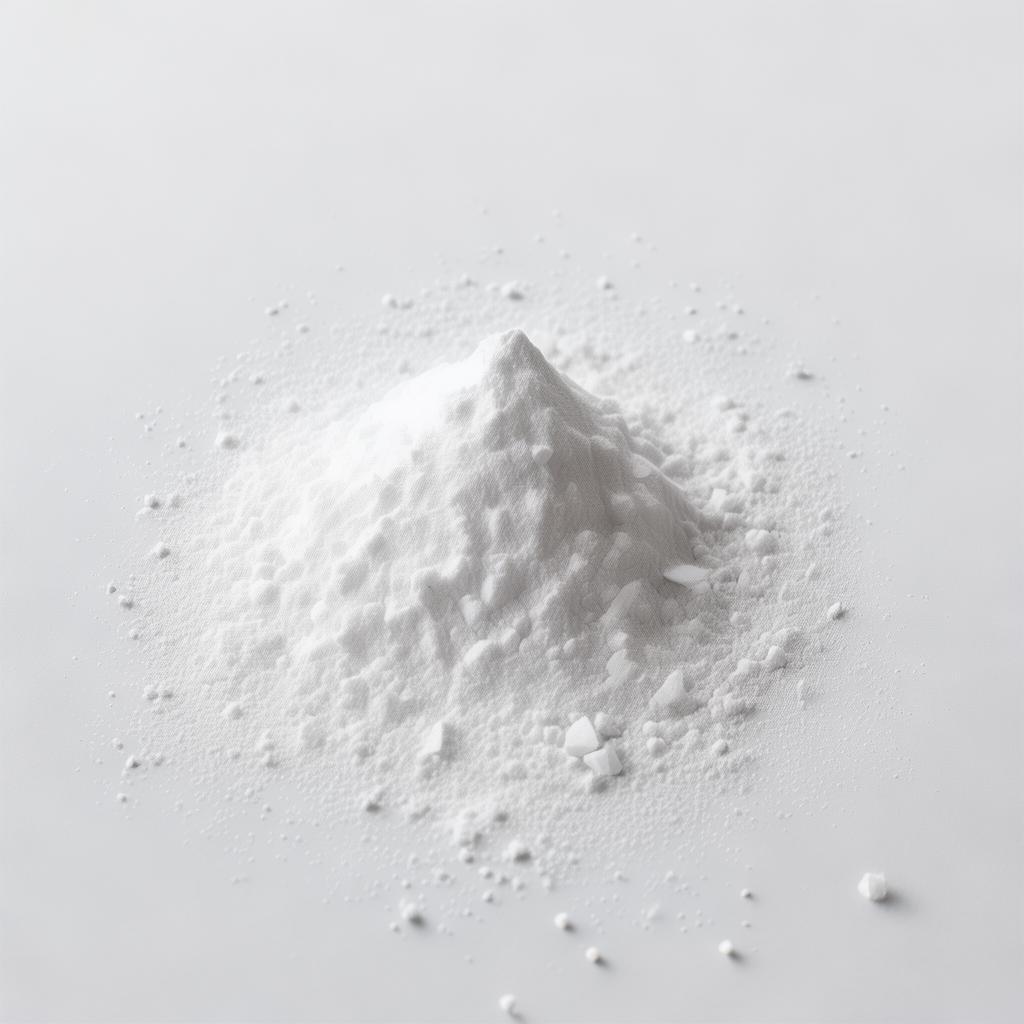
Our lineup covers bases: silicone emulsions for fast knockdown, organic defoamers for food-grade, and powder forms for dusty environments. All engineered for low dosing—typically 50-500 ppm.
What sets us apart? Vertical integration. We blend in the same plant as our cellulose ethers, ensuring no cross-contam. Recipes include polydimethylsiloxane (PDMS) at 10-30% actives, emulsified with nonionics for broad stability.
Performance edge:
- Rapid foam collapse: <10 seconds in lab shake tests.
- Long persistence: Up to 24 hours in continuous processes.
- Versatile: Works in acidic, neutral, alkaline media.
- Clean rinse-off: No oily residues.
Buyers appreciate the no-fuss dosing. Pumpable liquids or dispersible powders integrate easily.
Customization? OEM/ODM standard. Adjust viscosity, active content, or add antimicrobials for your spec.
Discuss Custom FormulaTechnical Specifications Table
| Product Code | Type | Active Content | Viscosity (cps) | pH Range | Applications |
|---|---|---|---|---|---|
| TZ-DF100 | Silicone Emulsion | 30% | 800-1500 | 6-8 | General Industrial |
| TZ-DF200 | Non-Silicone Liquid | 20% | 200-500 | 4-10 | Food Processing |
| TZ-DF300 | Powder Defoamer | 50% | N/A | 7-9 | Powder Coatings |
antifoaming chemicals natural antifoaming agent type of antifoaming agent
All products meet ISO 9001 standards. Shelf life: 12-24 months unopened.
Real-World Applications
Wastewater treatment: Dose at aeration stage. Handles Nocardia foam effectively.
Paper & pulp: Controls whitewater froth, improves drainage.
Fermentation: Beer, antibiotics—no impact on yields.
Textiles: Scouring and dyeing baths stay foam-free.
Coatings: Prevents pinholes in paint lines.
Pro tip: For high-shear mixers, premix with a carrier like propylene glycol.
Smart Procurement: How to Source Antifoam Agents
- Define process parameters: Temp, pH, shear.
- Request samples with MSDS and COA.
- Lab trial: Shake test, then pilot.
- Check certifications: REACH, Kosher if needed.
- Negotiate terms: MOQ 1 MT, FOB Tianjin.
Avoid pitfalls like unverified exporters. Verify factory via video tour.
Our Factory: Scale and Quality Control
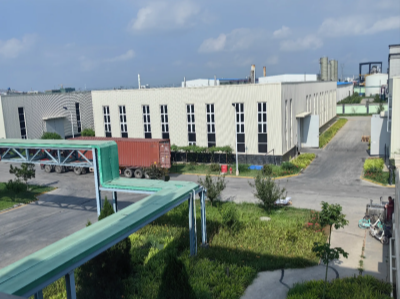
140,000 sqm site, 90,000 sqm buildings. Automated blending lines hit 500 MT/month capacity for defoamers. QC at every stage: Active assay via GC-MS.

Export to 50+ countries. Partners with brands like  in similar apps.
Shipping and Supply Chain Reliability
FOB/CIF terms. 20' FCL: 18-22 MT liquids. Drum/tote/IBC options. Transit: 25-35 days to US East Coast.
Customs smooth: Full paperwork, HS 34029090.
Track via WhatsApp: +86-15032625168
Feedback from Procurement Pros
John M., Wastewater Op Manager, Texas USA
 "TZ-DF100 handled our seasonal foam spikes. Dosed half what we used before. Reliable supply too."
Oct 2026
Maria L., Paper Mill Buyer, California
 "No more overflows in broke system. Great value on bulk."
Sep 2026
Raj P., Distillery Engineer, India (export ref)
 "Food-grade option perfect for fermentation. Stable delivery."
Nov 2026
Frequently Asked Questions
What is the minimum order quantity?
1 MT for trials, 5 MT bulk. Flexible for repeat buyers.
Are your antifoams silicone-free?
Yes, TZ-DF200 series for sensitive apps like pharma.
How do I store them?
Cool, dry place. Avoid freezing liquids.
Lead time to USA?
Production 7 days, ship 25-35 days total.
Ready to Eliminate Foam Issues?
Contact our team for specs, samples, or pricing.
Tang Zhi Technology (Hebei) Co., Ltd.
Room 2308, Dongsheng Plaza 2, No. 508 Zhongshan East Road, Chang’an District, Shijiazhuang, Hebei, China
Phone/Whatsapp: +86-15032625168
Email: admin@tangzhicellulose.com
Written by Li Wei, Export Director |  Tang Zhi Technology
Updated: Dec 2026