Concrete Plasticizer
Meta Title: Concrete Plasticizer Supplier | High-Performance Plasticizer for Ready-Mix, Precast & Dry-Mix Concrete
Meta Description: Source concrete plasticizer from a reliable China manufacturer. Improve workability, reduce water demand, support strength development, and request OEM/ODM pricing, samples, and technical support.
Concrete Plasticizer for Modern Concrete Production, Ready-Mix Supply, and Export Projects
A practical buying guide and supplier introduction for contractors, distributors, and procurement teams looking for a dependable concrete plasticizer with consistent performance, stable batching behavior, and export-friendly packaging.
Talk with our engineer: +86-15032625168 | Email: admin@tangzhicellulose.com | Contact: https://www.tangzhihpmc.com/contactus.html
Table of Contents
- Why concrete plasticizer matters in real projects
- What buyers usually get wrong
- How the product works
- Key benefits and technical strengths
- Technical specification guide
- Application scenarios
- Comparison with other admixtures
- Factory capability and OEM/ODM support
- Logistics, storage, and shipping notes
- Buyer FAQs
- Customer reviews
- Contact and request a quote
Why buyers search for concrete plasticizer in the first place
Most people do not start with the chemical name. They start with a problem.
A batch is too stiff. The pump line is fighting the mix. The slab crew is asking for more water because the concrete is losing workability on site. Or the plant operator is trying to keep a stable slump without damaging compressive strength. In practice, that is where a concrete plasticizer becomes a procurement item, not just a technical term.
For ready-mix suppliers, precast plants, dry-mix producers, and infrastructure contractors, the real job of a plasticizer is simple: help concrete flow better with less water. That sounds straightforward, but the details matter. A small shift in dosage, cement type, ambient temperature, mixing sequence, or aggregate moisture can change how the product behaves. That is why professional buyers evaluate concrete plasticizer the same way they evaluate any other production-critical input: consistency, compatibility, storage stability, and the supplier’s ability to support the application after the order is placed.
In the U.S. market and other English-speaking regions, the search intent behind concrete plasticizer is usually commercial and supplier-driven. Buyers want to compare options, understand performance, and reduce the risk of a bad batch or a weak technical fit. They are not browsing casually. They want a product that works in a real plant environment, under real scheduling pressure, with real quality control limits.
That is also why this page is not written like a brochure. Concrete admixture sourcing is rarely glamorous. It is often about avoiding jobsite friction. If the plasticizer is too aggressive, the mix can become difficult to control. If it is too weak, the crew adds water and quietly loses performance. If it is not compatible with cement chemistry, the result can be unpredictable slump retention or surface issues. None of that looks dramatic on paper, but on a project schedule it can be expensive.
At TANG ZHI TECHNOLOGY (HEBEI) CO., LTD, we work in building materials and cellulose-related formulations, so we understand how sensitive construction inputs are to production discipline. Although our core business includes HPMC, MHEC, PVA, RDP-VAE, CMC, PCE, gypsum retarders, and related products, the same purchasing logic applies across the board: buyers need stable quality, documented manufacturing control, export-ready service, and a supplier who answers technical questions without delay.
For concrete plasticizer specifically, procurement teams normally care about five things. First, does it improve workability without excessive water addition. Second, is it compatible with local cement and mix designs. Third, can it support transportation and placement timing. Fourth, is the packaging suitable for warehouse and container handling. Fifth, can the supplier provide usable technical data instead of vague promises. Those questions are more useful than almost any marketing claim.
There is also a practical business reason this category keeps growing in attention. Construction buyers are under pressure to balance performance and cost. Materials are rarely selected on price alone anymore. A plasticizer that helps reduce water demand, stabilizes placement, and lowers rework risk can be worth more than a cheaper alternative that causes mix inconsistency. That is especially true for ready-mix fleets, precast factories, and distributors serving multiple end users with different performance expectations.
Another point worth saying plainly: the best plasticizer for one concrete system may not be the best for another. Cement fineness, supplementary cementitious materials, aggregate grading, and ambient conditions all influence the final result. In other words, the buying decision should not be based only on a name or a catalog line. It should be based on application data, trial batching, and a supplier’s willingness to help you validate the product under your actual working conditions.
This is the kind of detail procurement managers appreciate, because they know what a poor formulation match looks like. Slow unloading at peak hours. Extra vibrator time. Excess finishing work. A complaint from the site team that the mix “looks right but doesn’t feel right.” These are small signals that often point back to admixture selection.
If you are comparing concrete plasticizer suppliers, the safest approach is to treat the product as part of a system. The material must suit the cement, the batching sequence, the water ratio, the site temperature, the transport window, and the placement method. That is why a supplier with real export experience, lab support, and practical communication is usually better than one that only quotes price.
For wholesale buyers, distributors, and OEM customers, there is another layer: packaging format, label flexibility, shipping lead time, and the ability to adapt concentration or specification to local market requirements. A good supplier should be able to discuss all of that in a straightforward way. If they cannot explain dosage, compatibility, or storage conditions, that is a warning sign.
So when people search for concrete plasticizer, they are usually looking for one of three things: a reliable raw material for production, a supplier for export/import, or a technical solution to a workability problem. This page addresses all three. You will find the product logic, the application environments, the buyer checklist, and the kind of factory support that matters when concrete is on a deadline.
Common industry pain points before switching to a better plasticizer
- High water demand: mixes become easier to place, but strength and durability can suffer.
- Slump loss during transport: especially in hot weather or longer haul distances.
- Unstable batching results: the same formula performs differently from one day to the next.
- Poor pumpability: pressure rises, line friction increases, and site crews slow down.
- Surface defects: honeycombing, segregation, or finishing issues when the mix is not balanced.
- Supplier communication gaps: no useful technical data, weak after-sales support, slow response.
Most of these issues are not caused by one single factor. Concrete is sensitive. But the admixture is often one of the first places experienced buyers look when workability becomes unstable.
How concrete plasticizer works
A concrete plasticizer improves the dispersion of cement particles in the mix. When particles are better separated, the water that was trapped in clusters becomes more effective. The practical result is improved flow, easier placement, and often lower water demand at the same consistency level.
In field terms, that means the mix can move better through a pump line, respond more predictably in the truck, and finish with less fighting on site. Depending on formulation type and dosage, the product may also help with strength development because less excess water is needed to reach workable concrete.
Plasticizers are not all the same. Traditional water-reducing agents, lignosulfonate-based systems, and modern polycarboxylate-type solutions behave differently. A project team choosing a concrete plasticizer should understand the target use case. Are you trying to improve basic workability for general placement? Do you need higher water reduction? Is slump retention over transport time the priority? Or are you working with low water-cement ratio concrete where placement control is more demanding?
That is where technical conversation matters. A supplier should ask about cement type, target slump, application method, mix temperature, and whether the product must work in ready-mix, precast, or dry-mix systems. If the supplier skips those questions and only talks about low price, the product fit is probably weak.
Product advantages buyers usually care about
Better workability
Helps the mix flow more smoothly without relying on unnecessary water addition.
More stable batching
Useful when a plant needs repeatable performance across shifts and seasonal temperature changes.
Export-friendly sourcing
Packaging, labeling, and shipment planning can be adapted to wholesale and private label requirements.
Technical support
A useful supplier should help with dosage guidance, compatibility questions, and trial recommendations.
Technical specification guide
The exact specification of a concrete plasticizer depends on formulation and local market requirements. A reliable supplier should be able to provide a product data sheet, MSDS, and application guidance.
| Item | Typical supplier information |
| Product type | Concrete plasticizer / water-reducing admixture |
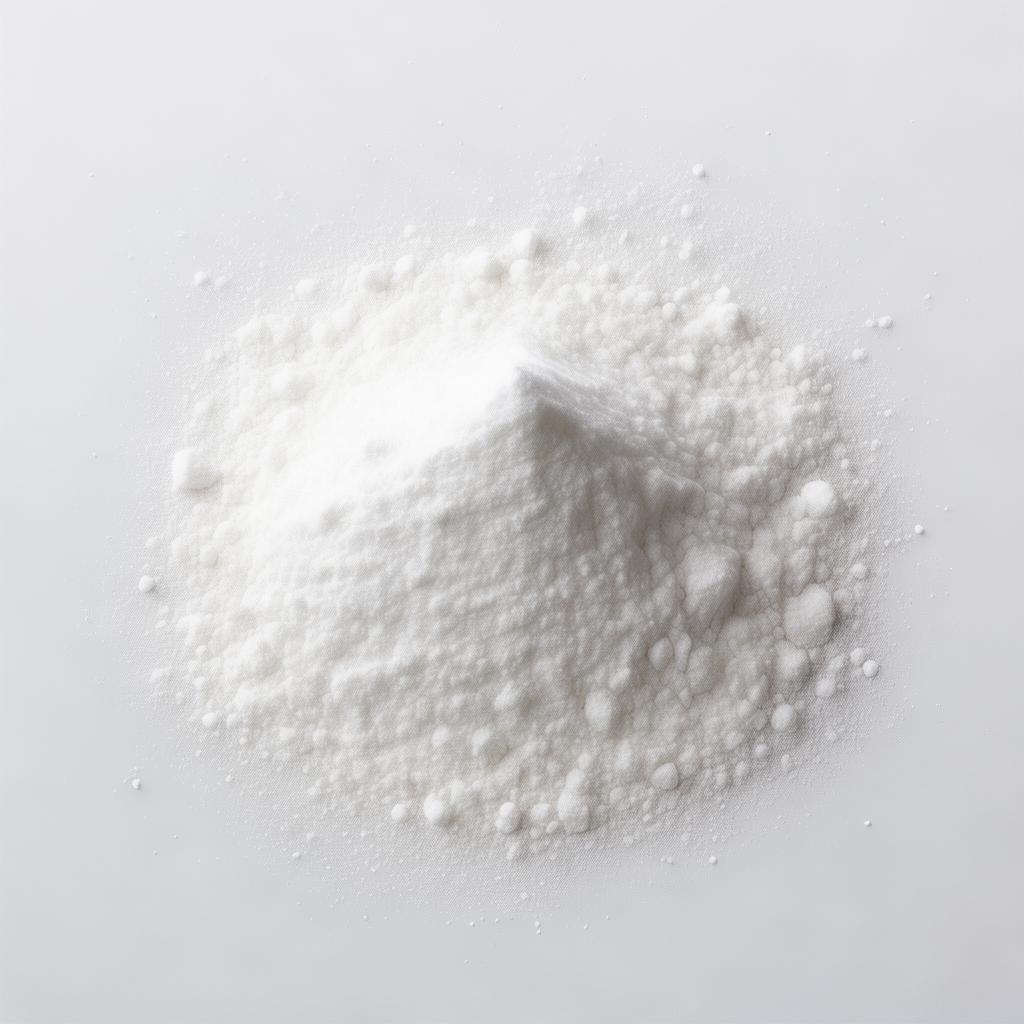
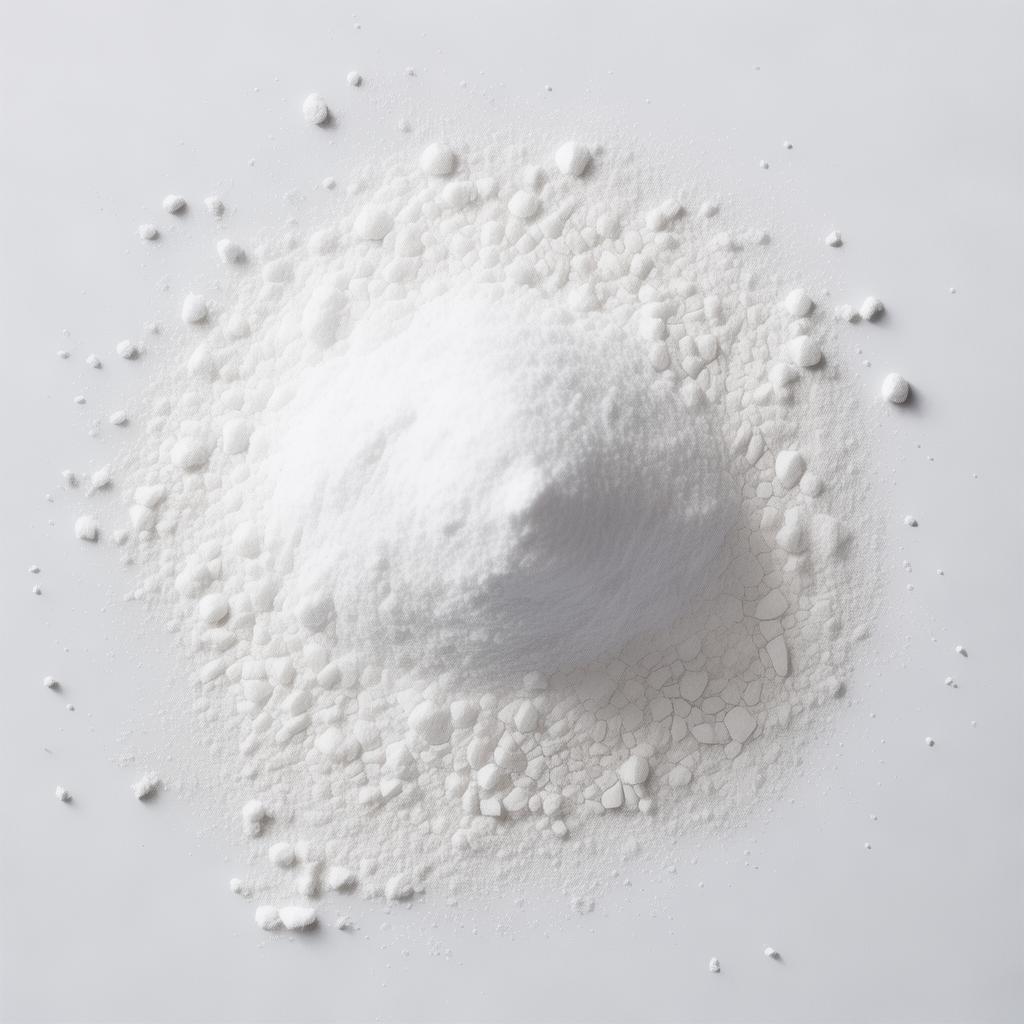
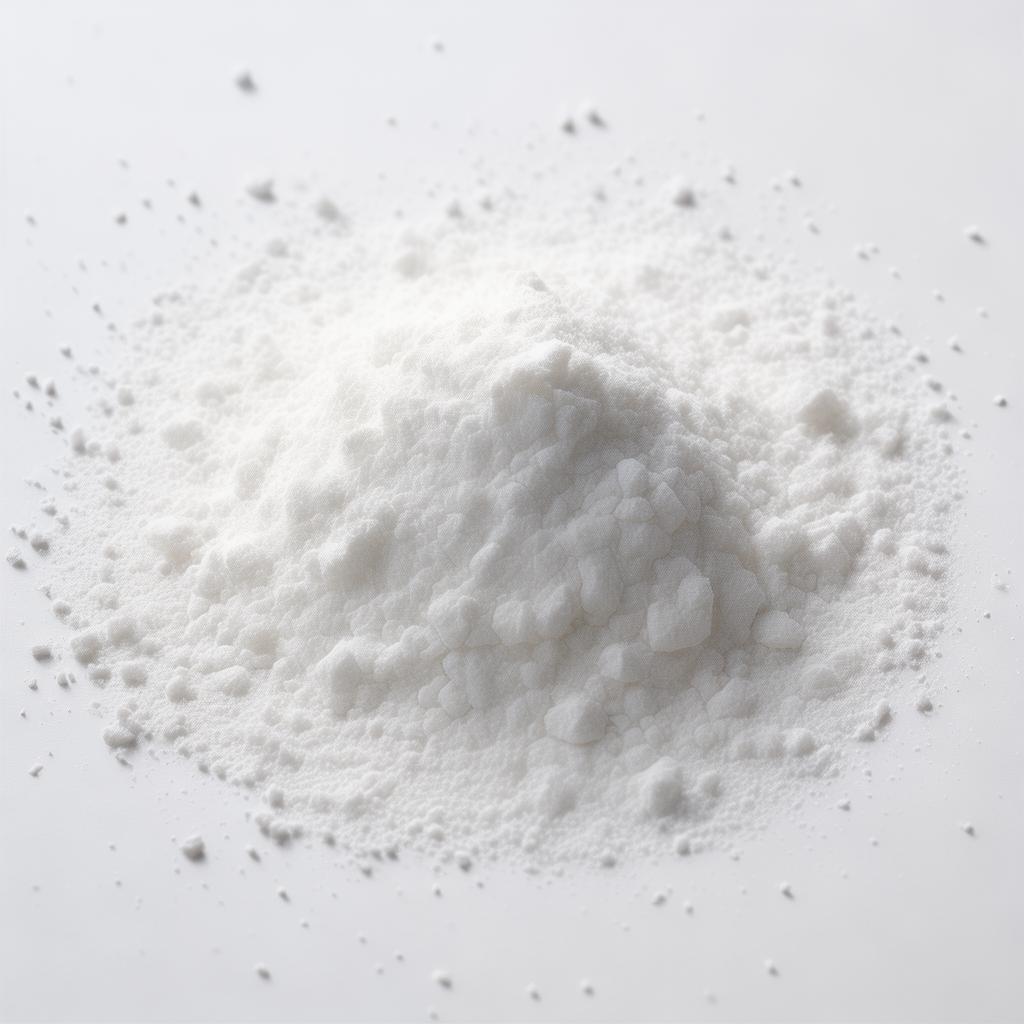
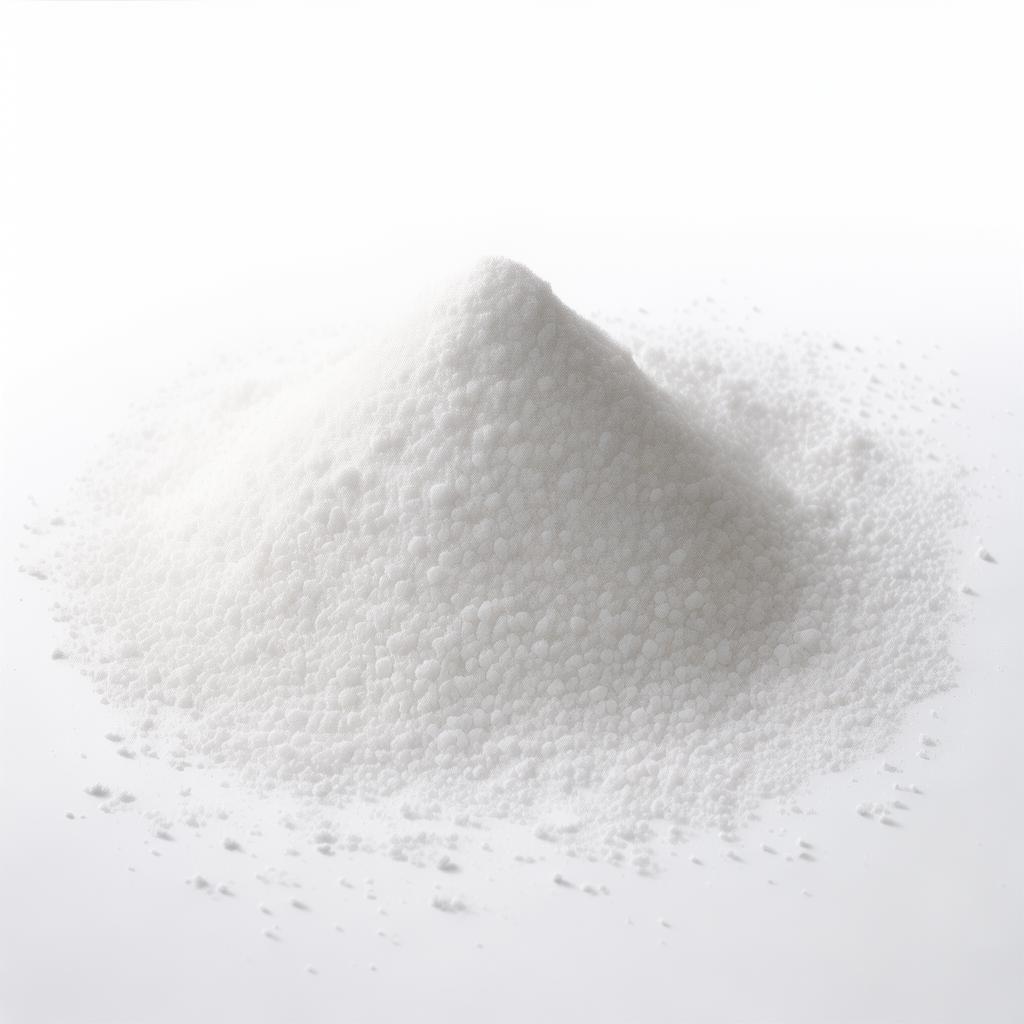
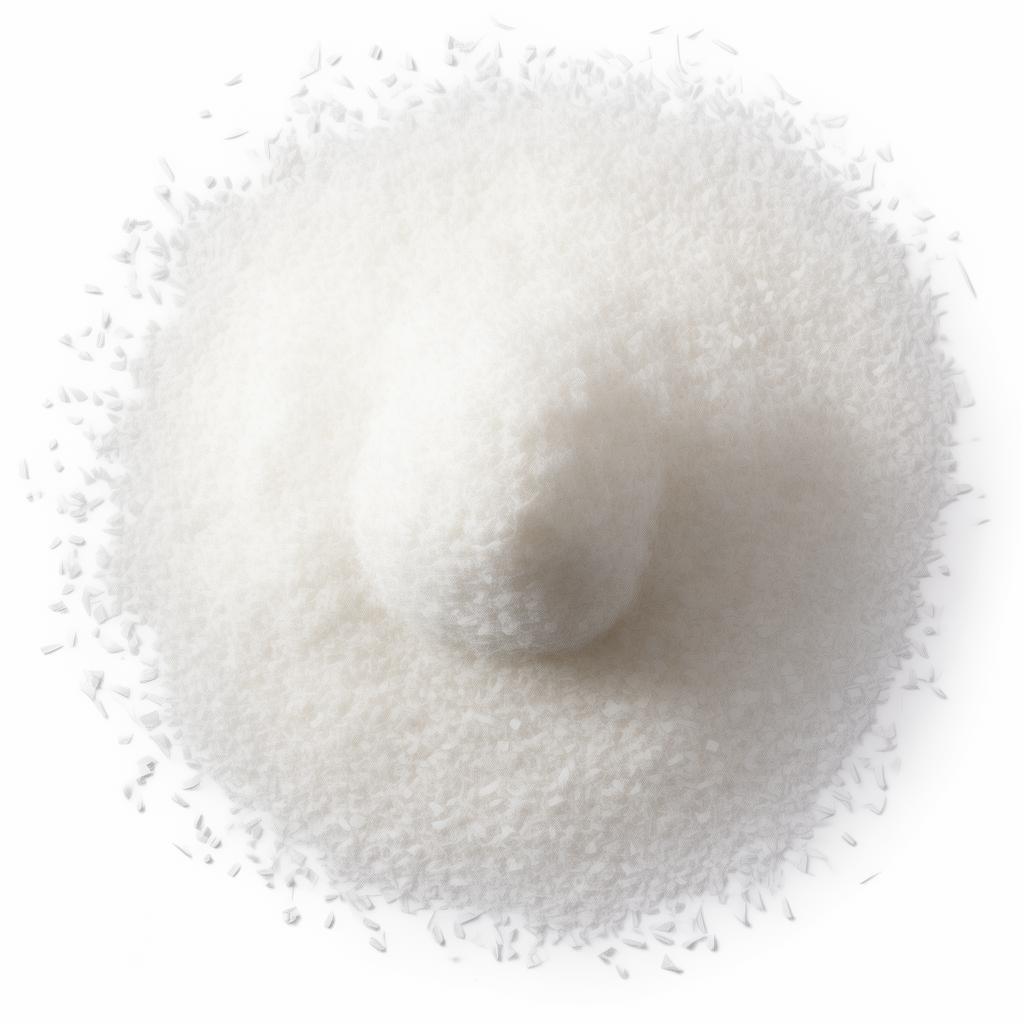
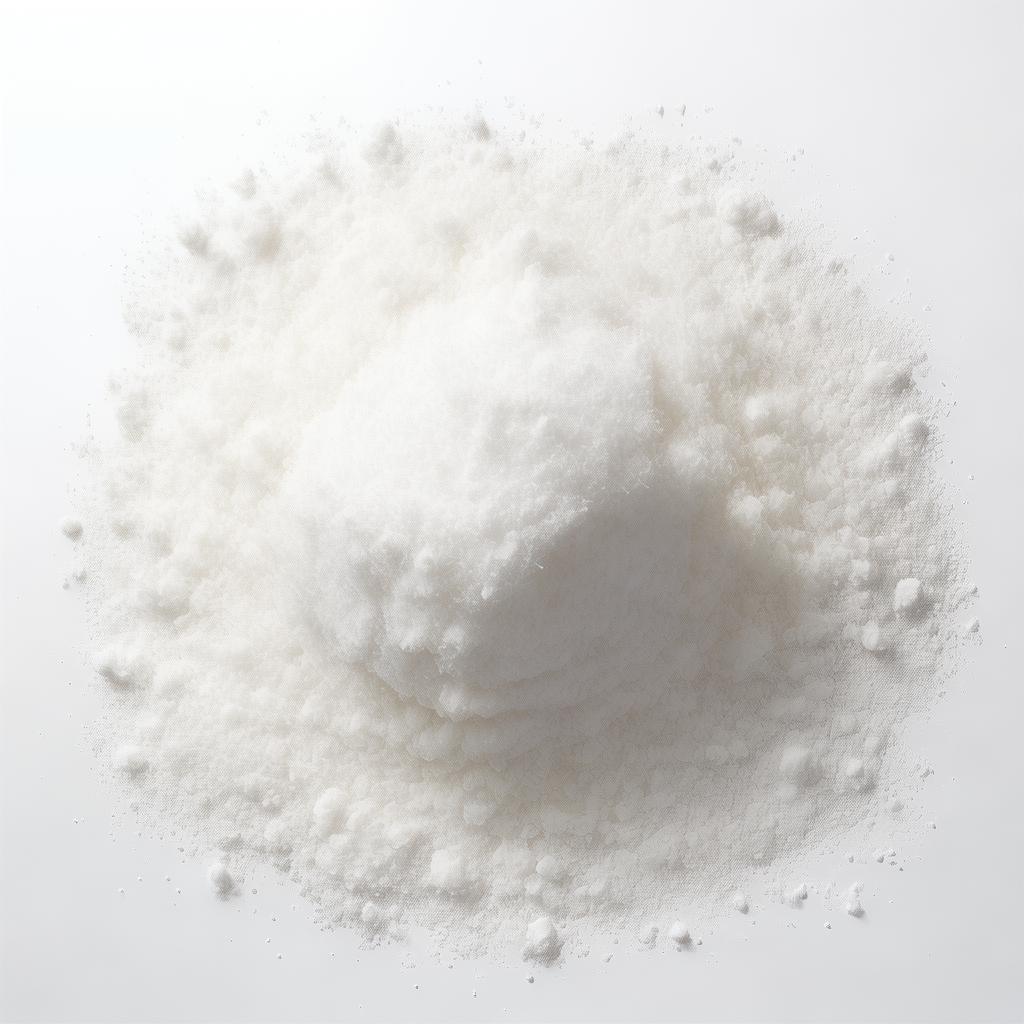
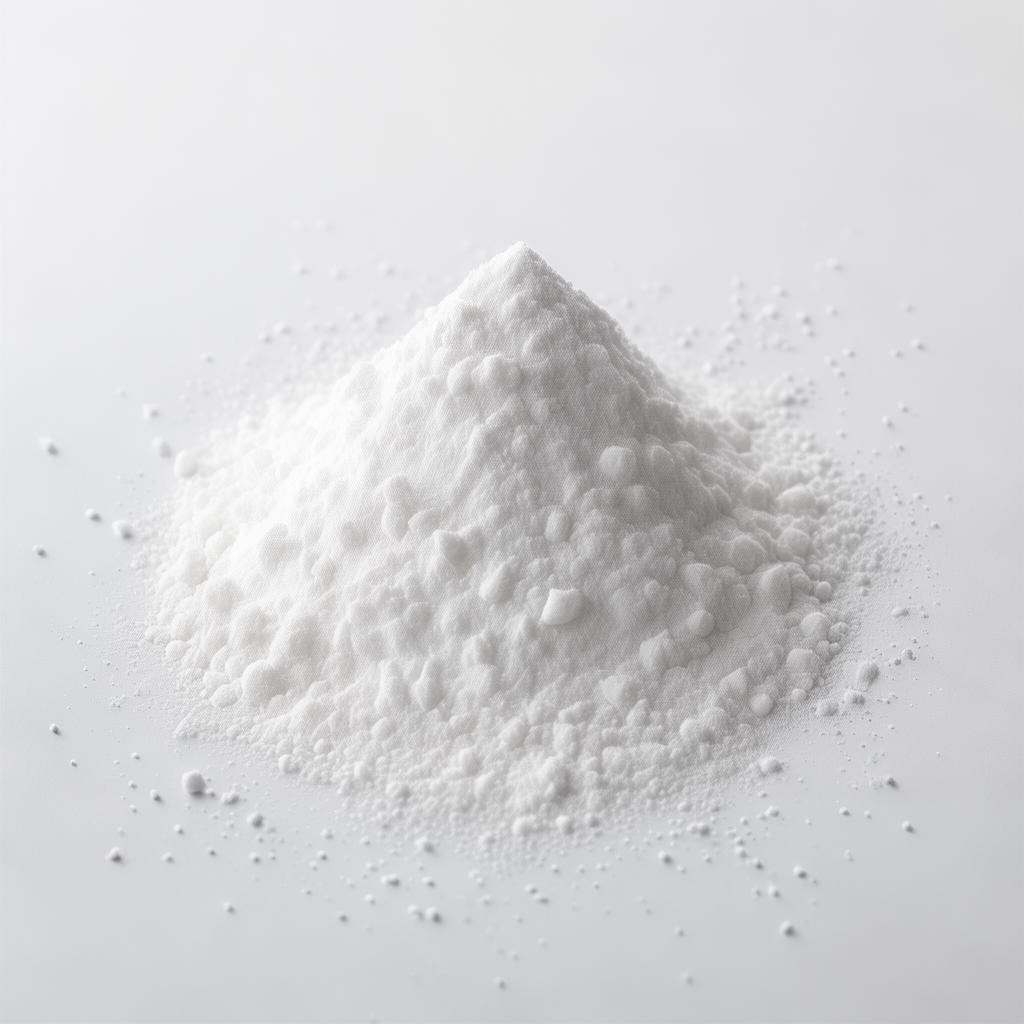
| Appearance | Powder or liquid, depending on formulation |
| Main function | Improve flow, reduce water demand, support placement |
| Application | Ready-mix concrete, precast, block production, dry-mix systems |
| Support documents | TDS, MSDS, COA, packaging details, export documents |
| Standards reference | ISO-based quality management, customer-specific testing, market compliance |
plasticizer for concrete cement plasticizer concrete super plasticizer
If you need a product tailored for an OEM or private-label program, the label format, bag size, pallet layout, and technical language can usually be adjusted to match your market strategy.
Application scenarios
- Ready-mix concrete: useful for consistent slump control and easier discharge.
- Precast manufacturing: helps improve form filling and production rhythm.
- Pumped concrete: supports smoother transport through hose and pipeline systems.
- Dry-mix formulations: useful when the end user adds water at the jobsite.
- Flooring and slab work: helps with spreadability and surface finishing behavior.
- Repair mortars and specialty blends: can support controlled flow without over-wetting the system.
In real projects, the application environment matters more than the label description. A concrete plasticizer for a precast plant may need different handling than one used in long-haul ready-mix logistics.
Plasticizer comparison: what buyers usually evaluate
| Option | Main strength | Typical caution |
| Lignosulfonate-based | Economical and familiar in many plants | May offer limited water reduction or slump retention |
| Traditional plasticizer blends | Useful for general workability improvement | Performance can vary by cement source |
| Polycarboxylate-type systems | Stronger dispersion and more modern control options | Requires careful compatibility and dosage checks |
The right choice depends on whether your priority is basic plasticization, stronger water reduction, longer slump retention, or a balance of cost and performance. There is no universal formula that fits every concrete plant.
Installation and batching considerations
Admixtures can be technically sound and still produce bad results if the batching sequence is wrong. That is a common procurement lesson. A product should be tested in the real plant, not only in a lab cup.
- Confirm whether the plasticizer should be added with mixing water, after part of the water, or in a specific sequence.
- Check compatibility with cement type, fly ash, slag, silica fume, and other supplementary cementitious materials.
- Review the impact of hot weather, long haul times, and delayed discharge.
- Monitor slump at dispatch and at delivery, not just at the first test.
- Keep dosage records for each batch during trial runs.
One practical note from plant-side experience: many product issues are not really product issues. They are process issues. A stable admixture still needs clean storage tanks, correct metering, and trained operators. That is why technical support matters as much as the chemical itself.
Maintenance and storage advice
Concrete plasticizer should be stored according to the supplier’s guidance. In export projects, the storage plan is often overlooked until the shipment arrives. That is not ideal.
- Keep packaging sealed until use.
- Store in a dry, ventilated area away from direct sunlight.
- Avoid contamination from dust, water, or incompatible chemicals.
- Use first-in, first-out inventory control for warehouse discipline.
- For liquid systems, check for freezing risk during winter shipping routes.
Good storage practice protects consistency. Bad storage often becomes a hidden cost later, especially for distributors who hold inventory across multiple customer accounts.
Factory strength and export capability
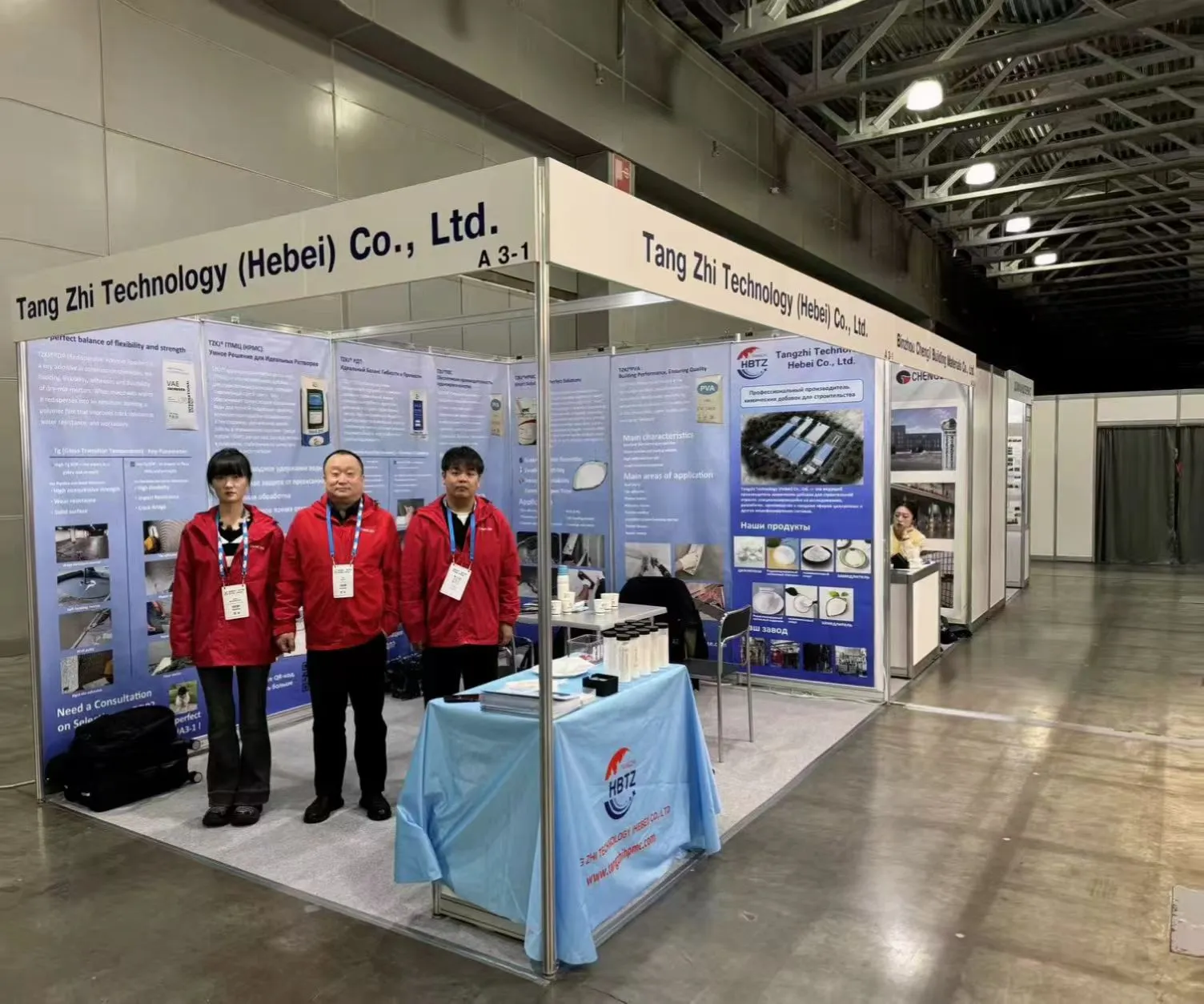
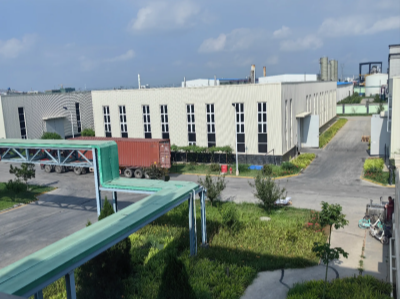
TANG ZHI TECHNOLOGY (HEBEI) CO., LTD is located in Jinzhou City, Hebei Province, with a factory covering 140,000 square meters and a building area of 90,000 square meters. The facility is equipped with automatic production lines and modern equipment. Annual capacity exceeds 40,000 tons.
Our core product structure includes HPMC, MHEC, PVA, RDP-VAE, CMC, PCE, gypsum retarders, defoamer agents, and medical excipient products. That manufacturing background matters because construction chemistry is not only about one product. It is about process control, raw material screening, batch consistency, and export discipline.
We support OEM and ODM supply for B2B clients who need private label packaging, market-specific technical documents, and stable bulk shipment planning. If you are a distributor or importer in the USA or another English-speaking market, we can discuss carton marking, bag design, pallet loading, and document preparation for customs clearance.

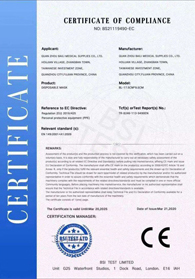
We also work with export documentation commonly requested in international trade, including COA, MSDS, and product specifications. If a customer needs additional compliance support, we can review requirements before shipment.
Procurement guidance: how to choose a supplier without wasting time
Buying concrete plasticizer is not difficult if the supplier is serious. The challenge is filtering out the ones who sound good but cannot support production.
- Ask for TDS and MSDS before price negotiation.
- Request dosage guidance based on your concrete system.
- Confirm packaging, shelf life, and storage conditions.
- Check whether trial samples are available before volume purchase.
- Review lead time, container loading plan, and export documents.
- Ask how the supplier handles complaint investigation if results differ from trial batches.
Serious suppliers answer these questions clearly. If the response is vague, the problem usually becomes clearer after the first shipment. Procurement teams know that is an expensive way to learn.
Practical CTA: If you want a working quotation, send your target dosage, packaging preference, and destination port. That saves time on both sides.
Certifications and trust signals
Different markets require different compliance documents. For construction chemical sourcing, buyers usually want a supplier that can provide credible documentation rather than broad claims.
- ISO-based quality management support
- Product technical data sheets
- Safety data sheets
- Export packing details
- Batch consistency control documentation
Where needed, product compliance can also be reviewed against local import requirements. A practical supplier should be able to discuss this without forcing you into unnecessary back-and-forth.
Buyer FAQs
What is the main function of concrete plasticizer?
It improves workability and dispersion in concrete, helping the mix flow better with less water.
Is concrete plasticizer the same as a superplasticizer?
Not always. Both improve flow, but superplasticizers usually provide stronger water reduction and are used in more demanding mixes.
Can I use the product in ready-mix and precast plants?
Yes, but the dosage and compatibility should be checked against your cement and production process.
Do you support OEM/ODM orders?
Yes. Packaging, labeling, and document support can be arranged for wholesale and private label customers.
Can I request a sample before bulk ordering?
Yes, sample requests are available for technical evaluation before commercial purchase.
What information do you need for a quotation?
Application, target dosage, packaging format, monthly volume, and destination port are usually enough to start.
Customer reviews
Mark D., Procurement Manager, Texas
We needed a plasticizer for a ready-mix line that was giving us slump variation in summer. The technical discussion was practical, not generic. That helped us narrow the trial faster.
Emily R., Distributor, California
Packaging and export documents were handled in a way that made customs work easier. For wholesale imports, that saves time. The communication was also fast.
Jason K., Precast Plant Engineer, Illinois
What we appreciated most was the willingness to talk through dosage and mixing sequence. That is usually where the real issues appear, not in the brochure.
Sophia L., Import Buyer, Florida
We were comparing several suppliers. The difference here was the balance of technical detail and export readiness. That made internal approval easier.
Request a quote, sample, or product spec
If you are sourcing concrete plasticizer for wholesale supply, ready-mix production, or OEM packaging, send us your application details and target market. We will respond with the relevant product data, packaging options, and shipment plan.
Phone / WhatsApp: +86-15032625168
Email: admin@tangzhicellulose.com
Address: Room 2308, Dongsheng Plaza 2, No. 508 Zhongshan East Road, Chang’an District, Shijiazhuang, Hebei, China
Request Catalog | Get Factory Pricing | Request Free Sample | Talk With Our Engineer | Check OEM Options