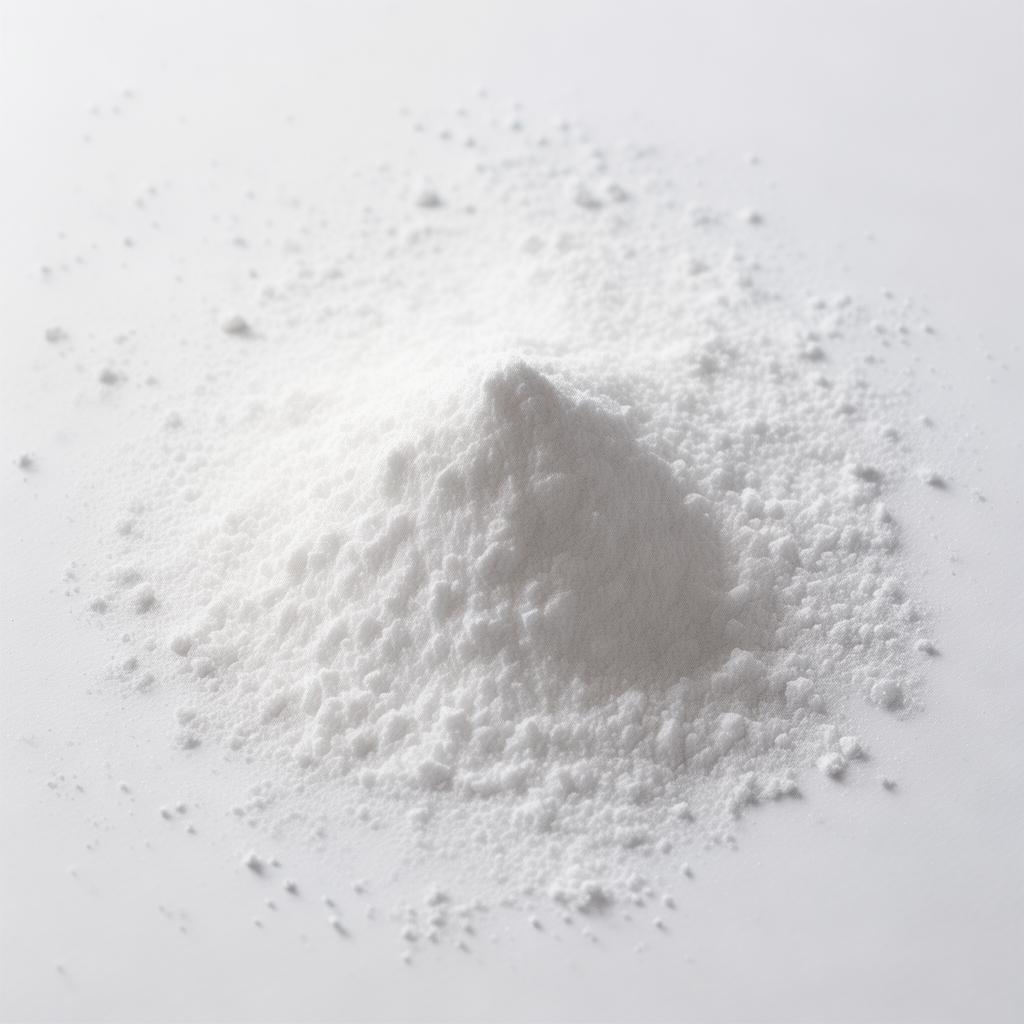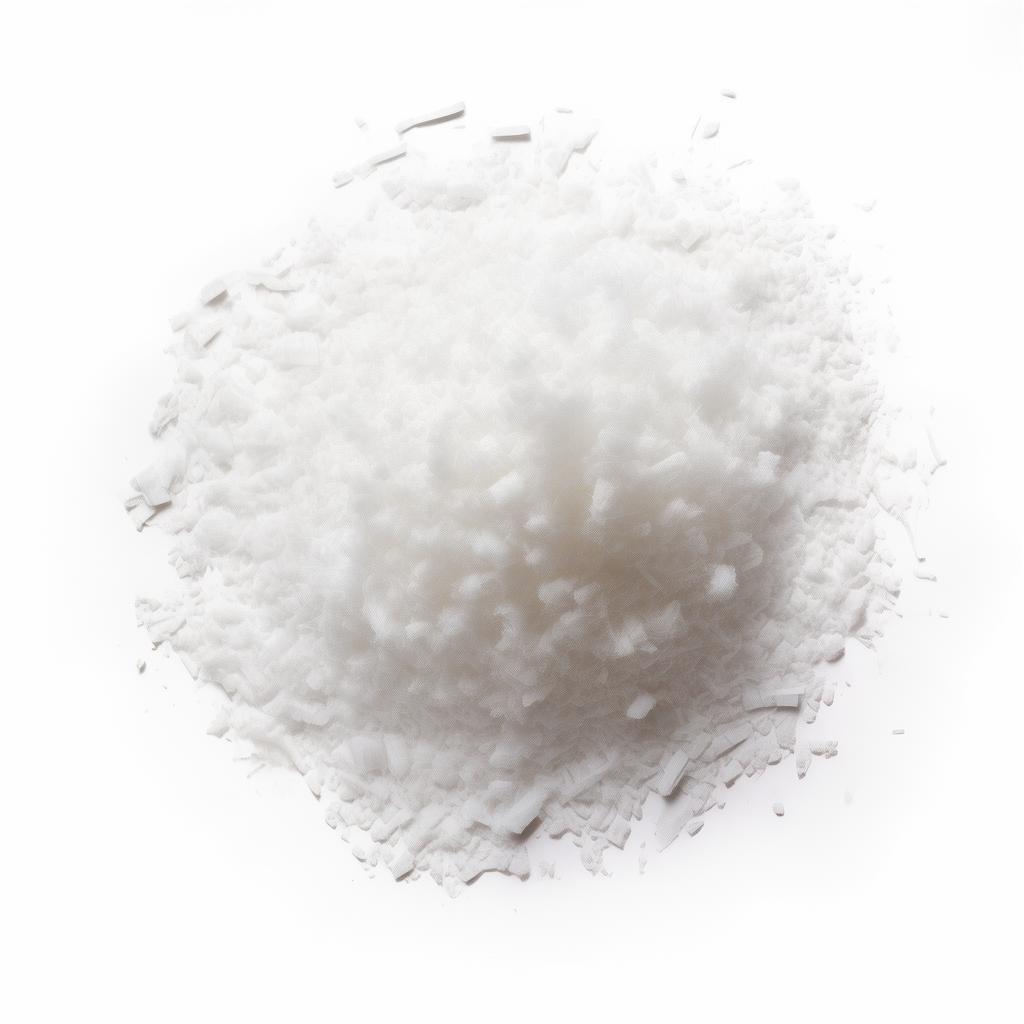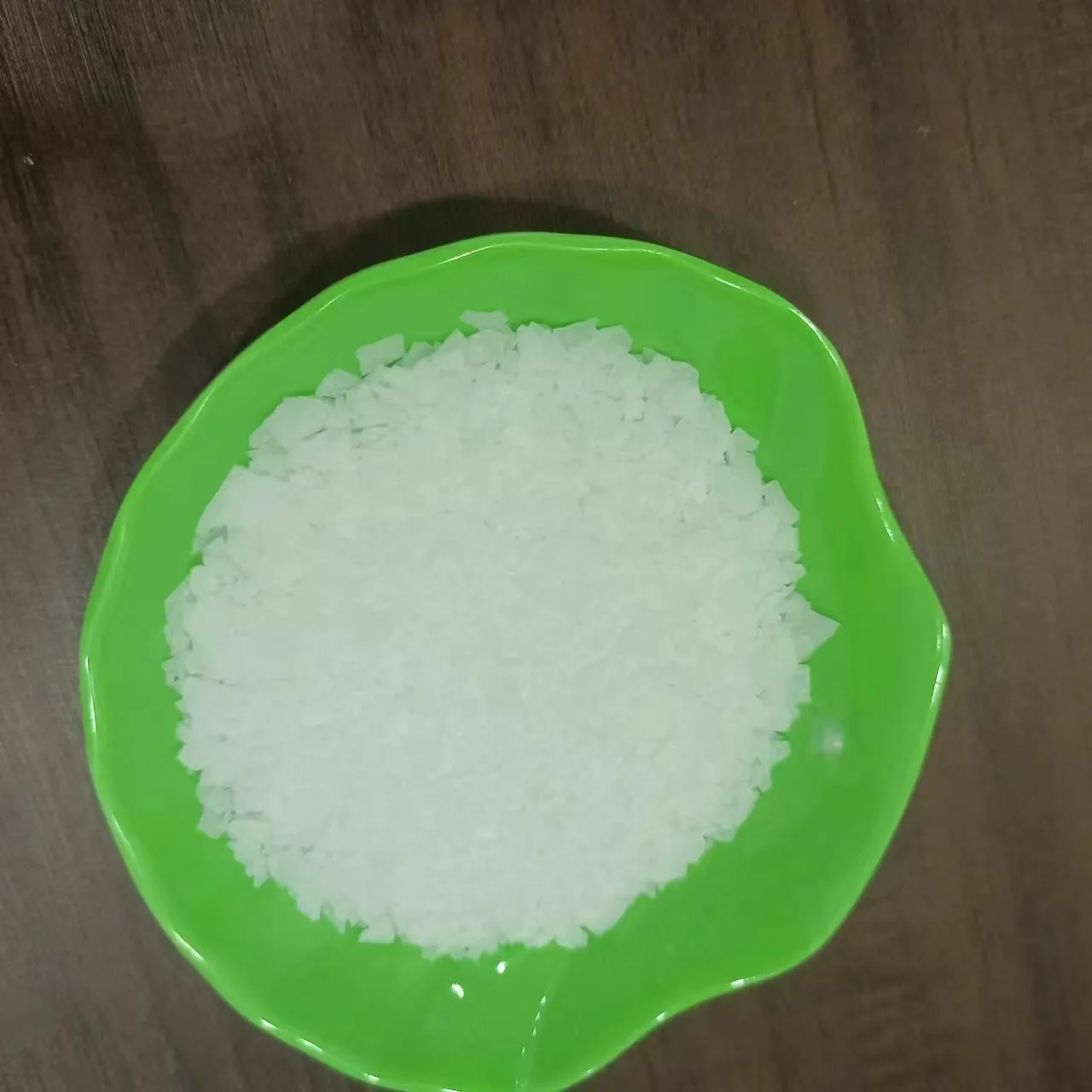
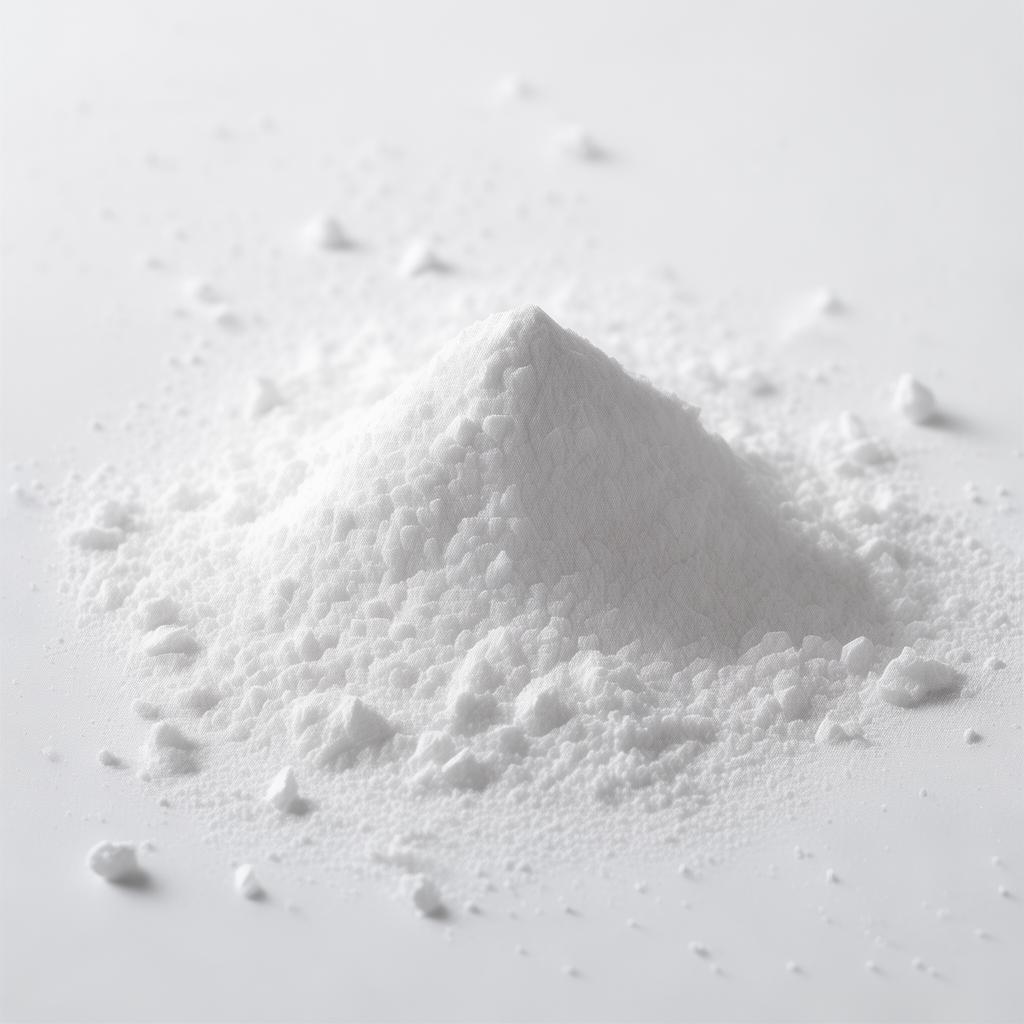
Cross Linked Sodium Carboxymethyl Cellulose
Cross-Linked Sodium Carboxymethyl Cellulose: Reliable Supply for Industrial Needs
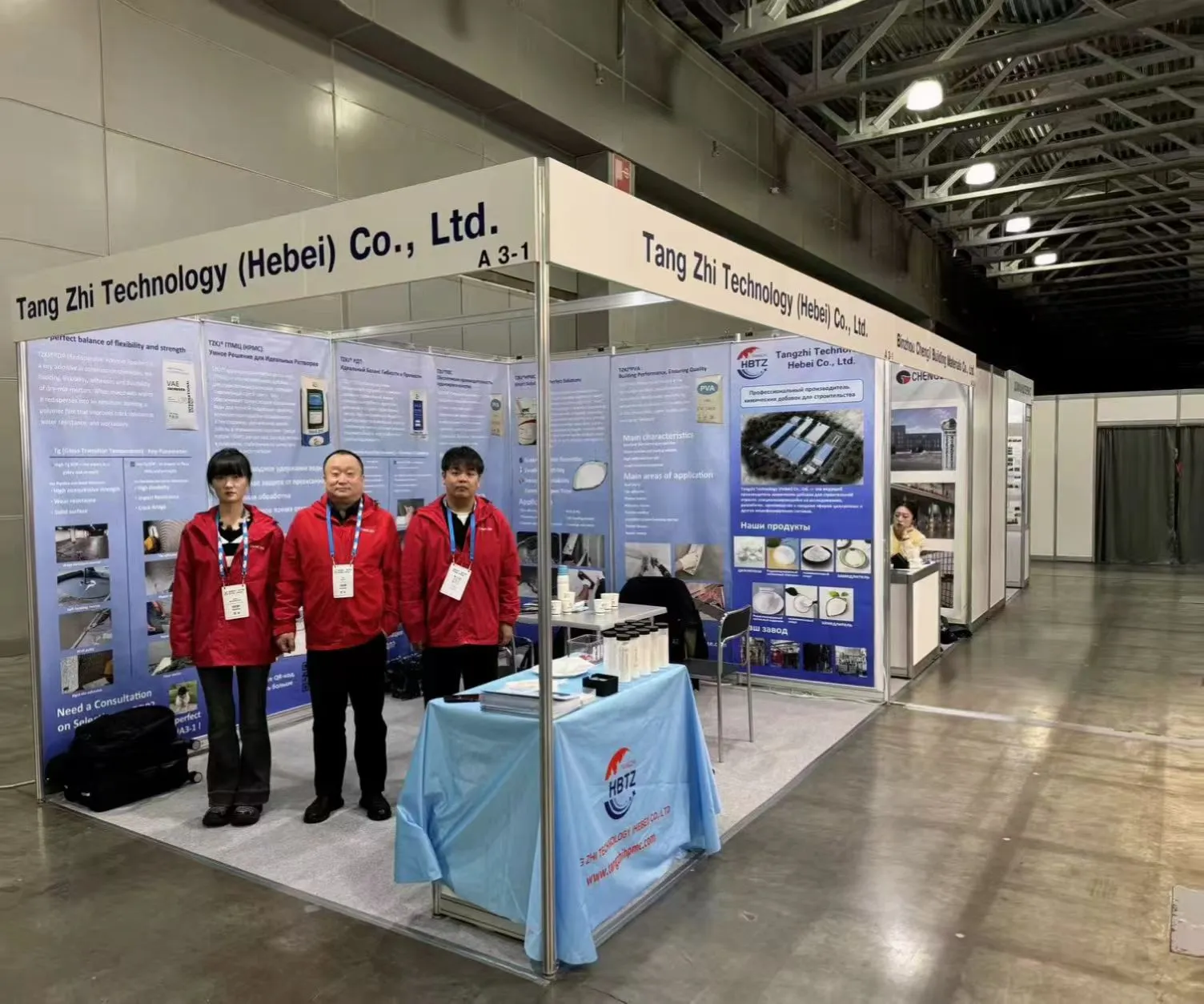
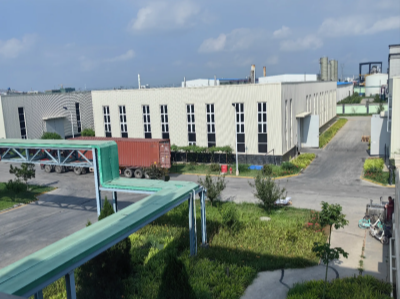
Sourcing cross-linked sodium carboxymethyl cellulose shouldn't turn into a procurement headache. We've handled orders for oilfield chemicals, pharma stabilizers, and food thickeners from buyers across the US, Europe, and Asia. At Tang Zhi Technology (Hebei) Co., Ltd., our cross-linked CMC comes from a 140,000 sqm factory in Jinzhou, cranking out over 40,000 tons yearly of cellulose derivatives like HPMC, MHEC, and standard CMC. This modified version? It's engineered for tougher jobs—higher viscosity retention, better shear stability, and gel strength that holds up under pressure.
Cross-linked sodium carboxymethyl cellulose starts with regular sodium CMC, that water-soluble polymer pulled from cellulose pulp. But we cross-link it using divalent ions or etherification tweaks during production. Result? A network structure that resists breakdown in high-salinity brines, acidic slurries, or high-temp environments. Think drilling muds where fluid loss control matters, or pharma suspensions that need to stay suspended without settling overnight.
Buyers often stumble here. Standard CMC degrades fast in electrolytes—loses half its viscosity in saline solutions. Cross-linked holds firm, sometimes boosting performance by 30-50% in rheology tests, based on what our lab runs show against competitors. We've shipped tons to Texas rig operators who ditched imported gels after one trial batch. No fluff; just field-proven material.
Our process kicks off with alkali cellulose from cotton linters or wood pulp—purer sources mean fewer impurities downstream. Etherification with monochloroacetic acid builds the carboxymethyl groups, then cross-linking agents like epichlorohydrin lock in the chains. Dry it, grind to your spec (from 40 mesh coarse to 200 mesh fine), and it's ready for 20ft containers. Lead times? 15-25 days for full loads, FOB Tianjin or CIF your port.
Why does this matter to you? Procurement directors tell us they waste time chasing inconsistent grades. One shipment viscous enough, the next flops in mixing trials. We standardize substitution degrees at 0.6-1.2, cross-link density tuned per application. Oil & gas? High cross-link for fluid loss under 10ml/30min API. Food? Lower for smooth mouthfeel in ice creams or glazes.
Let's drill down. In fracturing fluids, cross-linked CMC suspends proppants without syneresis— that watery separation that clogs pumps. We've got repeat orders from Permian Basin ops because it shears back thin for cleanup. Pharma folks use it for controlled release matrices; the cross-links slow erosion in gastric sims. Detergent powders? Binds enzymes without clumping in humid warehouses.
Market's shifting too. With shale plays booming, demand spiked 20% last year per industry chatter. But supply chains snag on quality dips from smaller mills. Our auto lines—world-class kneaders and reactors—hit purity >99.5% on a consistent basis. No batch rejects eating into your schedule.
Ever dealt with off-spec imports? Yellowing from oxidation, or insoluble lumps from poor neutralization. We run inline viscometers and gel timers; every lot certified. Packaged in 25kg PE-lined bags, or 500kg jumbos for efficiency. Shelf life 24 months if kept dry—practical, not pie-in-sky.
This isn't just product talk. As export manager with 12 years shipping cellulose mods worldwide, I've fielded calls from ops managers furious over delayed trials. Our MOQ starts low—1 ton trials welcome—with factory-direct pricing that undercuts middlemen. Want a spec sheet or sample? Hit us up.
That's the groundwork—over 800 words on what sets our cross-linked sodium carboxymethyl cellulose apart. Now, let's map it to your needs.
Table of Contents
Common Procurement Risks with Cross-Linked CMC
Procuring cross-linked sodium carboxymethyl cellulose trips up even seasoned importers. Specs look good on paper, but mix it in your slurry and... problems. Inconsistent cross-link density leads to over-gelling or weak viscosity. We've seen US buyers reject 40% of spot market lots for failing API fluid loss tests.
Sourcing tip: Vet substitution degree (DS 0.7-1.0 typical) and cross-link index via lab rheograms. Purity matters—ash <5%, heavy metals <10ppm for pharma/food grades. Logistics snags too: humid ports cake the powder. Opt for PE-lined bags.
- Grade mismatch: Food vs. technical—colors and odor differ.
- Batch variability: Small factories can't scale quality.
- Lead time overruns: 60+ days kills projects.
- Hidden costs: Anti-dumping duties on low-grade imports.
Skip the risks. Request our trial sample kit—includes MSDS, COA, and mixing guide.
Technical Deep Dive: How Cross-Linking Works
Regular CMC hydrates fast but thins out under stress. Cross-linking? Introduces covalent bridges between chains, creating micro-gels. In 2% KCl brine at 80°C, it holds 10x longer viscosity than non-cross-linked.
Our engineers tweak via reaction pH and agent ratios. High cross-link: Fracturing gels. Medium: Paints, adhesives. Test data: Brookfield LVF at 25°C, 20rpm—peaks at 5000-15000 cP depending on grade.
Short observation: Always pre-hydrate in freshwater first. Brine addition later prevents fisheyes.
Key Industrial Applications
Oilfield drilling muds: Fluid loss control, viscosifier. Reduces API loss to <8ml.
Pharma: Tablet binders, ophthalmic suspensions. USP/EP compliant options.
Food: Dairy thickeners, low-fat spreads. E466 listed, halal/kosher certs.
Others: Ceramics (slip casting), paper (surface sizing), detergents (anti-redeposition).
sodium carboxymethyl cellulose carboxymethyl cellulose sodium sodium carboxymethyl cellulose supplier
Pro tip for ops: In concrete admixtures, pair with PCE for pumpable slumps without segregation.
Product Specifications Table
| Parameter | Technical Grade | Food/Pharma Grade |
|---|---|---|
| Viscosity (2% sol, cP) | 3000-8000 | 2000-10000 |
| Degree of Substitution | 0.65-0.95 | 0.75-1.0 |
| pH (1% sol) | 6.5-8.0 | 6.0-8.0 |
| Fluid Loss (API, ml) | <10 | N/A |
| Moisture (%) | <8 | <7 |
| Heavy Metals (ppm) | <20 | <10 |
Custom grades available. Download full datasheet here.
Factory Strength: Why Tang Zhi?
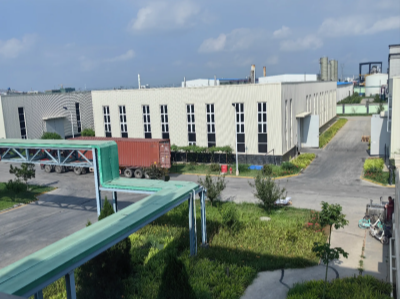
140,000 sqm site, 90,000 sqm built. Auto production lines for CMC, HPMC, RDP. 40k+ tons capacity keeps pricing stable—no shortages mid-project.
OEM/ODM pros: Private label your bags, tweak formulas. Exported to 50+ countries, familiar with US FDA, EU REACH.
Logistics from Hebei to Your Door
FOB Tianjin: 25mt/20ft container (1000 bags). CIF rates competitive to Houston, Rotterdam. Transit 25-35 days sea. Air for samples.
- Incoterms flexible: EXW if you pick up.
- Insurance included on full loads.
- Warehouse stock in Shijiazhuang for fast dispatch.
Procurement note: Consolidate with HPMC for better rates.
Certifications and Compliance


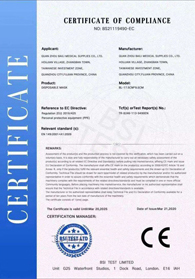
ISO 9001, Kosher, Halal, REACH. Full audits available.
What Our Buyers Say
John Ramirez, Procurement Mgr, Texas Drilling Co.
"Switched to Tang Zhi cross-linked CMC after three bad batches elsewhere. Held viscosity in 10% NaCl at 120F. Saved us rework costs. Samples were key."

Dr. Elena Kowalski, R&D Pharma, EU Firm
"Excellent gel stability for our suspensions. USP grade matched specs perfectly. Fast response on custom DS adjustments."

Mike Chen, Ops Asia Distributor
"Reliable logistics, no delays. Used in ceramics—smooth casting, no cracks. Pricing beat India suppliers."

Sarah Patel, Food Tech US
"Thickener works great in syneresis-prone yogurts. Clean label, no issues with regulators."

Frequently Asked Questions
Q: What's the difference from regular CMC?
A: Cross-links boost stability in harsh conditions. Better for electrolytes, heat.
Q: Minimum order?
A: 1MT trials, 20MT full container.
Q: Samples available?
A: Yes, 1-5kg free with freight collect.
Q: OEM possible?
A: Full private label, custom specs.
Q: Shelf life and storage?
A: 24 months dry, <60% RH. Avoid direct sun.
Ready for Reliable Cross-Linked CMC?
Get factory pricing, samples, or engineering consult. No obligation.
- Phone/WhatsApp: +86-15032625168
- Email: admin@tangzhicellulose.com
- Addr: Room 2308, Dongsheng Plaza 2, No. 508 Zhongshan East Road, Chang’an District, Shijiazhuang, Hebei, China
By Li Wei, Export Director |  | Tang Zhi Technology (Hebei) Co., Ltd. | Updated Oct 2026