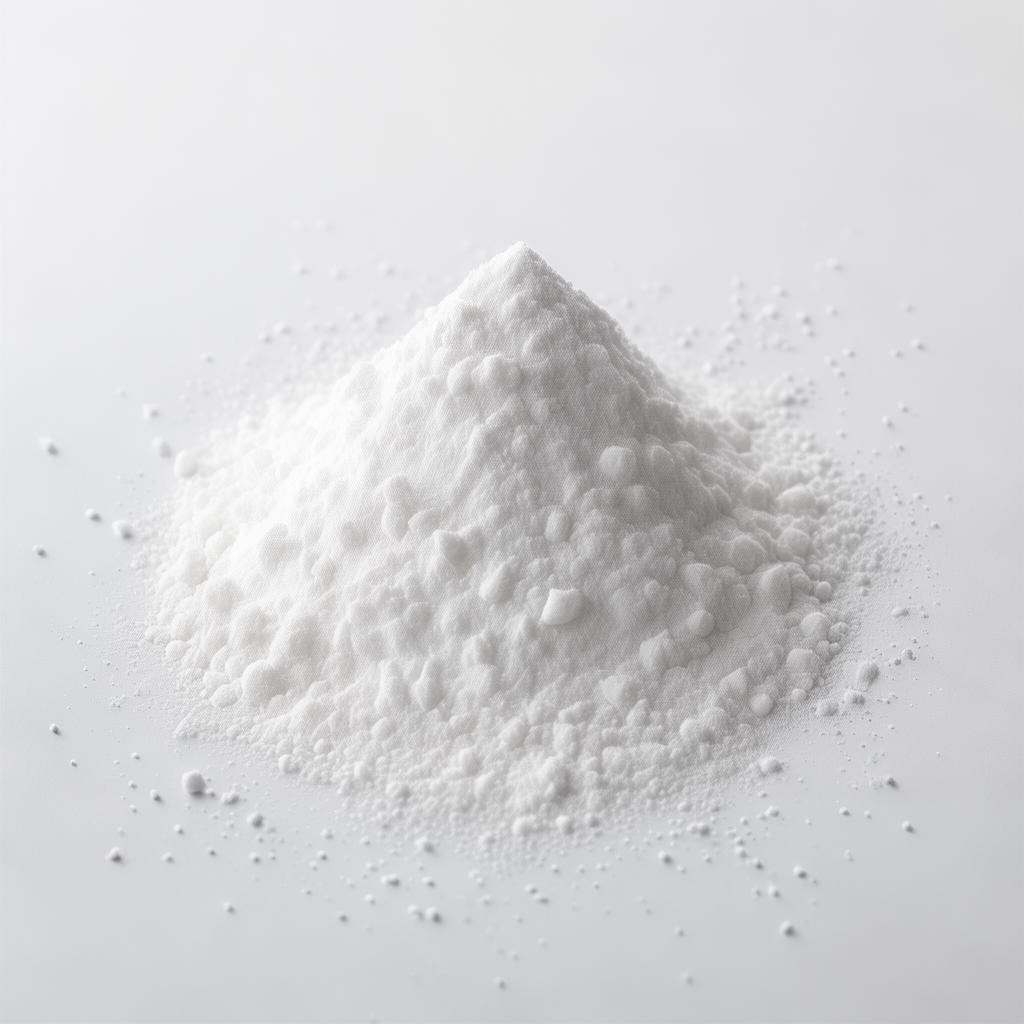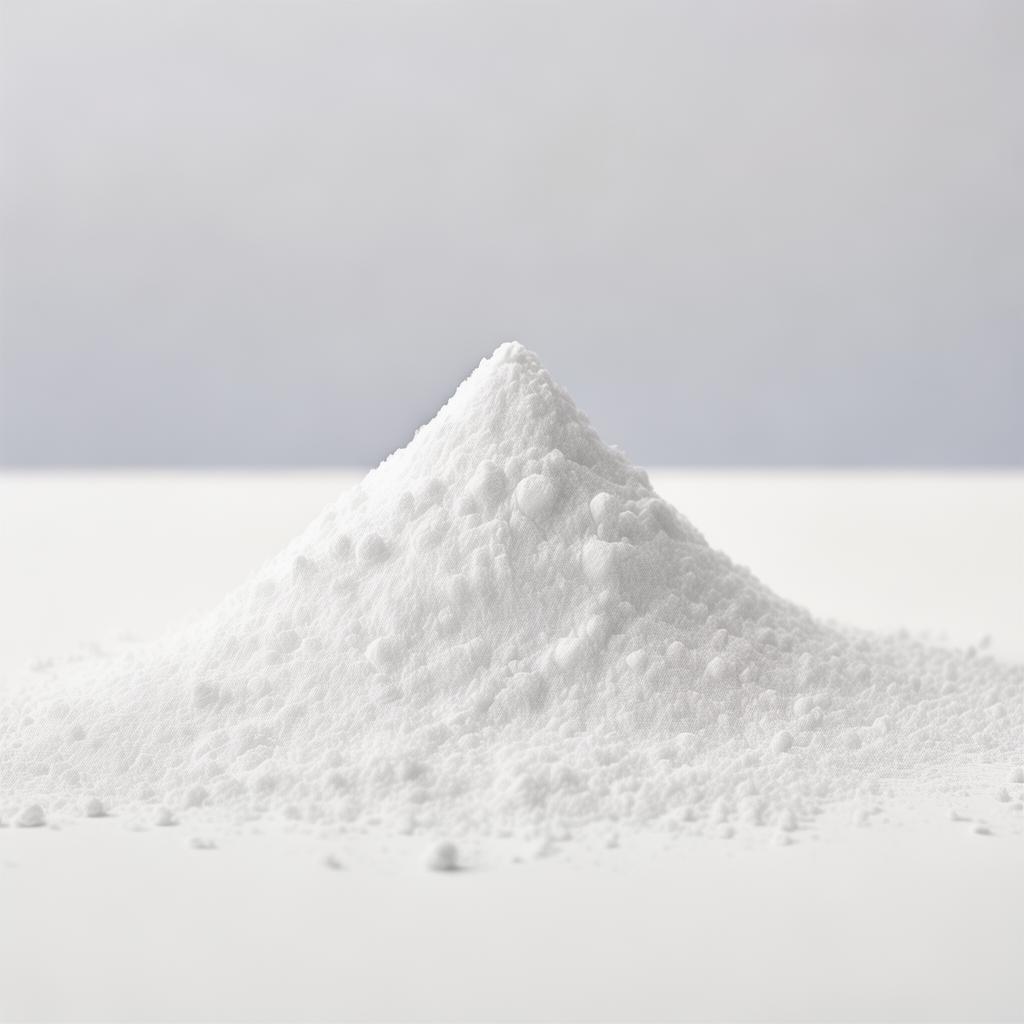
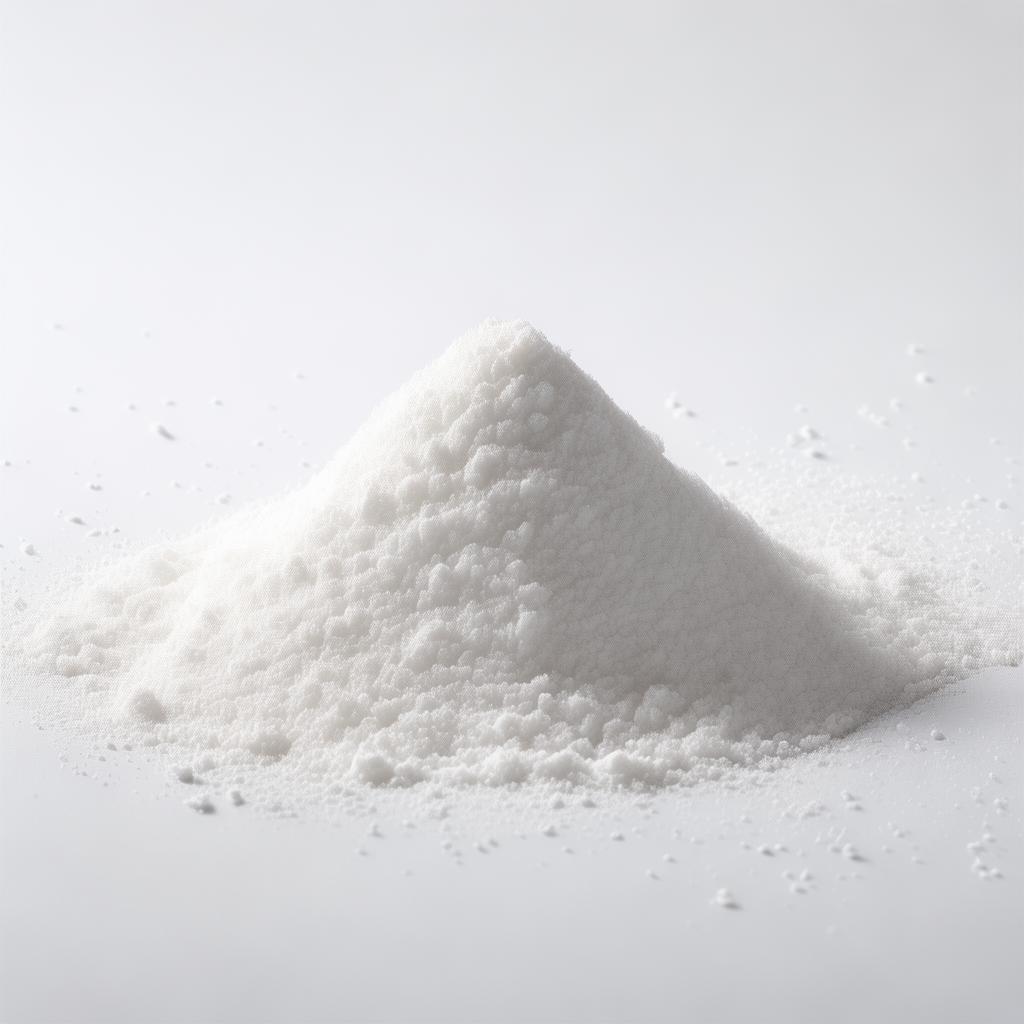
Desiccant Cartridge
Desiccant Cartridges: Factory-Direct Supply for Industrial Air Dryers and Gas Dehydration
ISO-Certified OEM Manufacturer | Wholesale Volumes | Custom Sizes from China
About the Author

Li Wei, Export Director at Tang Zhi Technology (Hebei) Co., Ltd.
Over 15 years handling international B2B supply for industrial desiccants and chemical cartridges. I've managed shipments to 40+ countries, troubleshooting dryer failures on-site for clients in oil&gas and pharma. Real-world experience, not just specs.
Table of Contents
- Common Pain Points in Desiccant Replacement
- Market Shifts Driving Desiccant Demand
- Key Features of Our Desiccant Cartridges
- Practical Installation Tips
- Global Shipping and Lead Times
- OEM/ODM Capabilities
- Technical Specifications
- Real-World Applications
- What Buyers Are Saying
- Frequently Asked Questions
Why Desiccant Cartridges Fail – And Cost You Downtime
Procurement managers know the drill. Your compressed air dryer starts spitting moisture. Tools rust. Product lines halt. Paint jobs get scrapped. A bad desiccant cartridge isn't just an expense – it's a production killer.
We've seen it across sectors. In food processing, excess humidity breeds bacteria. Oil rig compressors seize from water ingress. Electronics assembly? Fogged optics ruin yields. Last quarter alone, three US importers called us after cheap Alibaba cartridges crumbled after three months.
Root causes? Poor bead distribution. Weak end caps that blow out under pressure. Fillers that channel – moisture slips right through. And don't get me started on off-spec silica gel that dusts into your air stream.
Switching suppliers mid-year? Lead times drag. Customs holds up FCL shipments. You're stuck paying premiums for local stock that's half as effective.
Our cartridges? Built to spec for adsorption dryers. No short-cuts. Consistent dew points down to -40°C. That's the baseline we hit, year after year.
One operations manager in Texas shared how their previous supplier's cartridges caused $15k in downtime. Switched to us – steady PDP, no issues since 2022.
Talk logistics risks with our team →Market Trends Pushing Desiccant Upgrades
Compressed air systems aren't what they used to be. Pharma regs like FDA 21 CFR demand drier air. Natural gas processing hits tighter specs for pipeline transport. Electronics fabs chase sub-zero dew points for yield protection.
Global shift too. US importers ramp up for reshoring manufacturing. EU carbon rules favor efficient dryers. Asia's export boom needs reliable moisture control.
Desiccant tech evolves. Molecular sieves for ultra-low PDP. Hybrid beads for heat reactivated systems. But basics hold: silica gel dominates for cost-effectiveness in most desiccant cartridge setups.
We've supplied into these trends. Annual output ramps with demand. From 500-unit trial orders to full container loads for repeat pharma buyers.
Observation from the floor: Buyers overlook lifecycle costs. A cartridge that regenerates 500 cycles versus 300? Pays for itself in media replacement alone.
What Sets Our Desiccant Cartridges Apart
Start with the shell. High-impact ABS or aluminum, rated to 10 bar. No cracking under thermal cycling. End caps? Powder-coated steel screens, 99.9% bead retention.
Inside: Triple-layered silica gel beads. 3-5mm mesh for optimal flow. Activated to 2% equilibrium moisture. Some lots we run molecular sieve type 13X for CO2 tolerance in biogas lines.
Flow dynamics matter. Perforated design minimizes pressure drop – under 0.2 bar at full load. We've tested on Kaeser and Atlas Copco units. Drops stay low even post-regeneration.
- UV-stabilized polymers resist yellowing in outdoor installs.
- Quick-change bays for zero-tool swaps.
- Color indicator strips optional – turns when saturated.
- Custom fill ratios for TSA or heatless dryers.
Factory edge: Automated filling lines ensure uniformity. No hand-packing variances. QA pulls every 50th unit for crush tests and saturation curves.
Hands-On Installation and Startup Advice
Engineers hate vague manuals. Here's the real sequence. Purge lines first. Dry nitrogen push at 2 bar. Slide cartridge in bay – arrow upstream. Torque retainers to 15 Nm.
Regen cycle? 250°C max for silica. Watch ramp rate – 5°C/min avoids shocking beads. Purge flow 10% of dryer capacity.
Common pitfalls. Over-tightening cracks screens. Skipping pre-dry leads to channeling. In humid climates like Houston, precondition cartridges 24 hours.
Post-install: Monitor PDP hourly first week. Should stabilize -20°C inlet to -40°C outlet. Deviations? Check seals or bead migration.
- Depressurize dryer fully.
- Inspect bay for debris.
- Load cartridge, align ports.
- Cycle test at half load.
Pro tip: Label saturation dates. Rotate twins every 6-12 months based on duty cycle.
Need install checklist? Email us.Shipping Worldwide: What to Expect
Hebei to your dock. 20' FCL fits 800-1200 cartridges, palletized. Wood fumigated per ISPM15. Lead time: 15-25 days production + 28-35 sea to US East Coast.
Air express for urgents: DHL/FedEx, 500kg max pallet. Duty codes? 8421.39 for cartridges. ROHS compliant, no hazmat.
Customs smooth. We prep CO, packing list, CIQ certs. US buyers: Often under Section 321 for samples.
Real talk: Port congestion adds 7-10 days lately. Buffer your reorder. Track via our portal.
| Route | Transit Time | Cost per FCL (USD) |
|---|---|---|
| China → US East | 35-42 days | $3200-3800 |
| China → US West | 28-35 days | $2800-3400 |
| China → Europe | 30-38 days | $2900-3500 |
Detailed Technical Specifications
Standard sizes in stock. Custom diameters up to 500mm.
| Parameter | Silica Gel Type | Molecular Sieve Type |
|---|---|---|
| Bead Size | 3-5mm | 2-4mm |
| Pressure Drop (Full) | <0.2 bar | <0.3 bar |
| Dew Point | -40°C | -60°C |
| Regen Temp Max | 250°C | 300°C |
| Cycles | 500+ | 800+ |
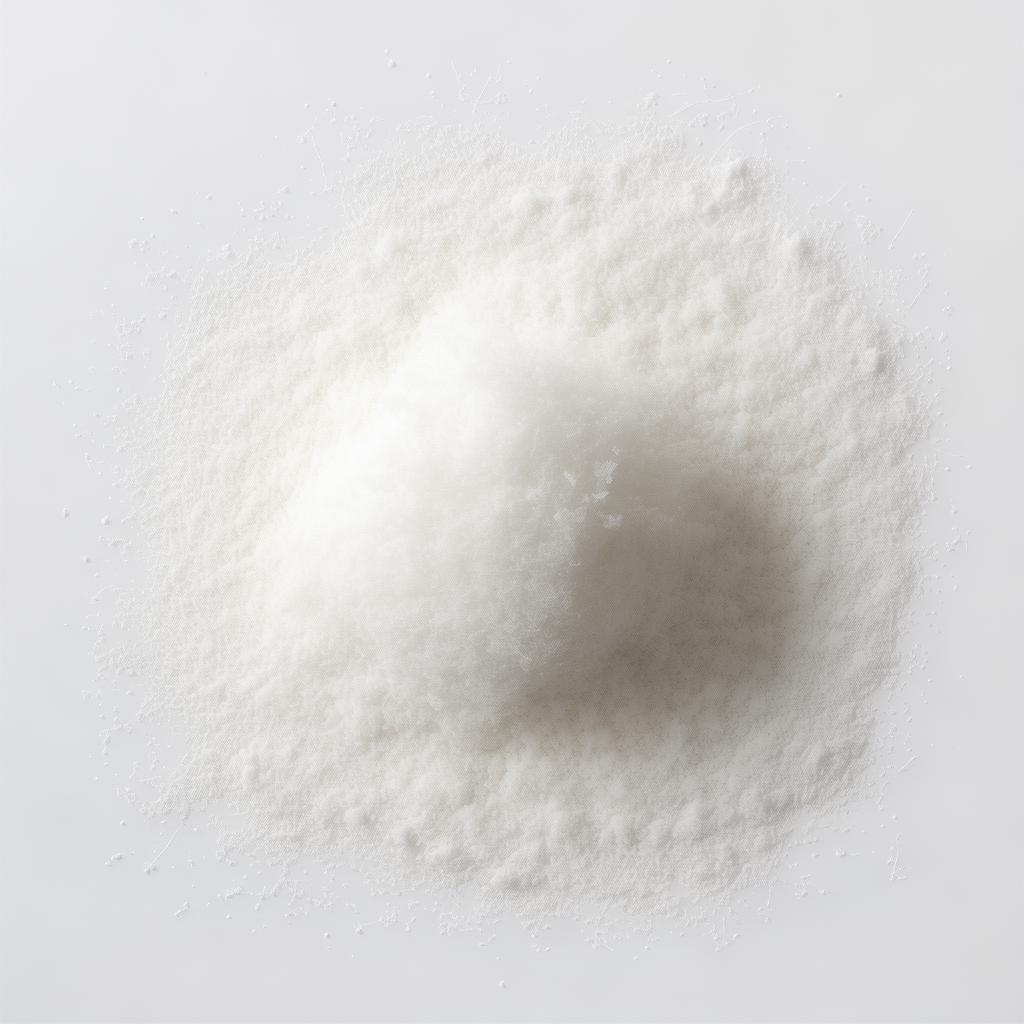
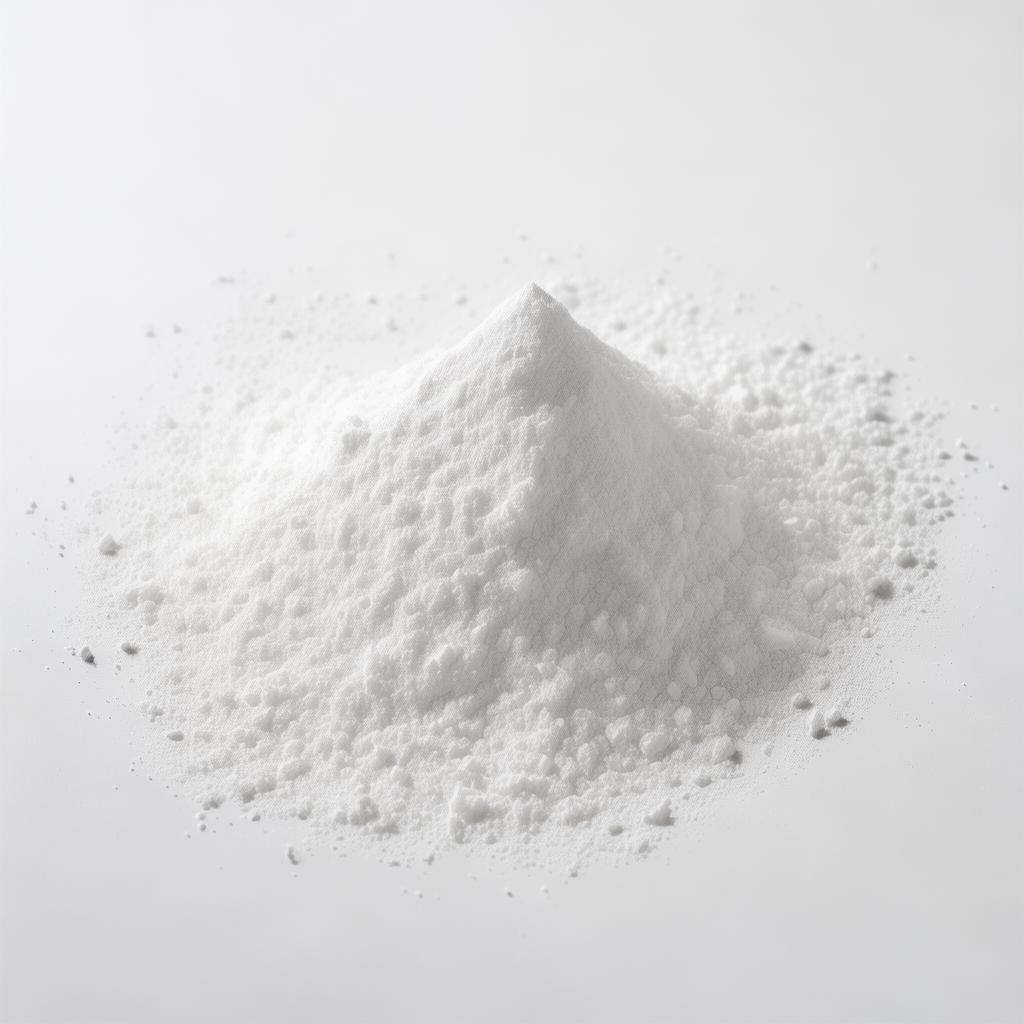
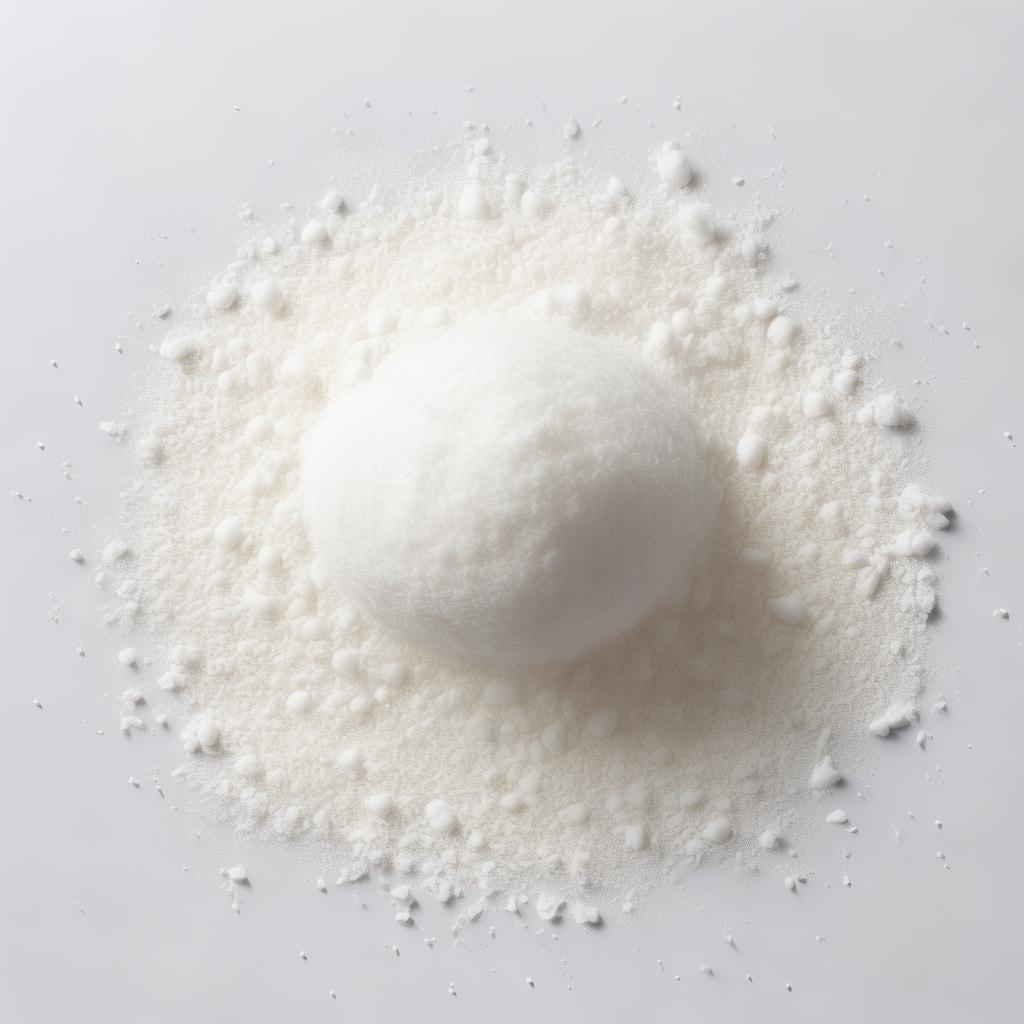
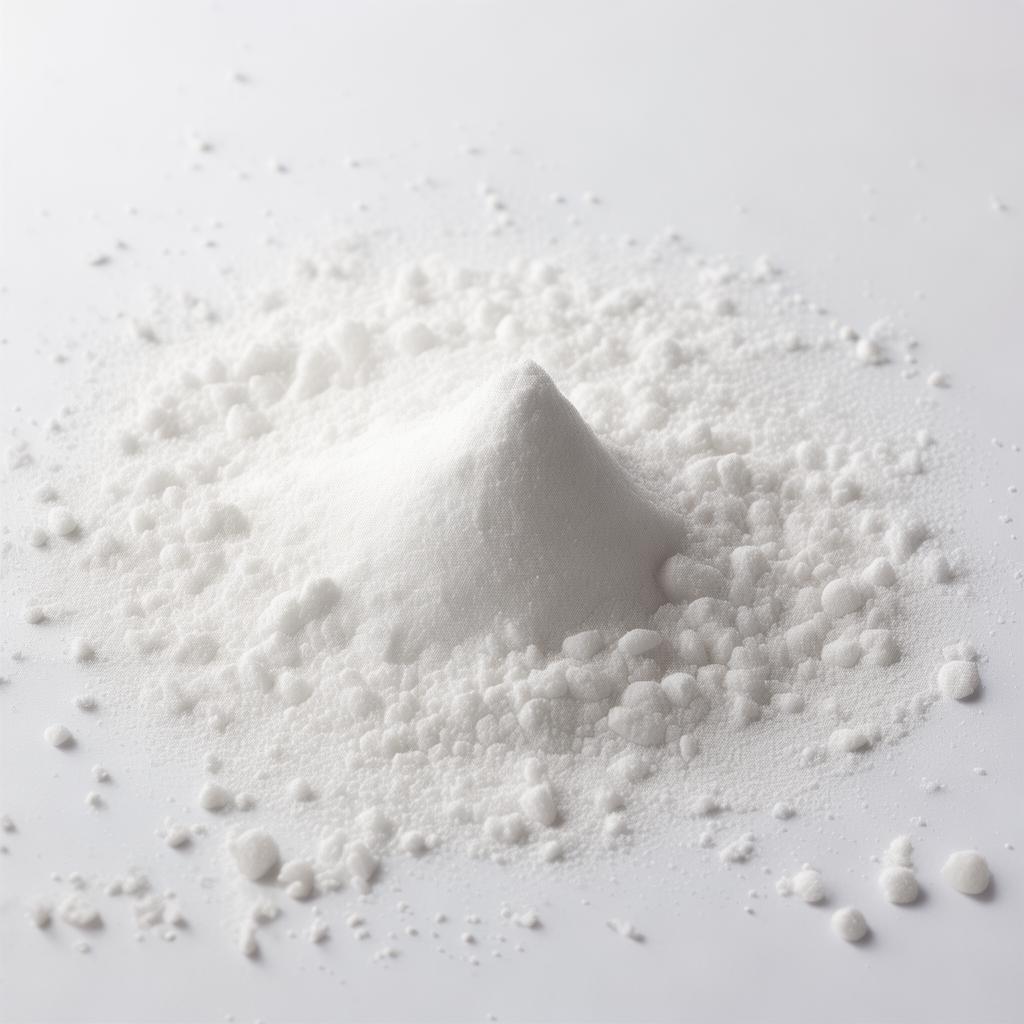
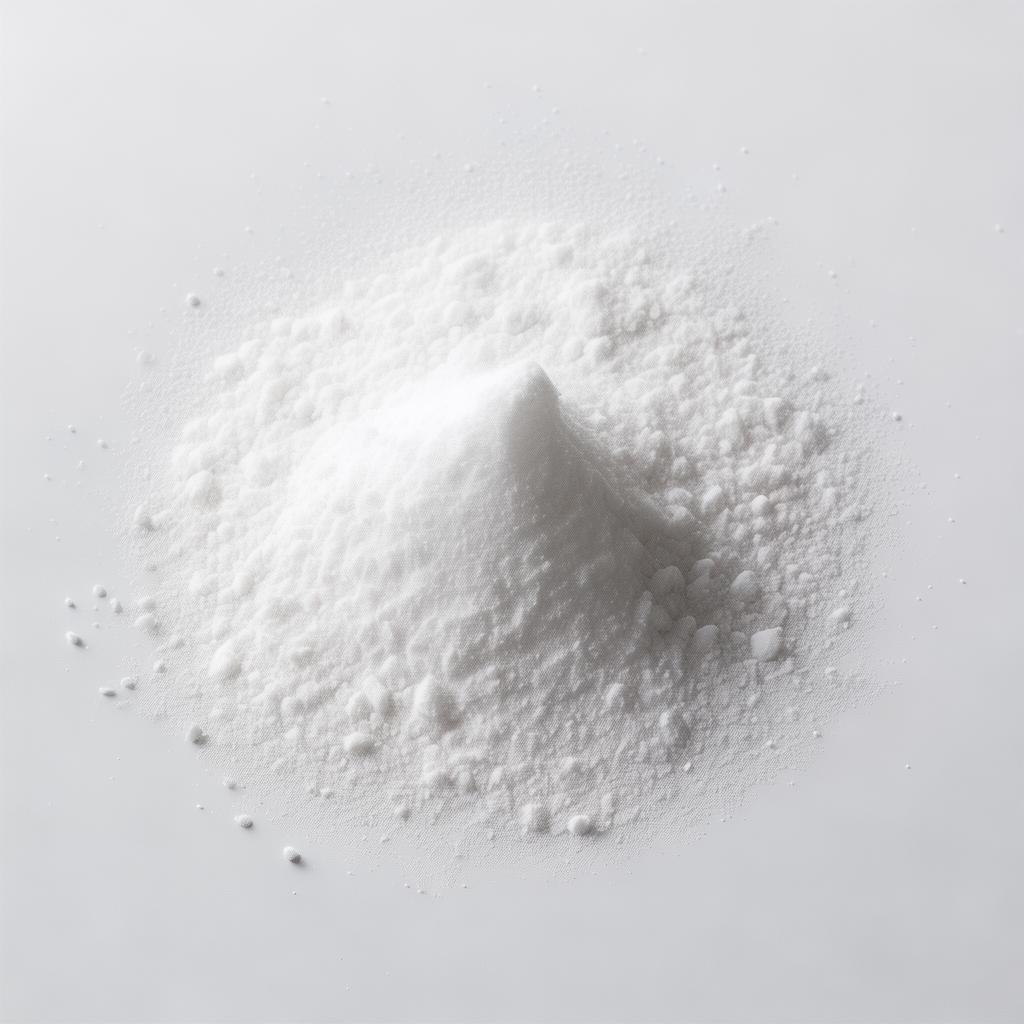
desiccant canister powder desiccant desiccant container
Materials: FDA-grade silica. Shell options: PVC, Alu, SS304.
Where These Cartridges Shine
Compressed air dryers top the list. Pair with Ingersoll Rand or Sullair twins.
Gas dehydration: LNG pre-coolers, CNG stations. Holds H2O below 0.1ppm.
Niche uses: Pneumatic tools in automotive. Lab gas for HPLC. Even wine bottling – keeps corks dry.
Factory insight: Pharma clients spec sieve types for sterile air. Food? Silica for broader tolerance.

OEM and Custom Desiccant Solutions
Private label your brand. We mold shells to your CAD. Fill blends – 70/30 silica/alumina hybrids.
MOQ 500 units. Tooling 4 weeks. Full run 3 weeks.
Seen importers rebrand for Amazon industrial. Or dryer OEMs badge our media.
Feedback from Procurement Teams

John Ramirez, Texas Compressor Supplier
"Consistent quality. PDP holds -45°C steady. Shipping on time despite port issues. Will reorder FCL next month."

Elena Voss, German Pharma Facility
"Sieve cartridges met GMP specs. No dusting. Regen cycles outperform local media. Good value for bulk."

Raj Patel, Mumbai Industrial Trader
"Custom sizes arrived perfect. Low pressure drop saved energy. Team likes the quick-swap design."
Our Certifications and Factory Strength
ISO 9001:2015 audited yearly. REACH compliant for EU. Silica sourced food-grade.
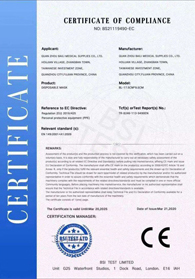
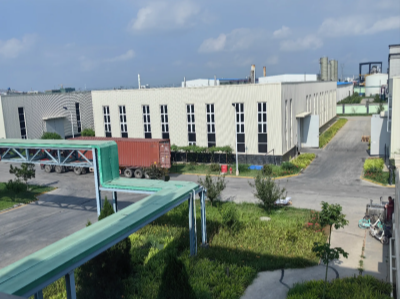
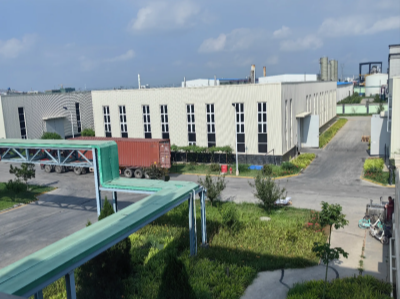
Factory: 140,000 sqm in Jinzhou, Hebei. 10 automated lines. 40k tons capacity across desiccants and specialties. Export to USA, EU, Middle East.

Buyer FAQs
How long do cartridges last?
Depends on inlet humidity and cycles. Silica: 6-18 months typical. Sieve: up to 24 months.
Can you match competitor dimensions?
Yes. Send drawings. Common swaps: Zander, Hiross, Parker.
Minimum order?
100 units sample. 500+ for OEM pricing.
Samples free?
Yes, for qualified buyers. Pay shipping.
What payment terms?
30% TT advance, 70% on copy BL. LC for large orders.
Ready to Upgrade Your Desiccant Supply?
Factory-direct pricing. Proven performance. Global delivery.
TANG ZHI TECHNOLOGY (HEBEI) CO., LTD
+86-15032625168 | Whatsapp: +86 15032625168
admin@tangzhicellulose.com
Room 2308, Dongsheng Plaza 2, No. 508 Zhongshan East Road, Chang’an District, Shijiazhuang, Hebei, China