Desiccant Silica Gel Packet
Desiccant Silica Gel Packet for Packaging, Shipping, and Moisture Control
Meta Title: Desiccant Silica Gel Packet Supplier | Wholesale Moisture Control Packets
Meta Description: Buy desiccant silica gel packet solutions for packaging, export shipping, electronics, shoes, food, and storage. OEM/ODM available. Request factory pricing, samples, and specs from Tangzhi Technology.
Author: Zhang Wei, Export Director & Industrial Packaging Consultant
Avatar: author/4.png
Company: TANG ZHI TECHNOLOGY (HEBEI) CO., LTD
Table of Contents
- What a desiccant silica gel packet is used for
- Why moisture damage keeps showing up in shipments
- Types, sizes, and common specifications
- Material comparison and buyer selection guide
- Applications across packaging and export logistics
- Factory capability, OEM/ODM, and quality control
- Procurement tips, certifications, and shipping notes
- Customer reviews
- FAQ
- Contact and quotation request
Desiccant Silica Gel Packet: a small item that protects a lot of value
If you work in packaging, export shipping, warehouse storage, or product assembly, you already know the problem. Moisture does not need much time to cause trouble. A carton sits in a humid container. A retail box gets stored near a loading bay. A metal component waits too long in transit. A carton seal weakens, a label wrinkles, a carton smells off, or electronics arrive with condensation risk. None of this looks dramatic on a production line, but it becomes expensive very quickly once the shipment is opened by a distributor, buyer, or inspection team.
That is why the desiccant silica gel packet remains one of the most practical moisture control tools in industrial packing. It is simple, lightweight, easy to place, and it works quietly inside a sealed environment. For many exporters, it is not just a protective accessory. It is part of the packaging system. It helps reduce moisture-related complaints, prevents surface corrosion, supports shelf life, and keeps goods in a more stable condition during transport and storage.
A lot of buyers search for this product with different goals. Some need silica gel packets wholesale for consumer goods packaging. Some want desiccant sachets for electronics. Others are looking for OEM moisture absorber packets for shoes, bags, medical devices, hardware, or food-safe packaging. The search intent is usually commercial, but it is also practical. Buyers want a supplier they can trust, a material that performs consistently, and a format that fits their packing line without slowing production.
From a procurement angle, the decision is rarely about the packet alone. It is about whether the desiccant is compatible with your carton size, inner packaging, humidity exposure, shipping route, and storage duration. A small packet may be enough for a retail box. A container load heading from Asia to the US Gulf Coast in summer is another story. In that case, the buyer needs to think about dosage, packaging seal quality, transit time, and whether the product is vulnerable to rust, mold, clumping, or odor absorption.
This is where an experienced supplier matters. A good factory should not only sell the packet; it should understand the application. The right recommendation depends on the product type, the packaging volume, and the humidity profile. In practice, buyers often need a mix of standard sizes, printed sachets, nonwoven or paper outer layers, and carton-level guidance. If the supplier cannot talk about those details clearly, that usually becomes visible later in the claim rate.
Tangzhi Technology, based in Jinzhou City, Hebei Province, operates as a science, technology, manufacture, and trade enterprise. While our core manufacturing strengths are in cellulose derivatives and related industrial materials, our export-oriented production mindset is the same across product categories: stable quality, practical specifications, and responsive service. For international buyers, that means one thing—less guesswork and fewer surprises during sourcing.
In many projects, the packet itself is a small line item. But the damage it helps avoid can affect far more than one box. Moisture can stain packaging, weaken adhesives, corrode metal parts, fog optical components, and make finished goods look used before they reach the shelf. It can also create an operational headache. Once a buyer starts receiving complaints about damp cartons or rust spots, everyone ends up spending time on inspection, rework, claims, and replacement shipments. That is why desiccant selection should be treated as a procurement decision, not a last-minute packing add-on.
For English-speaking markets, especially the USA, buyers typically look for consistency, clean packaging, and clear documentation. They often ask whether the packet is non-toxic, whether it meets relevant packaging expectations, whether the printing is available in English, and whether the supplier can support custom sizes or carton-level OEM packing. Those are reasonable questions. In real buying workflows, they matter just as much as the adsorption capacity on paper.
There is also a logistics side that people underestimate. Desiccant packets are light, but they still need proper carton packing, moisture-proof outer bags, and sensible storage conditions before use. If packets are left open in a humid warehouse, their performance drops before they ever reach the final product. That sounds basic, but it is one of the most common mistakes in procurement and packaging operations. Good buyers know this. Good suppliers remind you about it.
So when you evaluate a desiccant silica gel packet supplier, you are really evaluating the reliability of your moisture-control process. Can they produce stable sachets at scale? Can they suggest the right gram weight? Can they adapt packaging format for OEM requests? Can they keep lead time under control? Can they support export documentation and sample approval without endless back-and-forth? Those questions are what this page is built to answer.
If you are sourcing for packaging lines, distribution warehouses, or import programs, the most useful starting point is not a hard sell. It is a clear understanding of where moisture risk comes from, what type of packet fits the job, and how the supplier manages consistency. The rest becomes much easier once those basics are in place.
Need pricing or sample support? Request Factory Pricing or Request Free Sample.
Why buyers keep running into moisture problems
Moisture damage is usually not one big event. It is a chain of small exposures. A storage room with inconsistent humidity. A shipping container with temperature swings. A carton that is not fully sealed. A product that was packed too soon after heat treatment. A warehouse floor near an exterior door. These details are boring until they start affecting the product.
Export buyers often see the issue more clearly than domestic buyers because transit time is longer and conditions are less predictable. A pallet may leave a dry factory in North China, pass through a humid port, sit on a vessel, and then travel inland through a warm warehouse chain in the US. During that cycle, moisture can enter packaging in more than one way. The packet inside the box acts as a buffer, helping absorb excess humidity before it reaches the product.
The problem shows up in different forms depending on the item:
- Electronics: condensation, corrosion, packaging fogging
- Metal parts: surface rust, tarnish, early oxidation
- Shoes and leather goods: odor, mold risk, shape distortion
- Textiles and bags: damp feel, storage smell, carton damage
- Food-related packaging: shelf-life concerns and package integrity issues
- Medical and laboratory goods: moisture-sensitive stability concerns
That is why the format of the packet matters. A well-made silica gel packet should use a suitable outer layer, stable filling, and controlled gram weight. It should not leak dust. It should not tear easily during handling. It should remain effective during the intended storage and transit period. In industrial terms, the packet has to survive the distribution system before it even starts doing its job.
Some buyers also compare silica gel to clay desiccants or molecular sieves. The right choice depends on the moisture load, temperature profile, and cost target. Silica gel is widely used because it is reliable, easy to source, and suitable for many packaging categories. It is not magical, and it is not the answer to bad packaging design. But in a properly sealed product system, it is one of the simplest ways to reduce humidity-related risk.
Product features and practical advantages
- Stable moisture absorption: supports packaging protection in sealed environments
- Flexible sizes: common packet weights can be adapted to carton volume and product sensitivity
- Easy integration: suitable for manual packing, semi-automatic lines, and OEM carton inserts
- Low unit weight: helps keep freight impact minimal
- Clean appearance: can be produced in printed or plain formats
- Custom packing: available in bulk bags, retail packs, or export-ready carton packing
For procurement teams, one of the biggest advantages is predictability. Silica gel packets are easy to specify once you know the target application. That makes them simpler to source than many protective packaging components. Still, buyers should avoid choosing only by price. Cheap packets can come with poor sealing, inconsistent filling, weak outer material, or packaging that absorbs moisture before use. Those issues often cost more later.
A practical supplier will help you match packet size to the actual use case. For a small electronics box, a compact packet may be enough. For larger cartons or longer sea shipments, the dosage may need to increase. If you are packing products that are already moisture-sensitive, the packet should be part of a broader protection plan that includes barrier bags, proper carton sealing, and dry storage before dispatch.
Technical specifications for reference
Below is a typical specification framework. Final options can be adjusted according to your packing line, product size, and export requirements.
| Item | Typical Option |
|---|---|
| Product Name | Desiccant Silica Gel Packet |
| Material | Silica gel beads / granules with nonwoven, paper, or composite outer wrap |
| Common Sizes | 1g, 2g, 5g, 10g, 20g, 50g, 100g, custom |
| Color Indicator | Optional clear or indicating type, depending on application |
| Outer Packaging | Moisture-proof inner bag, carton, OEM print available |
| Application | Electronics, shoes, bags, hardware, textiles, tools, medical packaging |
| Custom Options | Logo printing, carton labeling, multi-language packing, OEM sizes |
Silica gel packet vs other moisture control options
| Option | Strength | Best Fit |
|---|---|---|
| Silica gel packet | General-purpose moisture absorption, clean and easy to use | Packaging, retail boxes, export cartons, storage protection |
| Clay desiccant | Economical for some shipping uses | Bulk cargo and moderate protection cases |
| Molecular sieve | Strong in low-humidity and demanding conditions | Precision goods, special industrial uses |
In many standard packaging programs, silica gel remains the most balanced option. It is not always the lowest-cost item on paper, but it is often the easiest to integrate and control at scale. That matters in repeat buying.
Applications buyers ask about most often
The demand pattern is broad, but some applications come up more than others in export inquiries:
- Electronics and accessories: phones, chargers, circuit components, instruments, camera parts
- Shoes and leather goods: sports shoes, boots, handbags, belts, fashion packaging
- Hardware and tools: hand tools, fasteners, fittings, precision metal parts
- Textile and garment packaging: shirts, uniforms, towels, home textile cartons
- Medical and laboratory products: sealed kits, device packaging, consumables
- Food-adjacent packaging: where packaging design and compliance review allow desiccant use
Different industries want different packet formats. A distributor of shoes may care about odor control and carton presentation. An electronics importer usually cares about condensation risk and sealed pack reliability. A hardware buyer may focus more on rust prevention and bulk packing efficiency. The best supplier understands those distinctions and does not offer the same answer to everyone.
Installation and packing line considerations
People sometimes treat packet placement as trivial. On a fast packing line, it is not. If the packet is too large, it can interfere with the product layout. If it is too small, it may not deliver enough protection. If it is dusty or poorly sealed, it can create customer complaints even when the product itself is fine.
A few practical points matter in day-to-day operations:
- Store packets in a dry area before use, preferably in sealed inner packaging
- Match gram weight to the volume and moisture exposure of the carton
- Do not place packets in direct contact with products if the product surface is sensitive
- Check whether the packing line needs manual insertion or automated feeding
- Use barrier packaging where transit humidity is high
- Keep shelf-life and storage conditions in the purchase file
For OEM packaging, clear labeling can help internal warehouse teams and distributors identify the packet purpose. Some buyers request date coding, multilingual warning text, or branded outer wrapping. That is normal. It usually makes sense when the product goes through multiple handlers or retail distribution chains.
Factory capability, OEM/ODM, and export support
hydroxyethylcellulose based gel hpmc gel formulation do silica packet expire
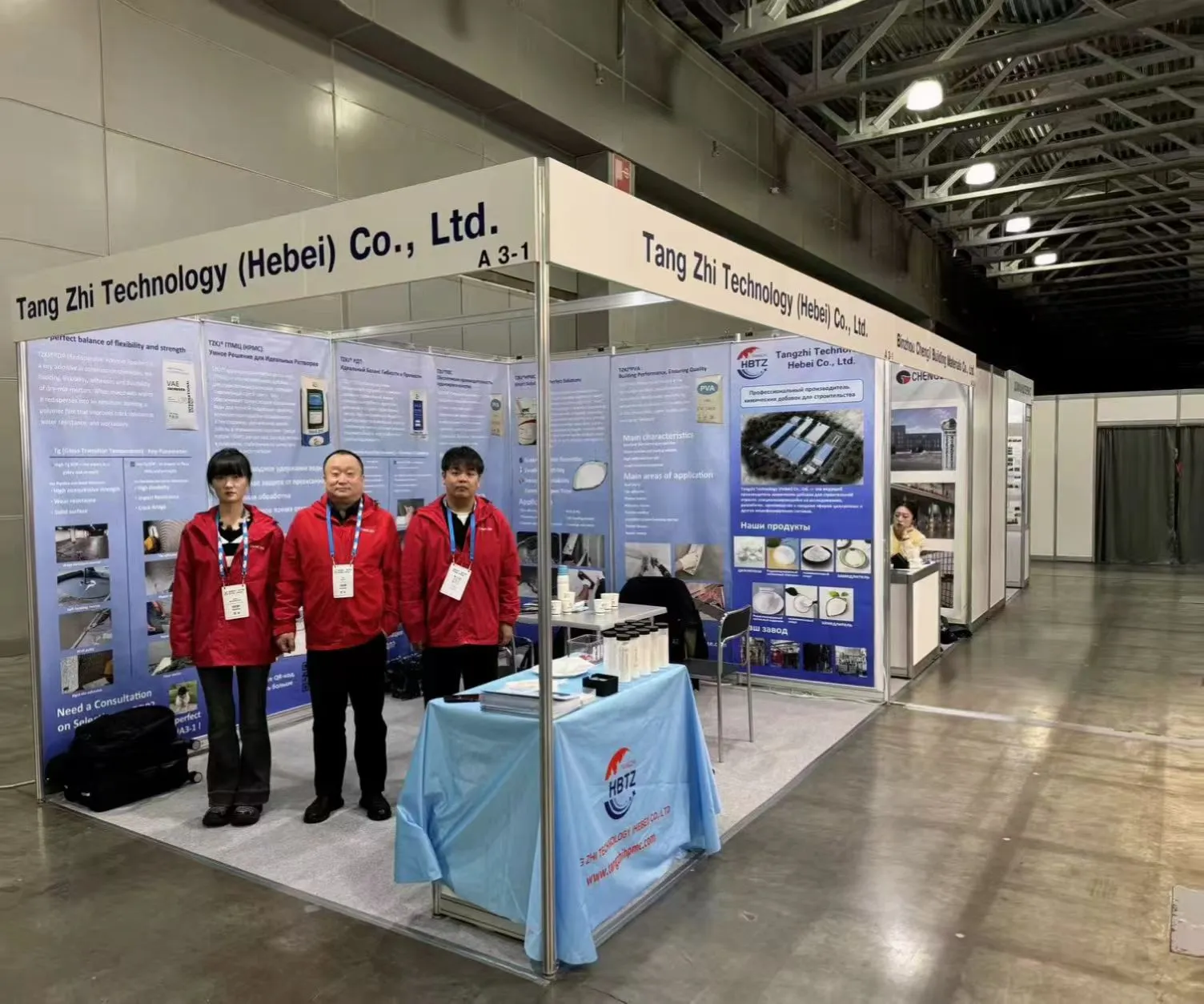
TANG ZHI TECHNOLOGY (HEBEI) CO., LTD is located in Jinzhou City, Hebei Province, with a factory area of 140,000 square meters and a building area of 90,000 square meters. The company operates automatic production lines and industrial equipment built for stable manufacturing and export supply. Our main strength is in industrial materials, including HPMC, MHEC, PVA, RDP-VAE, CMC, PCE, gypsum retarders, and related categories.
For international buyers, that background matters. It reflects a production culture built around process control, batch consistency, and documentation discipline. Those same standards apply when serving custom packaging or OEM requests for moisture-control products. We understand how export programs work: sample confirmation, specification alignment, packing details, shipment timing, and repeat order stability.
OEM and ODM support can include:
- Custom gram weights and dimensions
- Printed outer packaging with customer logo
- Multi-language labeling for US and export markets
- Carton packing according to warehouse requirements
- Private label packaging for distributors
- Application-based recommendation for product categories
If you want to review options, Check OEM Options or Talk With Our Engineer.
Procurement guidance: what smart buyers check before placing an order
A lot of sourcing mistakes happen because the buyer asks only for the unit price. In desiccant sourcing, the better question is whether the packet is suitable for the actual packaging environment. The lowest quote is not always the best purchase. A packet that arrives poorly packed or inconsistent in fill weight can quietly create much bigger costs later.
Before you approve a supplier, check the following:
- Can they offer a stable spec sheet with size, material, and packing detail?
- Do they understand the difference between retail packaging and export carton use?
- Can they support sample approval before mass production?
- Is the lead time realistic for repeat orders and seasonal demand?
- Do they provide moisture-proof secondary packing?
- Can they handle custom labels and private brand work?
For US-facing buyers, documentation and packing clarity are especially useful. A supplier should be able to keep the conversation simple. What is the packet size, what is the carton quantity, what is the storage guidance, and what is the production lead time? If those answers are clear, the rest of the project usually becomes easier.
Certifications and compliance mindset
Depending on the application and the buyer’s market, documentation may include relevant quality and compliance references. For industrial and export buyers, this often means asking for factory-level quality documents, material declarations, and packaging-related certificates where applicable.
- cert/iso.png ISO quality management reference
- cert/ce.png CE-related documentation where applicable to the broader product program
- cert/fda.png FDA-related support for relevant markets and use cases, when required
- cert/rohs.png RoHS-related support for electronics-adjacent supply chains, if applicable
- cert/fcc.png FCC-related support for certain US product environments, where relevant
Not every desiccant project needs every certificate. The real point is traceability and buyer confidence. Good suppliers know how to align the paperwork with the product category instead of pushing generic claims that do not help the purchase file.
Logistics and shipping details buyers should not ignore
Silica gel packets are light, but that does not make logistics irrelevant. They should be stored in dry conditions, protected from open humidity, and packed to avoid unnecessary exposure before final use. If the outer cartons are damaged in transit or stored too long in an open warehouse, the performance can drop.
For export orders, buyers usually care about three things: lead time, carton loading efficiency, and packing integrity. A supplier that understands container loading can reduce damage risk during shipping. That means proper carton dimensions, sensible inner bag design, and clear palletizing instructions when needed.
We recommend discussing the following before shipment:
- Carton quantity and net weight
- Inner bag sealing method
- Moisture barrier requirements for sea freight
- Whether the product will be used immediately or stored
- Language and marking requirements for destination country
Customer reviews
Michael R., Purchasing Manager, Ohio, USA
“We needed silica gel packets for tool kits and electronics accessories. The communication was straightforward, and the sample approval helped us avoid a sizing mistake. The packing looked clean, which matters for our retail customers.”
Sarah T., Import Coordinator, California, USA
“What I liked most was the practical advice. They did not just quote a price. They asked about carton size and shipping route first. That saved time, honestly.”
David Chen, Distributor, New Jersey, USA
“Our buyers wanted private label packaging. The OEM packing options were flexible, and the order was handled in a way that worked for our warehouse team. No drama, which is a good sign.”
Linda Gomez, Operations Lead, Texas, USA
“We mainly use desiccant sachets in shoe cartons and seasonal storage. The product arrived as described, and the supplier was clear about storage before use. That is helpful when you manage more than one facility.”
Buyer FAQ
What is a desiccant silica gel packet used for?
It is used to absorb moisture inside sealed packaging, cartons, and storage containers. Common uses include electronics, shoes, hardware, textiles, and other moisture-sensitive goods.
How do I choose the right packet size?
It depends on product sensitivity, packaging volume, seal quality, transit time, and humidity exposure. For export goods, the correct dosage is usually higher than what people use for simple retail storage.
Can you provide OEM or private label packing?
Yes. OEM/ODM options can include custom gram weights, printed packaging, carton labeling, and multi-language support.
Do silica gel packets need special storage?
Yes. They should be stored in a dry area and kept in sealed packaging until use. Leaving them open in humid storage reduces performance.
What industries use desiccant packets most often?
Electronics, footwear, hardware, apparel, consumer packaging, medical kits, and export cartons are among the most common.
Can I get a sample before bulk ordering?
Yes. Sample confirmation is the best way to check packet size, outer material, and packing quality before mass purchase.
Request a quotation or sample
If you are sourcing desiccant silica gel packet products for export packaging, retail cartons, or warehouse protection, we can support sample review, OEM packing, and export-ready specifications.
Phone / WhatsApp: +86-15032625168
Email: admin@tangzhicellulose.com
Address: Room 2308, Dongsheng Plaza 2, No. 508 Zhongshan East Road, Chang’an District, Shijiazhuang, Hebei, China
Contact Page: https://www.tangzhihpmc.com/contactus.html
Next step: Request Product Specs or Get Shipping Plan.