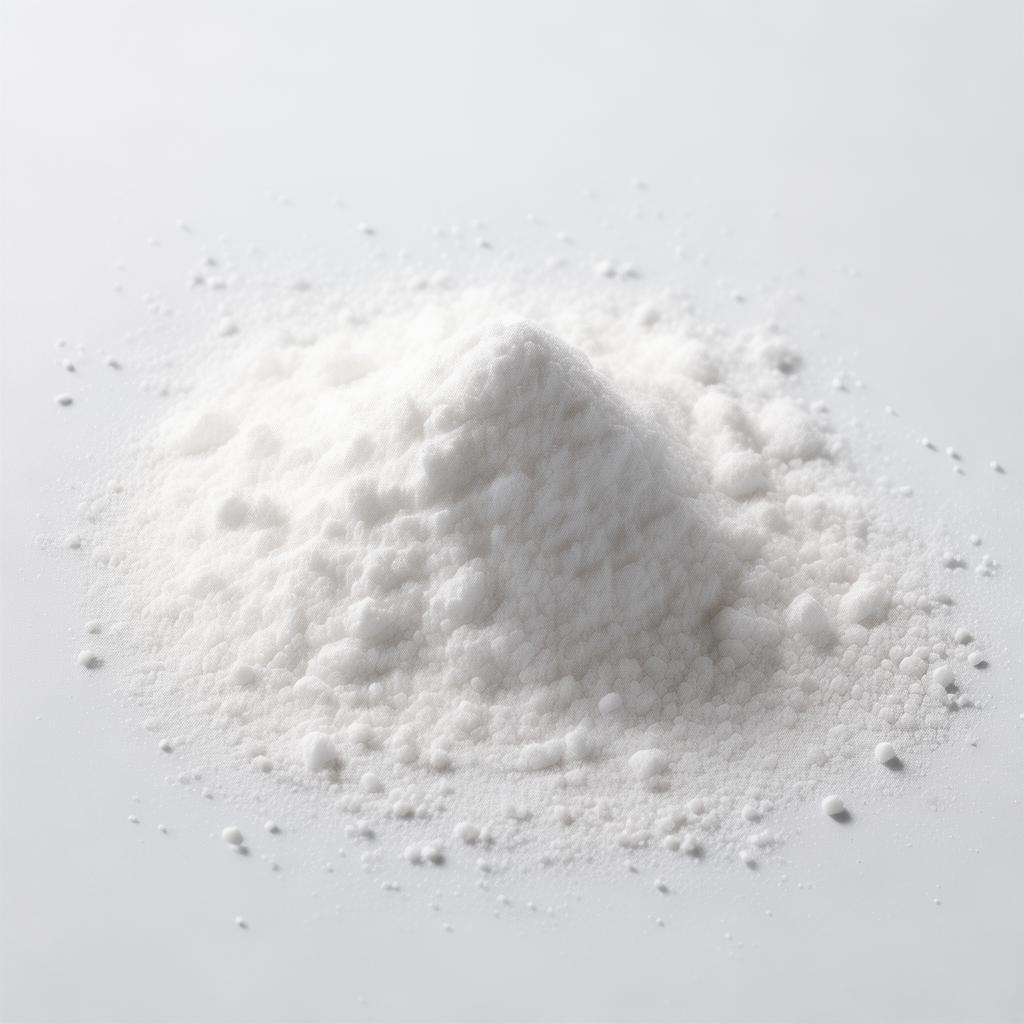
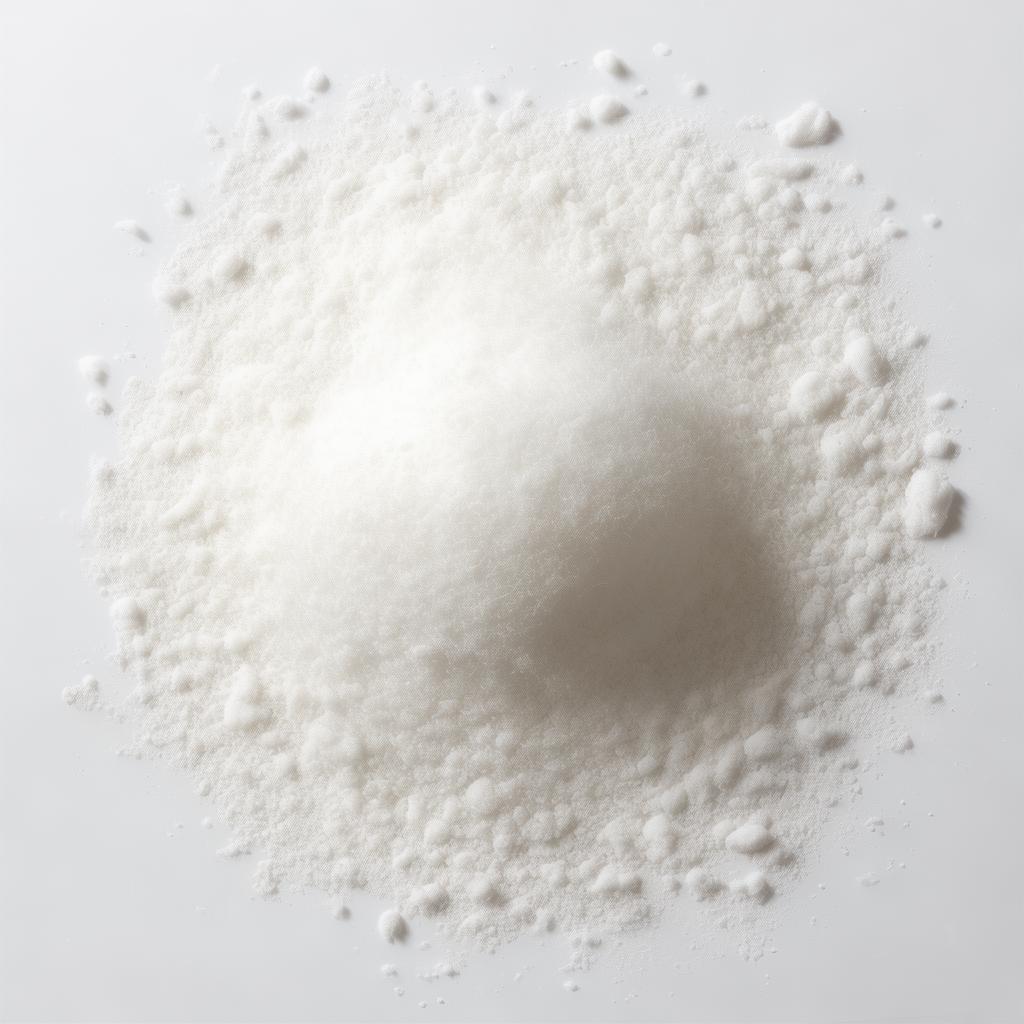
Diluent Meaning

Diluent Meaning — Practical Guide for Procurement & Technical Teams
From industrial coatings to pharma excipients: what diluent means, when to choose one, and how to buy in bulk
Table of Contents
- What "diluent" means — practical, regulatory and formulation perspectives
- Quick glossary: diluent vs solvent vs carrier vs excipient
- Technical deep dive: types, chemistry and selection criteria
- Application scenarios: coatings, adhesives, pharmaceuticals, lab use
- Procurement guide: specs, sampling, MSDS, lead time and logistics
- Supplier evaluation: certifications, production scale and OEM options
- Technical specification examples and comparison table
- Installation, handling and storage considerations
- Maintenance & quality checks
- FAQs — the practical questions buyers ask
- Customer reviews and real-world procurement notes
- Contact & next steps
Introduction — Diluent Meaning in Real Industrial Contexts (longform)
When a purchasing manager types "diluent meaning" into a search bar, they often want more than a dictionary line. They need to know: is this material suitable for a paint line that runs 24/7, will it meet the formulation constraints of a pharmaceutical excipient, how will it behave in a high-humidity warehouse, and what are the shipping and compliance implications for cross-border procurement?
At its most basic, a diluent is a substance used to reduce viscosity or concentration of a product without negatively altering key properties. That plain definition is useful — but it hides complexity. In practice, "diluent" is a category that overlaps with solvents, carriers, excipients and inert fillers. Each industry uses the term with slightly different meaning and regulatory baggage.
For coatings and adhesives, diluents are often low‑molecular‑weight solvents or reactive diluents intended to adjust flow, wetting and film formation. In pharmaceutical formulations, a diluent frequently means an inert filler or carrier—lactose or microcrystalline cellulose—added to reach a specific dosage weight. In lab and diagnostic workflows, diluent can mean a buffered solution used to lower concentration for assays. These are related concepts but not interchangeable.
Procurement-wise, the distinction matters. Ordering a "diluent" without clarifying chemistry can cause a lot of friction: wrong hazard class, incompatible packaging, failed quality checks at the receiving lab, or worse—formulation failures on the production floor. We have seen tenders where the buyer requested "industrial diluent, 200 L drums" and accepted the first low-cost bid only to discover the offered product contained reactive diluents that altered cure characteristics on a tile adhesive line.
Let's be blunt: many product failures and delayed shipments trace back to poor specification. When you ask a supplier for a diluent, include these minimum details: chemical identity (CAS number if available), VOC content, flash point, density, compatibility notes (with polymer types or active pharmaceutical ingredients), acceptable moisture content, and required documentation (MSDS, COA, GMP, or pharmacopeia references).
On the technical side, selection involves trade-offs. A low-viscosity hydrocarbon diluent will reduce viscosity but increase VOC and flammability. A reactive diluent used in UV-curable systems can be polymerized into the film—reducing VOC but requiring precise reactivity control. For pharmaceutical tablets, a cellulose derivative like microcrystalline cellulose (MCC) acts as a diluent that also assists compression; HPMC and CMC are common excipient families we produce and supply.
There is also regulatory risk. Diluent chemistry can place a product into a hazard class affecting sea/air shipment, insurance, and storage. Some diluents require temperature-controlled storage or must be declared as dangerous goods. If your supply chain spans USA, EU and Asia, check RoHS, REACH and local customs regulations early. The wrong classification will block ports and trigger costly returns.
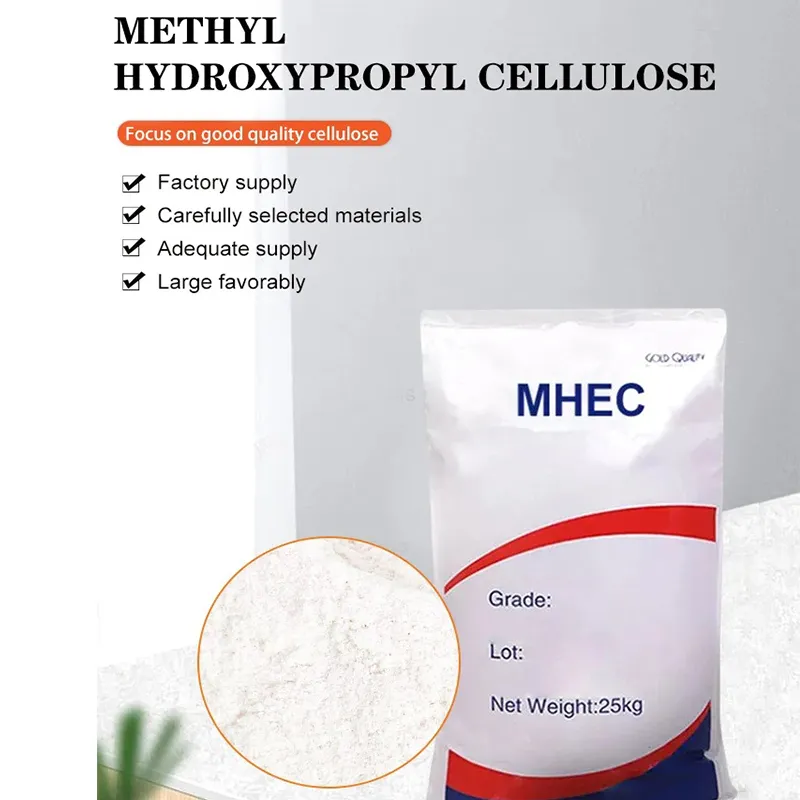
From the factory floor: formulation teams we work with often balance three constraints—performance, cost, and compliance. If performance and compliance are fixed, cost becomes the variable. That is where OEM/ODM suppliers with scale help: they can adjust grades (e.g., HPMC viscosity grades, MHEC substitution levels) to provide a diluent-like function while meeting compliance and reducing VOCs.
Finally, do not underestimate the operational footprint. Bulk diluents arrive by 20 ft or 40 ft containers, ISO tanks, or drums. Container loading patterns, pallet design, drum venting, and labelling matter. A container full of solvent-class diluent requires segregation from oxidizers and careful venting considerations. When you source internationally, include packaging spec and transport mode in the contract to avoid last-minute surcharges.
This guide aims to convert the single-line query "diluent meaning" into actionable procurement intelligence: what to ask, how to compare offers, and what to expect in logistics and on-site handling.
Quick Glossary: Diluent vs Solvent vs Carrier vs Excipient
- Diluent — General term for material used to reduce concentration or viscosity. Can be inert or reactive depending on industry.
- Solvent — Typically a liquid that dissolves other substances; often volatile and may be regulated as a VOC.
- Carrier — A medium that carries active ingredients (e.g., a polymer carrier in coatings or lipid carrier in pharma).
- Excipient — In pharmaceuticals, an inactive ingredient like lactose or MCC used as diluent/filler for tablets and capsules.
- Reactive diluent — Monomers or oligomers that reduce viscosity but become part of the polymer network during cure.
Note: the same chemical may be described differently depending on regulatory context. For example, propylene glycol may be a solvent in coatings but an excipient in pharma; documentation requirements differ accordingly.
Technical Deep Dive — Types, Chemistry and Selection Criteria
Common diluent families
- Hydrocarbon solvents: white spirit, mineral spirits — used in industrial paints and adhesives.
- Oxygenated solvents: esters, ketones — better solvency, often higher cost and VOC profile.
- Reactive diluents: acrylates, glycidyl ethers — used in UV and thermal cure systems.
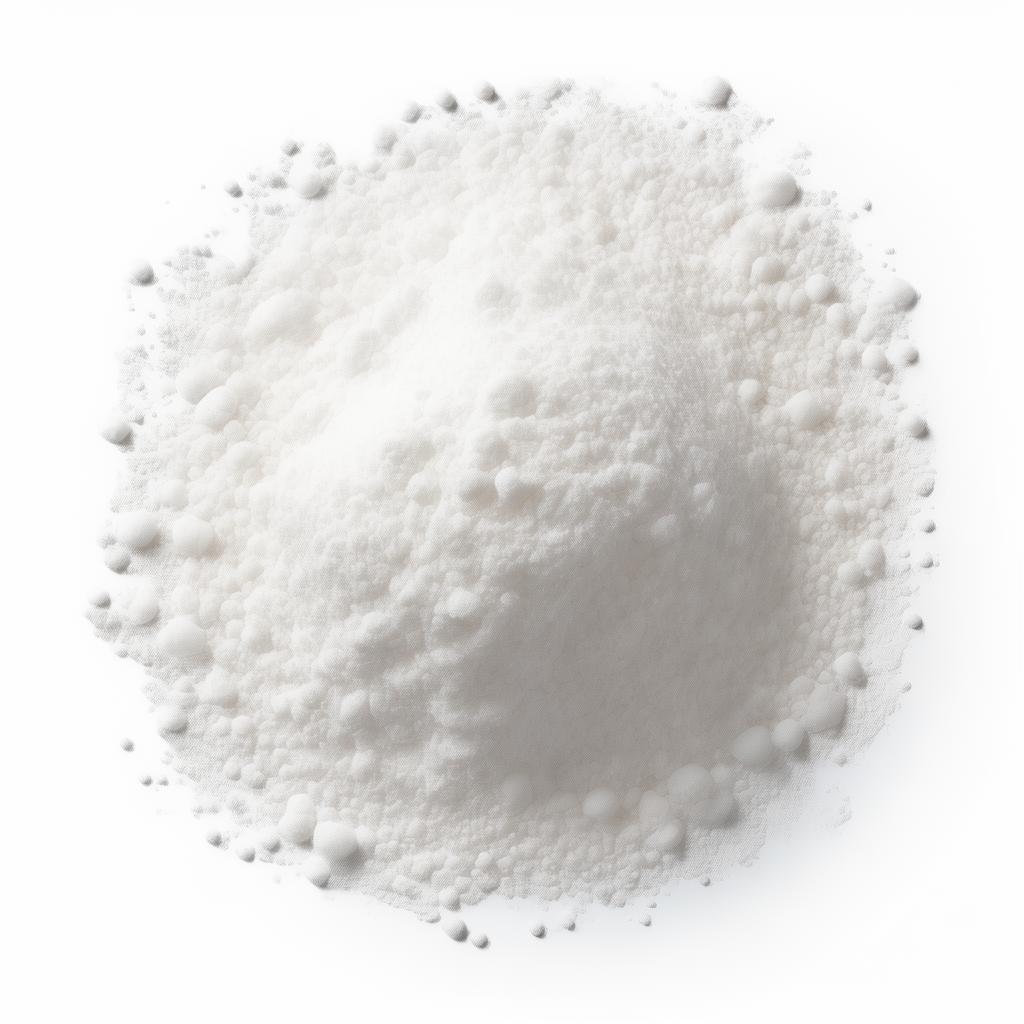
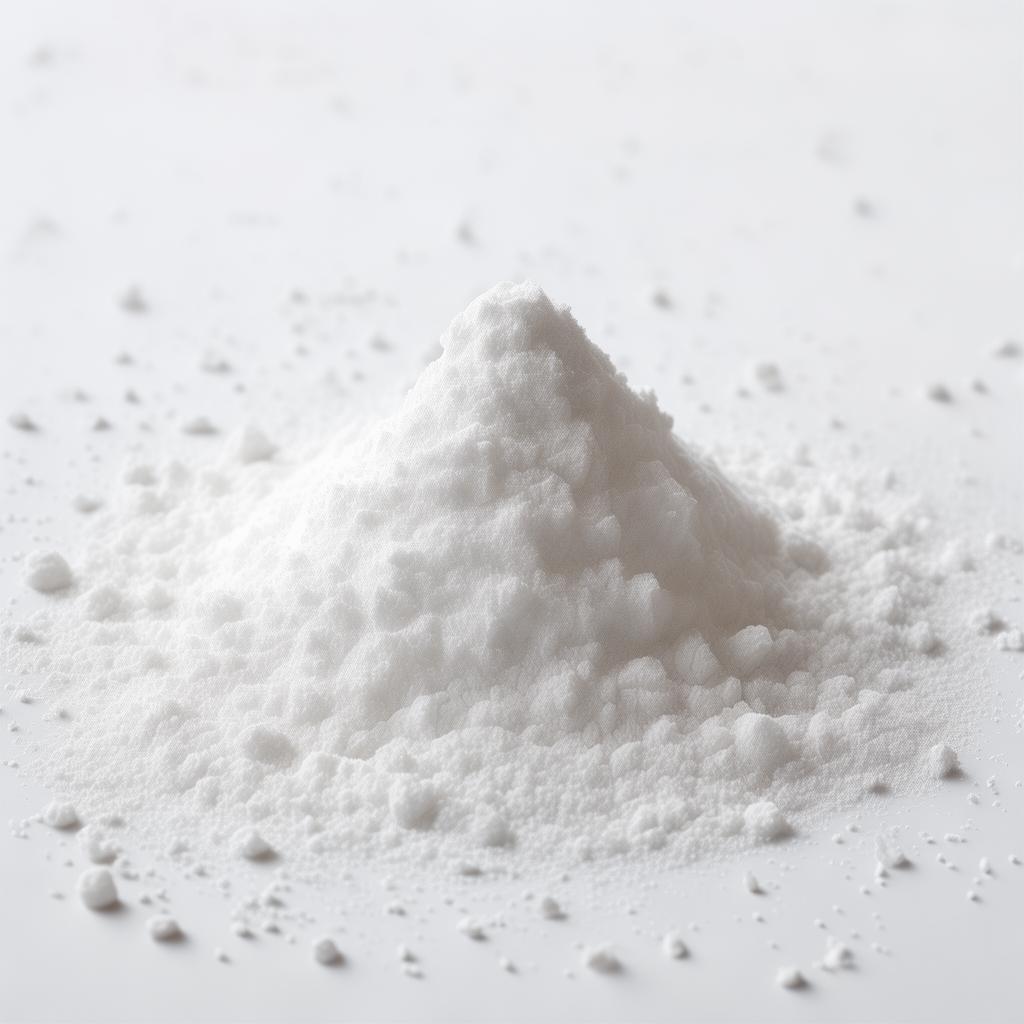
- Polymeric diluents/excipients: cellulose derivatives (HPMC, MHEC, CMC), PVA — common in waterborne systems and tablets.
- Water-based diluents: deionized water with surfactants or buffer systems — for waterborne paints and labs.
Key selection criteria (practical)
- Compatibility: check polymer/active solubility and cure chemistry.
- VOC and regulatory class: affects shipping and use in regulated regions.
- Flash point and hazard class: impact on storage and transport costs.
- Evaporation rate: controls drying time and film properties.
- Residue and impurity profile: critical for pharma and electronics coatings.
- Price per kg and bulk availability: affects total landed cost.
- MSDS/COA availability and batch traceability for QA/QC.
In customer projects we've supported, the most frequent failure is a mismatch on impurity profile. For example, a low-cost supplier may meet nominal viscosity specs but have sulfur-containing impurities that cause odor or yellowing in clear coatings. Ask for specific impurity tests and historical COAs.
Application Scenarios — How "Diluent" is Used Across Industries
Coatings & Adhesives
In solvent-borne coatings, diluents control viscosity and film formation. In waterborne systems, we often use polymeric diluents (HPMC, MHEC) to adjust rheology and open time. Reactive diluents reduce VOCs by co-polymerizing during cure—common in industrial floor coatings.
Pharmaceuticals & Medical
Diluent as excipient: tablets and capsules routinely use diluents like lactose, microcrystalline cellulose (MCC), or HPMC as both binder and filler. For parenteral and diagnostic diluents, sterile buffered solutions are required, often with strict endotoxin limits and GMP documentation.
diluent define diluent sterile diluent
Laboratory & Diagnostics
Buffered diluents adjust concentration for assays. Here, pH, conductivity and ionic strength define suitability. Small differences in water quality (TOC, conductivity) can alter assay results; specify reagent grade or USP/EP water when needed.
Industrial Processing
In polymer processing, diluents may be plasticizers or processing aids reducing melt viscosity. These materials must be compatible with extrusion temperatures and not promote phase separation.
Technical Specifications — Example Table & Comparison
| Property | Hydrocarbon Diluent (Mineral Spirit) | Reactive Diluent (Acrylate) | Polymeric Diluent (HPMC grade 4000) |
|---|---|---|---|
| Typical Use | Oil-based paints, industrial degreasing | UV/thermal cure systems | Waterborne renders, tablets |
| VOC / Regulatory | High — may be restricted | Low as co-reactive | None — water soluble |
| Flash Point | ~40–60°C | Varies — generally >100°C after polymerization | Non‑flammable (aqueous) |
| Typical Packaging | 200 L drums, ISO tank | 20 L pails, 200 L drums | 25 kg bags, 500–1000 kg jumbo bags |
Use this table as a starting point. For your specific formulation, request a sample and a lab trial. Small compatibility tests reveal issues that paperwork might not catch.
Procurement Guide — What to Ask and How to Evaluate Offers
Minimum document checklist
- MSDS / SDS
- Certificate of Analysis (COA) per batch
- GMP or pharmacopeia reference for pharma-grade diluents
- GHS classification and UN number for transport
- Traceability statement (batch records)
- Third-party test results on impurities when relevant (e.g., sulfur, halogens)
Sampling and trials
Always request a representative sample (500 g – 1 kg for powders; 1–5 L for liquids). Run compatibility trials: mixing, accelerated aging, curing or dissolution. Document sensory observations (odor, color), phase separation, and performance metrics relevant to your product.
Price vs total landed cost
Don't evaluate on unit price alone. Include freight, hazmat surcharges, customs duties, insurance, container demurrage risk, and in-country handling. For hazardous diluents, air freight may be impossible or prohibitively expensive.
Lead time & MOQ
Typical lead times vary: commodity waterborne diluents (HPMC, CMC) — 2–4 weeks; specialty reactive diluents — 4–8 weeks. For OEM adjustments (custom viscosity grade), add 4–6 weeks for sample approval and production scheduling.
Logistics tips
- Request packing list and hazardous goods paperwork before shipment.
- Specify pallet configuration and drum venting in the contract.
- Consider ISO tank booking for large volume hydrocarbon diluents to reduce handling and cost.
- Plan for quarantine space if import requires testing at arrival port.
Supplier Evaluation — Certifications, Factory Capabilities & OEM/ODM Options
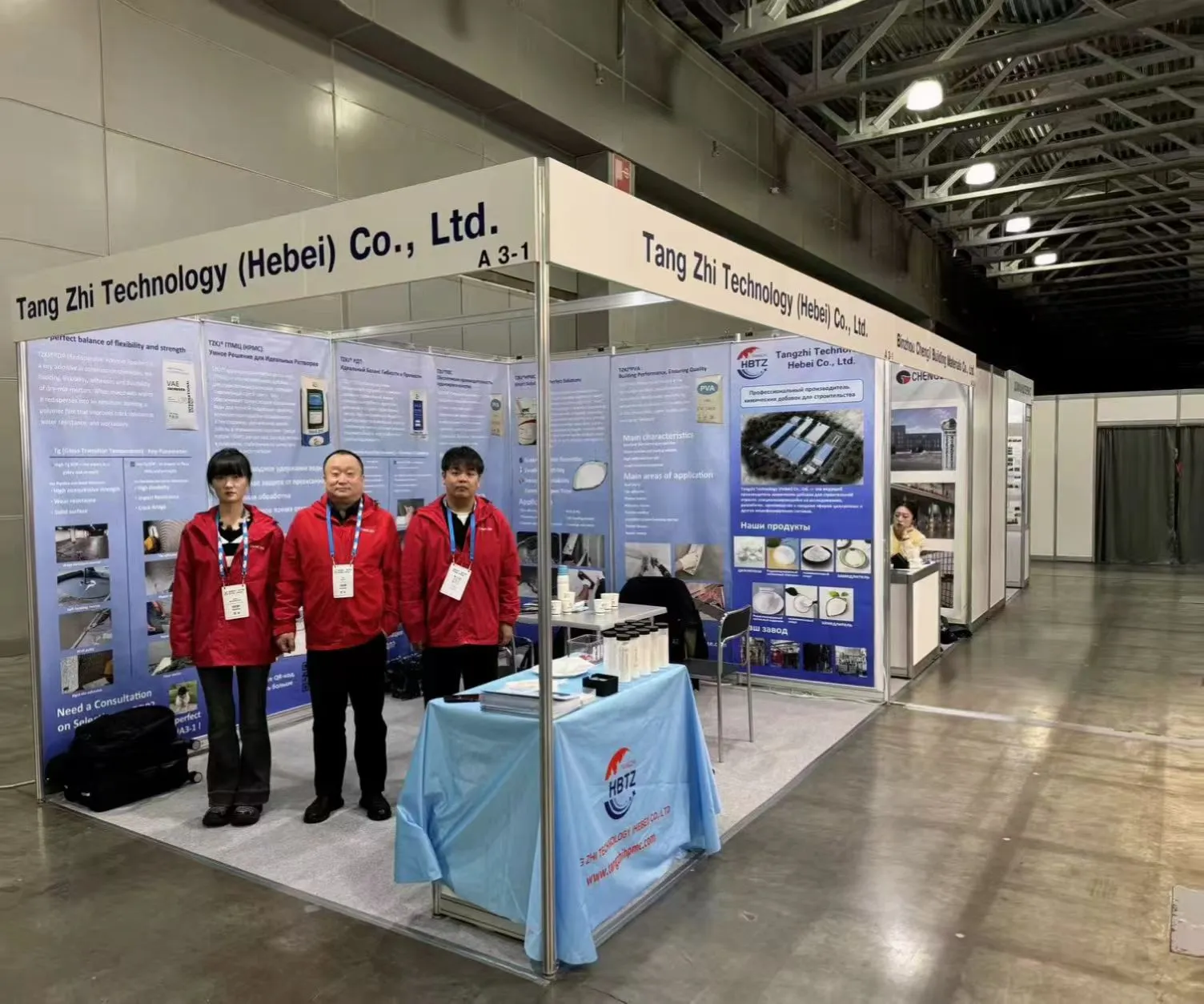
You need a supplier who can document traceability and scale. At TANG ZHI TECHNOLOGY, our annual capacity exceeds 40,000 tons for cellulose derivatives and related products—HPMC, MHEC, PVA, RDP-VAE and CMC—produced on automated lines. We keep ISO-style batch records and provide COAs for every shipment.
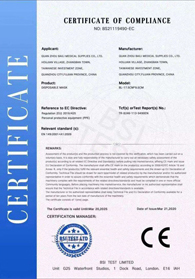
Look for certifications and test evidence: ISO 9001 (quality system), GMP for pharma-grade excipients, and third-party lab testing when impurities are critical. For exports to the EU, REACH considerations may apply; for electronics or toys, RoHS or other standards might be relevant.
OEM/ODM: Ask whether the supplier can tune viscosity, particle size distribution, or perform pre-mixing to your recipe. Custom batches need stability testing and may carry an MOQ or longer lead time.

Installation, Handling & Storage Considerations
- Storage temperature: maintain within supplier spec to avoid phase separation or microbial growth (especially for aqueous polymeric diluents).
- Ventilation: required for solvent-class diluents; insist on explosion-proof lighting and equipment in storage.
- Drum handling: use appropriate pumps and grounding for flammable liquids to avoid static discharge.
- Cross-contamination: dedicate transfer lines or clean thoroughly between materials to prevent contamination of sensitive grades.
- Shelf life: confirm recommended shelf life and on-site QC testing frequency (e.g., viscosity checks every 3 months).
Practical note: we advise a simple incoming QC step—measure density and refractive index for liquids, particle size for powders—to catch gross deviations before bulk unloading.
Maintenance & Quality Checks
On-site QC schedule recommendations:
- Incoming batch COA verification (every shipment).
- Viscosity/density check (weekly for high-turnover lines; monthly for slow-moving inventory).
- Microbial checks for aqueous diluents (monthly if used in open systems).
- Performance samples retained (3–6 months) for dispute resolution.
If you operate multi-shift production, plan for operator training on safe handling. Small slips—like using contaminated mixing vessels—cause knock-on problems that look like formulation issues but are just procedural.
Buyer FAQs — Practical Answers
Q: What's the difference between a diluent and a solvent?
A: Solvent is a specific chemical class used to dissolve; diluent is a functional term (reduces concentration/viscosity). A solvent can be a diluent, but not every diluent needs to be a solvent.
Q: Can reactive diluents reduce VOC compliance issues?
A: Yes—reactive diluents participate in the cure, reducing residual VOC. But they alter cure kinetics; trial batches are essential.
Q: What packaging is best for long sea transit?
A: For liquids with no special hazard class, 200 L drums on pallets are common. For flammable diluents, consider ISO tanks or UN‑approved drums and sealed containers to reduce leakage risk.
Q: Can you OEM a custom diluent grade?
A: Many suppliers—including our factory—offer OEM/ODM for viscosity grade tuning, particle sizing, and preblends. Expect lead times of 4–8 weeks for validation runs.
Real Customer Reviews — Procurement Scenarios
Review — Mark R., Purchasing Manager, Tile Adhesives (Texas, USA)
"We switched to a polymeric diluent offered by Tangzhi to reduce VOCs on a tile adhesive line. The COA and batch traceability saved our QA team time. No surprises in the trial. Lead time was reasonable and packaging arrived intact."
Review — Dr. Susan Lee, Formulation Chemist, Diagnostic Kits (California, USA)
"We needed a low-conductivity aqueous diluent with tight endotoxin limits. Tangzhi provided GMP-grade material and documentation. The minor adjustment to pH was straightforward; documentation made regulatory filing easier."
Review — Javier M., Importer & Distributor (Florida, USA)
"Bulk order of HPMC acting as a diluent/filler—shipment was well-packed. Their export team coordinated container loading and paperwork. One pallet showed slight damage; Tangzhi replaced it promptly. Practical service."
Risk Reduction Promises & What We Can Do
- Pre-shipment sample testing: we provide representative COA and can arrange third-party testing on request.
- Batch traceability: full production records retained for 12 months (or longer on request).
- Packaging audit: photos and pallet diagrams shared prior to shipment.
- Customs support: assistance with HS codes, documentation, and pro forma invoices to streamline import.
Realistic note: some risks cannot be eliminated—marine delays, customs inspections and force majeure events happen. What we control is documentation, communication, and supply continuity. Talk to our export team to build a contingency plan.
OEM/ODM and Customization Options
For formulators wanting a tailored diluent grade—viscosity, particle size, or ionic strength tuning—we offer:
- Viscosity grade adjustments for HPMC/MHEC (shear profiles tested).
- Particle size distribution control for powdered diluents.
- Pre-blending services and donation of small-scale validation batches.
- Co-packing and private labeling for distributors with MOQ.
Custom runs require specification sign-off and stability study; discuss timelines early.
Contact & Next Steps
If you need supplier quotes, COA examples, or a sample for trial, start with the following details: intended application, required volume (annual), target delivery location (port or door), and any regulatory constraints (GMP, REACH, USP).
TANG ZHI TECHNOLOGY(HEBEI)CO., LTD — Export Desk
Phone: +86-15032625168
Whatsapp: +86 15032625168
E-mail: admin@tangzhicellulose.com
Addr: Room 2308, Dongsheng Plaza 2, No. 508 Zhongshan East Road, Chang’an District, Shijiazhuang, Hebei, China
Contact Page: https://www.tangzhihpmc.com/contactus.html
- Request a product specification sheet and MSDS for the diluent grade you plan to trial.
- Order a small sample for a FORMULATION TRIAL and basic QC (density, viscosity).
- Ask for COA and batch traceability as part of your purchase order terms.
Extended FAQ — Regulatory & Logistics
Q: Do diluents require special customs codes?
A: Yes—classification depends on chemical composition. Use HS codes based on the primary ingredient; incorrect HS codes delay clearance. Our export team provides HS code suggestions and typical duty rates for major destinations.
Q: How do you manage product consistency across batches?
A: Through standardized raw material sourcing, automated production lines, and per-batch COAs. For sensitive applications we can reserve extra testing or longer retention of samples.
Q: Can you supply MSDS in bilingual format?
A: Yes. English MSDS is standard; we can provide additional language versions on request.
Final Notes from an Export & Formulation Perspective
In short, "diluent meaning" is context-dependent. Focus less on the label and more on specs, documentation, and practical handling. For global procurement, clarity in specification prevents most downstream issues.
If you want to fast-track a trial: send a short RFQ with intended use, required monthly volume, destination, and mandatory documents. We'll respond with price, lead time, sample availability, and packaging options. No long forms. Practical answers.
Request Options — Pick One
- Request Product Specs — email admin@tangzhicellulose.com (fastest for technical sheets)
- Get Factory Pricing — provide monthly volume and destination port
- Request Free Sample — include formulation use case and test requirements
- Talk With Our Engineer — call +86-15032625168 for technical clarifications
Author
Export Director & Industrial Formulation Specialist
Tangzhi Technology (HeBei) Co., Ltd.
Practical experience in cellulose derivatives, OEM formulations and global exports.