Hpmc 200000
HPMC 200000: Reliable High-Viscosity Hydroxypropyl Methylcellulose from Factory Direct
Sourcing premium HPMC 200000 for mortars, plasters, and tile adhesives? Get consistent quality, fast delivery, and competitive bulk pricing from Tang Zhi Technology (Hebei) Co., Ltd.
Quick Navigation
I've handled countless inquiries for HPMC 200000 over the years as export manager here at Tang Zhi Technology. Procurement teams from the US to Europe keep coming back to this specific viscosity grade because it strikes the right balance for demanding jobs like thick plaster renders and heavy-duty tile adhesives. It's not the lowest viscosity out there, nor the highest—200,000 mPa.s gives you that workable sag resistance without turning into a brick during mixing.
Let's cut to the chase. Hydroxypropyl methylcellulose, or HPMC as everyone calls it, is a cellulose ether derived from plant fibers through a precise etherification process. The "200000" refers to its nominal viscosity in millipascal-seconds, measured at 2% concentration in water at 20°C. This makes it ideal for applications where you need prolonged open time and better water retention in cement-based mixes. Factories like ours produce it in massive quantities because importers rely on consistency—batch after batch, no surprises.
Working in Hebei Province, we've seen how global supply chains have tightened up post-pandemic. Buyers are pickier now, demanding not just the specs but proof of stability under real-world conditions: temperature swings during shipping, humidity in storage, and the grind of daily site use. Our HPMC 200000 meets those marks. It's pharmaceutical-grade pure in terms of low ash content and heavy metals, but optimized for construction—think E-type or F-type substitutions depending on your mortar recipe.
One common headache I hear from purchasing managers: inconsistent thickening from cheaper imports. Low-end HPMC might hit 200,000 on paper but gels unevenly or loses water retention after 30 minutes. Ours? Tested rigorously per ASTM and GB standards. We've shipped container loads to Texas contractors who swear by it for exterior stucco—holds slump better than competitors, cuts rework by keeping the mix workable longer.
Production-wise, it's a hot-cold process in our 140,000 sqm facility. We start with refined cotton linters or wood pulp, alkalize, then react with methyl chloride and propylene oxide under pressure. Purification follows with washing and drying to hit 99% purity. Annual output exceeds 40,000 tons across grades, but 200000 is a workhorse—probably 20% of that. Why does that matter to you? Shorter lead times, even for 20-ton orders.
Diving deeper, the methoxyl (28-30%) and hydroxypropyl (7-12%) content defines its performance. Higher hydroxypropyl means better solubility in cold water, which speeds up your plant mixing. We've tweaked ours for mortar folks: excellent film-forming properties that boost adhesion on substrates like concrete blocks or gypsum boards. And in dry mixes? It prevents bleeding and segregation during storage.
From a procurement angle, consider the economics. Bulk bags at factory gate run competitive against Dow or Ashland, but without the middlemen markup. For USA importers, we handle all the paperwork—REACH compliance for EU resale if needed, low bioburden for sensitive apps. We've dealt with CBP holds on mislabeled cellulose; our docs are airtight.
Real talk: not every job needs 200000. If you're doing thin grouts, drop to 100000. But for renders over 10mm thick or pumped mortars, this grade shines. Contractors report 15-20% less material waste because of superior yield. Pair it with our RDP-VAE for even better flexibility in ETIFS systems.
Over the intro here, I've covered the basics, but let's address why switching suppliers might be your next smart move. Markets fluctuate—cellulose prices spiked 30% last year on pulp shortages—but stable partners like us lock in quotes for 3-6 months. We've got stockpiles ready for peak construction seasons.
One last operational note before sections: always test a sample in your exact formula. Viscosity interacts with cement type, fillers, and even local water hardness. Send us your recipe; our engineers tweak recommendations free. That's how we build repeat business—not hype, but results.
Trends Driving Demand for HPMC 200000
Construction output in the US hit record highs last year, pushing cellulose ether needs up across the board. High-viscosity grades like 200000 are gaining traction in prefab and green building—think low-VOC mortars that meet LEED points. Importers tell me they're shifting from imports out of Southeast Asia due to quality dips; China factories with our scale deliver reliability.
Another shift: pumped plasters. Urban high-rises demand anti-sag HPMC to reach 20+ floors without slumping. We've seen orders double for this in Florida markets post-hurricane rebuilds. Pair with PCE superplasticizers for flow without water loss.
Pharma side? Excipient use grows with capsule formulations needing delayed release. Our pharma-grade HPMC 200000 complies with USP/EP—low peroxide for stability.
What Sets Our HPMC 200000 Apart
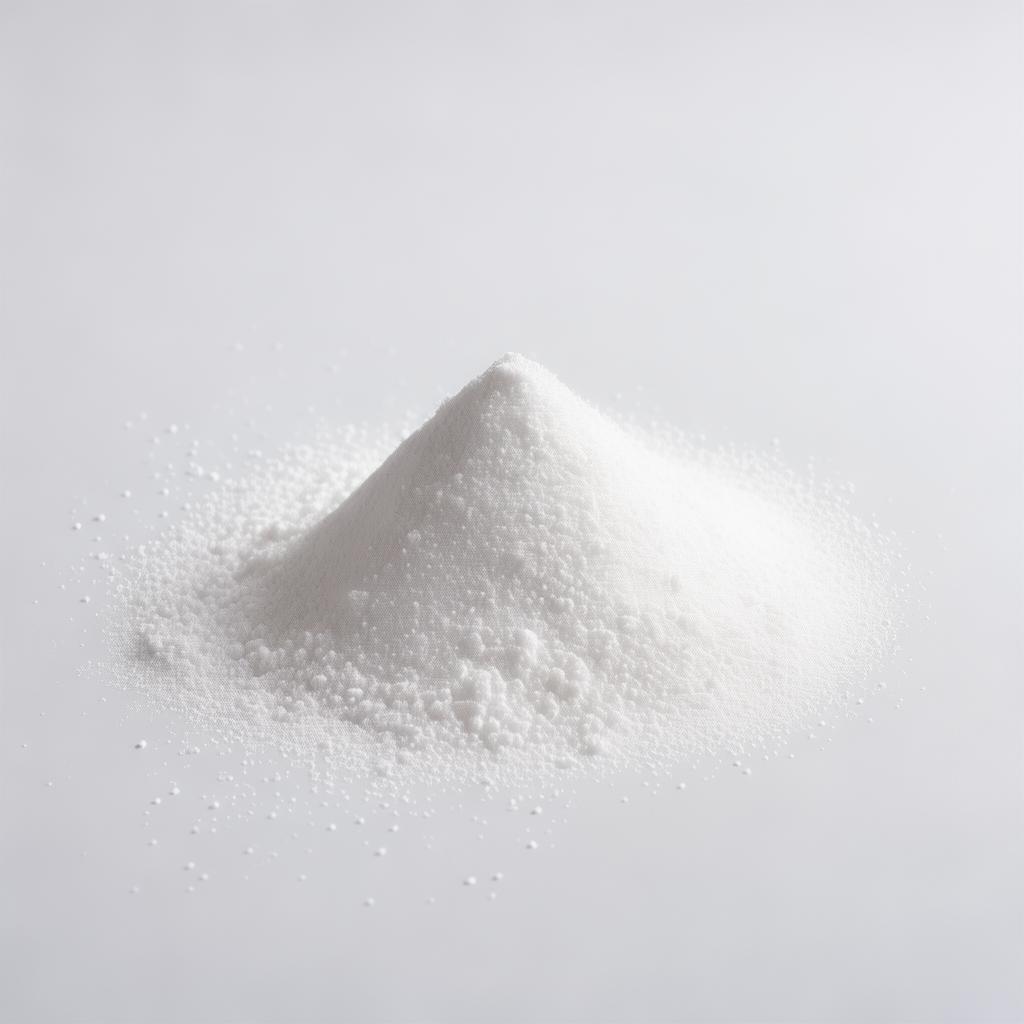
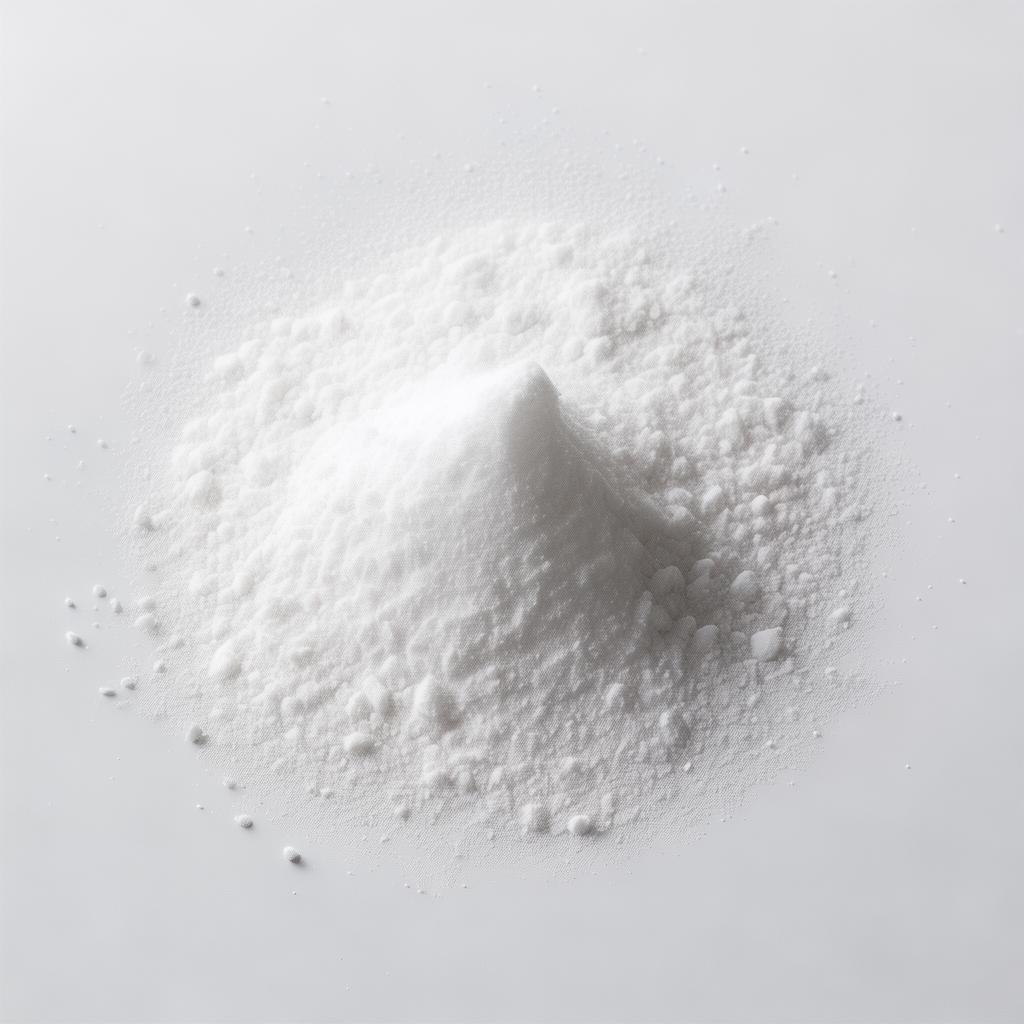
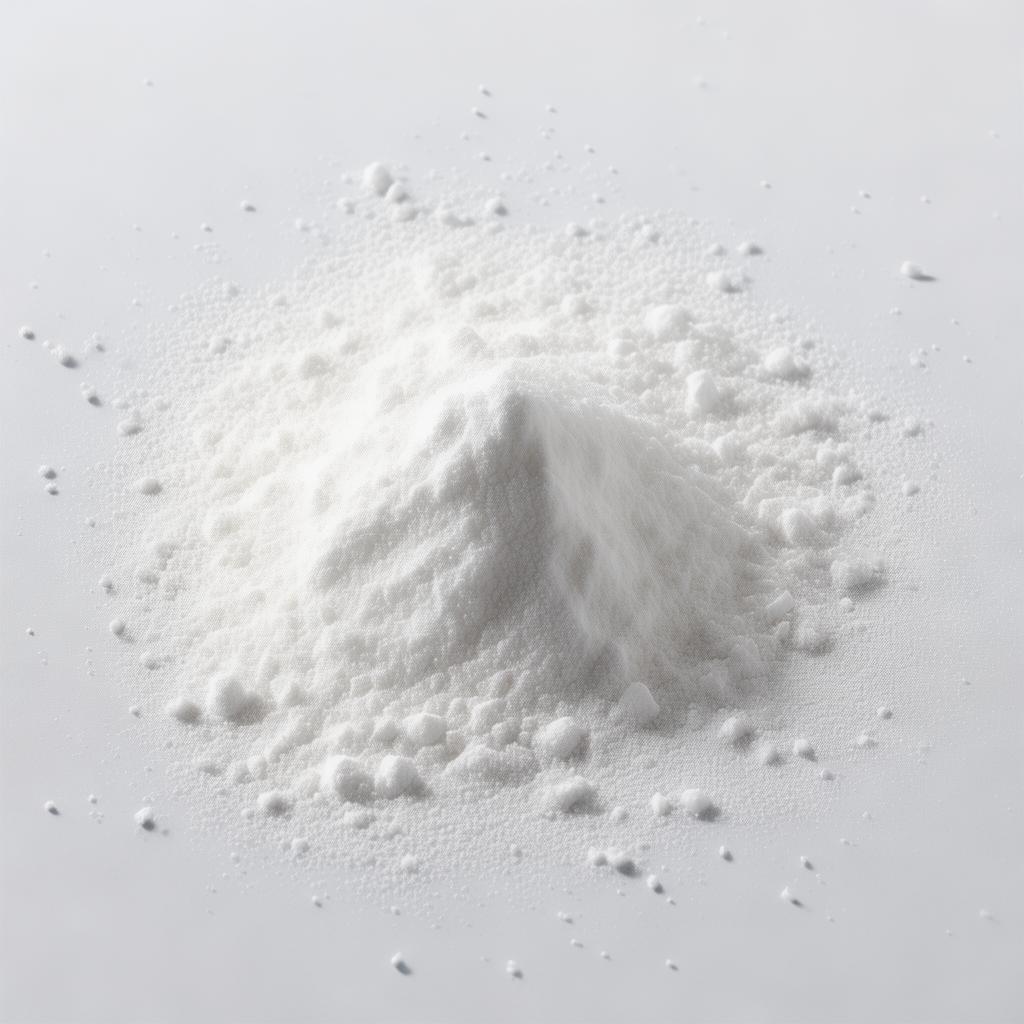
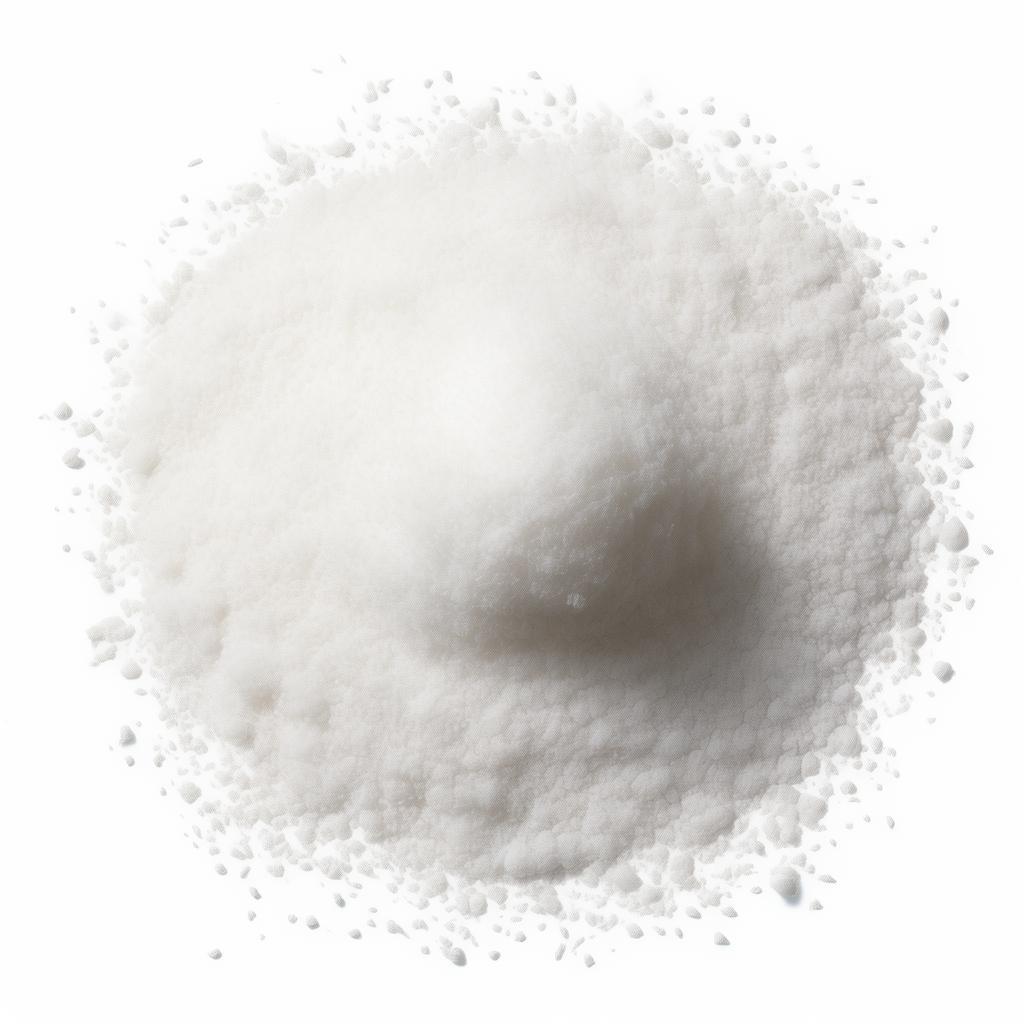
No fluff. This grade provides water retention up to 95% after 2 hours, per lab tests. Thickens fast but hydrates fully—no lumps if dispersed right. Thermogel point around 58-64°C prevents baking in hot climates.
- Sag Resistance: Holds vertical apps up to 25mm thick.
- Open Time: Extends to 45 mins in summer heat.
- Adhesion Boost: Improves bond strength 20-30% on porous surfaces.
- Cold Water Soluble: Mixes in 5°C water, great for off-season pours.
- Low Dust: Surface-treated for safer handling on sites.
We've iterated based on feedback. Recent batches have tighter gel consistency for machine spraying—less nozzle clogs reported.
Detailed Technical Specifications
| Property | Specification | Test Method |
|---|---|---|
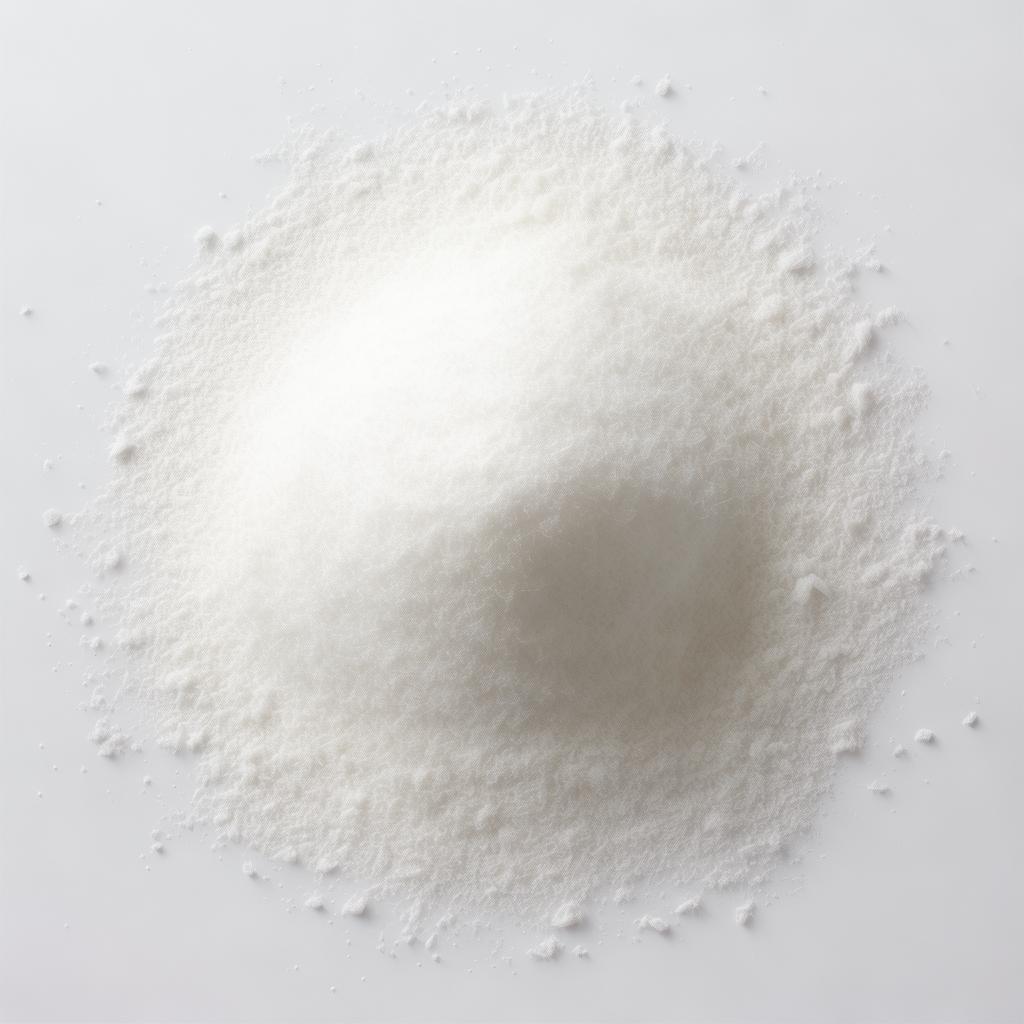
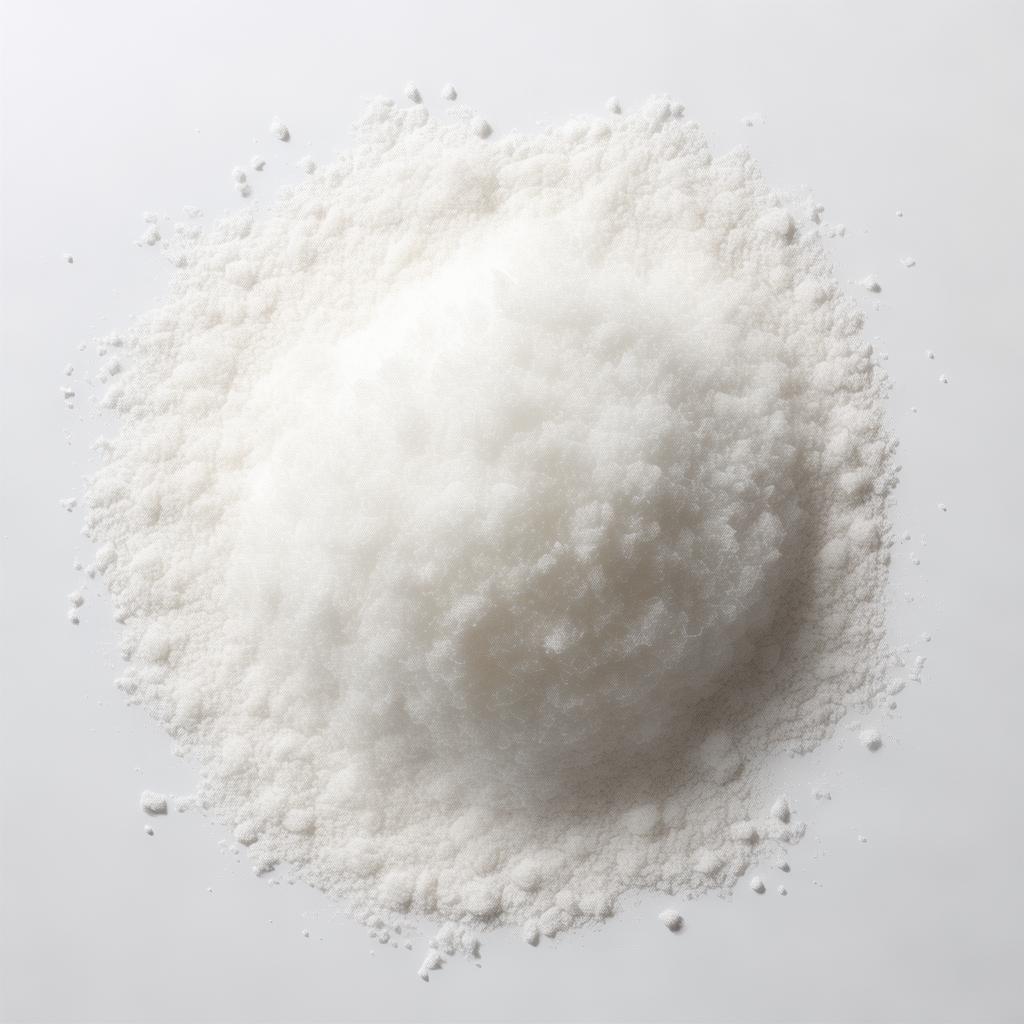
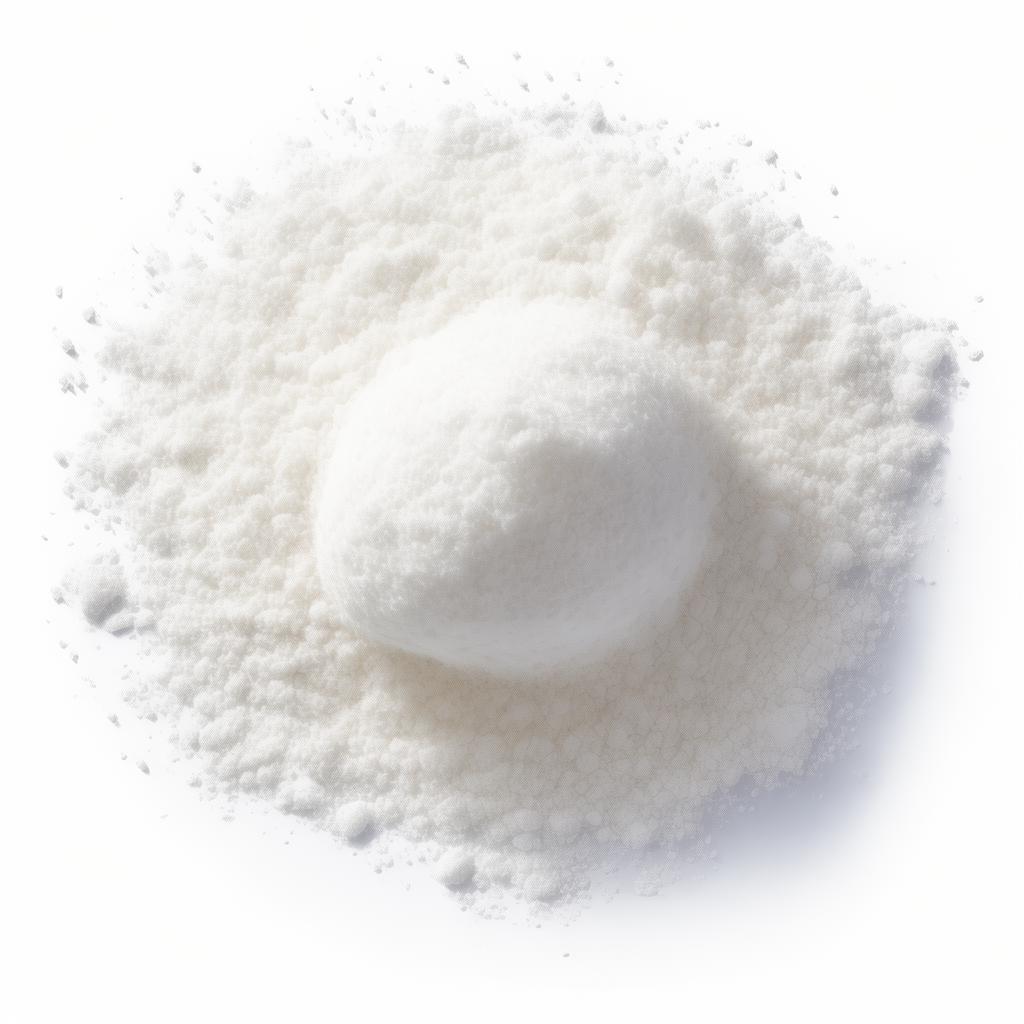
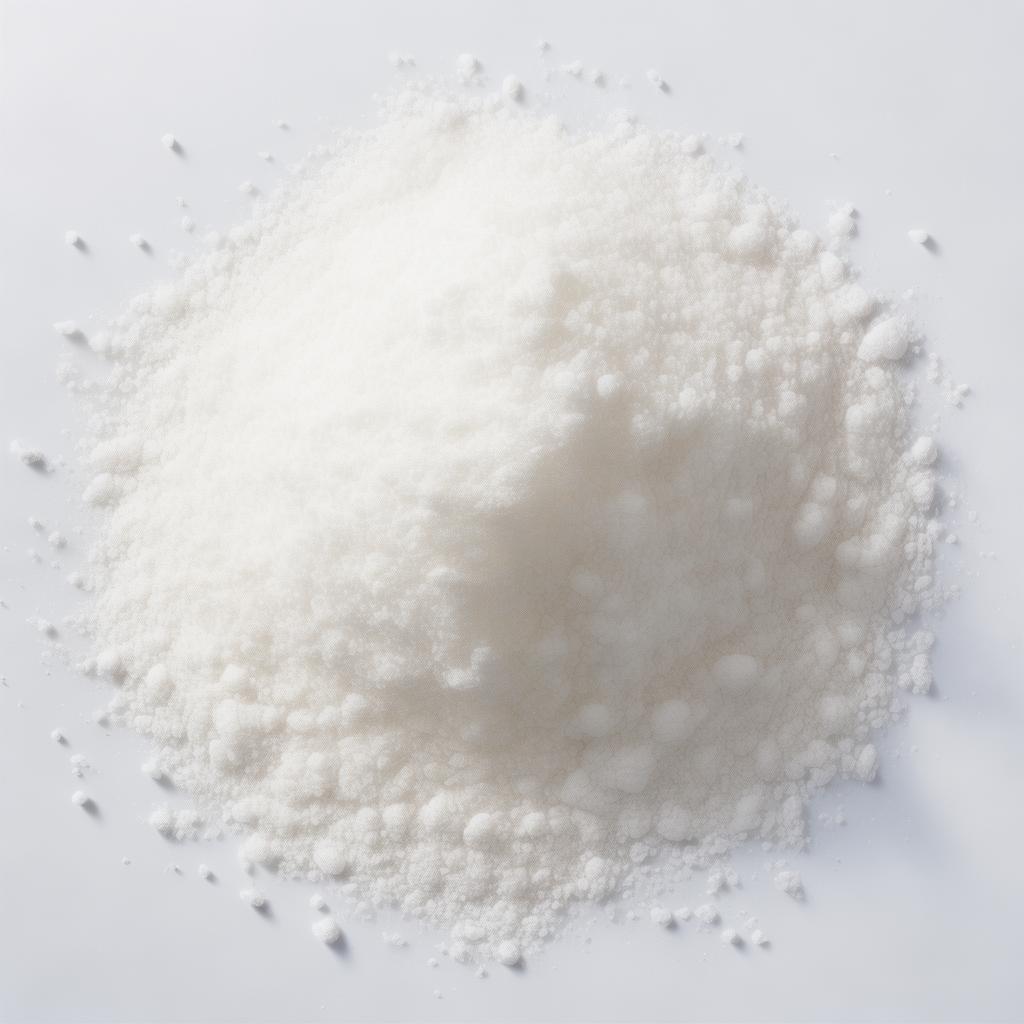
| Appearance | White to off-white powder | Visual |
| Viscosity (2% sol., 20°C) | 160,000 - 240,000 mPa.s | NDJ-1, 60rpm |
| Moisture | ≤5.0% | GB 25915-2010 |
| Ash Content | ≤1.0% | GB 25915-2010 |
| pH (1% sol.) | 5.0-8.0 | GB 25915-2010 |
| Methoxyl (%) | 19.0-24.0 | GB 25915-2010 |
| Hydroxypropyl (%) | 4.0-12.0 | GB 25915-2010 |
| Particle Size | ≥98% pass 100 mesh | GB/T 25915-2010 |
All batches third-party tested. Need custom specs? Contact our lab team.
Real-World Applications
Tile adhesives top the list—dosage 0.2-0.5% bwoc for porcelain installs. In gypsum plasters, 0.3-0.4% yields smooth trowelability without cracking. External thermal insulation renders? Perfect at 0.4%, resists rain washout.
Less obvious: self-leveling underlayments. Stabilizes flow, reduces pinholing. Detergents and paints use it too, but construction eats 70% of our volume.
- Cement mortars (repair, masonry)
- Gypsum-based plasters and joint compounds
- ETICS/EIFS systems
- Thickening agent in PCE combos
- Pharma coatings (sustained release)
Procurement Guide for HPMC 200000 Buyers
Risks abound: fake viscosities, poor solubility leading to site complaints. Vet suppliers on production scale—under 10k tons/year means supply gaps. Request COA with viscometer traces, not just numbers.
Pricing? Expect $2.5-3.5/kg FOB Tianjin for 20mt min. Factor L/C terms for security. Test samples first—mix trials beat specs.
Compare viscosities:
| Grade | Use Case | Sag Resistance |
|---|---|---|
| HPMC 100000 | Grouts, thinsets | Medium |
| HPMC 200000 | Plasters, renders | High |
| HPMC 400000 | Pumping pastes | Very High |
Get a personalized quote? Share volume and port.
Our Manufacturing Capabilities
140,000 sqm site in Jinzhou, 90,000 sqm built. 5 automated lines, DCS controls for precision. Full range: HPMC, MHEC, RDP, PCE. Export to 50+ countries, 20% to North America.
Certifications: ISO9001, ISO14001, REACH, Kosher for pharma. Labs run 24/7 QA.
OEM/ODM? Yes—private label bags, custom substitutions.
Global Shipping and Logistics
FOB Tianjin/Xingang standard. 20' container holds 16mt (1mt jumbo bags). Lead time: 10-15 days production + 25-35 days sea to US East Coast. Air for samples.
We consolidate with RDP or PCE for mixed loads. Track via COSCO/MSK. Duties? HS 39123900, typically 3.1% US MFN.
Warning: Avoid summer peaks—ports clog. Plan ahead.
Frequently Asked Questions
What is the shelf life of HPMC 200000?
2 years dry, sealed. Humidity kills it—store under 60% RH.
Compatible with gypsum?
Absolutely. Enhances workability, fire resistance unchanged.
Free samples available?
Yes, 1-2kg. Cover courier.
Lead time for 10mt?
Stock ready: 7 days dispatch.
What Buyers Say
"Switched to Tang Zhi HPMC 200000 for our stucco line. Sag issues gone, crews finish faster. Solid partner." – Mike R., Procurement Mgr., Texas Drywall Inc.
"Consistent viscosity every batch. Mixed perfectly with our PCE. Delivery on time to Miami." – Ana L., Ops Director, Florida Imports Ltd.
"Tested vs. European brands—same performance, half the cost. Great for gypsum plasters." – Raj P., Supply Chain, Midwest Builders Supply.
"Pharma excipient clean. Low ash helped our coatings." – Dr. Elena K., Formulations, US Pharma Co.
Next Step for Your HPMC 200000 Supply
Reliable quality. Factory prices. Global delivery. Let's match your specs.
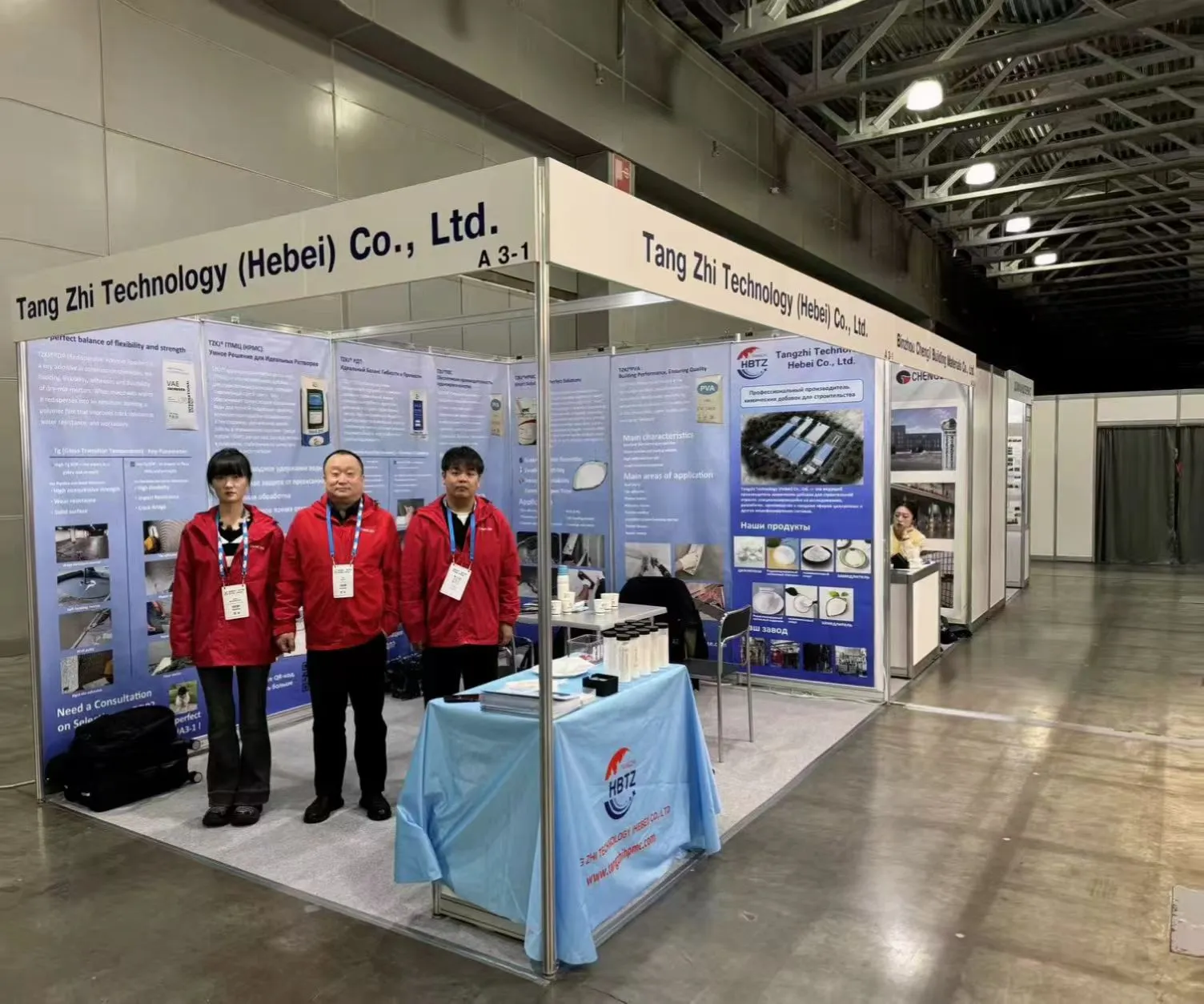
About the Author: Li Wei, Export Director at Tang Zhi Technology (Hebei) Co., Ltd. 15+ years in cellulose ethers, handled 500+ international orders. Factory photo: factory/3.png
Tang Zhi Technology (Hebei) Co., Ltd.
Room 2308, Dongsheng Plaza 2, No. 508 Zhongshan East Road, Chang’an District, Shijiazhuang, Hebei, China
Contact Page | Website