Hpmc Formulation
HPMC Formulation — Practical Guide for Buyers, Engineers & Procurement
Hydroxypropyl methylcellulose (HPMC) is a versatile cellulose ether used across construction, pharmaceuticals, paints and specialty formulations. This page explains how HPMC grades and formulation choices affect performance, installation and logistics — written by an export director and factory production engineer with hands-on experience in industrial supply chains.
Table of contents
- Introduction — HPMC formulation fundamentals (in-depth)
- Technical deep dive — chemistry, grades, and performance variables
- Applications — construction, pharma, adhesives, paints, others
- Specification table — typical factory specs & testing
- Formulation examples & troubleshooting
- Procurement & logistics — packing, lead times, container loading
- Factory capabilities, certifications and OEM/ODM options
- Buyer guidance — evaluation checklist & risk mitigation
- Customer reviews & real procurement scenarios
- FAQs — technical and commercial
- Contact & next steps
Introduction — HPMC formulation fundamentals (long form)
If you are buying HPMC or specifying it in a formulation, you're not just buying a white powder. You are buying a set of functional parameters — viscosity, substitution pattern, particle morphology, and batch-to-batch consistency — that will determine how your adhesive sets, how a render resists sag, or whether a tablet binder dissolves as intended. Procurement teams often discover this the hard way: a cheap lot that meets "viscosity" on paper but behaves differently on the job.
Start with the chemistry. HPMC is produced by etherifying cellulose (commonly wood pulp or cotton linters) with methyl and hydroxypropyl groups. The balance between methoxyl (methoxy) and hydroxypropyl substituents influences solubility, thermal gelation, and water retention. That means two HPMC powders with the same nominal viscosity can show different cold-water dissolution, hydration speed, and freeze-thaw stability.
Viscosity is the single most cited spec. But how labs measure it matters. Typical industry practice is to report Brookfield viscosity of a 2% aqueous solution at 20°C (or 25°C), but some suppliers report 1% or different spindle speeds. When you compare quotations, always confirm the test method, concentration and temperature. Small differences in testing yield large perceived differences in grade.
In construction, HPMC controls open time, sag resistance and water retention. In tile adhesive, it keeps the mortar workable and prevents rapid water loss from cementitious binders. For pharma, HPMC becomes a binder, film former or controlled-release matrix. Each application sets different priorities: in tablets you want compaction properties and low impurities; in paints you demand rheology and shear recovery.
Formulation is where experience matters. For instance, adding HPMC to a cementitious tile adhesive requires attention to salt content and pH. Salts accelerate hydration but can disrupt viscosity. Surfactants used to improve workability interact with HPMC and can cause foam. A practical tack: test with your full pigment/binder mix, not just HPMC in water. Many lab surprises occur when the additive system isn't replicated.
Manufacturing choices influence consistency. Spray-dried vs drum-dried HPMC differ in particle shape and bulk density; spray-dried powders hydrate faster and disperse more uniformly but cost more. Milling and sieving steps control particle size distribution; too many fines and you face dust, reduced wetting and packing difficulties. We balance production efficiency with functional quality depending on customer needs.
Logistics and packaging are not trivial. HPMC is hygroscopic. Improper storage can lead to caking, lumps and variable dissolution. Typical packing options are 25 kg multiwall paper bags with PE lining, 500–1000 kg FIBC (big bags) and special export cartons. For ocean freight, plan humidity control and desiccants if you ship through tropical zones. A 20ft container will commonly carry 16–20 metric tons of 25 kg bags; FIBCs change optimization — always confirm with your supplier.
Costs and risk trade-offs are practical. Low-cost HPMC may be attractive on paper but can increase wastage on site, complicate QA, or require higher inclusion rates to reach performance targets. Conversely, higher-spec grades reduce formulation uncertainty and cut trial-and-error cycles. We advise pilot batches early in procurement — small runs that replicate production conditions often save more time and money than multiple supplier quotes.
This guide expands on those themes: the molecular levers you can pull when specifying HPMC, common formulation recipes and what breaks in the field, supplier assessment checklists, and practical QA tests you can run without expensive equipment. If you need tailored formulations or a factory audit checklist, we provide those services — direct from our plant in Hebei.
Technical deep dive — chemistry, grades and performance variables
Key chemical parameters
- Substitution levels — Methoxy content (MSm) and hydroxypropyl content (MSh) control solubility and gel temperature.
- Molecular weight / viscosity — Correlates with thickening power; reported as Brookfield viscosity of standard % solution.
- pH and salt tolerance — Affects compatibility with cement and admixtures.
- Particle morphology — Spray vs drum dried, particle size distribution, bulk density and dust index.
- Moisture content — Target 4–8% typical; higher moisture increases weight and risks caking.
Functional performance levers
Small shifts in substitution pattern influence how HPMC behaves during heating (thermal gelation) and cooling. For construction formulations in temperate climates, choose grades with stable freeze-thaw behavior. For pharmaceutical matrices, prioritize low impurity profiles and defined granulometry to meet compaction and dissolution targets.
Manufacturing notes — what to ask your supplier
- Production method: spray dried vs drum dried; supplier should state the process and associated particle attributes.
- Source of cellulose: cotton linter vs wood pulp — affects purity and cost.
- Analytical methods: viscosity method (concentration, spindle, rpm, temperature), ash content, residuals (e.g., chlorinated solvents not acceptable for pharma).
- Batch traceability: lot numbers, COA, in-house vs third-party testing procedures.
- Stability testing: recommended shelf life under sealed conditions and recommended storage temperature/humidity.
Applications — where HPMC formulation choices matter
Construction: tile adhesives, EIFS, jointing and renders
In cement-based systems HPMC regulates slump, open time and sag resistance. For thin-bed tile adhesives, choose medium-to-high viscosity grades for improved thixotropy and vertical hold. Water retention is crucial: formulations with inadequate water retention cause poor cement hydration at the substrate interface — weak bond lines and increased debonding risk.
Pharmaceuticals: binders, controlled release
Pharma-grade HPMC must meet stricter impurity and microbial limits. Particle size control and low ash matter for tablet compression and dissolution. HPMC substitution affects gel-layer formation in matrix tablets and thus release profiles. Request the full GMP/QC documentation if used in oral dosage forms.
Paints & coatings
HPMC contributes to viscosity control, anti-sag and film formation in waterborne coatings. Be mindful of shear-thinning behavior: some grades recover viscosity quickly after shear (good for brush application), others don’t. Compatibility with dispersants and defoamers is a common short-list test for formulators.
Adhesives & specialty solutions
In adhesives, HPMC balances workability and green strength (initial tack). For ready-mix products, stability during storage (no syneresis) is key. Pay attention to surfactant load; it affects both initial wetting and long-term stability.
Technical specification table — typical factory data
| Property | Typical Range / Method |
| Viscosity (Brookfield, 2% solution, 20°C) | 50–100,000 mPa·s (specify concentration & spindle) |
| Methoxy content (wt%) | 19–30% (depends on grade) |
| Hydroxypropyl content (wt%) | 4–12% (affects cold-water solubility) |
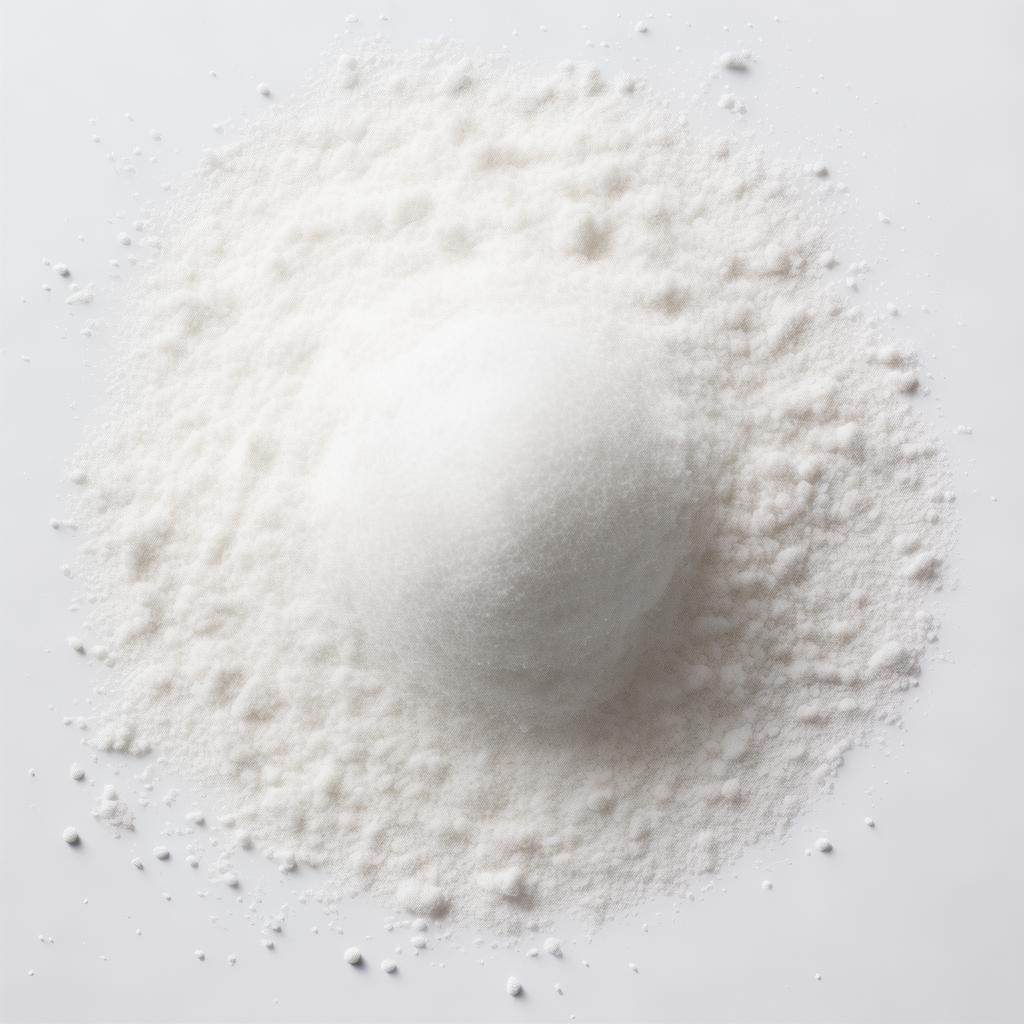
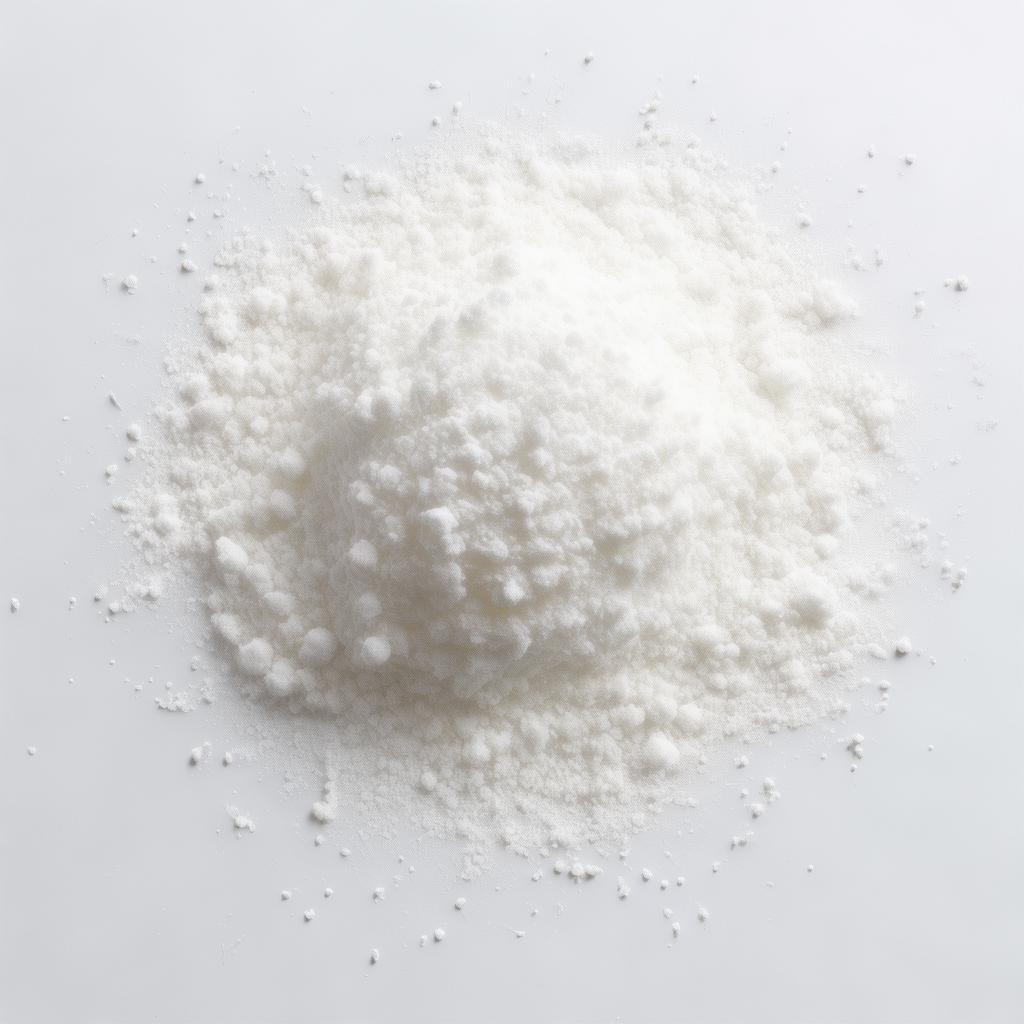
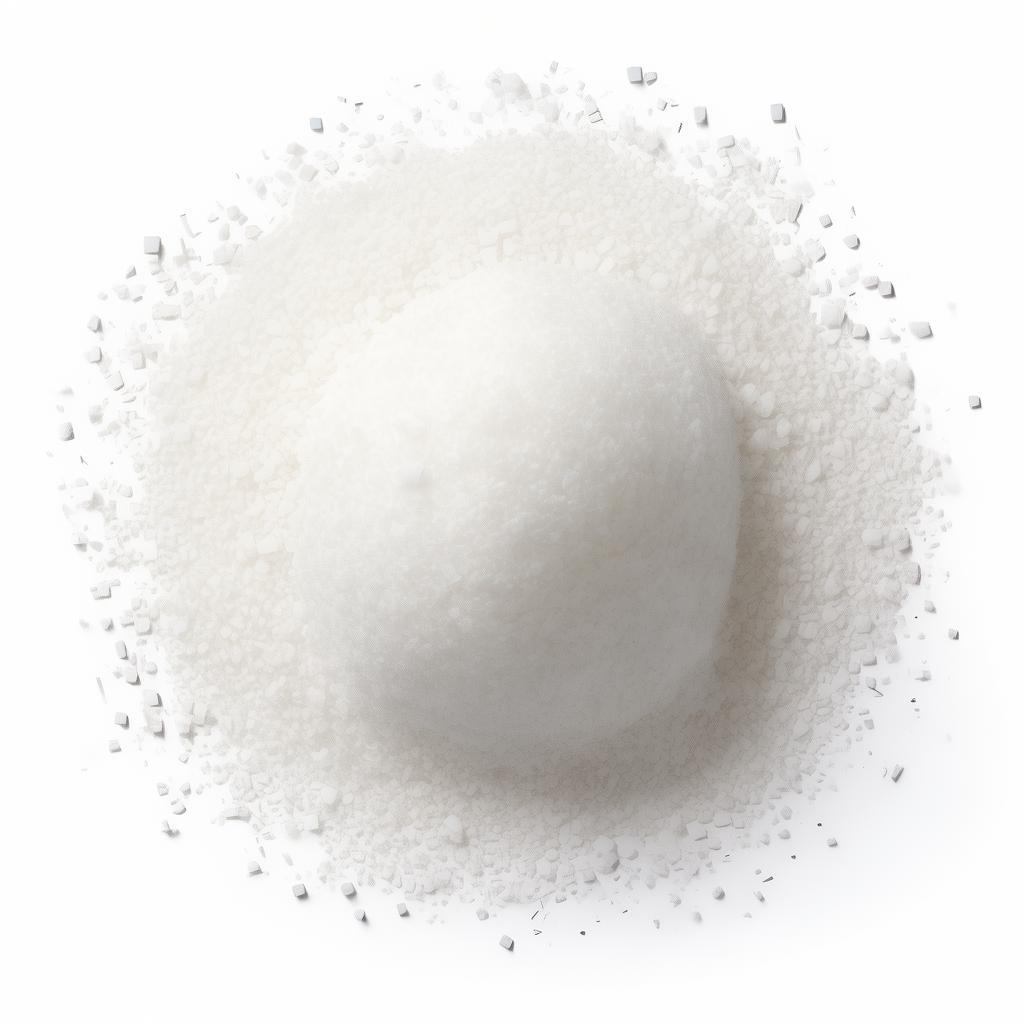
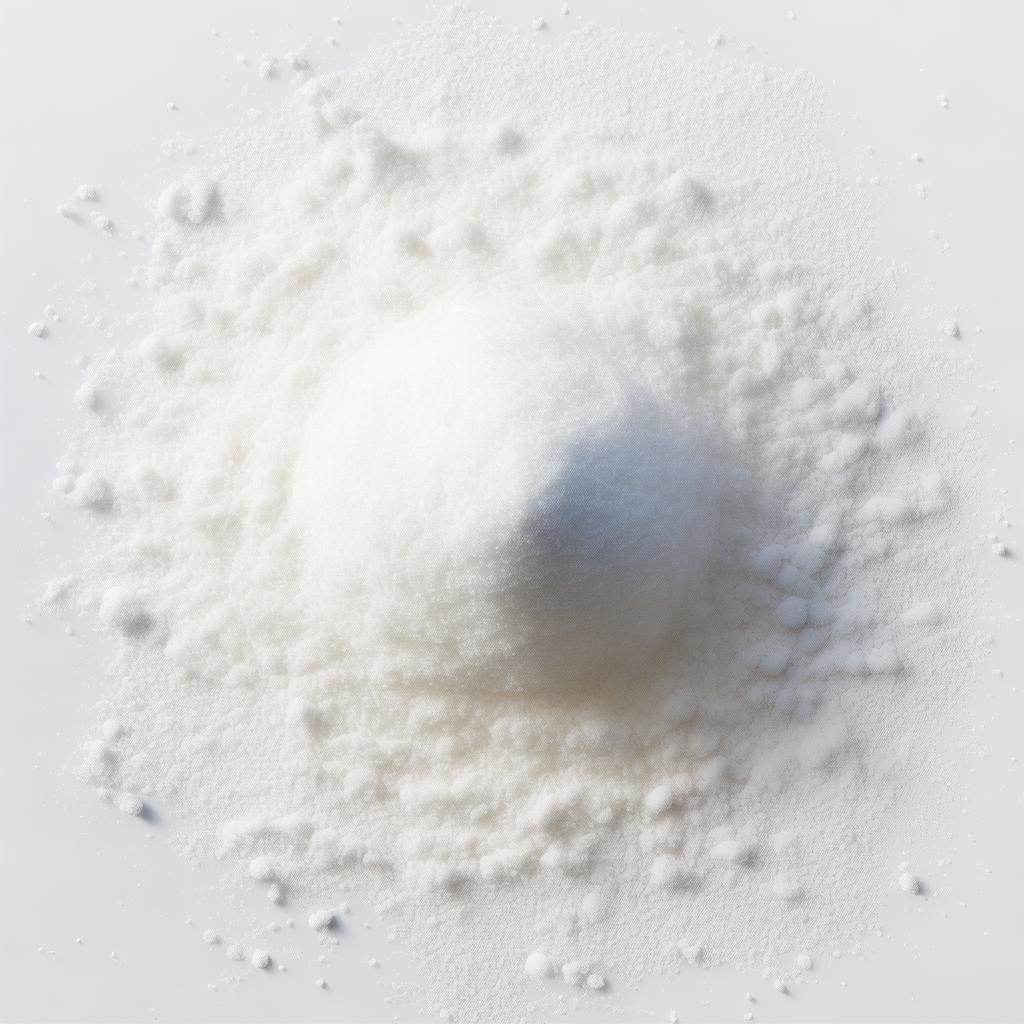
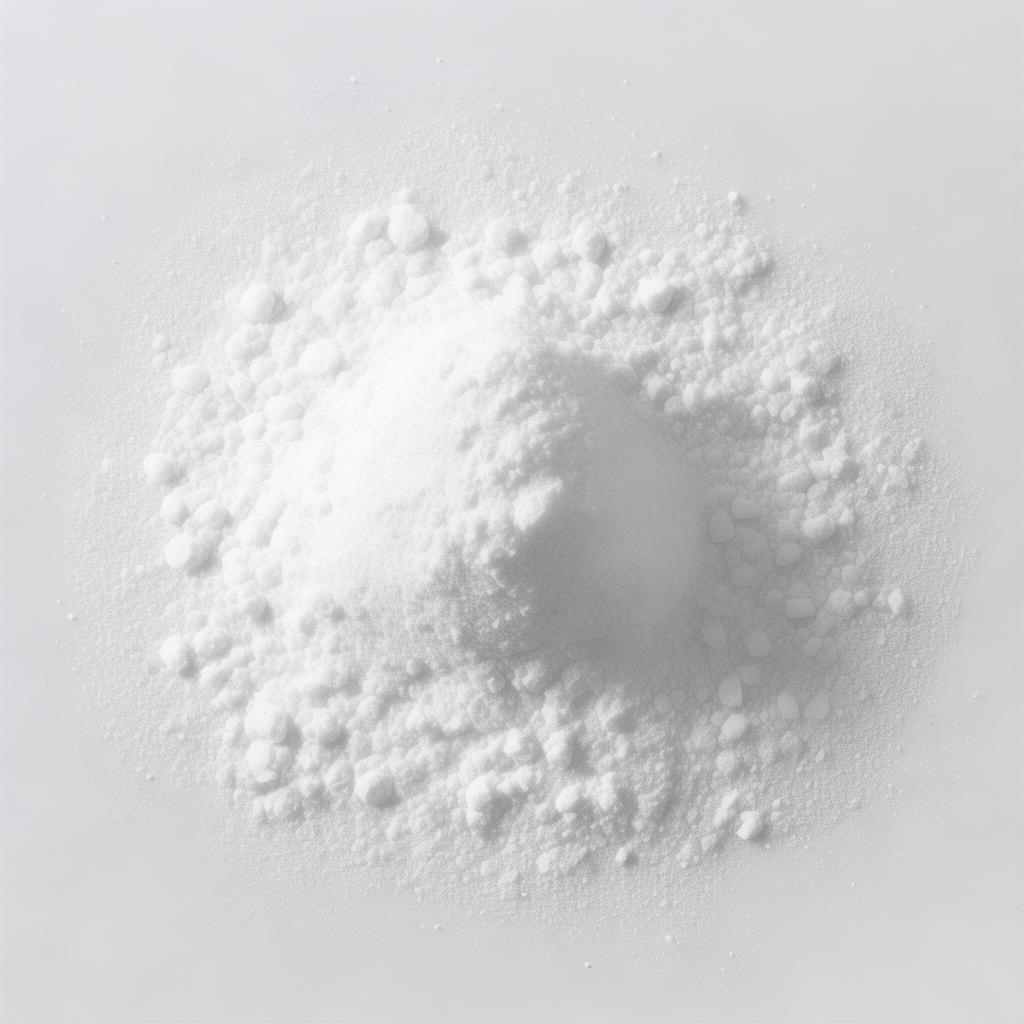
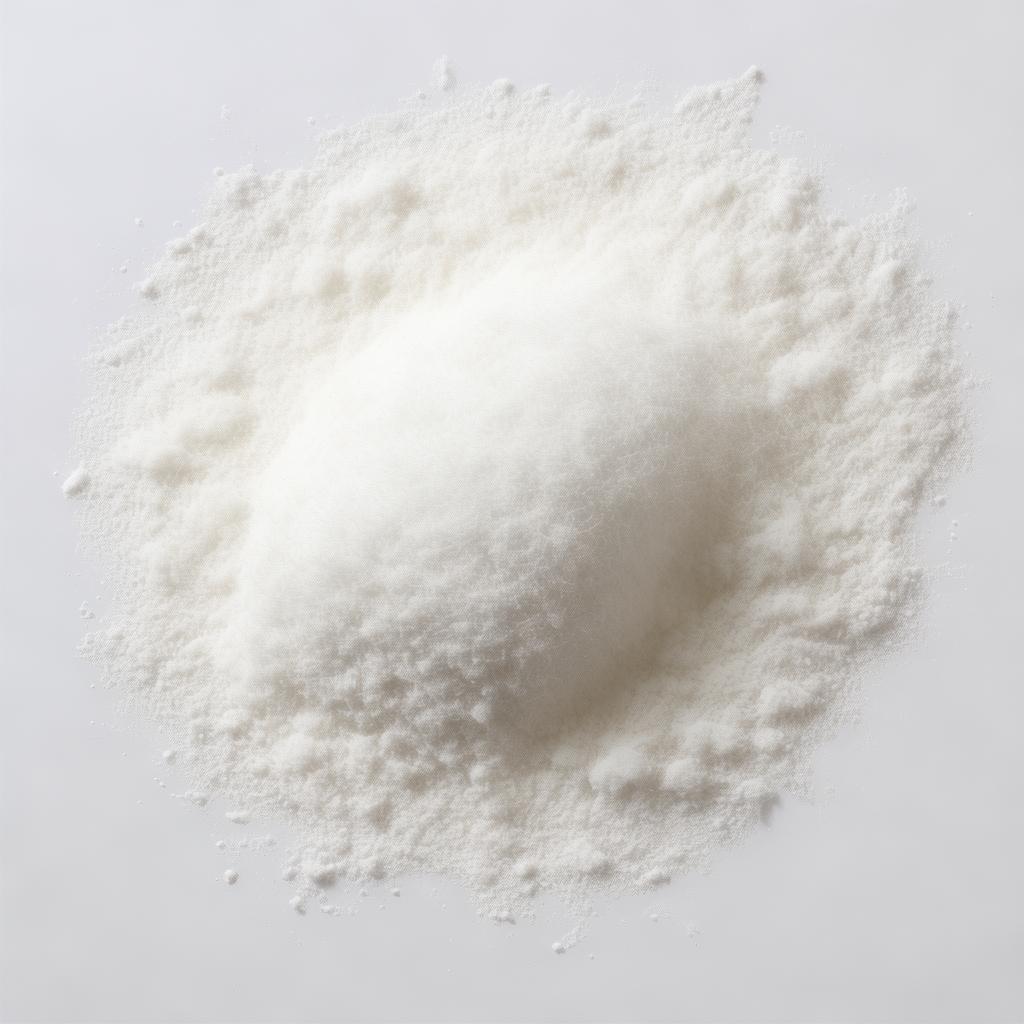
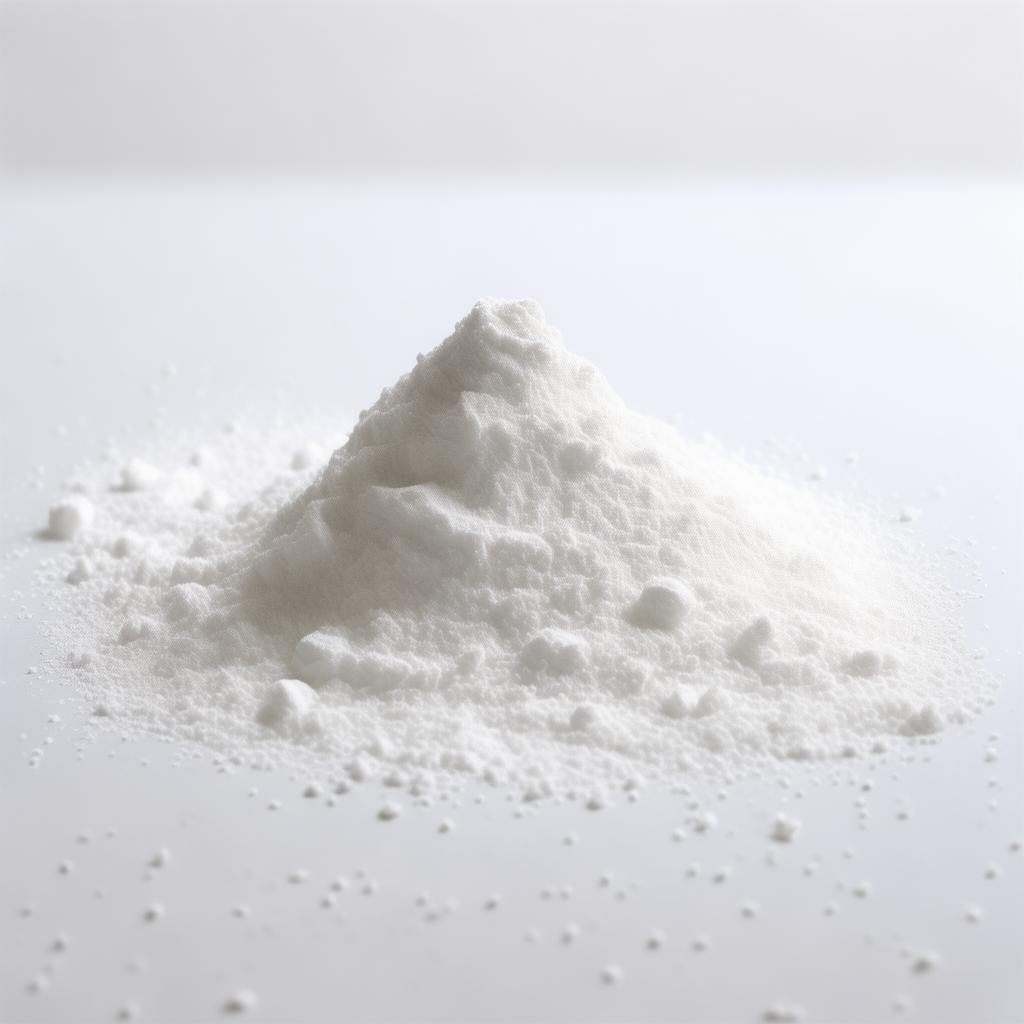
| Appearance | White to off-white powder, free-flowing |
| Moisture | 4–8% (depending on packing) |
| Ash | <1.0% (typical) |
| Bulk density | 300–450 g/L (spray-dried higher) |
| Microbial limits | Per customer spec; pharma grades require stricter testing |
hpmc product hpmc preparation hpmc solution
Note: The above ranges are illustrative. For regulatory or critical end-uses, request full COA, method statements and third-party analysis.
Formulation examples & troubleshooting
Typical tile adhesive (thin-bed) recipe — highlights
- Portland cement 1.0 part — binder and strength source
- Fine sand 1.8–2.2 parts — aggregate
- Polymer powder or latex 0.02–0.06 parts — adhesion/late strength
- HPMC 0.005–0.02 parts (by weight of dry mix) — water retention and open time
- Retarding agents / plasticizers — as needed to match substrate conditions
Troubleshooting tips: If the mortar shows poor open time and rapid skinning, test a higher hydroxypropyl content grade (better water retention) or increase HPMC inclusion slightly. If the mix becomes stringy or creates sag, reduce viscosity grade or lower HPMC dose. Always change one variable at a time.
Pharma binder example (tablet core)
For direct compression: 2–5% HPMC (low viscosity grade), combined with microcrystalline cellulose. For matrix tablets aiming sustained release: 10–20% HPMC (higher viscosity grade), adjusted using dissolution studies to reach target release window.
Common failure modes and quick checks
- Caking in bags: check moisture and storage; reduce exposure to humidity; use desiccants.
- Variable hydration: confirm particle size distribution and spray/drum method.
- Foaming in mixing: evaluate surfactants and defoamer compatibility.
- Batch-to-batch viscosity drift: insist on COA and on-site random sampling.
Procurement & logistics — packing, lead times, container loading
Procurement managers focus on price, but the real costs appear in freight, storage losses and QA. Below are practical figures based on our export experience.
Packing options
- 25 kg multiwall paper bag with PE liner — standard, easy for batching lines.
- 50 kg bag — used in some regions, less common for HPMC due to handling.
- 500 kg–1000 kg FIBC (big bag) — for large volume industrial customers.
- Vacuum-sealed drum packs for pharma-grade orders (on request).
Shipping & container planning
A typical 20ft container with 25 kg bags can hold roughly 16–20 metric tons depending on palletizing and dunnage. A 40ft container might carry 24–28 metric tons. These are ranges: check with forwarders and supplier packing diagrams to optimize cubic utilization. For FIBC shipments, capacity may increase but requires suitable lifting gear at destination.
Lead times & MOQ
Typical lead times from a factory with established inventory: 2–6 weeks depending on grade and order size. For custom substitution patterns or pharma-grade HPMC, expect 6–10 weeks due to extended QC and documentation. MOQ varies — many suppliers accept one container; smaller trial quantities should be arranged as samples or LCL (less than container load) shipments.
Customs & compliance
HS code, COA, MSDS and any applicable pharmacopeial references must travel with the shipment. For regulated end-uses, additional declarations (e.g., source pulp origin, residual solvents, GMP certificate) may be required by import authorities.
Factory capabilities, certifications and OEM/ODM options
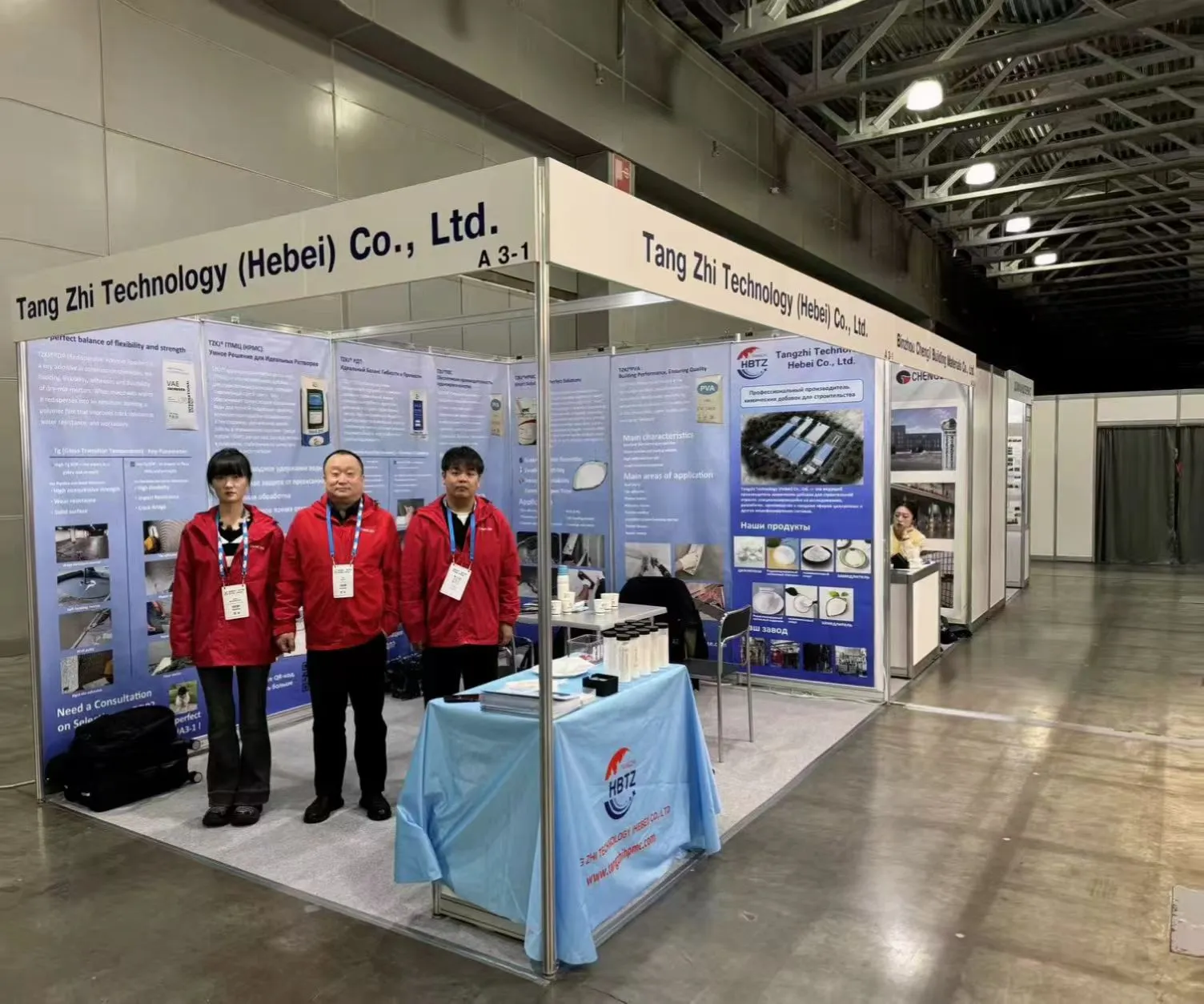
TANG ZHI TECHNOLOGY(HEBEI)CO., LTD operates an integrated production and export facility in Jinzhou, Hebei Province. Factory footprint and automated lines support annual output exceeding 40,000 tons across cellulose derivatives including HPMC, MHEC, HEC and CMC.
- Manufacturing scale: 140,000 m² site; 90,000 m² building area; automated production lines.
- Product scope: HPMC, MHEC, PVA, RDP-VAE, CMC, PCE, gypsum retarders.
- Certification readiness: ISO systems and third-party testing available; pharma-grade production on request.
- OEM/ODM: formula adjustments, custom particle size, packing and private labeling supported.
We provide tailored technical support: lab trials with your full formulation, pilot scale runs and on-site engineer consultations for process integration. For critical projects we recommend an initial 1–2 ton pilot batch to validate in-line blending and downstream processes.
Certifications (examples): cert/iso.png cert/ce.png cert/rohs.png — full certificates provided on request and included in our export documentation for regulated markets.
Buyer guidance — evaluation checklist & risk mitigation
Supplier evaluation checklist
- Ask for full COA and the method for viscosity testing (concentration, spindle, rpm, temperature).
- Request a sample and replicate your full formula in lab conditions.
- Confirm supply chain traceability for pulp source and reagents used in etherification.
- Inspect packing photos and palletization plans to estimate container utilization.
- Negotiate a pilot batch price and clear acceptance criteria before bulk orders.
Commercial negotiation tips
Lock in pricing elements for at least two months and confirm incoterms. For long-term partnerships, consider a framework agreement with periodic review of quality metrics rather than ad-hoc spot buys. If freight volatility is a concern, agree on EXW and let the buyer control logistics, or work with the supplier's trusted forwarder for consolidated shipments.
Quality assurance tests you can run
- Hydration time in a fixed mixing protocol — does it match past lots?
- Viscosity at specified concentration/temperature — cross-check supplier COA.
- pH and salt tolerance in the presence of your formulation salts.
- Moisture and bulk density measurements to plan dosing and packing.
Customer reviews — real procurement scenarios
1. Mark R., Procurement Manager — Tile Systems (USA)
"We switched HPMC suppliers after repeated variability in open time. Tangzhi supplied a trial batch with a slightly higher hydroxypropyl content and provided lab support. The pilot reduced on-site rework; worth the initial upcharge."
2. Susan V., R&D Lead — Coatings Manufacturer (UK)
"We needed a grade with rapid shear recovery for brush application. The factory's spray-dried option performed better than previous drum-dried lots. They adjusted particle size for our batching line — practical and responsive."
3. Javier L., Export Director — Construction Distributor (Mexico)
"Good communication on packing and containerization. Their freight planner helped optimize a 40ft shipment using mixed pallet configurations. Delivered with minimal humidity impact on bags."
FAQs — technical and commercial
Q: How do you choose viscosity grade?
A: Match the grade to your application rheology and dosing. Low-viscosity HPMC (e.g., 50–200 mPa·s at specified test) is common for pharmaceutical binders. High-viscosity grades (10,000–100,000 mPa·s) are used in renders and tile adhesives for thickening and water retention. Always confirm test method.
Q: Spray-dried vs drum-dried — which is better?
A: Spray-dried HPMC hydrates faster and gives more uniform dispersion. Drum-dried is cheaper but may require longer mixing and produce more fines. Choose based on performance requirements and cost sensitivity.
Q: What storage conditions are recommended?
A: Store in a dry, ventilated place below 30°C if possible. Avoid direct sunlight and long exposure to high humidity. Once opened, reseal bags or use FIFO to avoid caking. For tropical shipments, consider desiccants and ventilated containers.
Q: Can Tangzhi supply pharma-grade HPMC?
A: Yes. We offer higher-purity grades with documentation and tailored packing (sealed drums) for regulated industries. Expect longer lead times due to additional QC and documentation.
Q: What is a reasonable pilot plan?
A: Order a 100–200 kg trial batch, run your full formulation at production-scale mixers, and verify hydration, rheology and product drying (if applicable). Maintain detailed notes and share results with the supplier for iterative optimization.
Risk reduction promises & practical warnings
We don't promise miracle performance. Instead, Tangzhi commits to clear COAs, visible production photos for each lot shipped, and a documented pilot process before scale orders. That reduces the common problems — mismatched viscosity methods, unexpected hydration behaviour, or incompatibility with local admixtures.
Warning: never accept a viscosity spec without the test method. Suppliers sometimes quote viscosity at an unrealistic concentration or temperature that masks differences. Also, watch for undisclosed additives — some suppliers mix lower-grade HPMC with fillers to hit a viscosity number; performance in real formulations suffers.
Contact & next steps
Company: TANG ZHI TECHNOLOGY(HEBEI)CO., LTD
Address: Room 2308, Dongsheng Plaza 2, No. 508 Zhongshan East Road, Chang’an District, Shijiazhuang, Hebei, China
Phone / Whatsapp: +86-15032625168
Email: admin@tangzhicellulose.com
Contact page: https://www.tangzhihpmc.com/contactus.html
Next-step recommendations:
- Request a COA for the grade you plan to buy and confirm viscosity test method.
- Order a 100–200 kg pilot sample with full packing photos and batch traceability.
- Ask for a packing diagram and container loading plan before committing to a full container.
- Arrange a technical call with our engineer to validate integration with your mixing line.
Author
Liang Chen — Export Director & Manufacturing Advisor. Over 12 years in cellulose derivatives production and export logistics. Based at the Tangzhi factory and routinely advising R&D and procurement teams on grade selection and pilot programs. (avatar: author/3.png)
If you want a direct technical review of your formula or a supplier audit checklist, send an email with your preferred time for a 30-minute call.