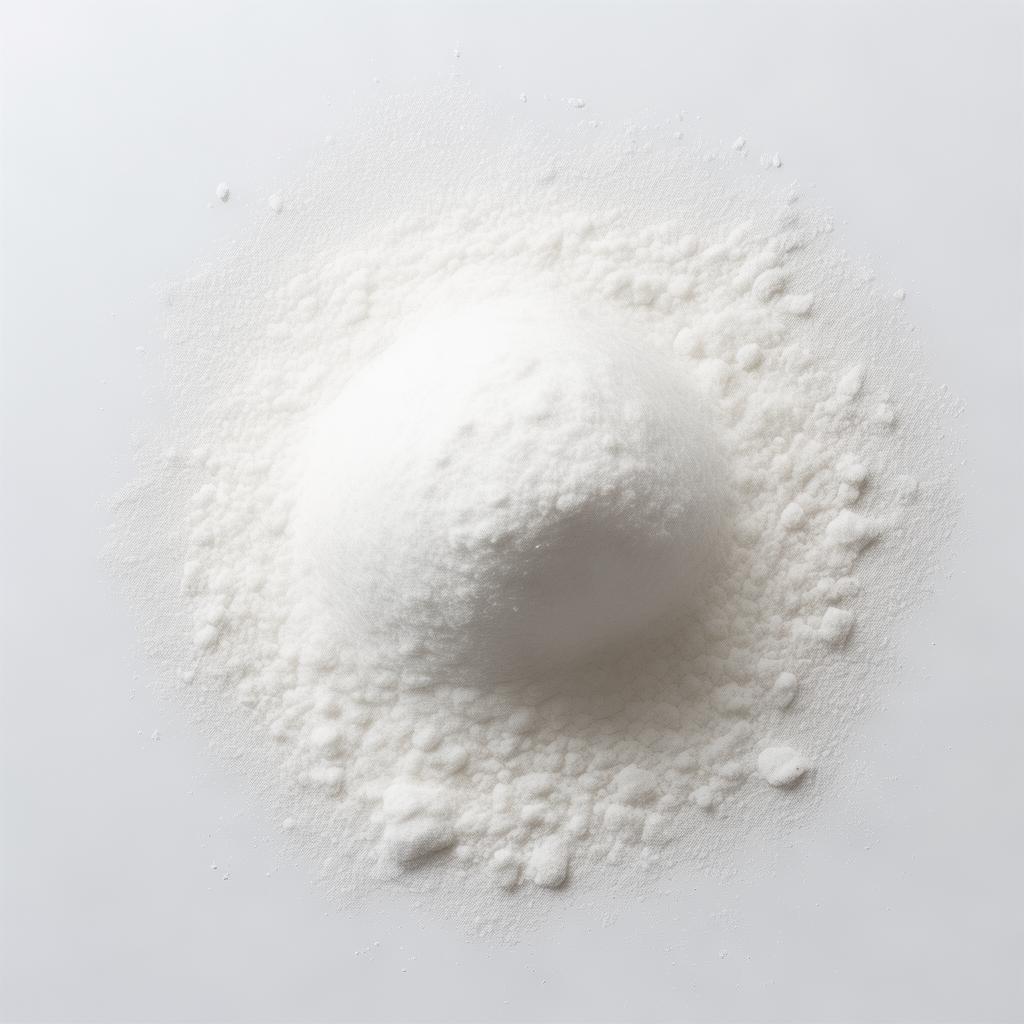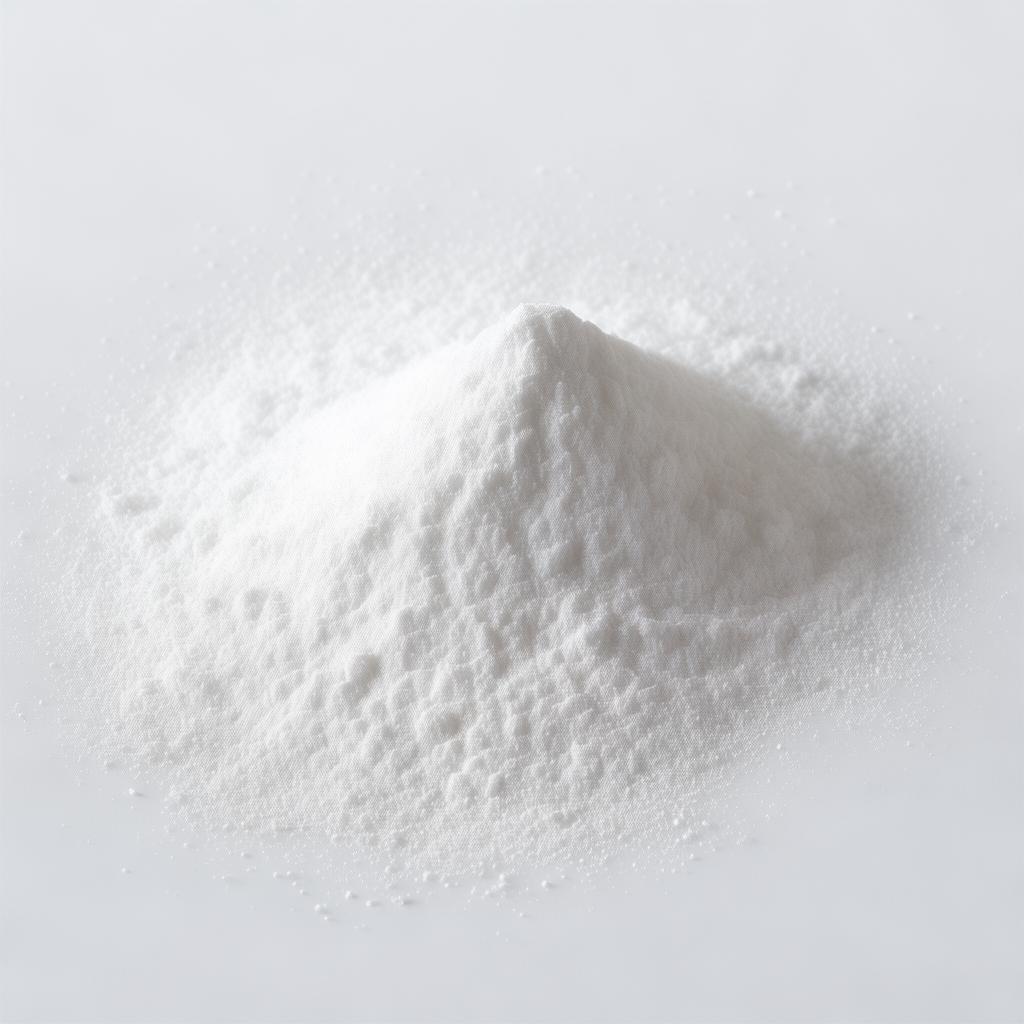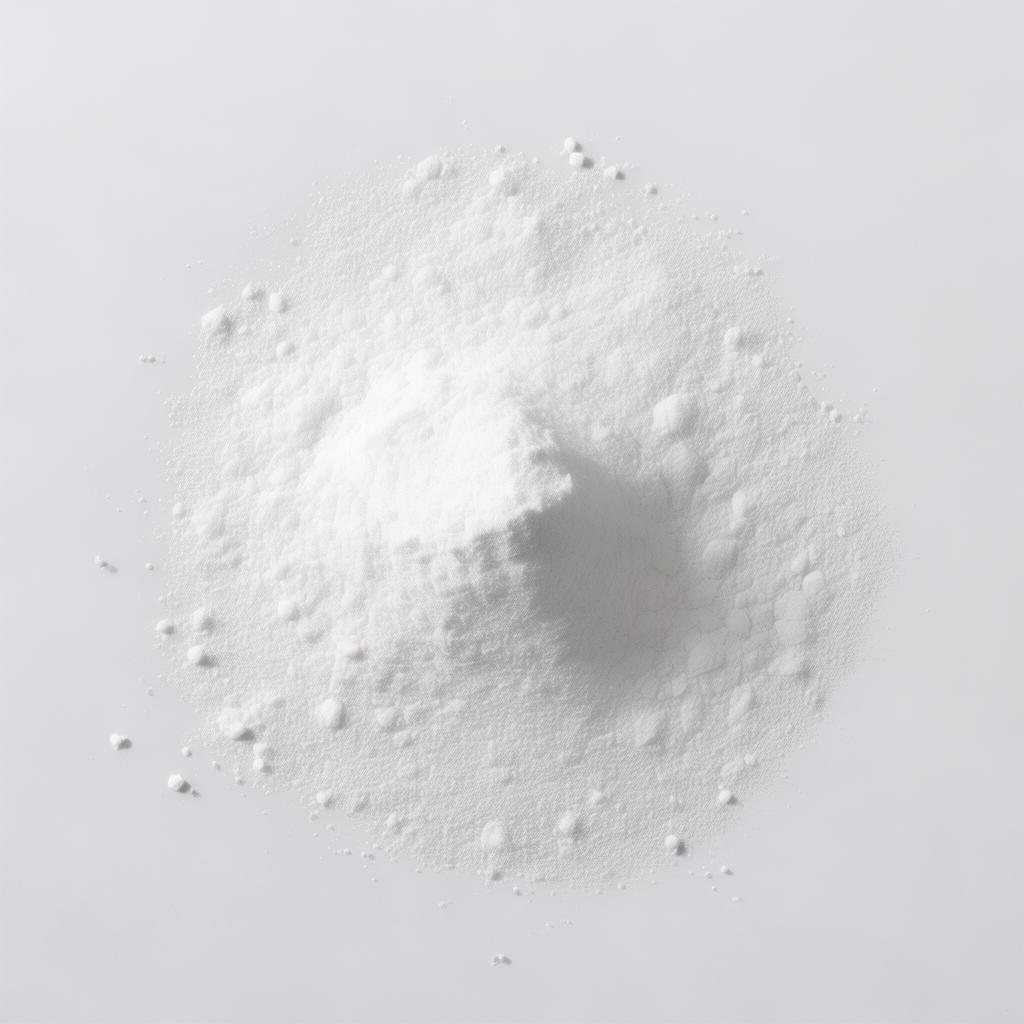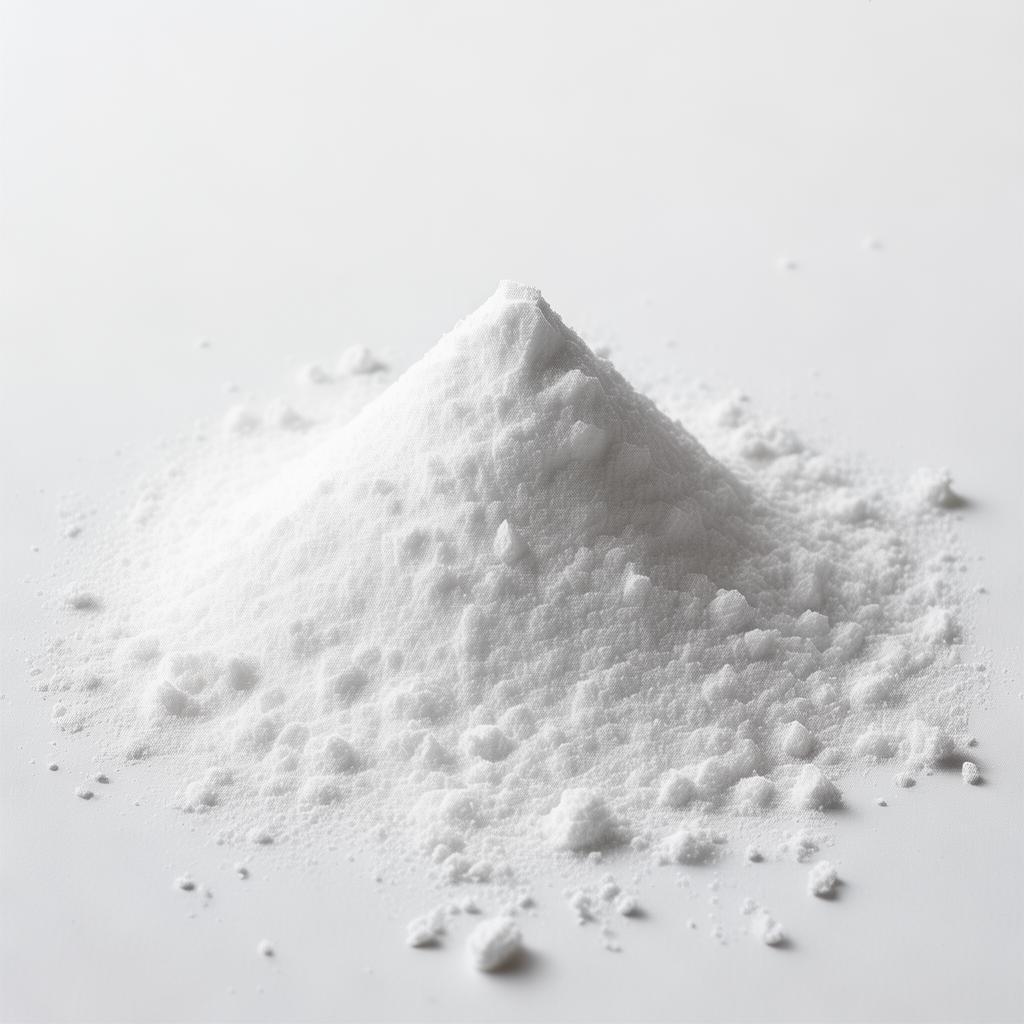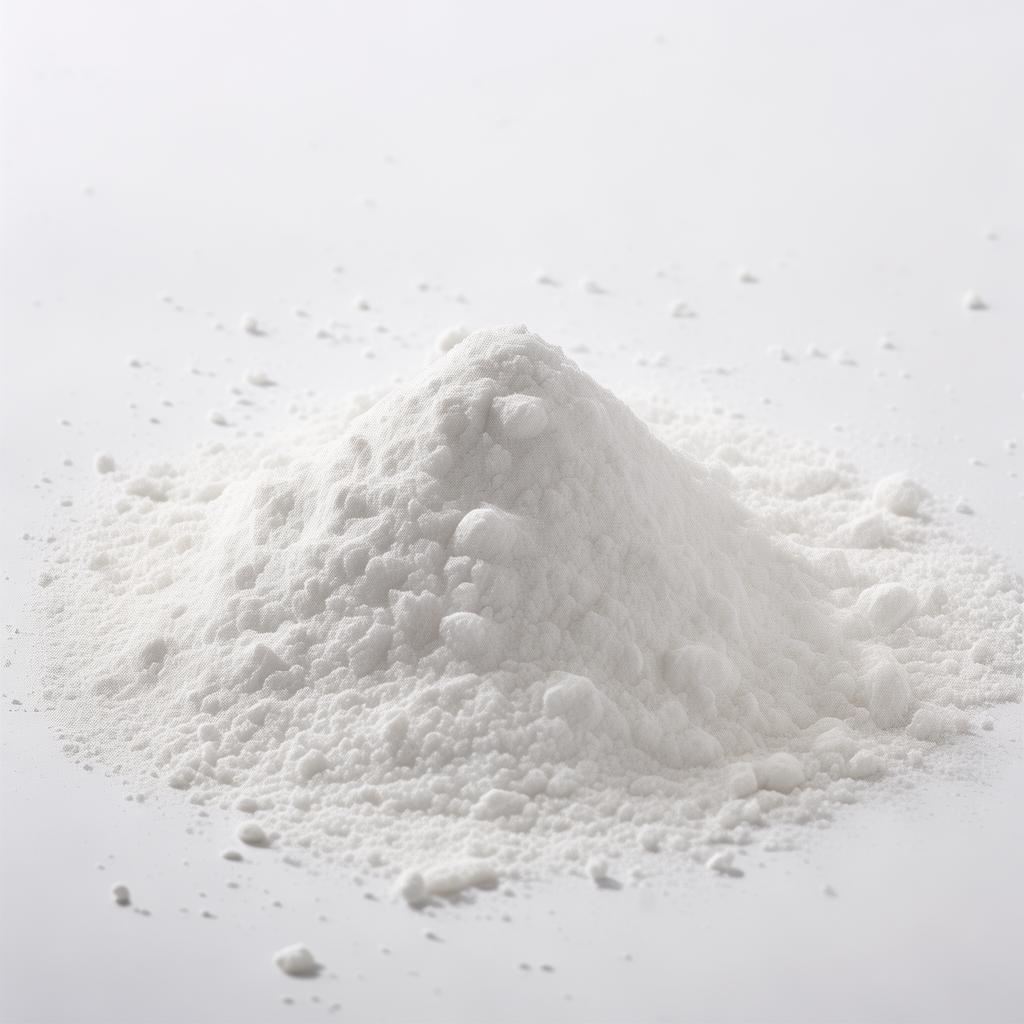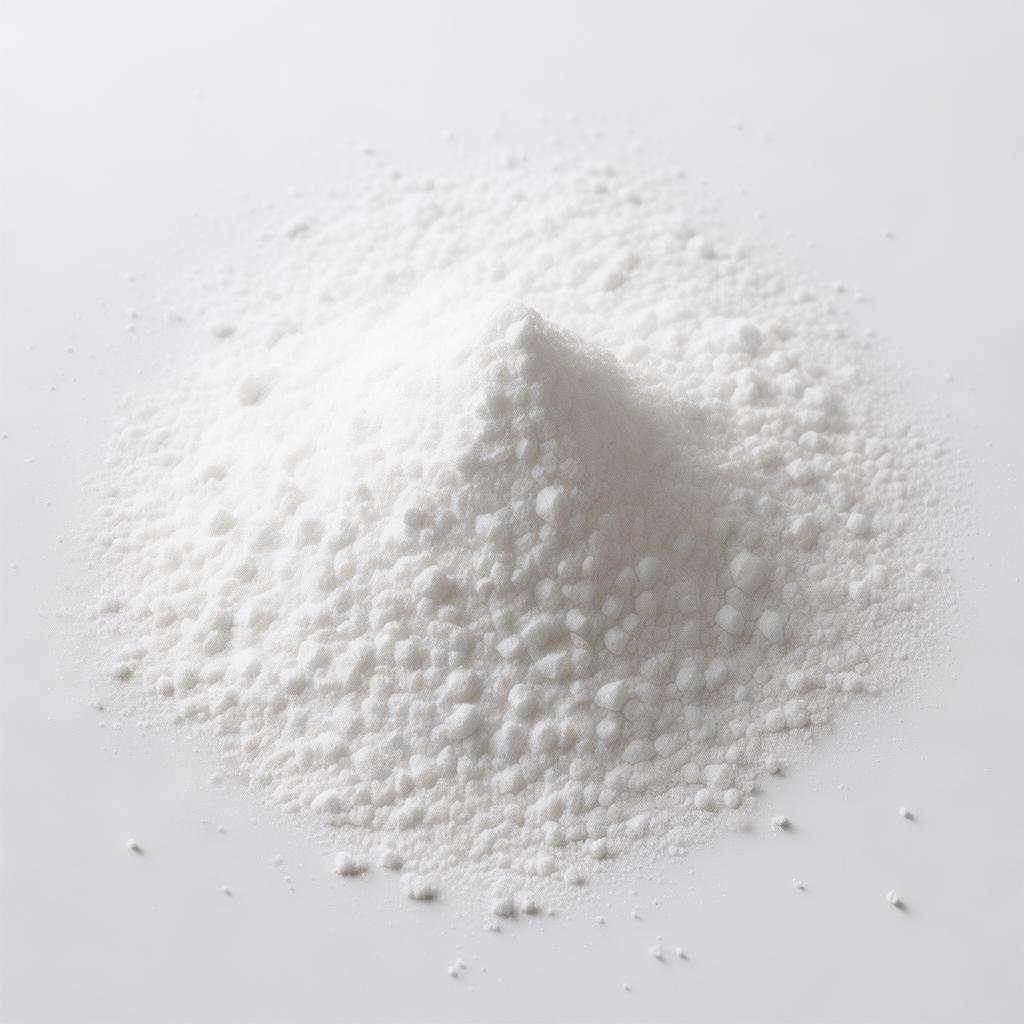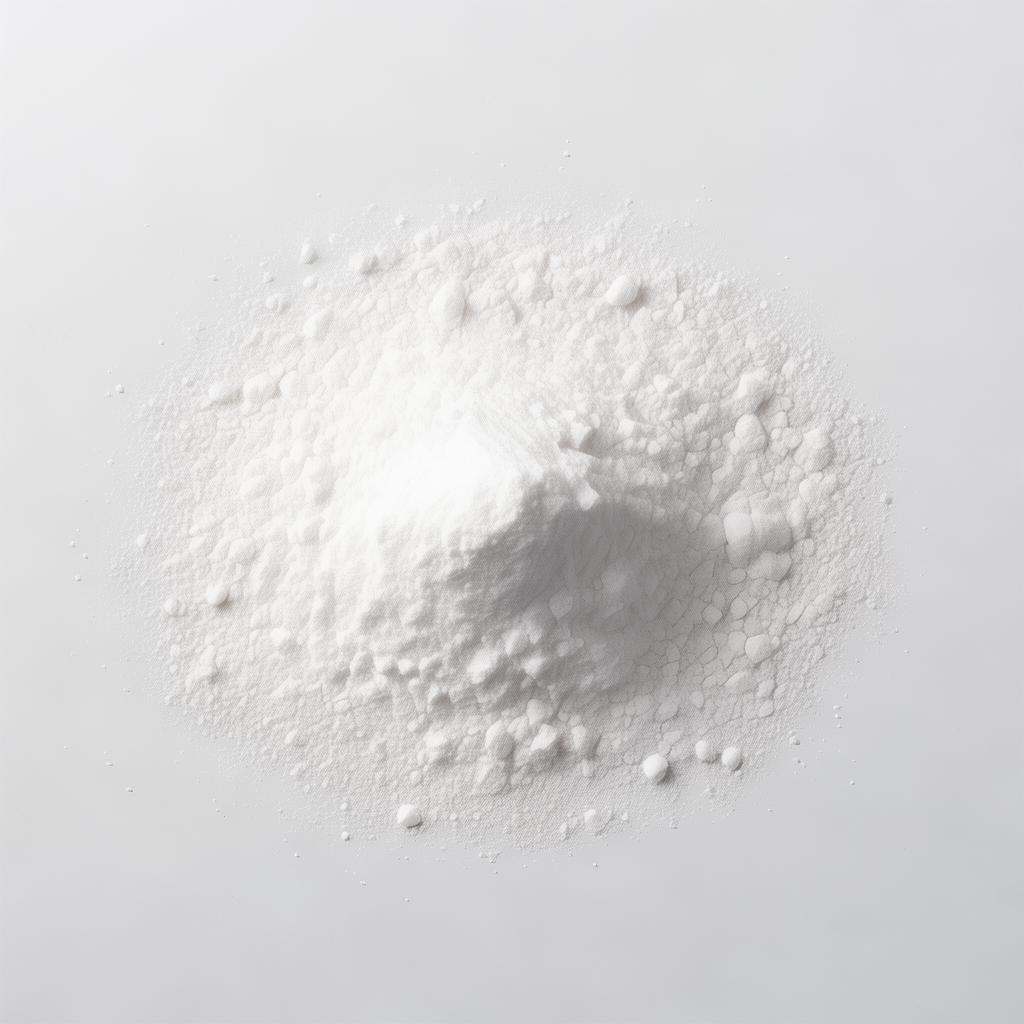
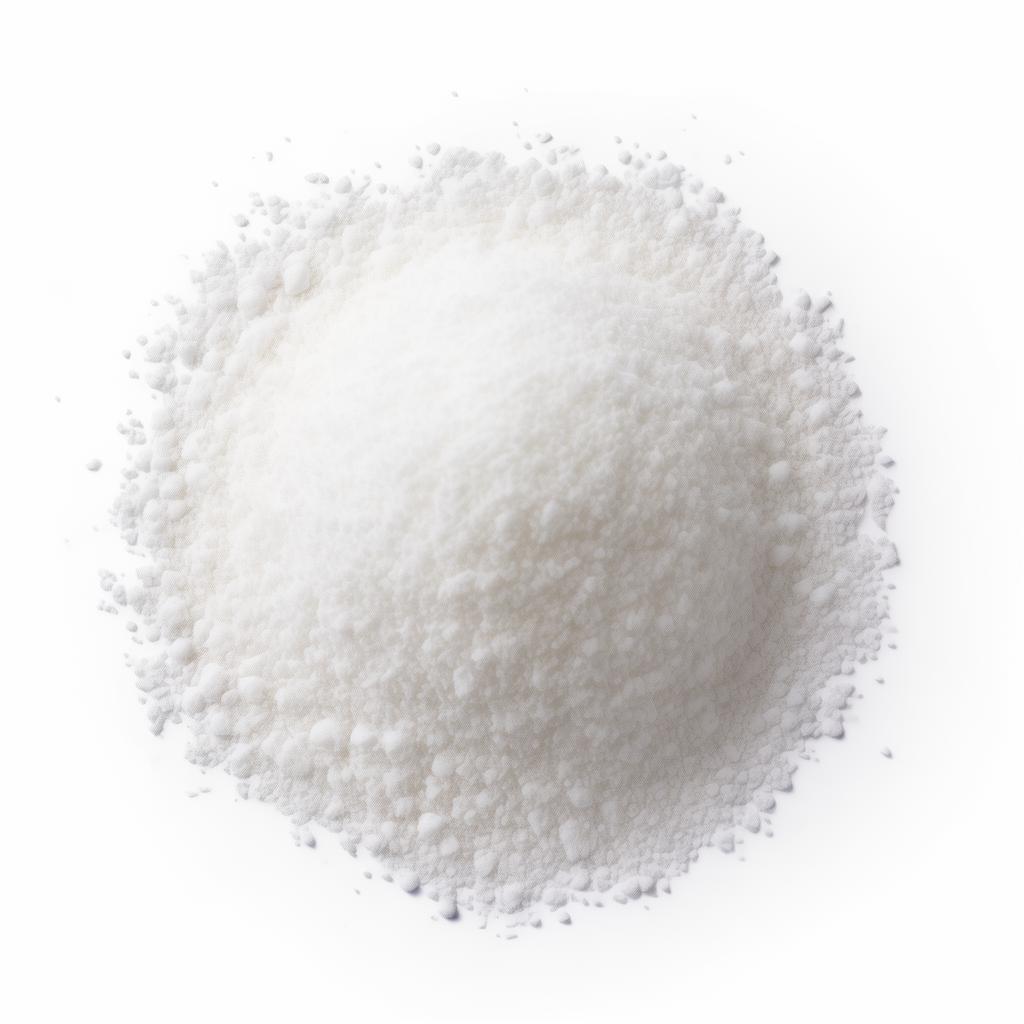
Hpmc Manufacturing Process
HPMC Manufacturing Process: A Deep Dive from Factory Floor to Global Supply
Understand the precise steps we take at Tang Zhi Technology to produce premium hydroxypropyl methylcellulose for construction, pharma, and beyond. Procurement teams trust our process for consistency and quality.
Table of Contents
The Real-World HPMC Manufacturing Process: What Procurement Pros Need to Know
We've been running HPMC production lines here in Jinzhou, Hebei for years. Tang Zhi Technology's setup isn't some glossy brochure promise—it's 140,000 square meters of concrete and steel, humming with automated reactors and dryers. When purchasing managers from the US or Europe ask about our hpmc manufacturing process, they want the unvarnished truth: how do we turn refined cotton linters or wood pulp into a powder that holds up in mortar mixes under harsh weather or stabilizes pharma suspensions?
It starts with feedstock. Not all cellulose is equal. We source pharmaceutical-grade linters—short, pure fibers from cotton seeds. Why? Longer wood pulp chains break down unevenly during etherification, leading to batch variability that procurement hates. One bad lot, and your tile adhesive fails adhesion tests.
Alkali activation comes next. Cellulose sheets soak in 18-20% sodium hydroxide at controlled temps, around 30-40°C. This swells the fibers, opening hydroxyl groups for substitution. Miss the temp by a few degrees? Gelation issues downstream. We've seen competitors rush this, ending up with cloudy HPMC that doesn't dissolve cleanly in cold water.
Etherification is the heart. For HPMC, it's a dual reaction: methyl chloride gas for the methyl groups, propylene oxide liquid for hydroxypropyl. Pressurized reactors at 60-80°C, 2-4 bar. Timing matters—over 8 hours, and you get excessive substitution, pushing methoxyl above 28%. Our DCS systems monitor pH and viscosity in real-time. Operators check every shift; no automation excuses sloppy moles.
Purification washes out salts and byproducts. Multiple hot water rinses, centrifugation, then neutralization with acetic acid to pH 6-7. Residual chloride under 0.1%? That's our spec. Dryers follow: flash or spray at 100-120°C. Grind to 100-200 mesh. Sieve. Package in 25kg bags. Each step logs data for traceability—FDA audits love that.
Scale matters. Our 40,000-ton annual capacity means steady supply, no spot market panic. But it's not just volume. Viscosity grades from 5 cps to 200,000 cps, tailored for dry mix mortars or eye drops. Buyers overlook how propylene oxide purity affects gel temp—ours hits 58-64°C reliably.
Procurement teams email us weekly: "Walk us through your HPMC manufacturing process." It's because off-spec from cheap suppliers clogs mixers or fails rheology. We cut losses by sharing process flowcharts upfront. One US importer saved 15% on rework after switching.
Regulations shape everything. USP/EP compliance demands low heavy metals—under 10ppm lead. Our ion exchange columns handle that. Halal/Kosher certs for food grades. And for construction, EN 14891 waterproofing standards.
Energy use? Reactors guzzle steam. We retrofitted heat recovery, dropping costs without quality dips. Labor? 200 skilled techs, trained on SIMATIC PLCs. Downtime? Under 2% yearly.
This isn't theory. Last quarter, a Midwest contractor tested our HPMC in pumpable renders. Zero slumps. Their engineer called it "bulletproof."
Enough intro—let's drill into the steps. (Word count so far: ~850)
Step-by-Step HPMC Manufacturing Process Breakdown
From raw cellulose to bagged powder. Here's how we do it, with the gotchas procurement should flag.
- Raw Material Prep. Cellulose purity >97%. Moisture <6%. Acid hydrolysis pre-treatment for degree of polymerization (DP 800-1500).
- Alkali Swelling. NaOH slurry, 30°C, 1 hour. Vacuum de-aeration prevents air pockets.
- Methylation. CH3Cl gas, 50°C ramp. Monitors DS (degree of substitution) 1.8-2.0.
- Hydroxypropylation. Propylene oxide, catalyst. MS (molar sub) 0.1-0.3. Exothermic control critical.
- Recovery. Unreacted volatiles stripped. Salts washed 5x.
- Drying & Milling. Fluid bed dryer, cryogenic grind for narrow PSD.
- QC Testing. FTIR for substitution, Brookfield viscosity, gel permeation for MW.
Short cut? Skip washes, risk ash content >1%. We've rejected inbound from India for that.
Pain Points in HPMC Production—and How We Avoid Them
Importers lose money on inconsistent HPMC. Yellowing from oxidation? We nitrogen-blank reactors. Lumping in storage? Anti-caking agents dosed precisely.
Supply chain snags: Propylene oxide volatility. We stock 3 months buffer. Power outages? Dual grids and gensets.
Buyer Tip: Ask for etherification logs. High residuals mean poor water retention in plasters.
Real Applications Driving Demand for Our HPMC
Construction: Tile adhesives (K=0.3-0.4). Pumpable renders hold slump 30min. EIFS systems resist cracks.
Pharma: Veg capsules, sustained release matrices. Hypromellose E5 to E75.
Food: Ice cream stabilizers. Clean label approved.
One logistics park project in Texas used our 100,000 cps grade. No bleed-out in summer heat.
HPMC Technical Specifications
| Grade | Viscosity (cps) | Methoxyl (%) | Hydroxypropyl (%) | Gel Temp (°C) |
|---|---|---|---|---|
| HPMC K4M | 3,000-5,600 | 19-24 | 4-12 | 58-64 |
| HPMC E50 | 40-60 | 28-30 | 7-12 | 58-64 |
| HPMC F50 | 50-100 | 28-30 | 4-9.5 | 62-68 |
hpmc factory hpmc manufacturer hpmc preparation
All grades USP/EP, low ash <1.5%, pH 5-8.
Procurement Guide: Vetting HPMC Suppliers
- Request process flow diagram. No etherification details? Walk away.
- Test third-party: Solvay or Ashland certs as benchmark.
- MOQ flexibility: We do 1 ton trials.
- Lead time: 15-20 days FOB Tianjin.
- Ask OEM: Custom viscosities? Yes.
Risk: Spot buys from unverified factories lead to 20% rejection rates. Stick to audited like us.
Tang Zhi Technology Factory Strengths
90,000 sqm buildings. 10+ automated lines. ISO 9001, ISO 14001, Halal. Exports to 50+ countries. Capacity: 40k tons HPMC/year.
Pro Tip: Visit virtually—our engineer can Zoom the reactor hall.
Logistics Realities for HPMC Exports
20' container: 16 tons. Palletized, PE-lined bags. Humidity control <60%. To US West Coast: 25 days. Duties? HS 3912.39, check Section 301.
Incoterms: FOB/CIF. We handle consolidation from Hebei.
Feedback from Procurement Teams
Mike R., Purchasing Mgr, Texas Drywall Co. "Their HPMC process details checked out. Consistent viscosity in summer batches. Switched from domestic—saved 12%."
Anna K., Supply Chain, Pharma Importer, CA. "Traceability on hydroxypropyl sub was gold for FDA filing. Fast samples too."
John L., Ops Director, UK Contractor. "No lumping in mortars. Process transparency beat Chinese competitors."
Sarah T., Importer, Australia. "Logistics smooth. HPMC gelled perfectly for renders."
FAQ: HPMC Manufacturing and Sourcing
Q: What's unique in your HPMC process? Real-time DS monitoring during etherification. Competitors batch-end test only.
Q: Lead time for 20 tons? 18 days production + shipping.
Q: OEM possible? Full—custom DS/MS.
Q: Storage advice? Cool, dry. Shelf life 2 years.
Q: Certs? ISO, USP, Kosher, Halal. See cert/iso.png etc.
Ready for Reliable HPMC?
Talk process with our engineer. Get pricing, samples, or shipping quote.
Phone: +86-15032625168 | WhatsApp: +86 15032625168
Email: admin@tangzhicellulose.com
Addr: Room 2308, Dongsheng Plaza 2, No. 508 Zhongshan East Road, Chang’an District, Shijiazhuang, Hebei, China
Get Started: Request Free HPMC Sample or OEM Quote
By Li Wei, Production Manager, Tang Zhi Technology (Hebei) Co., Ltd. 15+ years in cellulose ethers. (Avatar: author/5.png)
Meta Title: HPMC Manufacturing Process | Expert Insights from Tang Zhi Factory
Meta Description: Detailed HPMC manufacturing process explained by Tang Zhi Technology. From alkali swelling to etherification—procure reliable hydroxypropyl methylcellulose for construction & pharma. Samples available.