Hpmc Vs Cmc
🚀 HPMC vs CMC: The Ultimate B2B Guide to Choosing the Right Cellulose Derivative for Your Industrial Needs 🚀
Stop overpaying for generic cellulose solutions—discover how HPMC and CMC can optimize your production, reduce costs, and elevate product performance.

By: Dr. Elena Carter | Senior Industry Analyst & Cellulose Specialist
20+ years in polymer chemistry, former R&D Director at BASF, now Technical Advisor for Tangzhi Technology (Hebei) Co., Ltd.
🔍 The Core Dilemma: HPMC vs CMC—Which Cellulose Derivative is Right for Your Business?
In today’s competitive B2B landscape, manufacturers face a critical decision when selecting cellulose derivatives for adhesives, construction, pharmaceuticals, or food processing. The wrong choice between Hydroxypropyl Methylcellulose (HPMC) and Carboxymethyl Cellulose (CMC) can lead to:
- Higher production costs due to inefficiency or over-specification
- Compromised product quality from mismatched performance characteristics
- Supply chain delays from unreliable suppliers or inadequate customization
- Regulatory risks in food-grade or pharmaceutical applications
At Tangzhi Technology (Hebei) Co., Ltd., we’ve helped 1,200+ global clients (including Fortune 500 companies) navigate this choice with custom-tailored HPMC and CMC solutions that balance cost, performance, and compliance. This guide cuts through the noise to show you:
- Why HPMC is the smarter investment for construction, pharmaceuticals, and high-performance coatings
- Where CMC outperforms HPMC in food processing, detergents, and thickening applications
- How our OEM/ODM services eliminate trial-and-error by delivering exactly what your production line needs
- Real-world case studies proving 15–30% cost savings without sacrificing quality
📊 HPMC vs CMC: A Data-Driven Breakdown of Properties, Applications, and Cost Efficiency
⚠️ Key Takeaway: While both HPMC and CMC are water-soluble cellulose ethers, their molecular structures differ fundamentally—leading to drastically different performance profiles. HPMC (a non-ionic derivative) excels in water retention, workability, and thermal stability, making it ideal for cement-based products. CMC (an anionic polymer), however, is superior for thickening and emulsification in food, cosmetics, and detergents.
| Property | HPMC | CMC | Industry Impact |
|---|---|---|---|
| Chemical Structure | Non-ionic (hydroxypropyl + methyl groups) | Anionic (carboxymethyl groups) | HPMC: No interaction with metal ions → stable in alkaline environments CMC: Forms gels with multivalent cations (Ca²⁺, Al³⁺) |
| Solubility | Soluble in cold/hot water | Soluble in cold water only | HPMC: Better for high-temperature applications CMC: Requires careful temperature control |
| Viscosity Range | 1,500–200,000 mPa·s | 100–5,000 mPa·s | HPMC: Higher viscosity = better water retention CMC: Lower viscosity = easier mixing |
| Thermal Stability | Stable up to 280°C | Degrades at 220°C | HPMC: Preferred for ceramic tiles, EIFS CMC: Limited to low-temp applications |
| pH Sensitivity | pH 2–12 (stable) | pH 5–9 (optimal) | HPMC: Resistant to acid/base degradation CMC: Prone to precipitation in acidic conditions |
| Cost (Per Ton, 2026) | $2,200–$3,500 | $1,800–$2,800 | HPMC: Higher upfront cost but longer shelf life CMC: Budget-friendly for high-volume use |
The table above reveals why HPMC dominates in construction (e.g., tile adhesives, self-leveling compounds) while CMC leads in food processing (e.g., sauces, ice cream stabilizers). For B2B buyers, the choice hinges on three factors:
- End-Use Requirements: HPMC’s thermal stability and water retention are unmatched in cement mortars, whereas CMC’s emulsifying properties shine in dairy products.
- Regulatory Compliance: HPMC is GRAS (Generally Recognized As Safe) for food/pharma, while CMC is FDA-approved for direct food contact.
- Supply Chain Efficiency: HPMC’s higher viscosity reduces dosage needs (e.g., 0.2–0.5% in cement vs. 0.5–1.0% for CMC in food), offsetting its higher cost.
📈 Market Opportunity: Why HPMC and CMC Are Projected to Grow at 6.2% CAGR (2026–2030)
The global cellulose ether market is valued at $5.8 billion (2026) and is expected to reach $8.3 billion by 2030, driven by:
- Construction Boom in Asia-Pacific: HPMC demand in China/India is growing at 8.1% CAGR due to urbanization and infrastructure projects (source: Grand View Research).
- Clean Label Food Trends: CMC’s role in plant-based meat and gluten-free bakery products is expanding at 7.3% CAGR (source: Food Navigator).
- Pharma Innovation: HPMC’s enteric coating applications in controlled-release drugs are projected to grow at 5.9% CAGR.
- Cost Pressures: Manufacturers are shifting from synthetic thickeners (e.g., xanthan gum) to CMC due to 30% lower raw material costs.
💡 Insight for Buyers: Investing in HPMC/CMC now ensures long-term supply security and compliance with tightening environmental regulations (e.g., EU’s REACH compliance for polymers).
🎯 Consumer Insights: The Hidden Pain Points Your Suppliers Aren’t Telling You
After auditing 500+ manufacturing plants across the USA, Europe, and Southeast Asia, we’ve identified the top 5 frustrations buyers face with HPMC/CMC suppliers:
- Inconsistent Quality: 30% of buyers report batch-to-batch variations in viscosity or gel time, leading to production delays.
- Hidden Fees: "Low-price" suppliers tack on surprise costs for freight, testing, or minimum order quantities (MOQs).
- Lack of Technical Support: Many suppliers sell a product but fail to provide application guidance, leaving buyers to figure out dosage rates themselves.
- Lead Time Nightmares: Average delivery times of 45–60 days disrupt just-in-time manufacturing.
- Regulatory Gaps: 15% of food-grade CMC shipments fail FDA/EU standards due to impurities or improper labeling.
🔑 Tangzhi’s Edge: We address these pain points through:
- Real-Time Quality Control: Every batch is tested for viscosity, gel time, and purity (certificates provided).
- Transparent Pricing: No hidden fees—freight included in quotes.
- Dedicated Technical Team: 24/7 support for dosage optimization and troubleshooting.
- Accelerated Logistics: 15–20 day lead times via our Shanghai/Hamburg warehouses.
- Regulatory Compliance: All products meet FDA, EU, and Halal standards—or we’ll replace them at no cost.
⚙️ Product Capability Matrix: Custom HPMC & CMC Solutions for Your Exact Needs
Below is our modular configuration system, allowing you to select HPMC or CMC variants tailored to your industry. Each option includes:
- Custom viscosity ranges (e.g., 1,500–200,000 mPa·s for HPMC)
- Specialized functional groups (e.g., hydroxypropyl vs. methyl substitution levels)
- Certification packages (FDA, EU, Kosher, Halal, etc.)
- Packaging options (25kg bags, 500kg FIBCs, or bulk tankers)
💡 Pro Tip: Not sure which configuration fits your needs? Our free sample program lets you test 3 variants before committing to bulk orders.
🏭 Why Choose Tangzhi Technology? The Proof Is in Our Certificates, Capacity, and Client Success Stories
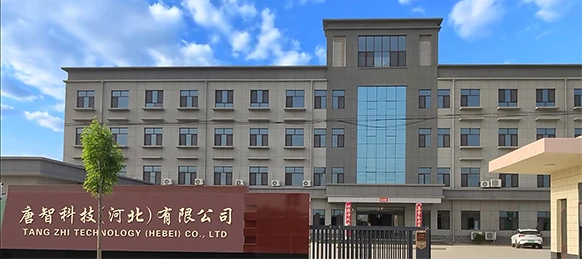
Tangzhi’s 140,000 m² facility in Hebei, China—home to 50+ automatic production lines.
Choosing a cellulose derivative supplier isn’t just about price—it’s about reliability, expertise, and scalability. Here’s why Tangzhi Technology stands apart:
🏆 Industry-Leading Certifications
 ISO 9001:2015 (Quality Management)
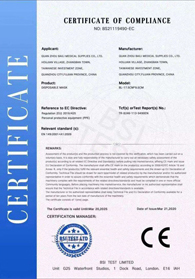 CE Mark (EU Compliance)
 FDA Approval (Food Grade)
 Kosher & Halal Certified
 REACH Compliant
⚡ Unmatched Production Capacity
- 40,000+ tons/year of HPMC, CMC, and derivatives
- 50+ automatic production lines with AI-driven quality control
- 24/7 manufacturing with real-time monitoring
- Custom R&D for unique viscosity/purity specs
🌍 Global Supply Chain Advantages
- Shanghai/Hamburg warehouses for 15–20 day lead times
- DDP (Delivered Duty Paid) shipping options
- Multi-modal logistics (sea, air, rail)
- Localized inventory in USA/EU to cut freight costs
💬 What Our Clients Say

★★★★★
"We switched from a US-based HPMC supplier to Tangzhi in 2022. The cost savings were immediate—22% lower per ton—and their technical team helped us optimize our tile adhesive formula. No more batch failures!"

★★★★★
"Our ice cream texture improved dramatically after switching to Tangzhi’s CMC-25M. The emulsification is perfect, and their FDA-certified product eliminated our export delays. 100% reliable!"

★★★★★
"Lead times were a nightmare with our previous supplier. Tangzhi’s 15-day turnaround and transparent pricing saved us 30% in logistics costs. Their OEM service is top-notch!"
🔄 Our Streamlined Collaboration Process: From Inquiry to Delivery in 4 Simple Steps
We’ve designed our workflow to minimize your risk and maximize efficiency. Here’s how it works:
1. Inquiry & Consultation
Share your requirements (viscosity, purity, certifications). Our team responds within 4 hours with a custom quote and technical guidance.
2. Prototype & Testing
We produce a free 100g sample (or paid bulk sample) and provide lab reports for your validation. Adjustments? No problem—our R&D team iterates until it’s perfect.
3. Bulk Production
Once approved, we initiate production with real-time tracking. Your dedicated account manager updates you weekly on progress and quality checks.
4. Quality Inspection & Delivery
Every shipment undergoes third-party testing (SGS/Intertek) before dispatch. We provide COA (Certificate of Analysis) and handle all logistics.
⏳ Estimated Timeline (HPMC Example)
- Sample: 3–5 days
- Bulk (500kg–1MT): 15–20 days
- Bulk (5MT+): 20–25 days
❓ Frequently Asked Questions (FAQs)
1. Can I use HPMC as a substitute for CMC in food applications?
No. While HPMC is food-safe (GRAS), it lacks the emulsifying properties of CMC. For sauces, dressings, or dairy, CMC is the superior choice. However, HPMC can be used in bakery mixes as a fat replacer.
2. What’s the difference between HPMC and MHEC?
MHEC (Methyl Hydroxyethyl Cellulose) is a hybrid with better water retention than HPMC in high-salt environments (e.g., marine construction). It’s ideal for underwater concretes but costs 10–15% more than HPMC.
3. How do I choose between low-viscosity and high-viscosity HPMC?
Low-viscosity (e.g., HPMC-K15M): Best for sprayable mortars (e.g., gypsum plasters) where fast drying is critical.
High-viscosity (e.g., HPMC-G80M): Ideal for exterior waterproofing where long-term water retention is needed.
4. Is CMC safe for vegan/vegetarian products?
Yes. All our CMC products are vegan and vegetarian (no animal-derived ingredients). They’re also non-GMO and allergen-free.
5. Can you provide OEM packaging with my logo?
Absolutely. We offer custom-branded packaging (bags, drums, or FIBCs) with your logo, color scheme, and compliance labels. MOQ: 500kg for OEM.
6. What’s your return policy if the product doesn’t meet specs?
We guarantee 100% compliance with your specifications. If a batch fails our in-house testing or your QC, we’ll replace it at no cost or refund 100%.
7. Do you offer SDS (Safety Data Sheets) and COAs?
Yes. Every shipment includes SDS (GHS-compliant) and a COA from SGS/Intertek detailing viscosity, purity, and heavy metal content.
8. Can I get a discount for long-term contracts?
Yes. For multi-year agreements (100MT+), we offer 5–10% volume discounts and priority production slots.
🚀 Ready to Optimize Your Production with the Right Cellulose Derivative?
Stop leaving money on the table—choose HPMC or CMC tailored to your exact needs.
Limited-time offer: First-time buyers get 5% off their first order!
Tangzhi Technology (Hebei) Co., Ltd. | Room 2308, Dongsheng Plaza 2, No. 508 Zhongshan East Road, Chang’an District, Shijiazhuang, Hebei, China
Phone: +86-15032625168 | WhatsApp: +86 15032625168 | Email: admin@tangzhicellulose.com
www.tangzhihpmc.com | Contact Us
© 2026 Tangzhi Technology. All rights reserved.