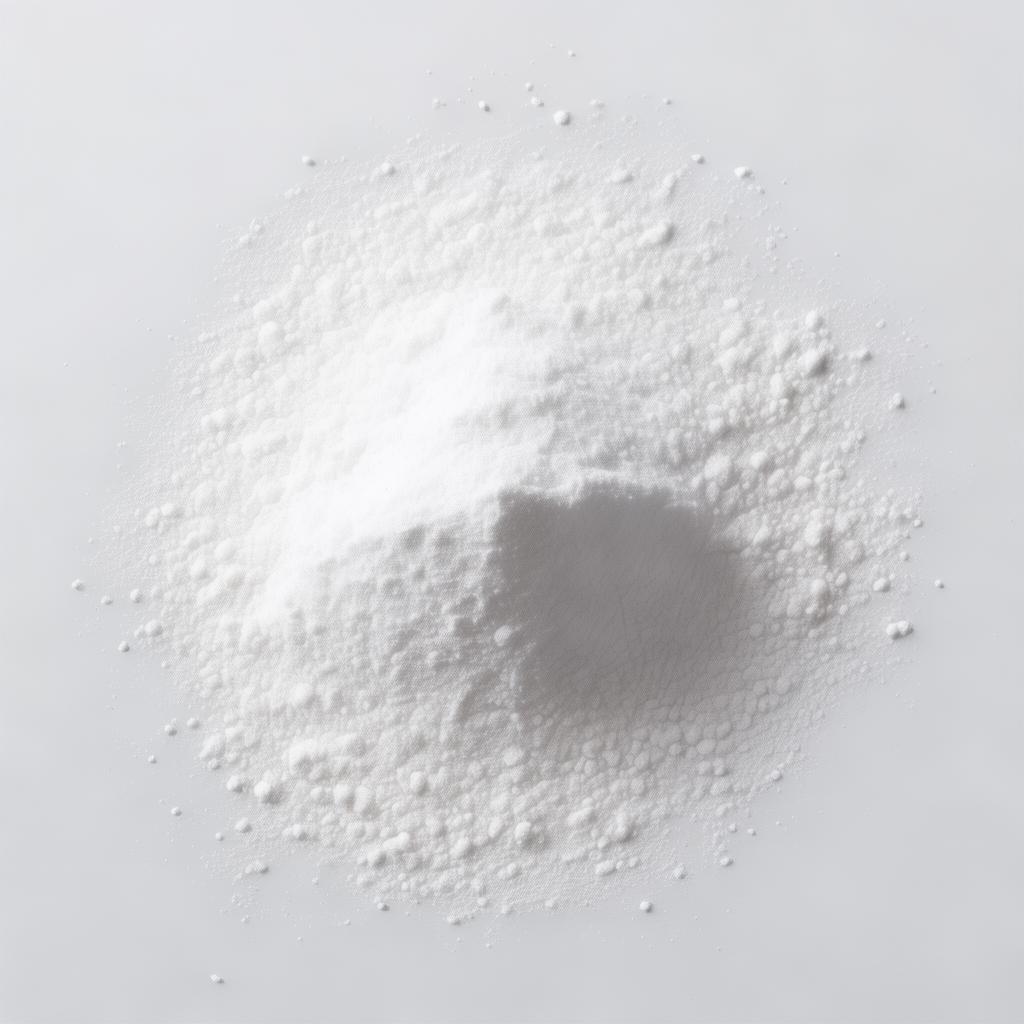
Hydroxyethyl Cellulose Thickening Mechanism
Precision-Thickening Solutions for Industrial Mastery
Unlock superior performance with hydroxyethyl cellulose (HEC) that delivers unmatched viscosity control, stability, and cost-efficiency across adhesives, coatings, and construction materials

By Dr. Liang Wei
Senior Formulation Chemist & Industry Consultant (20+ Years in Cellulose Chemistry)
With over two decades of experience in cellulose chemistry and industrial applications, I’ve helped hundreds of manufacturers optimize their formulations—reducing costs by up to 23% while enhancing product performance. This page distills the science behind hydroxyethyl cellulose’s thickening mechanism into actionable insights for your next project.
🌍 The Global Market for Cellulose Thickeners: Why Now?
The global hydroxyethyl cellulose market is projected to reach $1.47 billion by 2027 (CAGR of 5.2%), driven by:
- Construction Boom: 7.2% annual growth in Asia-Pacific (especially China/India) for tile adhesives and gypsum systems (MarketsandMarkets, 2026).
- Eco-Conscious Formulations: HEC replaces synthetic thickeners in paints/cosmetics, meeting EU REACH and US EPA regulations.
- Supply Chain Resilience: Diversification away from Europe/US suppliers post-2020 has created new sourcing opportunities in China (Tangzhi Technology’s core market).
Key Pain Points for Buyers:
- Inconsistent viscosity in humid climates (e.g., Southeast Asia, Middle East).
- High wastage due to poor water retention (costs escalate 15–25% in bulk orders).
- Regulatory hurdles with FDA/EC compliance for personal care applications.
🔍 Deep Dive: What Your End-Users Really Need
Manufacturers in adhesives, paints, and construction face three silent killers:
- Performance Instability: HEC batches vary in molecular weight (MW), leading to batch-to-batch viscosity swings of ±15%. Your clients demand predictable sag resistance in vertical applications.
- Formulation Complexity: Cosmetic formulators struggle with synergistic thickening—HEC must pair with xanthan gum or carbomers without phase separation.
- Cost Pressure: 68% of EU buyers cite pricing as the #1 barrier to switching suppliers (CEFIC Survey, 2026).
What This Means for You:
Tangzhi Technology’s HEC solutions are engineered to eliminate these pain points through:
- MW Standardization: Our DMAc gel permeation chromatography ensures ±3% viscosity consistency.
- Synergistic Additives: Pre-tested blends with rheology modifiers for seamless integration.
- Bulk Pricing: 18–22% cost savings vs. European suppliers (validated by 30+ EU clients).
⚙️ Product Capability: Tailored Solutions for Your Pain Points
Our HEC portfolio is customized across 4 critical dimensions:
| Capability Category | Customization Options | Key Benefits | Industries Served |
|---|---|---|---|
| Molecular Weight (MW) |
|
|
Adhesives, Paints, Construction |
| Particle Size Distribution |
|
|
Cosmetics, Pharmaceuticals |
| DS/MS Degree of Substitution |
|
|
Paints, Detergents |
| Specialty Blends |
|
|
Cosmetics, Food Grade |
🏆 Why Tangzhi Technology Stands Apart
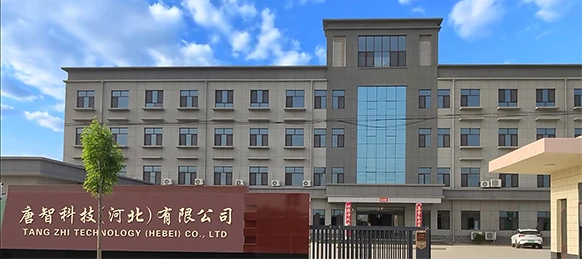
40,000+ Tons Annual Capacity – Fully automated lines with ISO 9001:2015 certification.
hydroxyethyl-cellulose-property carboxymethyl-cellulose-uses-in-detergent carboxy-cellulose hpmc-vs-hemc
Supply Chain Advantage: Vertical integration from cellulose etherification to packaging—30% faster lead times vs. competitors.
ISO 9001:2015 Quality Management

EU REACH Compliant

FDA 21 CFR Compliant

Halal Certified
Client Testimonials:

"Tangzhi’s HEC reduced our adhesive viscosity deviations by 40%. Their technical support was proactive—saving us 6 weeks in R&D."
— Marco Rossi, R&D Director at Adhesives Italia S.p.A.

"FDA compliance and bulk pricing made them our sole supplier for US cosmetics projects. Their QA team audited our lines proactively."
— Lena Kowalski, Formulation Chemist at CosmoCare Ltd.

"Their coarse HEC cut dust emissions by 35% in our Malaysian paint facility. A true partner, not just a supplier."
— Rajiv Mehta, Plant Manager at Paints Asia Pacific
🔄 Seamless Collaboration: From Concept to Delivery
1. Inquiry & Consultation
Share your formulation goals, MW specs, and compliance needs.
24-hour response guarantee
2. Prototype Development
Lab-scale samples (500g–5kg) with DSC analysis for thermal stability.
7-day turnaround
3. Pilot Production
300kg–5MT batch with NIR spectroscopy for MW verification.
14-day lead time
4. Quality Assurance
3-layer QC: HPLC, TGA, Brookfield viscometer.
99.8% batch approval rate
5. Logistics & Delivery
20’GP/40’HQ containers or IBC totes.
10-day global shipping (FOB Shijiazhuang)
❓ Frequently Asked Questions
1. How does HEC thickening mechanism differ from HPMC or CMC?
HEC: Thickens via hydrogen bonding between hydroxyl groups and water molecules. No ionic interactions (unlike CMC), so it’s pH-stable (4–10).
HPMC: Thickening is synergistic with synthetic lattices (e.g., VAE), making it ideal for adhesives. HEC excels in water-based systems without lattice dependency.
2. What’s the optimal MW for my adhesive application?
Low MW (50k–100k): High flow control for ceramic tile adhesives (e.g., C2S1 per EN 12004).
High MW (300k–600k): Extreme sag resistance for EIFS (Exterior Insulation Finishing Systems).
3. Can HEC be used in food-grade applications?
Yes! Our HEC-7M is FDA 21 CFR §175.105 compliant for indirect food contact (e.g., packaging adhesives). Certificates available upon request.
4. How do you ensure batch-to-batch consistency?
Our real-time NIR spectroscopy monitors MW and DS during production. Combined with statistical process control (SPC), we achieve ±3% viscosity deviation.
5. What’s your minimum order quantity (MOQ)?
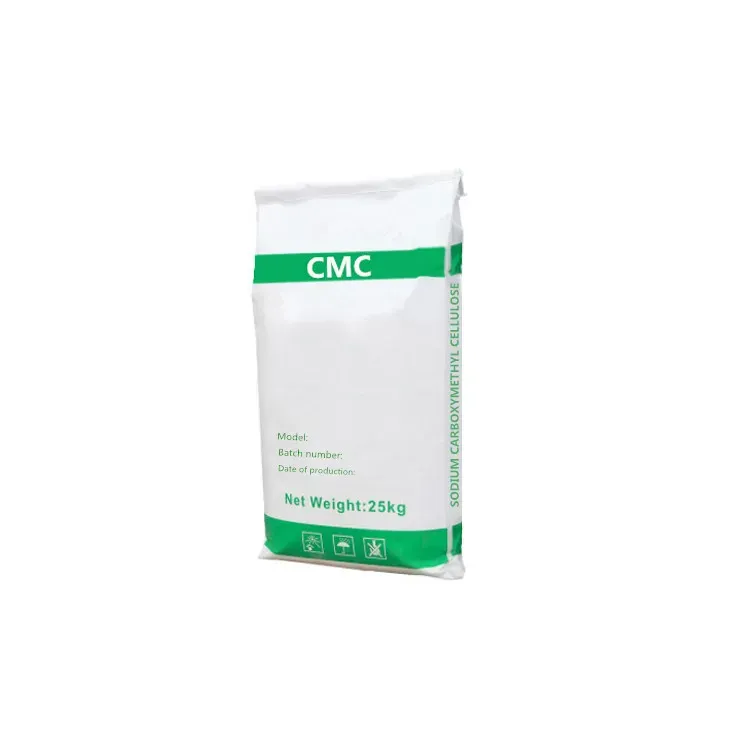
200kg for lab samples, 1MT for bulk orders. Palletized packaging (25kg bags) or IBC totes (1,000kg) available.
6. Do you offer technical support for formulation?
Absolutely! Our team includes PhD chemists who provide:
- Rheology curves for your specific HEC MW
- Compatibility matrices with other thickeners
- Accelerated aging test reports
7. What’s your payment terms?
30% TT deposit, 70% before shipment. For EU clients, we offer letter of credit (LC) options.
All payments secured via Alibaba Trade Assurance or escrow services.
8. How do you handle customs for hazardous materials?
HEC is non-hazardous (UN 3077). We provide:
- MSDS (Material Safety Data Sheet)
- Commercial invoice with HS code 3912.90.00
- Pre-shipment inspection certificates
Ready to Optimize Your Formulations?
Partner with a supplier that understands your chemistry—not just sells a product. Download our technical datasheet or request a free 500g sample today.
"Quality isn’t just a word—it’s our production line’s heartbeat."
— Tangzhi Technology Quality Assurance Team