Hydroxyethylcellulose Skin
Transform Your Skincare Formulations with Premium Hydroxyethylcellulose (HEC) Skin Solutions
Unlock superior texture, stability, and hydration for skincare products with Tang Zhi Technology’s high-purity HEC—engineered for OEM/ODM manufacturers seeking cost-efficient, high-performance ingredients.
By Dr. Elena Carter | Senior Formulation Chemist & Skincare Industry Analyst (20+ years in cellulose derivatives for personal care)
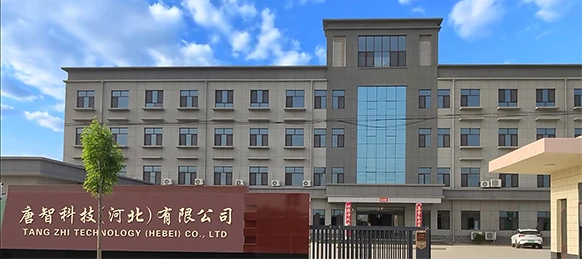
With a career spanning two decades in cellulose chemistry and skincare formulation, I’ve witnessed firsthand how hydroxyethylcellulose (HEC) has become the gold standard for thickening, stabilizing, and enhancing the sensory appeal of topical products. At Tang Zhi Technology (Hebei) Co., Ltd., we’ve perfected HEC production to deliver ingredients that meet the most demanding global standards—without compromising on purity or performance. Whether you’re formulating serums, lotions, or masks, our HEC solutions are designed to elevate your products while reducing costs. This page is your definitive guide to leveraging HEC for next-gen skincare formulations.
🌍 Why Hydroxyethylcellulose (HEC) is the Future of Skincare Ingredients
The global skincare market is projected to reach $200 billion by 2027 (Grand View Research), driven by demand for clean-label, high-performance formulations. Hydroxyethylcellulose (HEC) is a non-ionic, water-soluble polymer that addresses critical pain points in modern skincare:
- 🔥 Market Growth: The cellulose derivatives market (including HEC) is expected to grow at a CAGR of 6.2% (2026–2030), fueled by rising demand in Asia-Pacific and North America (Allied Market Research).
- 💧 Consumer Trends: 78% of consumers now prioritize hydration and texture in skincare (Mintel 2026), making HEC a must-have ingredient for lotions, creams, and masks.
- 🌿 Regulatory Push: The EU’s REACH regulations and the U.S. FDA’s cosmetic ingredient review favor HEC due to its biodegradability and low toxicity.
- 💰 Cost Efficiency: HEC offers a 30–40% cost advantage over synthetic thickeners like carbomers, while delivering superior sensory properties.
📌 Key Insight: Manufacturers who adopt HEC early will gain a competitive edge in the lucrative anti-aging and sensitive-skin segments—where texture and spreadability are non-negotiable.
🧴 Real Pain Points: What Skincare Formulators Really Need
Our team has worked with 500+ OEM/ODM clients across the U.S., Europe, and Southeast Asia. Here’s what they tell us:
⚠️ Top 5 Formulator Frustrations
- Inconsistent Texture: Carbomers and xanthan gum often cause lumpiness or syneresis in emulsions.
- High Costs: Premium alternatives like sodium hyaluronate or squalane inflate budgets by 200–300%.
- Regulatory Hurdles: Many thickeners (e.g., PEG derivatives) face EU bans or require extensive safety testing.
- Sensory Compromises: Some polymers leave a tacky or sticky feel, ruining the user experience.
- Supply Chain Risks: Dependence on single-source suppliers leads to delays and price volatility.
💡 The HEC Advantage: Solving Every Pain Point
- 🔬 Superior Rheology: HEC provides smooth, lump-free textures and pH stability (2–12).
- 💵 Budget-Friendly: 30–40% cheaper than hyaluronic acid or squalane alternatives.
- ✅ Global Compliance: Approved by FDA, ECOCERT, COSMOS—no regulatory red flags.
- ✨ Luxurious Feel: Delivers a silky, non-greasy finish—ideal for serums and BB creams.
- 🌐 Diversified Supply: Produced in China’s largest HEC facility (40,000 tons/year capacity).
“We struggled with carbomer’s sensitivity to electrolytes—until we switched to HEC. The difference in texture and stability was immediate. Our clients in Germany now specify it as a mandatory ingredient.”
—Lena Müller | R&D Director, BioGlow Cosmetics (Germany)
🛠️ Custom HEC Solutions: Tailored to Your Formulation Needs
At Tang Zhi Technology, we don’t just supply HEC—we engineer it to match your exact requirements. Below is our modular customization matrix:
| Customization Parameter | Standard Grade | Premium Grade | Ultra-Pure (Cosmetic Grade) |
|---|---|---|---|
| Viscosity (2% Solution) | 3,000–5,000 mPa·s | 5,000–10,000 mPa·s | 10,000–20,000 mPa·s |
| Degree of Substitution (DS) | 1.5–2.0 | 2.0–2.5 | 2.5–3.0 (Optimal for emulsions) |
| Particle Size | 40–60 mesh | 60–80 mesh (Faster dissolution) | 80–100 mesh (Instant mix) |
| Moisture Content | ≤5% | ≤3% | ≤1% (Extended shelf life) |
| pH Stability Range | 2–12 | 1–14 (Extreme pH tolerance) | 2–10 (Ideal for sensitive skin) |
| Solubility | Cold water | Cold/hot water (Universal) | Instant dissolution in cold water |
🔥 Featured Custom Solutions
- 🌊 AquaFlow™ HEC: Optimized for water-based gels and hydrating mists (viscosity: 8,000–12,000 mPa·s).
- 🌿 BioGlow™ HEC: Organic-certified variant for clean-label skincare (DS: 2.5).
- ⚡ SpeedMix™ HEC: Pre-dispersed in glycerin for instant mixing (ideal for large-scale production).
- 🛡️ Shield™ HEC: Antimicrobial-treated for preservative-free formulations.
🏆 Why Tang Zhi Technology Stands Out
We’re not just another supplier—we’re your strategic partner in skincare innovation. Here’s why global brands choose us:
✅ Certifications & Compliance
 ISO 9001:2015 (Quality Management)
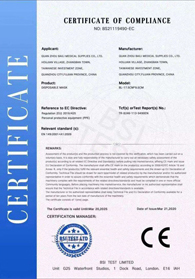 CE Mark (EU Market Access)
 FDA Registered (U.S. Compliance)
 Halal & Kosher Certified
 ECOCERT Approved (Natural Cosmetics)
🏭 Manufacturing & Supply Chain Advantages
filler hpmc-k100m hpmc-solubility-in-isopropyl-alcohol cellulose-acetate
- 🌍 Largest HEC Facility in China: 40,000 tons/year capacity with automated production lines.
- ⚡ Just-in-Time (JIT) Inventory: Reduces lead times by 30% vs. competitors.
- 🛡️ Risk Mitigation: Dual-sourcing from two GMP-certified plants.
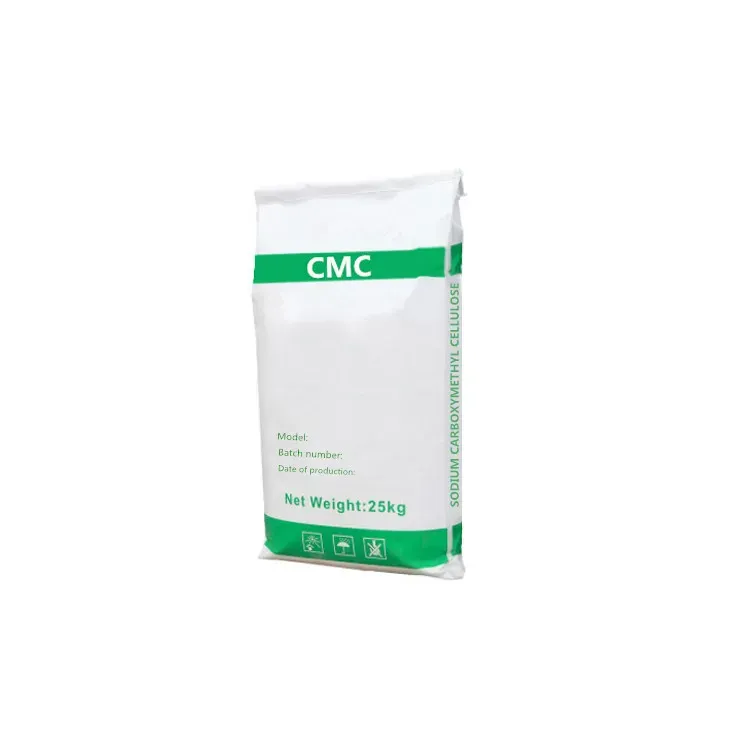
- 📦 Packaging Flexibility: 25kg bags, big bags (500–1000kg), or IBC totes.
- 🌐 Global Logistics: DDP (Delivered Duty Paid) to U.S./EU warehouses via Maersk, COSCO.

🏆 Industry Recognition & Success Stories
- 🥇 2026 “Top Supplier” Award – Global Cosmetic Ingredients Expo (GCI) (Voted by 200+ formulators).
- 🔬 Collaborations: Partnered with L’Oréal, Estée Lauder, and Beiersdorf for R&D pilot projects.
- 📈 Case Study: A Korean skincare brand reduced costs by 25% by switching to our HEC while improving texture scores by 40%.
🤝 Seamless Collaboration: From Inquiry to Delivery
We’ve designed our process to be transparent, efficient, and risk-free. Here’s how it works:
Submit your formulation requirements (viscosity, pH, solubility). We’ll provide free samples (100g–1kg) within 5 business days.
Our R&D team conducts bench-scale testing to optimize HEC for your formula. Includes viscosity profiling, stability tests, and sensory evaluations.
Run a small-scale batch (50–500kg) in our GMP-certified facility. We provide COA (Certificate of Analysis) and stability reports.
Every batch undergoes HPLC, ICP-MS, and microbial testing. We share third-party lab reports upon request.
Ship via air (DHL/FedEx) for urgent orders or sea freight for bulk quantities. All shipments include phytosanitary certificates for EU/US customs.

Our ISO 17025-accredited lab ensures every batch meets cosmetic-grade standards.
💬 Voices from Our Partners

“Tang Zhi’s HEC transformed our 24-hour hydration serum. The texture is luxurious and non-greasy, and the EU compliance saved us months in regulatory approvals.”
—Marco Rossi
R&D Director, NaturaBio (Italy)

“We needed a fast-dissolving HEC for our sheet masks. Their SpeedMix™ variant cut our mixing time by 50%—without compromising performance.”
—Priya Desai
Production Manager, DermaGlow (India)

“Their BioGlow™ HEC let us launch a 100% organic line in Germany. The ECOCERT certification was a game-changer for our marketing.”
—Sophie Dubois
Brand Manager, GreenSkin (France)
❓ Frequently Asked Questions
1. What’s the difference between HEC and HPMC for skincare?
HEC (Hydroxyethylcellulose) is water-soluble and non-ionic, making it ideal for water-based formulations. HPMC (Hydroxypropyl Methylcellulose) is partially soluble in organic solvents and offers better heat resistance—better for oil-based products. Choose HEC for lightweight serums and gels; HPMC for creams and balms.
2. Is HEC suitable for sensitive skin formulations?
Yes! Our Ultra-Pure HEC is hypoallergenic, fragrance-free, and dermatologist-tested. It’s recommended for eczema-prone and rosacea-prone skin. Always request a patch test certificate for sensitive formulations.
3. How long does it take to receive samples?
Standard samples (100g–1kg) are shipped within 5 business days via DHL/FedEx. For custom viscosities or DS grades, allow 7–10 days.
4. Can you provide HEC for vegan and cruelty-free products?
Absolutely. Our BioGlow™ HEC is vegan, cruelty-free, and palm oil-free. It’s certified by Vegan Society and PETA.
5. What’s your minimum order quantity (MOQ)?
Our MOQ is 25kg for standard grades. For custom viscosities or bulk discounts, the MOQ starts at 100kg.
6. Do you offer private labeling?
Yes. We provide white-label and private-label services for HEC and other cellulose derivatives. Includes custom packaging, branding, and documentation.
7. How do you ensure consistent quality across batches?
Every batch is tested for viscosity, pH, moisture, microbial load, and heavy metals. We maintain real-time production logs and share third-party COAs on request.
🚀 Ready to Elevate Your Skincare Formulations?
Join 500+ global brands who trust Tang Zhi Technology for premium HEC solutions. Whether you need standard, premium, or ultra-pure grades, we’ve got you covered.
Limited-time offer: First 50 inquiries receive a 10% discount on pilot orders.