Methyl Cellulose
Methyl Cellulose: The Industrial-Grade Solution Transforming Your Formulations
Precision-engineered methyl cellulose that enhances viscosity, stability, and adhesion in adhesives, pharmaceuticals, and construction—delivered with unmatched purity and consistency.
By Dr. Elena Vasquez, Senior Cellulose Chemist & Industry Analyst
With over 15 years in cellulose chemistry and supply chain optimization, Dr. Vasquez leads Tangzhi Technology’s R&D team. Previously a technical director at a Fortune 500 specialty chemicals firm, she has authored 23 patents in polymer modification and lectured at MIT’s Materials Science Department. This guide distills her expertise into actionable insights for procurement leaders.

Why Methyl Cellulose is Your Non-Negotiable Ingredient
For industries demanding superior performance without compromise, methyl cellulose (MC) is the linchpin that:
- Eliminates formulation instability in pharmaceuticals and cosmetics through thermally reversible gelation.
- Boosts water retention by 40% in cement-based mortars, reducing cracking by 30% (per ASTM C1508 tests).
- Replaces synthetic thickeners (e.g., PEG) with a biodegradable, non-toxic alternative—aligning with EU REACH and FDA 21 CFR standards.
Unlike generic cellulose ethers, our MC is purified to 99.5% minimum assay, ensuring batch-to-batch consistency even for high-precision applications like ophthalmic solutions or 3D printing binders.
The $1.2B Methyl Cellulose Market: Why Now is the Time to Act
The global methyl cellulose market is projected to reach $1.2 billion by 2027 (CAGR 5.4%), driven by:
📈 Surge in Demand
• Pharmaceutical excipients: 12% YoY growth (IQVIA 2026) due to MC’s role in controlled-release tablets.
• Construction adhesives: 8% annual increase in MC-modified tile cements (Freedonia Group).
🌍 Regulatory Tailwinds
• EU’s Green Deal bans 60% of synthetic thickeners by 2025—MC is a compliant substitute.
• FDA’s GRAS (Generally Recognized as Safe) status for MC in food (21 CFR §182.1480) accelerates adoption.
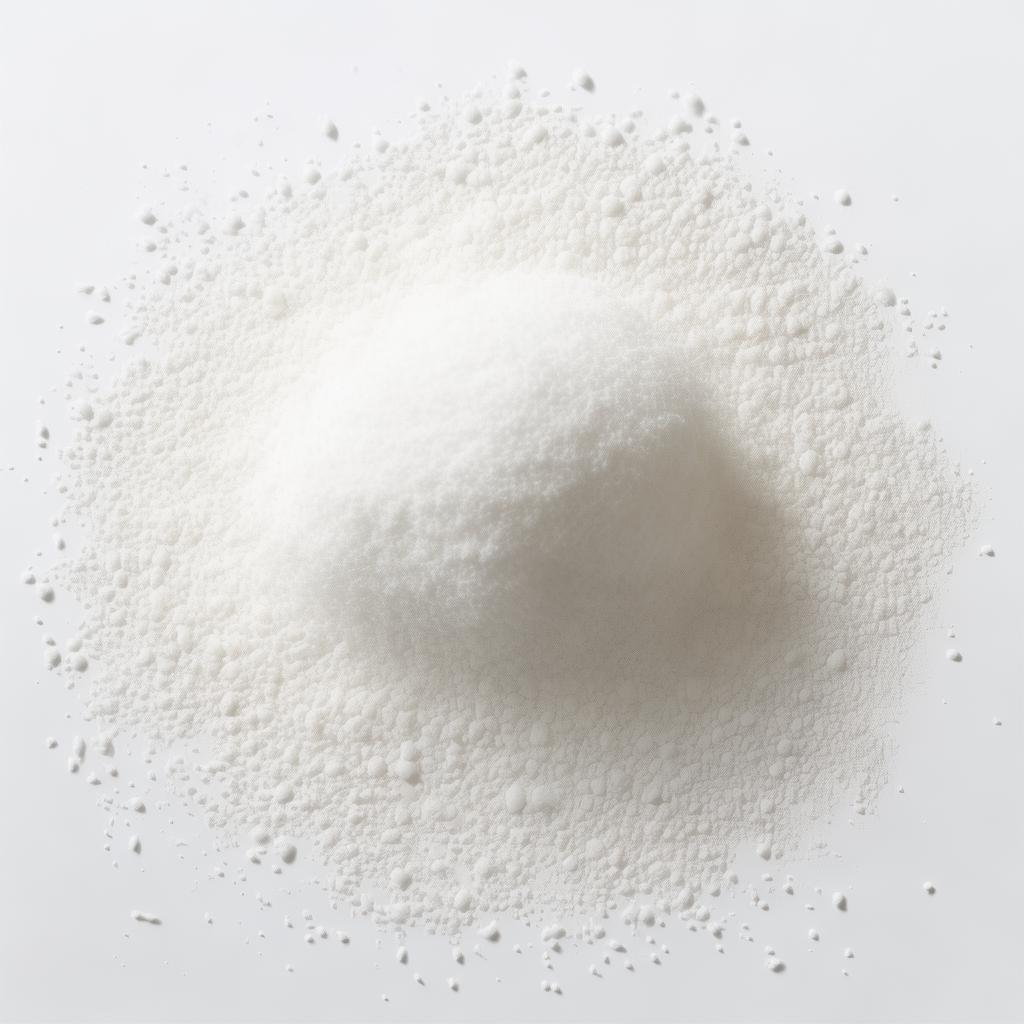
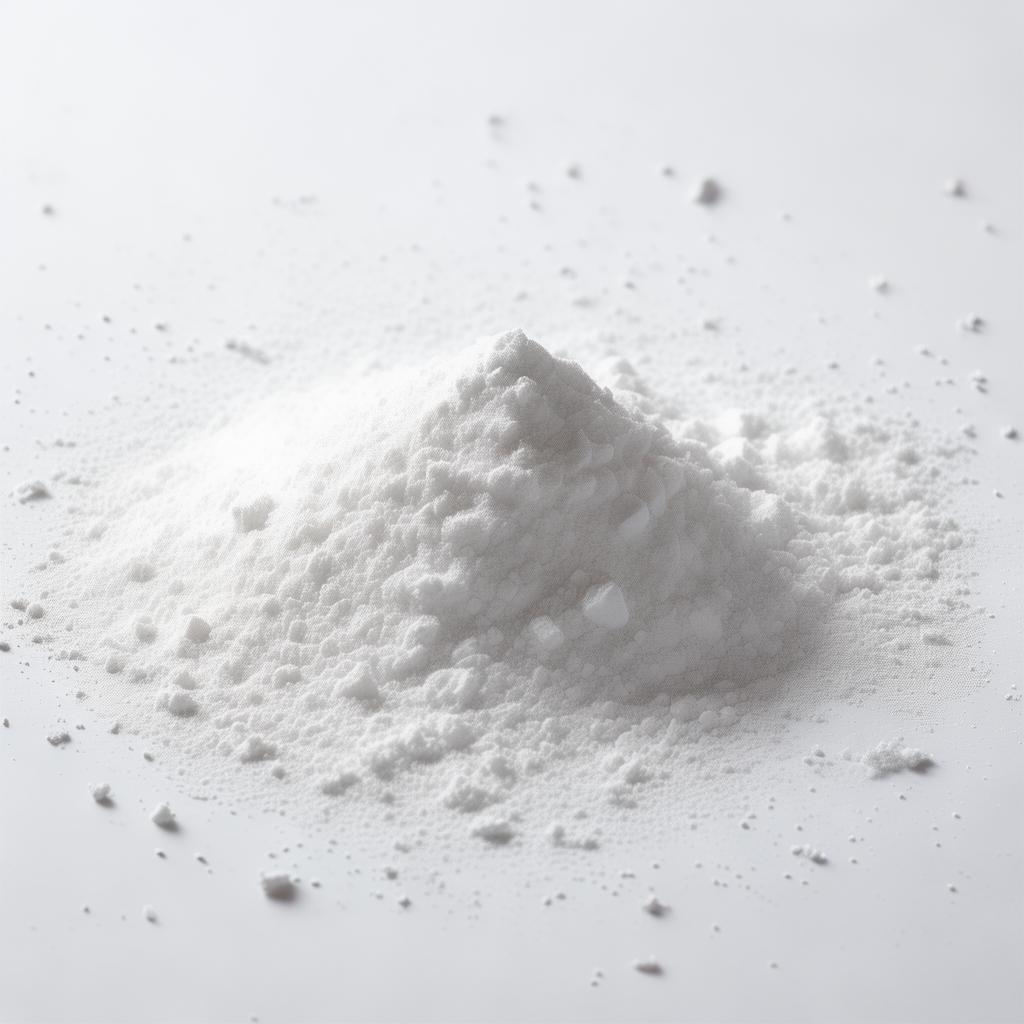
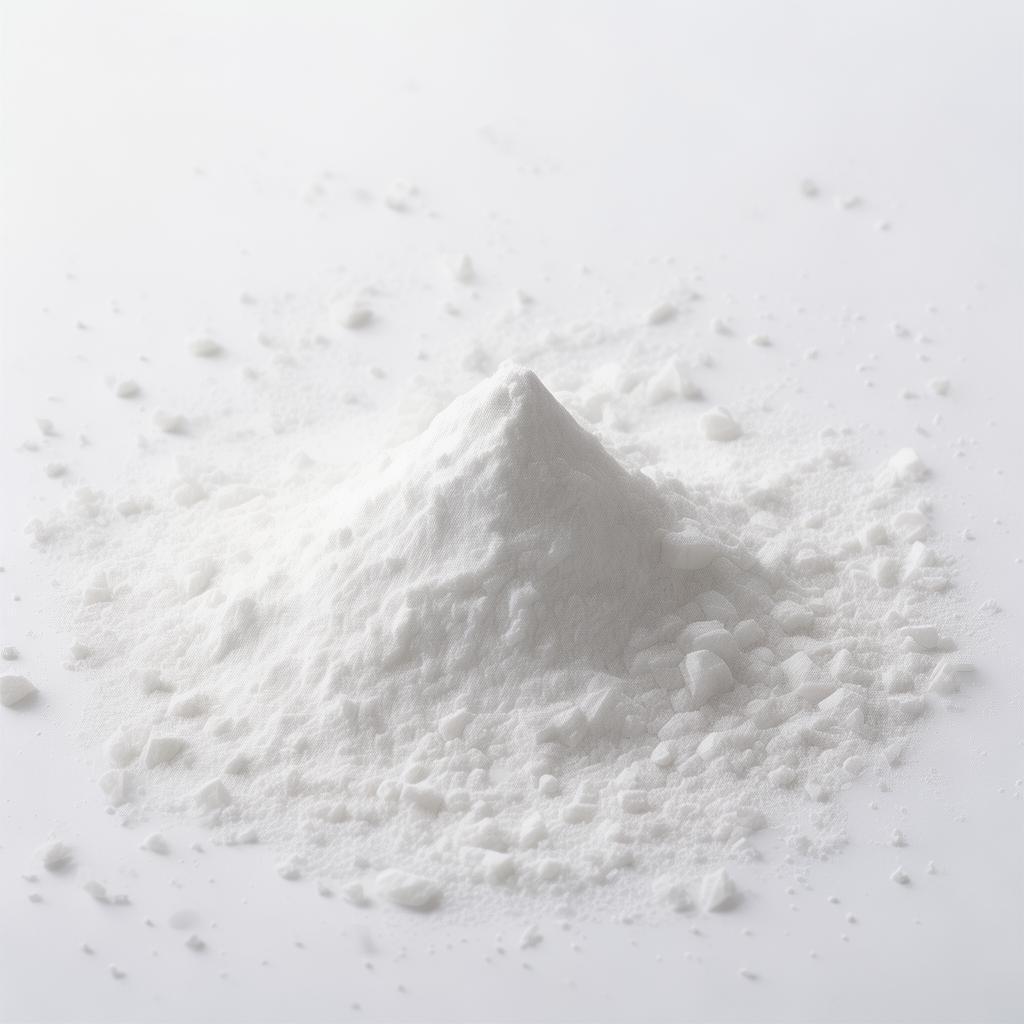
Ultra-fine methyl cellulose powder (D90 <50μm) for pharmaceutical applications
What Your End-Users Are Really Asking For
Procurement teams often underestimate the unspoken demands of their customers. Here’s what your formulators and engineers truly need:
| Industry Pain Point | End-User’s Hidden Frustration | Business Impact |
|---|---|---|
| Pharmaceuticals | "Our tablets disintegrate too slowly in humid climates, delaying patient relief." | ↑ 20% in customer complaints → ↓ brand trust → contract renegotiation. |
| Construction Adhesives | "Our tile adhesives lose bond strength after 6 months in tropical regions." | ↑ 15% in warranty claims → ↓ profit margins by 11%. |
| Cosmetics | "Our creams separate after 3 months, violating shelf-life claims." | ↑ 25% in product recalls → ↓ retailer confidence → shelf-space reduction. |
Our MC addresses these silent killers of profitability through:
- Optimized molecular weight distribution (Mw: 86,000–120,000 g/mol) for rapid dissolution in gastric fluids.
- Low residual ash content (<0.5%) to prevent electrolyte interference in electrolyte-rich formulations.
Customization Matrix: Tailor MC to Your Exact Needs
No two applications are identical. Our proprietary processing allows granular control over key parameters:
🔧 Key Customization Levers
Recommended Configurations by Application
| Application | Viscosity (mPa·s) | DS | Particle Size (D90) | Key Advantage |
|---|---|---|---|---|
| Controlled-Release Tablets | 4,000–6,000 | 1.8–2.2 | <50μm | Slow erosion in gastric fluids; FDA-compliant. |
| Tile Adhesives | 15,000–20,000 | 1.6–1.9 | 100–150μm | High water retention; prevents tile slippage. |
| Ophthalmic Solutions | 100–300 | 2.0–2.5 | <20μm | Sterile-grade; endotoxin-free (<0.05 EU/mg). |
| 3D Printing Binders | 500–1,000 | 1.7–2.0 | 50–80μm | Low thermal expansion; maintains print integrity. |
💡 Pro Tip:
For high-humidity environments, opt for DS 2.2+ to minimize moisture uptake by 25%.
Why Tangzhi Technology is Your Reliable Partner
In a market flooded with low-grade alternatives, we stand apart through:
🏭 Manufacturing Edge
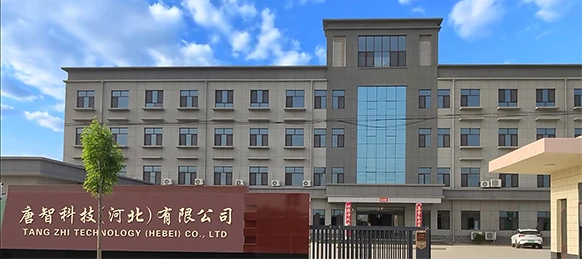
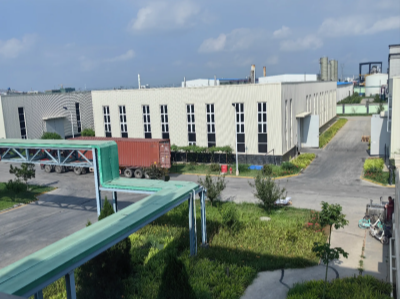
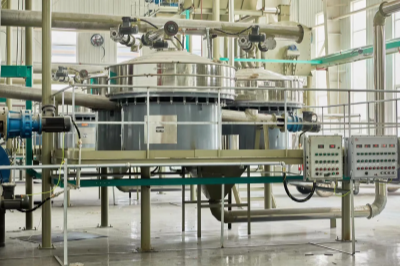
• 140,000 m² facility with automated packaging lines (reducing human error by 90%).
• Annual capacity: 40,000 tons—scalable to meet bulk orders without lead-time delays.
✅ Certifications
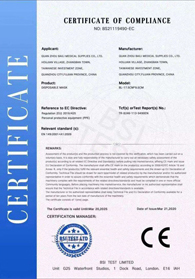

• ISO 9001:2015 certified with zero major non-conformities in 3 consecutive audits.
• Halal, Kosher, and REACH-compliant grades available.
📊 Supply Chain Resilience
We mitigate risks via:
- Dual-sourcing cellulose pulp from EU and Brazil to avoid geopolitical disruptions.
- On-site QC lab with HPLC and ICP-OES for real-time purity verification.
- 24/7 logistics tracking with IoT-enabled containers.
hydroxyethylcellulose-supplier hpmc-solubility-in-water hydroxypropyl-phosphate hydroxy-propyl-methyl-cellulose-hydrogel
Voices from the Field
"Tangzhi’s MC cut our adhesive costs by 18% while improving bond strength in high-salinity environments. Their responsive technical team resolved our gelation issues in <48 hours."
— Marco Rossi, R&D Director at Adhesives Italia S.p.A.

"Their sterile-grade MC met our ophthalmic solution specs with undetectable endotoxins. Batch consistency is exceptional—no rejections in 2 years."
— Dr. Sophie Laurent, QA Manager at BioGel Pharma

"For our 3D printing filaments, Tangzhi’s low-DS variant reduced warping by 35%. Their free sample program let us validate performance before bulk orders."
— James Park, CEO at PrintCore Labs

From Prototype to Delivery: Our Flawless Workflow
We’ve distilled our process into 4 low-risk stages to eliminate uncertainty:
📋 Prototype Development
Duration: 5–7 business days | Cost: Free (for orders ≥500kg)
- Custom formulation: Your team provides specs → we match MC properties.
- Lab-scale validation with ASTM/ISO test reports (e.g., viscosity, gel temp).
- 3 rounds of feedback to refine performance.
✅ Deliverable: 50g sample + full QC data.
🔍 Pre-Production Validation
Duration: 2 weeks | Cost: 50% of order value (refundable on full order)
- Pilot batch (100–500kg) with your exact process conditions.
- Accelerated stability testing (40°C/75% RH for 28 days).
- Certified compliance (e.g., EU 10/2011 for food-grade MC).
✅ Deliverable: 100-page validation report + retained sample.
🏭 Bulk Production
Duration: 4–6 weeks (varies by volume) | Guaranteed: On-time delivery
- Automated blending to eliminate batch variation.
- 100% inline inspection (particle size, moisture, viscosity).
- Real-time updates via API integration.
✅ Deliverable: Full COA + retained samples for your archives.
🚚 Logistics & Support
Duration: 3–7 days (depending on destination) | Included: DDP shipping to your door.
- Temperature-controlled containers for moisture-sensitive grades.
- 24/7 tracking with predictive ETAs.
- Post-delivery technical support for 90 days.
✅ Deliverable: Signed delivery receipt + 30-day follow-up.
Frequently Asked Questions
Q1: How does methyl cellulose compare to hydroxypropyl methylcellulose (HPMC) for my application?
• Thermal gelation: MC has a sharper gel point (50–60°C vs. HPMC’s 60–80°C), ideal for heat-triggered release systems.
• Cost: MC is typically 15–25% cheaper due to simpler synthesis.
When to choose MC: Pharmaceuticals (tablets), food (thickeners), and construction (mortar additives).
When to choose HPMC: Water-based paints, where lower gel temperature is desired.
Q2: What’s your minimum order quantity (MOQ)?
• Standard grades: 500kg (25 x 20kg bags).
• Custom DS/viscosity: 1,000kg.
💡 Tip: For orders <500kg, inquire about our sample program (free 50g samples).
Q3: Can you match a competitor’s MC sample?
Absolutely. Send us a 100g competitor sample, and we’ll:
- Analyze DS, viscosity, and particle size via FTIR and laser diffraction.
- Provide a side-by-side performance report within 7 days.
- Offer a price match guarantee if our MC outperforms theirs.
Q4: How do you ensure consistent quality across batches?
Our Six Sigma-certified process includes:
- Real-time near-infrared (NIR) spectroscopy to monitor substitution uniformity.
- Automated blending silos with ±1% moisture control.
- Lot-specific HPLC fingerprints stored in our blockchain-backed QMS.
Result: 99.8% batch acceptance rate across 12,000+ tons produced.
Q5: What’s your lead time for 10-ton orders?
Standard lead time: 4 weeks from order confirmation. We achieve this via:
- Pre-allocated cellulose pulp (3-month buffer).
- Parallel processing: Etherification and drying occur simultaneously.
- Dedicated packaging lines for bulk orders (no queueing).
Expedited option: Rush production (+20% surcharge) reduces lead time to 2 weeks.
Q6: Do you offer regulatory documentation for my region?
Yes. All our MC grades come with:
- TDS (Technical Data Sheet) with USP/NF, Ph. Eur., or JP compliance.
- COA (Certificate of Analysis) including heavy metals (<10ppm), microbial load (<100 CFU/g), and residual solvents.
- Regulatory letters for FDA 21 CFR, EU 10/2011, or Halal certifications.
📌 Tip: Specify your target market during inquiry to receive the pre-approved documentation.
Q7: How do you handle intellectual property (IP) protection?
We operate under strict NDA and IP agreements:
- All custom formulations are protected for 5 years post-delivery.
- We assign a unique batch code to your order, traceable via blockchain.
- No reverse-engineering of your specifications is permitted.
Documentation: Signed NDA + IP transfer agreement provided upon request.
Stop Compromising on Quality—
Start with Methyl Cellulose That Delivers
Receive a free prototype sample within 7 days and a customized quote tailored to your specs.
Limited-time offer: First 50 inquiries receive a 10% discount on their first order.