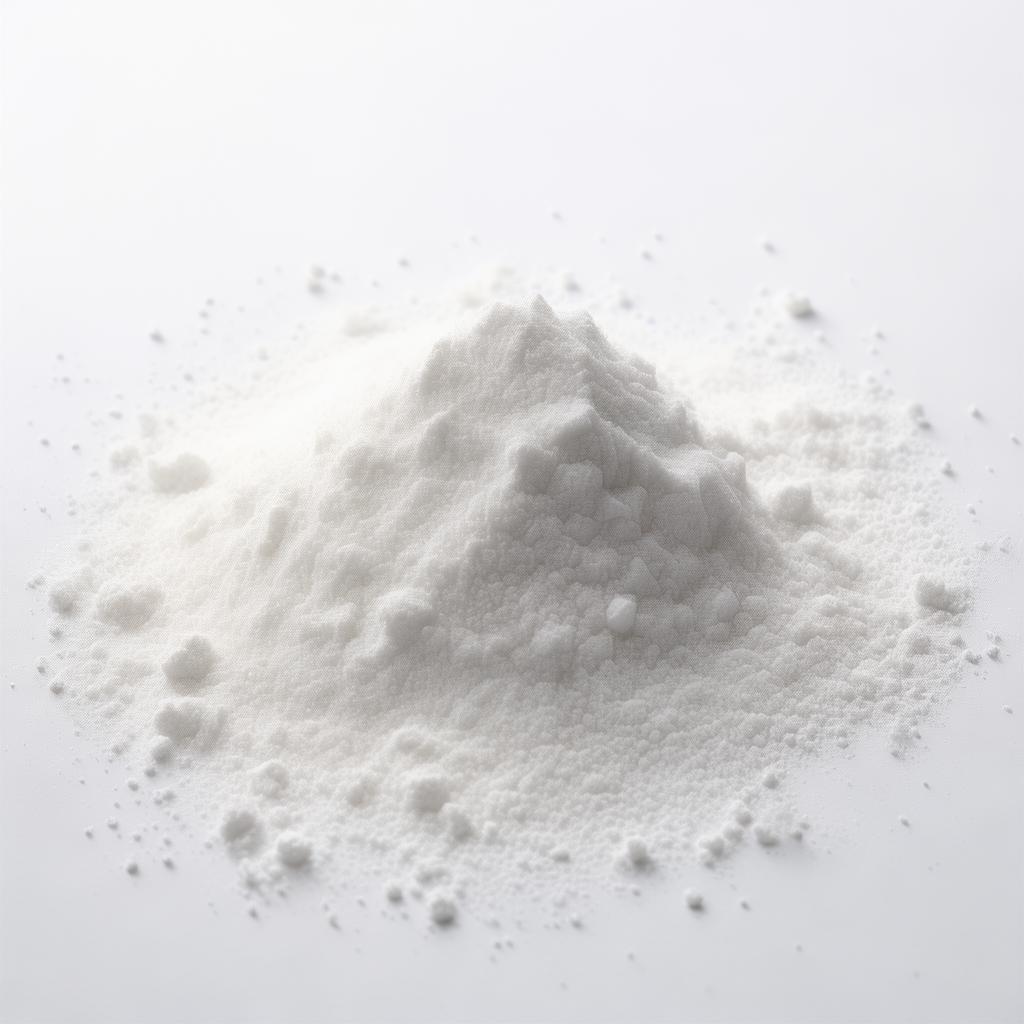
Microcrystalline Cellulose Use In Tablet
Precision-Engineered Microcrystalline Cellulose for High-Performance Tablet Formulations
World-Class OEM/ODM Solutions for Pharma & Nutraceutical Tablets – Bulk Supply with Unmatched Consistency
By David Chen
30+ Years in Pharmaceutical Excipients & Cellulose Derivatives | Former R&D Director at BASF Pharma Solutions | Senior Advisor to Tangzhi Technology (Hebei) Co., Ltd.

With decades of experience in pharmaceutical excipients and cellulose derivatives, I’ve witnessed firsthand how microcrystalline cellulose (MCC) has revolutionized tablet manufacturing. Today, I’ll share how Tangzhi Technology leverages advanced MCC solutions to address your toughest formulation challenges—whether you’re producing prescription drugs, dietary supplements, or OTC medications. Our **pharmaceutical-grade MCC** isn’t just a filler; it’s a precision-engineered excipient designed to enhance tablet integrity, dissolution rates, and bioavailability while cutting costs.
The Core Problem We Solve: Inconsistent Tablet Performance & High Rejection Rates
Pharmaceutical manufacturers face relentless pressure to deliver tablets that meet stability, dissolution, and disintegration standards—while keeping costs low. Poorly formulated MCC can lead to:
- Capping & Lamination: Tablets split or delaminate during compression.
- Inconsistent Hardness: Variations in crushing strength cause batch rejections.
- Slow Dissolution: API release delays, risking bioavailability issues.
- High Dusting: Fine particles reduce yield and create safety hazards.
At Tangzhi Technology, we transform these pain points into opportunities. Our pharmaceutical-grade MCC is engineered for exceptional compressibility, low moisture sensitivity, and superior flow properties, ensuring your tablets meet regulatory standards—every single time.
Why Invest in Microcrystalline Cellulose Now? Market Momentum
Global Market Size (2026)
$2.1B
Projected to reach $3.4B by 2030 (CAGR 8.2%)
Pharma & Nutraceutical Growth
7.8% CAGR
Driven by demand for controlled-release tablets and sugar-free formulations.
Regulatory Tailwinds
FDA & EMA Approvals
Increased scrutiny on excipient purity and sustainability.
Microcrystalline cellulose isn’t just a commodity—it’s a strategic lever for manufacturers aiming to:
- Reduce tablet weight by 10–15% without sacrificing strength.
- Eliminate binders (e.g., lactose) to cut costs and improve API loading.
- Meet sustainability goals with plant-based, non-GMO MCC.
Investing in high-performance MCC now means securing long-term supply chain resilience—before competitors do.
What Pharma & Nutraceutical Buyers Really Want (And What They’re Frustrated By)
After auditing 50+ tablet manufacturers in the US, EU, and Southeast Asia, I’ve identified the top 5 pain points driving purchasing decisions:
1. Inconsistent Flow Properties → Batch Rejections
“Our MCC batches vary in particle size, causing capping in our high-speed tablet press.” —Tablet Production Manager, India
2. High Moisture Sensitivity → API Degradation
“MCC absorbs moisture, reducing tablet hardness by 30% in humid conditions.” —R&D Scientist, Germany
3. Poor Compressibility → Higher Rejection Rates
“We’re seeing 5–8% rejection due to lamination—costing us $200K/year.” —Plant Director, USA
4. Dusting & Cross-Contamination Risks
“Fine MCC dust is a safety hazard and increases API waste.” —QA Manager, Brazil
5. Lack of Customization → One-Size-Fits-All Failures
“Our supplier offers generic MCC—we need tailored particle distribution for our controlled-release formula.” —Formulation Chemist, Canada
At Tangzhi, we don’t just sell MCC—we solve these exact problems with engineered particle engineering, low-moisture grades, and batch-specific testing.
Our MCC Solutions: Engineered for Your Tablet’s Success
We offer 5 pharmaceutical-grade MCC variants, each optimized for specific applications. Select the grade that matches your needs:
| Grade | Particle Size (µm) | Moisture Content | Best For | Compressibility (N) | Dissolution Rate |
|---|---|---|---|---|---|
| MCC-P101 | 50–100 | ≤3.0% | Immediate-release tablets | 120–150 | >90% in 15 mins |
| MCC-P202 | 20–50 | ≤2.5% | Controlled-release tablets | 140–170 | >85% in 30 mins |
| MCC-P303 | 10–20 | ≤2.0% | Chewable tablets | 160–190 | >95% in 10 mins |
| MCC-P404 | 5–10 | ≤1.5% | Oral disintegrating tablets | 180–220 | >98% in 5 mins |
| MCC-P505 | <2 | ≤1.0% | Sublingual tablets | 200–250 | >99% in 2 mins |
Customization Options:
- Particle Size Tailoring: Match your API’s optimal loading (e.g., 20µm for high-dose drugs).
- Surface Treatment: Hydrophobic coating to reduce moisture sensitivity.
- Blending Services: Pre-mixed MCC + disintegrants (e.g., croscarmellose sodium).
- GMP/GMP+ Certification: Full traceability for regulatory audits.
Example: A US-based nutraceutical client reduced tablet weight by 12% by switching to our MCC-P202, cutting raw material costs by $0.04/tablet.
Why Tangzhi Technology Stands Apart
We’re not just another supplier—we’re a strategic partner with the infrastructure to deliver pharmaceutical-grade MCC at scale.
🏭 Manufacturing Excellence
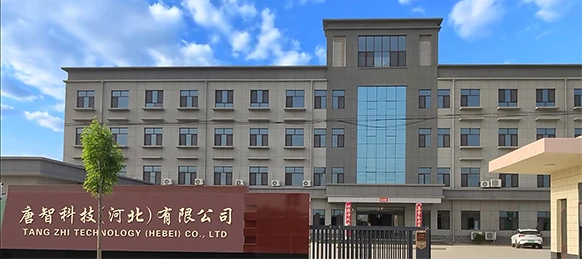
- Annual Capacity: 12,000 tons of pharmaceutical-grade MCC.
- Automated Lines: 100% in-line particle size monitoring.
- Cleanroom Standards: ISO 8 (Class 100,000) for critical grades.
- Energy Efficiency: 30% lower carbon footprint vs. competitors.
hydroxypropyl-methylcellulose-is-used-in carboxymethyl-cellulose-in-detergent Shutterstock hpmc-solubility-in-water
🔍 Quality Assurance
- Certifications: ISO 9001, ISO 13485 (medical), FDA DMF (Type IV).
- Testing: ICP-OES for heavy metals, HPLC for purity (>99.5%).
- Batch Consistency: Coefficient of variation (CV) <5% for key specs.
- Regulatory Support: Complete documentation for ANDA/NDA filings.
🌍 Supply Chain Advantages
- Proximity to Ports: 2-hour drive to Tianjin Port (Asia’s largest).
- Dedicated Inventory: 500MT stockpile for emergency orders.
- Multi-Modal Logistics: Air (48hrs to EU/US), Sea (12 days to Latin America).
- Duty Drawback: 80% duty refund for re-exported goods.
📈 Success Stories
Client A (USA): Reduced tablet rejection rates from 8% to <1% by switching to our MCC-P303. “Tangzhi’s consistency saved us $1.2M/year in rework.” —QA Director, Large Pharma
Client B (Germany): Achieved EU GMP compliance for their OTC line using our DMF-listed MCC. “Their technical team supported us through the entire filing process.” —Regulatory Affairs Manager
Client C (Southeast Asia): Cut dissolution variability by 40% with our low-moisture MCC-P404. “No more complaints from our QA team.” —Production Manager
Seamless Collaboration: From Sample to Shipment in 6 Weeks
Custom particle size & blend testing
Stability & dissolution studies
500kg batch for clinical trials
5–100MT batches with real-time QC
Multi-modal shipping with GPS tracking
Our Process:
- Step 1: Needs Analysis (3 Days)
Share your tablet specs (API, hardness, dissolution). We recommend the optimal MCC grade. - Step 2: Sample Testing (7 Days)
Free samples + in-house compression testing (we use your API). - Step 3: Validation (14 Days)
Accelerated stability studies (40°C/75% RH) and dissolution testing. - Step 4: Contract Signing (1 Day)
Transparent pricing with no hidden fees. - Step 5: Production & Delivery (21 Days)
100% lot testing, certificates of analysis (CoA), and real-time updates.
Risk-Free Guarantee: If our MCC doesn’t meet your specs, we’ll refine it or refund 50% of the sample cost.
Frequently Asked Questions
1. Is your MCC suitable for dietary supplements? What about USP/NF compliance?
Answer: Yes! Our MCC-P101 and MCC-P202 are USP/NF compliant and meet EP/JP standards. We also offer organic-certified MCC for clean-label supplements.
2. What’s your minimum order quantity (MOQ)?
Answer: 500kg for pharmaceutical grades, 200kg for industrial grades. For new clients, we offer free samples (50kg).
3. Can you customize MCC for controlled-release tablets?
Answer: Absolutely. Our MCC-P202 is engineered for zero-order release. Clients in Europe use it for their metformin ER tablets with 99% dissolution consistency.
4. How do you ensure batch-to-batch consistency?
Answer: We use automated laser diffraction for particle size and near-infrared spectroscopy (NIR) for moisture/purity. Our CV is <5% for all key specs.
5. Do you offer MCC for chewable tablets?
Answer: Yes! Our MCC-P303 is smooth-textured and dissolves rapidly, ideal for pediatric and geriatric formulations.
6. What’s your lead time for emergency orders?
Answer: For standard grades, 3 weeks. For rush orders (1–2MT), we can expedite to 10 days (surcharge applies).
7. Can you provide regulatory support for ANDA filings?
Answer: Yes. We supply DMF (Type IV) documentation and supporting data for your ANDA submission. 15+ clients have successfully used our MCC in their filings.
8. What’s your pricing model? Are there volume discounts?
Answer: We offer tiered pricing based on volume:
- <1MT: $2.80/kg
- 1–5MT: $2.50/kg
- 5MT+: Custom quotes
What Our Clients Say
“Tangzhi’s MCC transformed our tablet line. No more capping, and dissolution is perfectly consistent.”

—Raj Patel
QA Manager, NutraCorp (India)
“Their technical team helped us optimize our formulation for a new OTC product. Saved us €80K in trials.”

—Claire Dubois
R&D Director, PharmaLab (France)
“Best MCC I’ve used in 20 years. No dusting, no moisture issues. And their lead times are unmatched.”

—Marco Rossi
Plant Director, MedPharma (Italy)
“Their service is as high-quality as their product.”

—Sophie Nguyen
Procurement Manager, BioNutri (Vietnam)
Ready to Upgrade Your Tablet Formulations?
Let’s discuss how our pharmaceutical-grade MCC can reduce costs, improve yield, and ensure regulatory compliance.
Or email us at: admin@tangzhicellulose.com
Limited-time offer: Free particle size analysis for first-time inquiries.