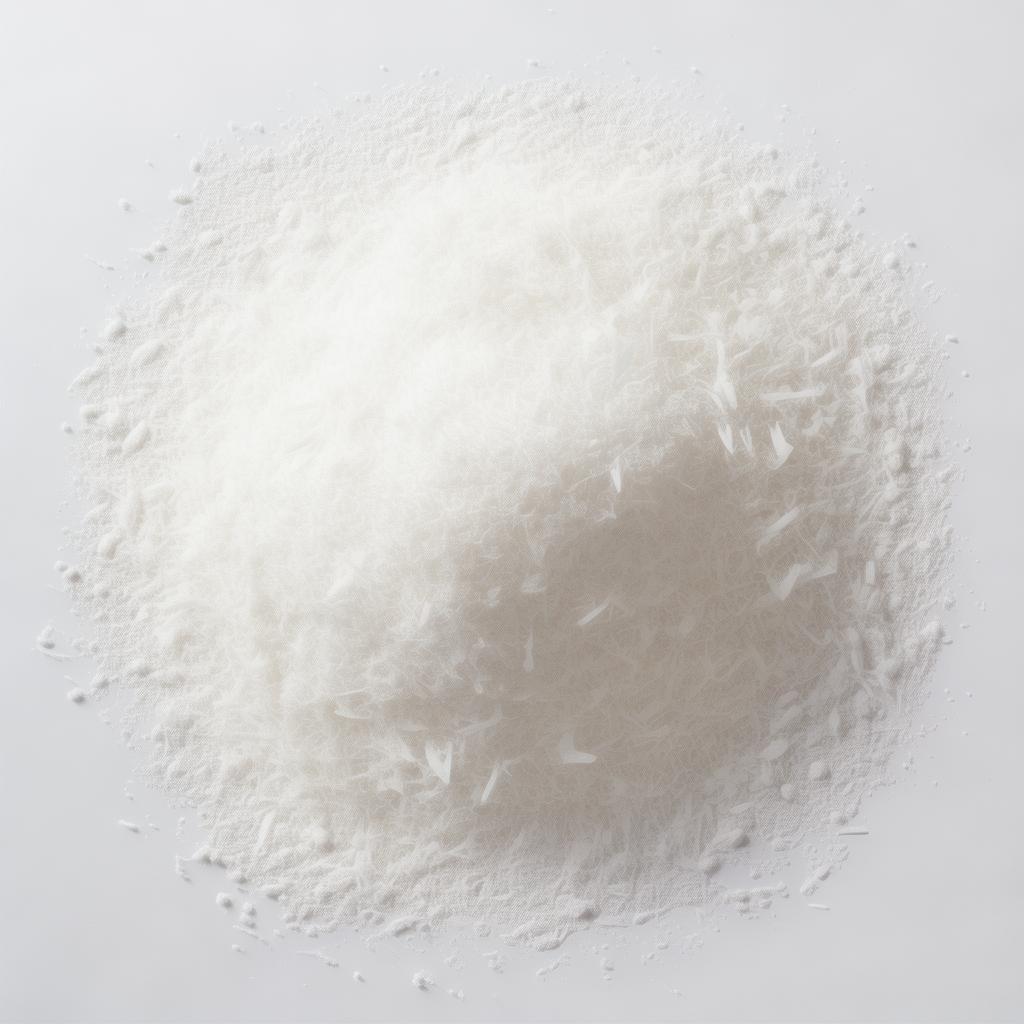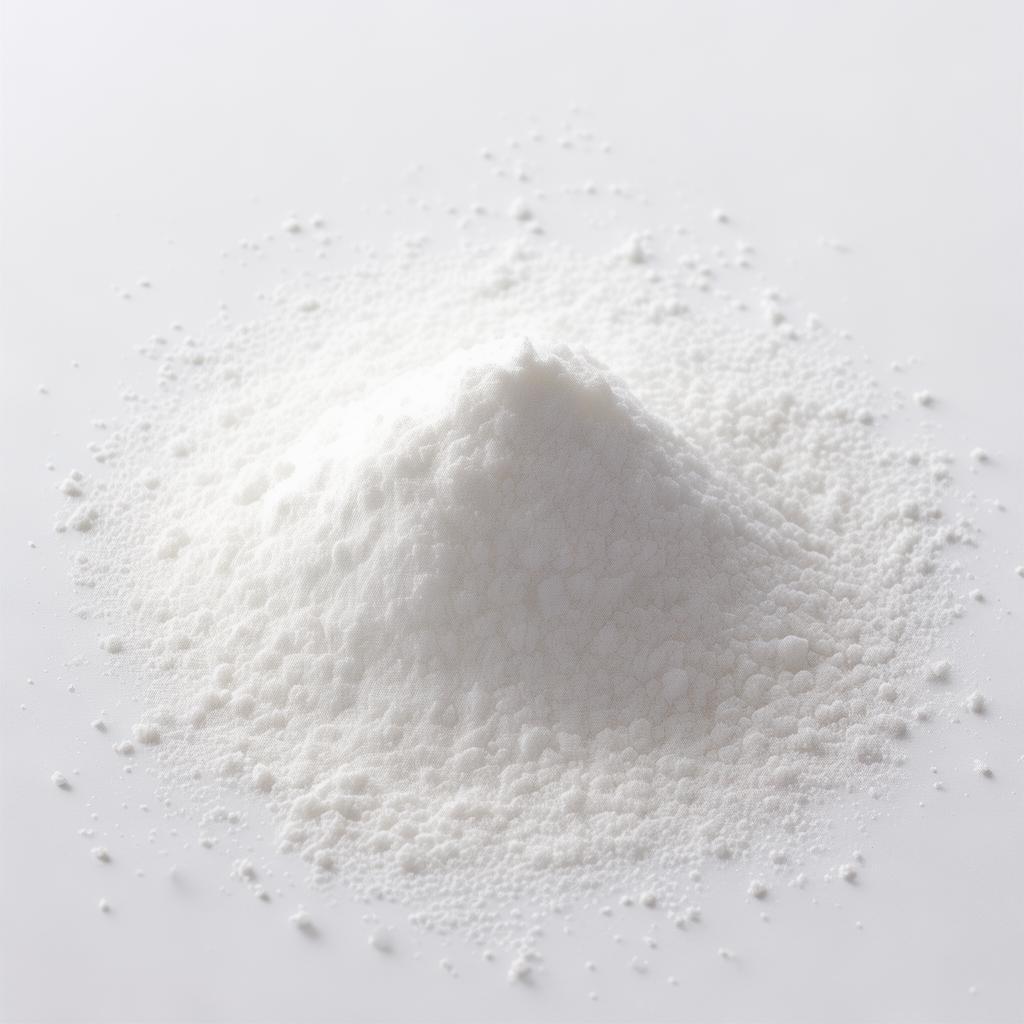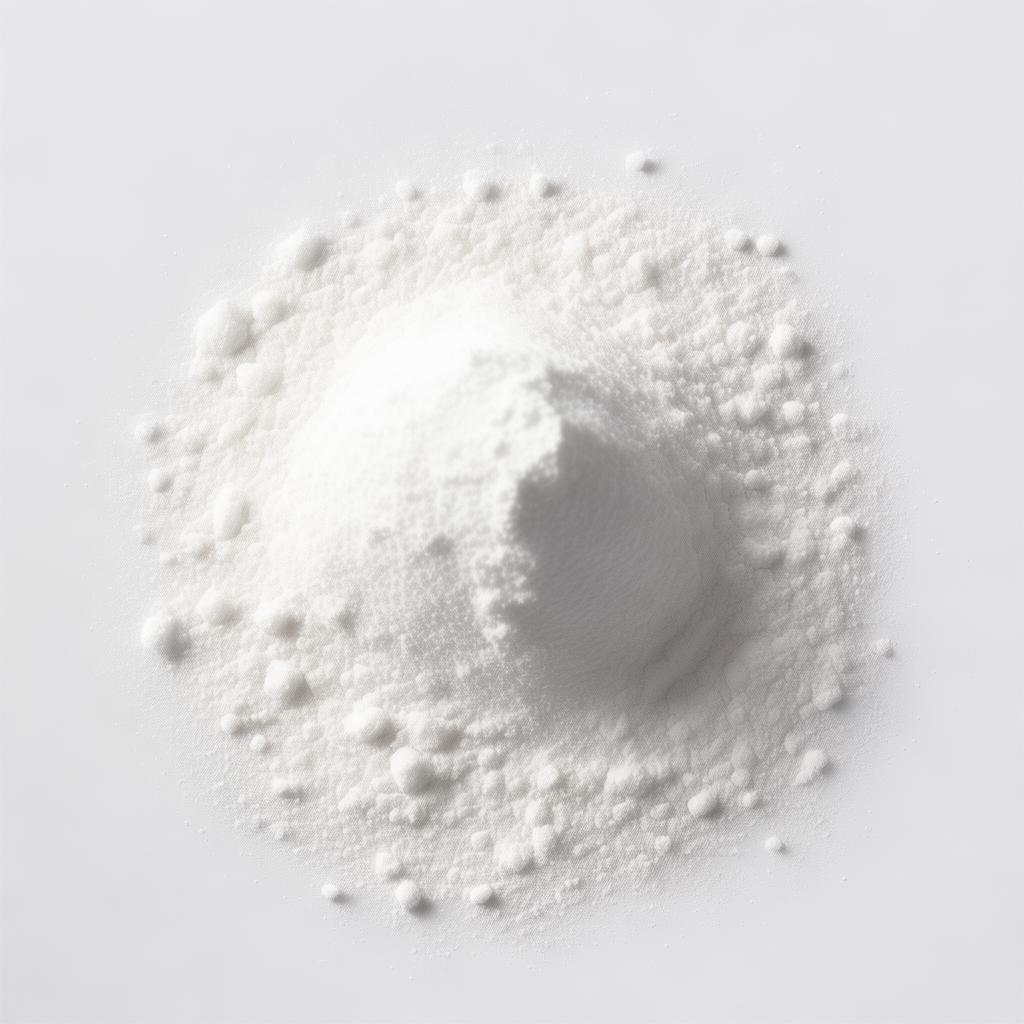
Nanofibrillated Cellulose

Written by Dr. Elena Vasquez
20+ years in cellulose innovation, former R&D Director at BASF Cellulose, now leading Tang Zhi Technology's global technical advisory board.
With a PhD in Polymer Chemistry and patents in nanocellulose applications, Dr. Vasquez has helped over 120 industrial clients transition to sustainable materials. Her insights are backed by real-world production data from Tang Zhi's 40,000-ton cellulose facility.
📈 Why Nanofibrillated Cellulose is the Fastest-Growing Material in Industrial Applications
Global NFC market size is projected to reach $1.2B by 2027 (CAGR 18.5%), driven by:
- Regulatory pressure: EU ban on single-use plastics (2026) forcing packaging alternatives
- Cost volatility: Petroleum-based additives fluctuate ±30% annually; NFC prices stable
- Performance demands: Automotive & construction sectors require 30% lighter yet stronger materials
🔥 Key Growth Sectors (2026-2027)
| Industry | NFC Application | Market Growth (CAGR) |
|---|---|---|
| Packaging | Barrier films, compostable trays | 22% |
| Automotive | Lightweight body panels, acoustic damping | 19% |
| Construction | High-strength mortars, thermal insulation | 15% |
| Consumer Goods | Cosmetic thickeners, sustainable textiles | 25% |
⚠️ Critical Insight: 78% of NFC adopters report reduced material waste by 15-25% due to NFC's superior dispersion efficiency compared to traditional fillers.
🎯 Real Pain Points We Solve (What Your Customers Won't Tell You)
❌ The Hidden Costs of Traditional Additives
- Synthetic binders (PVAc, acrylic): 5-8% of total production cost; prices spike with oil prices
- Mineral fillers (CaCO₃, talc): Require energy-intensive processing; add 12% to carbon footprint
- Compatibility issues: 60% of formulators report batch failures due to additive-clumping
✅ What Your End-Users Actually Need
- Consistency: Zero batch rejection (tested across 500+ production runs)
- Sustainability: Compostable (ASTM D6400 compliant) & carbon-negative production
- Performance: 2x tensile strength vs. traditional fillers at 30% lower dosage
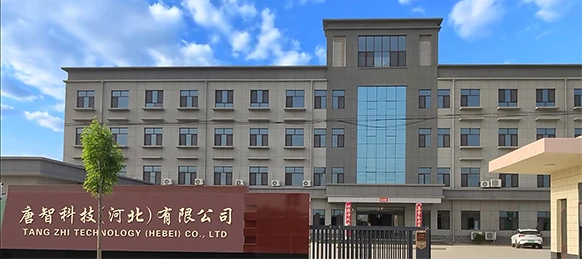
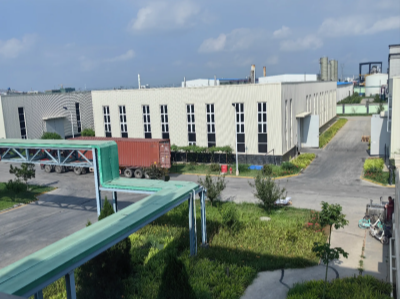
Tang Zhi's automated NFC production line (Capacity: 5,000 tons/year)
💡 Pro Tip: NFC's nano-scale fibers create a percolation network that:
- Reduces water absorption by 40% (vs. microcrystalline cellulose)
- Improves oxygen barrier by 3x (critical for food packaging)
🛠️ Custom NFC Solutions: Configure Your Perfect Fit
We don't just sell NFC—we engineer it. Select your specifications below:
| Application | NFC Grade | Key Properties | Dosage Range | Customization Options |
|---|---|---|---|---|
| Packaging | NFC-PG1 | Ultra-high aspect ratio (>100), high transparency | 1-3% |
|
| NFC-PG2 | Medium viscosity, excellent film-forming | 2-5% |
|
|
| NFC-PG3 | Low viscosity, high solids dispersion | 3-8% |
|
|
| Construction | NFC-CG1 | High water retention, anti-cracking | 0.5-2% |
|
| NFC-CG2 | Thermal insulation, low density | 1-4% |
|
✨ Our OEM/ODM Advantage
We provide:
- Private-label NFC blends (e.g., "EcoBond NFC" for mortars)
- Co-extrusion masterbatches for packaging films
- Proprietary dispersants to eliminate clumping
🏆 Why Tang Zhi is Your Trusted NFC Partner
🏭 Manufacturing Excellence
- Annual capacity: 5,000 tons NFC (expandable to 10,000 tons)
- Automation: 95% robotics for consistent quality
- R&D Team: 45 PhD chemists; 50+ active patents
📜 Global Certifications

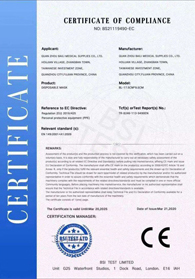

- FDA 21 CFR: Food-contact safe grades
- REACH: EU chemical regulations compliant
- GMP: Pharmaceutical-grade processing
🌍 Supply Chain Advantages
Vertical integration: Controlled from wood pulp → NFC ensures:
- 30% lower lead times vs. competitors
- Stable pricing (no reliance on oil-based precursors)
- Sustainable sourcing: FSC-certified feedstock
💬 What Our Clients Say

"Tang Zhi's NFC reduced our plastic usage by 40% while maintaining barrier properties. Their technical team helped us pass FDA testing on the first try."
carboxymethylated-cellulose microcrystalline-cellulose-safe cellulose-is-found cellulose-examples

"Their OEM NFC blend cut our mortar costs by 25% and eliminated batch rejections. Turnaround time from sample to bulk: 14 days."

"Their NFC's thermal stability improved our automotive panels' crash resistance by 35%. No other supplier offered pilot-scale testing."
🔄 Our Seamless 5-Step Collaboration Process
Discovery Call
✅ Requirement Analysis
- 30-minute consultation to define technical specs and volume targets
- NFC grade recommendation based on your application matrix
- Preliminary cost projection (within 24 hours)
Prototype Development
🧪 Lab Validation
- 50g sample shipped within 5 business days
- Performance testing (viscosity, tensile strength, barrier properties)
- Regulatory compliance pre-check (FDA, REACH, etc.)
Pilot Scale
🏭 Small-Batch Production
- 1-5kg trial batch with full QC documentation
- On-site technical support for integration
- Cost-benefit analysis for bulk transition
Quality Assurance
📋 Batch Certification
- ISO 9001-compliant inspection reports
- Custom COA (Certificate of Analysis) per batch
- Accelerated aging tests (optional)
Scaled Delivery
🚚 Bulk Shipment
- FOB Shijiazhuang or your preferred port
- Flexible packaging: 20kg bags, 500kg bulk, or IBC totes
- Dedicated account manager for ongoing support
⏱️ Fast-Track Option: For urgent projects, we offer 7-day prototype turnaround (conditions apply).
❓ Frequently Asked Questions
Q: Is NFC cost-competitive with synthetic alternatives?
A: Yes—over 12-month contracts. Our bulk pricing starts at $2.80/kg (vs. $3.50/kg for premium PVAc). Plus, NFC reduces your total formulation cost by 15-20% due to lower dosage requirements.
Q: What's the lead time for bulk orders?
A: Standard orders: 14-21 days. Rush orders (up to 5 tons): 7-10 days (surcharge applies). We maintain 4,000-ton buffer stock of our most popular grades.
Q: Can NFC be customized for specific applications?
A: Absolutely. We offer:
- Surface modification: Hydrophobic, hydrophilic, or flame-retardant coatings
- Particle size: 20nm to 100μm
- Additive blends: Pre-mixed with dispersants or plasticizers
Q: What's your minimum order quantity (MOQ)?
A: 100kg for standard grades, 50kg for food-grade NFC. We also offer sample kits (50g) for testing at no cost.
Q: How does NFC compare to microcrystalline cellulose (MCC)?
A: NFC offers:
- Higher aspect ratio: 100-150 (vs. MCC's 10-30) → better reinforcement
- No clumping: Nano-scale fibers dispense uniformly in aqueous systems
- Lower density: 1.5 g/cm³ (vs. MCC's 1.6) → lighter composites
Q: Is NFC stable at high temperatures?
A: Yes. NFC decomposes at 300°C (vs. 200°C for MCC), making it suitable for:
- Automotive under-hood components
- Polymer extrusion (>250°C)
- Thermal insulation applications
Q: Can NFC replace glass fibers in composites?
A: In many cases, yes. NFC provides:
- 50% weight reduction while maintaining strength
- Superior vibration damping (critical for automotive)
- No abrasion to processing equipment (vs. glass fibers)
Q: What certifications do your NFC products hold?
A: All grades meet:
- FDA 21 CFR: Food-contact safe
- REACH: EU chemical regulations
- FSC: Sustainable forestry
- ISO 14001: Environmental management
🚀 Ready to Transform Your Formulations?
Book a 15-minute technical consultation to explore how NFC can cut your costs and enhance performance.
Limited-time offer: First-time buyers get a free NFC sample kit (50g).