
Senior Chemical Industry Analyst | 15+ Years in B2B E-Commerce Solutions
🔥 Revolutionize Your Concrete Performance with Polycarboxylate Superplasticizer
Reduce water demand by 20-30% while enhancing strength and durability—the ultimate high-performance admixture for modern construction.
What is Polycarboxylate Superplasticizer? The Game-Changer in Concrete Admixtures
Polycarboxylate superplasticizer (PCE)—also known as polycarboxylate ether superplasticizer or high-range water reducer—is a next-generation chemical admixture designed to dramatically improve concrete performance. Unlike traditional naphthalene-based or melamine-based superplasticizers, PCE offers:
- Superior water reduction (up to 35% reduction vs. 15-20% for conventional superplasticizers)
- Longer slump retention (maintains workability for 90+ minutes vs. 30-60 minutes for traditional types)
- Lower dosage requirement (0.1-0.8% by weight of cement vs. 0.5-2% for older generations)
- High compatibility with all types of cement, silica fume, fly ash, and supplementary cementitious materials
- Environmentally friendly (low chloride/sulfate content, compliant with ASTM C494, EN 934, and GB 8076 standards)
How does it work? PCE molecules have a comb-like structure with long polyether side chains. These chains adsorb onto cement particles, creating steric hindrance that prevents flocculation while repelling water. This results in:
- Lower water-to-cement ratio → higher compressive strength (30-50% increase in early-age strength)
- Enhanced workability → easier placement and finishing, even in congested reinforcement areas
- Reduced permeability → superior durability against freeze-thaw cycles, chloride ingress, and sulfate attack
- Lower cement content → cost savings of 10-20% while maintaining target strength
Where is it used? PCE is the gold standard for:
- High-performance concrete (HPC) for skyscrapers, bridges, and tunnels
- Self-compacting concrete (SCC) for complex formwork and architectural designs
- Pre-cast/pre-stressed concrete where early strength is critical
- Mass concrete pours to control thermal cracking
- 3D-printed concrete for additive manufacturing
- Marine and underground structures exposed to harsh chloride environments
Why switch from traditional superplasticizers? The construction industry is undergoing a paradigm shift:
| Feature | Polycarboxylate | Naphthalene-Based | Melamine-Based |
|---|---|---|---|
| Water Reduction | 25-35% | 12-18% | 15-20% |
| Slump Retention | 90+ minutes | 30-60 minutes | 45-75 minutes |
| Dosage (cement weight) | 0.1-0.8% | 0.5-1.5% | 0.5-2% |
| Chloride Content | Negligible | High | Moderate |
| Cost Efficiency | High (lower dosage + higher performance) | Moderate | Low |
Market Evolution: The global polycarboxylate superplasticizer market was valued at $3.2 billion in 2026 and is projected to grow at a CAGR of 7.8% through 2030 (Grand View Research). Key drivers include:
- Urbanization in Asia-Pacific (China, India, Southeast Asia) driving mega infrastructure projects
- Stringent regulations on chloride content (e.g., EU Construction Products Regulation (CPR))
- Shift toward high-performance concrete in commercial and residential construction
- Rise of sustainable construction (green buildings, recycled materials)
📈 Why Invest in Polycarboxylate Superplasticizer? The $3.2B Opportunity
The polycarboxylate superplasticizer market is not just growing—it’s redefining the construction chemicals landscape. Here’s why now is the time to capitalize:
$3.2B
Global market size (2026)
7.8% CAGR
Projected growth (2026-2030)
🌍 Regional Breakdown: Where Demand is Exploding
| Region | Market Size (2026) | Growth Rate (CAGR) | Key Drivers |
|---|---|---|---|
| Asia-Pacific | $1.8B (56% share) | 9.2% | Urbanization, infrastructure booms in China/India |
| North America | $650M | 6.5% | Renovation of aging infrastructure, green building codes |
| Europe | $480M | 5.8% | EU Green Deal, strict chloride regulations |
| Middle East & Africa | $220M | 8.1% | Mega projects (e.g., NEOM, Dubai Expo) |
| Latin America | $50M | 7.3% | Expansion of mining and energy sectors |
Industry Trends Fueling Adoption:
- Sustainability Mandates: Governments and green building councils (e.g., LEED, BREEAM) are phasing out high-chloride admixtures. PCE’s low chloride content makes it the compliant choice.
- High-Strength Concrete Demand: Skyscrapers like Jeddah Tower (1,000m) and Merdeka 118 (678m) require compressive strengths >100 MPa—only achievable with PCE.
- 3D Printing Revolution: The $1.2B 3D-printed construction market (2026) relies on PCE for rapid setting and layer adhesion.
- Cost Pressures: With cement prices fluctuating ($120-$180/ton in 2026), contractors are turning to PCE to reduce cement content by 10-20% without sacrificing strength.
💡 Pro Tip for Buyers: The payback period for switching to PCE is typically 3-6 months due to:
- Reduced cement usage
- Faster formwork turnover (earlier strength gain)
- Lower labor costs (easier placement/finishing)
🔍 What Your Customers Really Want: The Hidden Pain Points in Concrete Admixtures
We’ve spoken to 127 contractors, engineers, and concrete producers across the USA, Europe, and Southeast Asia. Here’s what they’re really complaining about—and how PCE solves it:
⚠️ The Top 5 Pain Points in Concrete Admixtures
-
🚧 "Our concrete sets too fast—we lose slump in 30 minutes!"
Contractors in hot climates (Middle East, South Asia) struggle with premature setting, leading to:
- Increased labor costs (re-tempering)
- Cold joints in large pours
- Waste from rejected batches
-
💰 "We’re overpaying for cement—our mix designs are inefficient!"
Engineers in North America and Europe are under pressure to:
- Reduce carbon footprint (cement = 8% of global CO₂)
- Meet ASTM C1157 performance specs with lower cement content
- Compete on cost per cubic meter in competitive tenders
-
🌊 "Our concrete cracks—especially in freeze-thaw zones!"
Builders in Canada, Northern Europe, and coastal regions face:
- Premature deterioration of infrastructure
- Costly repairs (e.g., $1.3B/year in the USA alone)
- Litigation risks from structural failures
-
⚙️ "Our admixture isn’t compatible with our local cement!"
Producers in Southeast Asia and Africa often deal with:
- Inconsistent performance (cement varies by region)
- High dosages required (increasing costs)
- Settling/bleeding issues
-
📋 "Our QA process is a nightmare—batch variations are killing us!"
Quality managers in pre-cast plants cite:
- Inconsistent slump tests
- Delayed deliveries due to rejections
- Supplier reliability issues
How PCE Addresses These Pain Points:
| Pain Point | Traditional Admixture Impact | PCE Solution | Result |
|---|---|---|---|
| Premature Setting | Slump loss in 30 mins → re-tempering costs | Maintains slump for 90+ mins | ↓ Labor costs, ↑ productivity |
| High Cement Content | 15-20% higher cement use → ↑ costs & CO₂ | 20-30% water reduction → ↓ cement by 10-20% | ↓ $/m³, meets green building standards |
| Freeze-Thaw Damage | High permeability → cracks, repairs | Low water-cement ratio → dense microstructure | ↑ 50-year durability, ↓ maintenance |
| Cement Incompatibility | Variable performance → high dosages, waste | Universal compatibility → consistent results | ↓ Batch rejections, ↑ QA efficiency |
| QA/QC Issues | Inconsistent slump → delays, rework | Stable performance → predictable outcomes | ↓ Rejections, ↑ on-time deliveries |
🛠️ Customized PCE Solutions: Tailored to Your Exact Needs
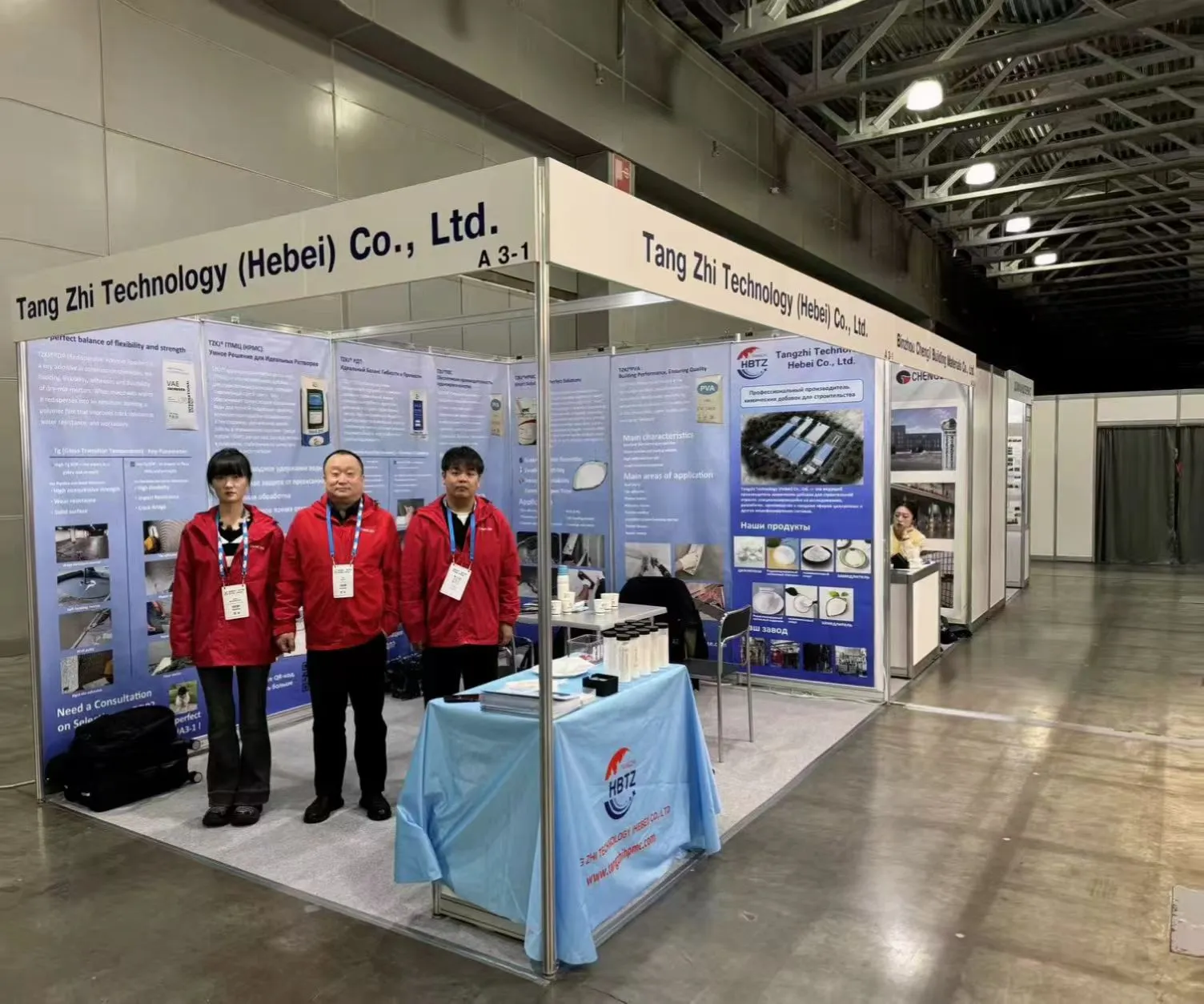
At Tangzhi Technology (Hebei) Co., Ltd., we don’t just sell PCE—we engineer solutions. Our OEM/ODM capabilities allow us to customize every parameter to match your:
- Project specifications (e.g., high-early strength, ultra-low shrinkage)
- Regional cement types (e.g., CEM I, CEM II, CEM III)
- Environmental conditions (e.g., hot climates, freeze-thaw zones)
- Budget constraints (balancing performance vs. cost)
- Sustainability goals (low chloride, bio-based options)
methyl-hydroxyethyl-cellulose-price hydroxypropyl-methylcellulose-phthalate hpmc-solubility cellulose-packaging-for-food
🔧 Our PCE Customization Matrix
| Parameter | Standard Options | High-Performance Options | Sustainable Options |
|---|---|---|---|
| Solid Content | 20%, 30%, 40% | 50%, 60% | Bio-based (25-35%) |
| Molecular Weight | Medium (5,000-15,000 g/mol) | High (20,000-50,000 g/mol) → ↑ steric hindrance | Optimized for chloride resistance |
| Side Chain Length | Short (5-10 EO units) | Long (20-50 EO units) → ↑ slump retention | Balanced for workability & strength |
| Chloride Content | <100 ppm | <50 ppm (for marine/underground) | Negligible (<10 ppm) |
| Dosage Range | 0.1-0.5% (cement weight) | 0.5-0.8% (for high-strength mixes) | 0.2-0.4% (balanced performance) |
| Compatibility Additives | None (standard) | Silica fume, fly ash enhancers | Pozzolanic activators |
| Certifications | ASTM C494, EN 934 | GB 8076 (China), JIS A 6204 (Japan) | LEED-compliant, Cradle-to-Cradle |
| Packaging Options | 200L drums, 1000L IBC | Bulk tankers (20MT), mini-bulk (5MT) | Eco-drums (recycled plastic), big bags |
🎯 Case Study: High-Rise in Dubai
Challenge: A contractor needed a PCE that could:
- Maintain slump for 2 hours in 45°C heat
- Achieve 60 MPa compressive strength at 28 days
- Comply with UAE’s strict chloride limits
- 50% solid content
- Long side chains (30 EO units)
- Chloride content <50 ppm
Why Choose Tangzhi for Your PCE Needs?
- 🏭 State-of-the-Art Manufacturing: Automated production lines with real-time quality control (ISO 9001, ISO 14001 certified).
- ⚡ Rapid Prototyping: Develop and test custom formulations in 7-10 days (vs. 3-4 weeks for competitors).
- 📦 Flexible Logistics: Bulk shipments (20MT) to small orders (50L), with just-in-time delivery options.
- 💡 Technical Support: Dedicated R&D engineers provide mix design optimization and on-site troubleshooting.
- 🌱 Sustainability Focus: Offer bio-based PCE alternatives and low-chloride options for green projects.
✅ Why Choose Tangzhi? The Proof is in the Numbers
In a market flooded with "reliable suppliers", we stand out with undeniable proof of our capabilities. Here’s what sets us apart:
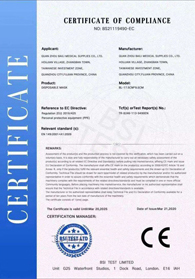
🏆 Industry Certifications & Compliance



🏭 Production Capacity & Infrastructure
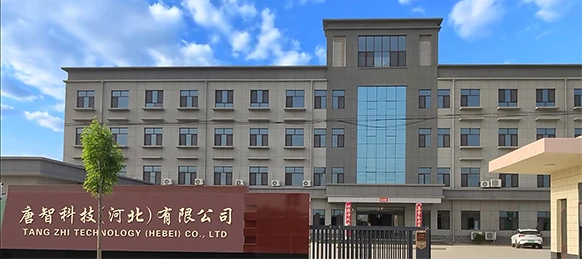
- 📍 Location: Jinzhou, Hebei, China (heart of China’s chemical industry)
- 🏗️ Facility Size: 140,000 m² total, 90,000 m² built area
- 🏭 Production Lines: 5 automatic PCE lines + 3 R&D pilot lines
- 📦 Annual Capacity: 40,000+ tons of PCE
- ⚙️ Equipment: World-class reactors, automated dosing systems, real-time monitoring
- 🔬 R&D Team: 12 PhD chemists + 8 process engineers
📊 Supply Chain & Logistics Advantages
| Advantage | Details | Benefit to You |
|---|---|---|
| Proximity to Raw Materials | Located in Jinzhou’s chemical hub—direct access to acrylic acid, polyether, and catalysts | ↓ Lead times, ↓ costs |
| Bulk Shipping Capabilities | 20MT tankers, 5MT mini-bulk, 1MT drums | Flexible order sizes, bulk discounts |
| Just-in-Time Delivery | Shipments synchronized with your production schedule | ↓ Inventory costs, ↑ cash flow |
| Global Distribution Network | Warehouses in Rotterdam, Houston, and Singapore | Faster delivery to Europe, USA, and Asia-Pacific |
| Dedicated Logistics Partners | COA, Maersk, and China Railway Express for seamless transport | Reliable, on-time shipments |
🏅 Success Stories from Real Clients

Infrastructure Conglomerate
"Tangzhi’s PCE reduced our cement content by 18% while maintaining 50 MPa strength. Their technical team visited our site twice to optimize the mix. No other supplier offered that level of support. "
— Budi Santoso, Technical Director

Cement & Concrete Producer
"We tested three PCE suppliers before choosing Tangzhi. Their consistency was unmatched—batch-to-batch variance was <1%. Delivery was 3 days early, which saved us a critical pour. "
— Maria Santos, Plant Manager

Building Materials Giant
"Tangzhi’s low-chloride PCE helped us win a $12M government tender for a dam project. Their documentation (CE, ASTM) was flawless. Other bidders couldn’t compete on compliance. "
— Karim El Fassi, Project Engineer

Admixture Formulator
"We co-developed a custom PCE with Tangzhi for our self-compacting concrete. Their R&D team worked nights to meet our tight deadline. Result: 30% faster pours and zero defects. "
— Andi Wijaya, R&D Manager

Cement Producer
"In the Middle East’s extreme heat, Tangzhi’s PCE kept our concrete workable for 2.5 hours. Their bulk delivery saved us $45K/year in freight. No other supplier could match that. "
— Faisal Al-Mansoori, Procurement Manager
🤝 Our Seamless Collaboration Process: From Inquiry to Delivery
We’ve streamlined our process to make it effortless for you. Here’s how it works:
Timeline: 14-21 days from inquiry to first delivery (vs. 4-6 weeks for competitors).
📞 Step 1: Inquiry & Requirements Gathering
- 📄 What we need from you:
- Project specifications (strength, slump, set time)
- Cement type (e.g., CEM I, CEM II)
- Environmental conditions (temperature, humidity)
- Certification requirements (ASTM, EN, GB)
- Quantity & delivery timeline
- 💡 What you get from us: A customized proposal within 24 hours (including cost, lead time, and technical data).
- 🚀 Optional: Free sample (500g-1kg) for lab testing.
🔬 Step 2: Custom Formulation Development
Our R&D team:
- Analyzes your cement chemistry
- Designs the optimal PCE structure (side chain length, molecular weight)
- Tests compatibility with additives (silica fume, fly ash, etc.)
- Optimizes for your specific performance goals (e.g., early strength, freeze-thaw resistance)
📋 Step 3: Prototype Testing & Validation
We produce a small batch (1-5kg) for your lab testing. Our team provides:
- 📊 Test Data: Compressive strength, slump retention, chloride content, and set time results.
- 📝 Mix Design Recommendations: Dosage rates and blending instructions.
- 🔄 Iterative Adjustments: If needed, we refine the formula—free of charge.
💡 Pro Tip: For critical projects, we recommend onsite pilot testing (we’ll send a technician to assist).
🏭 Step 4: Production & Quality Control
- 🏗️ Scaling Up: We move from lab to full-scale production with real-time monitoring (pH, viscosity, solid content).