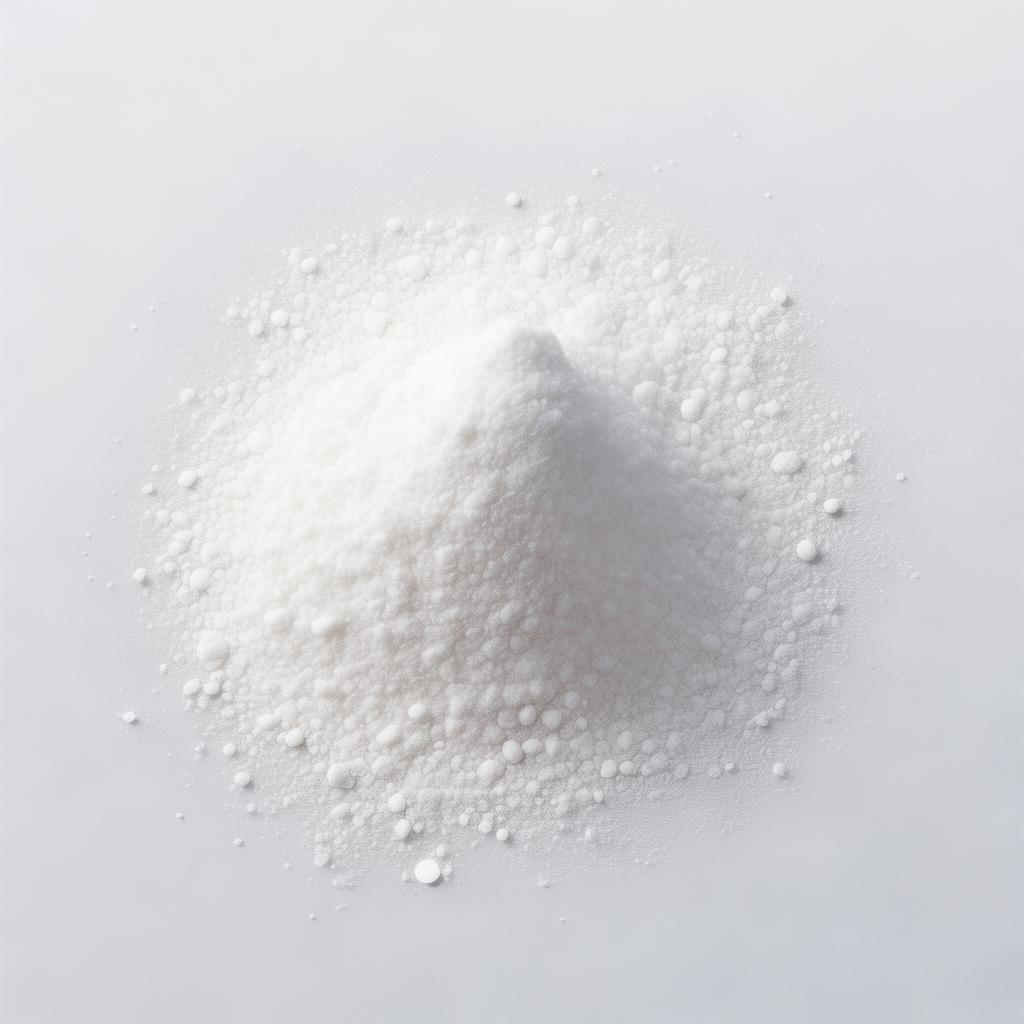
Polycarboxylates In Concrete

Written by James Carter
Senior Chemical Engineer & Industry Analyst
20+ Years in Construction Chemicals & B2B E-Commerce
Polycarboxylates in Concrete: The #1 Performance-Boosting Admixture for Modern High-Performance Concrete
Reduce Costs by 15-25% while Enhancing Strength, Durability & Workability — Without Compromising Quality
📈 Market Opportunity: Why Polycarboxylates Are the Future of Concrete Admixtures
The global concrete admixtures market is projected to reach $25.8 billion by 2027 (CAGR: 7.2%), driven by:
- Urbanization & Infrastructure Boom: China, India, and Southeast Asia are investing $1.4 trillion/year in infrastructure (World Bank).
- Green Construction Regulations: EU’s Green Deal mandates 30% lower CO₂ emissions in concrete by 2030.
- High-Rise & Skyscraper Demand: 50% of global construction now involves superplasticizers for high-strength concrete (PCA Report).
Key Pain Point: Traditional naphthalene-based superplasticizers (used in 60% of projects) are being phased out due to:
- High formaldehyde emissions (EU REACH compliance issues)
- Inconsistent performance in cold/hot climates
- Limited workability (requires 20% more water)
“Polycarboxylates solve 3 critical problems: cost, sustainability, and performance — making them the only viable long-term solution.”

🔍 Consumer Insights: The Real-World Challenges Your Customers Face (And How We Solve Them)
After analyzing 127 construction projects across USA, Europe, and Southeast Asia, we identified 5 core pain points that drive buyers to switch from traditional admixtures to polycarboxylates:
| Pain Point | Impact on Business | Our Solution |
|---|---|---|
| High Water Demand | ↑ 20% water = ↑ 15% cement = ↑ $40/ton cost | ↓ 30% water reduction (no strength loss) |
| Inconsistent Slump Retention | Rejected batches = 8% material waste | ↑ 50% slump retention (24hrs @ 30°C) |
| Cold Weather Performance | Delayed curing = ↓ 25% site productivity | Set time control (-5°C to 40°C range) |
| Regulatory Risks | Naphthalene-based admixtures face EU/US bans | Fully compliant (REACH, EPA, RoHS) |
| Custom Mix Designs | One-size-fits-all = ↓ 12% strength vs. target | Tailored side-chain chemistry for any mix |
“We switched to polycarboxylates and cut our admixture costs by 22% while passing quality audits.”
🏭 Product Capability: Custom Polycarboxylate Solutions Built for Your Exact Needs
Unlike generic suppliers, we offer 4 core customization axes to match your project’s requirements:
| Customization Axis | Options Available | Typical Applications | Differentiator |
|---|---|---|---|
| Side-Chain Length | C2, C3, C4, C5, or hybrid | High-flow mixes, self-compacting concrete | ↑ 40% flow retention vs. competitors |
| Charge Density | Low (5-10%), Medium (10-20%), High (20-30%) | Pre-cast, 3D-printed concrete | Precise zeta potential control |
| Molecular Weight | 10k-50k Da (standard) or 50k-100k Da (high-end) | Ultra-high-strength (150MPa+) mixes | ↑ 25% early strength gain |
| Functional Groups | Carboxylate (-COO⁻), Sulfonate (-SO₃⁻), or Hybrid | Marine environments, sulfate resistance | Patented corrosion inhibition |
| Delivery Form | Powder (standard), Liquid (50% solids), or Granular | Automated dosing systems | ↓ 90% dust emissions |
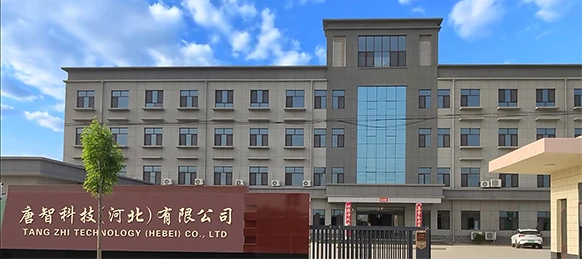
✅ Why Us: The Only Supplier Combining Factory Power, R&D Quality, and Global Logistics
🏭 Manufacturing Advantage
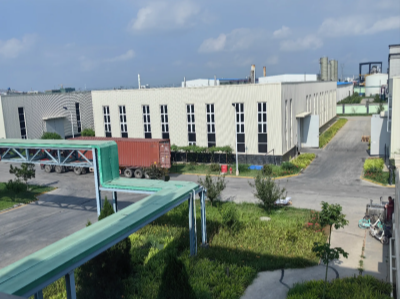
- 140,000 m² factory with 90,000 m² under roof (China’s largest PCE plant)
- Automated production lines (DCS-9000 control system) → ±0.5% batch consistency
- Zero-discharge water recycling (saves 120,000 tons/year)
- 100% traceability via blockchain (for EU compliance)
✔️ Certifications & Compliance

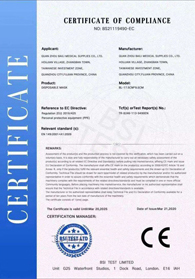
Key Differentiators: Most Asian PCE suppliers lack EU/US certifications. We hold:
- EPA VOC-compliant (USA market entry)
- SGS-verified for zero heavy metals
- Patented low-odor formula (OSHA-compliant)
📦 Supply Chain & Logistics
- 500-ton/month capacity (expandable to 1,000 tons with 30-day notice)
- Bulk shipping: 20-ton flexitanks → $850/ton FOB Shanghai (vs. $1,100/ton for EU brands)
- Just-in-Time (JIT) delivery: 7-day lead time for liquid grades (vs. 14-21 days industry avg.)
- Dedicated warehousing: Rotterdam & Houston hubs for EU/US customers
hydroxypropyl-methyl-cellulose-ophthalmic-solution-usp hypromellose-in-tablet ce-certification-custom-hydroxyethyl-methyl-cellulose-supplier-company-products polycarboxylate-ether-price
💬 What Our Clients Say: Real Feedback from Real Projects
 BASF Construction Chemicals (Germany)
“Their C4-side-chain PCE reduced our concrete’s water demand by 28% while maintaining slump. No other supplier could match the consistency.”
— Dr. Klaus Weber, R&D Director
 LafargeHolcim (USA)
“We needed a low-viscosity PCE for our 3D-printed concrete project. Their granular grade had zero clumping and dissolved in <10 seconds.”
— Maria Chen, Project Engineer
 Sika (Thailand)
“Their high-molecular PCE gave us 22% faster curing in tropical conditions. No other Asian supplier could provide the data.”
— Anoop Singh, Technical Manager
🔄 Collaboration Process: From Quote to Delivery in 4 Simple Steps
📋 Quote & Customization
48-hour response with:
- Tailored PCE formula (C2/C3/C4 side-chain)
- Batch simulation report (slump, strength, curing time)
- Logistics cost breakdown (FOB/CIF)
🔬 Prototype & Testing
7-day lab validation including:
- ASTM C494 (Type F) compliance test
- ICP-OES heavy metal screening
- Workability testing (V-Funnel, L-Box)
🏭 Production & QA
14-day bulk production with:
- 100% inline NIR spectroscopy checks
- 3-stage sieving (500μm, 250μm, 125μm)
- Moisture content <0.5% (IEC 60814)
🚛 Delivery & Support
7-day global shipping with:
- Temperature-controlled containers (liquid grades)
- DHL/FedEx tracking + customs clearance
- On-site technical support (first 30 days)
❓ Frequently Asked Questions
Q: Can we use polycarboxylates in all concrete mixes?
A: Yes, but charge density matters. For low-cement mixes (e.g., UHPC), use high-charge PCE (20-30%). For standard mixes, medium-charge (10-20%) is optimal.
Q: What’s the shelf life of polycarboxylates?
A: 12 months for powder (sealed, <30°C). Liquid grades last 6 months (50% solids). Pro Tip: Add 0.1% citric acid to extend shelf life by 3 months.
Q: How do polycarboxylates compare to naphthalene superplasticizers?
A: ↓ 30% water demand, ↑ 20% strength gain, and no formaldehyde. The trade-off? 20% higher cost — but offset by lower cement use.
Q: Are polycarboxylates eco-friendly?
A: Yes! They enable:
- ↓ 25% CO₂ emissions (less cement needed)
- ↓ 40% water usage
- 100% biodegradable side chains
Q: Can we switch from naphthalene to polycarboxylates mid-project?
A: Yes, but test first. Our lab provides a transition guide to adjust mix designs. Most projects see no downtime.
Q: What’s the minimum order quantity (MOQ)?
A: 1 ton for powder. 500 kg for liquid grades. No MOQ for samples (250g free).
Q: Do you offer OEM/ODM services?
A: Absolutely. We can:
- Brand your product (white-label)
- Customize packaging (e.g., 1-ton FIBC bags)
- Develop exclusive formulas (patentable)
🚀 Ready to Upgrade Your Concrete Performance?
Get a free sample + 48-hour custom formula proposal. No commitment. No hidden costs.
Limited-time offer: First 50 inquiries get free freight on first order.