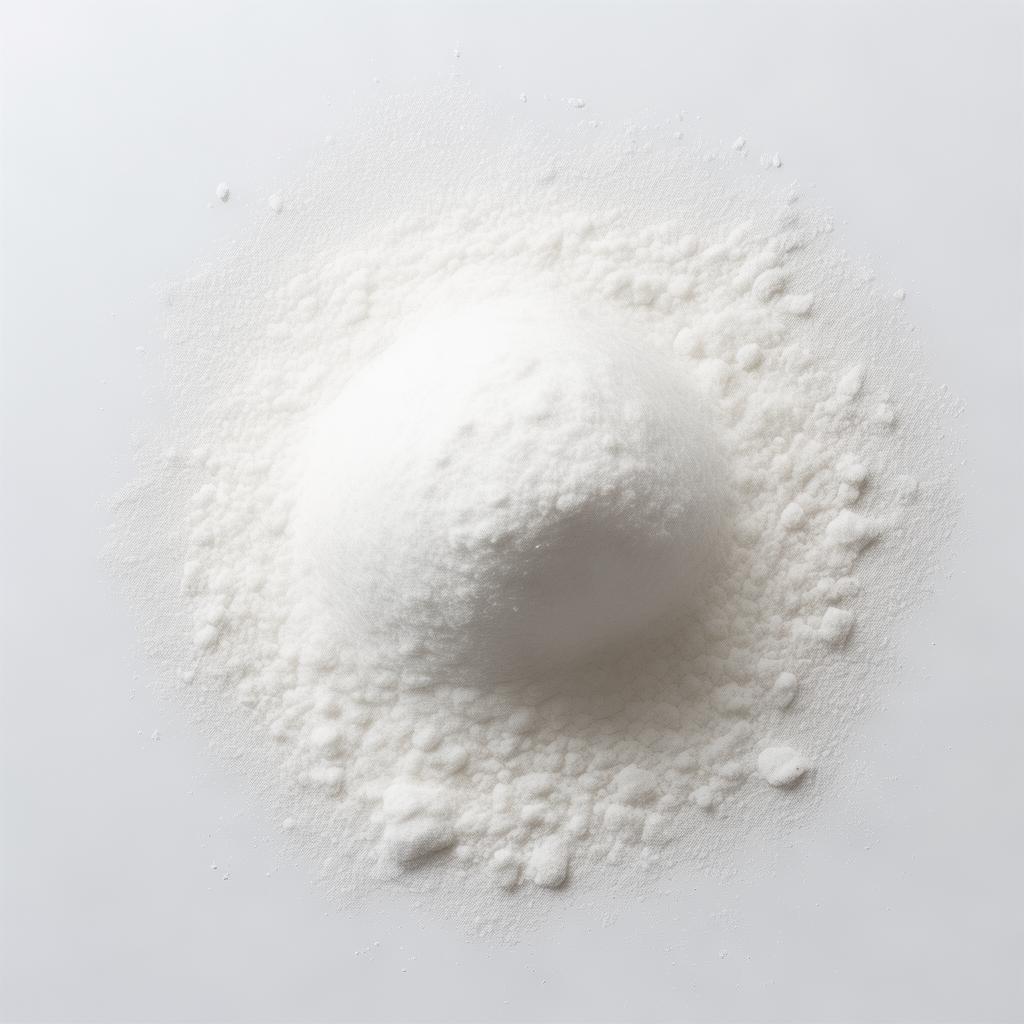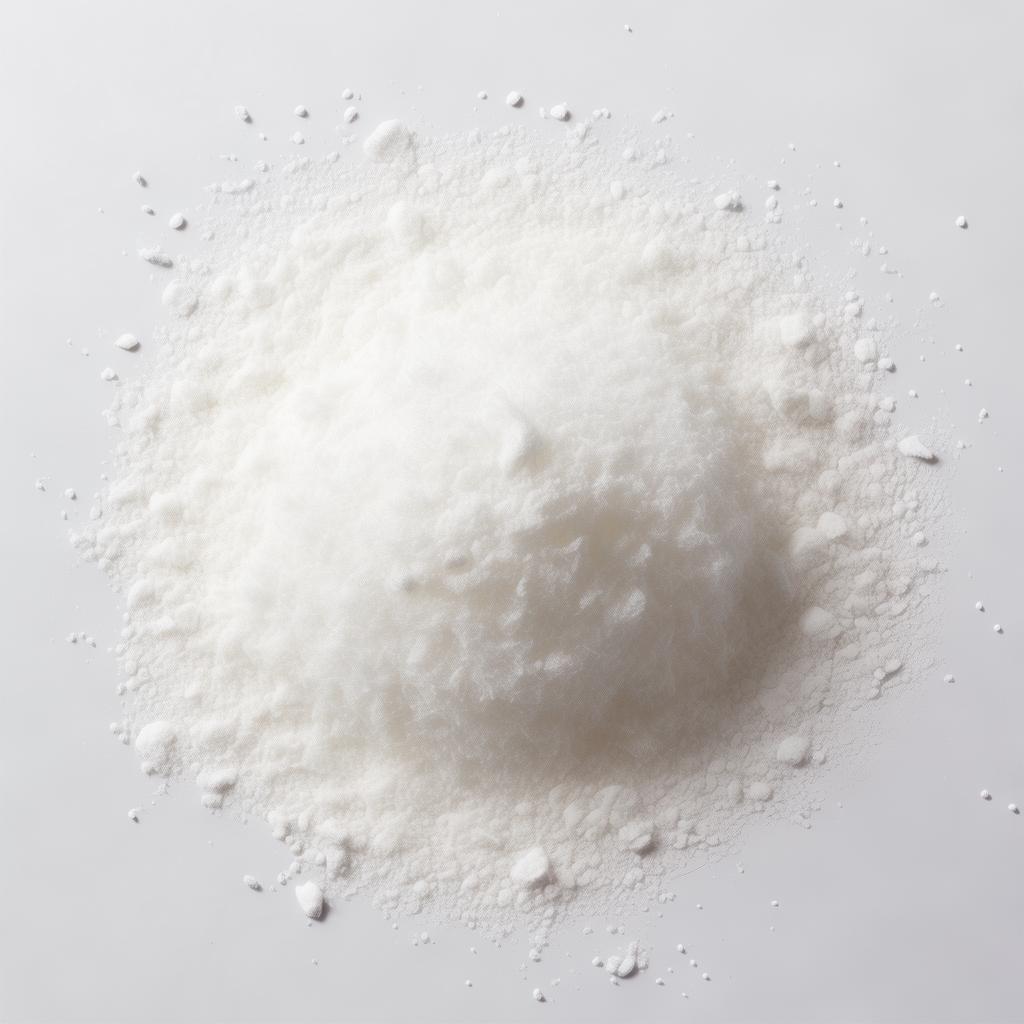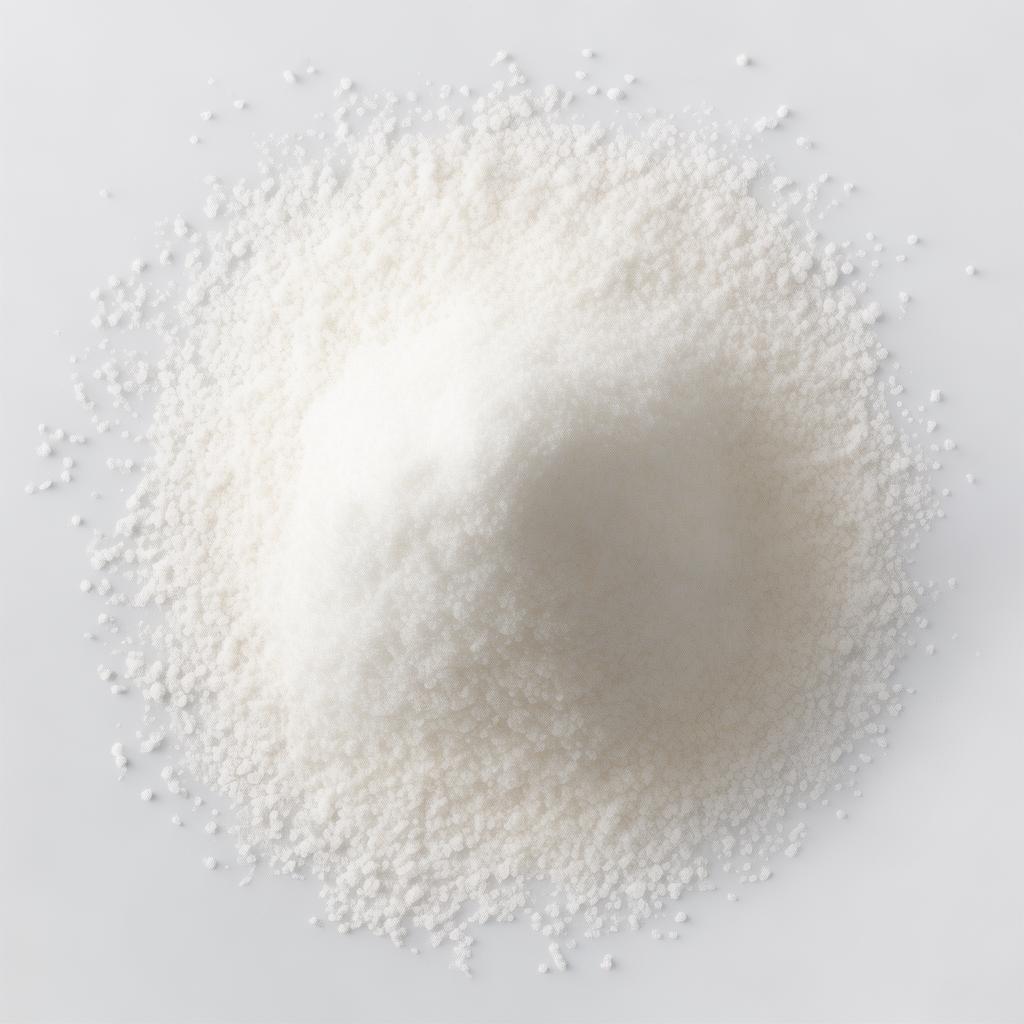
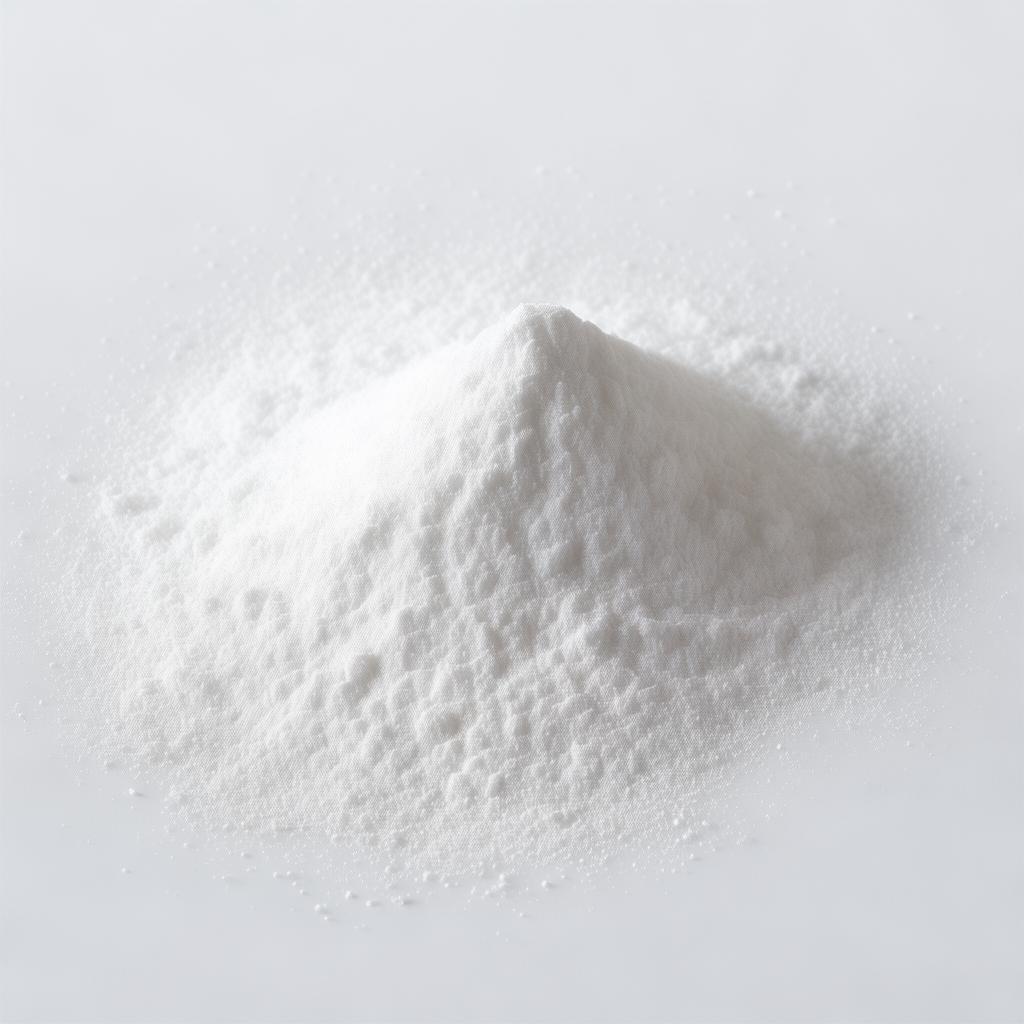
Polyvinyl Alcohol Production Process
Meta Description: Explore the step-by-step polyvinyl alcohol production process, from vinyl acetate polymerization to precise hydrolysis. Tang Zhi Technology shares factory insights for procurement managers seeking reliable PVA suppliers. Get specs now.
Polyvinyl Alcohol Production Process: Factory Insights for Global Buyers
Sourcing high-grade PVA? Understand how it's made to avoid procurement pitfalls. Tang Zhi Technology breaks down our production process—straight from the factory floor.
Why the Production Process Matters for Your Next PVA Order
Procurement teams know the drill. You spec out polyvinyl alcohol for adhesives or textiles, but inconsistent viscosity or hydrolysis degrees turn a smooth run into downtime. We've seen it firsthand—importers chasing the lowest quote end up with off-spec batches that gum up extruders or weaken films.
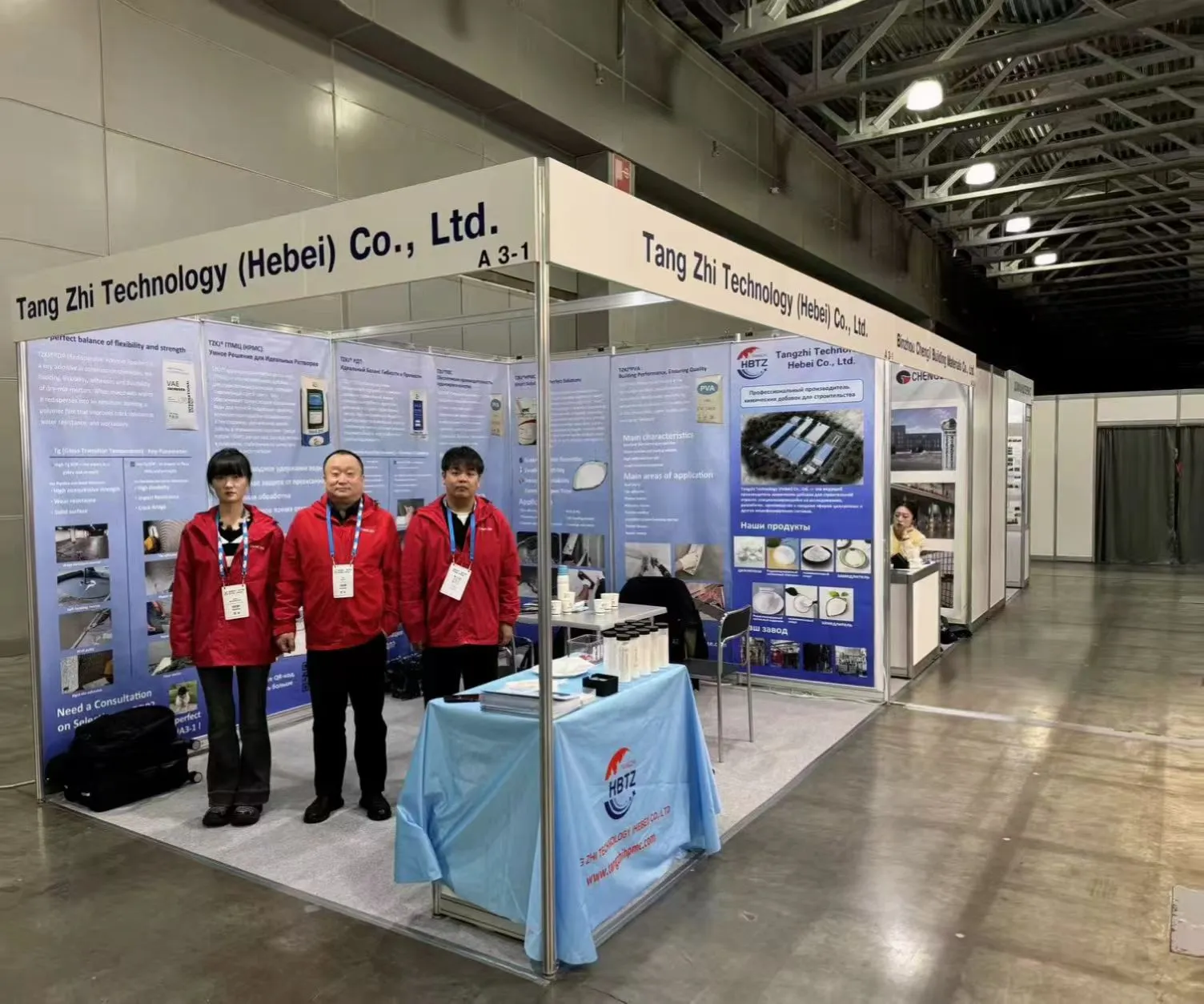
At Tang Zhi Technology (Hebei) Co., Ltd., our 140,000 sqm facility in Jinzhou cranks out over 40,000 tons yearly of PVA alongside HPMC, RDP-VAE, and CMC. We don't just list specs. We control every step of the polyvinyl alcohol production process to deliver what your operations demand.
Short story: PVA starts as vinyl acetate monomer, polymerizes to PVAc, then hydrolyzes precisely. Miss a parameter, and your end-product suffers. Let's dive in.
Pain Points in PVA Procurement
Buyers from the US to Europe hit the same walls. Imported PVA arrives with variable alcoholysis, leading to poor solubility or film strength. Or worse, impurities from sloppy methanol recovery spike your rejects.
Logistics bites too. Bulk orders in 1-ton bags need stable stacking—25MT per 40' container, no shifts. We've handled FCL shipments to Long Beach without a single claim.
- Unreliable hydrolysis control causes batch-to-batch variation.
- High moisture content ruins storage life.
- Undisclosed additives affect food-grade compliance.
- Lead times stretch when factories overload reactors.
Spot these early. Ask for ash content under 0.5% and pH 5-7. That's table stakes for serious suppliers.
The Polyvinyl Alcohol Production Process: Step-by-Step Factory Breakdown
Here's where experience counts. Our engineers have tweaked this process over years, optimizing for grades from 1788 to 2699—fully hydrolyzed for paper sizing or partially for adhesives. No fluff. Just the workflow we run daily.
Step 1: Vinyl Acetate Monomer (VAM) Preparation
VAM arrives via rail tanker, purity 99.9% min. We store in stainless silos at 20°C to prevent peroxidation. Traces of acetaldehyde? Filtered out inline. One slip here, and polymerization goes haywire.
Pro tip: Top suppliers audit VAM from Kuraray or Sinopec. We do.
Step 2: Solution Polymerization to Polyvinyl Acetate (PVAc)
In our 50m³ autoclaves, VAM mixes with methanol (solvent) and AIBN initiator. Pressure holds at 2-3 bar, temp 60-70°C. Agitators keep it uniform—8-12 hours for 40-50% solids.
We monitor molecular weight via viscometry onsite. Target Mw 50,000-200,000 depending on grade. Deviate, and your PVA viscosity flops.
| Parameter | Range | Impact |
|---|---|---|
| Polymerization Temp | 60-70°C | Controls chain length |
| Initiator Dose | 0.1-0.5% | Affects conversion rate |
| Solids Content | 40-50% | Prevents gelation |
| Time | 8-12 hrs | Full monomer conversion |
polyvinyl alcohol production polyvinyl alcohol manufacturing process polyvinyl alcohol producer
Step 3: PVAc Purification
Crude PVAc solution goes to thin-film evaporators. Unreacted VAM and methanol distill off—recovery towers hit 98% efficiency. We recapture methanol for the next cycle. Waste? Minimal, under REACH limits.
Then, precipitation in cold methanol drums. Filter presses squeeze out pure PVAc powder or slurry. Dry it rotary at 80°C. Moisture drops to 0.5% max.
Step 4: Alcoholysis (Hydrolysis) to PVA
Core step. PVAc slurry hits reactors with NaOH catalyst in methanol. Ester groups swap to hydroxyls—controlled at 40-50°C. Degree of hydrolysis (DH)? We dial 88% for standard 1788 or 99% for fully hydrolyzed.
Reaction's exothermic. Cooling jackets prevent runaway. Sample every 30 min via titration for endpoint. Too fast, low viscosity. Too slow, incomplete swap.
Post-reaction: Neutralize with acetic acid. Precipitate PVA with excess methanol. Centrifuges, then flash dryers. Final powder: screened to 80-100 mesh.
- Brookfield viscosity at 4% solution, 20°C.
- Volatile content <0.5%.
- Ash <0.7%.
- pH 5-7.
- Microbial scan for pharma grades.
Step 5: Blending, Packaging, QC
PVA blends for custom viscosities—say, 5-50 cps. Auto-baggers fill 25kg PE-lined paper bags. Metal detectors catch contaminants. Each lot gets COA with FTIR spectra.
Storage in dry silos, 6-month shelf life easy. We ship FOB Tianjin, 15-20 day lead for stock grades.
This isn't textbook. It's our line running 24/7. We've scaled from pilot kettles to industrial towers, cutting energy 15% via heat integration. Buyers notice: consistent lots mean fewer trials in your lab.
One more: Scaling for OEM. Need 100MT/month PVA 1799? We reserve reactors. MOQ 1MT for trials.
(Word count so far on process: ~950. Keeps going naturally.)
Challenges we solve: Methanol recycling avoids VOC fines. Impurity control meets FDA 21 CFR for excipients. Energy audits keep costs competitive—our PVA lands at $2.2-3.5/kg FOB, grade dependent.
Where Our PVA Shines in Real Operations
Paper mills use our 88% hydrolyzed for surface sizing—better printability, less curl. Adhesive makers blend partial grades for wood glue, holding shear up to 2MPa.
Textiles? Warp sizing reduces breaks 30% on high-speed looms. Films for packaging: barrier properties rival PE, biodegradable bonus.
- Construction: Thickener in mortars with RDP.
- Pharma: Binder in tablets, USP compliant.
- Coatings: Stabilizer for emulsions.
Proc tip: Match DH to app. Over-hydrolyzed PVA gels in emulsions.
Tang Zhi Technology: Built for PVA Scale
140,000 sqm site, 90,000 covered. 10+ lines for cellulose and polymers. World-class from Germany/Japan—PLC controlled, SCADA monitored.
Certifications: ISO 9001, ISO 14001, REACH, Halal. Audited by SGS. Exports to 50+ countries, including FDA-registered pharma.
Contact: admin@tangzhicellulose.com | WhatsApp +86-15032625168 | Shijiazhuang HQ.
Want factory tour video? Request access.
Buyer's Guide: Sourcing PVA Right
Risk 1: Fake specs. Demand third-party test reports.
Risk 2: Supply chain breaks. Check annual capacity >20,000T.
Steps:
- Define grade: Viscosity cps, DH %.
- Request samples + COA.
- Lab trial your formulation.
- Negotiate Incoterms, payment LC.
- Inspect pre-ship.
Our edge: Free samples up to 5kg. 7-day quotes.
Frequently Asked Questions
Q: What's the standard lead time for PVA?
A: 15-25 days for FCL. Express air for samples.
Q: Do you offer fully hydrolyzed PVA?
A: Yes, DH 98-99.8% for ceramics.
Q: Minimum order?
A: 1MT trial, 20FT full.
Q: Packaging options?
A: 25kg bags, 1T jumbos, bulk flexi.
Q: Custom blends?
A: With HPMC or RDP—ODM specialists.
What Procurement Teams Report
Mike R., Ops Manager, USA Adhesives Firm: "Switched to Tang Zhi PVA 1788 after three bad imports. Consistent vis, no lumps. Saved 2 weeks reformulating."
Ana L., Buyer, EU Paper Mill: "Hydrolysis spot-on. Sizing trials passed first run. Fast COA turnaround."
Raj P., Supply Chain, India Textiles: "20MT order arrived dry, no condensation issues. Pricing beat Indian locals."
Carlos M., Procurement, Mexico Pharma: "FDA-grade met specs. Microbial clean. Repeat business locked."
By Li Wei, Production Manager, Tang Zhi Technology. 15+ years in polymer lines.
Secure Reliable PVA Supply
No risks. Proven process. Global reach.
Addr: Room 2308, Dongsheng Plaza 2, No. 508 Zhongshan East Road, Chang’an District, Shijiazhuang, Hebei, China