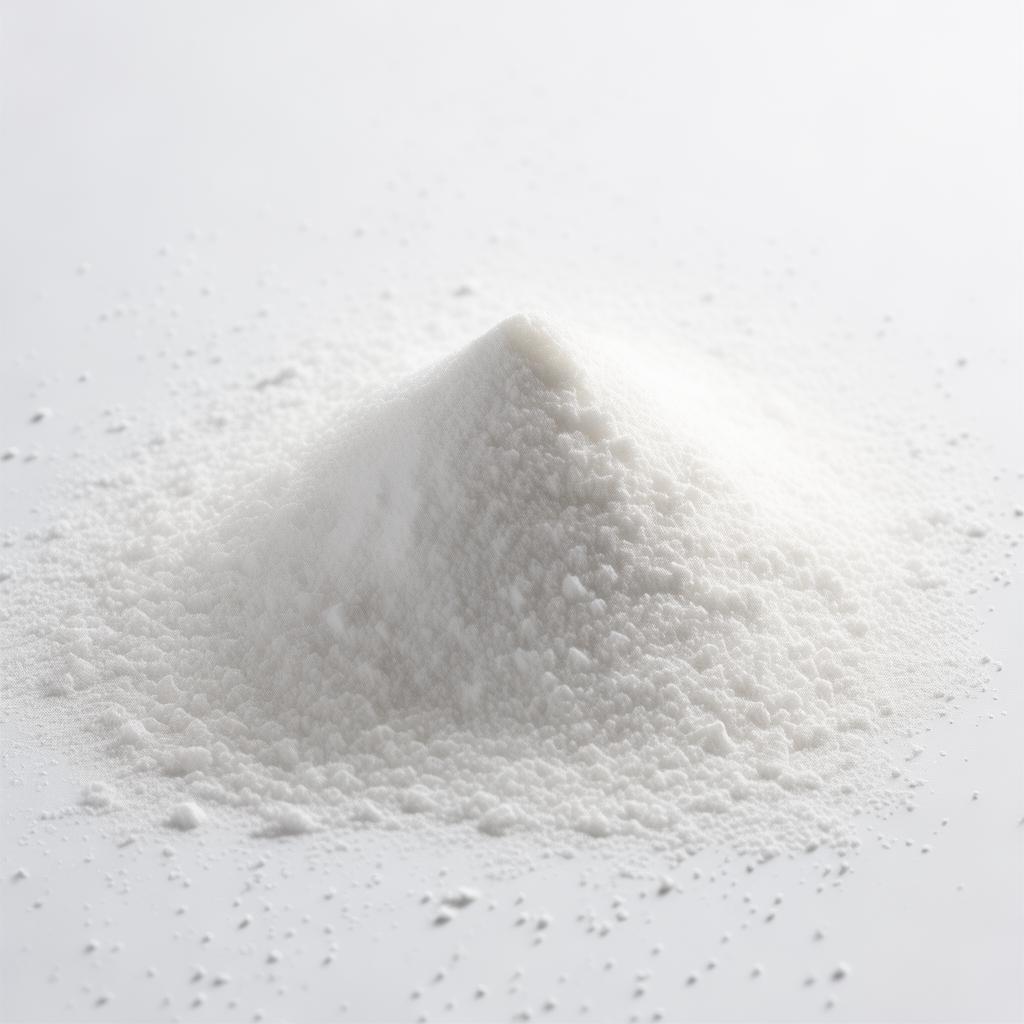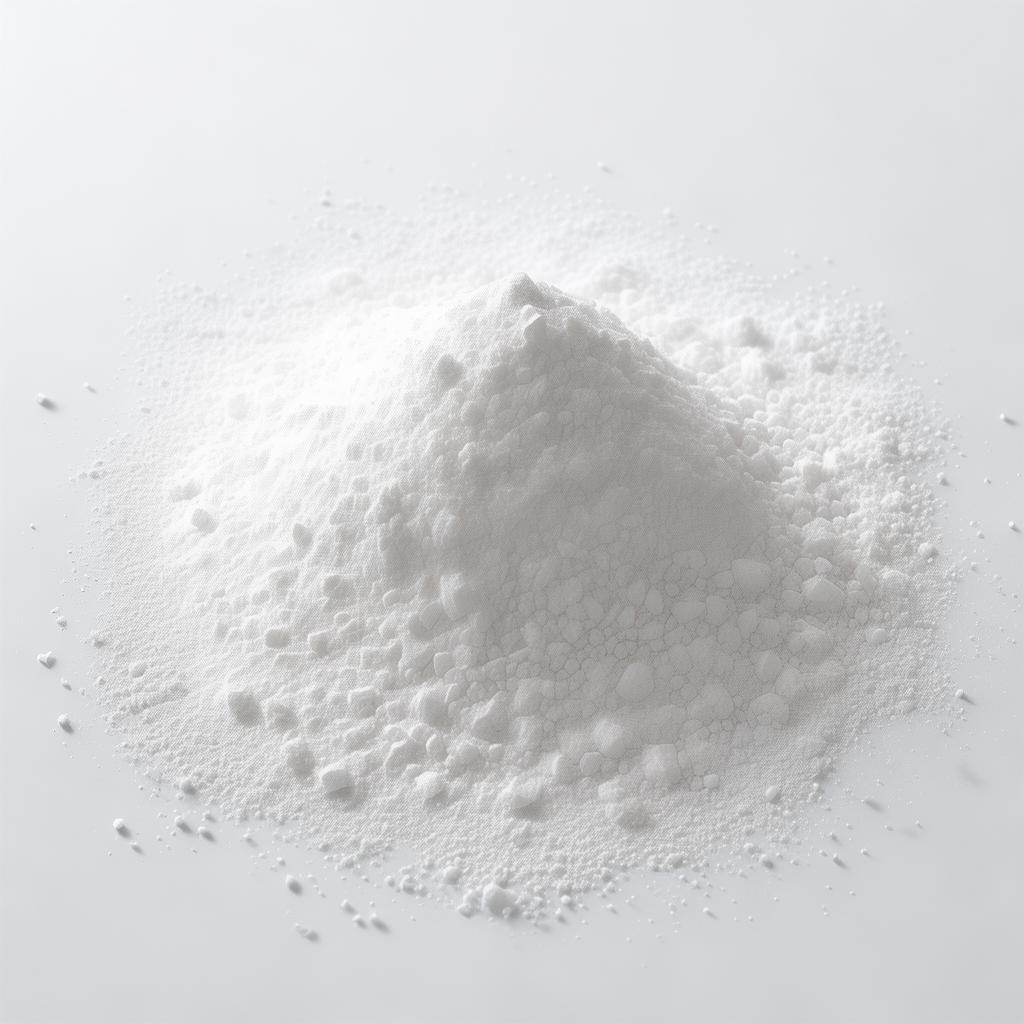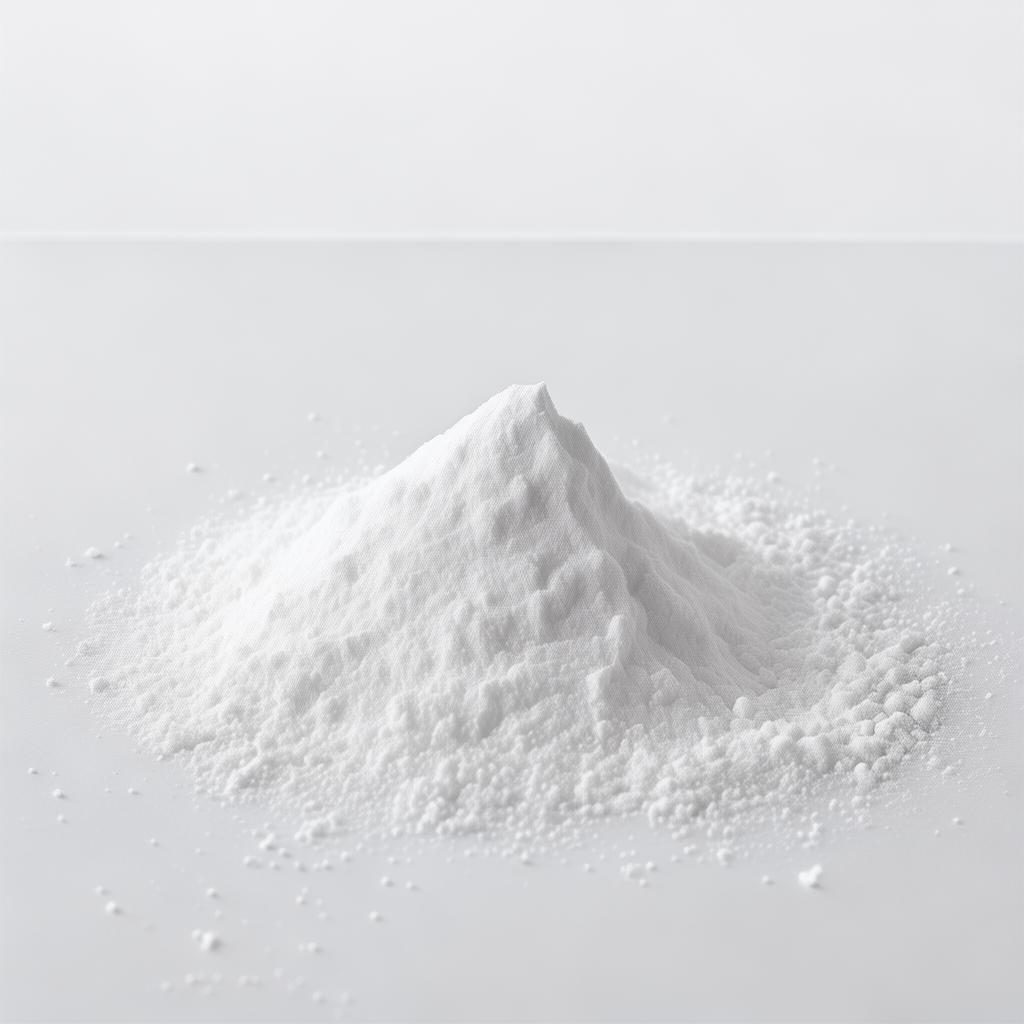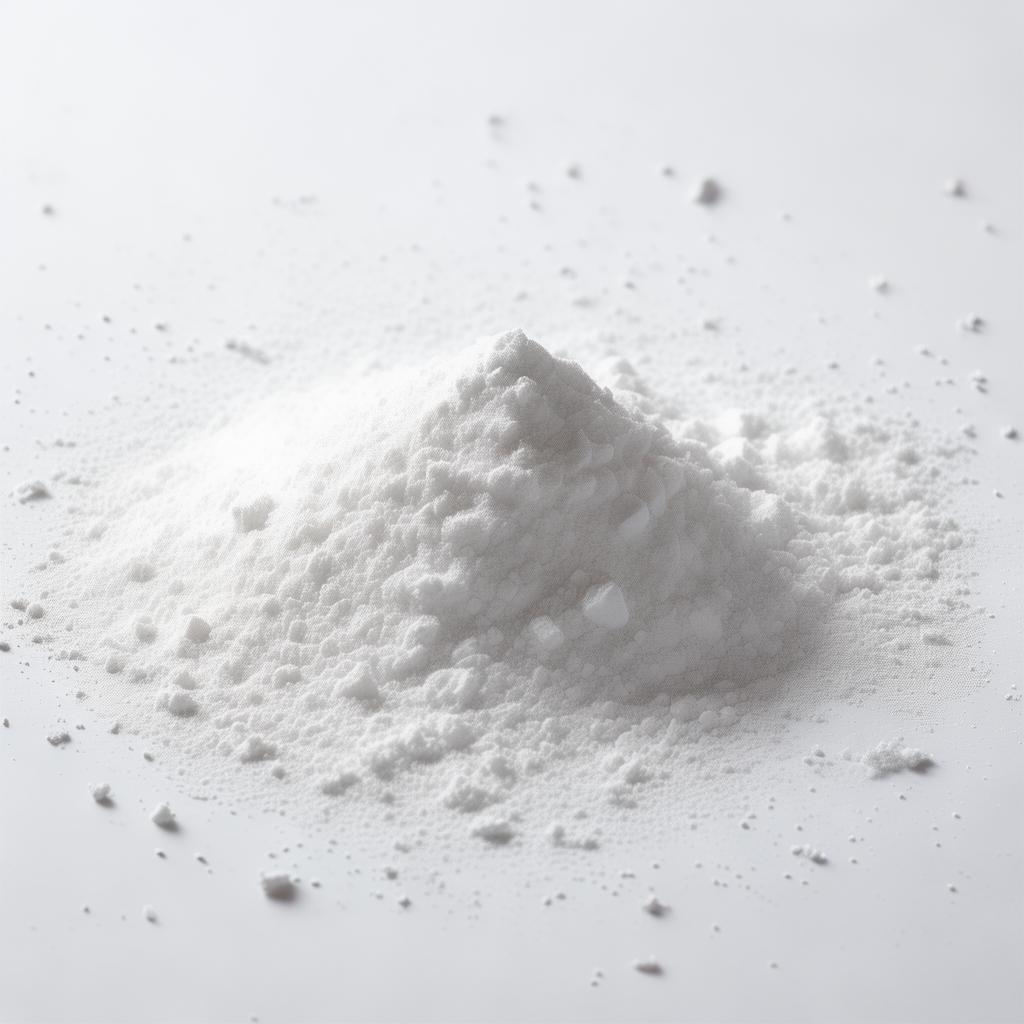
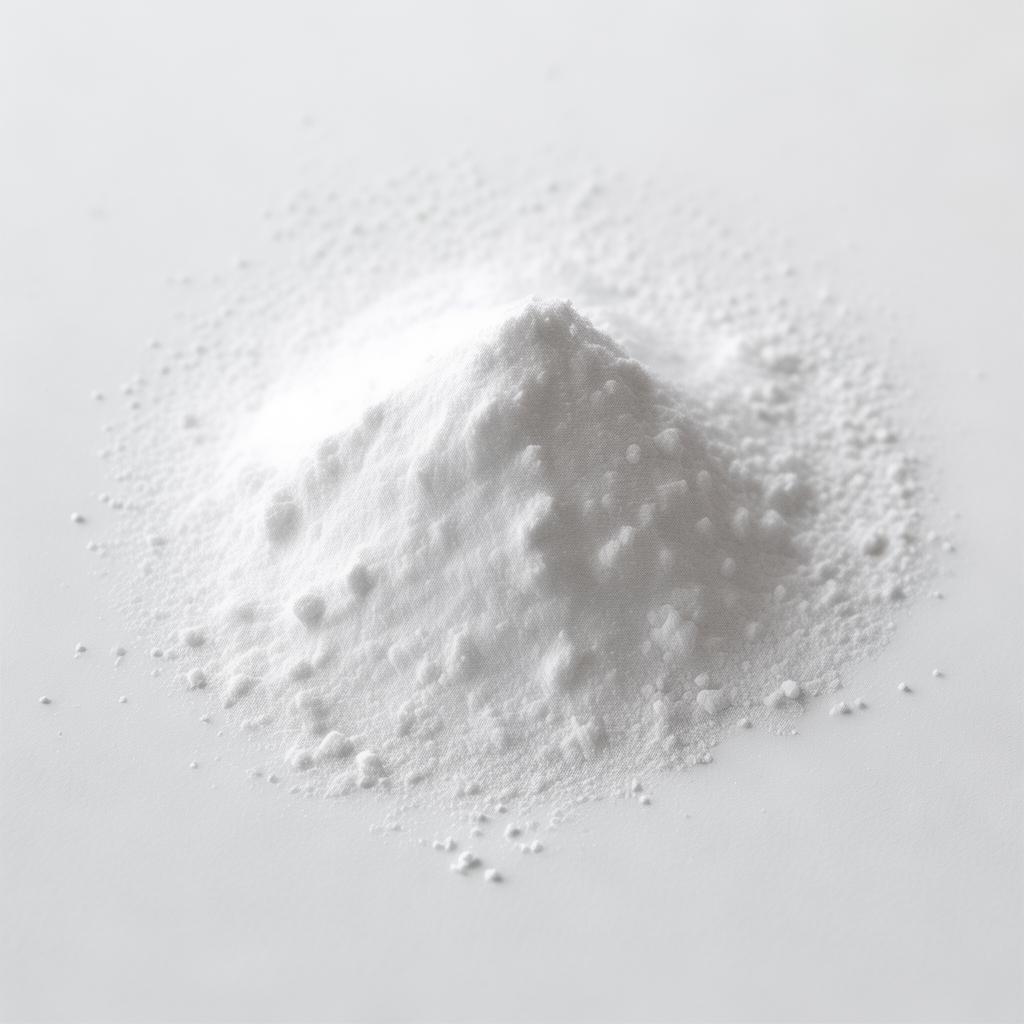
Polyvinyl Alcohol Solubility In Water
Polyvinyl Alcohol Solubility in Water: What Industrial Buyers Need to Know
Dealing with polyvinyl alcohol solubility in water comes up all the time in our factory chats with procurement teams. You're probably here because a formulation isn't dissolving right, or you're scaling up production and need reliable PVA grades that hit solubility targets without headaches. We've shipped tons of PVA to the US and Europe over the years, and solubility issues top the list of early calls from buyers.
Polyvinyl alcohol, or PVA as we call it around the plant, isn't your straightforward water-soluble polymer. Its solubility hinges on a few key variables—degree of hydrolysis, molecular weight, temperature, even pH in some mixes. Get these wrong, and you're stirring endlessly or dealing with gels that clog equipment. I've seen operations managers waste days testing off-spec lots because they overlooked hydrolysis levels.
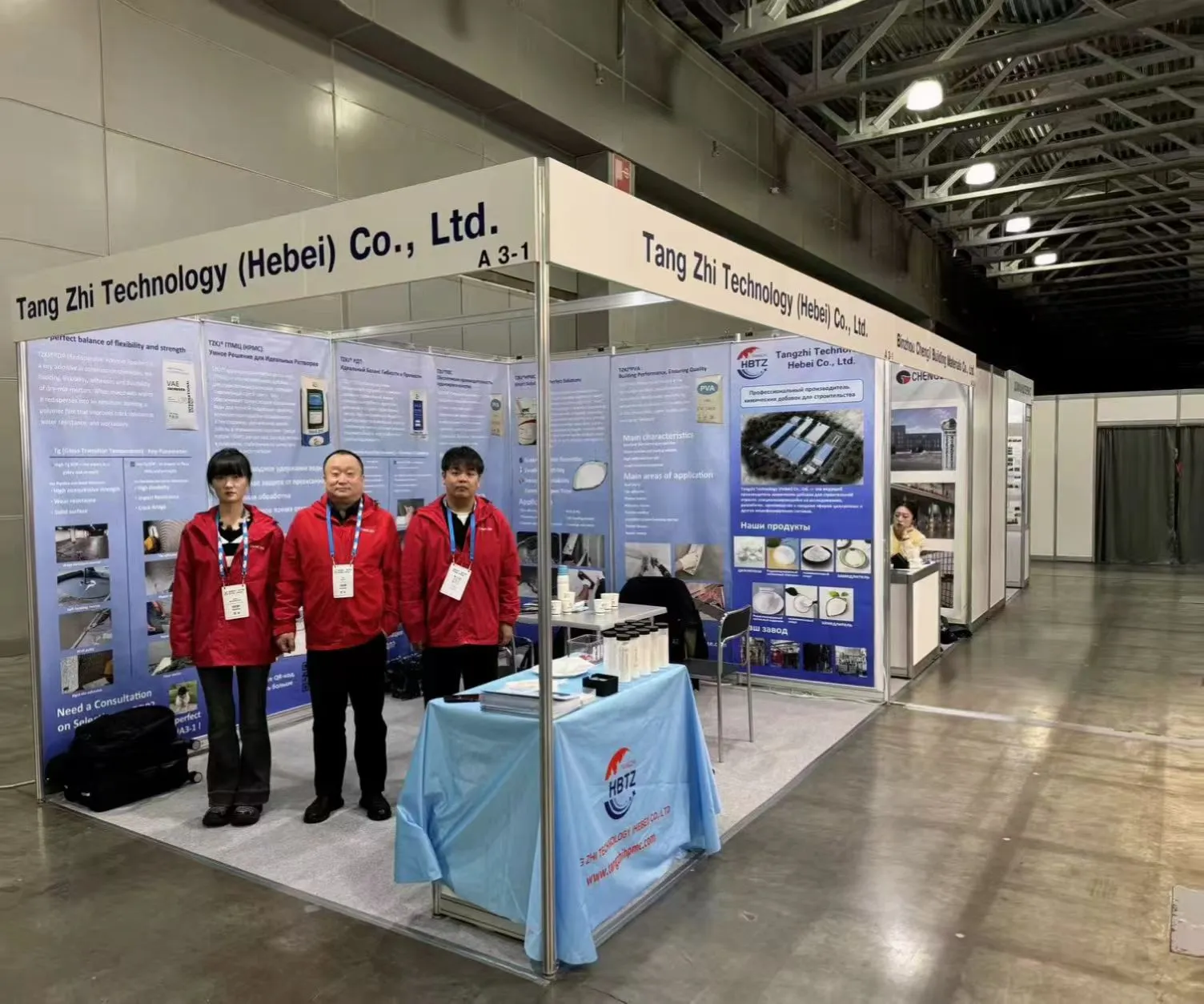
At Tang Zhi Technology (Hebei) Co., Ltd., we produce PVA alongside our HPMC and RDP lines in Jinzhou. Our 140,000 sqm facility runs automated lines pushing 40,000 tons annually. We know solubility isn't just lab data; it's what keeps your adhesive lines running or your textile sizing consistent. Let's break it down practically, from the science to the sourcing decisions that matter.
Table of Contents
- 1. Factors Affecting PVA Water Solubility
- 2. Solubility Data at a Glance
- 3. Real-World Applications Relying on PVA Solubility
- 4. Procurement Guide: Selecting Soluble PVA Grades
- 5. Why Tang Zhi PVA Delivers Consistent Solubility
- 6. Shipping and Handling Insights
- 7. Buyer FAQs on PVA Solubility
- 8. What Procurement Teams Say
Technical Deep Dive: Why PVA Solubility Varies in Water
Start with the basics. PVA comes from hydrolyzing polyvinyl acetate. That hydrolysis degree—typically 88% for partially hydrolyzed up to 99%+ for fully hydrolyzed—dictates everything. Lower hydrolysis (like 88 mol%) means more acetate groups hanging around, making it soluble in cold water, even at room temp. Push to 98-99%, and those residual acetates vanish; now you're looking at hot water solubility, often 80-90°C to fully dissolve without lumps.
Molecular weight plays gatekeeper too. Low MW PVA (20,000-50,000) dissolves faster, clearer solutions. High MW (100,000+) builds viscosity quick, great for thickeners but tricky if you need quick dissolution. Temperature? Obvious, but critical. At 20°C, partial PVA goes in smooth; full hydrolysis grades sit there undissolved until you heat up.
pH matters in practice. Neutral to slightly alkaline water works best—avoid acids that can cause precipitation. We've had US buyers report clumping from hard water; softening or adding dispersants fixes it. Agitation speed counts during mixing; slow stir for high MW to prevent fish eyes.
Here's a quick observation from the floor: In summer runs, higher ambient temps cut dissolution time by 20-30% on partial grades. Winter? Plan for preheat. Not rocket science, but overlooked in RFQs.
Salts and organics shift things. Sodium chloride drops solubility above 10%; alcohols boost it. For your formulations—adhesives, emulsions—test small batches. Our lab runs these routinely for OEM clients.
Key Solubility Thresholds
- Partial Hydrolysis (88%): Fully soluble at 5-40°C, clear in 30-60 min.
- Medium (98%): Soluble 60-90°C, needs 1-2 hrs stirring.
- Full (99+%): 90°C+, often 80% solids need boiling water.
- Viscosity Impact: 4% solution at 20°C: 5-50 cps low MW, up to 50,000 cps high.
This isn't theory. Our production logs show rejection rates drop 15% when buyers spec hydrolysis upfront.
PVA Solubility in Water: Data Table
| Hydrolysis Degree | Min Temp (°C) | Dissolution Time (4% sol.) | Typical Viscosity (cps) | Applications |
|---|---|---|---|---|
| 88% | 5 | 30 min | 5-20 | Cold water adhesives, textiles |
| 98% | 60 | 90 min | 20-100 | Paper sizing, films |
| 99+% | 90 | 2 hrs | 50-500 | High-strength binders |
Use this as your quick reference. Data from our in-house testing aligns with ISO standards. Custom grades available—email for full TDS.
Applications Where PVA Water Solubility Drives Performance
In adhesives, solubility means fast mix-ins for PVA emulsions. Wood glue formulators love 88% grades—dissolve at tap water temps, bond strength holds. Textiles? Warp sizing needs even dissolution to avoid streaks; our medium hydrolysis shines here.
Paper industry: Surface sizing for better printability. High temp solubility ensures no undissolved particles messing ink holdout. Construction? We're blending PVA with HPMC for mortars—solubility controls workability time.
One importer last year switched to our PVA for PVA sponges; cold water solubility cut energy costs. Films and coatings too—water-soluble barrier layers for packaging.
Watch for: In high-humidity US warehouses, store below 60% RH or solubility drops from moisture pickup. Simple, but saves claims.
Buyer's Guide: Sourcing PVA with Reliable Solubility
Procurement pros, don't chase rock-bottom price. Check hydrolysis certs first—ask for COA with GPC data. Sample test: 4% solution in your water type. Lead times? Ours 15-25 days to US ports.
Risks: Off-spec hydrolysis leads to batch failures. We've audited suppliers for clients; consistent polymerization matters. OEM? We tailor MW for your viscosity needs.
- Request multi-grade trials.
- Verify REACH compliance for EU.
- Factor FOB vs CIF—container loads optimize at 20MT.
- Avoid summer peaks for faster dissolution testing.
Pro tip: Blend partial and full for hybrid solubility. Talk to our engineers.
Tang Zhi PVA: Factory Strengths for Soluble Performance
Our Jinzhou plant uses continuous hydrolysis reactors—zero batch variation. ISO 9001, REACH registered. Grades from 1788 to 1799, viscosities 4-2000 cps.
Export to 50+ countries. US clients praise consistency; no more reworks. Pair with our RDP for enhanced formulations.
| Grade | Hydrolysis % | Viscosity mPa.s | Solubility |
|---|---|---|---|
| TZ-1788 | 87-89 | 20-30 | Cold water |
| TZ-2488 | 87-89 | 40-50 | Cold water |
| TZ-1799 | 98-99 | 50-100 | Hot water |
Certifications: ISO 9001, REACH, RoHS. Full specs on request.
solubility of polyvinyl alcohol in water polyvinyl alcohol water solubility polyvinyl alcohol soluble in water
Logistics Realities for PVA Imports
25kg bags, 1MT jumbos. Tianjin port, 20-30 days to LA/NY. Humidity control key—silica gel packs standard. Duties? HS 3905.30, check your tariff.
Past issue: One client had gel from sea humidity; we switched to inner liners. Now zero claims.
Next Step: Get Your Shipping Quote – Includes solubility stability guarantee.
FAQs: Polyvinyl Alcohol Solubility Questions
Q: Does temperature always affect PVA solubility?
A: Yes, especially full hydrolysis grades. Test at your process temp.
Q: Can PVA be soluble in saltwater?
A: Reduced; desalinate for best results.
Q: Shelf life impact on solubility?
A: 2 years if dry; check for yellowing.
Q: OEM custom solubility?
A: Absolutely—MOQ 1MT.
Q: Compare to competitors?
A: Our tighter hydrolysis control means 10-15% faster dissolution per client tests.
Procurement Feedback on Our PVA
Mark T., Ops Manager, Texas Adhesives: "Switched to Tang Zhi 1788 for cold solubility. No more heating tanks—saved on energy. Samples arrived fast, full batch consistent."
Sarah L., Procurement, California Textiles: "98% grade dissolved perfectly at 70C. Better than previous supplier—no lumps. Logistics smooth to West Coast."
John R., Engineer, Midwest Paper: "Data matched claims. Viscosity stable in mixes. Recommended for sizing jobs."
Emily K., Supply Chain, Florida Coatings: "Hot water solubility spot on. OEM trial led to 5MT order. Responsive team."
Written by Li Wei, Export Director at Tang Zhi Technology (Hebei) Co., Ltd. 15+ years in cellulose polymers, handled 500+ PVA shipments to US.
Ready to Solve Your PVA Solubility Needs?
Contact: +86-15032625168 | WhatsApp same | admin@tangzhicellulose.com
Talk to an Engineer Now – Free Samples & Pricing
TANG ZHI TECHNOLOGY (Hebei) CO., LTD | Room 2308, Dongsheng Plaza 2, No. 508 Zhongshan East Road, Chang’an District, Shijiazhuang, Hebei, China