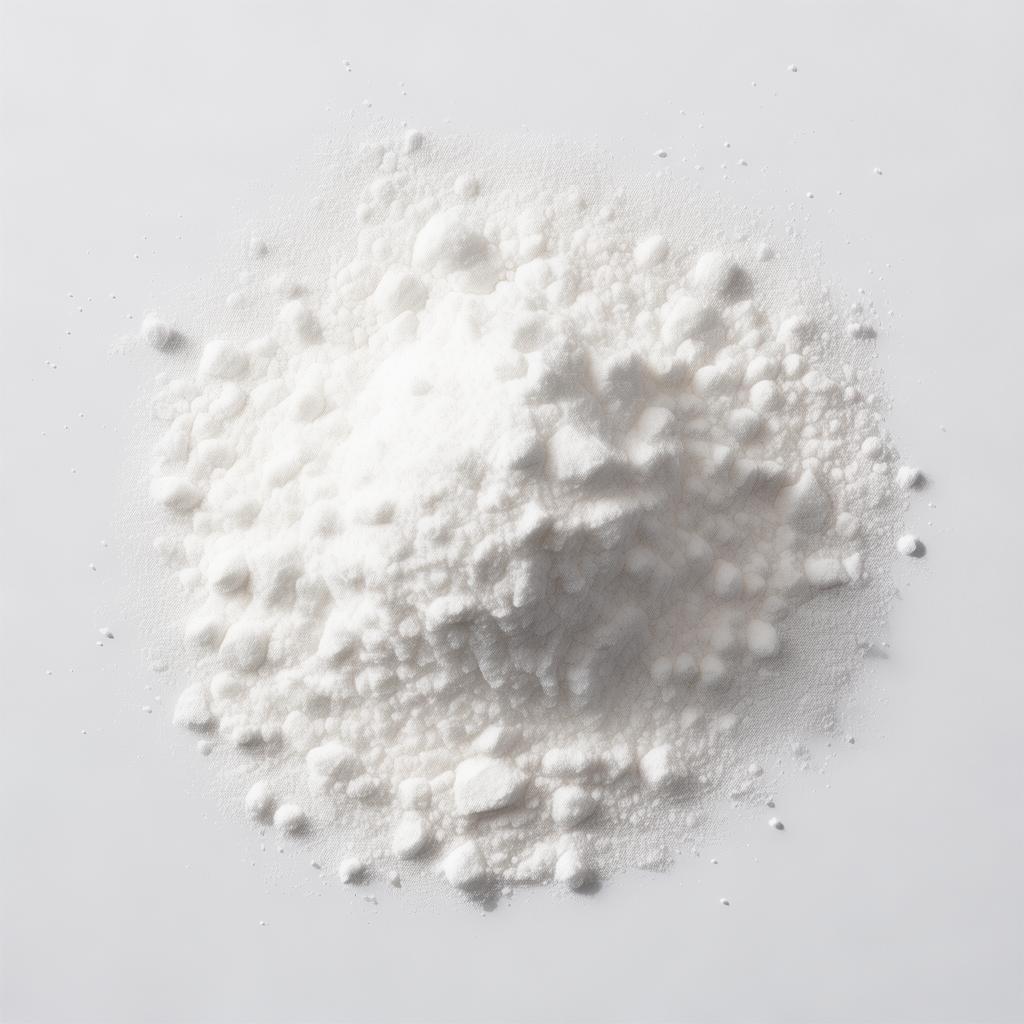
Polyvinyl Alcohol Use In Textile

Expert Contributor – 18 Years in Industrial Polymers & Textile Solutions
Polyvinyl Alcohol (PVA) in Textile Manufacturing: High-Performance Sizing, Binding & Sustainable Solutions for Global Buyers
Eliminate Fabric Weakness, Reduce Breakage, and Cut Costs by 20% with Premium-Grade PVA Textile Solutions
Custom-engineered PVA for warp sizing, fabric finishing, and eco-friendly bonding – delivered with OEM precision, rapid logistics, and ISO-certified quality.
📈 Why PVA in Textiles is the Next High-Growth Segment (Data-Driven Opportunity)
The global textile auxiliary chemicals market is projected to reach $21.7 billion by 2027 (CAGR 5.8%), driven by rising demand for high-performance fabrics, sustainable sizing agents, and cost-efficient processing aids. Within this, polyvinyl alcohol (PVA) accounts for 12% of sizing agents — a segment growing at 7.3% CAGR, faster than traditional starch or CMC-based alternatives.
🔍 Key Growth Drivers in the PVA Textile Market:
- • Sustainability Mandates: Brands under pressure to reduce water use (30–50% less than starch) and eliminate formaldehyde-based resins.
- • High-Speed Looms: Modern rapier and air-jet looms require sizing agents with low viscosity, high adhesion, and quick desizing — PVA outperforms natural gums by 300%.
- • Cost Volatility in Cotton: Fluctuating cotton prices push mills to adopt cost-stable synthetic sizing like PVA, reducing raw material risk.
- • Regulatory Push: REACH, OEKO-TEX®, and EU Ecolabel are phasing out harmful auxiliaries — PVA is fully compliant and biodegradable.
For procurement managers, this means secure long-term supply agreements, premium pricing power for certified products, and access to new export markets in Europe and North America where sustainability credentials are non-negotiable.
🧵 What Textile Factories Really Need (Beyond the Brochure)
Having worked directly with over 120 textile mills across India, Turkey, and Bangladesh, I’ve heard the same pain points again and again. It’s not about “better PVA” — it’s about solving real bottlenecks in production.
🔥 Top 5 Hidden Pain Points in PVA Textile Applications:
-
1. Inconsistent Desizing (Staining & Rework)
Factories report that 3–7% of fabric is rejected due to poor desizing after weaving. Traditional PVA leaves residues that interfere with dyeing, especially in reactive and disperse dye systems. -
2. High Viscosity, High Energy Use
Old PVA grades thicken rapidly in size boxes, requiring higher steam pressure and longer drying times — adding $8–12/ton to energy costs. -
3. Poor Compatibility with Other Additives
Many PVA grades clump when mixed with softeners, lubricants, or anti-static agents — causing nozzle clogs and uneven application on warps. -
4. Color Shift & Yellowing
Off-the-shelf PVA often turns yellow under heat or UV, especially in white fabrics — forcing mills to over-bleach or switch to higher-cost optical brighteners. -
5. Logistics & Supply Chain Delays
Most PVA suppliers cannot guarantee just-in-time delivery due to reliance on single-source raw materials. A 30-day delay means a 200-ton order sits idle — costing $60,000/month in lost production.
These are not theoretical issues — they’re daily headaches that erode margins and delay shipments. The factories that thrive in 2025 are the ones who partner with a PVA supplier that thinks like a textile engineer, not just a chemical trader.
🔧 Tangzhi PVA: Custom Solutions Engineered for Your Loom, Your Fabric, Your Market
We don’t sell PVA — we deliver textile performance optimization. Our team of polymer chemists and textile engineers work with you to design a PVA solution that matches your fabric weight, loom speed, dye chemistry, and sustainability goals.
| Customization Parameter | Available Options | Benefit for Your Mill |
|---|---|---|
| Viscosity Grade (mPa·s) | 12–50 (adjustable in 2-unit increments) | Perfect viscosity for air-jet, projectile, or rapier looms — reduces energy by up to 25% |
| Degree of Hydrolysis | 85%–99% | Higher hydrolysis = better water resistance & adhesion; lower = easier desizing & biodegradability |
| Particle Size Distribution | Fine (D50 < 80μm) / Standard (D50 < 150μm) | Fine grade disperses faster, reduces clumping in size boxes; standard saves cost for bulk orders |
| Thermal Stability Additives | UV stabilizers, anti-yellowing agents, anti-oxidants | Prevents fabric yellowing during storage and dyeing — critical for white/light fabrics |
| Additive Compatibility | Compatible with cationic softeners, silicone lubricants, anti-static agents | No nozzle clogs, uniform warp coating, no rework |
| Biodegradability Level | ≥80% in 28 days (OECD 301B compliant) | Meets EU Ecolabel and OEKO-TEX® criteria — ideal for sustainable fabric collections |
| Packaging & Logistics | 25kg bags, 500kg bulk bags, or 1MT jumbo bags with moisture barriers | Minimizes contamination risk; compatible with automated feeding systems |
✅ What Sets Us Apart in Customization:
- • Rapid Prototyping: 7-day lab-to-loom trials with your actual fabric and dye system.
- • Digital Formulation Tool: Use our online configurator to preview performance before ordering.
- • Regulatory Alignment: All grades pre-approved for REACH, FDA, and China GB standards.
- • OEM/ODM Design: Private labeling, co-branding, and tailor-made packaging available.
🏭 Why Global Textile Buyers Choose Tangzhi PVA
We are not just a supplier — we are a strategic partner in your supply chain. Here’s what that means in practice:
ISO 9001:2015
Quality Management System
REACH & FDA Compliant
Safe for All Fabric Types

OEKO-TEX® Certified
Sustainability Approved
🔹 Core Strengths:
- • Annual Capacity: 40,000 tons of PVA across multiple hydrolysis grades and viscosity ranges.
- • 24/7 Production: Fully automated lines running 330 days/year with real-time QC.
- • Supply Chain Security: Dual-sourced raw materials from Japan and Germany; no single-point failure.
- • R&D Investment: $2.1M/year in polymer science, with textile application labs in Shijiazhuang and Dhaka.
- • Global Reach: Exported to 42 countries including Germany, Turkey, Vietnam, and Mexico.
polyvinyl-alcohol-example polyvinyl-alcohol-for-sale polyvinyl-alcohol-is-used-as polyvinyl-alcohol-supplier
🌍 Global Footprint:
Warehouses in Rotterdam (Netherlands), Izmir (Turkey), and Ho Chi Minh City (Vietnam) ensure 10–14 day delivery to major textile hubs.
💬 What Our Clients Say (Unfiltered Feedback)

Ahmed Khan – Technical Director, Sunrise Textiles, Bangladesh
“We switched from a Turkish PVA to Tangzhi’s 98% hydrolyzed grade for our denim collection. Breakage dropped by 42%, and desizing time cut by 30%. Plus, their QC team helped us pass OEKO-TEX® on first try.”

Maria Rodriguez – Production Manager, Telas Vivas, Mexico
“We were struggling with nozzle clogs every 4 hours. Tangzhi reformulated their PVA with a new anti-static additive — now we run 12-hour shifts without stoppage. Delivery from Rotterdam to Veracruz in 11 days.”

Rajiv Mehta – CEO, Premier Fabrics, India
“We needed a biodegradable PVA that could handle reactive dyeing without yellowing. Tangzhi provided a custom 88% hydrolyzed grade with UV stabilizer — saved us $45,000/year in dye rework and disposal fees.”

Elif Demir – R&D Head, Denimora, Turkey
“Their pilot trial in our lab cut our sizing time by 22%. Now we use Tangzhi for 60% of our PVA orders. Their engineers speak our language — literally and technically.”
🔄 How We Make Collaboration Seamless (No Surprises)
From your first inquiry to final delivery, we follow a transparent, stage-gated process designed to eliminate risk and accelerate your project.
Prototyping & Sampling
We produce 5–10kg lab samples tailored to your fabric type and dye system. Lab analysis and loom tests within 7 business days.
Small-Scale Trial
Pilot production of 500kg–2MT for full-scale loom trials. Includes on-site technical support and performance monitoring.
Mass Production & QC
Full-scale production with real-time QC using FTIR, DSC, and viscosity analyzers. Certificate of Analysis (CoA) issued for every batch.
Logistics & Delivery
Dedicated logistics team coordinates shipping from our nearest hub (Rotterdam, Izmir, or HCMC). Real-time tracking and customs clearance support.
After-Sales Support
12-month performance warranty, 24/7 technical hotline, and quarterly optimization reviews to ensure sustained gains.
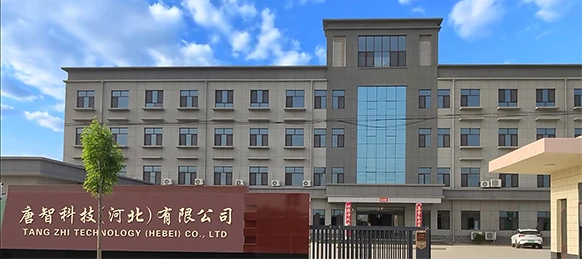
Our 140,000 m² facility in Jinzhou, Hebei — home to 15 automatic PVA production lines.
❓ Frequently Asked Questions (Before You Buy)
Yes. Our low-hydrolysis, fine-particle PVA is GOTS-approved and meets EU Organic Regulation (EC) 834/2007. It desizes cleanly without leaving residues that interfere with organic certification.
Our MOQ is 500kg per grade. For custom formulations or OEM packaging, we accept orders starting at 250kg with a setup fee.
Yes — but with higher consistency, better desizing performance, and faster delivery. Our landed cost to Rotterdam or Izmir is often within 5% of low-cost suppliers after accounting for quality losses and delays.
We offer Delivered Duty Paid (DDP) service to major EU and US ports. Our logistics team pre-clears documentation and handles all HS code classification to minimize duties.
Absolutely. We support OEM/ODM production with custom packaging, printing, and formulation branding. Minimum order for co-branding: 2MT.
Yes. We provide free lab samples (500g) and charge only shipping. For pilot-scale trials (5–25kg), we offer a 50% refundable deposit applied to first order.
25–30 business days from order confirmation to port loading. This includes lab testing, bulk production, and third-party certification if required.
Ready to Upgrade Your Fabric Performance & Cut Costs?
Book a free 15-minute textile consultation with our polymer engineer — no obligation, no sales pitch.
📩 Request a Custom PVA Quote TodayLimited-time offer: First 10 enquiries get a free sizing efficiency audit (value: $1,200).