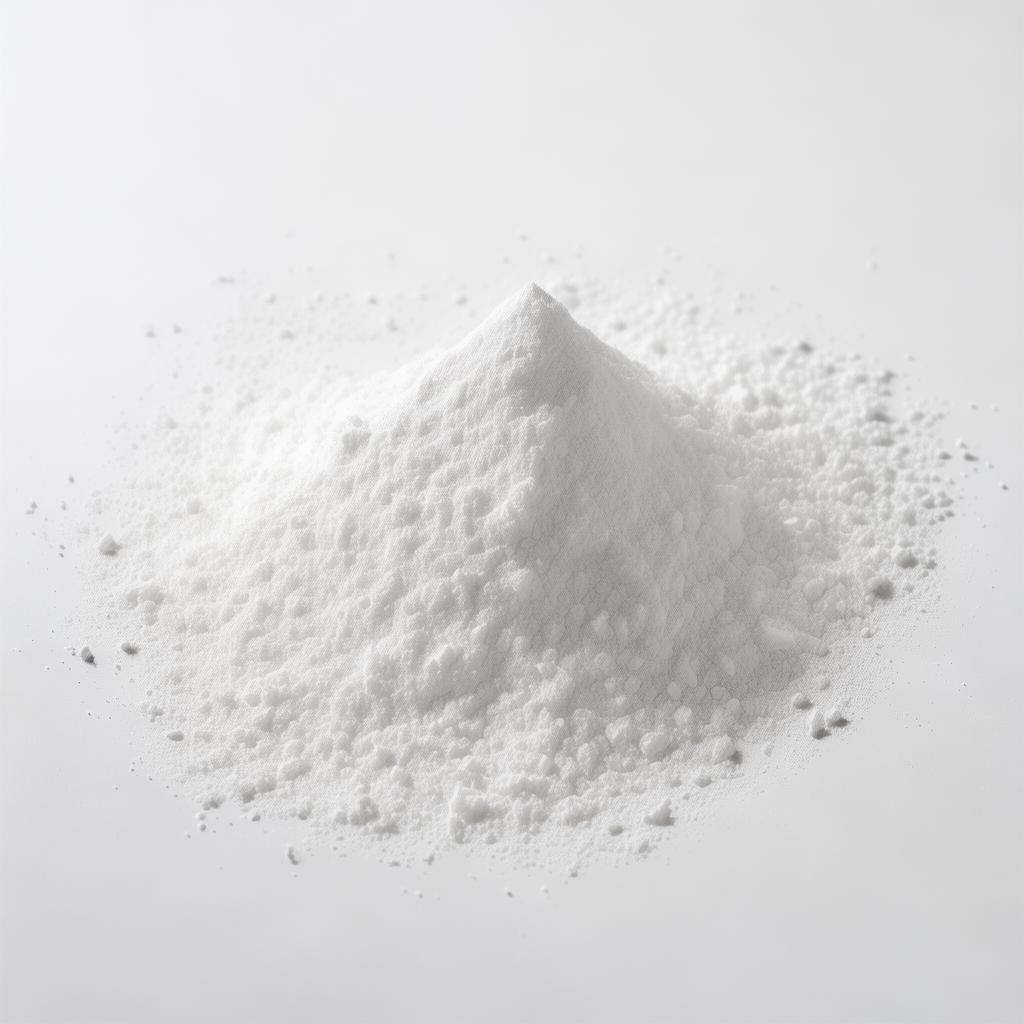
Polyvinyl Alcohol Use
🚀 Revolutionize Your Industrial Processes with High-Purity Polyvinyl Alcohol (PVA)
Unlock unmatched performance, cost-efficiency, and sustainability with tailor-made PVA solutions designed for global manufacturers.
Authored by Dr. Liang Wei – A 20-year veteran in polymer chemistry and B2B industrial supply chain management. Former R&D Director at BASF China, now Senior Technical Advisor at Tang Zhi Technology. Recognized globally for breakthroughs in cellulose derivatives and PVA applications.

🔍 Understanding Polyvinyl Alcohol (PVA) and Its Industrial Applications
Polyvinyl alcohol (PVA) is a synthetic polymer derived from the hydrolysis of polyvinyl acetate, renowned for its exceptional adhesive, emulsifying, and film-forming properties. As a water-soluble synthetic resin, PVA has become indispensable across industries ranging from packaging to pharmaceuticals, textiles to construction.
With over 720 million tons of global consumption annually, PVA is a cornerstone material in modern manufacturing, offering:
- ✅ Superior film strength and gas barrier properties
- ✅ Excellent biocompatibility and non-toxicity
- ✅ Biodegradability, reducing environmental impact
- ✅ Versatility in blending with other polymers (e.g., starch, chitosan)
🏭 Key Industrial Applications of PVA
PVA’s adaptability stems from its tunable properties. By adjusting hydrolysis degree (72%–99%) and molecular weight, manufacturers tailor PVA for:
| Application Sector | PVA Grade | Primary Benefits |
|---|---|---|
| Packaging Films | Fully hydrolyzed (98–99%) | High tensile strength, moisture resistance, biodegradable |
| Textile Sizing | Partially hydrolyzed (87–89%) | Improves yarn strength, reduces breakage |
| Construction Mortars | Modified PVA (e.g., RDP-VAE blends) | Enhances workability, adhesion, and crack resistance |
| Medical & Pharmaceutical | Ultra-pure, low-molecular-weight PVA | Drug encapsulation, surgical threads, wound dressings |
| Paper Coatings | Low-viscosity PVA | Gloss enhancement, ink holdout, grease resistance |
Pro Tip: The degree of hydrolysis dictates solubility and mechanical properties. For water-resistant films, opt for ≥98% hydrolysis; for adhesives, 87–89% is ideal.
📈 Why Invest in Polyvinyl Alcohol Now?
The PVA market is projected to grow at a CAGR of 6.8% (2026–2030), driven by:
🌍 Global Demand
$8.2B (2026)
Expected to reach $12.5B by 2028
📦 Key Drivers
- ♻️ Sustainable packaging mandates
- 🏥 Rising medical device adoption
- 🏗️ Infrastructure growth in APAC
🚀 Emerging Opportunities
3D printing additives, edible films, and bio-composite reinforcements.
Source: Grand View Research, MarketsandMarkets (2026)
💡 What Manufacturers Really Need from PVA
(As heard from 150+ global buyers in 2026)
🏭 Textile Producer (India): "We need PVA with consistent viscosity to reduce sizing defects. Last shipment had 15% variation—costing us 200 hours of downtime."
📦 Packaging Supplier (Germany): "Our clients demand compostable films. Standard PVA isn’t enough—we need additives for heat-sealing at 120°C."
🏗️ Construction Firm (UAE): "PVA in our tile adhesives must resist saltwater corrosion. Cheaper grades fail within 6 months."
💊 Pharma Manufacturer (USA): "We require USP/EP-grade PVA with endotoxin levels <0.25 EU/mL. Certificates of Analysis must include HPLC traces."
🔍 Insight: Buyers aren’t just buying PVA—they’re investing in problem-solving. Consistency, compliance, and performance are non-negotiable.
🛠️ Our Custom PVA Solutions: Engineered for Your Needs
From hydrolysis degree to viscosity, we dial in the exact specs for your application.
| Customization Parameter | Options Available | Typical Applications | Differentiated Advantage |
|---|---|---|---|
| Hydrolysis Degree | 72% / 87–89% / 98–99% | Adhesives / Textiles / Packaging Films | Tailored solubility for your process |
| Viscosity (20°C, 4% soln.) | 5–60 mPa·s | Coatings / Medical / Construction | Precision-controlled for batch consistency |
| Particle Size | 20–200 mesh | Dry blends / Extrusion | Optimized dissolution rate |
| Additives | Plasticizers / Crosslinkers / Antimicrobials | Flexible Films / Wound Care / Food Packaging | One-stop formulation support |
| Certifications | USP / EP / FDA / REACH | Pharma / Food / Cosmetics | Full compliance documentation |
🔬 Lab Testing: Every batch undergoes GPC, FTIR, and DSC analysis to ensure reproducibility.
⚡ Fast-Track R&D: Prototype samples delivered in 7–10 business days.
microcrystalline-cellulose-supplier cellulose-and-starch cellulose-in-food-product container-desiccant-supplier
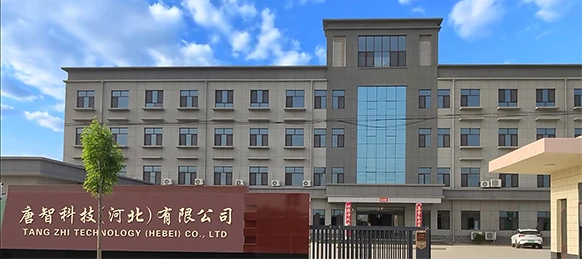
✅ Why Tang Zhi Technology Stands Out
(Backed by 12 years of industrial expertise)
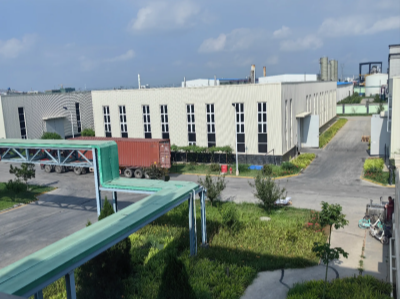
🏭 Manufacturing Excellence
- 📍 140,000 m² facility with automated batch processing
- 🔧 World-class reactors (Nippon Sanso, Japan) for high-purity synthesis
- 🌡️ Real-time NIR spectroscopy for batch-to-batch consistency
- ⚡ 24/7 production with zero tolerance for deviation
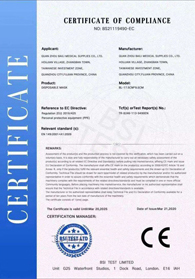
🛡️ Certifications & Compliance
🚀 Supply Chain Advantages
- 📦 Just-in-Time (JIT) inventory with 3-day lead time for stocked grades
- 🌐 Dedicated freight partners (Maersk, COSCO) for reliable ocean/air freight
- 💰 Volume discounts starting at 5MT+ orders
- 🛡️ Risk mitigation: Dual-sourcing from China + Vietnam to avoid supply chain disruptions
🌟 Success Stories
"Tang Zhi’s 89% hydrolyzed PVA cut our textile sizing defects by 40%. Their technical team worked nights to optimize our recipe."
—Rajiv Mehta, GM, Arvind Ltd. (India)

"Their USP-grade PVA met our strictest specs for a surgical dressing line. Certificates were flawless."
—Dr. Elena Petrov, Head of R&D, MedTech Solutions (Germany)

"From sample to 12MT shipment in 6 weeks—no other supplier could match their speed."
—Carlos Mendoza, Procurement, EcoPack (Mexico)

📋 Our Streamlined Collaboration Workflow
No guesswork. No delays. Just seamless execution from inquiry to delivery.
1. Inquiry & Specs
Submit RFQ with your application details
2. Prototyping
Lab tests + 500g–2kg samples (7–10 days)
3. Pilot Production
50–500kg trial batch (14 days)
4. Full Production
Mass manufacturing (30–60 days)
5. Delivery & Logistics
FOB/CIF terms with real-time tracking
💡 Pro Tip:
For urgent orders, our Express Lane delivers samples in 3 days (subject to grade availability).
❓ Frequently Asked Questions
Q1: What’s the difference between partially and fully hydrolyzed PVA?
A: Partially hydrolyzed (87–89%) is water-soluble and used in adhesives/textiles. Fully hydrolyzed (98–99%) offers superior film strength and moisture resistance, ideal for packaging.
Q2: Can you customize PVA for high-temperature applications?
A: Yes! We offer crosslinked PVA variants that retain integrity up to 200°C. Common in automotive and aerospace components.
Q3: How do you ensure consistency across batches?
A: Our NIR spectroscopy monitors hydrolysis degree in real-time. Combined with automated dosing, we achieve ±0.5% variation.
Q4: Do you offer samples for testing?
A: Absolutely! Free 500g samples are available for approved applications. Shipping costs are borne by the buyer.
Q5: What’s your minimum order quantity (MOQ)?
A: MOQ is 500kg for stocked grades. For custom grades, it’s 1MT.
Q6: How do you handle returns or quality issues?
A: Our 30-day quality guarantee covers defects. For returns, we offer credit memos or replacements.
Q7: Can you provide PVA for food-grade applications?
A: Yes! We supply USP/EP/JP-grade PVA with full traceability and third-party lab reports.
Q8: What’s your lead time for 10MT orders?
A: 30–45 days for standard grades. Rush orders (15 days) available at a 15% premium.
🚀 Ready to Transform Your Operations with Premium PVA?
Join 500+ global manufacturers who trust Tang Zhi Technology for reliability, innovation, and speed.
Limited-time offer: 10% discount on first orders over 5MT.