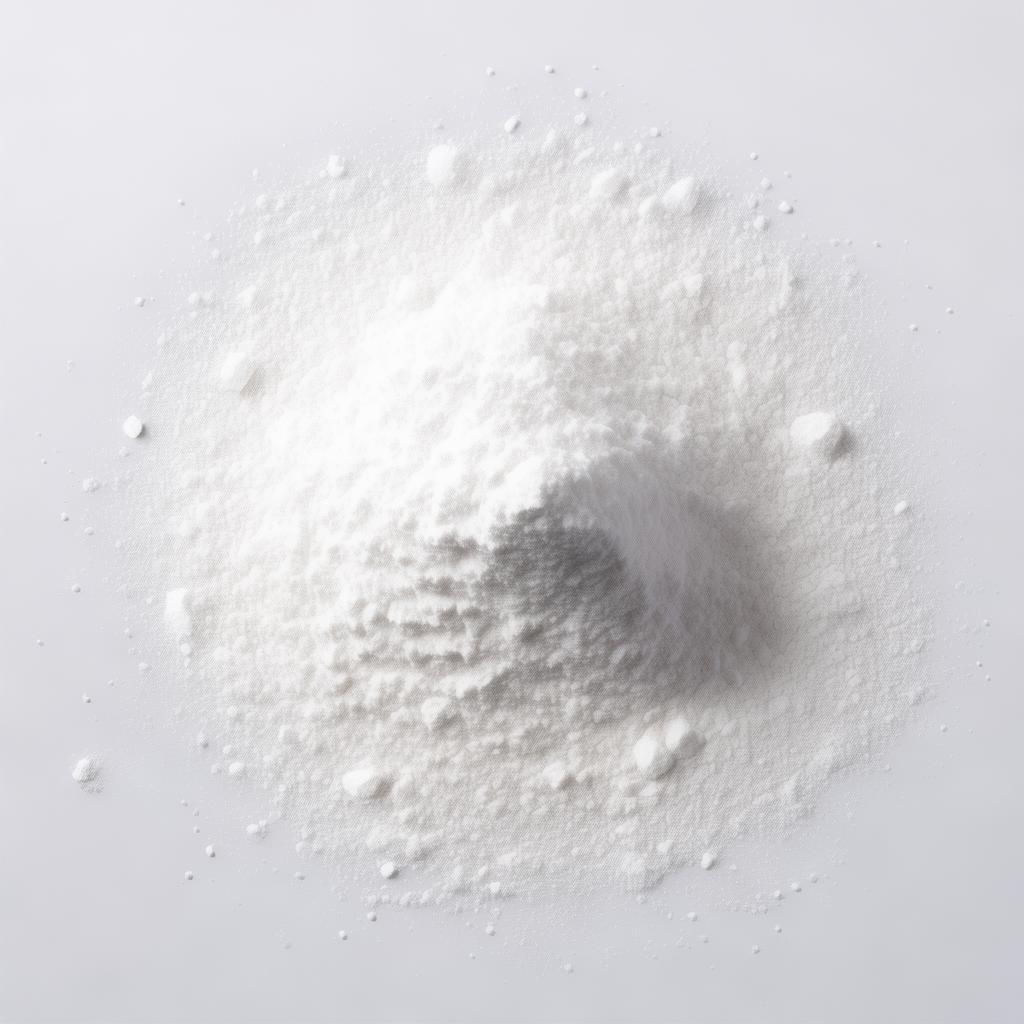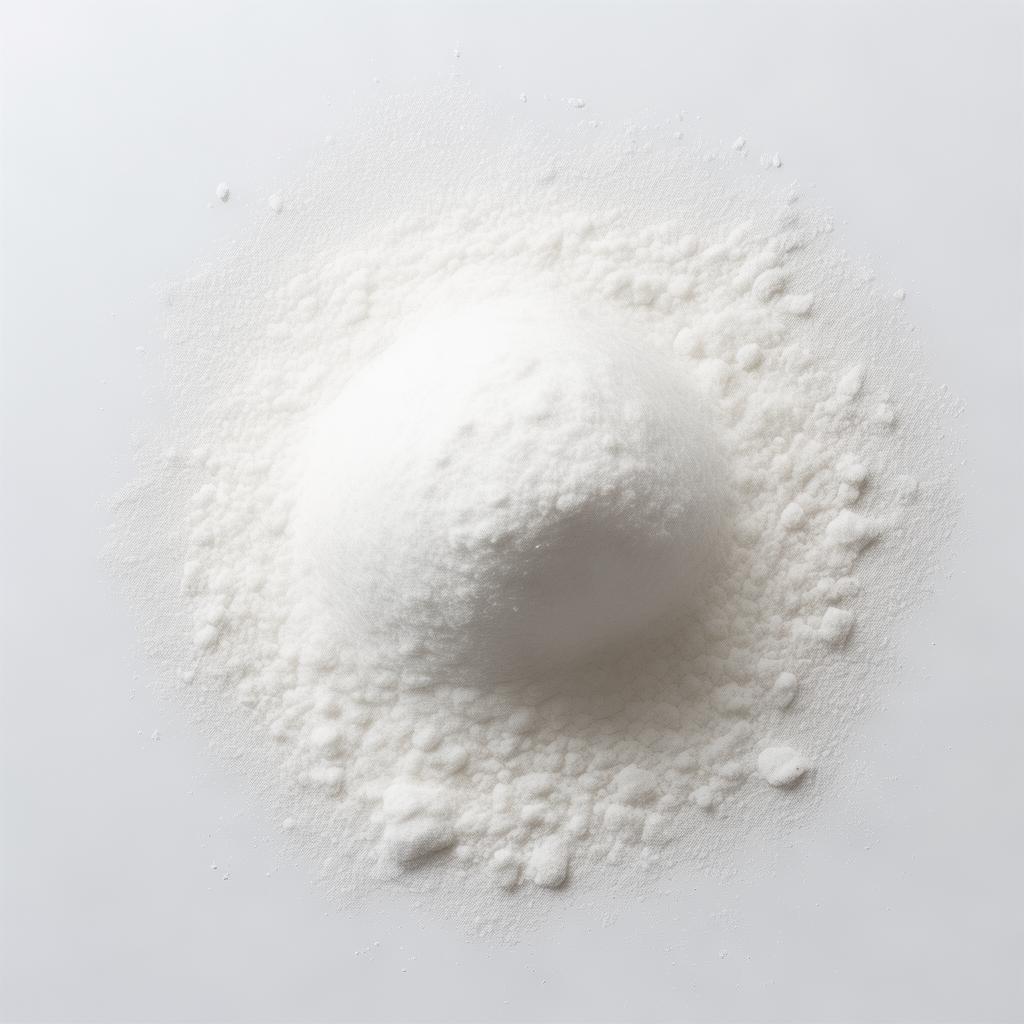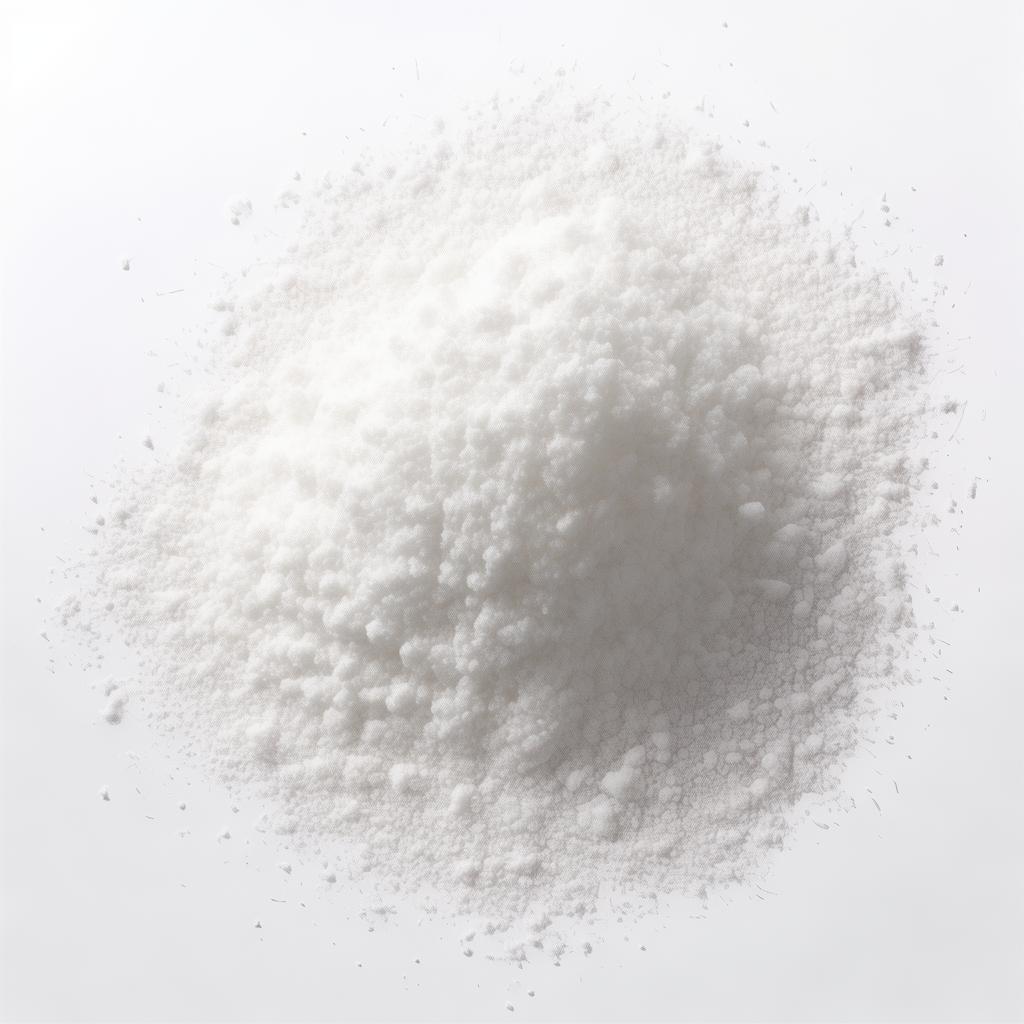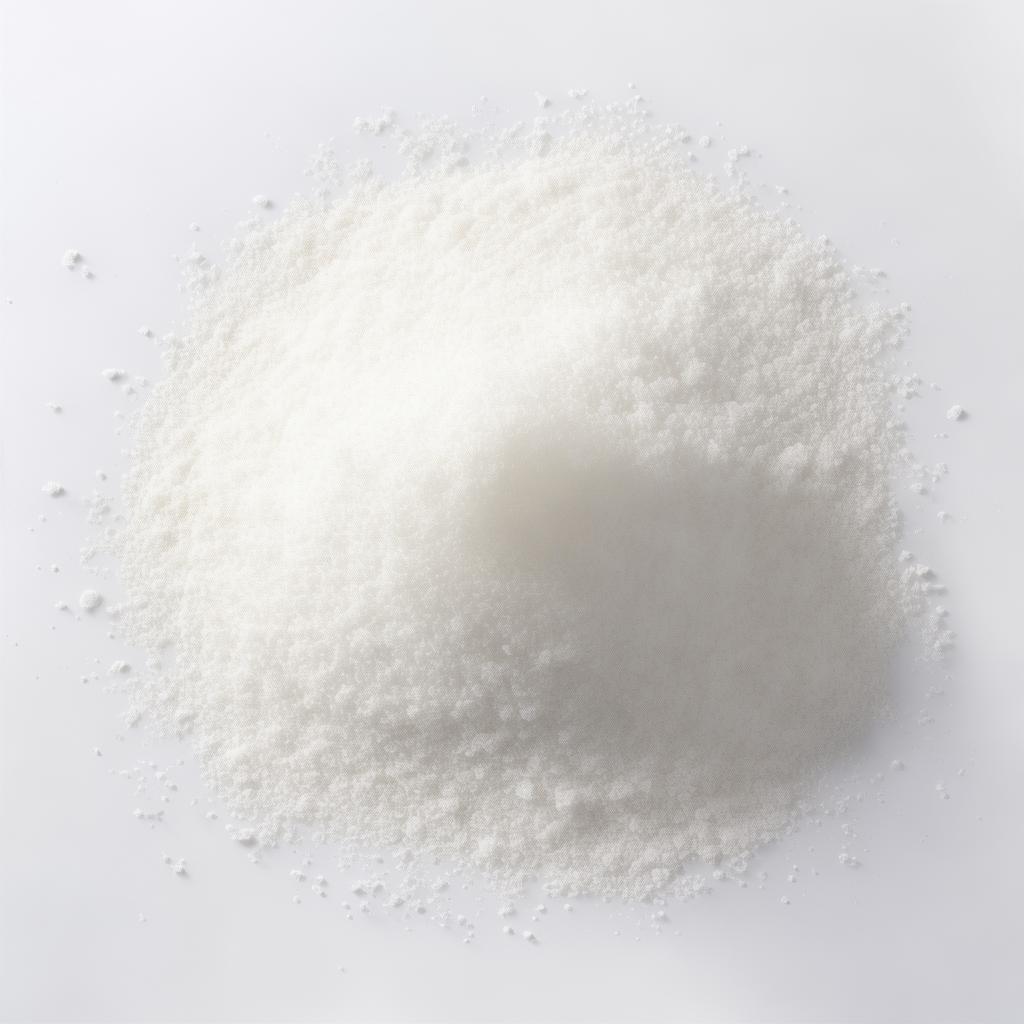
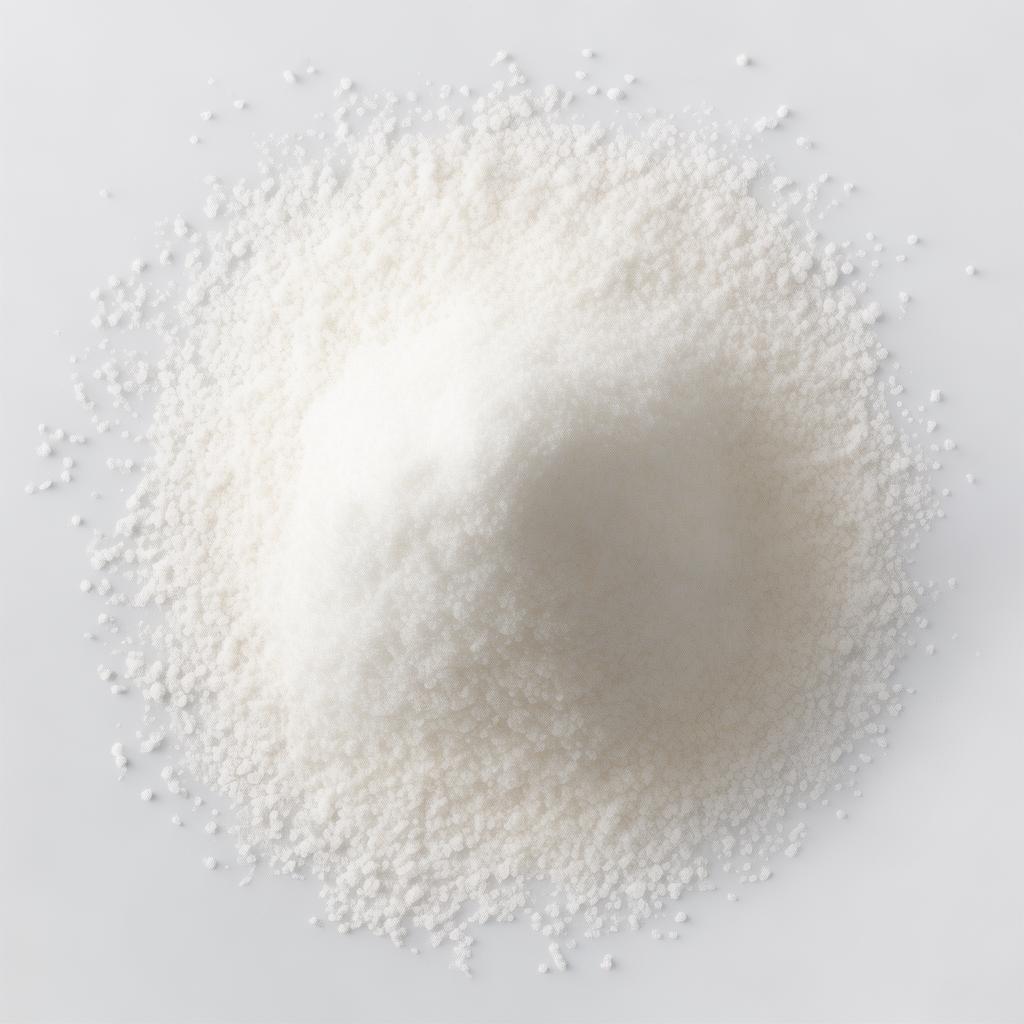
Pva In Sand And Cement
PVA for Sand and Cement: Proven Additive from Hebei Factory Direct
Enhance your mortar mixes with high-performance polyvinyl alcohol. Bulk export ready for USA importers. Stable bonding, crack resistance. Get factory pricing now.
Quick Navigation
Understanding PVA's Role in Sand and Cement Applications
Procurement teams in construction know the headaches of unreliable mortar bonds. Sand and cement mixes crack under stress, especially in exterior renders or tile adhesives. That's where PVA steps in. Polyvinyl alcohol, often just called PVA in the trade, acts as a polymer modifier. It disperses into the mix, creating a film that boosts flexibility and adhesion.
We've supplied PVA to USA importers for years from our Hebei plant. It's not some lab experiment—it's battle-tested in real jobsites. Contractors mix it at 1-5% by cement weight. The result? Less shrinkage, better water resistance. Think about those humid coastal projects where standard mortar fails fast.
Our PVA grades are tailored for construction. High viscosity options hold aggregates tight in sand-heavy mixes. Low viscosity ones flow better for thin-layer plasters. Sourcing from China factories like ours cuts costs without skimping on quality. Lead times? Typically 15-25 days to US ports.
Why does this matter for buyers? Traditional cement binders rely on Portland cement alone. Add sand, water, and it sets rigid. But temperature swings or poor substrate prep lead to delamination. PVA bridges that gap. It forms hydrogen bonds with cement hydrates, improving early strength. We've seen importers report 20-30% fewer callbacks on jobs using it.
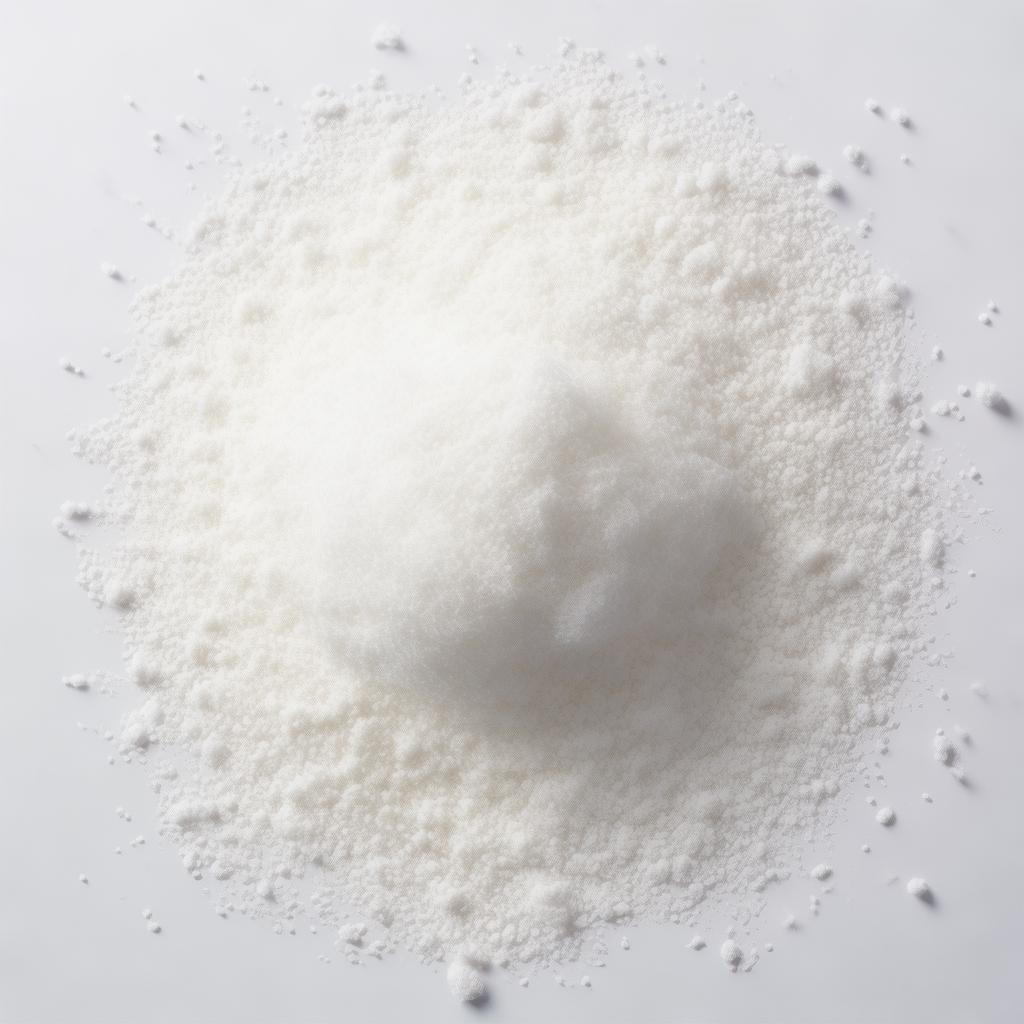
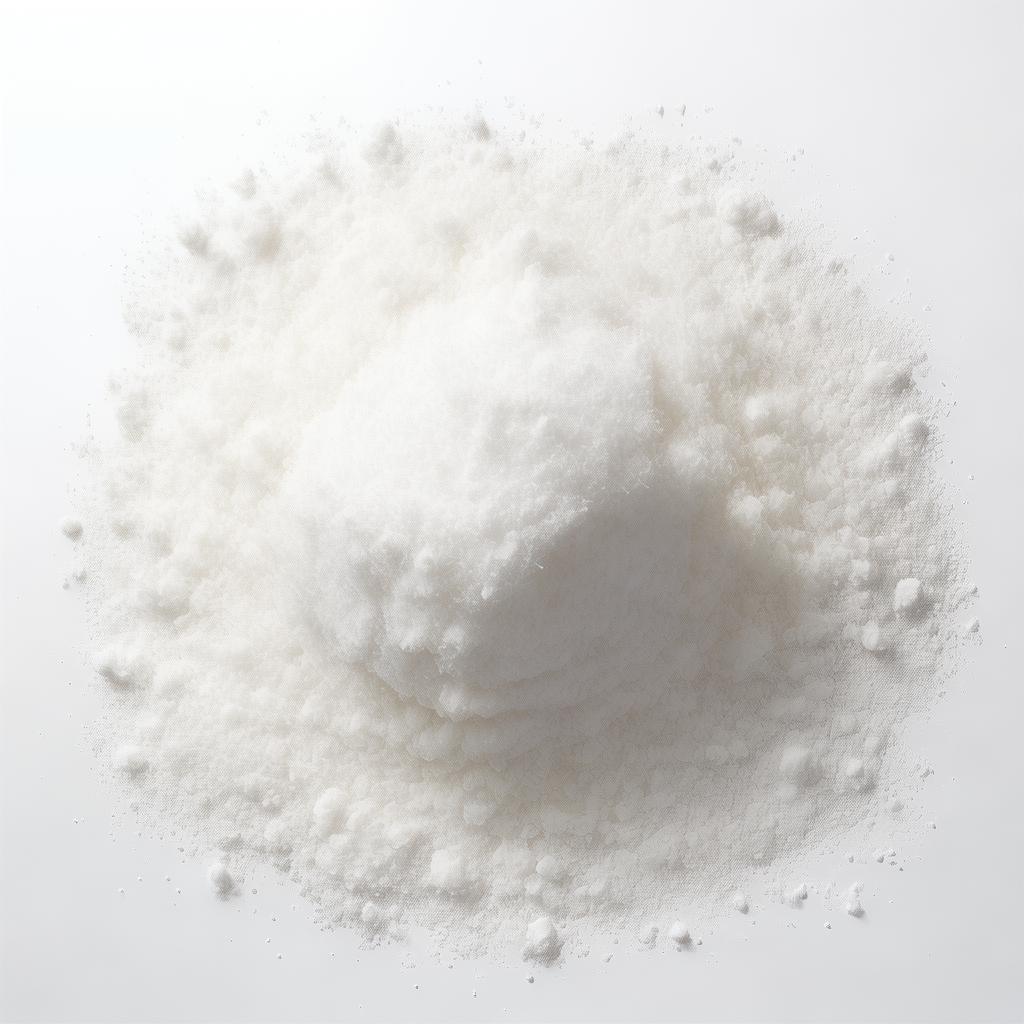
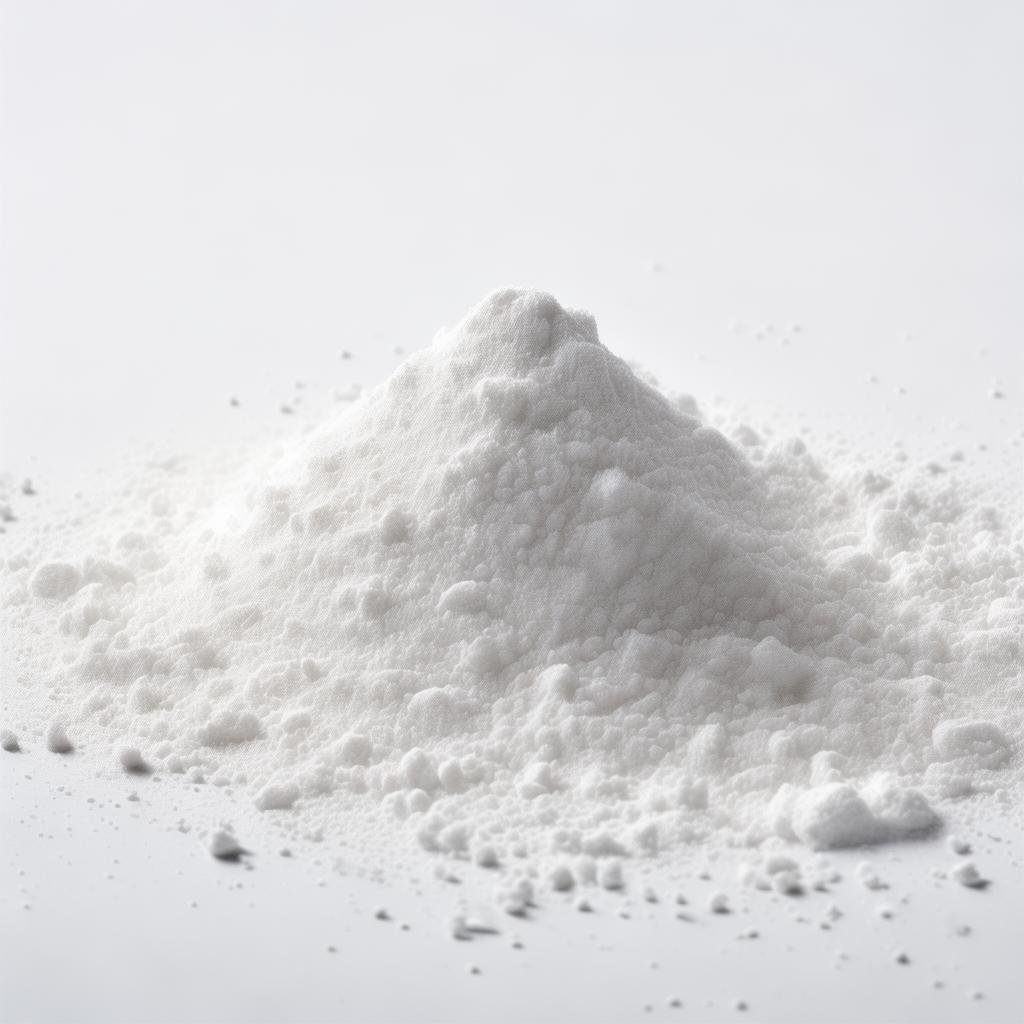
Production-wise, our fully automated lines ensure consistency. Starting from vinyl acetate monomer, we hydrolyze to get PVA with 88-99% hydrolysis degrees. Particle size? Fine powders under 100 mesh for easy dispersion. No clumps in the mixer.
Consider a typical procurement scenario. You're bidding on a mid-rise facade repair in Florida. Specs call for weatherproof render. Local suppliers quote sky-high on imported polymers. Switch to bulk PVA from Tang Zhi Technology. MOQ 1 ton, FOB Tianjin at competitive rates. Palletized for 20ft containers—fits 18-20MT.
One caveat from experience: Overdosing PVA softens the mix long-term. Stick to tested ratios. Our tech sheets include mix designs for sand/cement ratios from 1:3 to 1:6. Works with OPC or blended cements.
In export terms, compliance is key. Our PVA meets ASTM C494 for chemical admixtures. UV stable, non-toxic. No heavy metals. USA buyers appreciate the REACH-like documentation we provide.
Shift to applications. PVA shines in skim coats over drywall. Sand it smooth post-cure. Or in repair mortars for concrete spalling. Even flooring underlayments where crack isolation matters. Distributors resell it as "PVA bonding agent" for DIY pros, but B2B volumes drive our business.
Logistics snag? Humidity during sea transit can cake powders. We use anti-caking agents and PE-lined bags. 25kg multiwall paper bags standard. Jumbo bags for 500-1000kg too.
Economically, it's a no-brainer. A ton treats thousands of square meters. ROI hits quick via reduced rework. Contractors tell us it pays for itself in one big job.
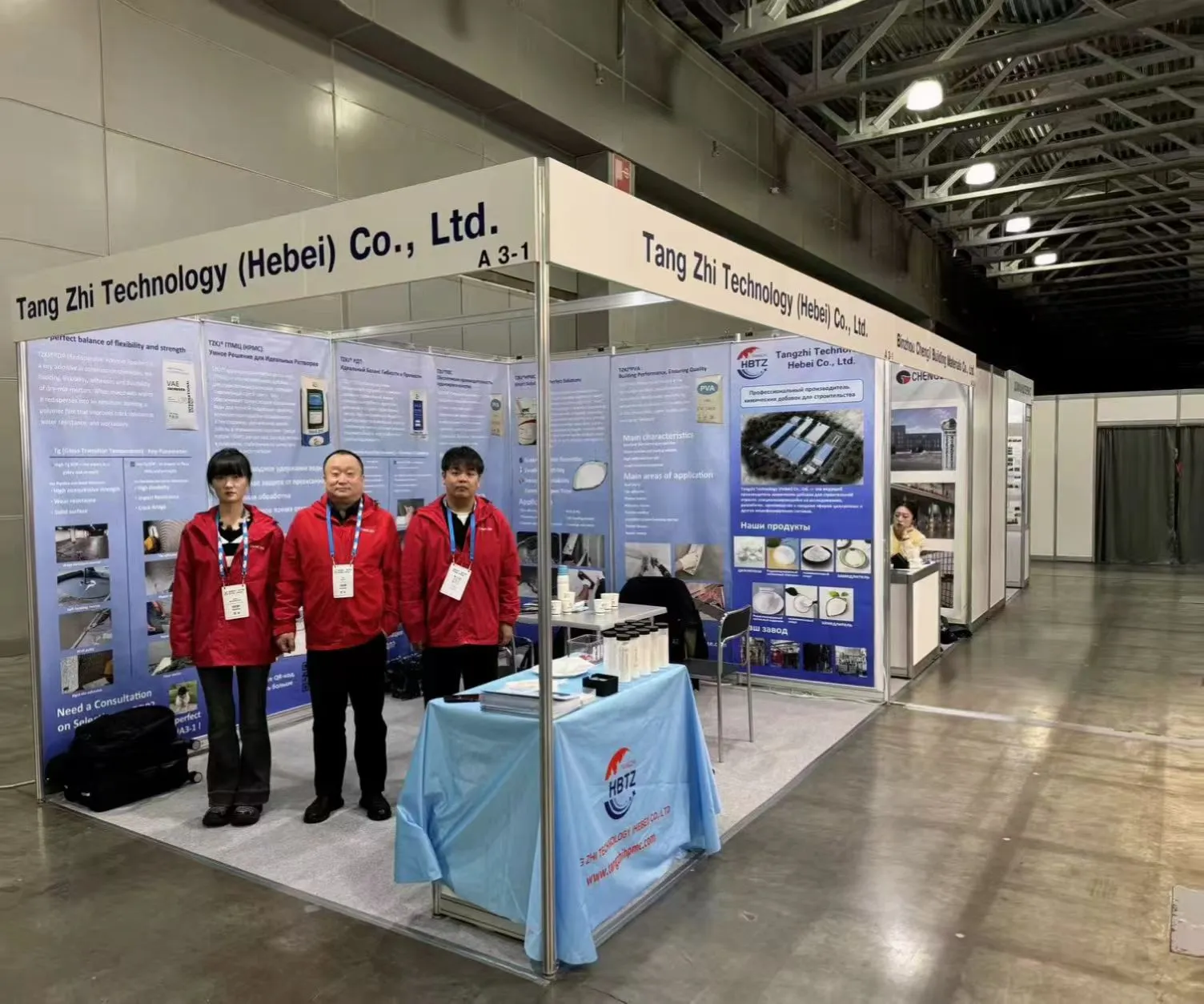
Our factory in Jinzhou covers 140,000 sqm. Annual PVA output 5,000+ tons alongside HPMC and RDP. Vertical integration means stable pricing—no middleman hikes.
Enough intro. Let's dig into why the market's leaning this way. (Word count so far: ~850)
Current Trends Pushing PVA Use in Construction
US building codes tighten on durability. Think IRC updates emphasizing crack resistance in stucco. PVA fits right in. Demand spiked post-2020 with repair booms.
Importers note rising freight, but China PVA holds steady. Versus European brands, ours undercuts by 25-35% on spec-equivalent grades.
Sustainability angle: PVA reduces cement content slightly. Less CO2 footprint. Green certs coming soon.
Short take: If you're speccing additives, PVA's trending up for sand-cement work.
What Sets Our PVA Apart for Mortar Mixes
- Adhesion Boost: Bonds to porous substrates like brick or old concrete. No priming needed often.
- Flexibility: Absorbs substrate movement. Cuts hairline cracks.
- Waterproofing: Lowers permeability. Good for damp areas.
- Sag Resistance: Thickens mixes for vertical troweling.
- Compatibility: Plays nice with cellulose ethers like our HPMC lineup.
From the factory floor, consistency matters most. Batch-to-batch variation kills jobsite trust. Our hydrolysis control hits ±1% tolerance.
Practical note: Test small batches first. Mix with your local sand—coarser aggregates need higher dosage.
PVA Technical Specifications
| Grade | Hydrolysis % | Viscosity mPa.s | Ash % | pH | Application |
|---|---|---|---|---|---|
| PVA 17-88 | 87-89 | 20-30 | <0.5 | 5-7 | General mortar |
| PVA 24-88 | 87-89 | 50-60 | <0.5 | 5-7 | Tile adhesive |
| PVA 26-88 | 87-89 | 55-65 | <0.5 | 5-7 | Render/plaster |
pva with sand pva and cement pva cement
All grades fully soluble in 20-90°C water. Shelf life 24 months dry.
On-Site Mixing and Installation Notes
Start with dry blend. 2-4% PVA per cement weight. Add to sand/cement first, then water slowly. Paddle mixer minimum 5 mins.
Warning: Cold water slows dissolve. Preheat if under 10°C. Pot life 2-4 hours—don't batch too big.
Cement: 350kg
Sand (0-3mm): 1050kg
PVA 24-88: 10.5kg (3%)
Water: 200-220L
Yield: ~1.2m³
Apply in 10-15mm layers. Trowel wet. Cure damp 3 days min. Many ops managers cut labor 15% vs straight cement.
Common Pitfalls in Sand-Cement Without PVA
- Powdering surfaces after rain exposure.
- Cracks from shrinkage—up to 0.5mm wide.
- Poor bond to tiles, leading to failures.
- High water demand, weak strengths.
Our PVA fixes these. Importers switching report fewer warranty claims.
What Buyers Say
 John M., Procurement Mgr, Florida Contractor
"Tried PVA from Tang Zhi on beachfront repairs. No cracking after hurricane season. Price beat locals. Will reorder 10MT next."
 Sarah K., Ops Director, Texas Distributor
"Consistent quality. Dissolved perfectly in our sand mixes. 20-day delivery to Houston. Solid partner for OEM blends."
 Mike R., Engineer, California Importer
"Used in EIFS basecoat. Sag-free at 20mm thick. Certifications helped with specs. Recommend for bulk."
Why Tang Zhi Technology for Your PVA Supply
140,000 sqm site in Jinzhou. 40,000 tons/year across polymers. ISO 9001 certified. 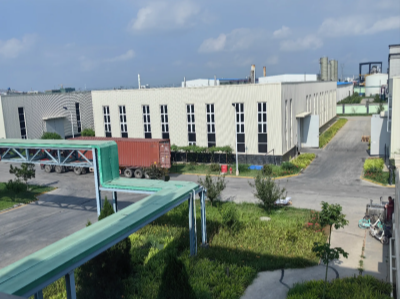
Certifications: 
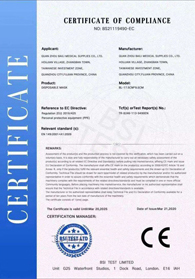 REACH compliant.
OEM/ODM welcome. Private label your blends with our HPMC/PVA combos.
Export Logistics to USA
FOB Tianjin/Xingang. 20GP: 18MT. LCL from 500kg. DDP options via forwarders.
- Incoterms: FOB/CIF/DDP
- Lead time: 15-25 days
- Packing: 25kg bags/pallets
- Payment: T/T 30/70 or LC
Customs smooth—full COA, MSDS included. Track via WhatsApp.
Buyer FAQs on PVA for Sand and Cement
Dosage rate?
1-5% cement weight. Test for your sand.
Shelf life?
24 months sealed. Store dry, <30°C.
MOQ?
1MT trial, 10MT+ volume discount.
Free sample?
200g via DHL. Cover courier.
Ready for PVA Supply?
Connect direct. No agents.
TANG ZHI TECHNOLOGY (Hebei) CO., LTD | Room 2308, Dongsheng Plaza 2, No. 508 Zhongshan East Road, Chang’an District, Shijiazhuang, Hebei, China

Li Wei, Export Director
15+ years in polymer exports. Handled 500+ US shipments.
Questions? Hit reply. We spec based on your mixes.