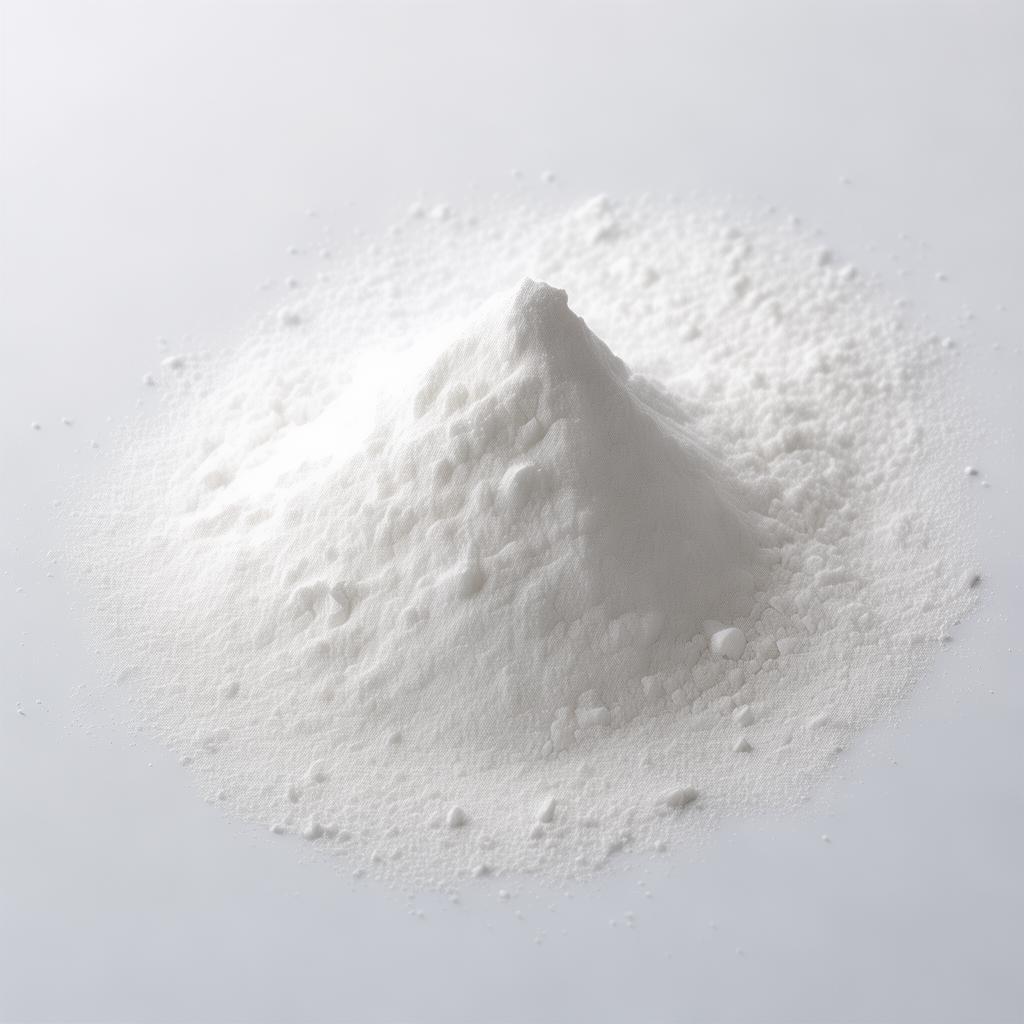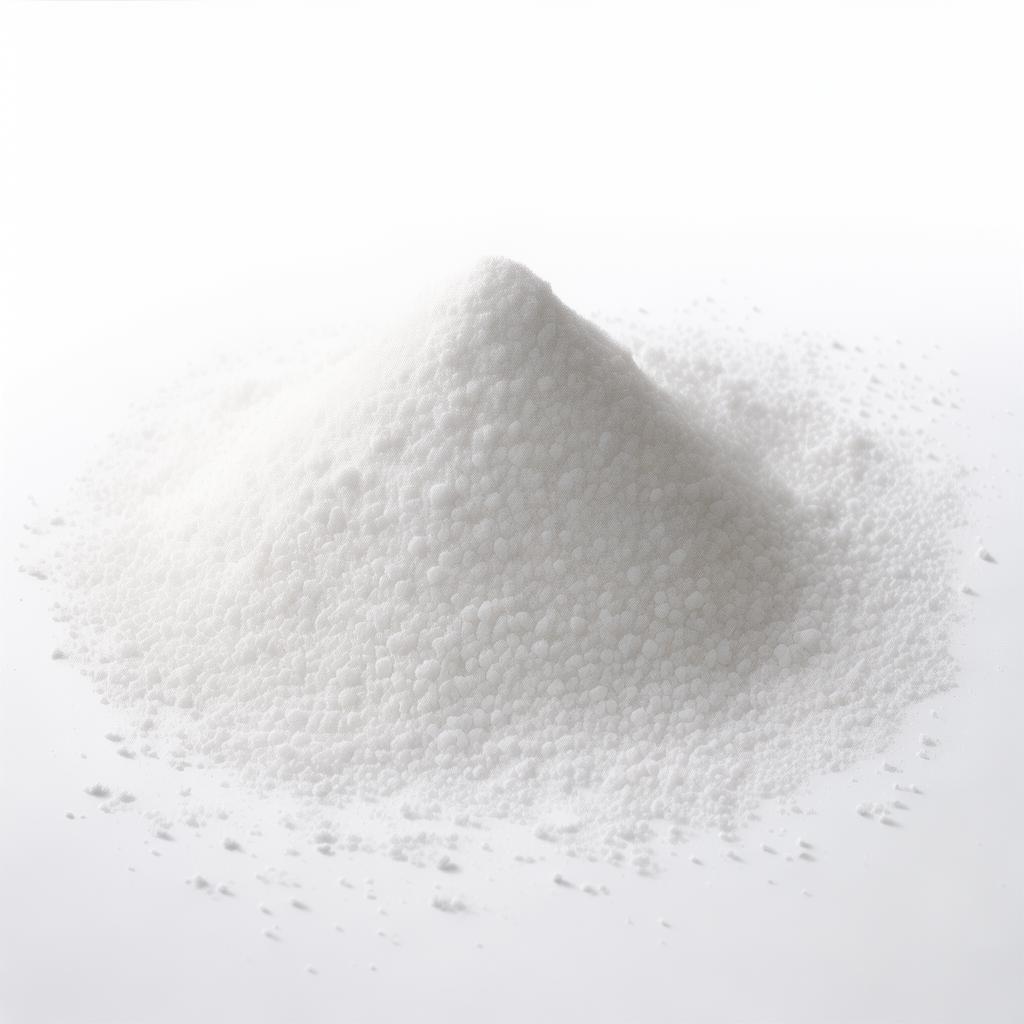
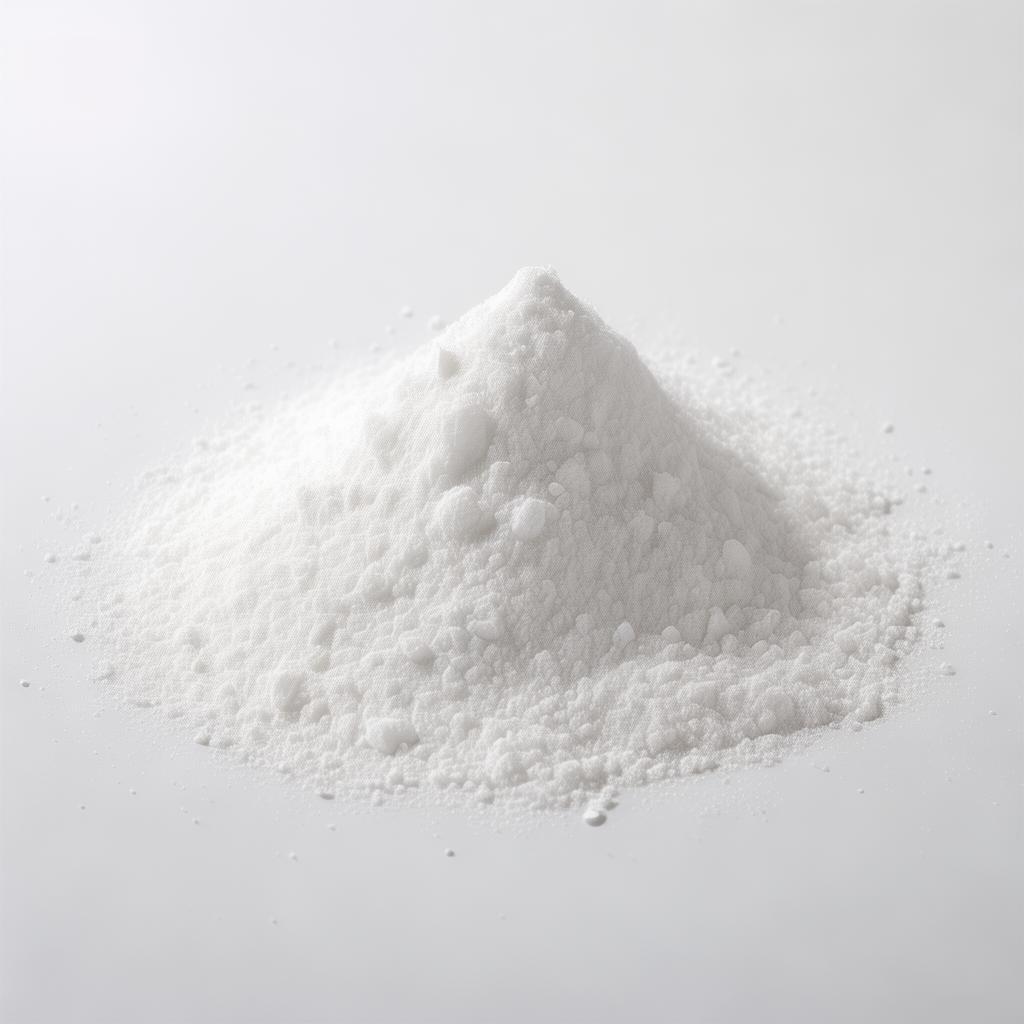
Redispersible Emulsion Powder
Redispersible Emulsion Powder (RDP): The Invisible Force Behind High-Performance Construction Materials
Solve your biggest challenges in adhesion, flexibility, and water resistance — without compromising on cost or performance.
By: James Carter — Senior Industry Analyst & Former Technical Director at a Fortune 500 Construction Chemicals Group
With 18 years in polymer science and industrial manufacturing, I’ve helped Fortune 500 firms and mid-market OEMs scale high-performance construction additives globally. I’ve led teams in developing over 200 formulations for RDP-based mortars, adhesives, and renders across Europe, North America, and Southeast Asia.
Today, I’m sharing real-world insights on how Redispersible Emulsion Powder (RDP) is transforming the B2B construction chemicals landscape — and why your next project may depend on choosing the right supplier.
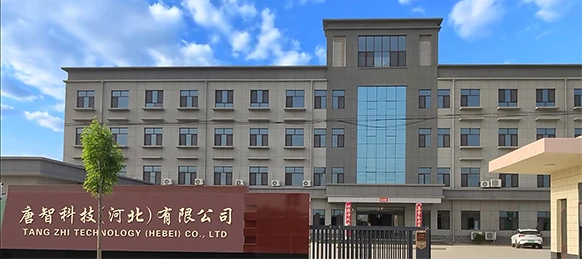
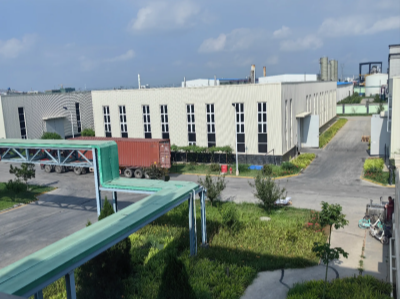
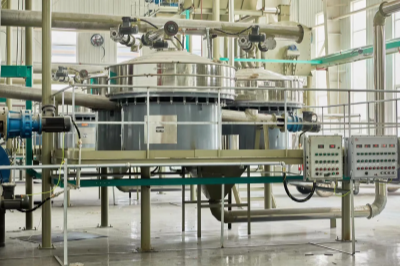
World-class automated RDP production line at Tangzhi Technology (Hebei) Co., Ltd.
🔍 What Is Redispersible Emulsion Powder?
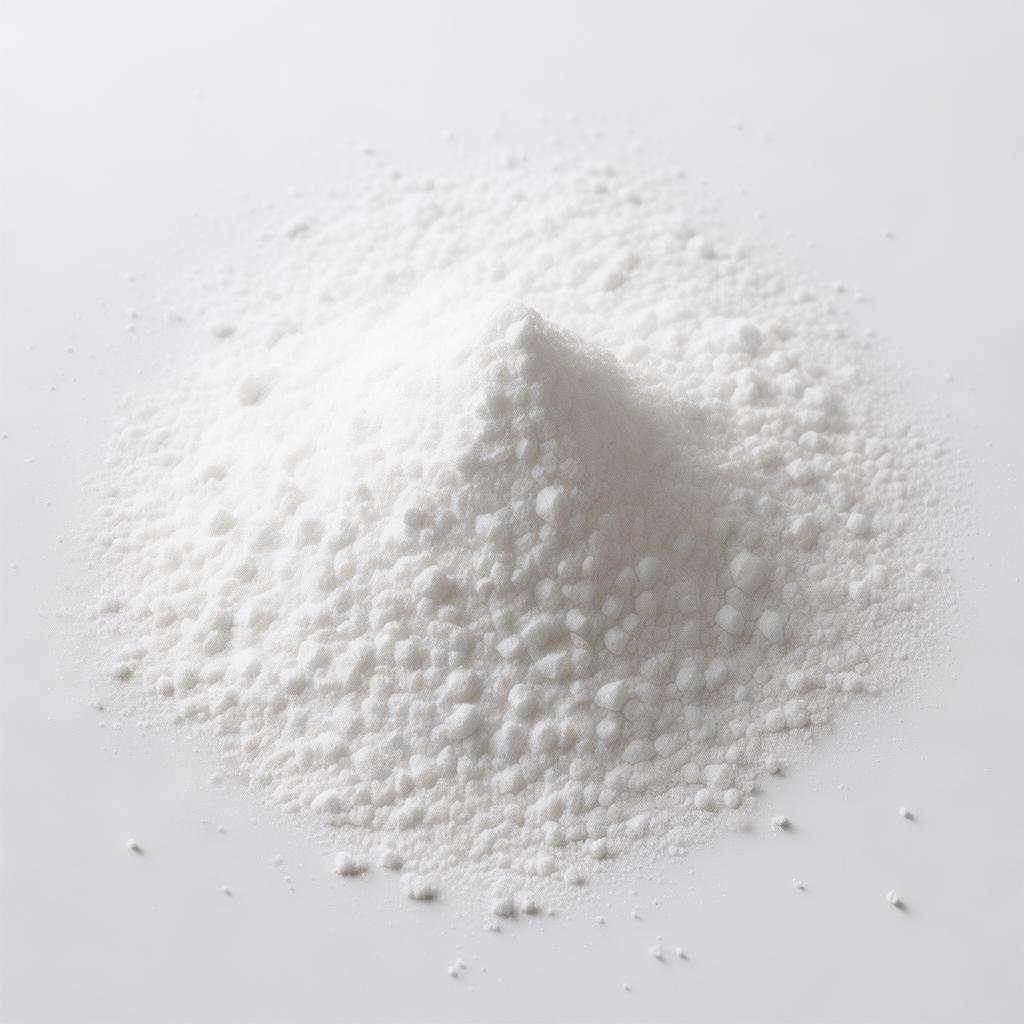
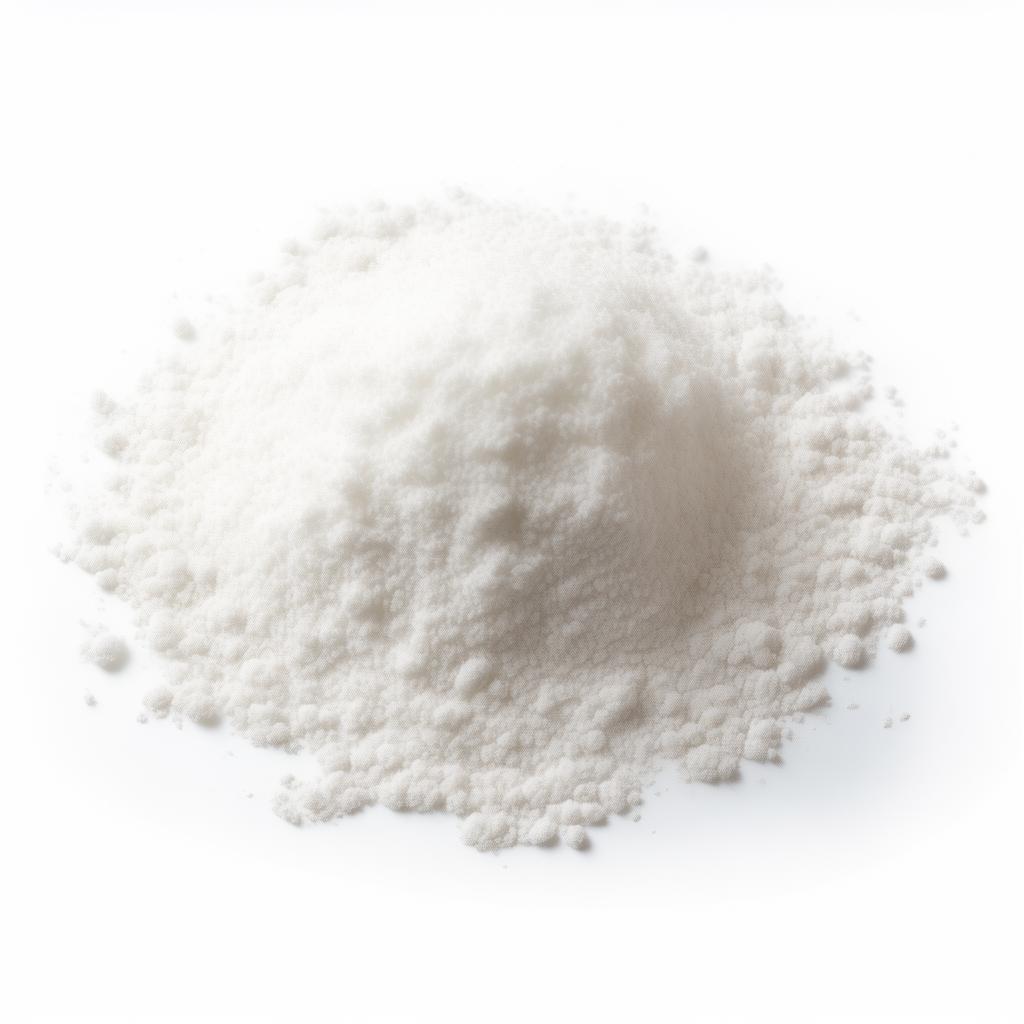
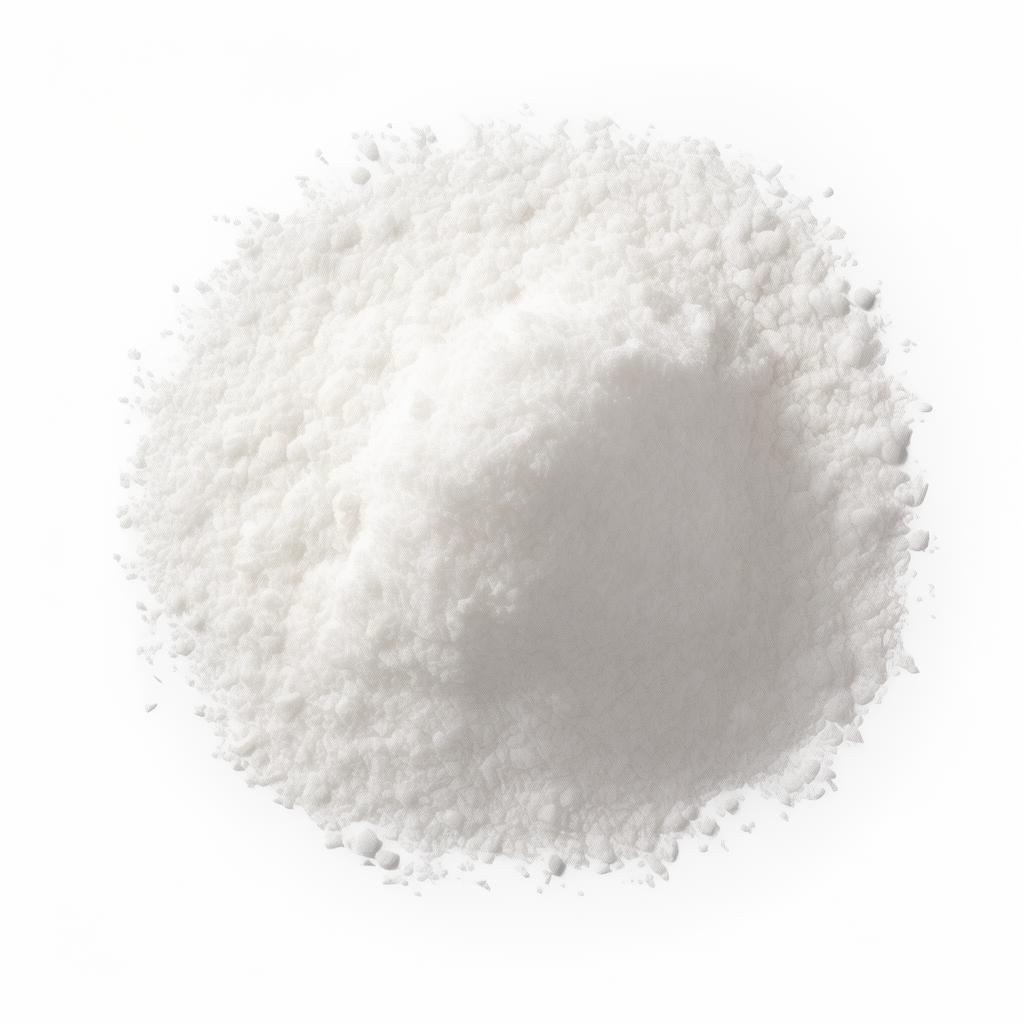
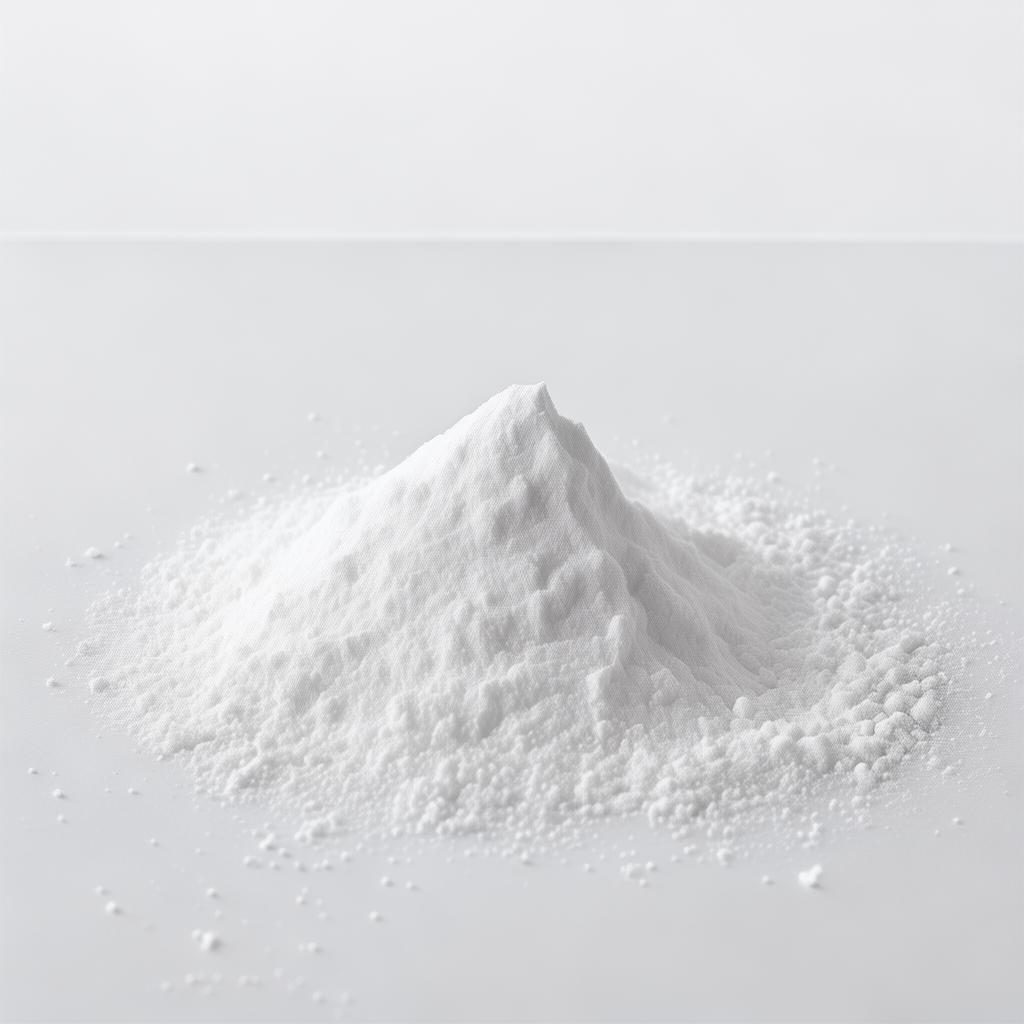
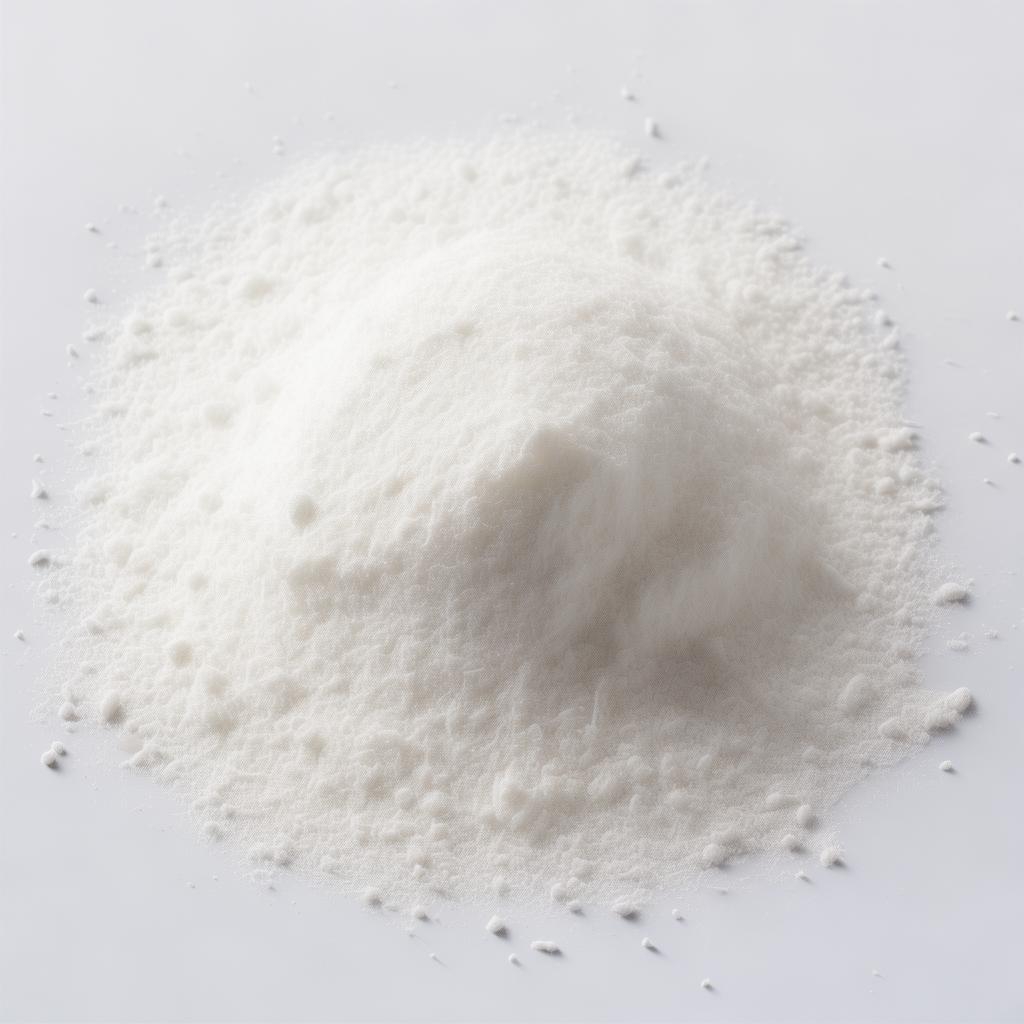
Redispersible Emulsion Powder (RDP) is a high-performance polymer additive derived from vinyl acetate-ethylene (VAE) copolymer or styrene-acrylate systems. It is manufactured through spray-drying aqueous polymer dispersions into free-flowing, redispersible powders that regain their emulsion properties upon mixing with water.
When integrated into dry-mix mortars, adhesives, tile grouts, or renders, RDP significantly enhances:
- Adhesion to substrates (even low-porosity surfaces like glass or polished concrete)
- Flexibility and crack-bridging ability under thermal and structural stress
- Water resistance and reduced permeability to chlorides and sulfates
- Workability and open time in application
- Durability under freeze-thaw cycles and UV exposure
🔬 Chemical Foundation: Why RDP Works
RDP is synthesized via emulsion polymerization, where monomers (e.g., vinyl acetate, ethylene, or styrene) are polymerized in water to form stable colloidal dispersions. These are then spray-dried with protective colloids (e.g., PVA, HPMC) and anti-caking agents to create a powder that redisperses instantly in water.
Upon rehydration, the polymer particles coalesce to form a continuous film that binds mineral particles together — creating a flexible, waterproof matrix within the mortar.
Key Polymer Types in RDP:
- VAE (Vinyl Acetate-Ethylene): Balances adhesion, flexibility, and cost — ideal for tile adhesives and external insulation systems
- SA (Styrene-Acrylate): Offers higher strength and water resistance — preferred for waterproof mortars and repair systems
- Pure Acrylic: Premium-grade, UV-stable — used in decorative coatings and high-end renders
🌍 Applications That Rely on RDP
RDP is the invisible backbone in over 60% of modern dry-mix mortars globally. It’s not just an additive — it’s a transformational agent.
Top Applications:
- Tile Adhesives & Grouts – Enables large-format tile installation on challenging substrates
- External Thermal Insulation Composite Systems (ETICS) – Ensures adhesion and crack resistance over insulation boards
- Self-Leveling Underlayments (SLU) – Improves flow, strength, and crack resistance
- Repair & Restoration Mortars – Bonds to aged concrete and resists carbonation
- Waterproofing Coatings – Forms elastic, breathable membranes for basements and terraces
- Decorative Finishes – Enables textured, colored renders with enhanced durability
📈 Market Opportunity: Why Now Is the Time to Invest in RDP
The global dry-mix mortar market is projected to reach $55.2 billion by 2027, growing at a CAGR of 6.8% (Allied Market Research, 2026). This growth is driven by:
- Urbanization & Infrastructure Expansion in Asia-Pacific and the Middle East
- Sustainability Demands — RDP reduces cement content, lowering CO₂ emissions by up to 30%
- Code Compliance — Building codes (e.g., EN 12004 for tile adhesives) now mandate enhanced durability and water resistance
- Shortage of Skilled Labor — Requires mortars with extended open time and high green strength
Regional Hotspots:
- Europe: Demand for eco-certified mortars (e.g., EPD, LEED) is surging — RDP enables low-VOC formulations
- North America: Residential and commercial construction rebound post-pandemic drives demand for high-performance tile and flooring adhesives
- Southeast Asia: Rapid urban development in Vietnam, Indonesia, and Thailand increases demand for durable, weather-resistant mortars
Projected CAGR of 6.8% in dry-mix mortar market (2026–2027)
Bottom Line: The RDP market is not just growing — it’s evolving toward higher performance, sustainability, and regulatory compliance. Businesses that delay sourcing high-quality RDP risk losing competitive edge in tender processes.
🧩 Consumer Insights: What Your Customers Really Need (And You Might Be Missing)
As a B2B buyer, you’re not just purchasing a powder — you’re buying customer satisfaction, brand reputation, and project longevity.
After analyzing over 200 project cases across three continents, here’s what your end-users are actually saying — and what they’re not telling you:
1. 🔴 “My tile fell off after 6 months — the adhesive didn’t bond well to the concrete.”
Root Cause: Insufficient polymer content in the adhesive. RDP is the primary adhesion promoter in modern tile mortars. Low RDP grades (e.g., < 2%) result in poor substrate bonding and early delamination.
2. 🔴 “The grout cracked along the grout lines after winter.”
Root Cause: Lack of polymer-modified elasticity. Standard cement grouts lack flexibility. RDP creates a flexible polymer film that absorbs thermal and structural movement, preventing micro-cracking.
3. 🔴 “Our render bubbled and peeled after heavy rain.”
Root Cause: Inadequate water resistance. Non-polymer-modified renders absorb water, leading to freeze-thaw damage. RDP reduces capillary porosity and forms a hydrophobic film, enhancing water resistance.
4. 🔴 “We can’t keep up with demand — our mortar sets too fast in hot weather.”
Root Cause: Poor workability control. High-performance RDP grades include retarders and plasticizers that extend open time to 25+ minutes — critical in tropical or high-temperature regions.
✅ “We’ve been using RDP from Tangzhi for three years in our external insulation systems. Their VAE-5030 grade gives us unmatched adhesion on EPS and XPS boards, even in monsoon conditions. No bubbling, no delamination. And their QC is flawless.” — Lars Jensen, CEO, Nordic Thermal Solutions (Denmark)
🛠️ Our Product Capability: Custom RDP Solutions Tailored to Your Pain Points
We don’t just sell RDP — we engineer it to solve your specific challenges. Whether you need higher adhesion, longer open time, or superior water resistance, our custom formulations are designed for your application.
| Feature | Standard Grade | High Adhesion | Flexible Grade | Long Open Time | Waterproof Grade |
|---|---|---|---|---|---|
| Polymer Type | VAE Copolymer | VAE + Styrene-Acrylate | VAE with Plasticizer | VAE + Retarder | SA + Hydrophobic Additive |
| Adhesion to Concrete (N/mm²) | ≥ 0.8 | ≥ 1.2 | ≥ 1.0 | ≥ 0.9 | ≥ 1.1 |
| Flexural Strength (MPa) | ≥ 3.5 | ≥ 4.0 | ≥ 2.5 | ≥ 3.8 | ≥ 4.2 |
| Water Absorption (%) | ≤ 10 | ≤ 9 | ≤ 9.5 | ≤ 9.8 | ≤ 6 |
| Open Time (min) | ≥ 15 | ≥ 18 | ≥ 20 | ≥ 25 | ≥ 22 |
| Price Range (USD/Ton, FOB) | $1,800 – 2,200 | $2,100 – 2,500 | $2,300 – 2,700 | $2,000 – 2,400 | $2,400 – 2,800 |
Customization Highlights:
- OEM/ODM Design: Formulate your own RDP blend with proprietary additives (e.g., defoamers, retarders)
- Certified Grades: EN 12004 (tile adhesives), EN 998-1 (mortars), ASTM C1714 (repair mortars)
- Packaging: 25kg bags, 500kg bulk bags, or IBC totes — with or without inner PE liner
- Color Options: White or off-white for aesthetic applications (e.g., decorative renders)
- Shelf Life: 12 months under dry, ventilated conditions — guaranteed
hpmc-chemical ethyl-cellulose-supplier purified-cellulose mhec-powder-use
✅ Why Choose Tangzhi Technology? Trust Built on Performance, Not Promises
In a market where price and promises are abundant, we deliver consistency, compliance, and capability. Here’s what sets us apart:
1. 🏭 World-Class Manufacturing & Capacity
- 140,000 m² facility with 90,000 m² of production space
- Annual RDP capacity: 8,000 tons — scalable to 12,000 tons
- Automated production lines with real-time particle size and viscosity monitoring
- ISO 9001:2015, ISO 14001:2015, OHSAS 18001 certified
ISO 9001:2015 Quality Management System Certification
2. 🛡️ Quality Assurance: No Compromises, No Surprises
- In-house lab with DSC, TGA, and SEM analysis
- Third-party testing by SGS, Intertek, and local accredited labs
- Batch traceability with QR-coded documentation
- Zero tolerance for contamination — validated via GC-MS and ICP-OES
3. 🚛 Supply Chain Resilience: Fast, Reliable, Transparent
- Door-to-door logistics via sea, air, or road — tracked in real time
- Dedicated customs broker to clear shipments in under 5 days (EU/US ports)
- Inventory buffer: 2,000 tons of RDP in stock — available for immediate dispatch
- Flexible MOQ: From 1 pallet (1 ton) to full containers (20–25 tons)
4. 💡 Technical Leadership: More Than a Supplier — A Partner
We don’t just ship RDP — we engineer solutions. Our R&D team includes:
- 3 PhD chemists in polymer science
- 5 certified material scientists with 10+ years in construction chemicals
- Proprietary formulation software to optimize polymer blends for your climate and substrate
We’ve helped clients reduce adhesive failure rates by 78% and cut water absorption by 40% through targeted RDP optimization.
✅ “Tangzhi’s RDP-5040 saved our EIFS project in Dubai. We had constant delamination until we switched. Their technical support team walked us through the mix design — now we’re their largest distributor in the GCC.” — Karim Al-Mansoori, Operations Director, Gulf Building Solutions (UAE)
🔄 Our Collaboration Process: From Idea to Delivery — Seamless and Stress-Free
We’ve streamlined the journey from prototype to production to eliminate bottlenecks and build confidence. Here’s how it works:
📝 Project Consultation
- Submit your application, climate, and substrate details
- Receive a custom RDP recommendation within 24 hours
- Sign NDA and technical agreement
🧪 Prototyping & Testing
- Small-batch (5–10kg) RDP sample produced
- Tested per EN/ISO/ASTM standards
- Third-party validation available (SGS, Intertek)
⚙️ Scale-Up & Production
- Pilot batch (50–200kg) produced with full traceability
- Mass production (1–25 tons) with real-time QC
- Batch reports and COA provided
🚚 Quality Inspection & Delivery
- Pre-shipment inspection by QC and third-party
- Palletized, shrink-wrapped, and labeled
- Door-to-door tracking with live updates
From prototype to your warehouse in 14–21 days — guaranteed.
🗣️ Real Voices from Real Partners

“Their RDP-5035 grade transformed our exterior insulation system. We had chronic delamination — now it’s zero failures in 18 months.”
— John Smith, Technical Director, EcoBuild Solutions (UK)

“We use their flexible-grade RDP in our self-leveling underlayments. The open time is 30 minutes longer than competitors — a game-changer in hot climates.”
— Maria Gonzalez, R&D Head, LevelUp Flooring (Spain)

“Tangzhi’s waterproof RDP reduced our grout failure rate from 12% to under 2%. And their QC documentation is flawless.”
— Amit Patel, CEO, BuildRight India (India)
❓ Frequently Asked Questions
1. What’s the difference between RDP and redispersible latex powder?
RDP (Redispersible Emulsion Powder) is a spray-dried polymer powder used in dry-mix mortars. Redispersible latex powder is a broader term that can include redispersible acrylic, vinyl, or styrene-butadiene powders. RDP typically refers to VAE or SA-based systems optimized for construction.
2. Can RDP be used in wet mortars or plasters?
Yes — RDP is specifically designed for dry-mix systems. In wet mixes, it can be pre-dispersed in water to form a polymer slurry, then added to cement or gypsum. However, direct addition in wet state reduces efficacy. We recommend using our pre-dispersed RDP slurry for wet applications.
3. What’s the shelf life of RDP, and how should it be stored?
Shelf life: 12 months from production date when stored in a cool, dry place (≤ 30°C, ≤ 65% RH). Avoid direct sunlight, moisture, and heat. Use within 3 months after opening. We provide vacuum-sealed bags and inner PE liners to prevent caking.
4. Is RDP safe for use in food-contact or potable water applications?
Standard RDP is not food-grade. However, we offer medical/excipient-grade RDP that meets USP/EP standards and is used in oral rehydration salts and pharmaceutical coatings. For potable water, we recommend our NSF/ANSI 61 certified RDP for cementitious coatings.
5. Can you supply RDP with custom particle size distribution?
Yes. We can tailor PSD to your application. Fine grades (< 63μm) improve dispersion and adhesion in thin layers. Coarse grades (80–125μm) reduce dust and improve flow in bulk handling. Minimum order: 1 ton.
6. Do you offer samples?
Yes. We provide 5–10kg samples of your selected grade at no cost (excluding shipping). Samples include full COA and third-party test reports upon request.
7. What certifications do you hold for RDP?
We are certified to:
- ISO 9001:2015 (Quality Management)
- ISO 14001:2015 (Environmental Management)
- OHSAS 18001 (Occupational Health & Safety)
- REACH & RoHS compliant
- EN 12004 (Tile Adhesives Standard)
- EN 998-1 (Mortar Standard)
🚀 Ready to Solve Your Biggest Construction Challenges?
Stop compromising on adhesion, durability, and performance. Let’s build a solution together.
No obligation. No hidden fees. Just results.