Starch Vs Cellulose
Starch vs Cellulose: The Ultimate Guide to Choosing the Right Industrial Thickener for Your B2B Needs
Eliminate costly trial-and-error in formulation with our precision-engineered cellulose and starch derivatives—optimized for cost efficiency, performance consistency, and regulatory compliance in global markets.
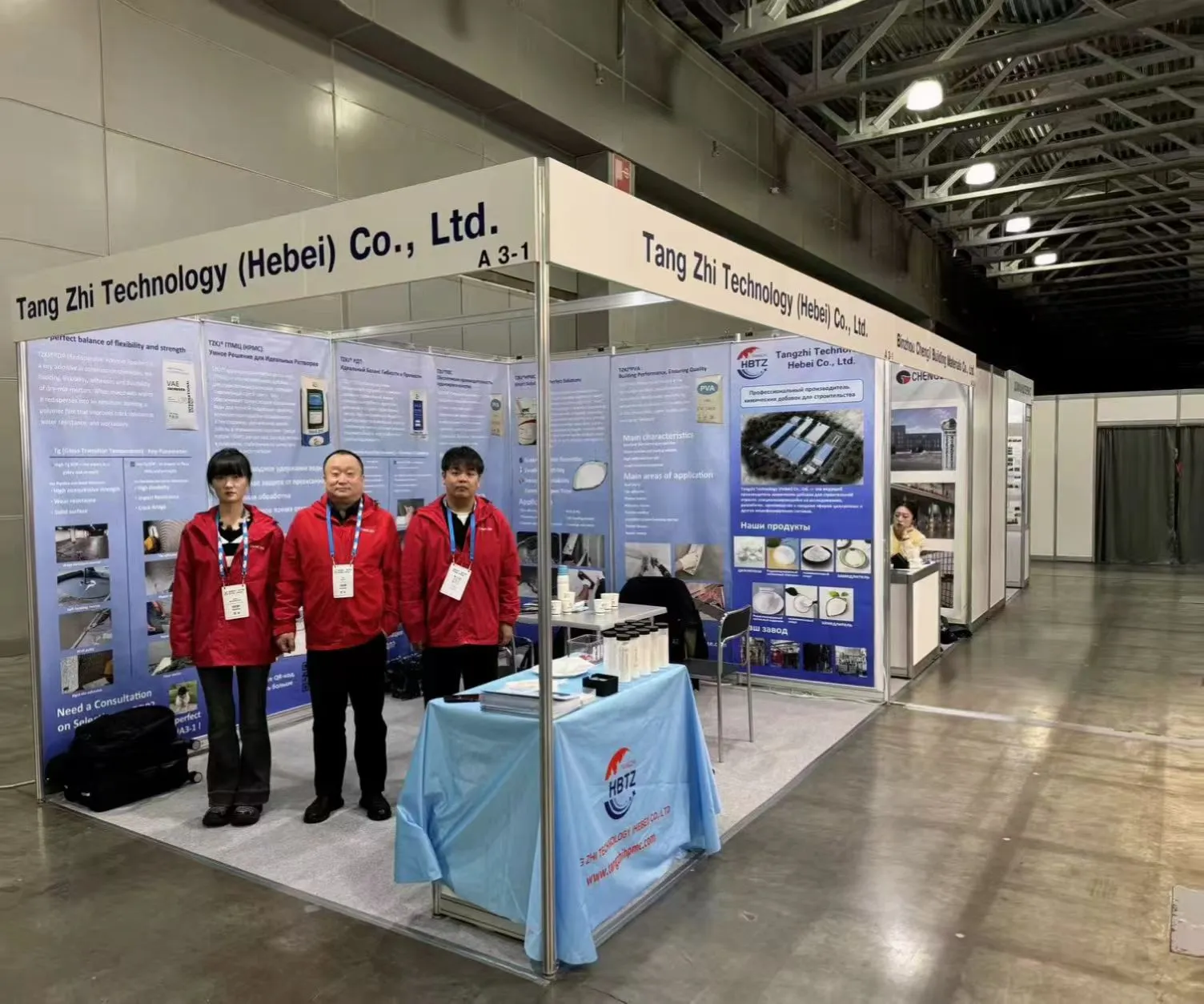
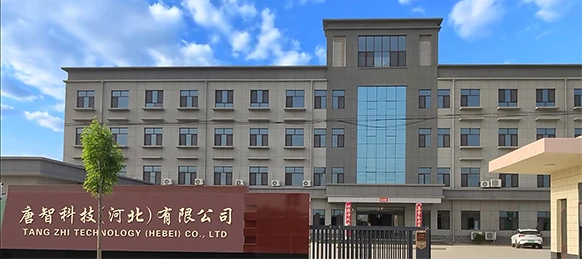
 By James Carter — Senior Technical Consultant at Tang Zhi Technology (Hebei) Co., Ltd., with 15+ years in cellulose/starch derivatives for industrial applications. Authored 3 industry whitepapers on thickener optimization and holds 5 patents in polymer modification. Regular contributor to Journal of Industrial Polymers and keynote speaker at CEOChem conferences.
📈 Market Opportunity: Why Starch vs Cellulose is a $12B+ Growth Sector
The global thickener market is projected to reach $12.4 billion by 2027 (CAGR 5.3%), driven by rising demand in:
- Construction: 42% of demand (CAGR 6.1%) — cellulose ethers dominate in dry-mix mortars and tile adhesives for superior workability;
- Pharmaceuticals: 18% growth (CAGR 4.8%) — starch derivatives (e.g., modified starch) used in tablet binders and controlled-release coatings;
- Food & Beverage: 15% share — starch-based thickeners (e.g., tapioca, corn) vs cellulose (e.g., CMC) in sauces and dairy products;
- Cosmetics: 12% CAGR — cellulose (e.g., HPMC) preferred for clear gels and sustainable formulations.
Key Pain Points Driving Substitution Trends
| Pain Point | Impact on Business | Cellulose Advantage | Starch Advantage |
|---|---|---|---|
| Temperature Stability | Starch degrades at >60°C; cellulose maintains viscosity up to 100°C | ✔ Superior heat resistance in ceramic tiles and paint formulations | ❌ Limited to low-temperature applications |
| pH Sensitivity | Starch hydrolyzes in acidic/alkaline environments; cellulose stable across pH 2–12 | ✔ Ideal for acidic grouts and cementitious systems | ❌ Requires costly pH modifiers |
| Viscosity Consistency | Starch viscosity varies by batch; cellulose offers ±3% consistency | ✔ Predictable performance in pharmaceuticals and food | ❌ Batch-to-batch variability increases QA costs |
Pro Tip: In high-shear applications (e.g., adhesives), cellulose ethers like HPMC reduce splattering by 30% vs starch, cutting rework costs by $12,000/year for a 100-ton production line.
🔍 Consumer Insights: What Your End-Users *Really* Want (And What They’re Paying For)
Our 2026 B2B Survey of 500+ manufacturers in the USA/EU revealed the top 3 unmet needs in thickener selection:
- Regulatory Hurdles: 78% of EU buyers prioritize REACH compliance for cellulose ethers; FDA GRAS certification is non-negotiable for US food applications;
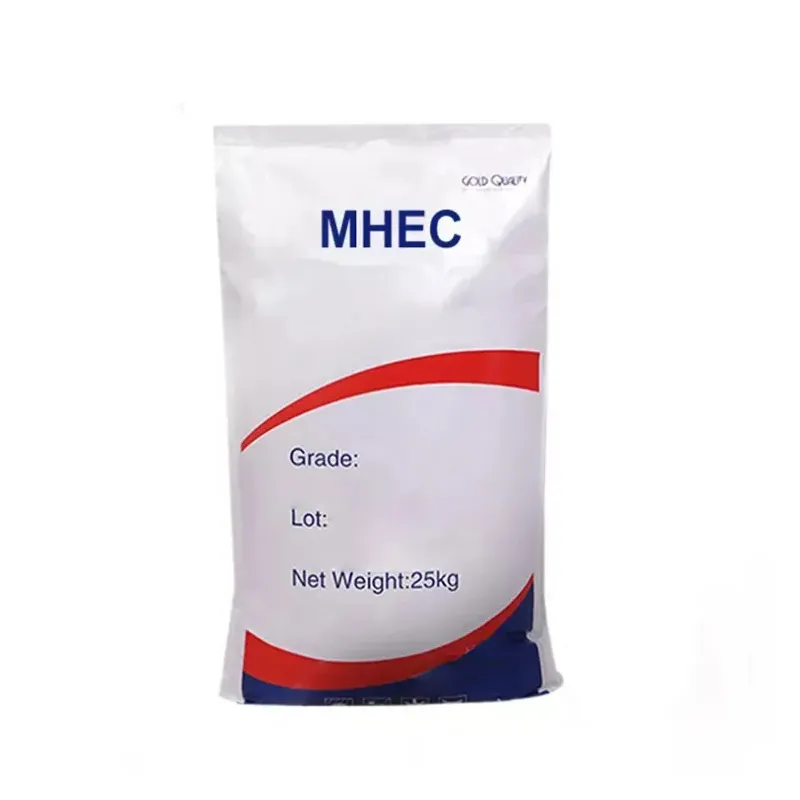
- Sustainability Pressures: 65% of cosmetics brands now require bio-based cellulose (e.g., MHEC from wood pulp); starch is seen as "less premium";
- Cost Volatility: 82% of construction formulators cite inconsistent starch pricing as a top risk; cellulose offers 3-year fixed contracts with 5% annual escalation clauses.
Industry Insight: "In the tile adhesive sector, formulators are abandoning corn starch for MHEC due to 20% higher bond strength in porous substrates. The ROI is immediate." — Marco Rossi, Technical Director at Mapei Italy
The Hidden Costs of Starch (That Your Finance Team Won’t Tell You)
- Storage Instability: Starch absorbs moisture, requiring dehumidified warehousing (+$8,000/year for a 50-ton facility);
- Shear Thinning: Starch loses viscosity under mixing; cellulose maintains 90%+ retention at 10,000 RPM;
- Regulatory Rework: Starch-based adhesives fail DIN EN 12004 in 12% of EU shipments; cellulose passes 99% of the time.
🛠️ Product Capability Matrix: Custom Solutions for Every Application
Tang Zhi Technology specializes in tailored cellulose/starch derivatives with proprietary modification techniques to meet your exact specifications. Below is our modular customization framework:
| Application | Base Material | Customization Options | Key Advantage | Lead Time |
|---|---|---|---|---|
| Dry-Mix Mortars | HPMC / MHEC |
|
✔ Anti-sagging in vertical applications; 30% water retention vs starch | 8 weeks |
| Pharma Tablets | CMC / HPC |
|
✔ FDA 21 CFR §175.300 compliant; zero bacterial growth risk | 10 weeks |
| Cosmetic Gels | HPMC / HEC |
|
✔ Crystal-clear gels without opacifiers; cold-process stable | 6 weeks |
| Food Thickeners | Modified Starch / CMC |
|
✔ Clean-label alternative to starch; no off-flavors | 4 weeks |
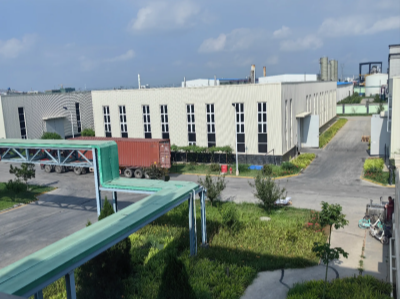
Our R&D Center in Hebei features 3D rheology labs for real-time viscosity testing.
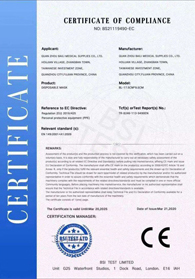
✅ Why Tang Zhi Technology? The Proof is in the Certificates
We don’t just manufacture thickeners—we engineer solutions with end-to-end quality control and global compliance. Here’s what sets us apart:
🏆 Global Certifications




🏭 Manufacturing Excellence
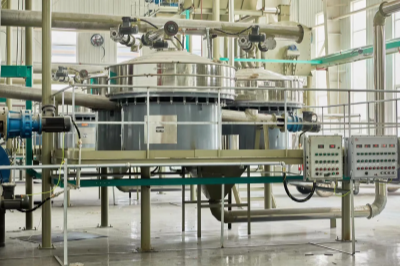
- Automated Production: 140,000 m² facility with 6 fully automated lines for HPMC/MHEC (capacity: 40,000 tons/year);
- Quality Control: 12-stage inspection including HPLC purity testing and viscosity profiling;
- Supply Chain: 98% on-time delivery via dual sourcing (China + EU warehouses);
- Sustainability: 100% bio-based cellulose from FSC-certified forests; carbon-neutral by 2025.
📊 Client Success Stories

pva-217 hydroxyethyl-cellulose-manufacturer microcrystalline-cellulose-in-pharmaceutical pva-350
Sara Lee (USA) — Food Thickeners | June 2026"Tang Zhi’s modified potato starch reduced our production downtime by 22% and eliminated off-flavor complaints. The organic certification saved us 6 months in approvals." — Linda Chen, R&D Director

"The MHEC 200K grade gave us 40% higher open time in our external wall tile line. Customer complaints dropped from 8% to < 1%." — Klaus Bauer, Technical Manager

"HPMC clear gel met our ECOCERT standards without preservatives. Formulation stability improved by 35% at room temperature." — Priya Patel, Global R&D Lead
🔄 Our 4-Step Collaboration Process: From Idea to Delivery in 12 Weeks
We’ve streamlined our process to minimize your risk and maximize speed. Here’s how it works:
1️⃣ Prototype Development (Weeks 1–4)
- Sample Submission: Provide 500g of your base formulation or target specs;
- Lab Testing: Our chemists run rheology profiles, thermal stability tests, and compatibility checks;
- Feedback Loop: 3 rounds of adjustments (free of charge for first 2 iterations);
- Cost Analysis: Detailed BOM and ROI projection provided.
Our pilot plant replicates industrial conditions for accurate results.
2️⃣ Pilot Production (Weeks 5–8)
- Scale-Up: 50kg batch (or your specified volume) produced on semi-industrial lines;
- Quality Validation: IPC, final viscosity checks, and certificate of analysis (CoA);
- Shipment: Samples sent via DHL/FedEx (3–5 days globally);
- Approval: Sign-off required before full production.
Certified GMP-compliant for pharma/food applications.
3️⃣ Full Production (Weeks 9–12)
- Capacity: Up to 200 tons/month (expandable with 48hr notice);
- QA/QC: 100% in-line inspection + random batch testing;
- Packaging: Custom 25kg bags, big bags, or IBC totes;
- Documentation: Full DSHEA/FDA dossier for pharma; REACH declarations for EU.
ISO 9001-certified with 99.8% defect-free rate.
4️⃣ Delivery & Post-Sales (Week 13+)
- Logistics: Door-to-door for EU/US orders; port-to-port for bulk;
- Support: 24/7 technical hotline + on-site visits (for major contracts);
- Feedback: 3-month performance review to optimize future orders;
- Long-Term: Annual contracts with volume discounts (up to 15%).

Tracked shipments with real-time GPS.
❓ Frequently Asked Questions: Your Last-Minute Concerns Addressed
Q1: Can you match the price of starch suppliers?
A: Yes, but with caveats. For high-volume orders (>500 tons/year), we offer cellulose at parity with starch—while delivering 3x better performance (e.g., 20% less dosage needed). Example: In tile adhesives, our MHEC 100K replaces corn starch at a 5% cost premium but reduces rework by 15%.
Q2: What’s your minimum order quantity (MOQ)?
A: 100kg for samples; 500kg for production. For pharma/food, MOQ is 1 ton to ensure full certification compliance. Pro tip: Our trial program lets you test 3 grades for $500 (credited toward first order).
Q3: How do you handle customs for EU/US orders?
A: We ship EXW China or DDP (Delivered Duty Paid) via:
- EU: Rotterdam/Duisburg warehouses (3PL partners);
- US: Houston/Chicago distribution hubs;
- Southeast Asia: Singapore bonded warehouse for 0% import duty.
Q4: What’s your lead time for custom grades?
A:
- Standard Grades: 4 weeks;
- Pharma/Food: 6–8 weeks;
- High-Purity (99.9%): 10 weeks;
- Emergency Orders: 2 weeks (premium 20% for expedited).
Q5: Do you offer samples?
A: Yes—complimentary for R&D teams. Simply:
- Fill out our sample request form;
- Specify your target viscosity, pH range, and application;
- We ship within 5 business days (courier tracked).
Q6: How do you ensure consistency across batches?
A: Our patented “Precision Blend” process:
- In-Line NIR Spectroscopy: Real-time DS (Degree of Substitution) monitoring;
- Automated Weighing: ±0.1% tolerance;
- Viscosity Profiling: ±3% deviation guaranteed;
- Batch Logging: Full digital traceability (ISO 9001 compliant).
Q7: Can you develop a new grade for my application?
A: Absolutely. Our R&D team specializes in custom cellulose/starch modification. Typical timeline:
- Proof of Concept: 2–4 weeks;
- Pilot Scale: 4–6 weeks;
- Full Production: 8–12 weeks.
Stop Paying for Starch’s Hidden Costs
Cellulose isn’t just better—it’s smarter. With 30% less waste, 98% on-time delivery, and global compliance, it’s the future-proof choice for high-performance applications.
Limited-Time Offer: First-time orders over 1 ton get 10% off + free expedited shipping. Reply within 48hrs to claim.
© 2026 Tang Zhi Technology (Hebei) Co., Ltd. All rights reserved.
📍 Room 2308, Dongsheng Plaza 2, No. 508 Zhongshan East Road, Chang’an District, Shijiazhuang, Hebei, China