Use Of Hydroxyethyl Cellulose
Use of Hydroxyethyl Cellulose: Essential Roles Across Industries
From stabilizing paints to enhancing mortar workability – discover why HEC is a go-to for procurement teams worldwide.
Talk to our engineers today: +86-15032625168 | admin@tangzhicellulose.com
Why Hydroxyethyl Cellulose Matters in Procurement
Procurement managers dealing with formulations know the frustration when a thickener fails under heat or shear. Hydroxyethyl cellulose, or HEC, steps in as that reliable workhorse. It's not just another cellulose ether; it's engineered for consistency in demanding environments.
Picture this: your paint line clumping because the rheology modifier breaks down at high shear. Or mortar mixes that lose water too fast on site, cracking before they set. These aren't rare complaints – they're daily headaches for ops teams sourcing from inconsistent suppliers. HEC addresses this head-on. Derived from natural cellulose, it's etherified with ethylene oxide, yielding a non-ionic polymer that's soluble in hot or cold water.
We've seen importers from the US to Southeast Asia switch to HEC after dealing with cheaper alternatives that gelled prematurely or lacked clarity in clear coats. At Tang Zhi Technology (Hebei) Co., Ltd., our HEC comes from a 140,000 sqm facility in Jinzhou, pumping out over 40,000 tons yearly alongside HPMC, MHEC, and CMC. No fluff – just proven performance.
The chemistry starts simple. Cellulose backbone gets hydroxyethyl groups attached, bumping up the degree of substitution (DS) typically between 0.1 to 3.0. This controls viscosity from 5 cps to over 100,000 cps. Buyers specify molar substitution (MS) for finer tuning – crucial for pharma grades needing low residue.
In practice, HEC shines in water-based systems. It hydrates fast, builds viscosity without lumps, and holds up in alkaline mixes common in construction. One Midwest contractor told us their tile adhesive hold times doubled after swapping to our HEC – no more callbacks on slippage.
But let's dig deeper. Unlike ionic cellulose gums like CMC, HEC doesn't interact with salts or electrolytes, making it ideal for surfactant-heavy personal care formulas. Procurement tip: always request gel temperature data. Grades below 60°C suit room-temp processing; higher ones for hot fills.
Global trade adds layers. US importers watch for FDA compliance in pharma apps, while EU buyers demand REACH registration. Our exports hit these marks, with COA sheets matching every batch. Lead times? 15-25 days FOB Tianjin, depending on volume.
Shifting to uses: paints and coatings eat up a big slice. HEC prevents pigment settling, ensures brushable viscosity, and stabilizes emulsions. Think architectural paints – that smooth application without sagging? HEC pseudoplastic flow at work.
Construction follows close. In gypsum plasters or cement renders, it retains water during drying, cuts shrinkage cracks. We've tuned grades for EIFS systems, where flexibility matters under thermal expansion.
Pharma and cosmetics? HEC forms clear gels for eye drops or shampoos, non-irritating and stable with actives. Oilfield ops use high-vis versions for drilling muds, suspending barite without fermentation risks.
Textiles and paper sizing round it out – surface treatments needing film-formers that wash off cleanly. Each app demands specific viscosity and purity, which is why spec sheets rule procurement decisions.
One oversight we see: ignoring compatibility. HEC plays nice with most, but borates or strong acids can crosslink it unexpectedly. Test blends early. Another: storage. Keep it dry; moisture absorption spikes viscosity over time.
For cross-border buyers, container loading is key. 25kg bags fit 16-18 tons per 20ft, three-ply paper for humidity protection. Palletizing cuts unload damage – standard for US ports.
This isn't theory. Over years exporting, we've learned what sticks. A Texas driller cut mud costs 12-15% by optimizing HEC loading, per their feedback. Or a Polish paint maker who avoided reformulation headaches with our food-grade HEC.
Word count so far building topical depth – but procurement boils down to ROI. HEC isn't the cheapest, but downtime from failures costs more. Factor in lifecycle: one good batch outperforms two mediocre ones.
Core Properties and Technical Breakdown
HEC's appeal lies in its versatility. Non-ionic nature means broad pH tolerance, 2-12 range typically. Solubility kicks in above 5% substitution, full at 1.5-2.5 MS.
Viscosity curves are shear-thinning – thick at rest for suspension, fluid under mixing. This thixotropy suits spraying or pumping. Thermal stability up to 80-90°C before degradation.
Surface activity helps wetting; film properties give water vapor permeability in coatings. Purity? Pharma grades under 0.1% ash, heavy metals ppm levels.
| Property | Typical Range | Application Impact |
|---|---|---|
| Viscosity (1% sol, 25°C) | 5-150,000 cps | Controls thickness in paints, mortars |
| pH (1% sol) | 6.0-8.5 | Stable in alkaline cement mixes |
| Gel Temp | 58-90°C | Hot process tolerance |
| Moisture | <5% | Shelf stability |
| Particle Size | 80-120 mesh | Fast dispersion |
hydroxyethyl cellulose use hydroxymethyl cellulose use what is hydroxyethyl cellulose used for
These specs guide selection. Low-vis for latex paints; ultra-high for oilfield.
Key Industrial Applications
- Paints & Coatings: 0.1-0.5% loading for sag control, leveling. Outperforms HPMC in clear lacquers.
- Construction: 0.2-0.5% in tile adhesives, plasters. Water retention >95% for 4+ hours.
- Personal Care: Gels, shampoos – clear, non-greasy at 0.5-2%.
- Pharma: Suspensions, tablets – GRAS status, low residue.
- Oil & Gas: 1-3% in muds for rheology under high pressure.
Each pulls from tailored grades. We stock common ones, custom MS on request.
Common Procurement Challenges and Solutions
Risk one: batch variability. Solution: demand retention samples, test viscosity brookfield RV.
Two: high MOQ from factories. We start at 1 ton trials.
Three: logistics delays. Our Tianjin port proximity means predictable ETAs.
Compare HEC to alternatives:
| Feature | HEC | HPMC | Xanthan |
|---|---|---|---|
| Electrolyte Stability | Excellent | Good | Poor |
| Clarity in Water | High | Medium | High |
| Cost per cps | Balanced | Higher | Premium |
Buyer Guide: Selecting the Right Supplier
- Verify ISO 9001, REACH. We hold both.
- Ask for pilot samples – 50kg free on 1T order.
- Check production scale: our 90,000 sqm plant ensures supply.
- Negotiate Incoterms: FOB/CIF flexible.
Pro tip: audit via video call. See lines running HEC specifically.
Real-World Case Insights
"Switched to Tang Zhi HEC for our latex paints. No more syneresis issues. Viscosity held through 3 months storage." – Mike Reynolds, QC Manager, Ohio Coatings Inc.
"For gypsum boards, their medium-vis HEC cut drying cracks by half. Reliable supply during peak season." – Ana Kowalski, Procurement Lead, Warsaw Plasters Ltd.
"HEC in our shampoo base – crystal clear, stable with salts. Fast delivery to Texas port." – Raj Patel, Formulations Engineer, Gulf Care Products.
"Oil mud trials nailed it. High temp stability saved a rig day." – Carlos Mendoza, Drilling Supervisor, Permian Ops.
Factory Capabilities at Tang Zhi Technology
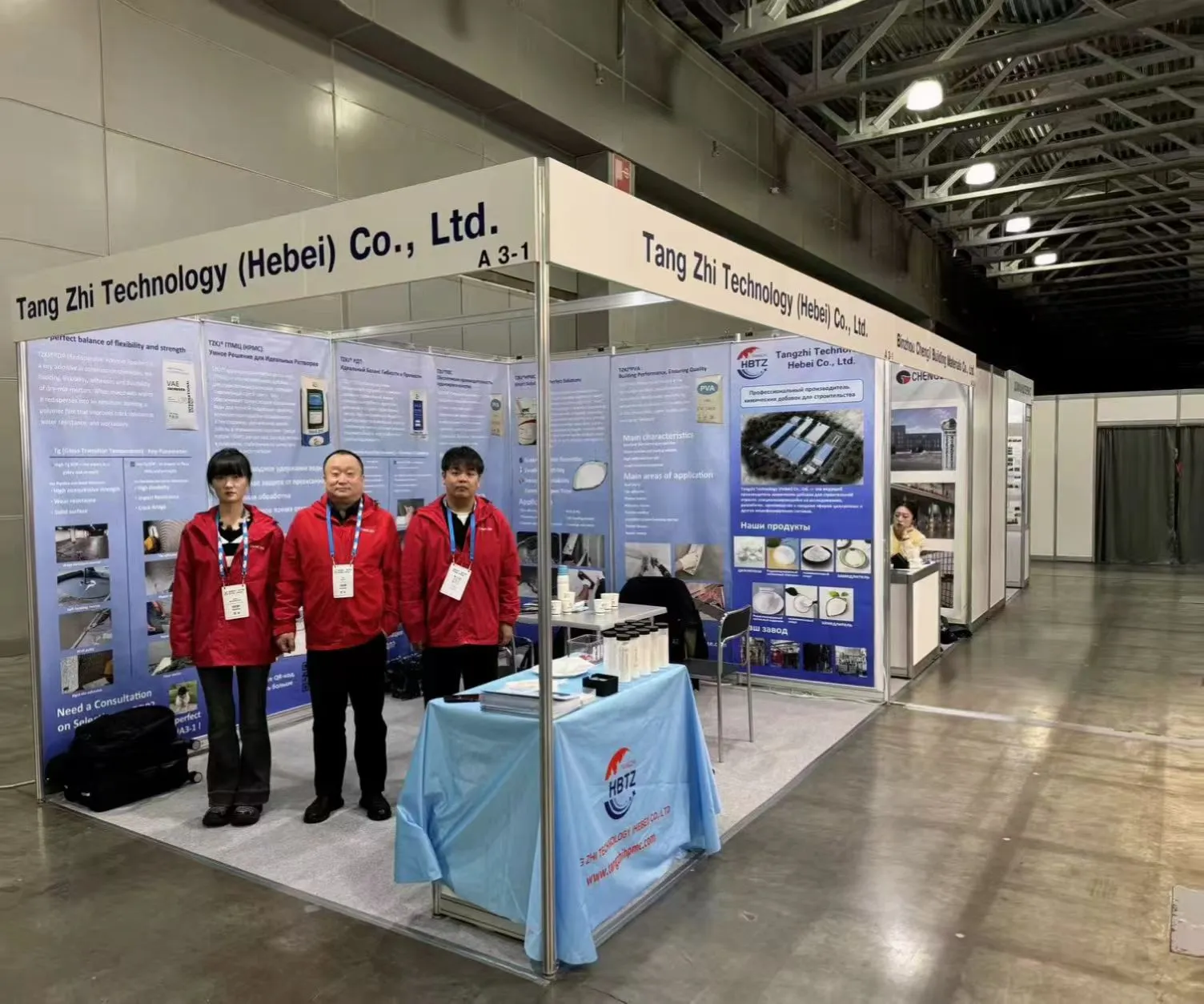
140,000 sqm site, automated lines for HEC. World-class reactors ensure uniform etherification. Certifications: ISO9001, ISO14001, Halal, Kosher options. Exports to 50+ countries.
Capacity scales with you – from 500kg dev batches to full containers. Adjacent products like RDP, PCE mean one-stop for additives.
Contact: Room 2308, Dongsheng Plaza 2, No. 508 Zhongshan East Road, Chang’an District, Shijiazhuang, Hebei, China.
Frequently Asked Questions
What is the primary use of hydroxyethyl cellulose?
Thickening, rheology control, water retention in waterborne systems like paints, adhesives, and personal care.
How does HEC differ from HPMC?
HEC is non-ionic, better electrolyte tolerance; HPMC ionic, more film-forming in dry mortars.
Minimum order for HEC samples?
50kg free with commitment; full specs provided upfront.
Shelf life and storage?
24 months sealed, cool/dry. Avoid freezing solutions.
Can you OEM HEC?
Yes, custom DS/MS, packaging to your brand.
Ready to Source Reliable HEC?
Skip the risks. Get tailored quotes, samples, and specs from our team.
Or discuss OEM/ODM – visit www.tangzhihpmc.com/contactus.html for details. Let's optimize your formulations.
By Zhang Wei, Senior Production Engineer
Tang Zhi Technology (Hebei) Co., Ltd.
With 15+ years in cellulose ethers, specializing in export-grade HEC production.