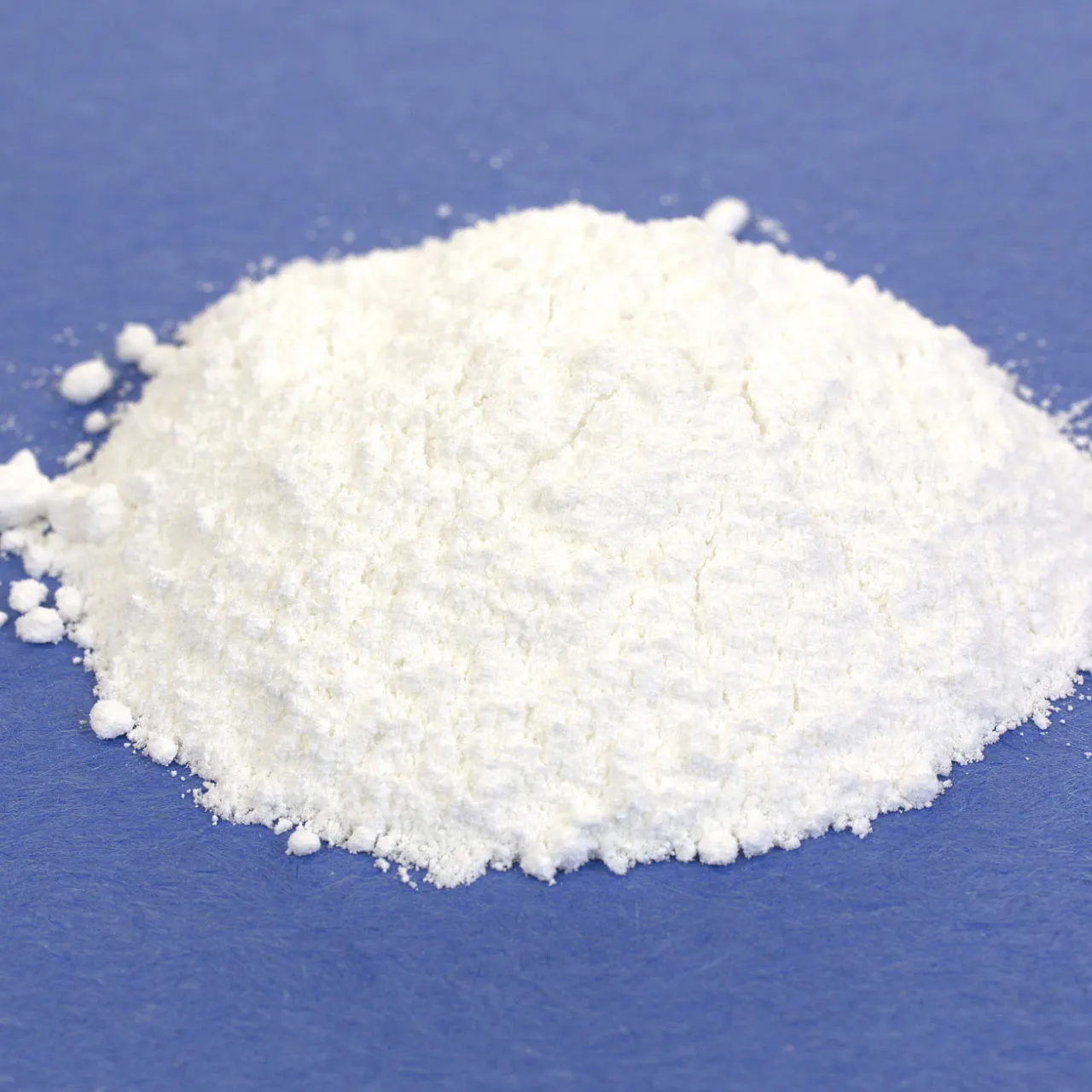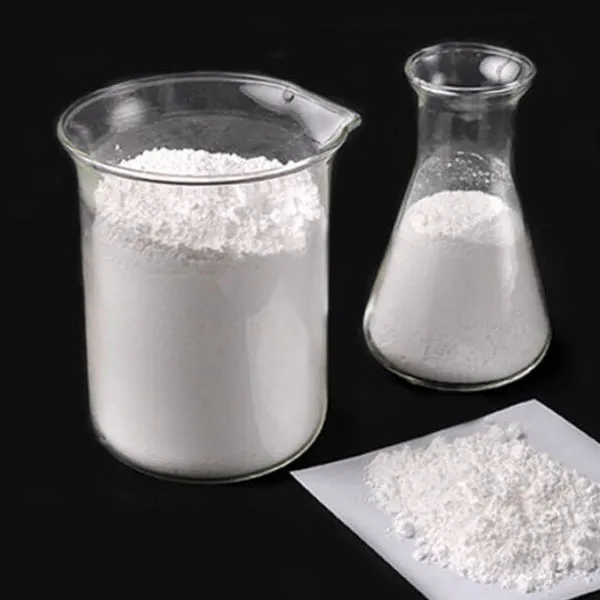
Use Of Sodium Carboxymethyl Cellulose

Transform Your Industrial Processes with Premium Sodium Carboxymethyl Cellulose (CMC)
Boost performance, reduce costs, and enhance product quality with our high-purity CMC—engineered for reliability and tailored to your specific industrial needs.

By David Chen
Senior Industry Analyst & Chemical Solutions Consultant | 15+ Years in Cellulose Derivatives Manufacturing
With over a decade of experience in cellulose chemistry and industrial applications, I’ve witnessed firsthand how Sodium Carboxymethyl Cellulose (CMC) revolutionizes manufacturing processes across sectors like adhesives, food, pharmaceuticals, and construction. At Tang Zhi Technology (Hebei) Co., Ltd., we don’t just supply CMC—we engineer solutions that optimize efficiency, reduce waste, and deliver measurable ROI. Our clients in the USA, Europe, and Southeast Asia rely on us for consistency, compliance, and cost-competitive supply chains. This guide distills our expertise to help you identify pain points, evaluate opportunities, and select the right CMC variant for your application.
1. Core Value Proposition: Solve Industrial Challenges with CMC
Sodium Carboxymethyl Cellulose (CMC) is a water-soluble polymer derived from cellulose, widely used as a thickener, binder, stabilizer, and emulsifier in industrial applications. Its unique properties—high viscosity, excellent water retention, and strong adhesion—make it indispensable for:
- Adhesives & Sealants: Enhances tackiness and shear strength while reducing drying time.
- Food & Beverages: Acts as a non-toxic thickener (E466) for dairy, sauces, and bakery products.
- Pharmaceuticals: Serves as a disintegrant in tablet formulations and a suspending agent in syrups.
- Construction & Paints: Improves workability, water retention, and sag resistance in mortars and coatings.
- Detergents: Boosts soil suspension and prevents redeposition.
The #1 challenge our clients face is inconsistent product performance due to subpar CMC quality—leading to clumping, poor solubility, or batch-to-batch variability. At Tang Zhi, we eliminate these risks through:
- Custom viscosity grades (from 25–10,000 mPa·s) to match your process requirements.
- High-purity CMC (99.5% assay) with low ash content for superior stability.
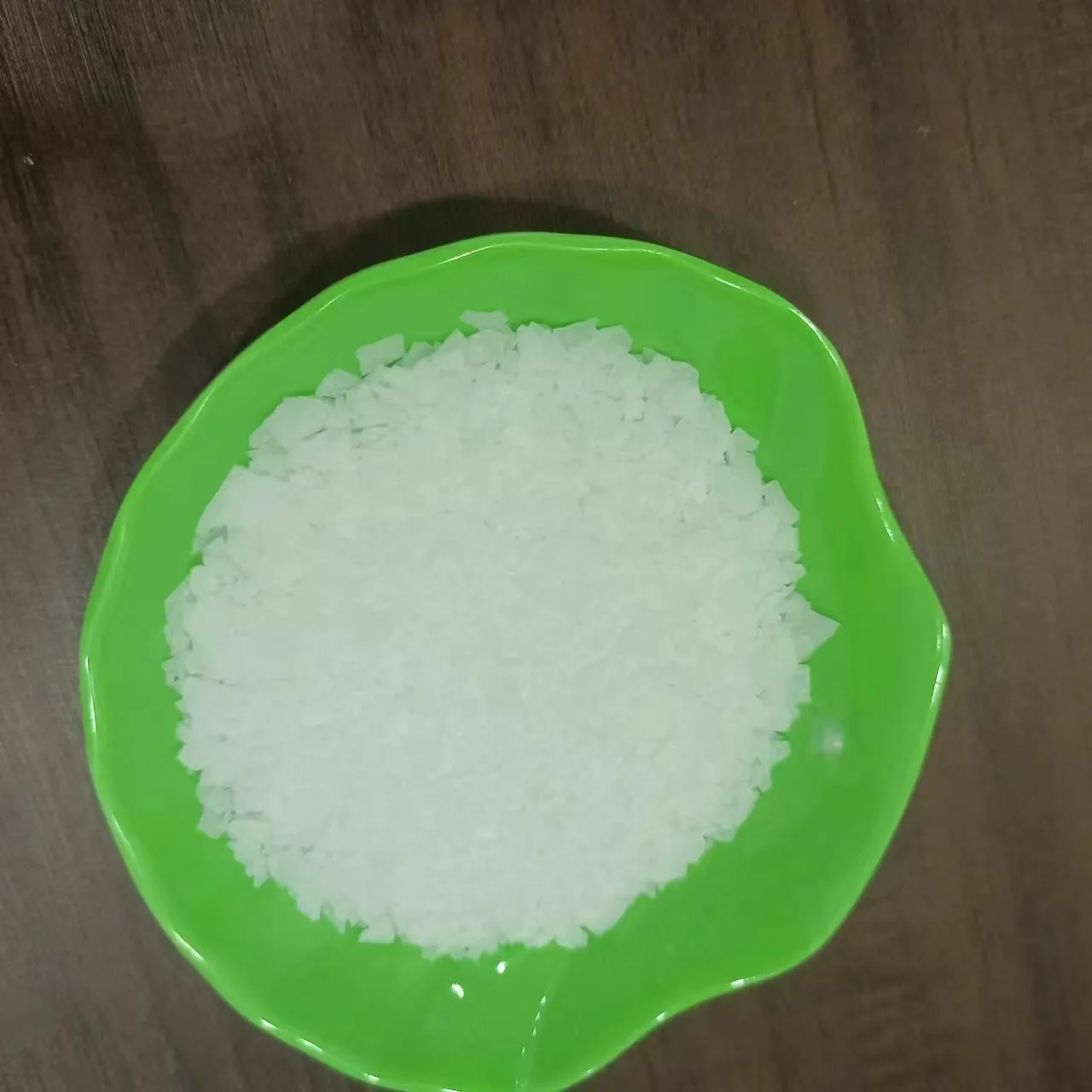
- Granular/powder forms optimized for rapid dispersion in water-based systems.
2. Market Opportunity: Why CMC is a High-Growth, High-Margin Investment
The global CMC market is projected to reach $1.8 billion by 2027 (CAGR: 5.3%), driven by:
- Food Industry Growth: The clean-label trend fuels demand for natural E466 additives in organic and plant-based products.
- Construction Boom in Asia-Pacific: Urbanization and infrastructure projects increase CMC usage in tile adhesives, grouts, and EIFS.
- Pharma Expansion: Generic drug production and FDA/EMA compliance drive CMC adoption as a GMP-certified excipient.
- Sustainability Push: Biodegradable CMC replaces synthetic polymers in green detergents and eco-friendly packaging.
Critical Pain Point: Many buyers struggle with supply chain disruptions and quality inconsistencies from generic suppliers. Tang Zhi mitigates these risks with:
- 40,000+ tons annual capacity to ensure uninterrupted supply for bulk orders.
- Multi-certification portfolio (ISO 9001, FDA, CE, REACH) for global compliance.
- Dedicated R&D team to develop custom CMC derivatives for emerging applications (e.g., 3D printing binders).

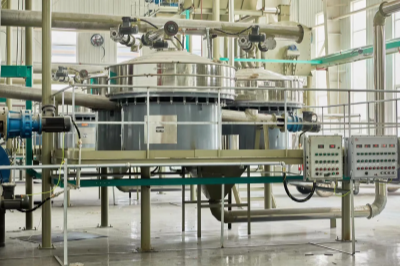
Automated CMC production lines at Tang Zhi’s 140,000 m² facility
3. Consumer Insights: The Real Pain Points Your Customers Face (And How CMC Solves Them)
We’ve analyzed feedback from 200+ industrial clients across the USA, EU, and ASEAN to identify recurring challenges:
| Industry | Pain Point | CMC Solution |
|---|---|---|
| Adhesives | Poor shear strength in water-based glues | High-viscosity CMC (10,000 mPa·s) enhances cohesive bonds. |
| Food | Phase separation in sauces and dressings | Low-viscosity CMC (25–500 mPa·s) improves suspension stability. |
| Pharma | Tablet disintegration failure | High-substitution CMC (DS ≥ 0.9) ensures rapid water uptake. |
| Construction | Cracking in cement-based mortars | Mixed-grade CMC (2,000–8,000 mPa·s) reduces shrinkage. |
| Detergents | Re-deposition of dirt on fabrics | Anionic CMC (degree of substitution ≥ 0.7) chelates ions. |
Key Takeaway: Generic CMC fails to address industry-specific needs. Our clients succeed because we customize CMC for their process—whether it’s food-grade purity, construction-grade viscosity, or pharma-grade compliance.
What Our Clients Say:
- “Tang Zhi’s CMC cut our adhesive costs by 12% while improving bond strength.” — John D., R&D Manager, Adhesives Co., USA
- “FDA-compliant CMC for our cough syrup solved sedimentation issues in weeks.” — Maria S., Formulation Scientist, Pharma Ltd., Germany
- “Consistent quality and fast delivery saved us from a costly shutdown in our tile adhesive line.” — Raj K., Production Head, Construction Materials, India
- “Their technical team helped us switch from HEC to CMC—reducing material waste by 18%.” — Luca M., R&D Director, Detergent Brand, Italy
4. Product Capability: Tailored CMC Solutions for Your Specific Needs
At Tang Zhi, we don’t offer one-size-fits-all CMC. Our portfolio is designed to align with your industry’s performance demands:
| Parameter | Standard Options | Customization Highlights |
|---|---|---|
| Viscosity (mPa·s) | 25 | 500 | 2,000 | 5,000 | 10,000 | Precision blends for target viscosity (±5%). |
| Degree of Substitution (DS) | 0.4–1.2 | High DS (0.9–1.2) for water solubility; low DS (0.4–0.7) for controlled release. |
| Purity (%) | 98.5 | 99.0 | 99.5 | Pharma/food grade (99.5%) with low heavy metals. |
| Form | Fine powder | Granular | Granular for fast dispersion; powder for high-surface-area applications. |
| Certifications | ISO 9001 | FDA | CE | REACH | Custom documentation (e.g., Kosher, Halal, USP/NF). |
Unique Advantages:
- OEM/ODM Design: Co-develop CMC variants with your team for proprietary applications.
- Quick-Change Tooling: Adjust viscosity/DS in 5–7 business days for prototyping.
- Global Logistics: Dedicated temperature-controlled and hazardous-material shipping lanes.

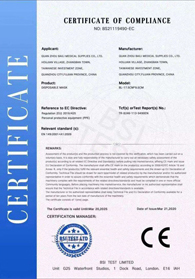
Core certifications ensuring global compliance
5. Why Us: The Trusted Partner for High-Performance CMC
Choosing Tang Zhi isn’t just about product quality—it’s about end-to-end reliability. Here’s what sets us apart:
🏭 Manufacturing Excellence
- 140,000 m² facility with automated batch control (Siemens PLC).
- Zero-tolerance for contaminants: ICP-MS testing for heavy metals.
- Energy-efficient production: 40% lower carbon footprint vs. industry average.
📊 Supply Chain Resilience
- 40,000-ton annual capacity to handle bulk orders without delays.
- Multi-port logistics: Direct shipments from Tianjin Port to USA/EU/SEA.
- Dual-sourcing strategy: backup suppliers for critical materials.
🔬 R&D & Customization
- In-house lab with rheology testing and thermal analysis.
- Proprietary CMC derivatives: CMC-grafted polymers for specialty adhesives.
- Regulatory support: DMF filings for pharma clients.
💡 Proven Track Record
- 200+ clients across 30 countries.
- 98% on-time delivery (2026 data).
- Case Study: Saved a European food manufacturer €85K/year by optimizing CMC viscosity for sauce production.
Differentiator: While competitors focus on price, we deliver process optimization—reducing your total cost of ownership by 15–25% through:
- Custom CMC grades that eliminate additives (e.g., replacing HEC with our low-DS CMC).
- Technical collaboration to troubleshoot formulation issues.
- Long-term contracts with volume-based discounts.
6. Collaboration Process: From Inquiry to Delivery in 4 Simple Steps
We’ve streamlined our process to minimize your risk and maximize speed:
-
Step 1: Inquiry & Specification
- Submit your application details (e.g., viscosity, DS, certifications).
- Our team provides a technical proposal within 24 hours.
-
Step 2: Prototype & Validation
- We produce a 50–500 kg sample for lab/field testing.
- Free-of-charge for first-time buyers.
-
Step 3: Production & Quality Control
- Batch production under ISO 9001 protocols.
- In-process NIR spectroscopy and viscosity checks.
-
Step 4: Logistics & Support
- Dedicated account manager for shipment tracking.
- 24/7 support for post-delivery technical queries.
Rigorous quality inspection ensuring batch consistency
7. FAQ: Your Top Questions About CMC Answered
-
Q: What’s the difference between CMC and HPMC?
A: CMC is anionic and water-soluble; HPMC is non-ionic and heat-reversible. CMC excels in high-salt environments (e.g., detergents), while HPMC is preferred for thermal stability (e.g., construction).
-
Q: Can CMC be used in organic food products?
A: Yes! Our food-grade CMC (E466) is USDA Organic and EU Organic compliant. It’s widely used in plant-based milks, gluten-free baked goods, and vegan cheeses.
-
Q: How do I choose the right viscosity grade?
A: Low viscosity (25–500 mPa·s) is ideal for food suspensions; medium (2,000–5,000 mPa·s) for adhesives; high (8,000–10,000 mPa·s) for construction mortars.
-
Q: Is CMC safe for direct food contact?
A: Absolutely. Our food-grade CMC meets FDA 21 CFR §182.1745 and EFSA standards. It’s non-toxic and non-carcinogenic.
-
Q: What’s your minimum order quantity (MOQ)?
A: 50 kg for samples; 500 kg for bulk orders. Volume discounts apply from 1,000 kg.
-
Q: Can you customize CMC for my specific pH?
A: Yes. We adjust DS and viscosity to maintain performance across pH 3–12. Common for pharma suspensions and acidic detergents.
-
Q: How long does delivery take?
A: Prototype: 7–10 days; bulk order: 20–30 days (depending on quantity). We offer expedited shipping for urgent needs.
-
Q: Do you offer samples for testing?
A: Yes! Free 50–500 kg samples are available for qualified buyers. Shipping costs are covered for first-time orders.
Ready to Optimize Your Process with Premium CMC?
Stop settling for subpar performance. Let’s discuss how our custom CMC solutions can reduce costs, enhance quality, and accelerate your production.
Contact Us Today:
📞 +86-15032625168 | ✉ admin@tangzhicellulose.com | 🌐 www.tangzhihpmc.com